Photo credit: Pistolero De Fé/YouTube
Some guns are not impossible to like. They just make you work for it. Maybe the idea is better than the execution. Maybe the gun has a loyal fan base, but the handling, trigger, recoil, weight, controls, or support never quite wins you over.
These are the firearms that can be interesting, useful, or even collectible in the right hands, but they are hard to love once the novelty wears off. You may respect what they are. You may understand why they exist. But liking them day to day is a different story.
Calico M100

The Calico M100 is hard to ignore, but that does not make it easy to like. A .22 LR carbine with a top-mounted helical magazine sounds fun, and it definitely looks different from everything else on the bench.
The problem is that the magazine system is the whole personality. It adds bulk, odd balance, and more complexity than most rimfire shooters want. A .22 rifle should be easy, light, and relaxing. The M100 turns simple plinking into something that feels like you are managing the design instead of just enjoying the gun.
Remington Viper 522

The Remington Viper 522 had the misfortune of living in a world where the Ruger 10/22 already existed. A semi-auto .22 has to be reliable, easy to support, and simple to enjoy. The Viper never built that kind of confidence with most shooters.
It is not completely without fans, but it is hard to like compared with better rimfire options. Magazines, parts, trigger feel, and long-term reputation all work against it. Once a .22 rifle becomes annoying, the whole point is gone. Rimfires are supposed to make range time easier, not give you another project.
Colt Double Eagle
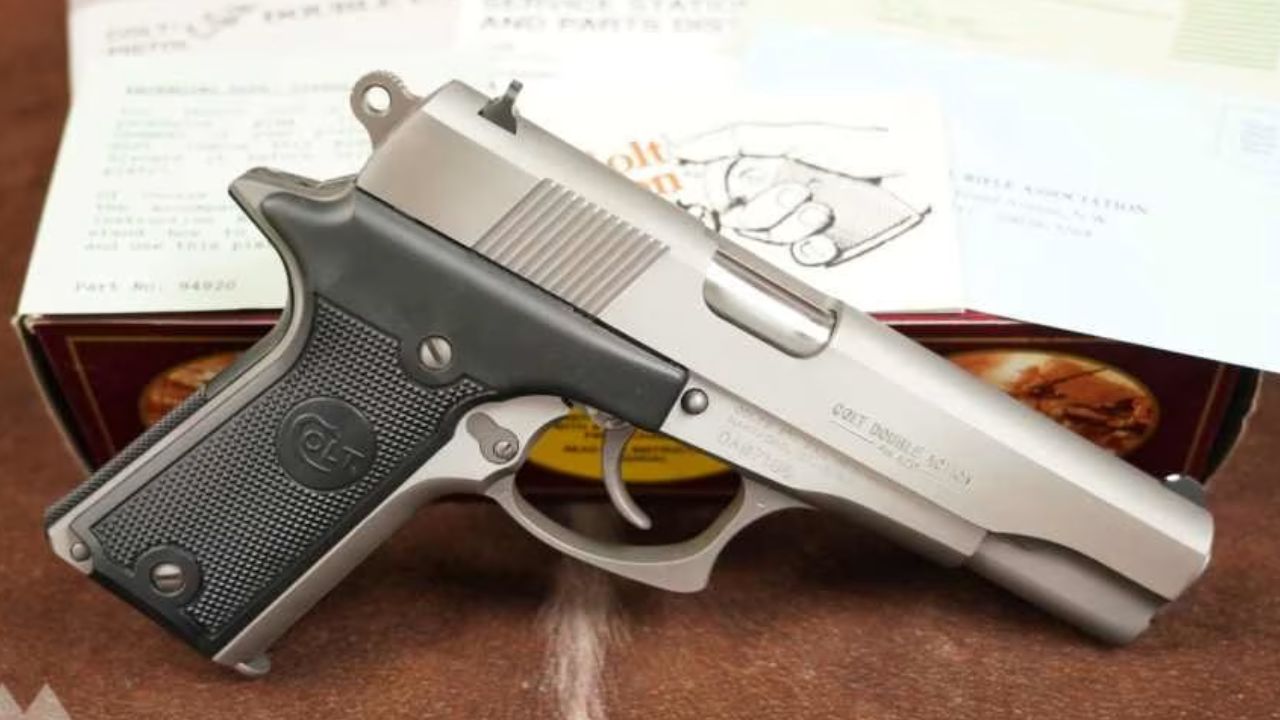
The Colt Double Eagle is one of those pistols that makes more sense as a historical footnote than as something you want to shoot often. Colt tried to bring double-action operation into a 1911-style pistol, and you can understand the thinking.
The result never feels as natural as either idea by itself. If you like 1911s, the Double Eagle feels like it lost part of the charm. If you like traditional double-action pistols, there are smoother and cleaner options. It is interesting because Colt made it, but that does not make it easy to enjoy.
Ruger Hawkeye Pistol
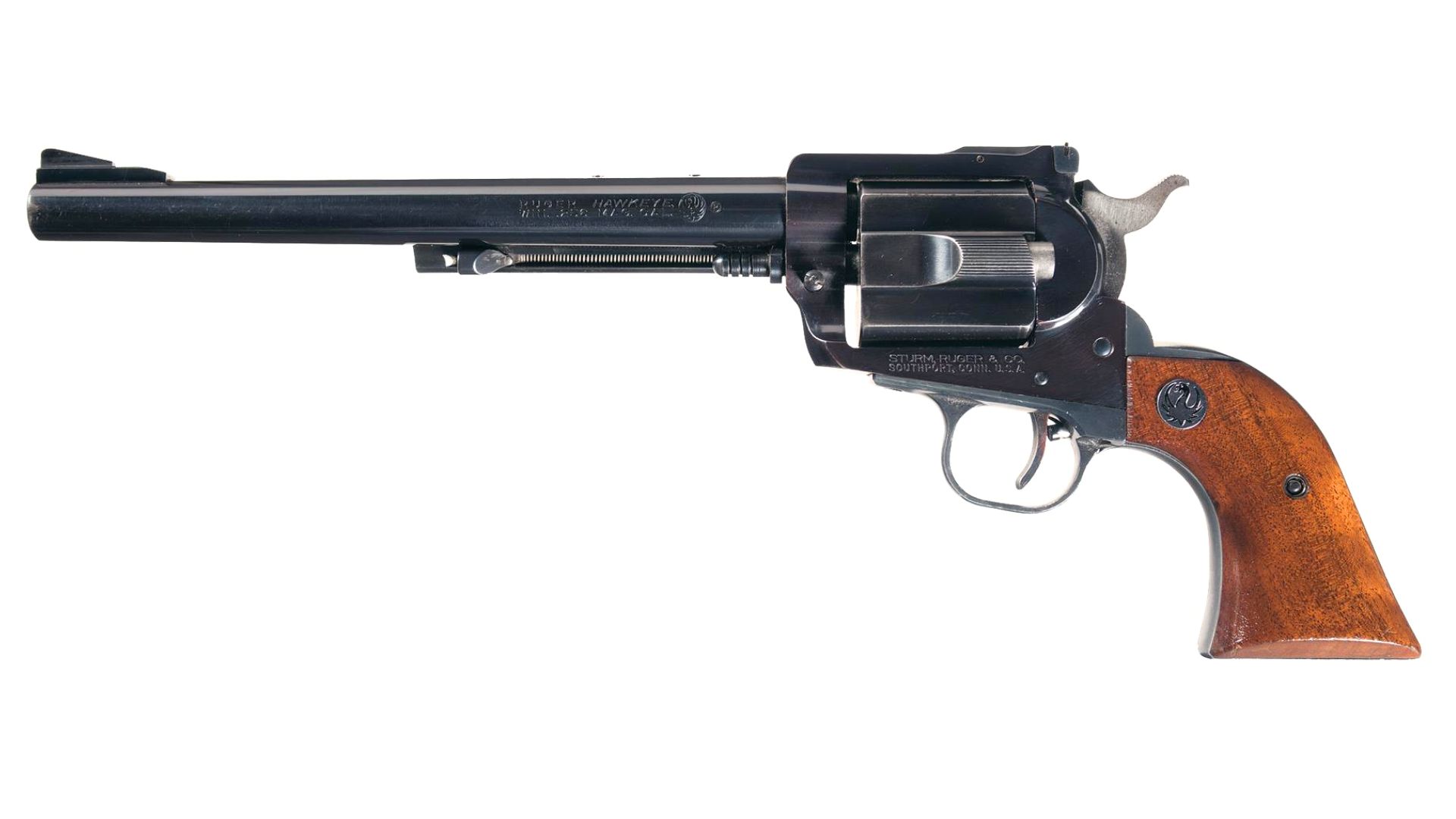
The Ruger Hawkeye pistol is fascinating, but it is also deeply strange. A single-shot pistol chambered in .256 Winchester Magnum is not something most shooters are going to casually warm up to. It was built for a very specific kind of handgun hunter and experimenter.
That narrow purpose makes it hard to like as a normal firearm. Ammunition is not casual, the design is unusual, and the whole gun feels more like a collector conversation than a practical shooter. It is cool in the way oddball Rugers often are, but ownership takes real commitment.
Dardick Model 1500
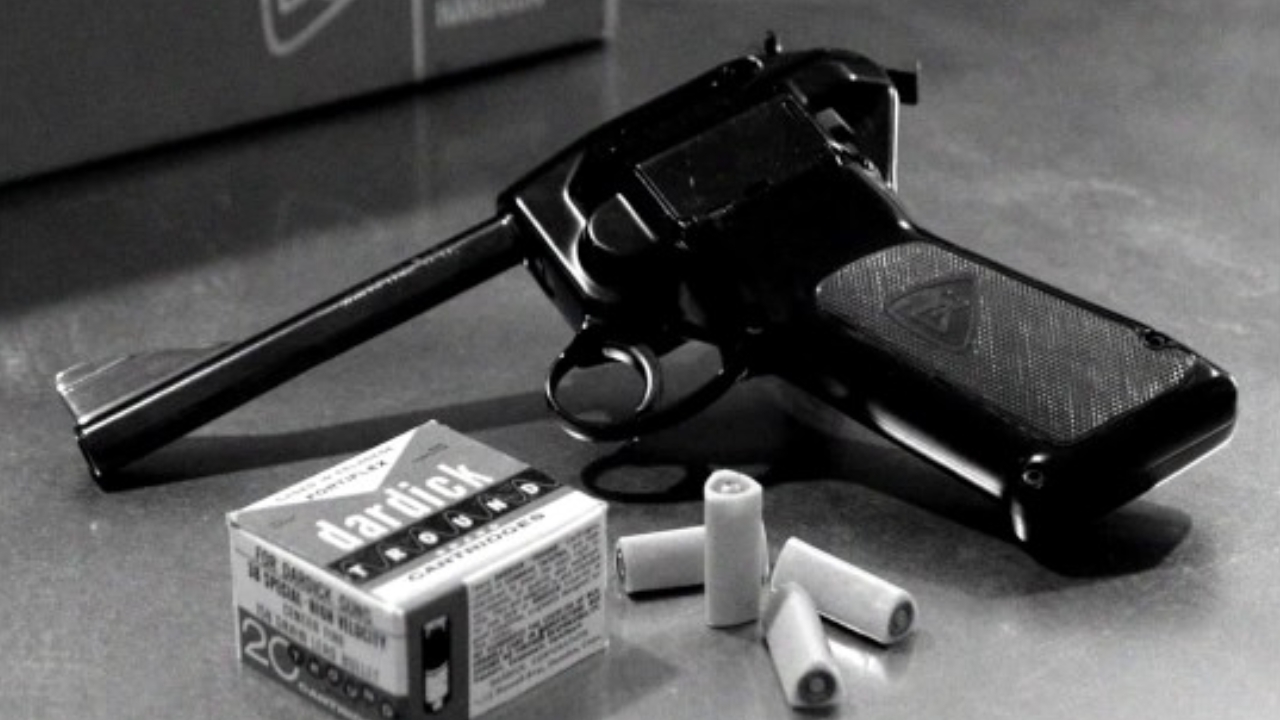
The Dardick Model 1500 is one of the most interesting handguns ever made, and that is also the problem. The triangular “tround” ammunition system is clever on paper and unforgettable in person. It is exactly the kind of gun that makes collectors stop and stare.
As something to actually like as a shooter, though, it asks too much. Ammunition is obscure, the design is bulky, and nothing about ownership feels easy. It is hard not to respect the creativity. It is also hard to imagine choosing it over almost any conventional handgun for regular use.
Winchester Model 1400

The Winchester Model 1400 can be hard to like because it sits in an awkward shotgun lane. It was a semi-auto hunting shotgun with a familiar name, but it never earned the same affection as Winchester’s better classics or the stronger semi-autos from Browning, Beretta, and Remington.
Some run fine, and plenty of hunters used them successfully. Still, the overall feel can be underwhelming. The action, fit, and reputation do not inspire the same loyalty as better-loved shotguns. It is one of those guns you can use, but may never feel excited to own.
Smith & Wesson SW99
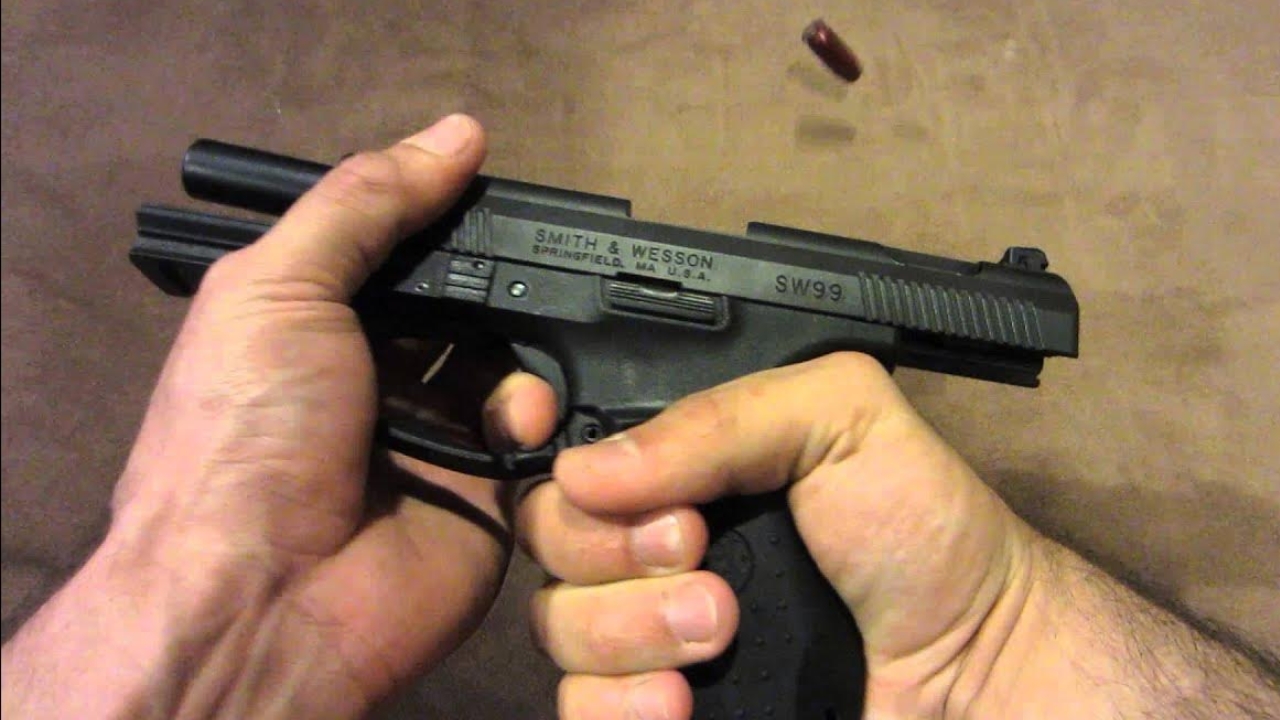
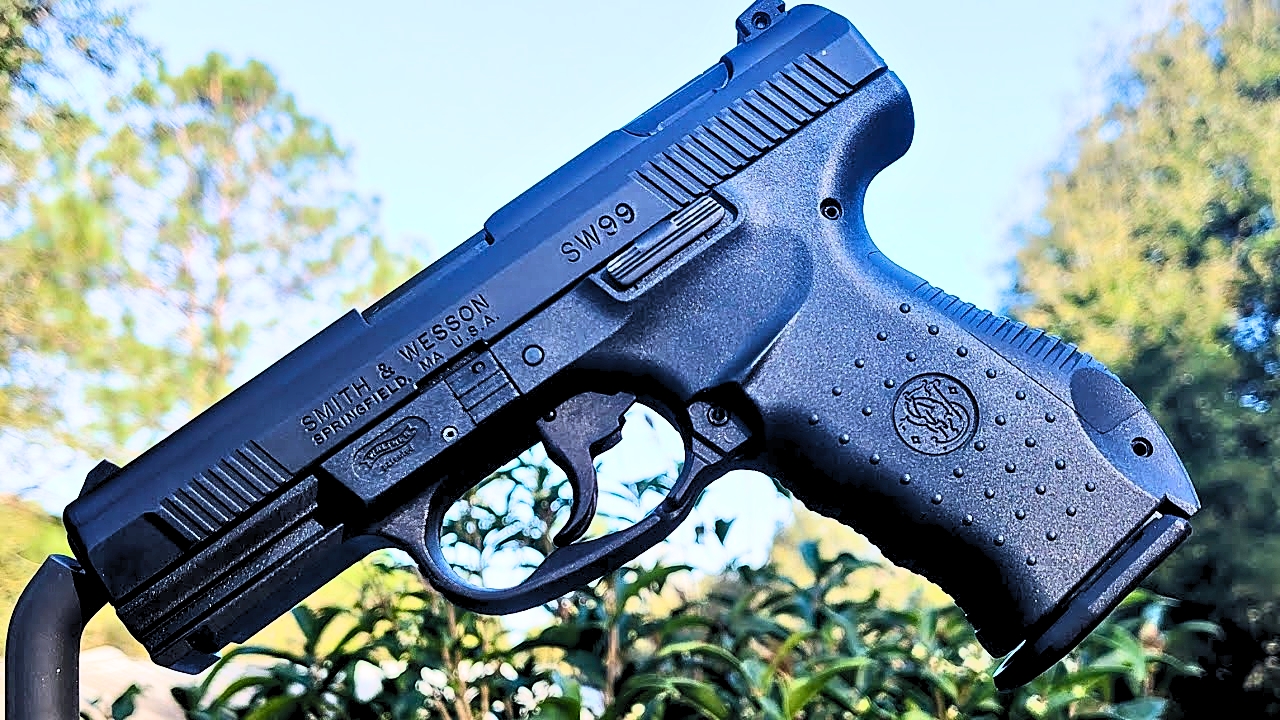
The Smith & Wesson SW99 had an interesting background, borrowing heavily from the Walther P99 while wearing Smith & Wesson branding. That should have made it more appealing than it turned out to be. Instead, it landed in a weird identity gap.
It is not quite the Walther people want, and it is not the Smith people usually look for. The styling is odd, the trigger variants can confuse buyers, and the pistol never built a strong personality of its own. It can work, but it is hard to like when the original P99 feels more coherent.
Savage Model 340
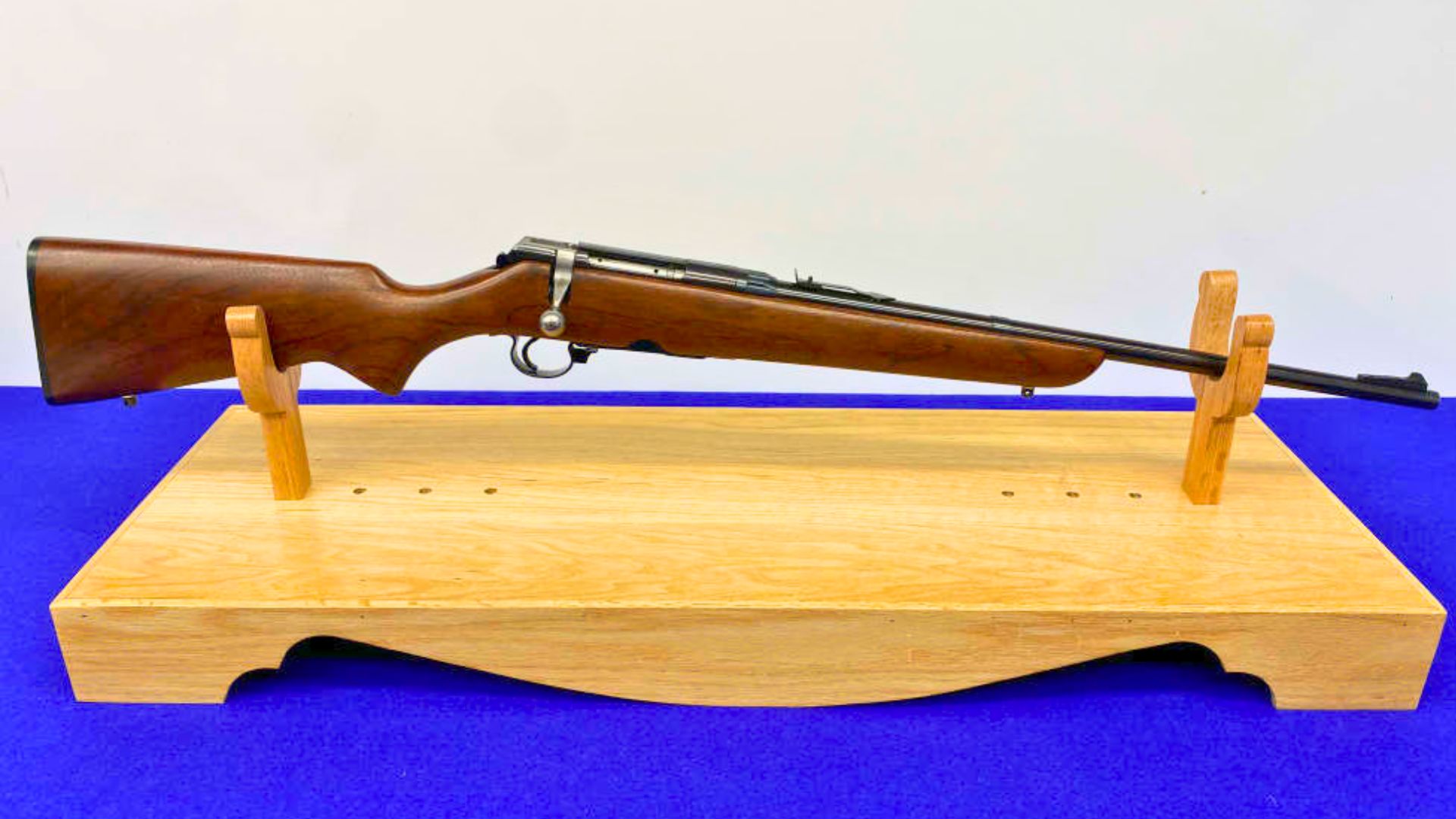
The Savage Model 340 is a practical old bolt gun, but it does not exactly charm everyone. The side-mounted magazine, plain looks, and utilitarian build give it a budget feel from another era. It was made to be affordable and useful, not refined.
That is why some owners respect it more than they like it. In cartridges like .30-30, it is interesting, but the bolt feel, trigger, and stock design do not make it feel special. It can absolutely hunt, but compared with smoother old rifles, the 340 feels like a tool you tolerate.
Whitney Wolverine
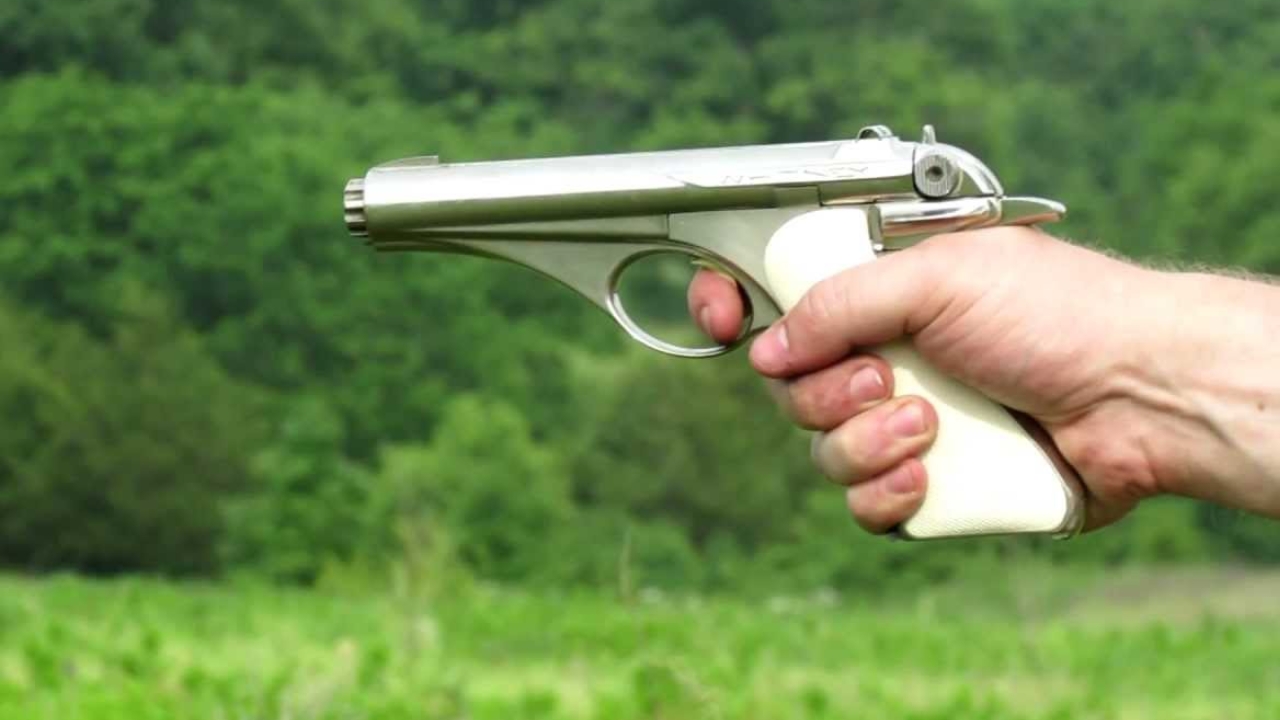
The Whitney Wolverine may be one of the best-looking .22 pistols ever made, but looks carry only so far. Its space-age profile gives it instant appeal, and you can understand why people still talk about it. It has style most rimfires never had.
Actually liking it as a shooter is harder. Original examples are collectible, parts are not something you treat casually, and the feel is more interesting than practical. It is a gun you admire, maybe shoot carefully, and then put away. As a regular range pistol, newer .22s make life easier.
Franchi LAW-12
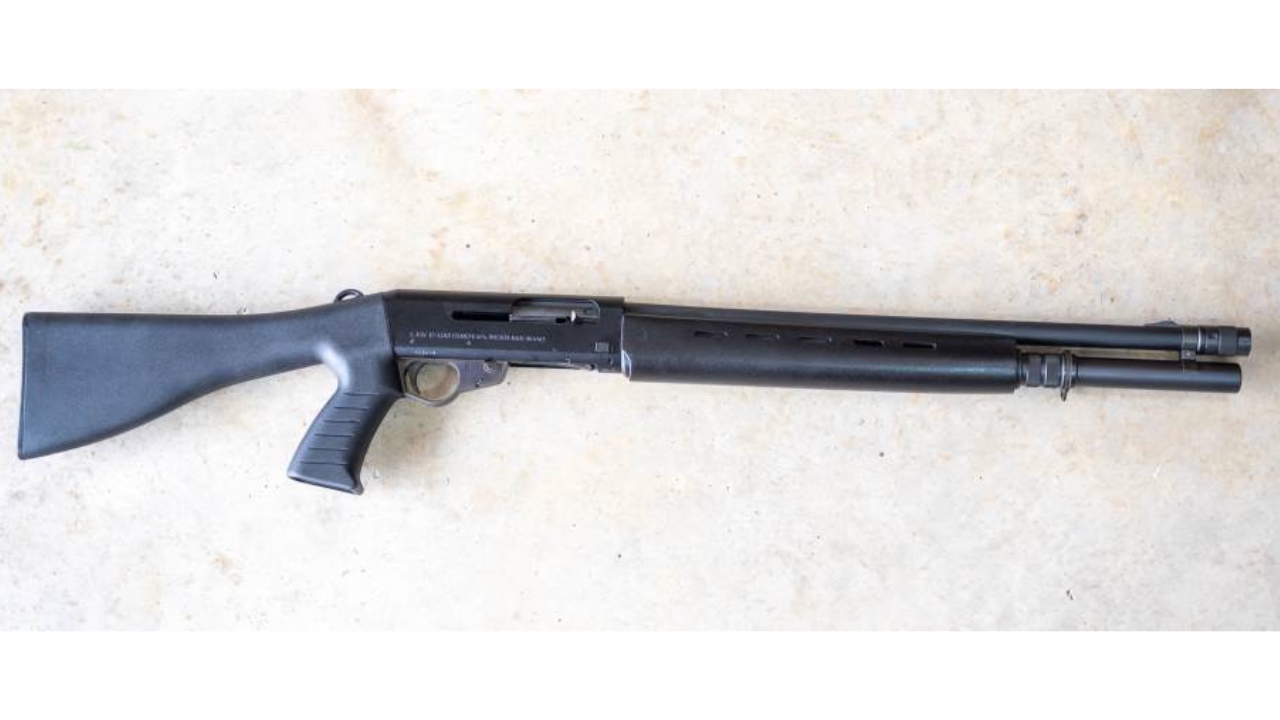
The Franchi LAW-12 looks like it should be more fun than it often is. A semi-auto 12-gauge with tactical appeal and Italian shotgun roots sounds like a great combination. It has that old-school cool factor that gets people interested fast.
Then ownership gets more complicated. Parts, condition, age, and limited support matter. It is not as simple to live with as more common defensive or sporting shotguns. You may like the look and respect the era, but keeping one running and enjoying it hard is not as easy as buying a more common shotgun.
HK VP70

The HK VP70 is historically important, but it is not easy to like from the trigger guard back. It was ahead of its time in some ways, with a polymer frame long before that became ordinary. That part deserves credit.
The trigger is where the goodwill goes to die. It is long, heavy, and difficult enough that many shooters remember the gun mostly for that. The grip angle and overall feel also do not help. You can respect the VP70 as an important design, but enjoying it on the range takes more patience than most people have.
Remington Model 742 Woodsmaster

The Remington 742 Woodsmaster has put plenty of deer in freezers, but it is also one of those rifles people either defend from family experience or complain about from ownership experience. A semi-auto deer rifle sounds great until age, wear, and maintenance start showing up.
The problem is that many examples were hunted hard and not always maintained well. Feeding issues, worn rails, and magazine problems can make them frustrating. A clean one may still do its job, but buying one used can feel like adopting someone else’s old problem. That makes it hard to like without knowing its history.
Steyr GB
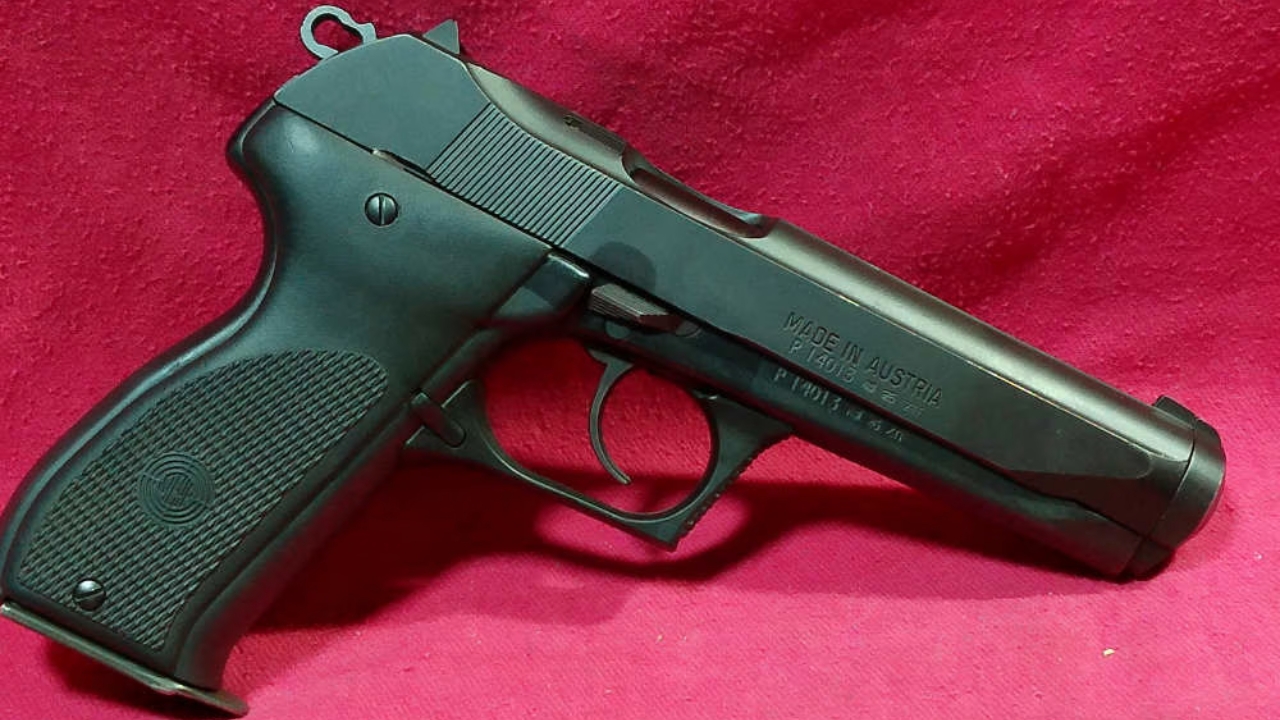
The Steyr GB is another pistol that sounds better the more you read about it. High capacity for its era, gas-delayed operation, and unusual Austrian engineering all make it interesting. It has the kind of background that attracts people who are tired of ordinary pistols.
Then you handle one and realize interesting does not always mean lovable. It is large, uncommon, and not supported like mainstream service pistols. The design is clever, but ownership feels niche. If you like odd service pistols, it has appeal. If you want an easy gun to enjoy regularly, it is a harder sell.
Mossberg 472

The Mossberg 472 lever-action rifle is hard to like because it lives in the shadow of better-loved lever guns. It gave buyers a lever-action option, but it never had the same feel, reputation, or smoothness that people chase in old Winchesters and Marlins.
That comparison hurts it. A lever gun is supposed to win you over with handling, balance, and charm. The 472 can feel more like a functional substitute than something you truly want. It is not worthless, but it rarely gives owners the same pride as the classics it tried to stand beside.
COP .357
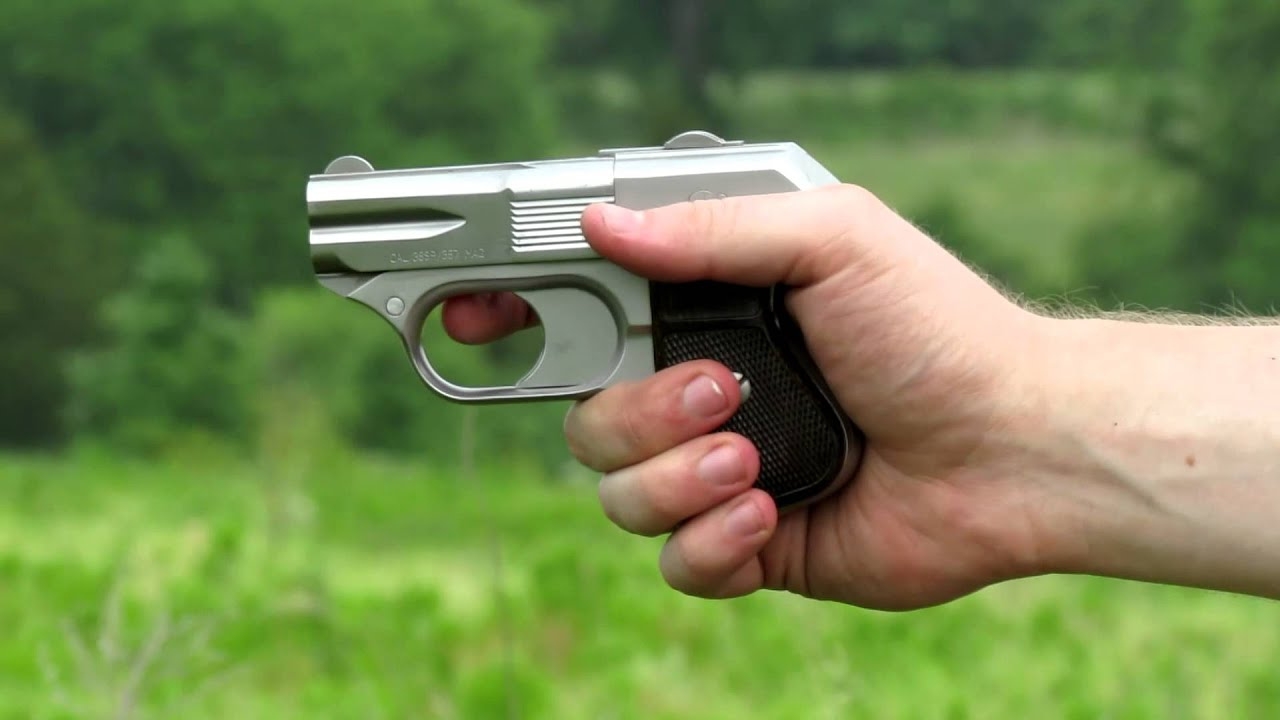
The COP .357 has the look of a serious little defensive brick, and that is part of why people want to like it. Four barrels of .357 Magnum in a compact stainless package sounds tough, simple, and intimidating.
Actually shooting and carrying it tells a different story. It is heavy, thick, slow to reload, and saddled with a rough trigger that makes good hits harder than they should be. It is memorable, sure. But memorable is not the same as pleasant, practical, or easy to trust. This is one of those guns people admire more than they enjoy.
Like The Avid Outdoorsman’s content? Subscribe to our newsletter so you never miss an article.
Here’s more from us: