Photo credit: The Avid Outdoorsman
Some guns do not get abandoned because they are completely useless. They get abandoned because ownership becomes annoying. The gun needs too much tuning, shoots worse than expected, beats up the shooter, has weak support, or turns every range trip into troubleshooting instead of practice.
That is when people give up. They stop making excuses, stop buying different ammo, stop blaming magazines, and eventually move the gun along for something easier to live with.
Remington 783
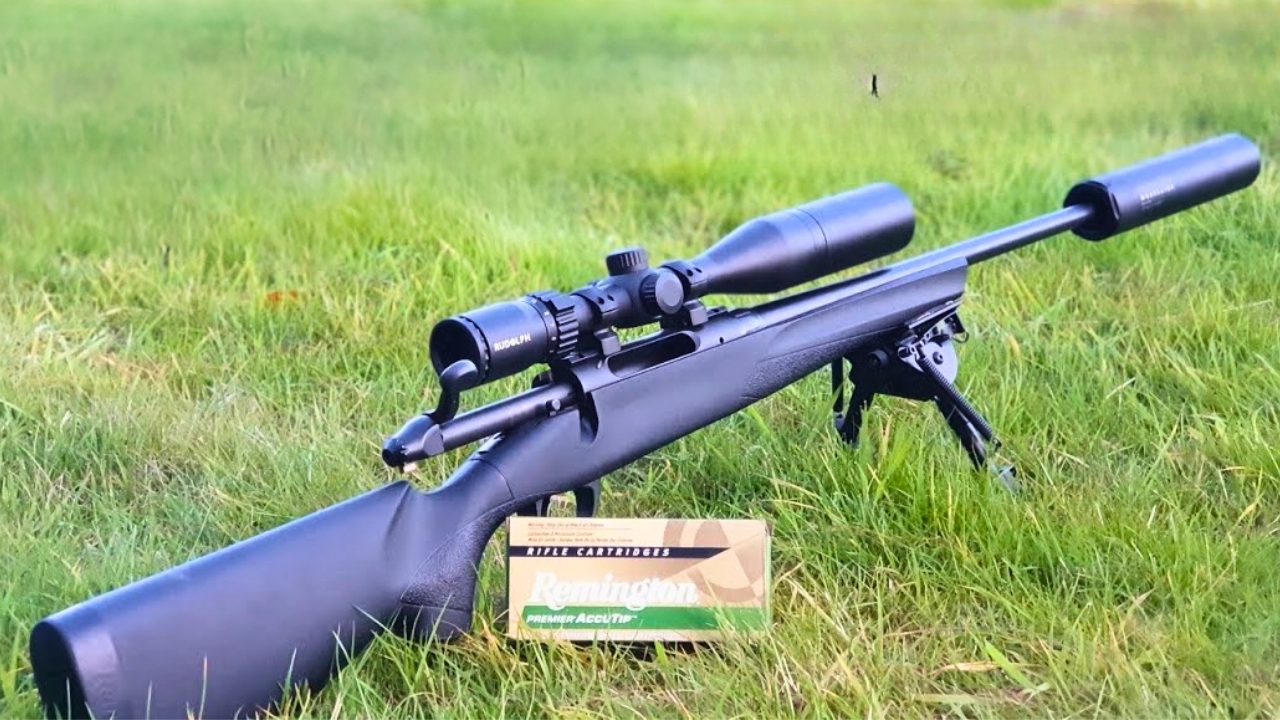
The Remington 783 can shoot better than its reputation suggests, but a lot of owners never warm up to it. The rifle was built to compete in the budget hunting market, and that shows in the stock, finish, bolt feel, and overall handling.
For some hunters, that is fine. For others, the cheap feel gets old fast. The rifle may group well enough, but it does not inspire much pride when you pull it from the case. Once buyers compare it to a smoother used rifle or a better-feeling modern budget gun, the 783 often becomes the one they quit caring about.
Taurus Spectrum
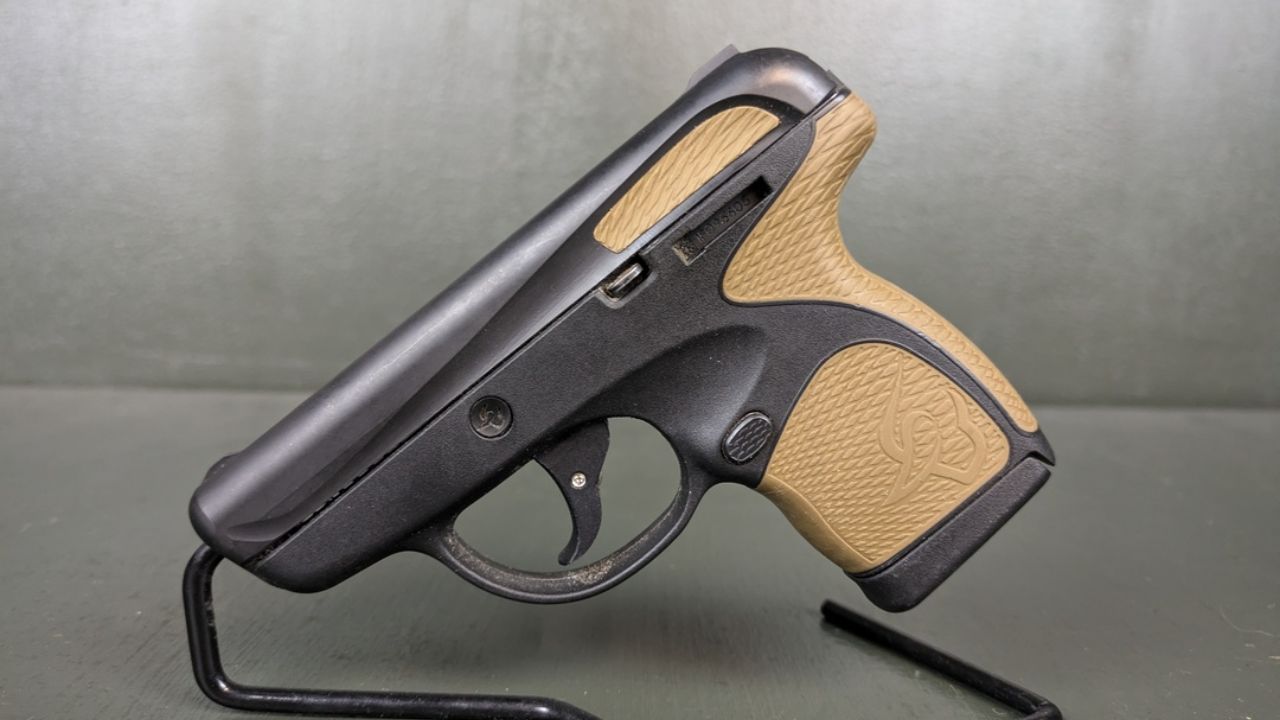
The Taurus Spectrum looked like a softer, friendlier pocket .380 when it came out. The rounded shape and colorful trim gave it a different feel from the usual tiny carry pistol, and that was enough to make some buyers curious.
Then ownership reminded people that different does not always mean better. The trigger, small controls, and general confidence level left many shooters cold. A pocket gun has to be easy to trust because it is already a compromise. If it feels more like a design experiment than a dependable tool, people move on quickly.
Savage Axis XP

The Savage Axis XP sells because it is affordable, often accurate, and usually comes ready with a scope. That package makes sense for a first deer rifle or a backup gun. The problem is that the package feel does not always hold up after a season or two.
The stock feels hollow, the bolt can feel rough, and the included optics on basic packages are not always something owners want to keep. Plenty of Axis rifles kill deer every year, but many buyers eventually want something that feels more settled. It is a rifle people often outgrow faster than expected.
Beretta Nano

The Beretta Nano had a clean idea behind it: a snag-free slim 9mm from a respected company. It was simple, compact, and looked like a serious carry gun when single-stack 9mms were still everywhere.
But the Nano never became easy for everyone to love. The grip shape felt odd to many shooters, the trigger was not a favorite, and early ammo sensitivity talk did not help. Once newer micro-compacts arrived with better capacity and better handling, owners had fewer reasons to keep forcing themselves to like it.
Winchester SXP
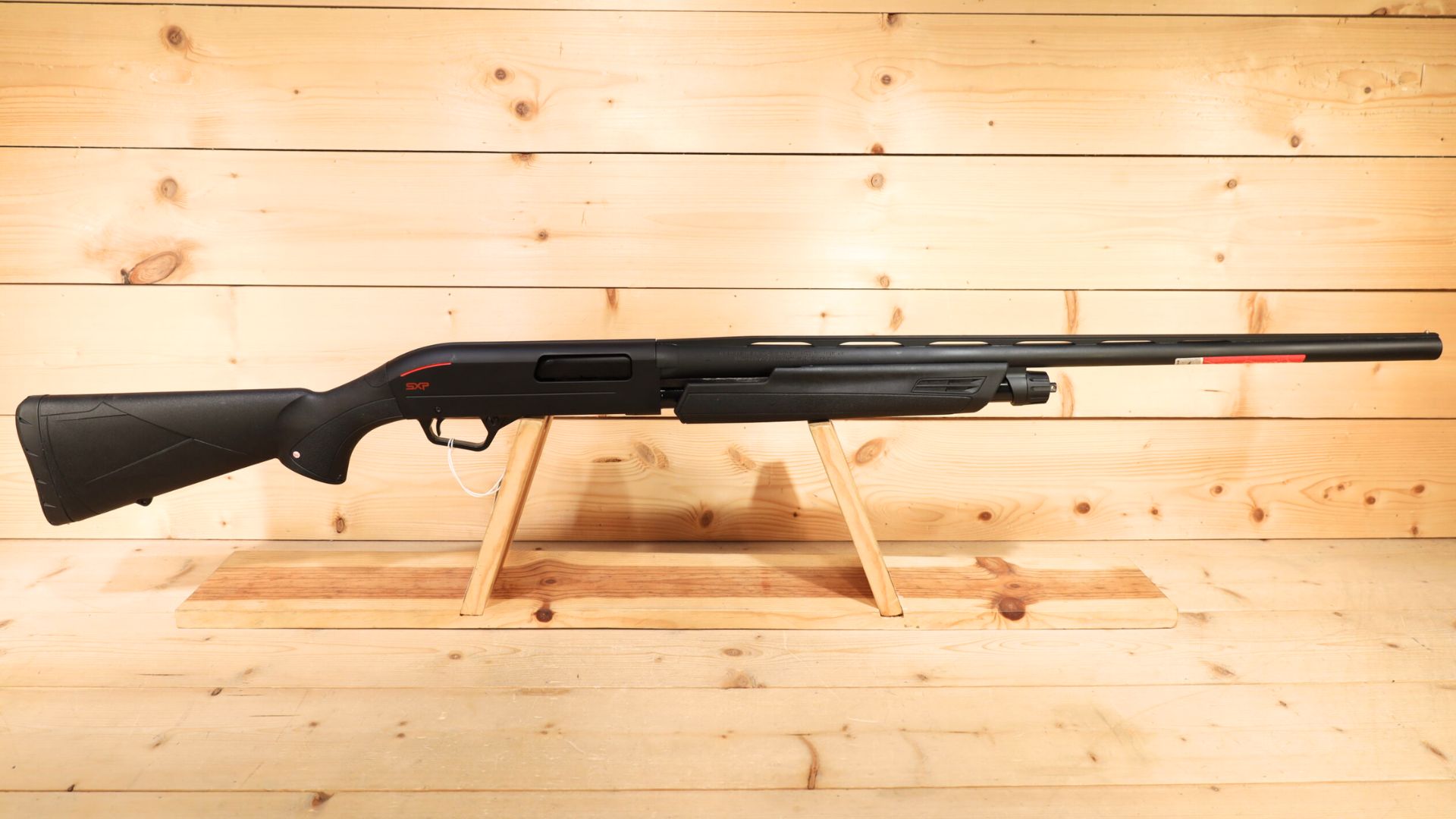
The Winchester SXP is not a terrible shotgun, but it can disappoint people who expect old Winchester charm. It is fast, affordable, and practical, yet the fit and finish often feel more budget than classic. That gap between the name and the gun matters.
Owners usually give up when they realize they wanted something smoother and more solid. The SXP may run fine, but it does not always feel like a shotgun you want to keep for decades. After handling an older Wingmaster, BPS, or Model 12, the difference is hard to ignore.
Smith & Wesson SW9VE

The Smith & Wesson SW9VE had a place as an affordable defensive pistol, but that heavy trigger wore out a lot of patience. It was reliable enough for many owners, and the price made it tempting, especially before today’s budget pistol market got stronger.
Still, the shooting experience made people give up. A defensive handgun should encourage practice, and the SW9VE made good trigger control harder than it needed to be. Once owners tried newer M&P pistols, Caniks, CZs, or even better budget guns, the old Sigma-style pistol often went straight to the trade pile.
Remington 770
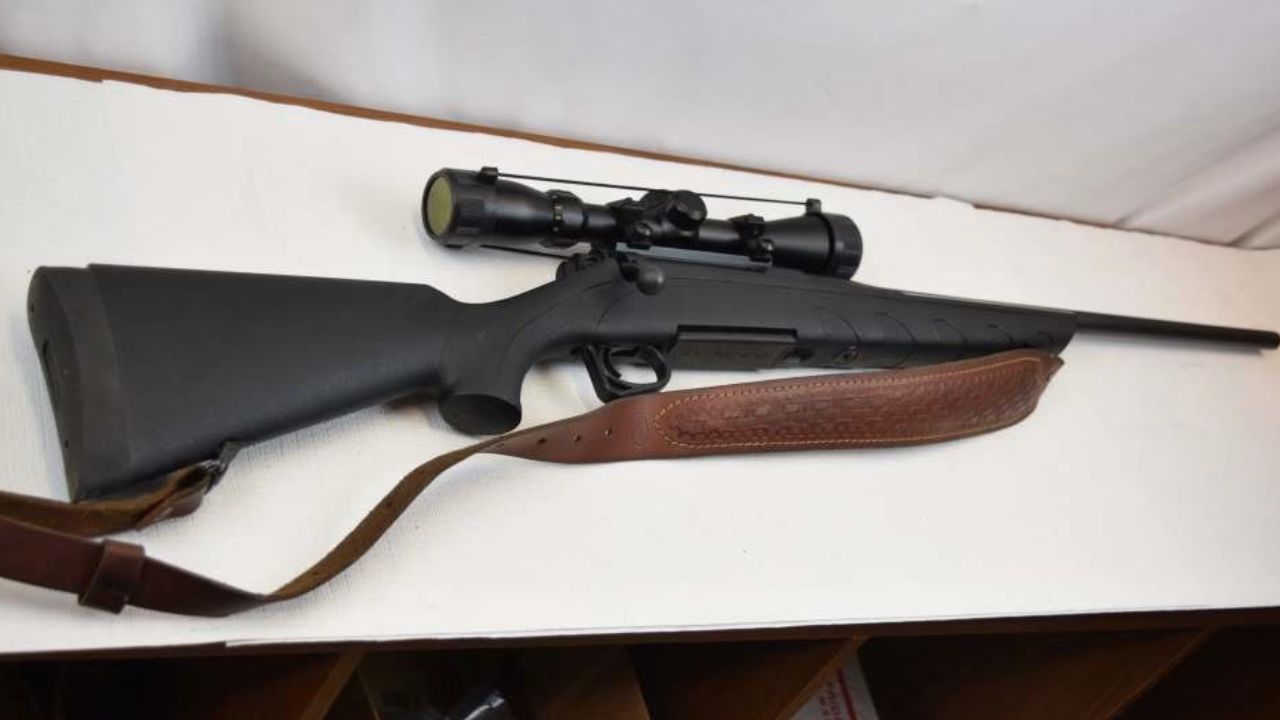
The Remington 770 is one of those rifles people bought because the package looked simple and affordable. Rifle, scope, familiar brand name, ready for deer season. For a first-time buyer, that had real appeal.
Then the rough bolt and cheap stock started bothering them. The 770 could kill deer, but it rarely made owners feel like they had bought something worth keeping. A hunting rifle does not need to be fancy, but it should feel trustworthy and smooth enough to enjoy. The 770 made too many people want to upgrade early.
KelTec PF-9

The KelTec PF-9 made sense when thin, light 9mm pistols were harder to find. It was affordable, flat, and easy to conceal, which gave it a real reason to exist. A lot of owners bought one because it solved a carry problem cheaply.
Range time changed the mood. The recoil is sharp, the trigger is long, and the pistol feels rough compared with newer small 9mms. If a carry gun makes practice feel like punishment, people eventually stop carrying it or stop shooting it. The PF-9 is one many owners outgrew fast.
Mossberg 464 SPX
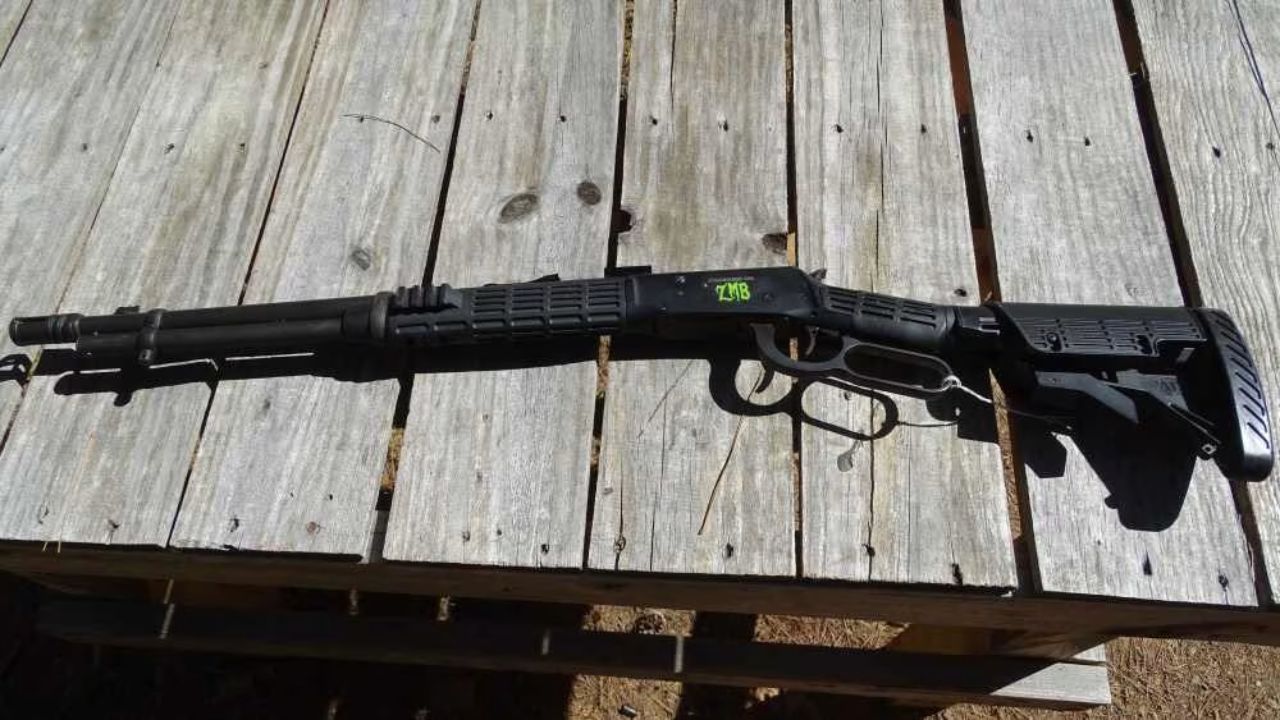
The Mossberg 464 SPX pulled attention because it looked unlike a normal lever gun. Adjustable stock, rails, and tactical styling on a .30-30 lever action made it memorable. For some buyers, that novelty was the whole hook.
The problem is that lever guns live or die by handling. The 464 SPX added bulk and awkward style without improving what most people want from a lever rifle. After the novelty wears off, owners are left with a gun that feels confused. A traditional lever gun usually makes more sense, and many people figure that out late.
Walther CCP
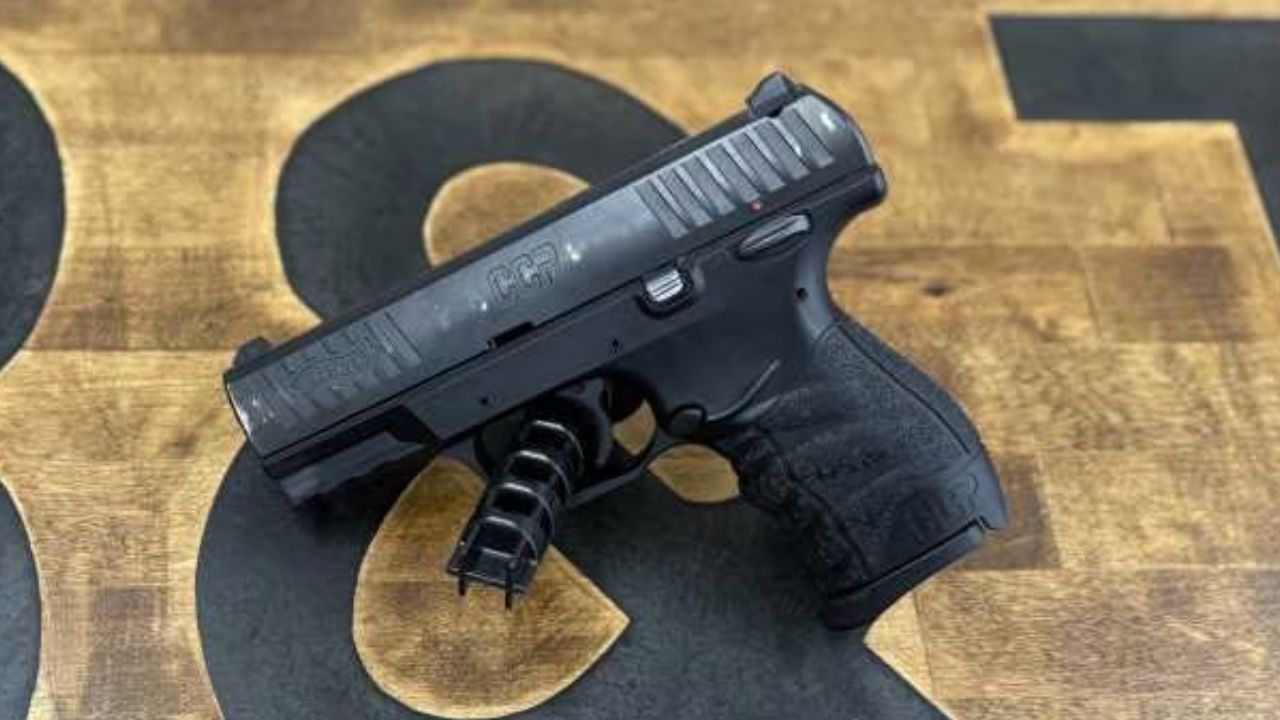
The Walther CCP feels good at the counter. The grip is comfortable, the recoil system sounds smart, and the pistol seems like it should be friendly for newer shooters. That first impression sold a lot of people.
Long-term ownership is where the doubts creep in. Heat, cleaning, takedown complaints on early models, and mixed reliability experiences made some owners tired of defending it. Comfort matters, but not enough to overcome confidence issues. Many eventually trade it for a simpler carry pistol that asks less from them.
Mossberg 715T

The Mossberg 715T gets attention because it looks like a tactical rimfire rifle, especially to newer shooters. It seems fun, affordable, and different from a plain .22. That kind of first impression can be strong.
Then owners realize the looks are doing most of the work. The plastic shell, bulky feel, and dressed-up rimfire nature start feeling less exciting after a few range trips. A basic .22 rifle is usually more useful, lighter, and more enjoyable. Once the visual gimmick wears off, many people give up on it.
Taurus PT709 Slim
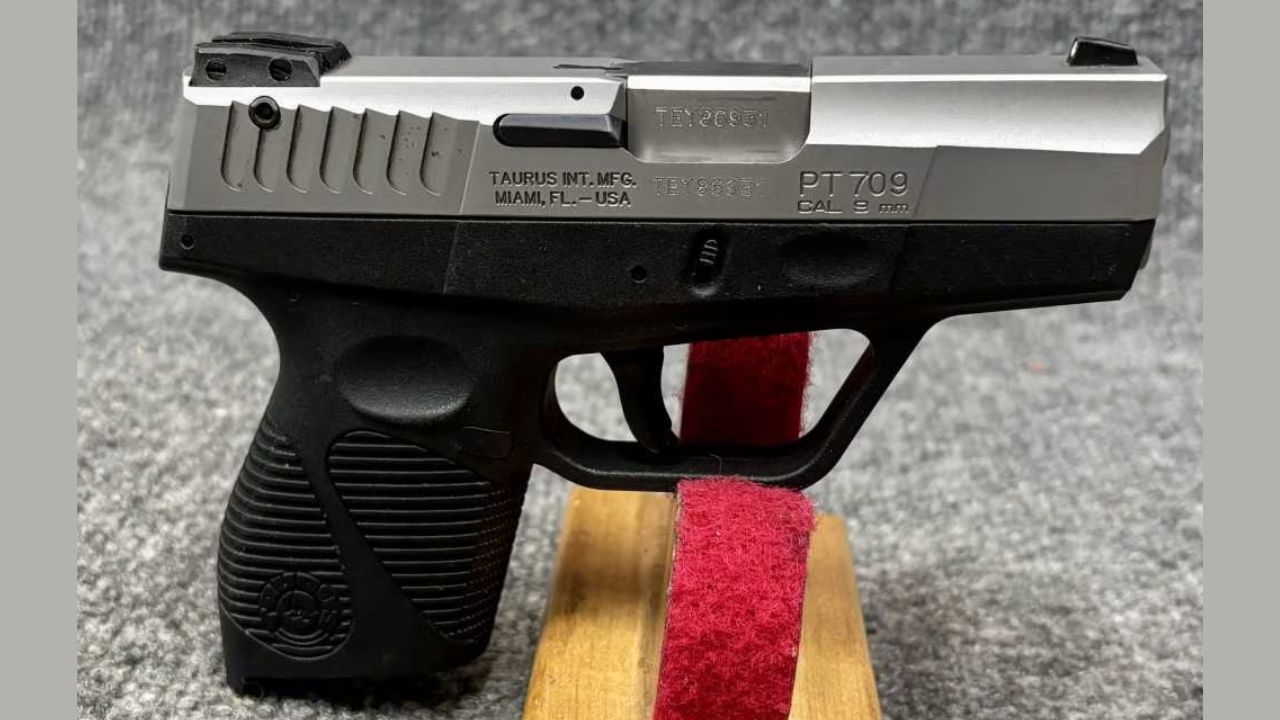
The Taurus PT709 Slim was a tempting carry pistol when slim 9mms were hot. It was thin, affordable, and easy to hide. For buyers trying to get into concealed carry without spending much, it looked like a smart shortcut.
The longer people owned it, the more the rough edges showed. Trigger feel, inconsistent confidence, and better options arriving quickly made the PT709 feel dated. It was not always a disaster, but it became hard to justify once budget carry guns improved. Many owners gave up once they realized they did not have to settle anymore.
Rossi Circuit Judge
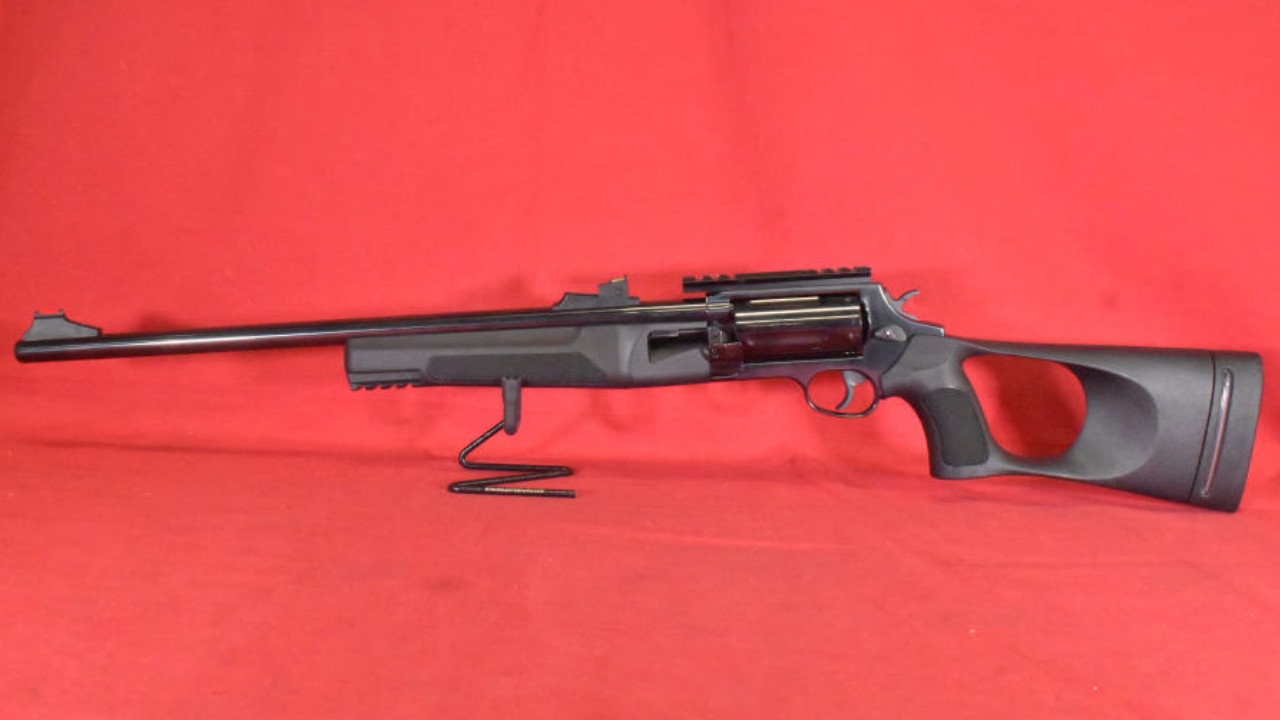
The Rossi Circuit Judge has a cool idea behind it. A revolving carbine that fires .45 Colt and .410 shells sounds useful, fun, and different. It grabs attention fast because it does not look like the same rifle everyone else owns.
But the novelty can fade when owners start judging it practically. It is bulky for what it does, patterns vary with .410 loads, and the whole setup is more specialized than it first appears. Once people realize it is neither a great rifle nor a great shotgun, it often becomes a safe-corner curiosity.
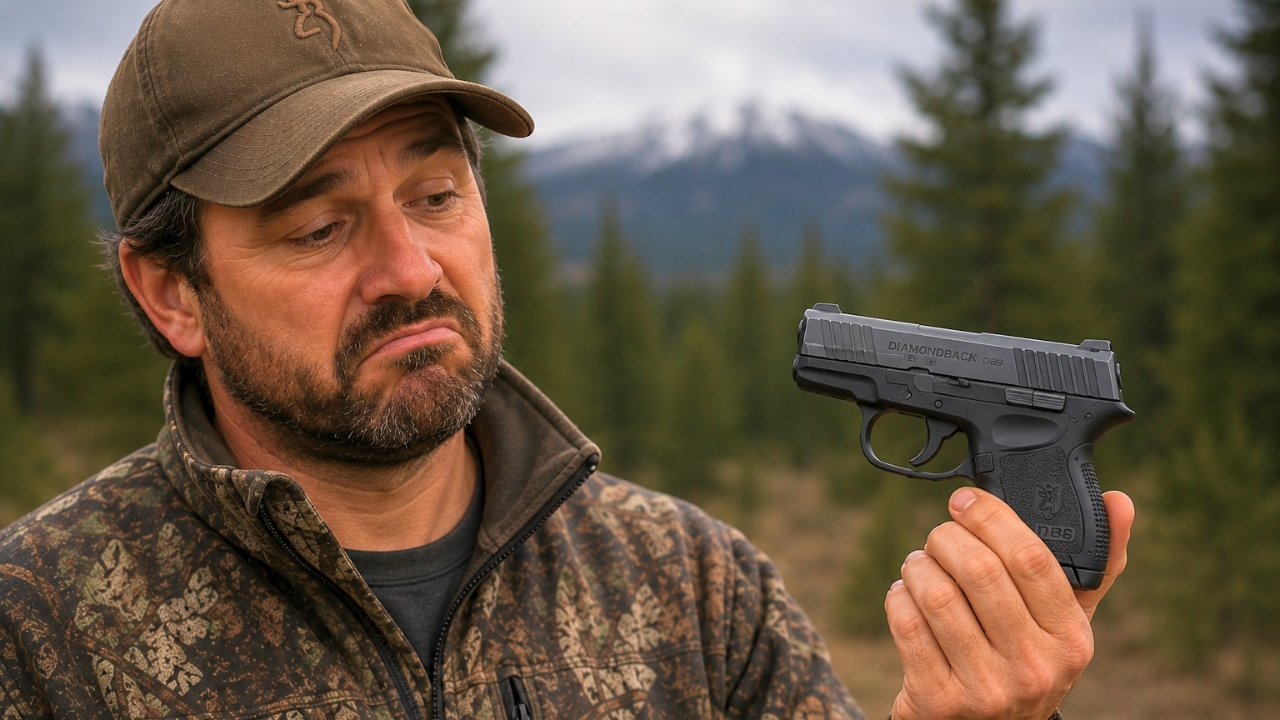
Diamondback DB9

The Diamondback DB9 appeals to people who want the smallest possible 9mm. It is easy to carry, easy to hide, and looks like it solves the “I need a gun when I cannot carry anything bigger” problem.
Then the shooting experience pushes people away. Tiny 9mms are hard to control, and the DB9 makes recoil and grip limitations obvious. A pistol you dislike practicing with is hard to keep trusting. Many owners eventually accept that a slightly larger gun is worth it if it actually makes them want to train.
Chiappa Rhino
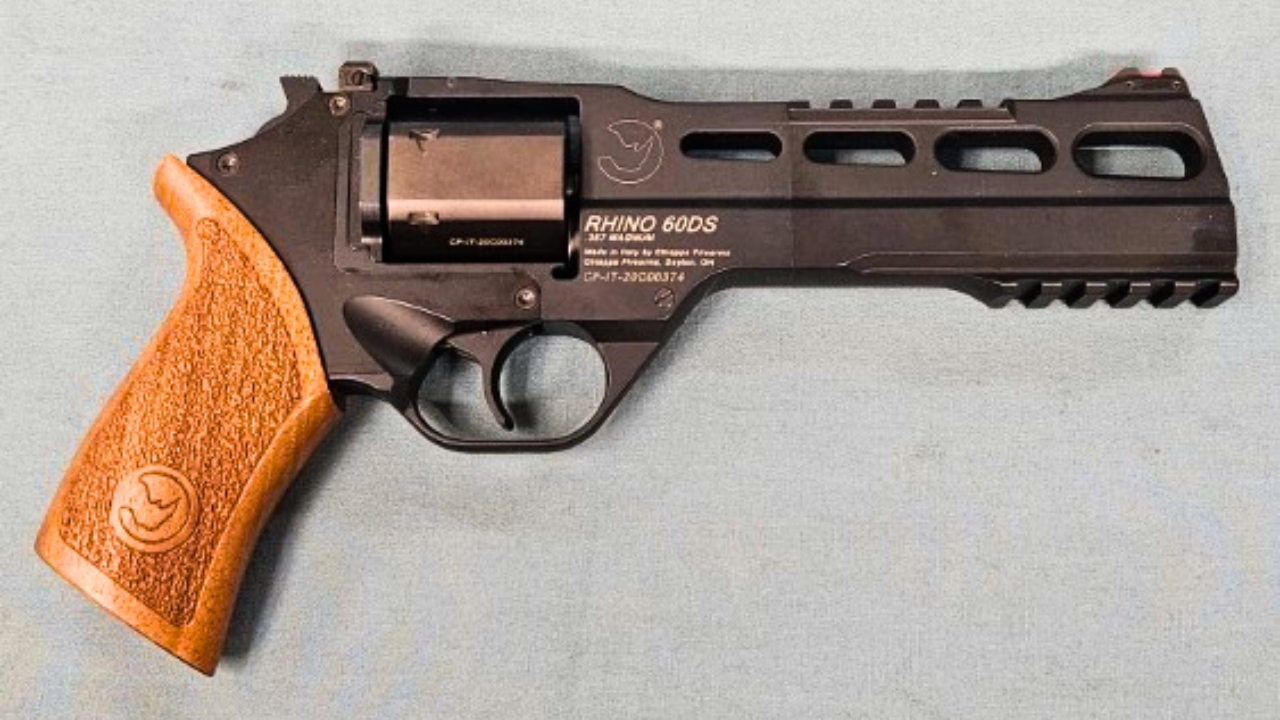
The Chiappa Rhino is not a bad revolver, but it is a gun people sometimes give up on because it is so different. The low bore axis, unusual shape, and forward-looking design make it fascinating. It also makes it a revolver that does not feel like the others.
Some shooters love that. Others never fully adjust to the controls, grip angle, trigger feel, and overall layout. The Rhino solves some recoil-control problems, but it creates a learning curve that not everyone wants. After the weird-gun excitement fades, some owners go back to a Smith, Ruger, or Colt that feels more familiar.
Like The Avid Outdoorsman’s content? Subscribe to our newsletter so you never miss an article.
Here’s more from us: