Photo credit: Voodoo Firearms/YouTube
Some guns seem like smart buys at first. They feel good at the counter, the price looks right, and the reputation sounds solid enough to make you stop overthinking it.
Then the range trips start stacking up. Maybe the trigger gets annoying, the recoil feels worse than expected, the accuracy never settles in, or the gun just doesn’t fit the way people hoped. These are the guns owners often replace fast once the honeymoon wears off.
Springfield Armory Hellcat

The Hellcat sells well because it gives you a lot of capacity in a very small pistol. That part makes sense. But once owners start putting real rounds through it, some realize the size comes with a price.
The recoil impulse can feel sharp, the grip can feel cramped, and the trigger is not everyone’s favorite under speed. It carries easily, but plenty of shooters end up replacing it with something slightly larger that shoots flatter and feels less punishing during practice.
SIG Sauer P365 SAS

The P365 SAS looked like a clever carry idea when it came out. A snag-free pistol with flush controls and a built-in sighting system sounds useful if you carry daily and want everything smooth.
In real use, though, the SAS setup turns some owners off fast. The sight picture takes adjustment, the controls can feel too minimized, and many shooters realize they prefer normal sights and normal levers. A lot of them move back to a standard P365 or another micro-compact that feels more familiar.
Taurus GX4

The Taurus GX4 gave budget-minded buyers a small 9mm with solid capacity and a price that was hard to ignore. For some folks, it works just fine. For others, it becomes a gun they move on from quickly.
The issue is not always one big failure. Sometimes it is the trigger feel, the grip texture, the way it recoils, or simple trust. When a carry pistol does not fully win you over, it usually does not stay long. Owners often replace it with a Shield Plus, P365, or Glock 43X.
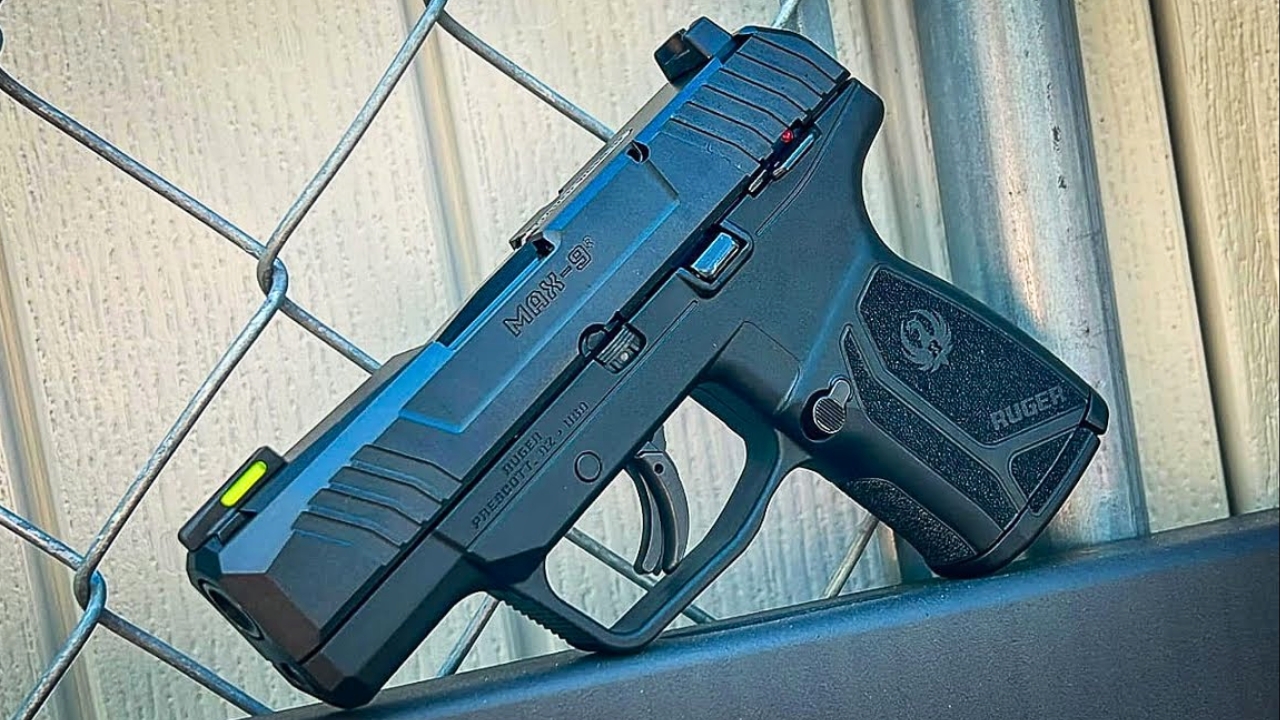
Ruger Max-9

The Ruger Max-9 checks a lot of boxes for concealed carry. It is compact, affordable, optics-ready in many versions, and backed by a brand people generally trust.
Still, it can feel a little rough compared with its main competition. The trigger, grip shape, and overall refinement are where some owners start second-guessing it. It is not useless by any stretch, but when someone shoots it next to a Shield Plus or P365, the Ruger often becomes the one they trade first.
Smith & Wesson CSX

The CSX had a lot of people interested because it offered an aluminum-frame micro-compact with a hammer-fired setup. That sounded different in a market full of polymer striker-fired carry pistols.
The problem is that the shooting experience did not win everyone over. The trigger reset complaints, small controls, and slightly odd feel made some owners lose interest fast. It is a neat pistol on paper, but a lot of buyers replaced it once they realized it did not shoot as naturally as they expected.
Kimber R7 Mako
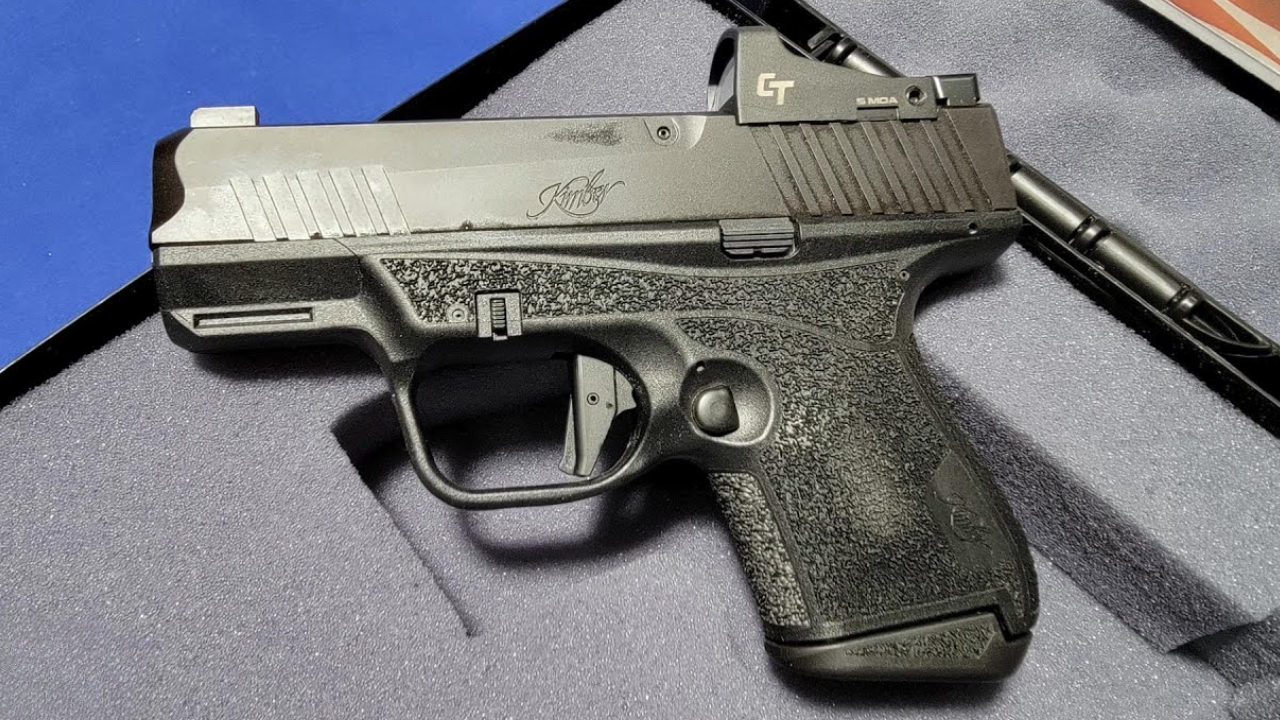
The Kimber R7 Mako came in with a different look, good capacity, and an enclosed optic-ready design that seemed smart for carry. It had enough going for it to get attention.
But Kimber carry pistols already make some buyers cautious, and the Mako’s unusual shape does not help everyone bond with it. Some owners like it, but others move on quickly after realizing the grip, trigger, and overall feel do not beat the more common options. In a crowded carry market, “different” is not always enough.
Beretta APX Carry

The Beretta APX Carry has the Beretta name behind it, but it never felt like the strongest entry in the small carry pistol world. Owners who expect that classic Beretta confidence can come away underwhelmed.
The trigger is a common reason people replace it. The gun can also feel top-heavy and less refined than newer micro-compacts. It may work, but it does not always make shooters want to keep training with it. Once better-feeling options are on the table, the APX Carry often gets pushed aside.
Remington R51

The Remington R51 is one of those pistols many owners replaced almost immediately, especially after the early production problems. It had an interesting design and plenty of curiosity around it, but curiosity does not keep a pistol in the safe if trust disappears.
Feeding issues, recalls, rough handling, and a general lack of confidence hurt it badly. Even later versions had a hard time escaping the reputation. A defensive pistol has to feel boringly dependable. The R51 made too many owners nervous, so they moved on.
SCCY CPX-2
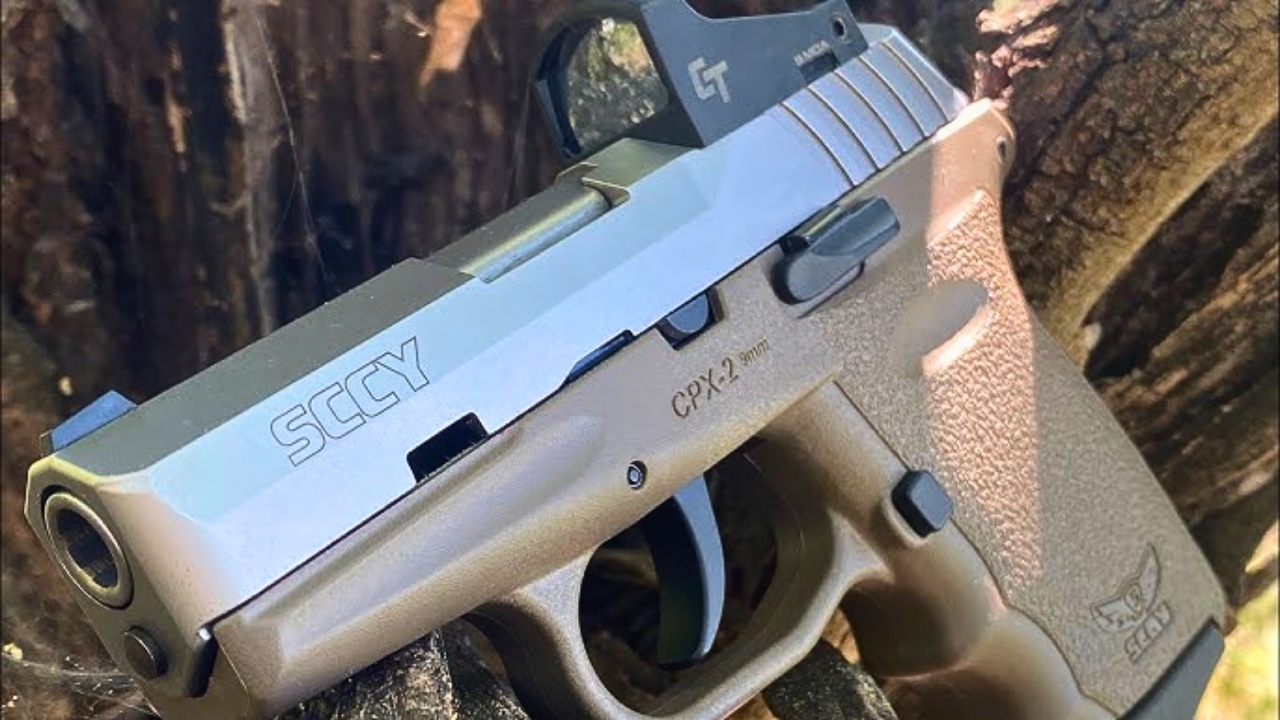
The SCCY CPX-2 attracts buyers with a low price and simple concealed-carry size. For someone trying to get a defensive pistol without spending much, it can seem like a practical choice.
After shooting it, though, a lot of owners understand why it costs less. The long trigger pull, snappy recoil, and basic feel make practice less enjoyable. It might ride in a glove box or nightstand for a while, but many people replace it with a pistol that feels easier to shoot and trust.
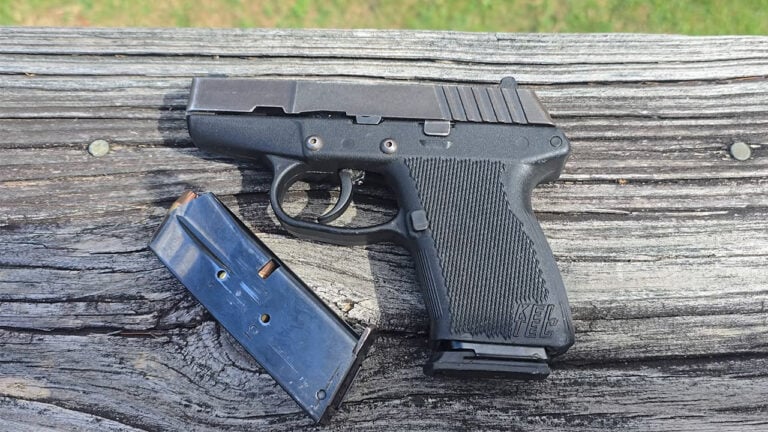
KelTec PF9

The KelTec PF9 earned attention because it was thin, light, and easy to carry before the micro-compact 9mm market really exploded. For its time, that mattered.
Today, it feels rough next to newer options. The recoil is sharp, the trigger is not pleasant, and the gun can feel more like something you tolerate than something you enjoy shooting. Owners often replace it once they realize they can carry something similar in size that shoots much better.
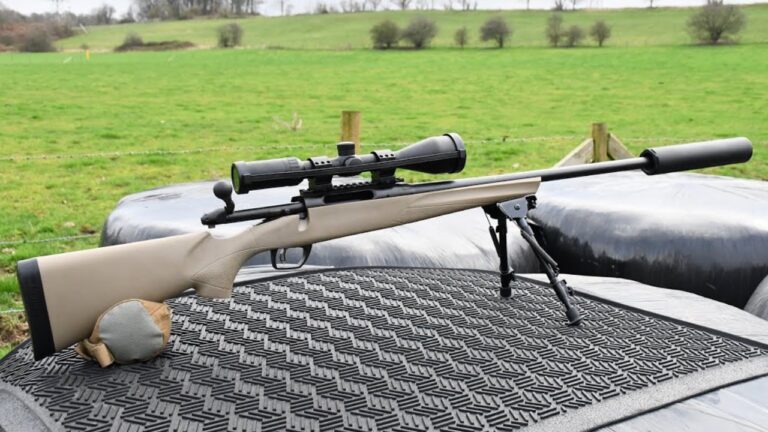
Remington 783

The Remington 783 was built to hit a budget price, and plenty of hunters bought one because it made sense financially. It can shoot fine, but it does not always make owners want to keep it forever.
The stock, bolt feel, and overall finish are usually what wear on people. After a season or two, hunters often start wanting something smoother, lighter, or better fitted. The 783 can put meat in the freezer, but it is also the kind of rifle many owners upgrade from fast.
Savage Axis

The Savage Axis is accurate enough to make plenty of budget hunters happy, but it is also one of the most common stepping-stone rifles. People buy it to get started, then replace it once they know what they actually want.
The rough action and budget stock are hard to ignore after you spend time with nicer rifles. It may shoot better than it feels, but feel matters when you are carrying it, cycling it, and setting up for a real shot. For many owners, the Axis is temporary.
Mossberg Patriot

The Mossberg Patriot has good chambering options, a fair price, and enough features to attract hunters who want value. But it can be a rifle people replace once they start comparing it to better-built hunting guns.
The stock can feel flexible, the bolt can feel less polished, and the overall package does not always inspire long-term loyalty. It can absolutely work in the deer woods, but some owners end up wanting a rifle that feels more solid and consistent. That is when the Patriot gets traded.
Winchester SXP
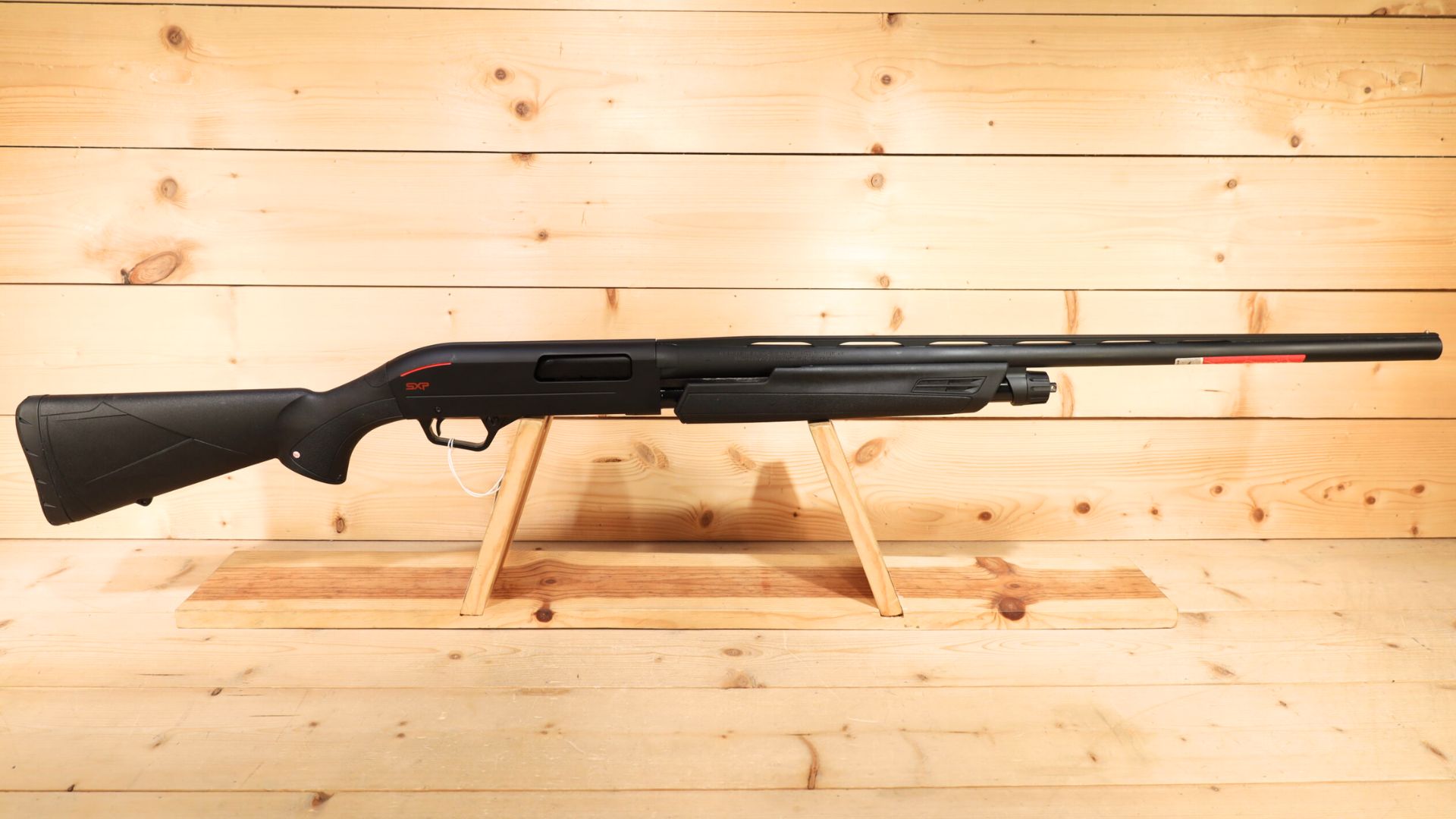
The Winchester SXP is a fast-cycling pump shotgun with a recognizable name, and it sells because it looks like a practical do-all choice. For some owners, it handles fine.
Others replace it because it does not feel as solid as older Winchester pumps or competing shotguns. The light feel, finish, and action can leave people wanting something with more weight and confidence behind it. If a shotgun feels cheap in your hands, it usually does not stay your main field gun for long.
Stoeger STR-9

The Stoeger STR-9 came in as an affordable striker-fired 9mm with familiar controls and decent capacity. It looked like a reasonable alternative to more expensive duty-style pistols.
The problem is that affordable polymer pistols live in a crowded space. If the trigger, grip, sights, or overall feel do not stand out, owners start looking elsewhere fast. Many shooters try the STR-9, then end up replacing it with a Glock, M&P, CZ, or Canik that feels more proven and easier to support.
Like The Avid Outdoorsman’s content? Subscribe to our newsletter so you never miss an article.
Here’s more from us: