Photo credit: Gavin Allanwood/Unsplash.com
The landowner was tired of losing trail cameras.
That gets expensive fast. A good camera is not cheap, and even the cheaper ones sting when they disappear. It is not just the money, either. It is the time spent picking a spot, hanging it, checking cards, changing batteries, and trying to keep tabs on what is happening on your own land.
Then somebody walks in and takes it like it was sitting on a clearance shelf.
In a Reddit post, the hunter shared a story about dealing with stolen trail cameras and the kind of person who makes landowners start hiding cameras like they are setting up a sting operation. From the way the story played out, the thief had gotten comfortable enough to think he could keep getting away with it.
That was his mistake.
The landowner eventually put cameras above the cameras.
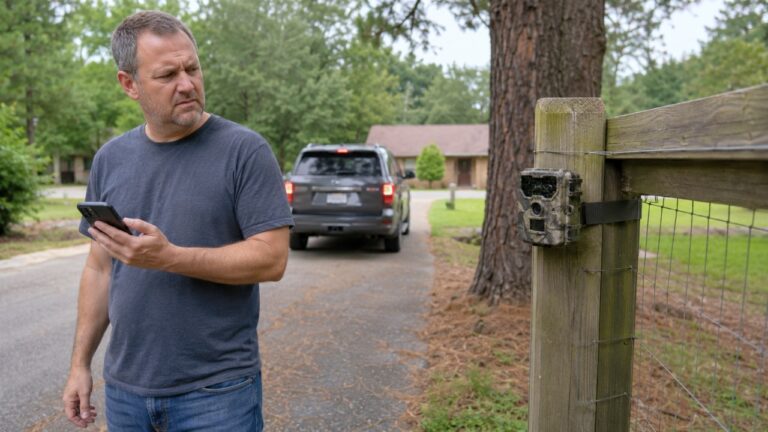
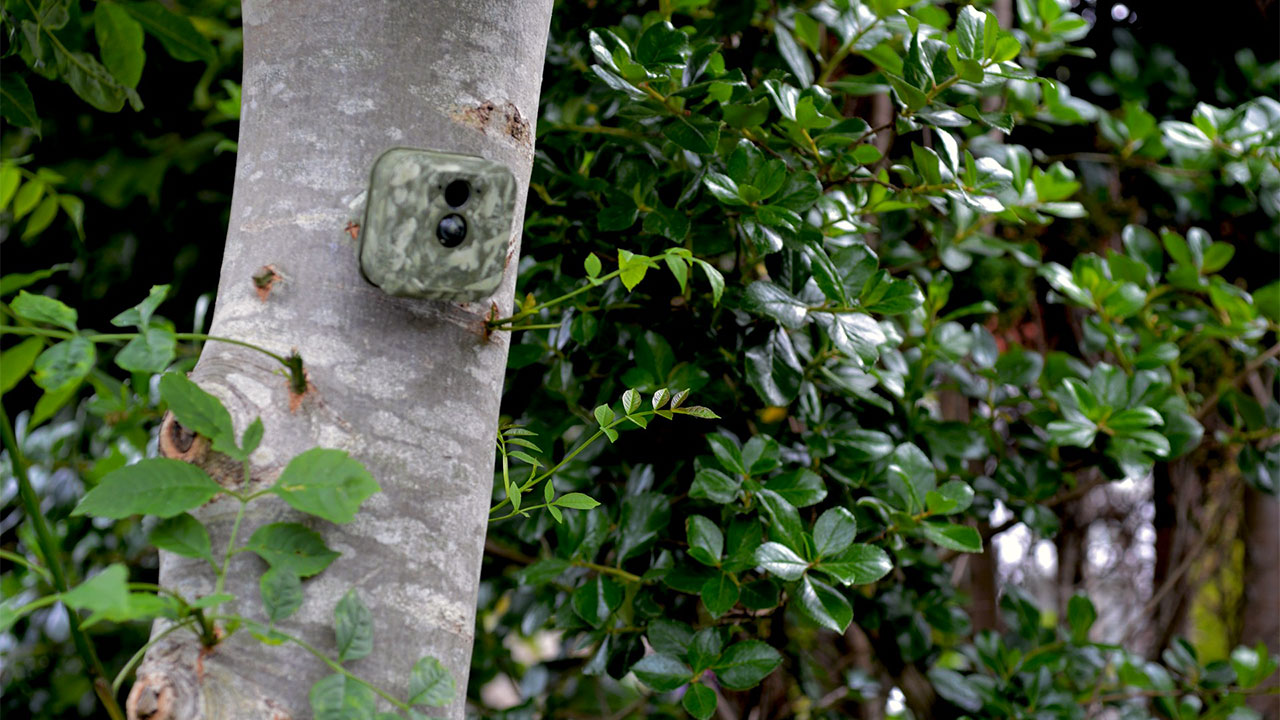
That is one of those things that sounds almost paranoid until you have dealt with people stealing gear. Then it sounds smart. A visible camera may catch deer, hogs, trespassers, or whatever else moves through the area. But a hidden camera above it catches the guy who walks up, looks around, and decides the camera belongs to him now.
That setup turned the thief’s little routine against him.
Instead of just stealing another camera and vanishing, he walked into the frame of the one he did not notice. That is the kind of proof landowners are always trying to get. Boot tracks are useful, but they do not give you a face. A missing camera tells you something happened, but it does not tell you who did it. A picture of the person reaching for the gear is a different thing entirely.
That is when the situation shifted from suspicion to evidence.
Trail-camera theft has a way of making landowners feel personally violated. A camera may not seem like much to someone who does not use them, but it is usually placed with a purpose. It may be watching a stand, a feeder, a scrape, a gate, a road, or a spot where trespassers have been slipping through. When someone steals it, they are not only taking property. They may also be trying to hide where they have been and what they are doing.
That matters.
A person who accidentally wanders across a boundary does not usually steal a camera. A person who knows he should not be there has a reason to make the camera disappear. That is why camera theft and trespassing often get talked about together. The stolen gear is bad enough, but what it suggests can be worse.
The landowner’s response was clean. He did not describe chasing the person down or trying to settle it in the woods. He got proof. He used another camera to catch the thief. And according to the headline angle, that evidence led to an arrest.
That is the kind of outcome a lot of landowners wish they could get.
Most of the time, stolen-camera stories end with frustration. The camera is gone. The card is gone. The thief is unknown. Maybe there is a boot print, a tire rut, or a neighbor everyone suspects but cannot prove it. You buy another camera, hide it better, and hope the next one lasts longer.
This time, the thief got caught.
And it happened because the landowner assumed the person might come back. That is a smart assumption. People who steal from a property once often return if they think nobody can prove it. They know the route. They know the access. They know where cameras used to be. If they got away with it once, they may feel bolder the next time.
Putting a camera above the camera flips that confidence around.
It also gives other landowners a useful lesson: do not make all your surveillance obvious. An obvious camera can deter some people, but it can attract thieves too. A second camera, placed higher, farther back, or at an odd angle, can protect the first one. It may not stop the theft every time, but it gives you a better chance of knowing who did it.
The story also says something about patience. It is satisfying to imagine confronting a thief in the act, but that can be risky, especially on hunting land where people may be armed. Evidence is safer. A clear photo, a time stamp, and a report can do more than a heated argument at a gate.
For this landowner, the stolen cameras finally turned into a mistake for the thief. He thought he was taking another piece of gear. Instead, he was giving the landowner exactly what he needed.
A face. A record. And, eventually, consequences.
Commenters were right there with him because almost every hunter who uses trail cameras has worried about theft.
A lot of people said hanging a second camera above the first is one of the best tricks for catching thieves. The lower camera gets noticed. The higher one gets ignored. If someone steals or tampers with the obvious one, the hidden one may catch the face, clothing, vehicle, or direction of travel.
Several hunters talked about putting cameras high in trees and angling them downward. That makes them harder to spot and harder to steal without climbing. Others recommended lock boxes, cable locks, and camouflage, though plenty admitted that a determined thief can still beat most locks if he has tools and time.
Some commenters said cellular cameras can help because photos send out before the camera is stolen. Even if the thief takes the unit, the evidence may already be saved. The downside, of course, is that cellular cameras cost more, which makes losing one even more painful.
Others focused on reporting theft instead of just complaining about it. If a landowner has photos of the thief, a time stamp, and proof the camera was on private property, law enforcement or a game warden may be able to do something. Without proof, it usually turns into one more mystery.
There was also a lot of frustration toward people who steal hunting gear in general. Stands, cameras, feeders, blinds, straps, and even SD cards disappear from both private and public land. Commenters said it is one of the reasons hunters get protective and suspicious, even when dealing with strangers who may be harmless.
The main lesson was simple: if cameras are getting stolen, stop making the thief’s job easy. Hide one watching the other, save the evidence, and let the proof do the talking.