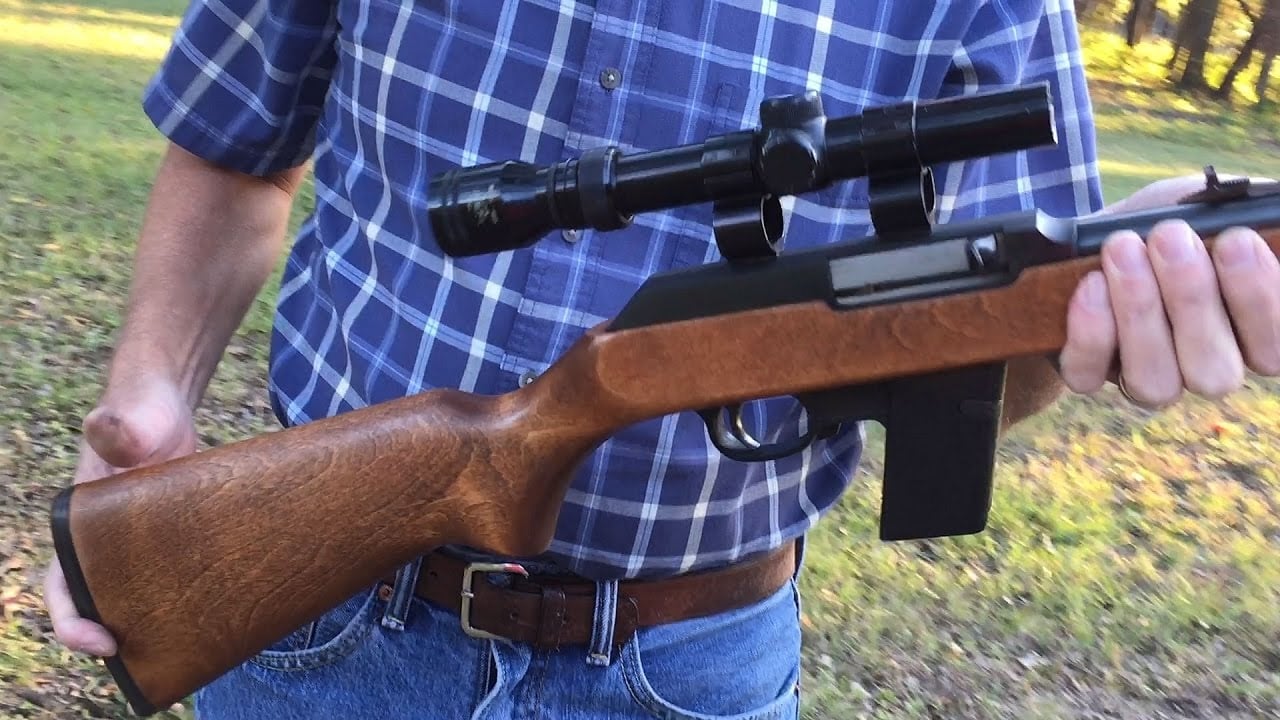
Photo credit: FernwoodArmoryTV/YouTube
Some guns get laughed at because they are too common, too plain, too cheap, or too strange for the crowd at the time. Then a few years pass, production dries up, collectors get interested, and the same people who mocked them start acting like they always knew they mattered.
That is how the gun market works sometimes. The rifles and pistols people ignored in pawn shops can become the ones everyone starts chasing later. These firearms were easy to dismiss until prices, scarcity, and owner loyalty proved the jokes were a little too easy.
Norinco 1911

The Norinco 1911 was mocked for years because it was a Chinese-made copy of an American classic. A lot of shooters looked at the rollmark, saw the rough finish, and wrote it off before ever paying attention to what was underneath.
Then builders and 1911 fans started noticing the steel, the basic Series 70-style setup, and how well many of them held up. They were once treated like cheap project guns. Now clean examples are not nearly as easy to find, and prices reflect that shift. The same pistol people laughed at became one many wish they had bought when nobody cared.
SKS

The SKS used to be the cheap surplus rifle people bought by the crate, dragged to the range, and treated like a step below a “real” rifle. It was heavy, plain, and not as cool as an AK, so plenty of shooters mocked it.
That attitude looks pretty foolish now. The SKS is rugged, simple, soft enough to shoot well, and no longer sitting around for pocket change. Clean Chinese, Russian, Yugo, and other variants have all gained attention. The rifle that once looked like bargain-bin surplus turned into a reminder that cheap does not always stay cheap.
Makarov PM
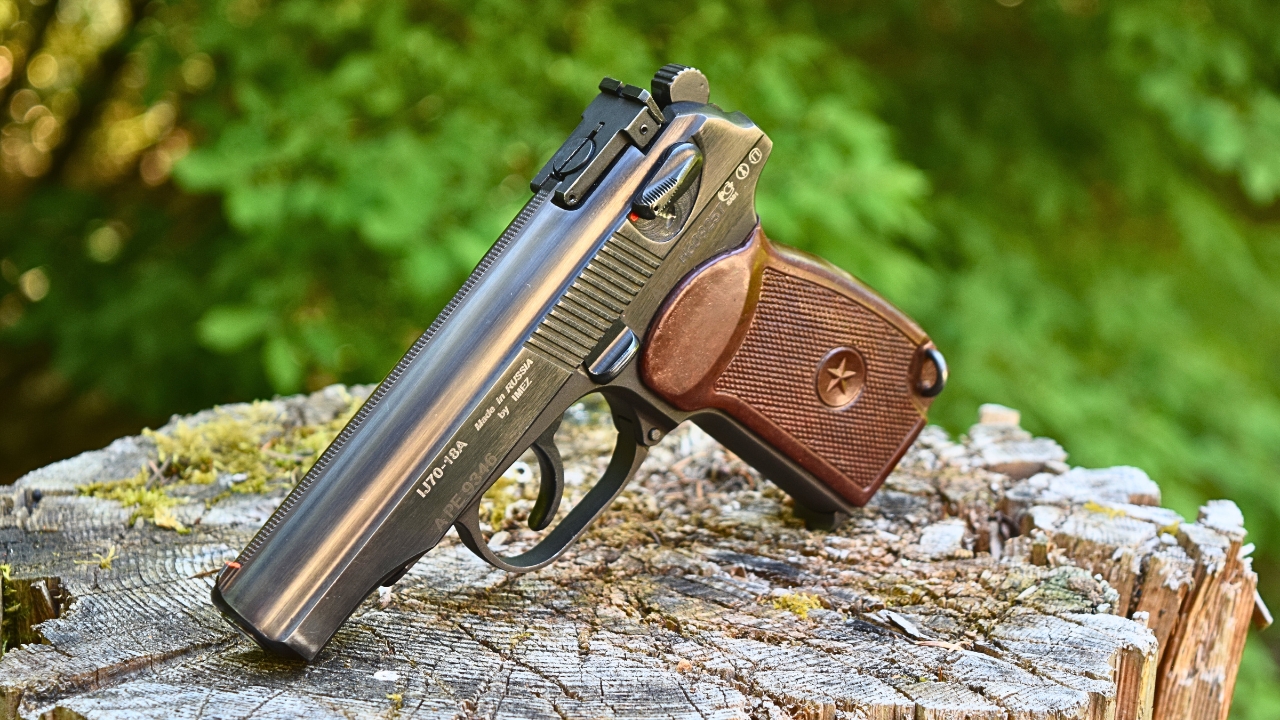
The Makarov PM spent years getting dismissed as an old Communist-bloc pocket pistol with a weird cartridge and limited capacity. It did not look modern, and it definitely did not impress people chasing newer carry guns.
But the Makarov earned respect the slow way. It is simple, reliable, easy to maintain, and built with a level of durability people did not expect at the old prices. As surplus dried up, buyers started realizing these pistols were better than the jokes suggested. Now a clean Bulgarian, East German, or Russian Makarov does not sit unnoticed for long.
Ruger P89

The Ruger P89 was mocked because it looked bulky, blocky, and about as refined as a toolbox. It was never the pistol people bragged about owning when sleeker polymer guns started taking over the market.
That is exactly why it aged better than expected. The P89 is tough, reliable, and built like it was meant to survive terrible owners. For years, they were cheap used pistols nobody got excited about. Now people who want old-school, overbuilt 9mm pistols are paying more attention. It may still be ugly, but ugly and durable has a way of becoming desirable.
Mosin-Nagant 91/30

The Mosin-Nagant 91/30 was once the punchline of the surplus rifle world. It was long, rough, heavy, and sold cheap enough that people bought them almost as a joke.
Then the crates dried up. Suddenly, the old rifle everyone mocked started looking like a piece of history people should have taken more seriously. The Mosin is still crude compared with smoother military rifles, but it is powerful, durable, and tied to a massive amount of history. The days of laughing at them because they were everywhere are long gone.
CZ 82
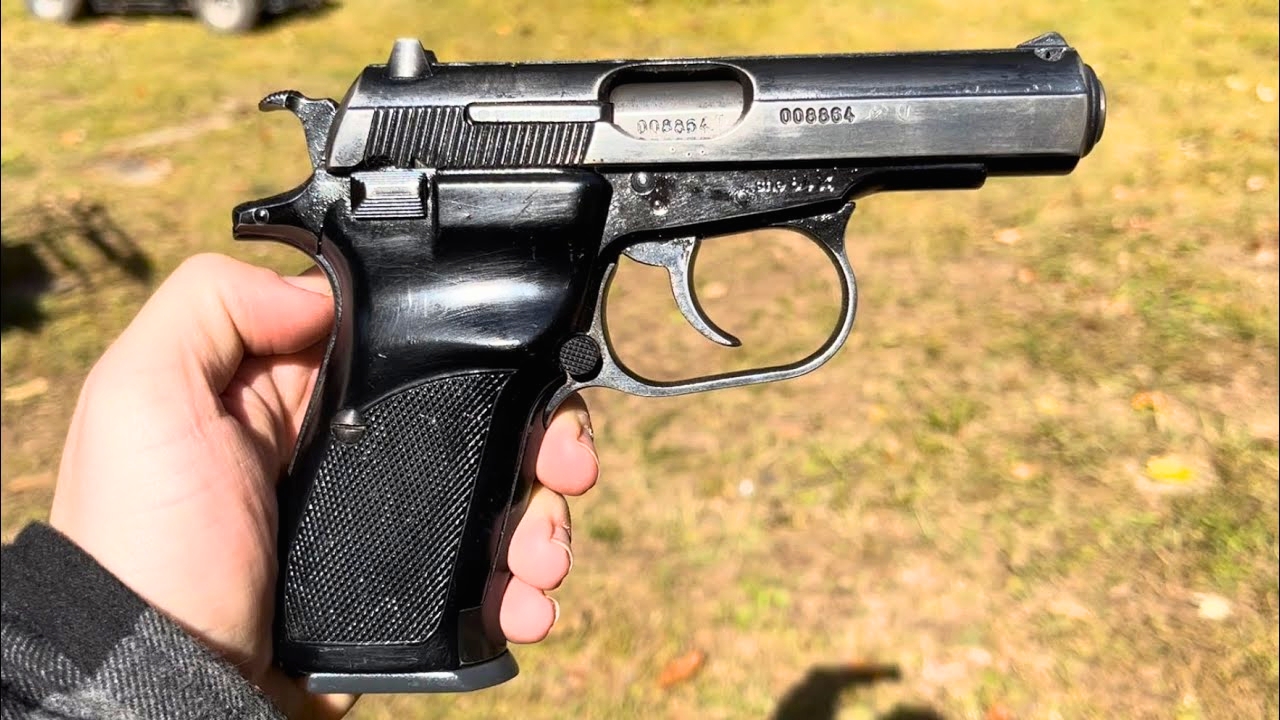
The CZ 82 did not look like much to a lot of American shooters when surplus examples were cheap. It was chambered in 9×18 Makarov, had chunky grips, and did not fit neatly into the modern concealed-carry conversation.
But people who actually shot them noticed something different. The trigger was good, the polygonal barrel could shoot, and the pistol held more rounds than many expected from a compact surplus gun. Once buyers figured that out, the cheap surplus image started fading. The CZ 82 became one of those pistols people regret ignoring when they were stacked deep.
Marlin Camp 9
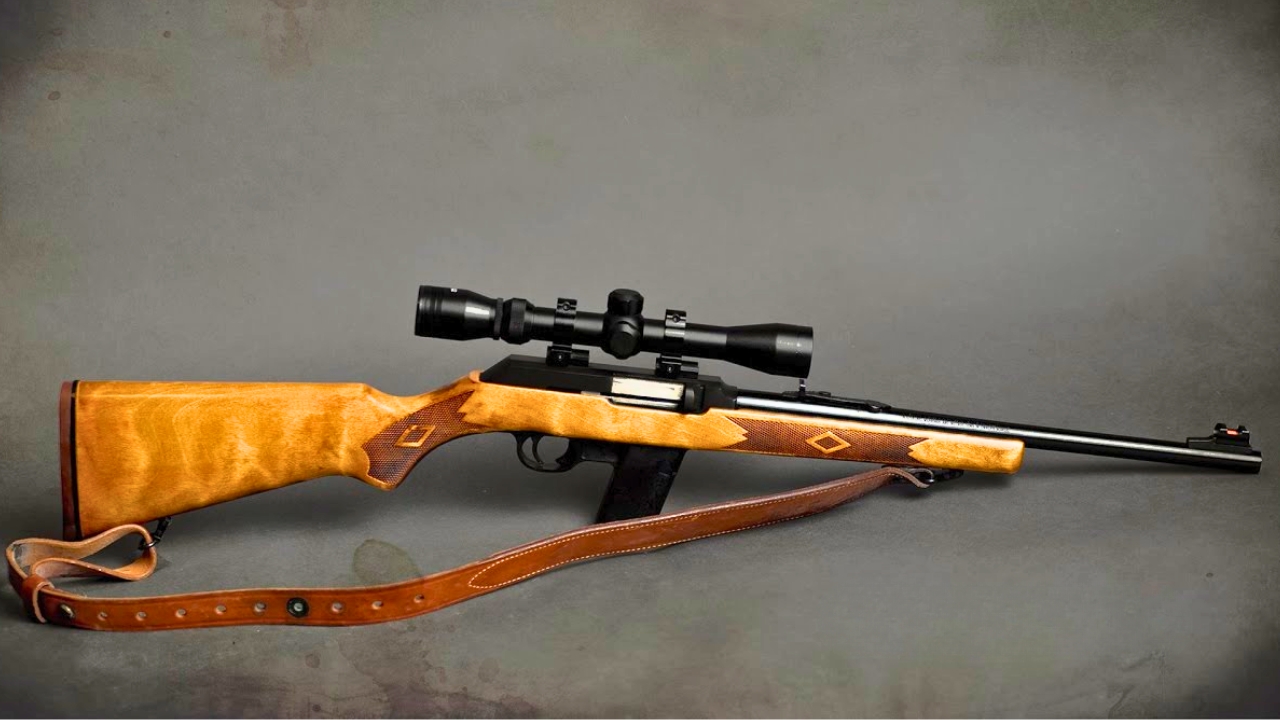
The Marlin Camp 9 was easy to overlook when pistol-caliber carbines were not as popular as they are now. It looked plain, wore a wood stock, and did not have the tactical appeal buyers later started chasing.
Now it looks smarter than it used to. A handy 9mm carbine that takes Smith & Wesson magazines has real appeal, especially because nothing modern feels quite the same. The Camp 9 went from oddball used-rack rifle to a carbine people actively search for. The market eventually caught up to the idea, even if buyers did not at first.
Smith & Wesson Model 10
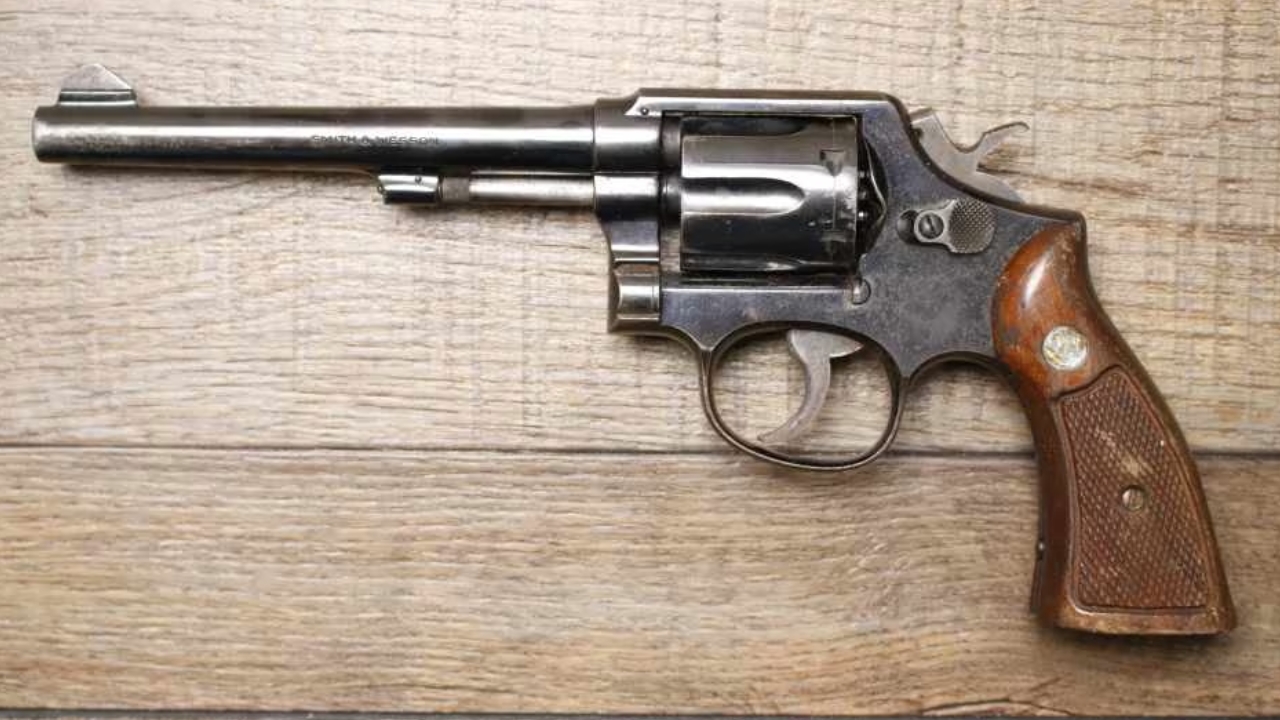
The Smith & Wesson Model 10 used to be everywhere. Police trade-ins, security guns, nightstand revolvers, pawn shop specials — the Model 10 was so common that many shooters treated it like background noise.
That was a mistake. A good Model 10 has a smooth trigger, practical sights, great balance, and the kind of build quality that does not feel ordinary anymore. It may only be a .38 Special, but it shoots well and carries history. The same revolver people once passed over for cheap now looks like one of the smartest old-school buys they missed.
Ruger Mini-14

The Ruger Mini-14 has been mocked hard over the years, mostly for accuracy complaints and for not being an AR-15. For a long time, shooters treated it like the rifle people bought when they did not know better.
Then the market shifted. Older Mini-14s gained nostalgia, newer ones improved, and many buyers started appreciating the rifle for what it is instead of what it is not. It is handy, reliable, and still has a look that stands apart from another black rifle. Prices eventually showed that plenty of people still wanted one, even after years of jokes.
Star BM
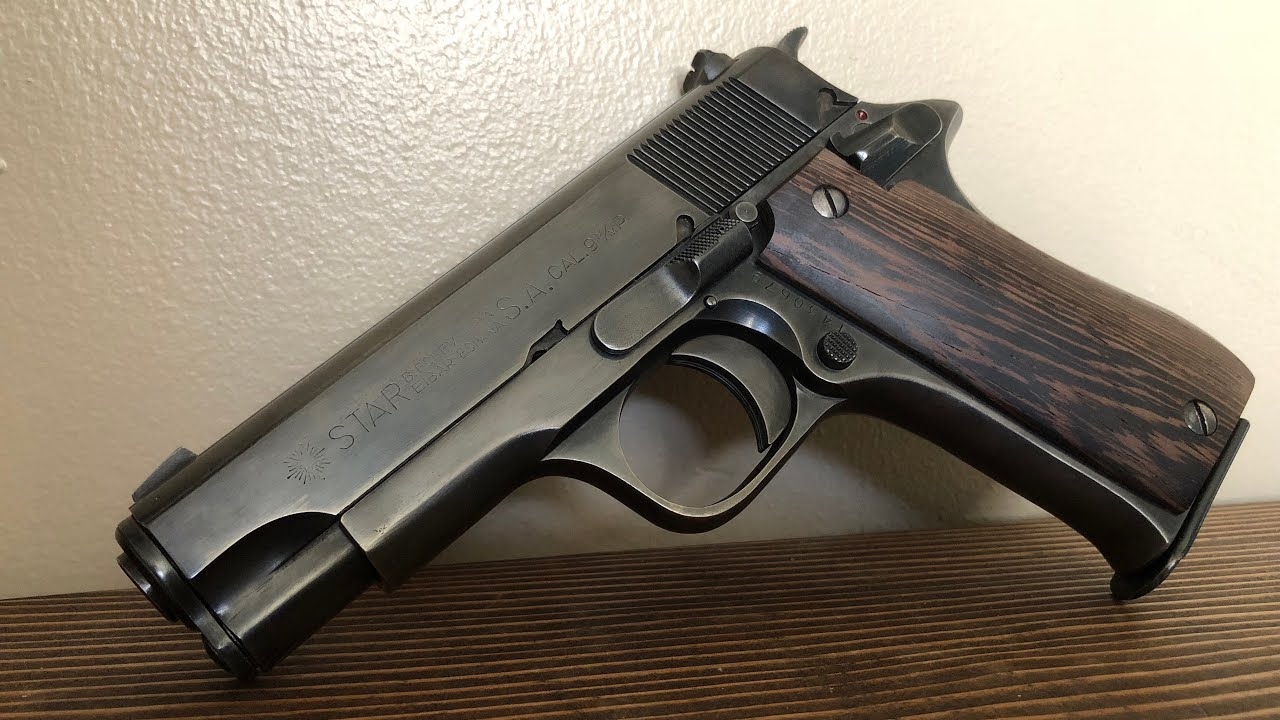
The Star BM was once a cheap surplus 9mm that people shrugged off because it was Spanish, single-stack, and not a true 1911 despite the familiar shape. It felt like an odd side note rather than a gun people would chase later.
But the BM shoots better than its old prices suggested. It has a steel frame, decent trigger, comfortable recoil, and a slim feel that makes it easy to like. Once surplus imports slowed, people realized those cheap pistols had been quietly solid all along. The Star BM went from overlooked to oddly desirable.
Winchester 1897

The Winchester 1897 was not always treated like a collectible treasure. For years, rough examples were old pump shotguns people saw as outdated, heavy, exposed-hammer relics compared with newer designs.
That changed as cowboy action shooting, military interest, and old Winchester collecting kept pushing attention back toward them. The 1897 has character modern pumps cannot fake. It may not be the shotgun most people would choose for hard modern use, but prices proved that old, mechanical charm matters. People who mocked them as obsolete missed the point.
Hi-Point 995 Carbine

The Hi-Point 995 Carbine has taken plenty of abuse because of the name, the looks, and the price. A lot of shooters dismissed it instantly as cheap and ugly.
Then owners kept reporting that the thing actually worked. It is not refined, light, or pretty, but it is affordable, simple to shoot, and surprisingly useful as a range carbine. As pistol-caliber carbines got popular and more expensive, the 995 started looking less ridiculous. It still gets laughed at, but the market proved people will pay attention when a cheap gun does its job.
Remington Nylon 66

The Remington Nylon 66 was mocked by some traditionalists because it looked strange and used a synthetic stock long before that felt normal. To wood-and-steel shooters, it seemed cheap and almost toy-like.
Time made that criticism look narrow. The Nylon 66 is light, handy, reliable, and far more interesting now than many people expected. It was ahead of the market in ways shooters did not appreciate at the time. Clean examples have become collectible, and the odd looks now help rather than hurt. The rifle people once dismissed for plastic became one of Remington’s most memorable rimfires.
Beretta 81
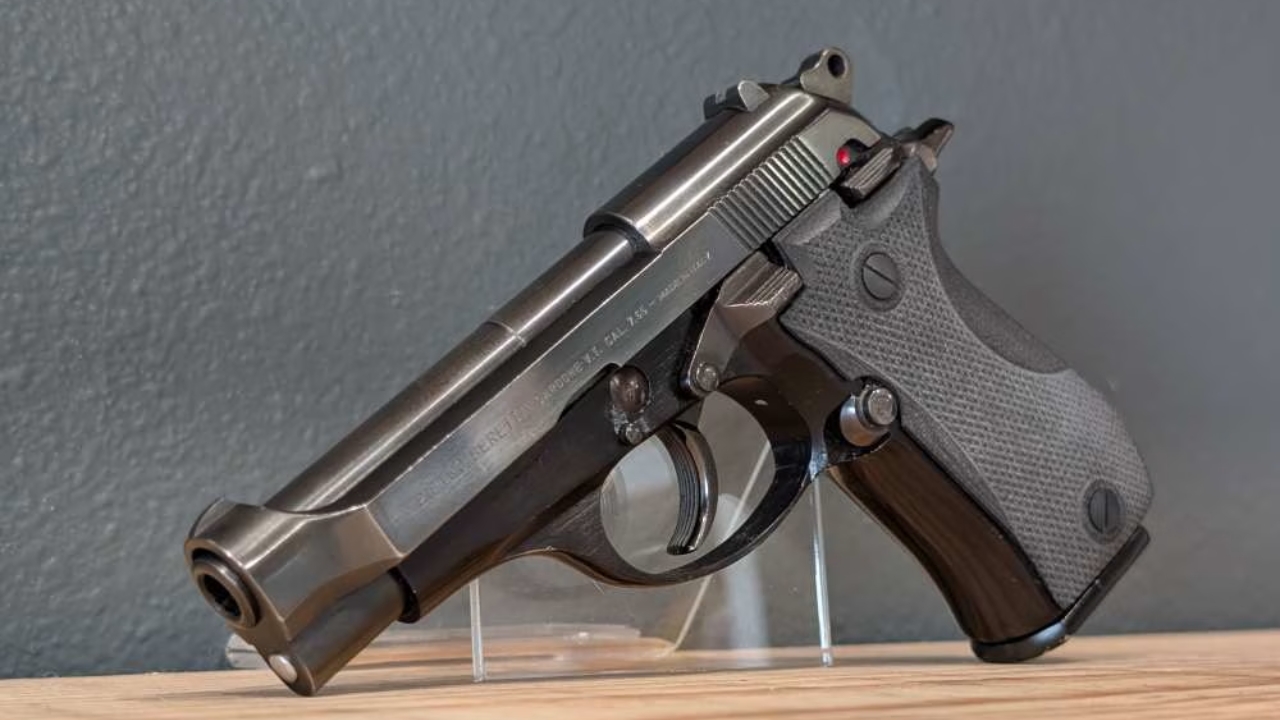
The Beretta 81 was once seen as a surplus curiosity. It was a .32 ACP pistol in a world where American buyers usually wanted 9mm, .380, or something with more obvious defensive appeal.
But the little Beretta had real quality. It was beautifully made, soft shooting, reliable, and far more enjoyable than most people expected. Once buyers started paying attention to the Cheetah-series pistols, the old cheap surplus attitude faded. The Beretta 81 proved that a cartridge people mock does not automatically make the gun unworthy.
Lee-Enfield No. 4 Mk I
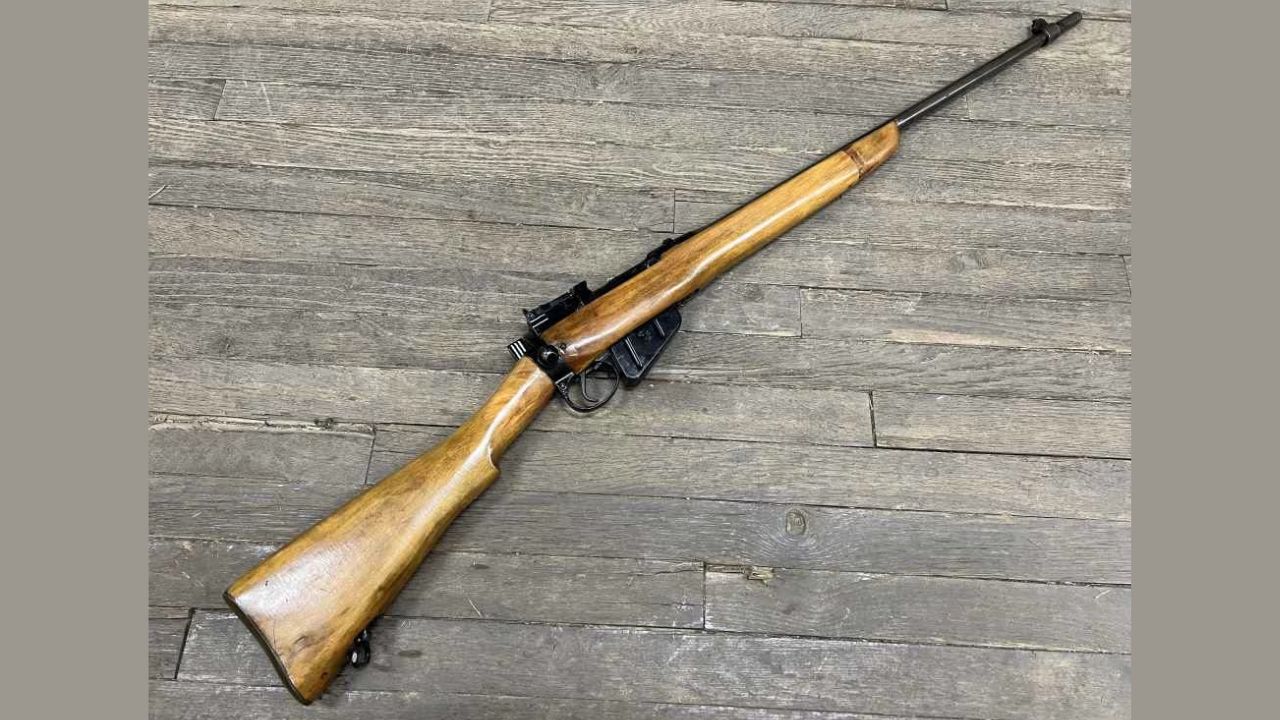
The Lee-Enfield No. 4 Mk I spent years being treated as a cheap surplus rifle, especially when sporterized examples were everywhere. Some shooters saw it as old, loose, and less refined than Mausers or Springfields.
Now good military examples have become far more appreciated. The action is fast, the magazine capacity is excellent for its era, and the rifle has a deep service history that collectors care about. The Enfield was never as crude as the jokes made it sound. Prices eventually reminded people that common warhorses do not stay common forever.
Like The Avid Outdoorsman’s content? Subscribe to our newsletter so you never miss an article.
Here’s more from us: