Photo credit: Cranky Gun Reviews/YouTube
A lot of people buy a revolver with their heart first. It might be the blued steel, the walnut grips, the old-school lines, or just the feeling that a wheelgun means something newer pistols do not. You tell yourself it is about history, craftsmanship, or maybe just owning one good revolver because every gun safe ought to have one. That is usually how it starts.
Then something funny happens. The gun you bought for charm ends up staying around because it shoots better than you expected, carries easier than it looks, or keeps proving useful in ways that had nothing to do with nostalgia. Plenty of revolvers earn a permanent place not because they are romantic, but because once you spend real time with them, they keep making practical sense.
Smith & Wesson Model 19

The Model 19 is one of those revolvers people often buy because it feels like the classic .357 they were supposed to own at some point. It has the right lines, the right balance, and just enough old-school police gun energy to make a buyer feel like he is finally doing something right. On looks alone, it is easy to understand why people fall for it.
What keeps it around is how alive it feels in the hand. A good Model 19 points naturally, carries better than a heavier N-frame, and makes .38 Special feel easy without turning .357 Magnum into a chore. A lot of buyers come for the story and stay because the gun actually does more than sit there looking important.
Ruger GP100

A lot of people buy a GP100 because they want a revolver that feels serious. It has that tank-like build, that heavy-frame confidence, and just enough old-school appeal to scratch the wheelgun itch without drifting into delicate collector territory. It is not usually the prettiest gun in the case, but it does have a kind of blunt honesty that draws people in.
Then you live with one for a while and realize the real appeal is durability. The GP100 handles steady use, full-house .357 loads, rough carry, and years of neglect better than a lot of buyers expect. It stays because it takes all the romance out of worrying. You stop babying it and start trusting it, which is usually when a revolver earns its keep.
Colt Detective Special

The Detective Special sells itself on pure old-school charm. It looks like a revolver from another era because it is, and that is exactly the point. People buy one because it feels like something with a little history behind it, a gun with enough personality to make most plastic carry pistols feel sterile. For a lot of buyers, that is reason enough.
What surprises them is how sensible it still feels. Six shots in a compact frame is still appealing, and the gun carries with a kind of easy confidence that makes you forgive a lot. The trigger, the shape, and the balance all come together in a way that keeps the Detective Special from becoming just another admired safe piece.
Smith & Wesson Model 64

The Model 64 is not the revolver most buyers dream about first. It is plain, stainless, and usually tied more to duty use than romance. But that quiet police-trade-in look has a pull of its own, especially if you like guns that feel real instead of polished for display. A lot of people buy one thinking it will be their simple, sensible wheelgun.
Then they keep it because simple and sensible gets useful fast. The Model 64 is easy to shoot, easy to maintain, and usually smoother than buyers expect once it has seen some honest use. It becomes the revolver you grab when you want something that works without drama, and that practical streak tends to matter a lot more than the original reason you bought it.
Ruger Blackhawk
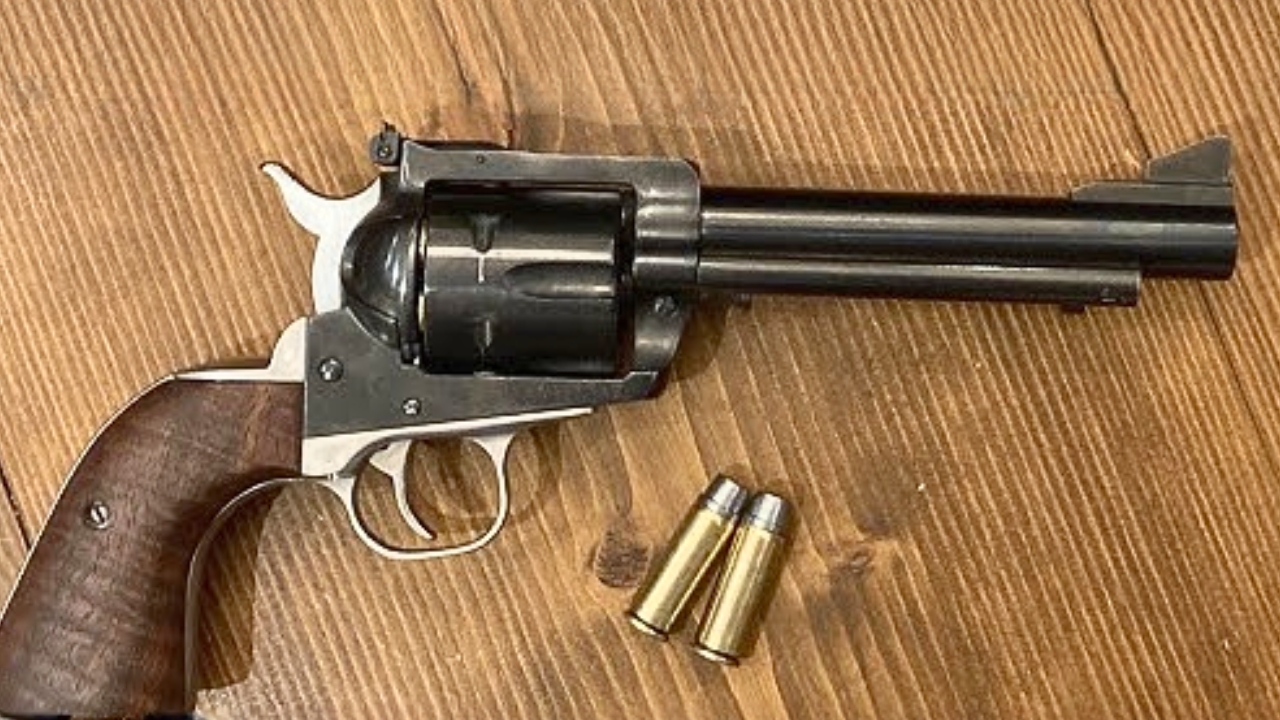
The Blackhawk pulls buyers in because it feels like a revolver with some backbone. It has that single-action pace, that western flavor, and just enough old-world handling to make range time feel slower in a good way. People buy one because it scratches an itch most modern handguns never even try to reach. It makes shooting feel intentional again.
Then the Blackhawk stays because it is far more useful than its image suggests. It handles stout loads, wears hard use well, and turns into the kind of sidearm you respect more the longer you own it. Whether chambered in .357, .44 Magnum, or .45 Colt, it sticks around because the gun behind the style is stronger than the style itself.
Smith & Wesson Model 10
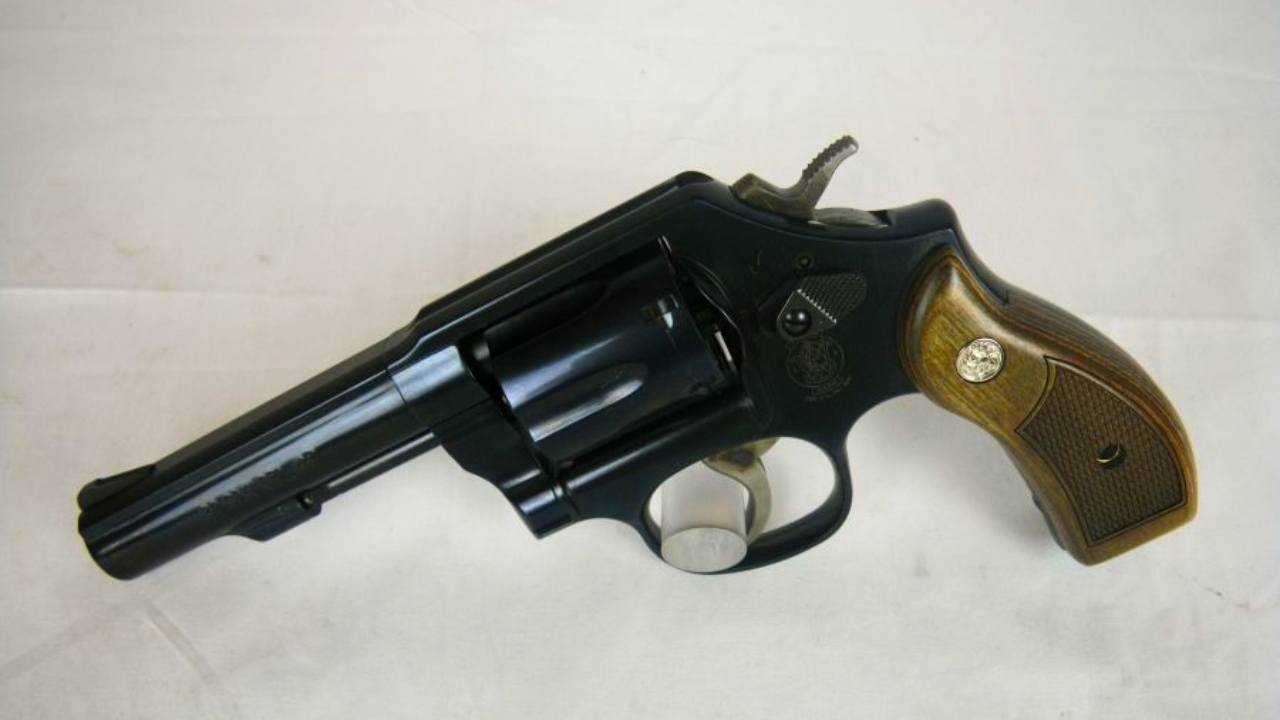
A lot of people buy a Model 10 because it feels like owning a piece of American handgun history. It is the service revolver look in its purest form, and there is real romance in that. Nothing about it is flashy, but that is part of the charm. It feels grounded, familiar, and honest in a way that newer handguns often do not.
What keeps buyers hanging onto it is how easy it is to appreciate once you shoot it regularly. The Model 10 points naturally, shoots .38 Special beautifully, and usually carries a trigger that reminds you why good double-action revolvers built their reputation the hard way. It is not exciting in a modern sense, but it ends up being more satisfying than plenty of guns that are.
Colt Python

The Python is one of the easiest revolvers in the world to buy for romance. The name does half the work before you even touch it. The finish, the ribbed barrel, the reputation, and the old stories all combine into a revolver people want long before they have a practical reason for owning one. It is a gun people chase because it feels like it should matter.
Sometimes it stays for a less dramatic reason: it can actually shoot. A good Python has balance, smoothness, and accuracy that make it more than a display piece when treated with some respect. Buyers may start with collector fever, but many keep one because it delivers a kind of range experience that reminds you why certain guns became legends in the first place.
Ruger LCR

The LCR usually does not enter the picture as some glamorous revolver purchase. Most buyers get one because they already like revolvers and want something lighter, easier, and more modern without abandoning the format completely. But even then, there is still a little romance in owning a carry wheelgun that feels like a practical descendant of something much older.
What keeps the LCR around is how brutally useful it is. The trigger is usually better than people expect, the weight makes it realistic to carry, and the whole gun feels purpose-built instead of nostalgic for nostalgia’s sake. A lot of owners buy it thinking it will be the compromise revolver and end up keeping it because it solves real carry problems better than prettier guns do.
Smith & Wesson 686

The 686 gets bought because it feels like the revolver version of doing things the right way. Stainless steel, full underlug, .357 Magnum chambering, and a reputation for being the one you can shoot a lot without feeling like you are pushing your luck. It has enough beauty to be desirable and enough seriousness to avoid feeling like a toy from another era.
Then people keep it because it turns out to be one of the more versatile revolvers they own. It shoots mild .38s well, handles magnums without complaint, and feels steady enough to make long practice sessions enjoyable. Plenty of buyers start by admiring the 686 and end up relying on it because it does almost everything a general-purpose revolver ought to do.
Colt King Cobra
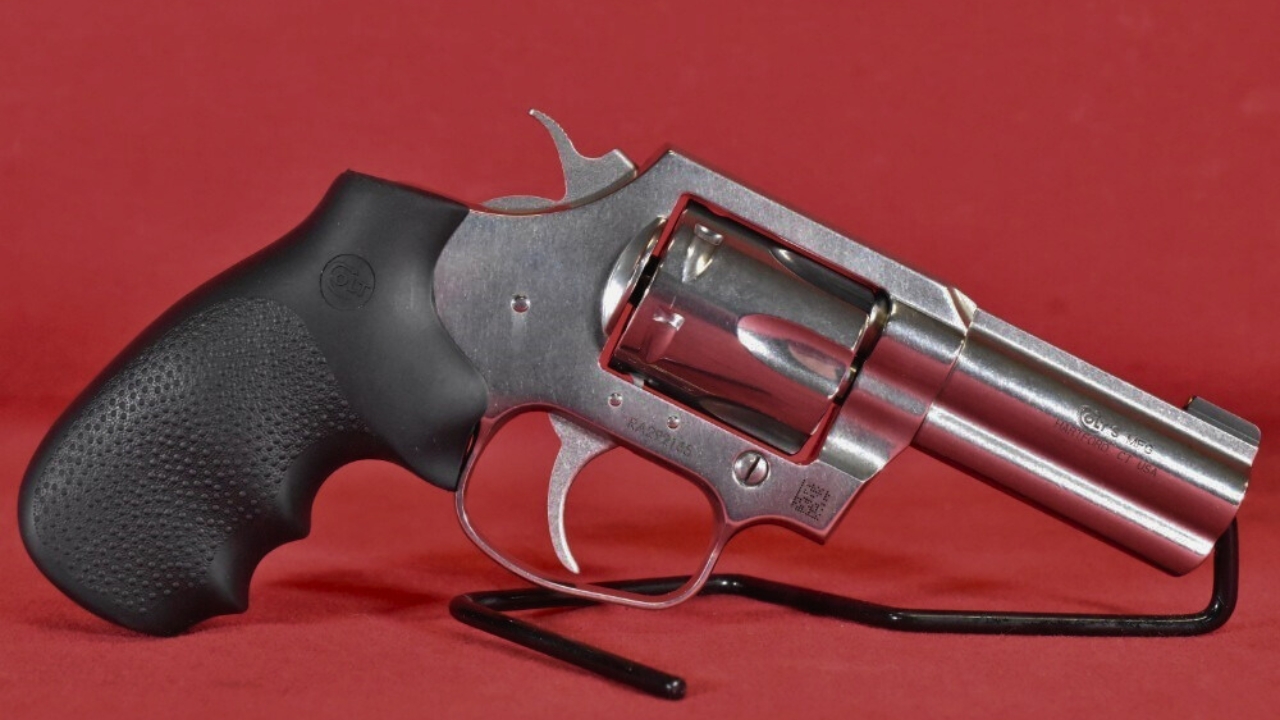
The King Cobra often catches buyers who want something with Colt blood in it but not necessarily the full Python chase. It has style, weight, and just enough attitude to feel special without becoming all about display-case nerves. That makes it easy to buy for emotional reasons. It looks like the kind of revolver a person should enjoy owning.
What keeps it around is how substantial it feels once the shine wears off. The gun tends to shoot comfortably, manage recoil well, and carry itself like a revolver built to be used instead of admired from a distance. Buyers may come in wanting Colt romance, but they often stay with the King Cobra because it feels more practical in real life than expected.
Smith & Wesson Model 36

The Model 36 has that classic snubnose appeal that gets under people’s skin fast. Blued steel, compact frame, exposed hammer, and the sense that you are holding something generations of people once trusted without making a production out of it. Buyers pick one up because it feels like the revolver version of a pocketknife that has actually lived some life.
Then it stays because small revolvers like this still make sense. A good Model 36 is easy to carry, easy to understand, and oddly comforting in a way that goes beyond ballistics charts. It does not have to win every comparison to keep its place. It just has to remain the gun you still trust to drop in a pocket when bigger plans feel unnecessary.
Ruger Redhawk

A lot of people buy a Redhawk because it represents big-bore revolver romance in a very straightforward way. It looks strong, feels strong, and carries the kind of no-apology heft that draws in buyers who want a revolver with some real authority behind it. It is the sort of gun people buy because they have wanted one for years and finally give in.
Then they keep it because it proves more useful than expected. Whether for hunting, backwoods carry, or simply having a revolver that can digest serious loads for the long haul, the Redhawk builds trust fast. It is not subtle and never tries to be, but that same lack of pretense is exactly why so many owners end up keeping one around permanently.
Taurus 856

The 856 often gets bought by people who want a small revolver without spending older Smith money or chasing collector names. Sometimes the romance here is less about prestige and more about the basic appeal of a straightforward carry revolver that still feels like a revolver. It scratches that old-school itch while staying within reach, which is a big part of its draw.
What keeps it around is that six-shot capacity in a compact format and a level of practicality buyers do not always expect. It fills the role of a simple defensive gun well, especially for people who still like the revolver manual of arms. No, it is not bought with the same emotion as a pinned-and-recessed Smith, but it often stays for very grounded reasons.
Smith & Wesson Model 29

The Model 29 gets bought because almost nobody sees one and thinks only practical thoughts. It is too iconic for that. The long barrel, the big cylinder, the blued finish, the sheer presence of the thing all make it feel like more than a handgun. It is a revolver people buy because they have wanted one in their life story for a long time.
Then real use changes the relationship. It may not be an everyday sidearm for most people, but a good Model 29 can hunt, can hit hard, and can make range time feel memorable in a way very few handguns can. It stays because once the movie glow fades, you are still left with a serious revolver that earns respect on its own.
Kimber K6s

The K6s often attracts buyers who want a carry revolver with a little more refinement than the usual small-frame choices. It looks good, feels tight, and has enough modern polish to create its own kind of romance. People buy one because it seems like the revolver version of getting something nicely made instead of simply getting by.
Then they keep it because the gun actually works with daily life. Six rounds in a compact frame matters, the trigger is usually strong for the class, and the size makes it practical to carry more often than bulkier wheelguns. A lot of owners come in expecting a classy little revolver and end up hanging onto it because it quietly becomes one of the more useful handguns they own.
Charter Arms Bulldog

The Bulldog usually gets bought because it has character. It is a big-bore snubnose with a slightly rough-around-the-edges reputation and a look that tells you immediately it was built around a purpose, not around impressing people at the gun counter. That alone gives it a kind of underdog romance. People like the idea of it before they fully know how they will use it.
What makes it stick is the way that .44 Special chambering gives it a real niche. It is compact, hits with authority, and offers something different from the endless parade of small 9mms and .38 snubs. The Bulldog tends to stay because it never feels redundant. Once you get used to what it does well, it becomes harder to convince yourself to let it go.
Like The Avid Outdoorsman’s content? Subscribe to our newsletter so you never miss an article.
Here’s more from us: