Photo credit: Spartan Outdoors TV/YouTube
Some guns do not get ignored because they are bad. They get ignored because they are too easy to leave for later. They sit in that dangerous middle ground where buyers know they are decent, know they are useful, and still never feel much urgency. Maybe the model is too plain. Maybe it is overshadowed by louder names. Maybe it is simply not fashionable enough to trigger panic. That is how people end up walking right past guns for years without realizing they are also walking past one of the smarter buys in the room.
Then the market shifts. Production ends. Clean examples thin out. Shooters start appreciating what the gun actually offered instead of what the sales floor said was more exciting that month. Suddenly the same firearm people used to barely glance at becomes the one they wish they had bought twice. These are the firearms people notice too late after years of walking right past them.
Smith & Wesson 469

The 469 spent years living in that awkward compact-pistol lane where buyers knew it was competent but never quite felt compelled to chase it. It was an older Smith compact, practical enough, respected enough, and still easy to overlook when flashier autos were sitting nearby. That is exactly the kind of pistol that gets missed. It did not look exotic, and it did not arrive with a giant legend attached. It just sat there being a solid little carry-size gun while the market kept finding shinier things to obsess over.
Then the tone around older Smith autos changed. Buyers started realizing the compact third-generation guns actually offered real quality, real shootability, and a style of practical metal-frame handgun that the market had gradually stopped replacing very well. By the time that became obvious, the easy-buy years were gone. That is why the 469 stings now. It was never impossible to find. People simply trained themselves to ignore it.
Smith & Wesson 4516

The 4516 was another pistol people walked past because it looked more practical than exciting. It was compact for a .45, built with the usual Smith seriousness, and had the kind of all-business feel that should have attracted more long-term respect than it got early on. Instead, many buyers treated it like one of those “yeah, that’s nice” pistols they would revisit later after sorting through all the more glamorous .45 options they thought mattered more.
That later became more expensive. Once enough shooters had lived through a few disappointing compact .45 experiments, the 4516 started making much more sense. It felt durable, grounded, and honest in a category that often leaned too hard on image and wishful thinking. A lot of buyers only figured that out after they had already wasted money elsewhere. That is what makes it such a perfect fit here. It was sitting there in plain sight while the market looked right past it.
Beretta 81BB

The 81BB is exactly the kind of pistol people ignored because they assumed it would always remain a neat little old Beretta instead of becoming something they actually needed to prioritize. It had quality, a metal frame, and a very likable compact format, but plenty of buyers still treated it like a charming side note. That is usually how the market punishes people. The guns that seem most likely to stay casually available are often the ones that become the most annoying to chase later.
The appeal looks much clearer now. The 81BB gives shooters a compact handgun that still feels substantial, pleasant to shoot, and worth owning on more than novelty alone. Once people started appreciating older compact Berettas more seriously, the easy indifference around them started disappearing fast. Buyers who once kept walking past them because they thought they were only buying style now realize they were also passing on a genuinely satisfying pistol.
HK P2000SK

The P2000SK spent too long in the shadow of louder HK models and trendier carry guns. Buyers liked it well enough, but it rarely felt like the handgun anyone had to hurry toward. That is a dangerous market position. A pistol can be dependable, compact, and quietly excellent for years while the broader crowd keeps stepping over it to buy whatever has the hotter name or fresher internet following.
That is what happened here. Enough people eventually figured out that the P2000SK was one of those carry pistols that actually held up under long-term ownership instead of merely looking smart on purchase day. It carried well, shot better than many tiny alternatives, and had the sort of practical durability people always claim to want. By the time more buyers admitted that, the old casual attitude around it had already started fading.
Browning BDM

The BDM is almost built for this headline. For years, people noticed it only enough to dismiss it. It was not the Browning most buyers were looking for, did not fit neatly into the strongest collector lanes, and was just odd enough to encourage postponement. Buyers often reacted to it like a curiosity they could always investigate later if they ever felt like getting more serious about overlooked 9mms.
Then the market slowly changed its mind. Once enough buyers looked back at discontinued, well-made, offbeat pistols from major names, the BDM stopped feeling like background clutter and started feeling like one of those smarter old buys people had ignored too casually. It still is not the loudest pistol in the room, which is part of why it works so well here. It was easy to pass on precisely because it looked like it had all the time in the world.
Winchester 1200

The Winchester 1200 is one of those shotguns buyers spent years stepping around because it felt too ordinary to be urgent. It was a practical pump with a strong enough name and a big enough real-world footprint that people assumed it would always be around in decent shape at reasonable money. Guns that feel common are often the easiest to ignore. They are also the easiest to miss once that commonness starts drying up.
What changed was not the shotgun. People simply started appreciating older field pumps more seriously and noticing that the good ones were not hanging around the way they used to. The 1200 now feels like the sort of gun buyers should have been buying while they still thought of it as “just a used Winchester pump.” That is the classic late-notice mistake. The shotgun was useful the whole time. Buyers were simply too relaxed to treat it like it mattered.
Winchester 1400

The 1400 lived in a similarly dangerous part of the market. It was familiar enough to avoid panic, old enough to attract some polite interest, and still not hot enough to create much urgency. Many buyers liked them without ever feeling pressure to act. That is often how semi-auto shotguns get missed. They are respected, but not enough to move to the top of the list while there is still time.
Now, though, more buyers have started looking back through older Winchester sporting semiautos with a much different eye. The 1400 still makes practical sense as a field gun, and that matters. Once a shotgun remains useful while also becoming less easy to find in attractive condition, the whole conversation changes. A lot of people walked past these for years because they felt too normal. That old comfort no longer looks very smart.
Ithaca 51

The Ithaca 51 is the type of shotgun many buyers barely registered while they were busy chasing more famous pumps and semiautos. It never had the loudest mythology, which made it easy to overlook as just another older shotgun from a name people knew more for other models. That sort of mild reputation can keep a good gun ignored for a very long time.
But underappreciated field guns do not stay underappreciated forever if they have enough real merit. Once buyers began paying closer attention to older sporting shotguns that still offered practical field value, the 51 started looking like more than just a forgotten branch of the Ithaca story. That is the whole pain of this category. The gun was there the entire time. People just did not look at it with enough seriousness until the opportunity had already gotten thinner.
Franchi AL-48

The AL-48 was easy to walk past because it was too sensible to create drama. It was light, practical, field-friendly, and did not need to scream for attention to be a very good bird gun. Those are often the exact guns people fail to prioritize. The market gets hypnotized by whatever is louder, more tactical, or more obviously prestigious, while genuinely useful shotguns like this one sit there quietly waiting for someone to notice.
Eventually enough shooters do notice, and that is when the mood changes fast. The AL-48 still feels right in the field, still carries beautifully, and still gives owners a shotgun they actually want to use. Once buyers began realizing how much they liked older, light autoloaders with real character, walking past a clean AL-48 stopped feeling harmless. It started feeling like a missed chance.
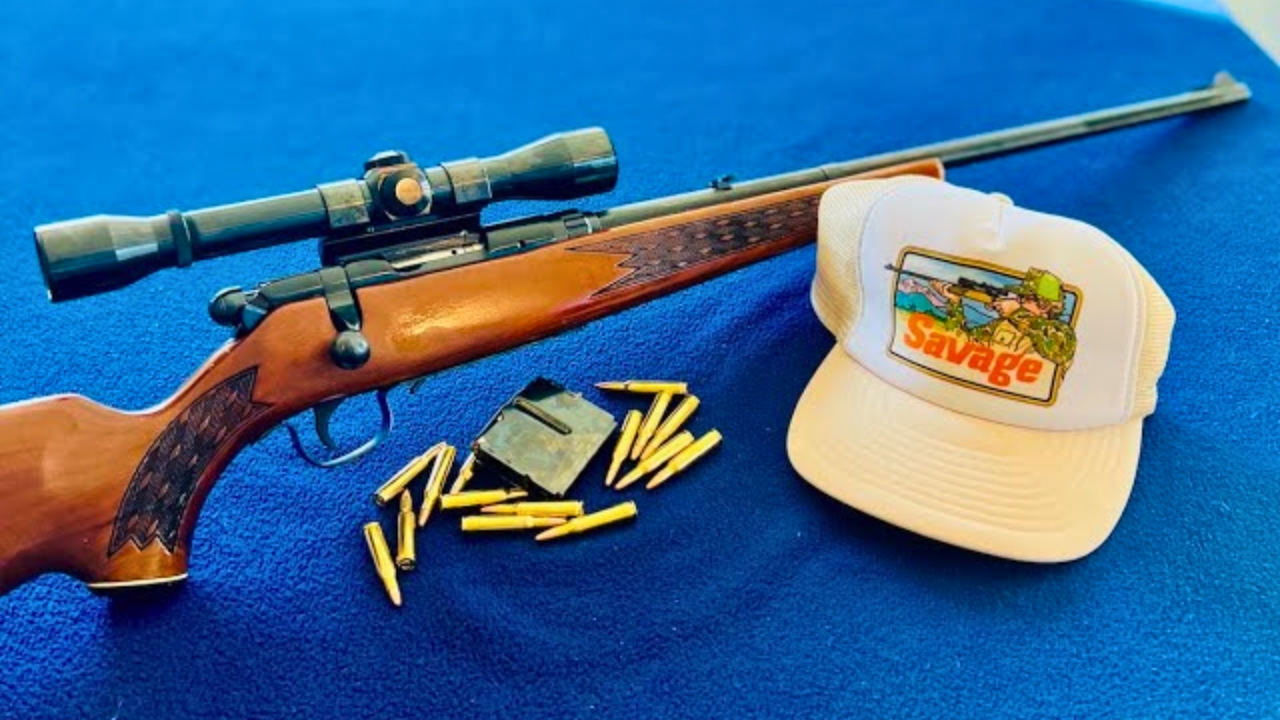
Savage 340

The Savage 340 practically specializes in being ignored. For years, buyers looked at it as a humble old utility rifle and not much else. It was too plain to command collector swagger, too practical to attract romantic buyers, and too unglamorous to compete with flashier bolt rifles for attention. That is often how the smartest cheap rifles get missed. People think because something looks modest, it must always remain modest.
Then enough shooters start reassessing the guns they used to overlook, and a rifle like the 340 starts looking much more clever in hindsight. It did not need a giant reputation. It needed enough real usefulness to make people regret dismissing it once availability and price got less friendly. That is exactly what happened. Buyers kept walking past it because it never looked like the kind of gun anybody needed to hurry over, right up until they should have hurried.
Savage 164

The 164 lived in a similar blind spot. It was a straightforward, practical rifle from a maker buyers often associated with utility before beauty, and that made it easy to pass over when there were prettier names nearby. A lot of hunters and shooters simply assumed rifles like this would remain cheap background options forever because they did not inspire much emotional display-case behavior.
That assumption broke down once enough people started valuing old practical rifles for what they actually did rather than how much romance they carried. The 164 became one of those guns buyers suddenly noticed after years of treating it like scenery. That is a recurring theme with firearms like this. They only seem unimportant until the market finally starts respecting the exact thing buyers used to look past: plain competence.
Weatherby SA-08

The SA-08 spent too long being treated like a serviceable little field autoloader and not much more. Buyers liked the idea of it, liked the handling, and still often passed because there was no giant emotional pressure around the model. It was not exotic enough to trigger collector fever and not loud enough to dominate average shopping conversations. That made it easy to keep on the “maybe later” list indefinitely.
Once buyers started appreciating practical, lighter autoloaders with real field worth a little more aggressively, that easy calm around the SA-08 began fading. A gun does not need to be famous to become annoying to replace. It only needs enough people to figure out that it actually offered something worth having. The SA-08 got there the quiet way, which is why so many people only really noticed it after years of ignoring it.
Winchester 52
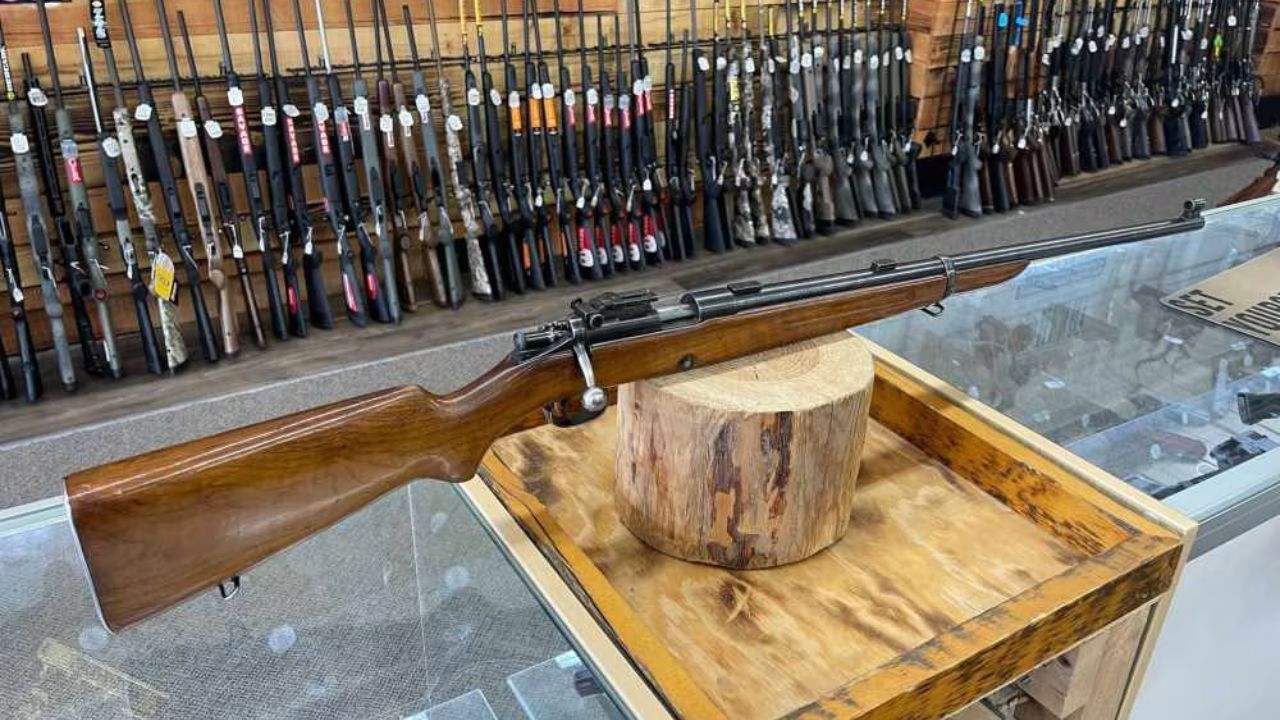
The Winchester 52 was always respected, but a lot of buyers still walked past it because target-grade rimfires can feel like something you will always eventually get around to. They are admired, not always urgently pursued, and that creates exactly the sort of relaxed market behavior that makes later regret so expensive. Buyers knew the 52 was quality. They just often acted like that quality would always remain available at vaguely approachable numbers.
That changed because great rimfires do not stay casual forever. Once more shooters and collectors started taking target .22s more seriously, the 52 stopped being a polite admiration piece and started becoming something the market chased with much more determination. It is one of those rifles people never truly disliked. They just failed to notice how dangerous it was to keep postponing something so obviously good.
Ruger Red Label

The Red Label sat in that strange market lane where buyers always had an opinion about it but did not always move on it. Some loved the fact that it was an American over-under with real identity. Others liked it but thought they could always revisit the idea later when the timing felt right. That split in enthusiasm kept it from becoming instantly urgent, which in turn made it very easy to keep walking right past.
Then the market did what it does with recognizable, useful, finite guns. It sharpened. The Red Label started looking less like a side-path choice and more like one of those shotguns people should have bought when they still had the luxury of debating it. That is the common thread here. The shotgun did not suddenly become a different gun. Buyers just noticed too late that they had underestimated how many other people would eventually want the same thing.
Howa Mini Action

The Howa Mini Action is newer than some of the others, but it fits the same pattern perfectly. Buyers noticed it, appreciated the concept, and still often kept moving because it felt like something that would always be around if they ever decided they truly wanted one. That kind of thinking gets people in trouble fast when a rifle fills a niche better than the market first realizes. Compact, handy, and purpose-built rifles have a way of building loyalty once they actually get into the field.
That is exactly what happened here. Once enough buyers spent real time with Mini Actions and realized how much they liked a rifle that was not just a cut-down version of something bigger, the whole market started paying more attention. The rifles people walked past because they felt too specialized suddenly became the rifles they wished they had taken more seriously while the prices still felt friendly.
Like The Avid Outdoorsman’s content? Subscribe to our newsletter so you never miss an article.
Here’s more from us: