Photo credit: Colion Noir/YouTube
Some guns sound unbeatable right up until somebody with more range time, more context, or a better memory for what actually matters starts asking simple questions. That is usually when the tone changes. The praise gets quieter, the confidence gets less dramatic, and the conversation shifts away from brand loyalty and familiar talking points toward things like reliability, value, shootability, and whether the gun really deserves the reputation people keep handing it.
That does not mean every gun on this list is trash. Some have real strengths. Some are interesting for specific buyers. But they also tend to get praised too easily by people repeating the usual lines instead of thinking very hard about what the firearm actually offers. These are the guns people defend loudly until someone better informed walks in and starts separating myth from substance.
Kimber Solo

The Kimber Solo gets praised by people who love the idea of a sleek little carry pistol with premium styling and just enough brand prestige to feel like they bought something above the usual compact-gun crowd. It looks serious, feels upscale at the counter, and makes buyers think they found the classy answer instead of another plain micro 9.
Then somebody more informed starts asking how it behaves under real training, how forgiving it is, and whether the ownership experience really matched the early promise. That is where the confidence starts thinning out. The Solo sounded smarter than it often proved to be, and better-informed shooters usually do not need much time to expose the gap between the pitch and the reality.
AMT Hardballer
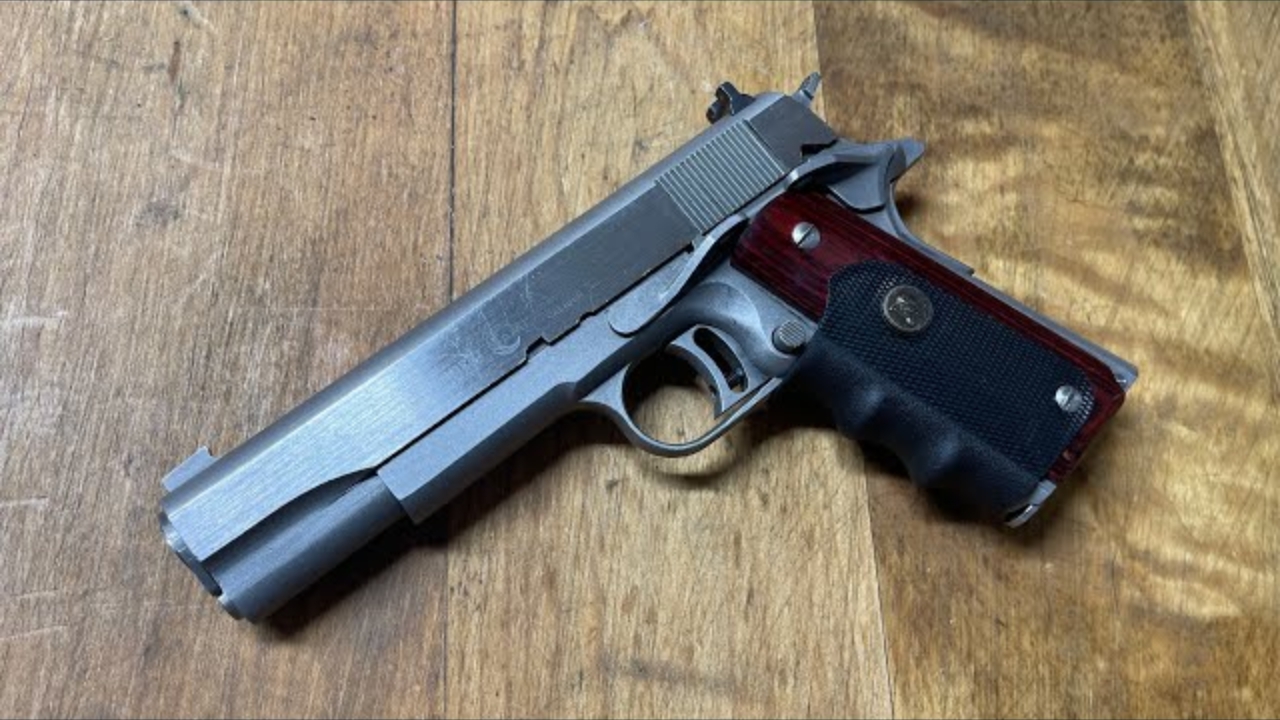
The AMT Hardballer gets defended by people who like the stainless look, the 1911 pattern, and the general idea that they found a tougher or more interesting version of a classic pistol. On the surface, it sounds like a strong recommendation. It has the right shape, the right vibe, and enough cult recognition to make casual buyers speak about it with confidence.
Then someone who knows the difference between looking the part and actually delivering starts pushing back. Now it becomes a conversation about how well it really ran, how much of the appeal was cosmetic, and whether the gun earned its reputation the hard way or simply coasted on concept. Once that starts, the swagger around the Hardballer usually fades pretty quickly.
Charter Arms Bulldog
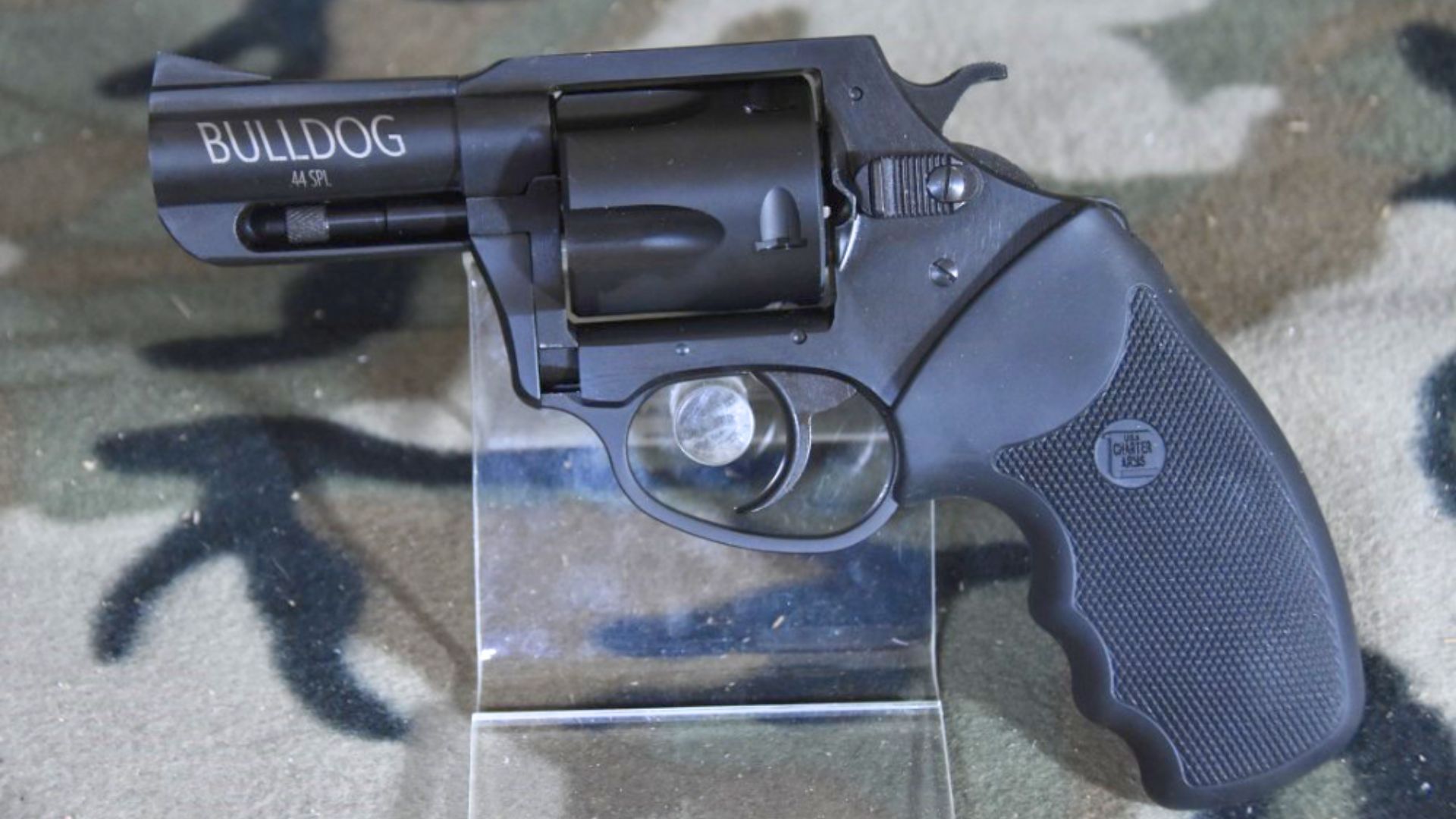
The Charter Arms Bulldog gets praised by people who love the idea of a compact big-bore revolver that feels like a serious answer in a simple package. It sounds practical, powerful, and refreshingly old-school. That kind of pitch works especially well on buyers who want something with attitude and do not spend much time asking harder questions.
Then somebody better informed starts asking about durability, long-term confidence, and whether the revolver’s appeal is doing more work than its actual performance record. That is where the easy praise starts getting harder to defend. The Bulldog has a niche and a following, but informed shooters usually force the conversation into less flattering territory very quickly.
KelTec P-11
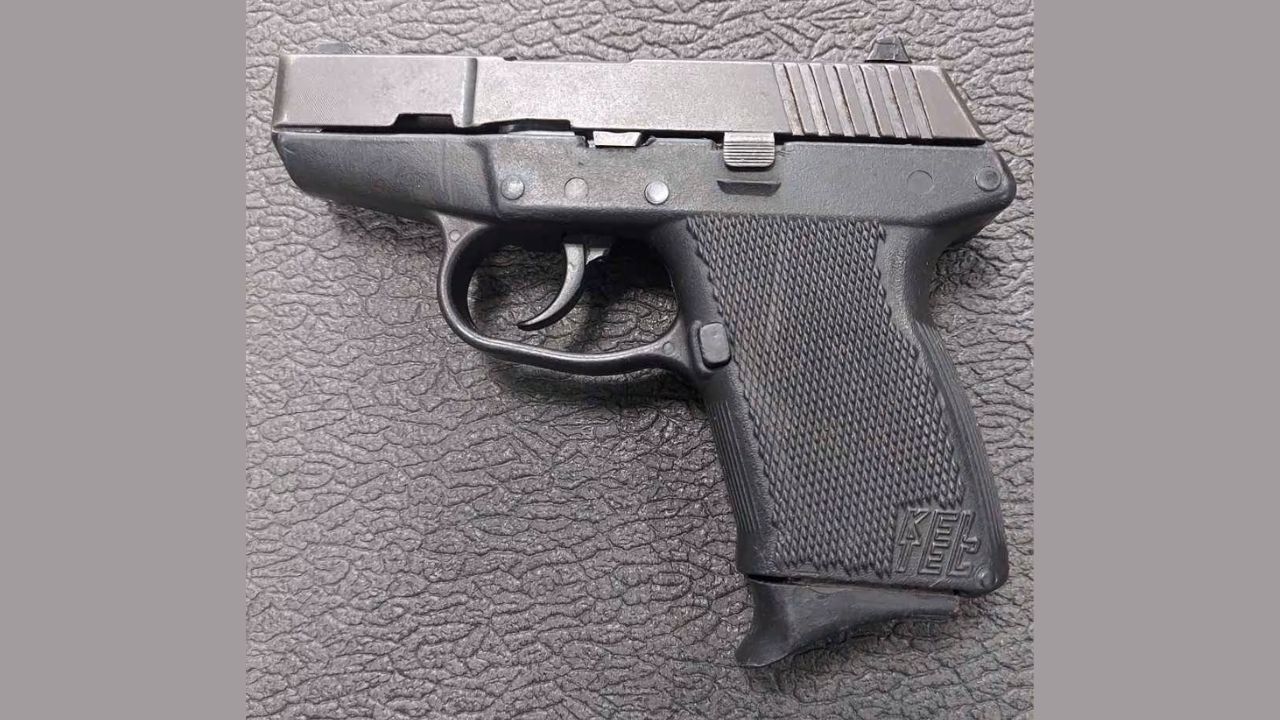
The KelTec P-11 gets defended by people who like how much capacity it offered in a small, affordable package, especially for its era. Buyers often talk about it like it was a clever, practical shortcut around spending more money. In casual conversation, that kind of value-minded recommendation can sound sharp and grounded.
Then someone more experienced starts asking what it was really like to shoot, train with, and trust over time. That usually changes the whole mood. The gun may have checked boxes on paper, but better-informed shooters tend to care about how those boxes translated into real ownership, and that is exactly where the P-11 starts getting a lot less easy to praise.
Taurus Millennium Pro

The Taurus Millennium Pro gets sworn by by people who want to emphasize that they found a budget-friendly carry pistol that “does the same thing” as more respected options. That confidence often comes from wanting to believe the bargain was smarter than the mainstream choice. In short conversations, that story can sound convincing enough.
Then someone who knows better starts asking about long-term reliability, consistency, and how often owners really trained hard with the gun compared to how often they simply liked the idea of having gotten a deal. That is where the tone changes. The Millennium Pro usually sounds strongest before somebody more informed starts holding it to a more serious standard.
Remington R51

The Remington R51 gets defended by people who are drawn to unusual styling and the idea that they appreciate some overlooked design other buyers failed to understand. That kind of confidence can sound impressive right up until somebody with a better grounding in handgun performance starts asking how much of the praise came from novelty alone.
Once that happens, the conversation usually gets uncomfortable fast. A knowledgeable shooter does not need to say much. He only needs to shift the focus toward function, consistency, and real-world ownership. That alone is often enough to expose how much of the R51’s support depended on people liking the story of the gun more than the actual gun itself.
Taurus Curve

The Taurus Curve gets talked up by people who are impressed by unusual carry concepts and like the feeling that they found a smarter concealment answer than the rest of the market. It sounds innovative, different, and purpose-built in a way that can make casual buyers feel ahead of the curve, no pun intended.
Then somebody with more serious carry and training experience shows up and starts asking whether the design actually improved the things that matter most. Now the talk shifts toward sights, handling, training value, and the simple question of whether a weird solution really solved anything. That is usually where the confident praise starts collapsing under better-informed scrutiny.
Magnum Research Baby Eagle
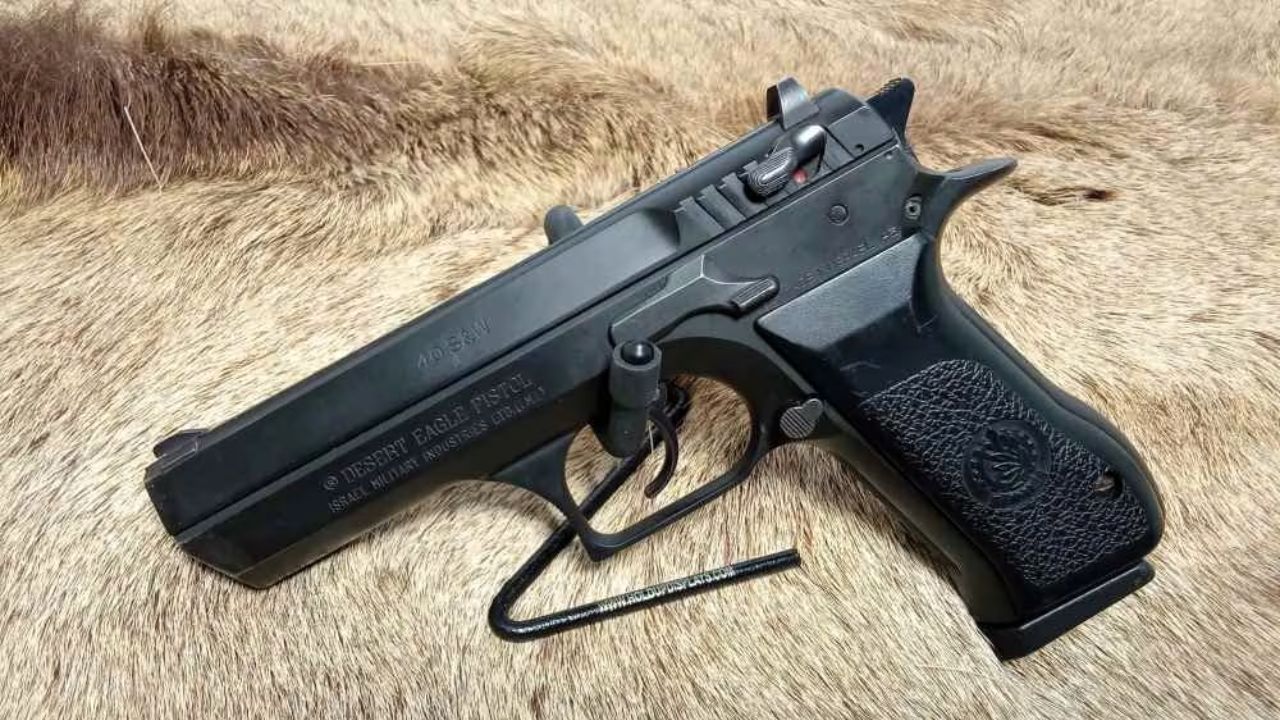
The Baby Eagle gets praised by people who like its weight, styling, and the fact that it feels substantial in the hand. It has enough visual credibility and enough “serious handgun” energy to make casual owners speak highly of it, often with the confidence of people who think heft alone proves quality.
Then someone who knows better starts comparing it honestly against the pistols it competed with and the reasons experienced shooters actually choose one gun over another. That is where things get harder to defend. A gun can feel impressive and still not be the smartest recommendation in the room. Better-informed shooters tend to make that distinction quickly, and the Baby Eagle often suffers once they do.
Mossberg 715T

The Mossberg 715T gets defended by people who are attracted to the tacticool look and the feeling that they got something modern and exciting without stepping into a more expensive platform. In short conversations, that can sound like a smart buy. It looks the part, feels different from a plain old rimfire, and gives owners something to talk about.
Then a more informed shooter starts asking what it actually does better than simpler, more proven .22 rifles. That is when the answer usually gets thin. Once the styling stops carrying the conversation and someone starts pressing on substance, the 715T often looks like exactly what better-informed shooters already suspected: a rifle people praised before they compared it honestly.
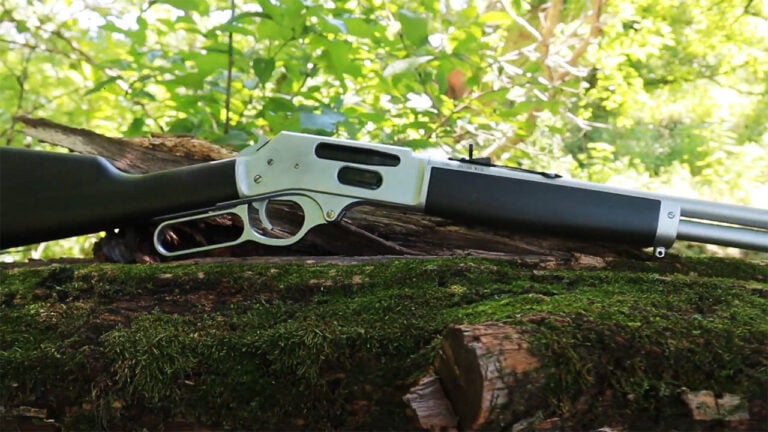
Rossi Circuit Judge
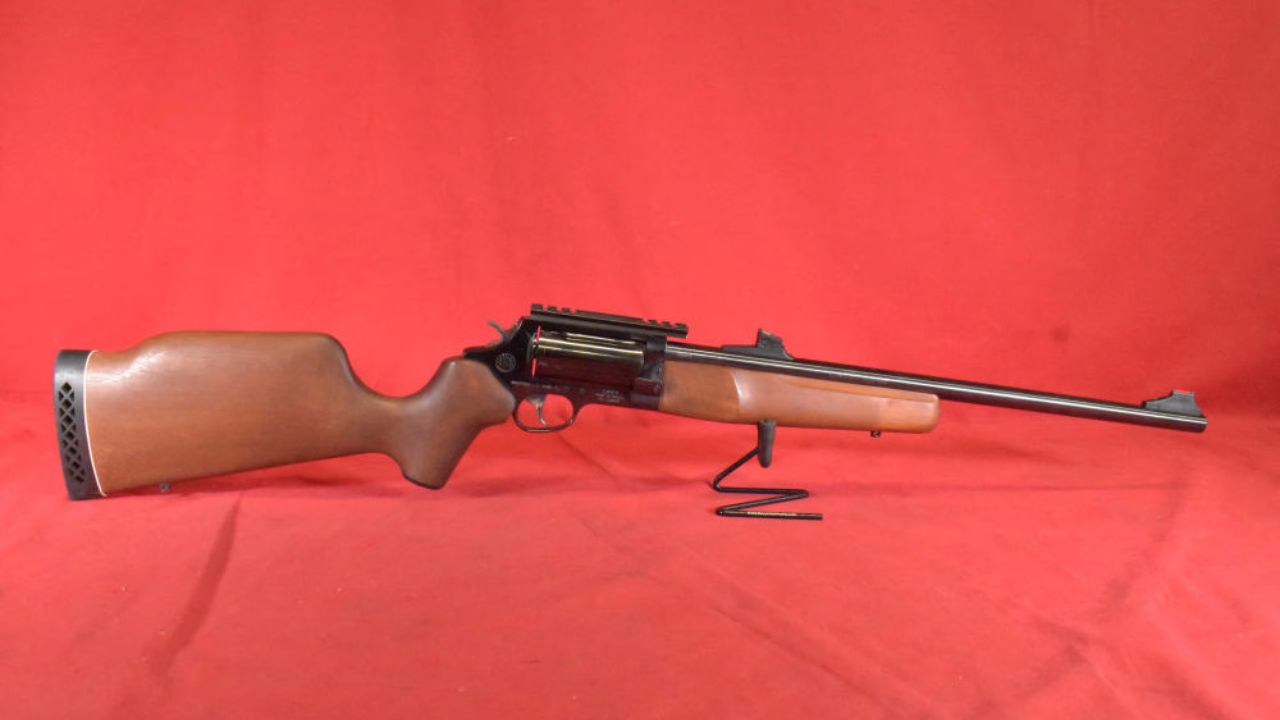
The Rossi Circuit Judge gets talked up by people who like unusual firearms and enjoy the idea of having something versatile and different enough to stand apart from ordinary rifles or shotguns. The mixed-caliber novelty sounds clever in conversation, and that alone is often enough to create a lot of bold recommendations from buyers who enjoy talking about it more than they enjoy evaluating it.
Then somebody more informed starts asking about actual role, actual performance, and whether the rifle really excels at anything beyond being unusual. That usually changes the mood fast. The Circuit Judge can be interesting, but informed shooters tend to strip away that first layer of novelty quickly, and once they do, the glowing praise tends to lose a lot of its energy.
Desert Tech MDRX
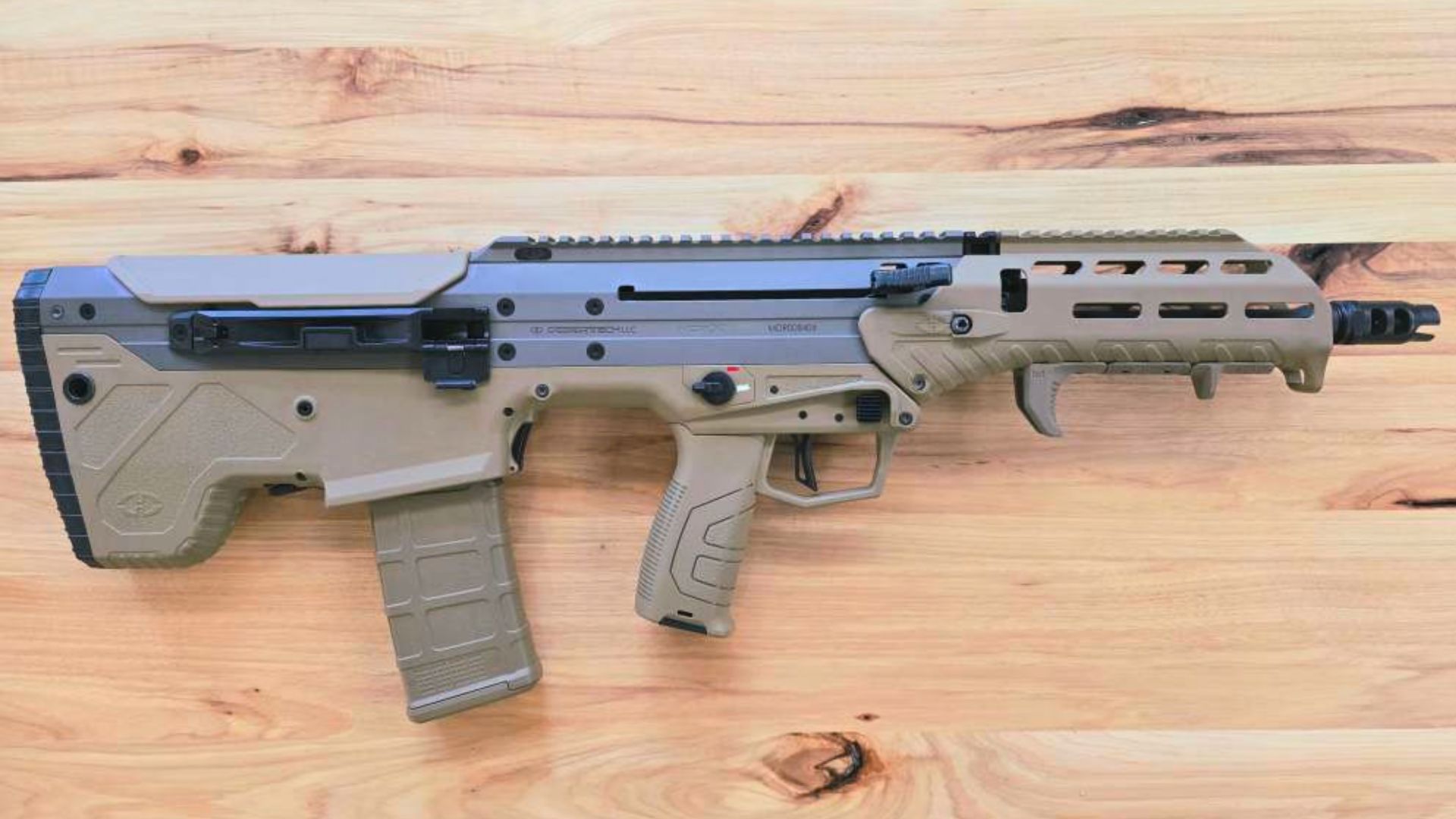
The Desert Tech MDRX gets praised by people who like advanced-looking rifles, unusual layouts, and the feeling that they are buying into something smarter than the ordinary AR crowd. Bullpup fans especially can get very confident very quickly, because the rifle looks like the kind of thing that should embarrass more conventional designs on sheer cleverness alone.
Then somebody with more practical experience starts asking how much of that cleverness translated into real ease of use, real trust, and real long-term ownership satisfaction. That is when the easy confidence tends to wobble. Better-informed shooters usually care less about how futuristic a rifle looks and more about how solidly it performs, and that shift in criteria often leaves the MDRX getting defended much less comfortably.
Springfield Armory XD-E
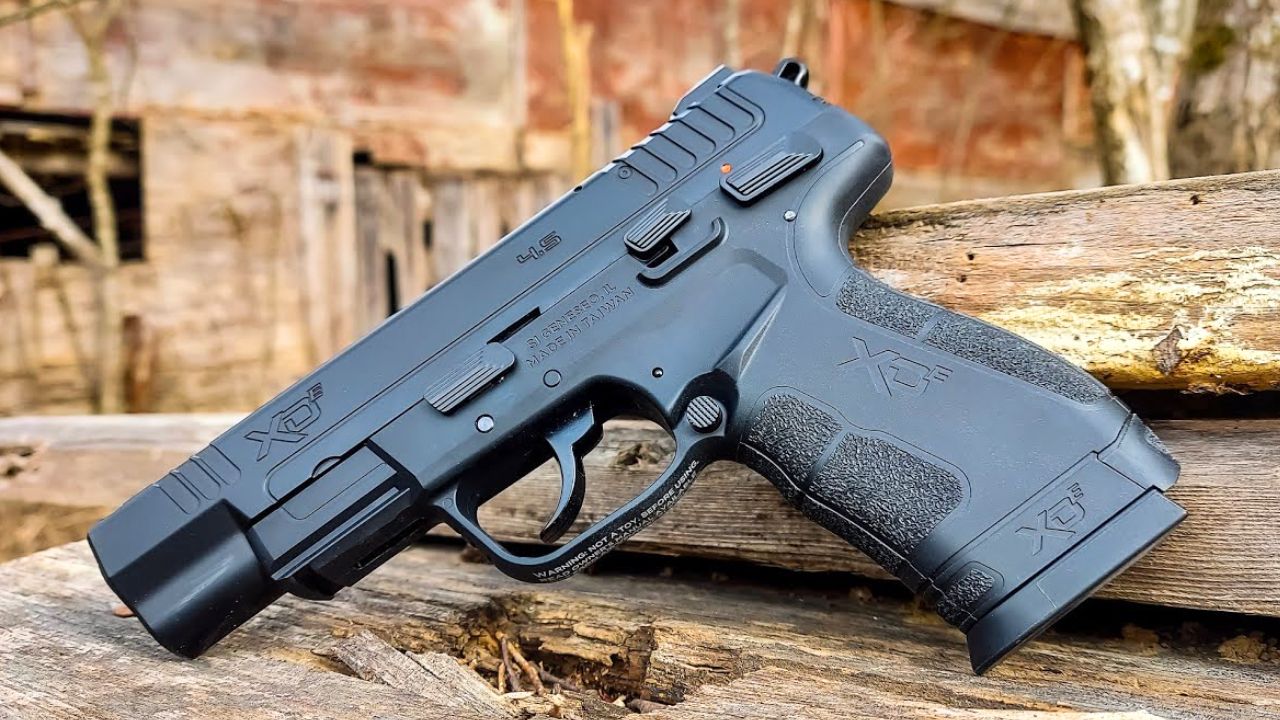
The XD-E gets recommended by people who like the idea of a slim hammer-fired carry pistol that feels a little more refined or different than the usual striker-fired suggestions. It sounds like the smart answer for somebody who wants options, a familiar manual of arms, and a gun that stands out from the modern crowd without being too exotic.
Then someone better informed starts asking whether it truly did enough better than simpler alternatives to justify that confidence. Once the conversation becomes about actual long-term carry value and real training use, the XD-E usually loses some of the glow it had in more casual recommendation circles. It is a good example of a gun that can sound smarter than it really proves to be.
Walther PK380

The PK380 gets praised by buyers who want a softer-shooting handgun that feels approachable and less intimidating than many compact pistols. That can make owners sound very certain, especially if they are recommending it to others based more on comfort and first impressions than on serious long-term judgment.
Then someone more informed starts asking whether the gun’s friendliness in theory matched its broader track record and practical value. That is often enough to cool the enthusiasm. Better-informed shooters tend to evaluate a pistol by more than how easy it felt in the hand at first, and once the PK380 is judged that way, the confident praise usually becomes much less convincing.
Coonan .357
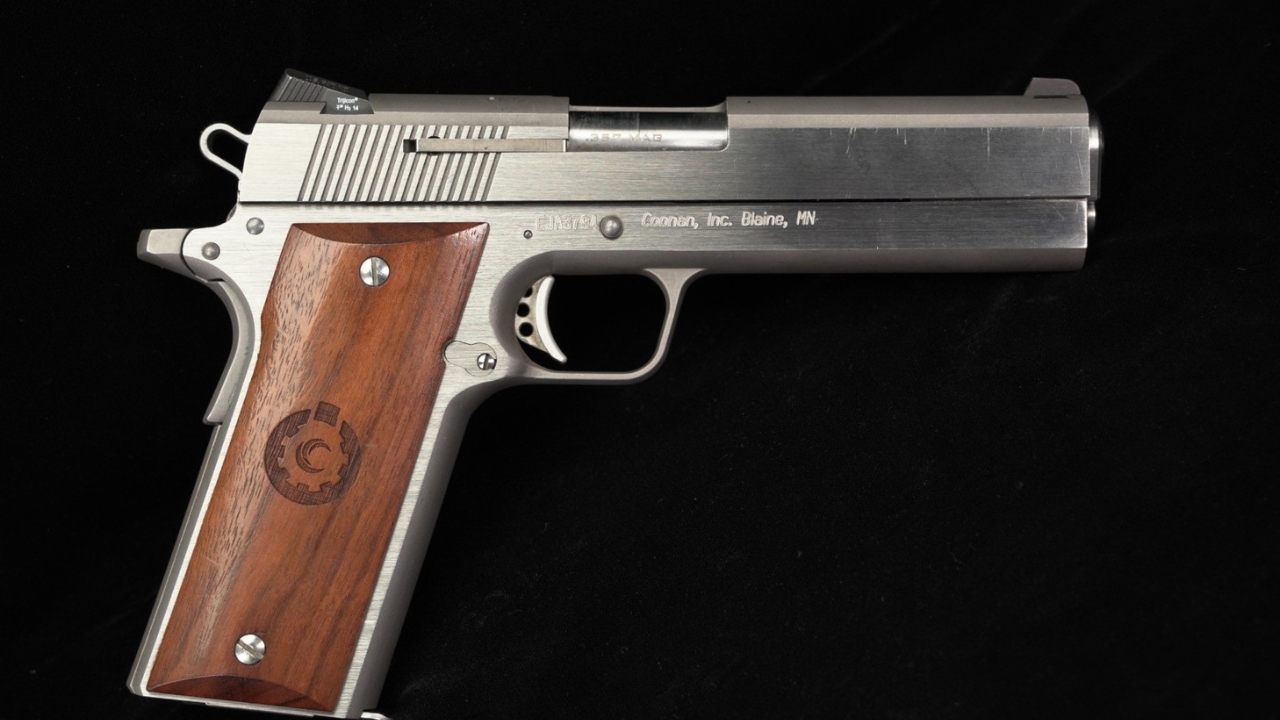
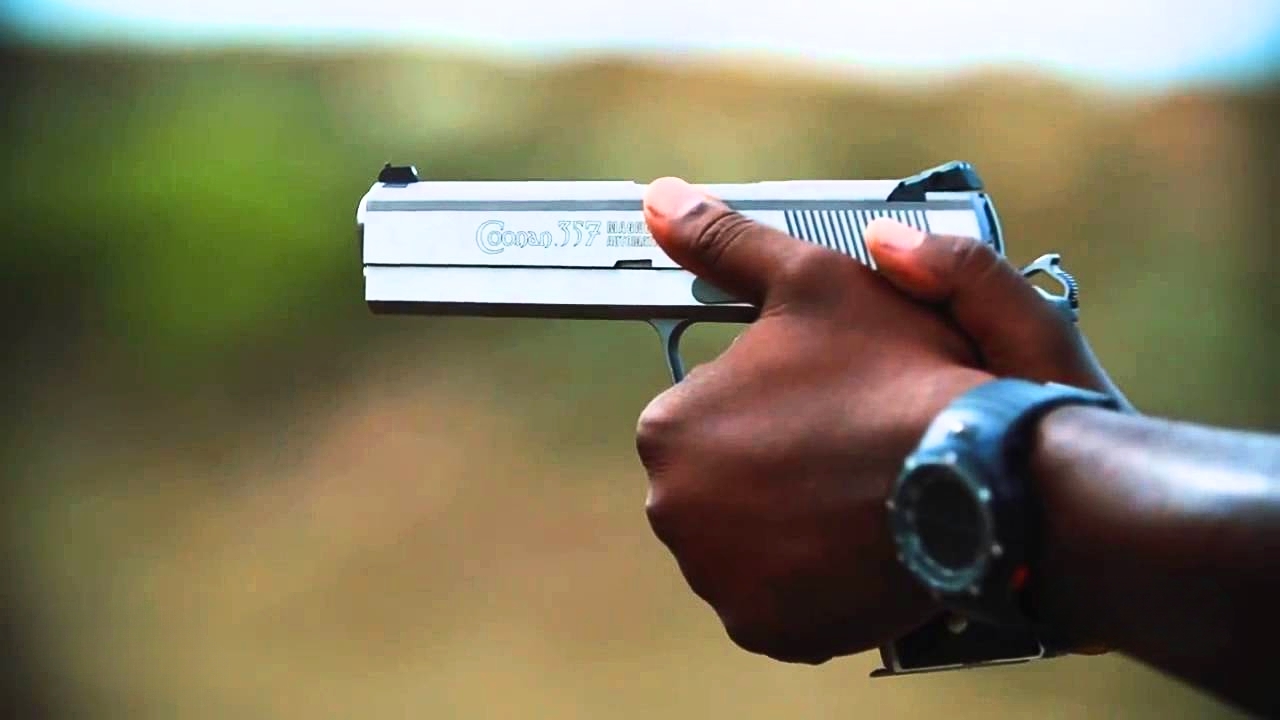
The Coonan .357 gets defended by people who love the idea of a semi-auto chambered in .357 Magnum and feel like the sheer boldness of the concept settles the argument. It is unusual, memorable, and exactly the kind of gun that makes casual enthusiasts sound very sure of themselves when they talk about how cool it is.
Then somebody with better judgment starts separating “cool” from “worth recommending.” That is when the practical questions start stacking up. Better-informed shooters usually do not have to dislike a gun like the Coonan to make it look much weaker in conversation. They only have to force the discussion back onto usefulness, support, and real-world ownership instead of raw novelty.
Auto-Ordnance Thompson Semi-Auto Carbines
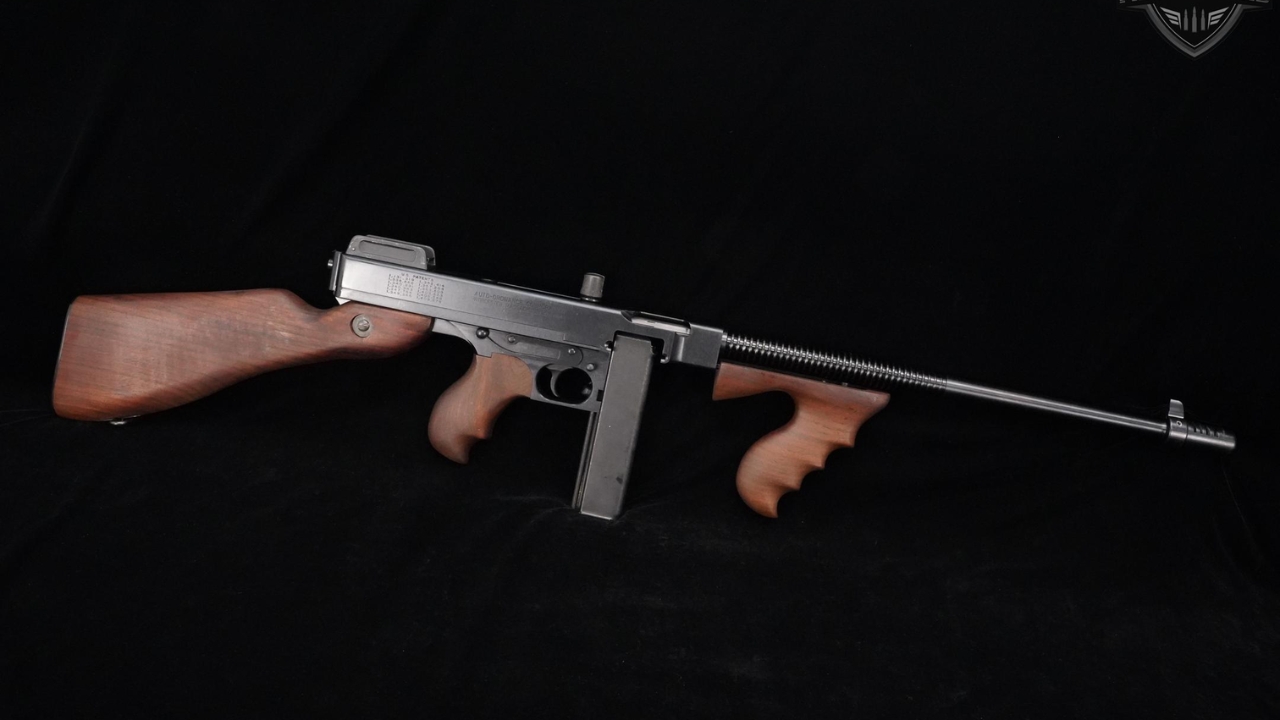
These rifles get praised by people who love the Thompson look and the historical energy attached to it. That is understandable. The shape is iconic, and the appeal is obvious. In casual talk, that can turn into very confident claims about what a great rifle it is to own, especially from buyers who are mostly in love with the image.
Then someone better informed starts asking what the rifle is actually like to shoot, carry, and justify beyond the visual and historical appeal. That usually changes everything. A knowledgeable shooter forces the conversation back toward weight, value, practicality, and what the buyer is really paying for. Once that happens, the emotional enthusiasm tends to lose a lot of ground.
Kimber K6s

The Kimber K6s gets praised by people who like the styling, the compact format, and the sense that they are recommending a small revolver with more polish than the usual options. That confidence often comes from first impressions and the appeal of the package rather than from years of broad revolver judgment.
Then someone more informed starts comparing it directly to other revolvers that built their reputations over longer periods and under harder scrutiny. That is usually where the conversation gets more careful. The K6s may still have strengths, but it is also the kind of gun that can sound more established in casual praise than it really becomes once someone better informed starts asking tougher questions.
Like The Avid Outdoorsman’s content? Be sure to follow us.
Here’s more from us: