Photo credit: Pearce Brothers Gear Guide/YouTube
A lot of revolvers get judged too fast. Buyers pick one up at the counter, dry-fire it twice, notice the weight, the capacity, or the old-school controls, and decide they already know the whole story. In a market that keeps pushing people toward the newest semi-auto fix for every problem, it is easy to treat wheelguns like holdovers, range toys, or sentimental pieces that belong more in conversation than in actual use. That is usually where the bad read begins.
Because the truth is, some revolvers only make sense after real time behind the trigger. Not five rounds. Not a quick handling impression. Real carry, real range work, real use. That is when certain models start winning people over. The trigger smooths out in your head, the handling starts to click, and the whole gun begins to feel less like an outdated compromise and more like a very deliberate tool. These are the revolvers people dismissed until they spent time with one that actually worked for them.
Ruger SP101

The SP101 is one of those revolvers buyers often dismiss at first because it feels heavier than they expected and less charming than the more romantic wheelguns around it. At the counter, some people see a compact revolver that looks a little too stout for its size and assume it must be clumsy, outdated, or more trouble than it is worth. That first impression misses the whole point of the gun.
Once somebody actually shoots one for a while, the logic starts showing itself. The weight helps. The durability matters. The gun settles into the hand better than a lot of lighter snubs that seemed more attractive before the range session began. The SP101 does not always win instantly, but it wins honestly. It makes sense to the shooter who finally stops asking it to be cute and starts appreciating it for being hard to kill and easy to trust.
Smith & Wesson Model 10

The Model 10 is easy to underestimate because it looks too plain to impress anybody who shops with his emotions first. It is not exotic, not rare, and not trying to play any kind of prestige game. That is exactly why a lot of buyers overlook it. They assume it is just an old police revolver with historical value and not much else to offer once modern handguns enter the conversation.
Then they shoot one. That is usually when things change. A good Model 10 points naturally, carries its weight well, and has the kind of balance that makes the whole gun feel easier to use than its age suggests. It starts showing why so many service revolvers earned loyal followings before the market became obsessed with novelty. A lot of buyers do not fall for the Model 10 in the display case. They fall for it after a range session that feels far better than they expected.
Colt Trooper Mk III
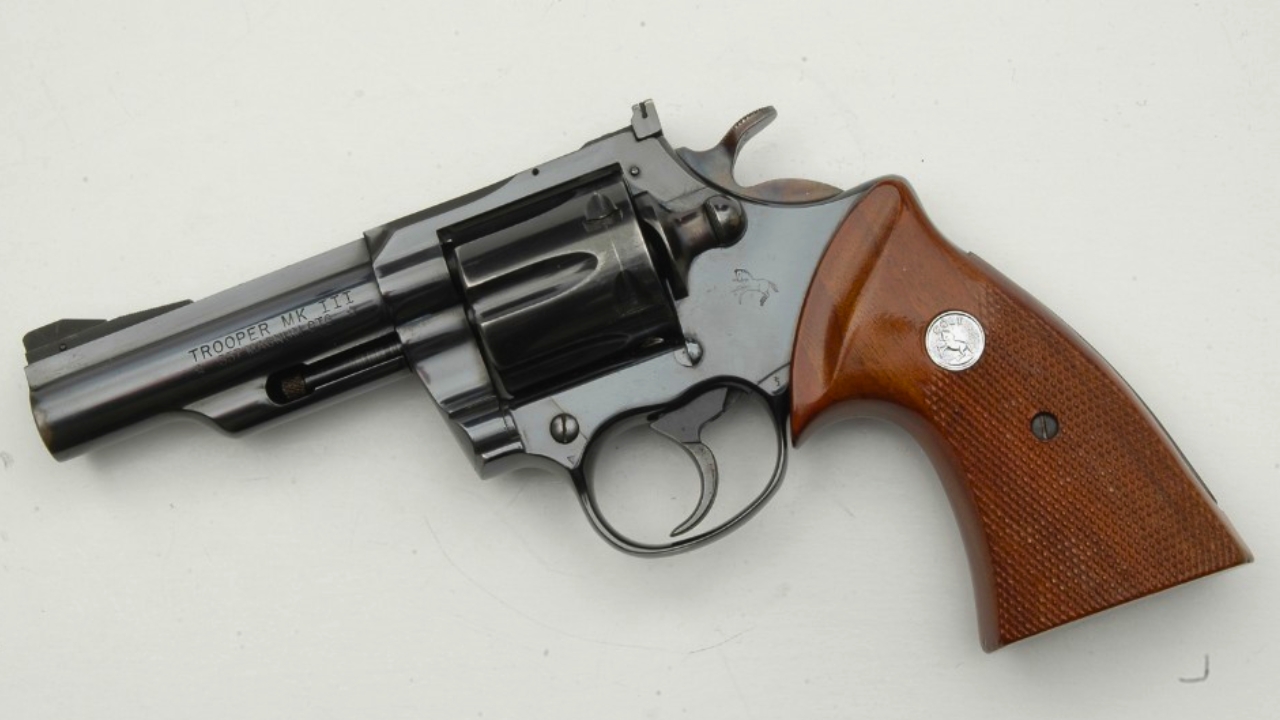
The Trooper Mk III often gets ignored because buyers looking at older Colts tend to drift straight toward the snake guns and skip everything that feels less glamorous. That is how a lot of people miss what this revolver actually is. It lacks the instant bragging power some buyers want, and because of that, it can sit there looking like the “other Colt” while the more famous names do all the emotional selling.
The problem with that approach is that the Trooper Mk III is usually better in the hand than the casual buyer expects. It shoots like a serious revolver, carries enough weight to stay composed, and has the sort of real-world usefulness that cuts through collector tunnel vision fast. Once somebody spends meaningful time with one, the whole value equation starts looking different. It may not have the loudest reputation in the Colt world, but it often leaves a stronger impression than people thought it would.
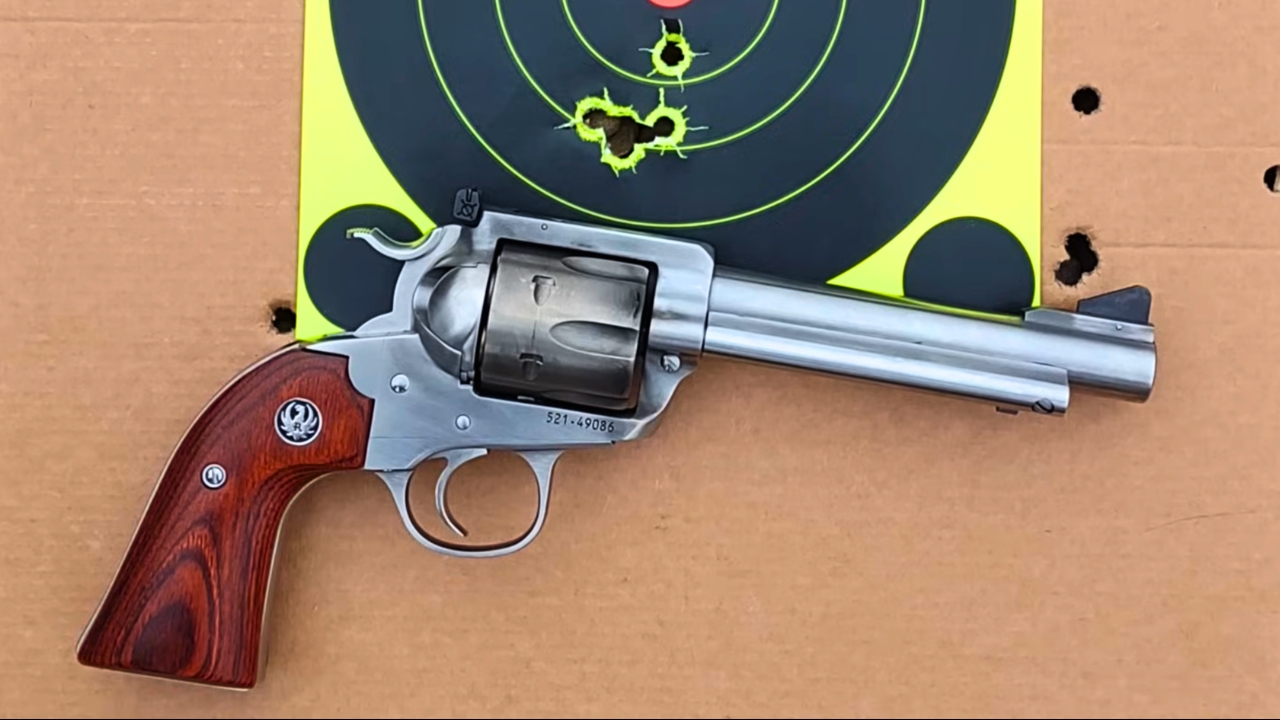
Ruger Blackhawk

The Blackhawk gets dismissed by plenty of buyers because single-action revolvers are easy to write off as slow, old-fashioned, or mostly about image. That criticism comes quickly from people who have never really given one a fair shake. They see the loading gate, the slower rhythm, and the whole older style of operation and assume the gun is more about nostalgia than actual ownership satisfaction.
Then range time changes the tone. A Blackhawk has a way of making shooters slow down and appreciate what the revolver is actually doing well. It is strong, predictable, and satisfying in a way that many faster-feeling handguns never are. The buyer who thought he was humoring an old design often ends up discovering a revolver that is much more practical and much more enjoyable than the stereotype suggested. Some guns win because they feel modern. The Blackhawk wins because it feels honest.
Smith & Wesson 617
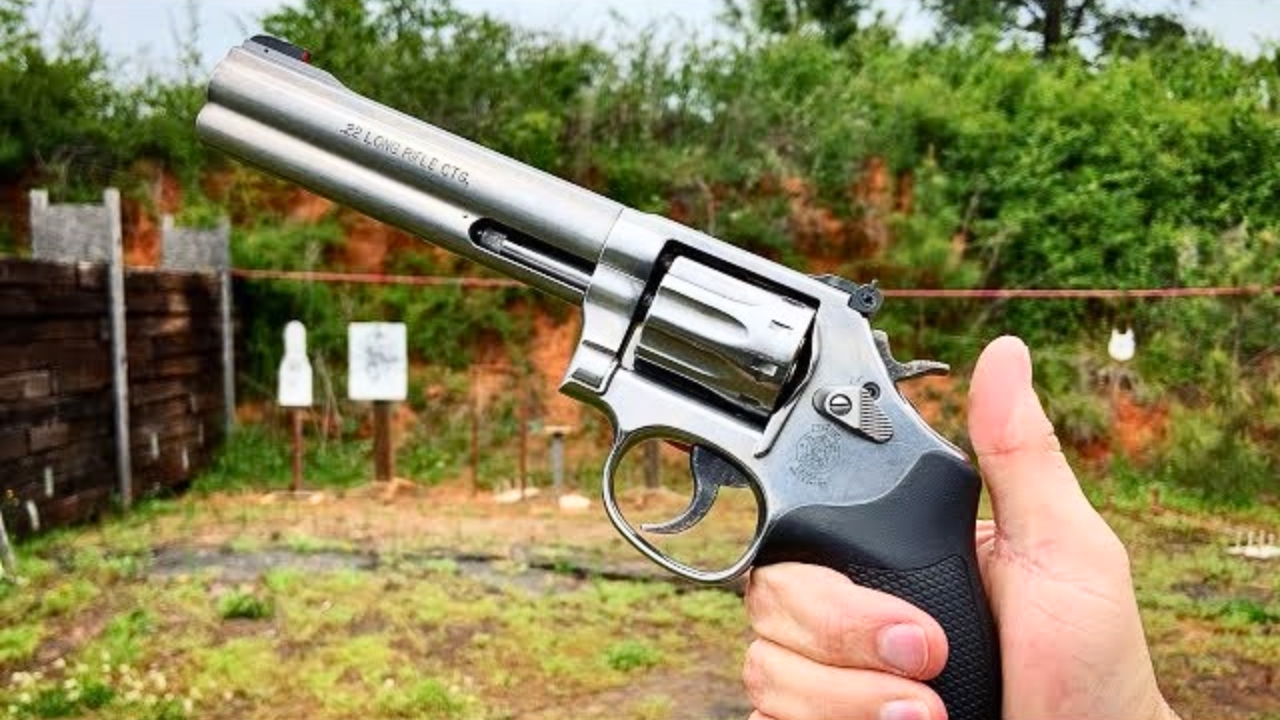
A lot of buyers dismiss the 617 because they think a full-size .22 revolver sounds like too much gun for too little cartridge. On paper, they are not entirely wrong. It is a substantial revolver, and if you are shopping by specs alone, it can seem indulgent, overly heavy, or a little too specialized to make broad sense. That is why so many people walk past it without understanding what makes it such a sticky kind of gun to own.
Then they shoot one for an afternoon and everything changes. The weight becomes a benefit, the trigger work starts paying off, and the revolver turns into one of the most useful practice and range guns they have ever touched. The 617 has a habit of turning skeptics into regular users because it makes repetition enjoyable. A lot of buyers only understand its appeal after they spend enough time with one to realize it is not a novelty rimfire. It is a revolver you keep wanting to bring back out.
Colt King Cobra

The King Cobra gets overshadowed by louder Colt names, and that makes it easy for buyers to underrate it. If someone walks in already thinking about a Python, the King Cobra can feel like the compromise option or the second-choice Colt. That framing does it no favors. It encourages people to judge it by what it is not instead of by what it actually offers.
The whole tone changes after range time. A good King Cobra feels substantial, controllable, and easier to appreciate when the buyer stops comparing it to a collector fantasy and starts running it like a real revolver. It has real presence without needing to survive on pure legend, and that matters. The people who dismiss it tend to be shopping by hierarchy. The people who end up liking it usually got there the honest way, by shooting one enough to realize it had more going for it than the market gave it credit for.
Smith & Wesson 640

The 640 gets dismissed because small steel revolvers often look like the worst of both worlds to casual buyers. Too heavy for pocket carry, too limited in capacity, and too old-school to compete with the latest micro pistol, that is how the argument usually starts. It seems like the sort of gun that only makes sense if you are already committed to revolvers and determined not to evolve with the rest of the market.
Then someone actually carries and shoots one enough to understand it. The steel frame takes the edge off. The enclosed hammer keeps the gun simple. The whole package starts feeling less like a relic and more like a very focused answer to a specific kind of carry problem. That is when the 640 starts winning people over. It rarely charms the shopper who wants instant excitement. It tends to win the buyer who gives it enough real time to let the design explain itself.
Ruger LCRx in .38 Special

The LCRx gets dismissed by people who think it looks too modern to satisfy revolver people and too revolver-like to satisfy everybody else. It lands in a strange visual and emotional lane that can make buyers suspicious before they even shoot it. Some assume it is a gimmick. Others assume it is trying too hard to modernize something that did not need fixing. That skepticism keeps a lot of people from seeing what the gun is actually trying to do.
Once they shoot it, the answer gets clearer. The trigger is usually better than expected, the handling is more forgiving than many snubs in its class, and the whole revolver starts feeling like a smart working tool instead of a design experiment. In .38 Special especially, it makes a lot of practical sense. That is why it often wins over people who initially rolled their eyes at it. It is not trying to be romantic. It is trying to be usable, and that usually lands better after the first hundred rounds than it ever does at the counter.
Smith & Wesson Model 28 Highway Patrolman

The Model 28 is one of those revolvers people ignore because it lacks the flash that pushes buyers into collector mode. It does not wear the same polished aura as some other big Smiths, and to a casual eye it can feel like the plain one, the duty one, the one you appreciate later if you ever get around to caring more deeply about N-frames. That “later” mindset is exactly what causes buyers to underestimate it.
Then they put real .357s through one and start understanding the appeal immediately. The gun is big enough to stay steady, serious enough to feel authoritative, and honest enough to be liked without a lot of mythology around it. The Model 28 often wins by being less delicate than the revolvers buyers were initially more excited about. It is the sort of wheelgun that makes more sense the more it gets used, which is a strong pattern in this whole category.
Charter Arms Bulldog

The Bulldog gets written off all the time because buyers assume anything that small in .44 Special has to be more concept than gun. And to be fair, plenty of people only ever talk about it as a concept. They imagine the role, the big-bore mystique, and the compact package without ever really deciding whether the revolver works in actual ownership. That keeps a lot of buyers skeptical, and not without reason.
Then the right shooter spends time with one and suddenly the whole thing stops sounding silly. The Bulldog is not a do-everything revolver, but it can make an awful lot of sense once somebody stops demanding perfection from it and starts appreciating what it is actually for. That is usually how it wins people. Not by being idealized, but by being more practical and more workable than its oddball reputation suggested. It is easy to laugh at one until the first range trip makes the whole design feel less theoretical.
Smith & Wesson Model 64

The Model 64 gets ignored for the same reason a lot of truly useful revolvers do: it looks too straightforward to excite people. Stainless K-frame, fixed sights, service-gun roots, nothing about it screams “you need to buy this right now.” Buyers often treat it like a training-wheel classic, something respectable but too ordinary to feel interesting compared to the more glamorous revolvers around it.
That changes once somebody actually spends time shooting one. The balance, the durability, and the plain ease of using a revolver like this begin doing the talking. A good Model 64 does not need much defense once it gets on the range. It just keeps showing why so many service revolvers built their reputations by being fired, not admired. A lot of people dismiss it because they mistake “ordinary” for “forgettable.” The first serious range trip usually clears that up.
Ruger Bisley Blackhawk

The Bisley Blackhawk often gets dismissed by buyers who already decided single-actions are either cowboy toys or hunting curiosities they will never really need. That attitude makes it very easy to pass over. Add in the fact that the Bisley grip and overall feel are a little different from what many casual buyers expect, and the revolver can look more niche than practical at first glance.
That first glance misses a lot. Once somebody actually spends time with one, especially with heavier loads, the whole Bisley setup starts making much more sense. The revolver feels purposeful, controllable, and more comfortable in serious shooting than many buyers expected. It tends to win over shooters who gave it a real chance instead of judging it as a strange variant of a platform they thought they had already figured out. That happens a lot with revolvers like this. The buyer thought he knew what it was before he ever learned what it did well.
Taurus 856 Defender
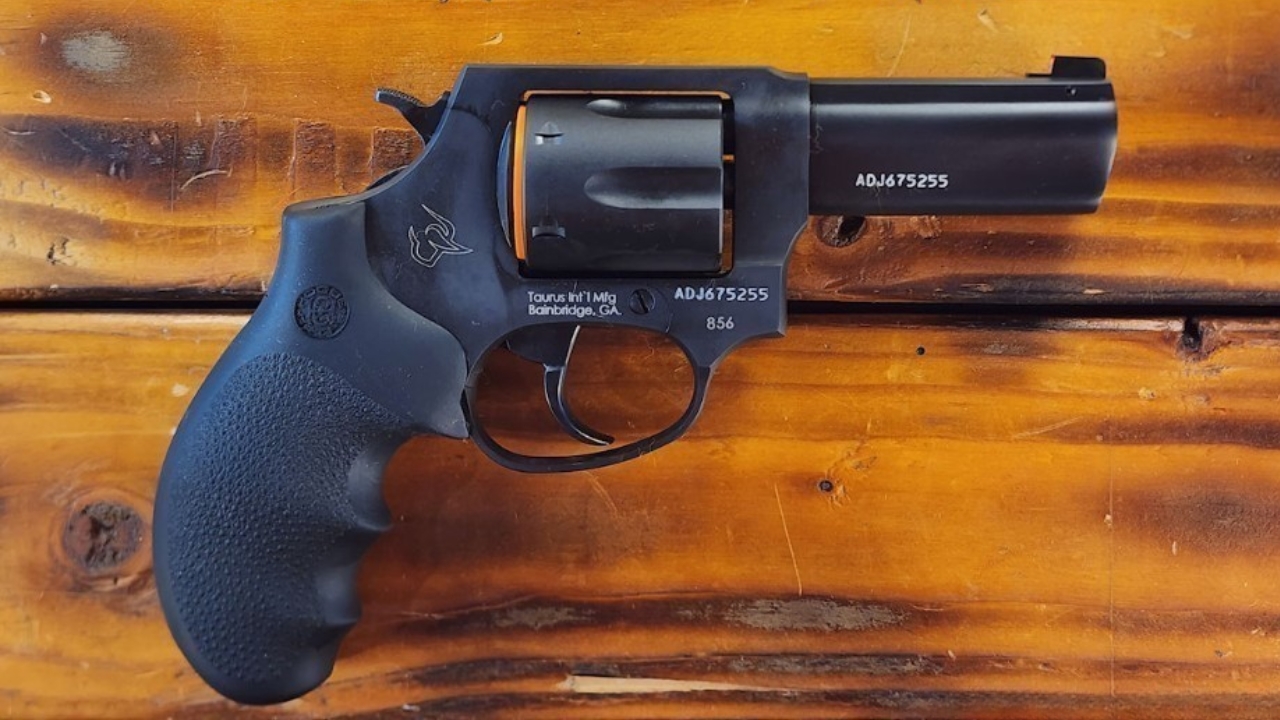
The 856 Defender gets dismissed because many buyers still hear “Taurus revolver” and decide the whole story before range time ever enters the picture. That reputation baggage does a lot of damage before the gun even gets a fair look. Add in the fact that the revolver is still a compact wheelgun in a market full of polymer micro-carry arguments, and it becomes very easy for casual buyers to move right past it.
Then the right buyer actually spends time with one and finds a revolver that is often more usable than expected. The extra round helps, the overall handling is better than the old assumptions suggest, and the gun starts feeling like a much more grounded carry option than the shopper first gave it credit for. It may not win over everybody, but it absolutely has a way of winning over buyers who were too quick to dismiss it on brand reputation alone.
Colt Official Police

The Official Police gets dismissed because buyers often see it as a large old revolver with more historical gravity than modern usefulness. That is an easy mistake to make if you are judging by the era instead of by the actual gun. It can feel like one of those revolvers you are supposed to respect from a distance while spending your real money on something smaller, slicker, or more obviously collectible.
Then real range time starts stripping away that distance. A good Official Police has balance, shootability, and a kind of old-service-gun confidence that still lands with surprising force once the shooter stops seeing it as only a history object. It wins people over not by being flashy, but by feeling better and more grounded than the first impression allowed. A lot of buyers only understand it after they stop trying to force the revolver into the wrong era and simply let it be good at what it still does.
Smith & Wesson Model 686 Plus
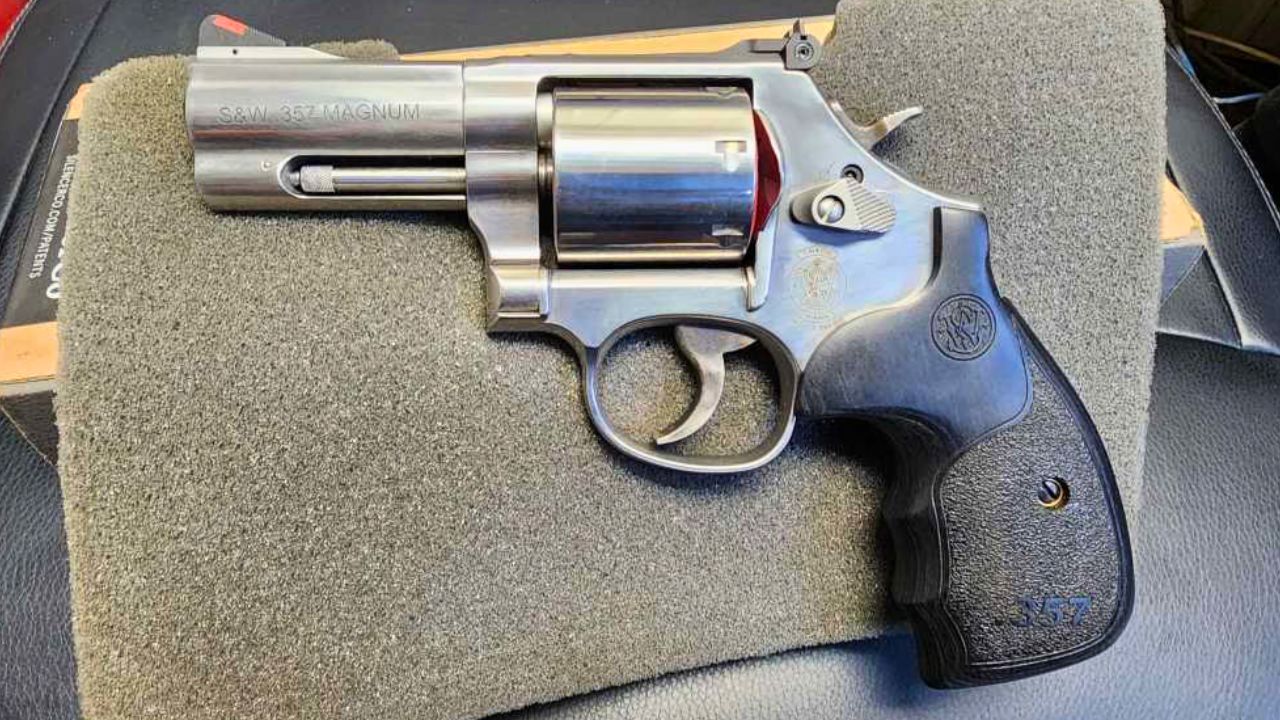
The 686 Plus gets dismissed by some buyers because it sits in an odd place between “serious revolver” and “too obvious to be interesting.” People assume they already know what it is: a stainless .357 everyone recommends, a safe choice, maybe even a boring one. That kind of familiarity can make it easy to undervalue. Buyers drift toward something lighter, more unusual, or more collector-flavored because the 686 Plus seems too straightforward to teach them anything new.
Then they shoot one enough to understand why it never left the conversation. The extra round is useful, the L-frame balance is excellent, and the whole revolver has a way of making practical sense in both .38 and .357 use. It is not glamorous in the way some buyers want their revolvers to be. It is better than that. It is usually one of the revolvers people understand most clearly after the range reminds them that plain competence gets more valuable the longer you live with a gun.
Like The Avid Outdoorsman’s content? Subscribe to our newsletter so you never miss an article.
Here’s more from us: