

Photo credit: PCM Guns/YouTube
Some rifles do not get expensive because they were always treated like legends. They get expensive because buyers spent too many years acting like they were ordinary. That is usually how the regret starts. A rifle sits on used racks, at gun shows, or in dusty corners of local shops while people keep telling themselves they can always come back for one later. It is too plain, too specific, too old-fashioned, too niche, or just not exciting enough to beat out whatever the market is shouting about that season.
Then the market changes all at once. The same rifle that once looked easy to ignore starts feeling scarce. Hunters begin appreciating the handling. Collectors begin appreciating the quality. People who once laughed at it start calling it underrated, which is usually the first warning sign that the price is about to get stupid. These are 15 rifles that got passed over for years and then suddenly became the kind of guns people wish they had bought when nobody else cared.
Browning BAR Safari

For a long time, the BAR Safari lived in an awkward space. It was respected, sure, but not chased. A lot of buyers saw it as a nice semiauto deer rifle for somebody else, not as something they needed to grab before the market woke up. It did not have the instant collector romance of old lever guns or the easy practicality of the usual bolt-action hunting rifle, so people kept letting them sit.
That worked until more buyers started realizing how few traditional-stock semiauto hunting rifles with real quality were still floating around. Once that happened, the whole mood shifted. The same rifle that once felt like a calm, middle-of-the-rack choice suddenly started looking like one of the classier and more useful old sporting rifles left in circulation. That is usually when the price starts punishing procrastination.
Remington 572 BDL Fieldmaster

The 572 BDL spent years being “just a nice pump .22,” which is exactly how good rimfires get ignored until it is too late. Buyers liked them, but not urgently. They assumed a smooth old pump .22 would always be around if they ever got nostalgic enough to want one. That kind of casual confidence almost always ends badly in the used-gun world.
Then people started noticing how many newer rimfires felt cheaper, flatter, and less satisfying to own. A good old 572 suddenly stopped looking like background material and started looking like a rifle with real staying power. It had quality, familiarity, and the kind of easy handling that grows on people. Once the market shifted toward “they do not make them like that anymore,” the Fieldmaster stopped being the rifle people walked past and became the rifle they started hunting for.
Anschütz 1416

The 1416 got passed over because too many buyers still struggle to treat a fine rimfire like a serious rifle purchase. That is always a mistake. A really good sporting .22 can be one of the smartest long-term buys in the whole firearm world, but for years rifles like this got treated like nice extras rather than important guns worth prioritizing.
Eventually enough shooters figured out what they were missing. Accuracy, fit, real build quality, and the kind of range satisfaction that keeps a rifle in use for decades all started mattering more. Once that happened, the old “that’s a little pricey for a .22” talk disappeared fast. People who once saw the 1416 as too plain or too specialized suddenly started realizing it was one of the better rimfires they could have bought when the market was still half asleep.
Remington 141 Gamemaster

The 141 Gamemaster lived too long under the label of “old pump rifle” for buyers to give it enough respect. That sounds harmless, but it is exactly the kind of description that keeps a smart rifle affordable right up until it is not. Many people admired them as interesting old hunting tools without ever feeling like they needed to actually buy one while they were still easy to find.
That calm did not last. Once more buyers started appreciating older sporting pump rifles for what they really were, the 141 started looking a lot less like a leftover and a lot more like a genuine piece of field history. It was quick in the hands, practical in real country, and tied to a kind of hunting-rifle design that never really came back in the same way. That is a strong recipe for late-arriving price pain.
Browning T-Bolt

The T-Bolt was a classic “later” rifle. People saw it, thought it was neat, and then kept walking because it was a rimfire and because straight-pull .22s sounded more interesting than necessary. That is exactly the sort of reasoning buyers use right before the market decides they were badly underestimating something.
Once more shooters actually spent time with them, the whole picture changed. The action was quick, the rifles were satisfying, and the design had enough individuality to stand out once quality rimfires started getting real respect. That is when a pleasant curiosity becomes a smart buy in hindsight. The T-Bolt did not become good overnight. Buyers just finally noticed that it had more going on than the “nice little .22” label ever gave it credit for.
Weatherby Mark XXII

The Mark XXII spent years in the dangerous zone where elegance makes people admire something without feeling urgency. It was too refined to look cheap, but too calm and classy to create much panic buying. A lot of buyers treated it like the sort of rifle they would get around to someday, once the louder purchases were out of the way.
That turned into regret for a lot of people. Beautiful sporting .22s with real quality and a distinct identity do not stay ignored forever once the market matures a little. The Mark XXII eventually got reclassified in buyers’ minds from “pretty rimfire” to “one of those rifles I should have bought when I still could.” That shift usually happens quickly, and once it does, the calm prices disappear with it.
Mossberg 46B

The 46B looked too ordinary to inspire much urgency. It was a bolt-action .22 from Mossberg, and that description alone was enough for many buyers to move on to something flashier or more obviously collectible. For a long time, rifles like this were treated like useful leftovers from another era instead of serious purchases in their own right.
Then enough people spent time with them and started appreciating what they actually offered. Good sights, honest shooting, simple design, and the kind of long-term usefulness that makes an old rimfire stay in the family all started to matter more. Once the market began valuing practical older .22s for more than nostalgia alone, the 46B stopped seeming like cheap filler and started looking like exactly the sort of rifle smart buyers wish they had stacked when they were still easy to overlook.
Savage 23 Series
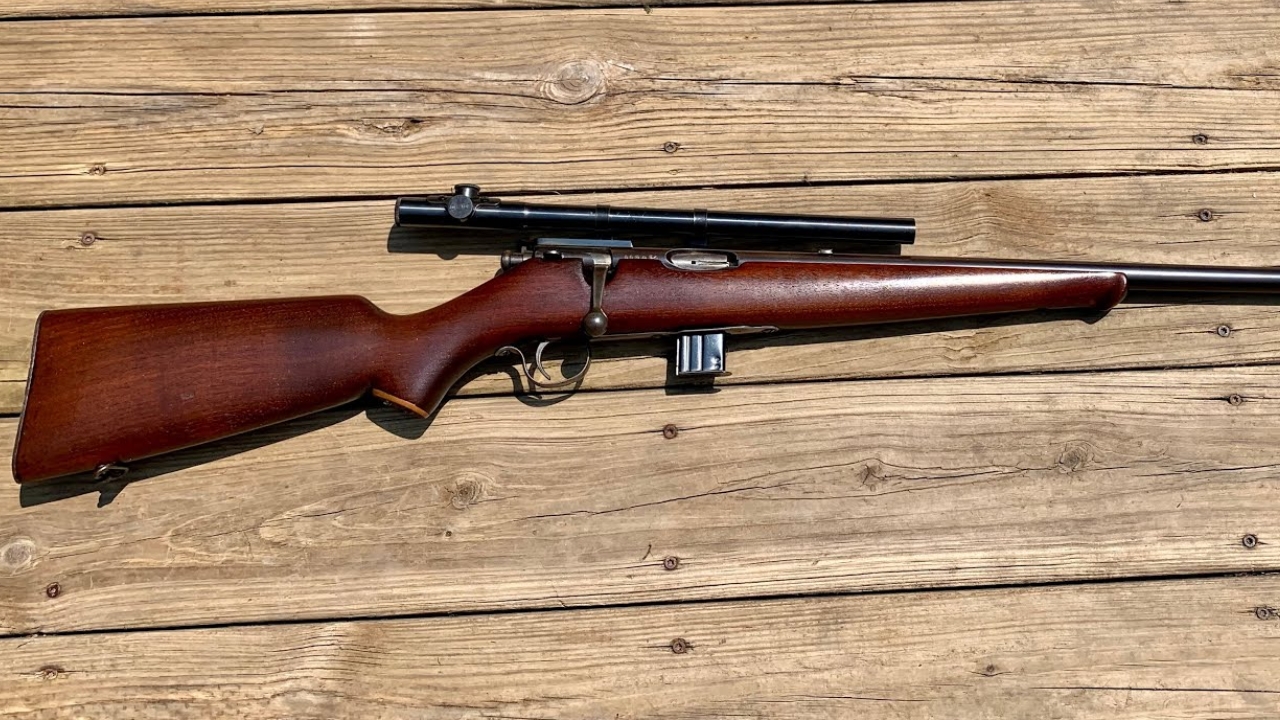
The Savage 23 series spent years being too plain for its own good. It looked like exactly what it was: an honest old sporting rifle from a period when guns were built for use instead of marketing campaigns. That should have helped it, but for a long time it mostly meant buyers saw it as the sort of rifle that would always be available if they ever decided they wanted one.
That sort of assumption is poison. Eventually buyers started recognizing that old, sensible sporting rifles with good handling and real quality were not an endless resource. The Savage 23 did not need hype to become desirable. It only needed enough people to stop taking it for granted. Once that happened, the rifles that had quietly sat in the background for years started getting a lot more expensive in a very short amount of time.
Browning BLR Lightweight

The BLR Lightweight got passed over because it was too practical to feel urgent and too modern to hit the same nostalgia button as more traditional lever guns. A lot of buyers looked at it and saw a smart idea without ever turning that respect into action. It was different, useful, and clearly well thought out, but it did not create instant emotional panic.
Then the market got more honest. People started realizing the BLR offered something they could not get from many other rifles: lever-gun handling with stronger chambering flexibility and real field credibility. Once buyers understood that better, the old “maybe someday” attitude vanished fast. The BLR went from being the rifle people politely acknowledged to the rifle they suddenly hated having skipped when it was still sitting there with a sane tag on it.
Remington 788
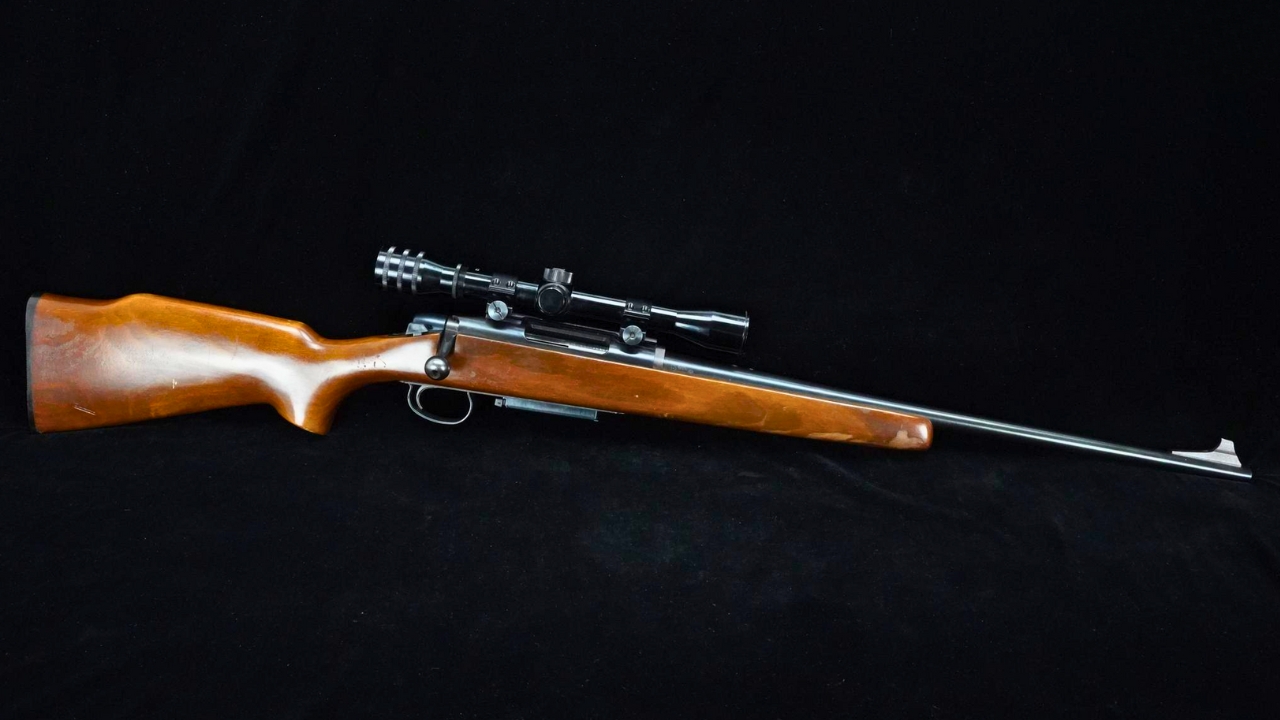
The 788 was disrespected for years because it sat below the more glamorous Remington names. It was often treated like the humble, less prestigious rifle in the family, which kept buyers from giving it enough urgency when examples were still easy to find. People appreciated them, but often in that half-dismissive way that says, “Yeah, they’re good shooters,” right before they go buy something else.
That is exactly why they turned into regrets. Once shooters kept seeing how well they actually performed and collectors started appreciating the rifle’s place in the market, the old dismissive tone stopped working. The 788 had always done more than enough to justify respect. It just took too long for the broader crowd to stop acting like it was the plain sibling that would always stay affordable.
Winchester 77
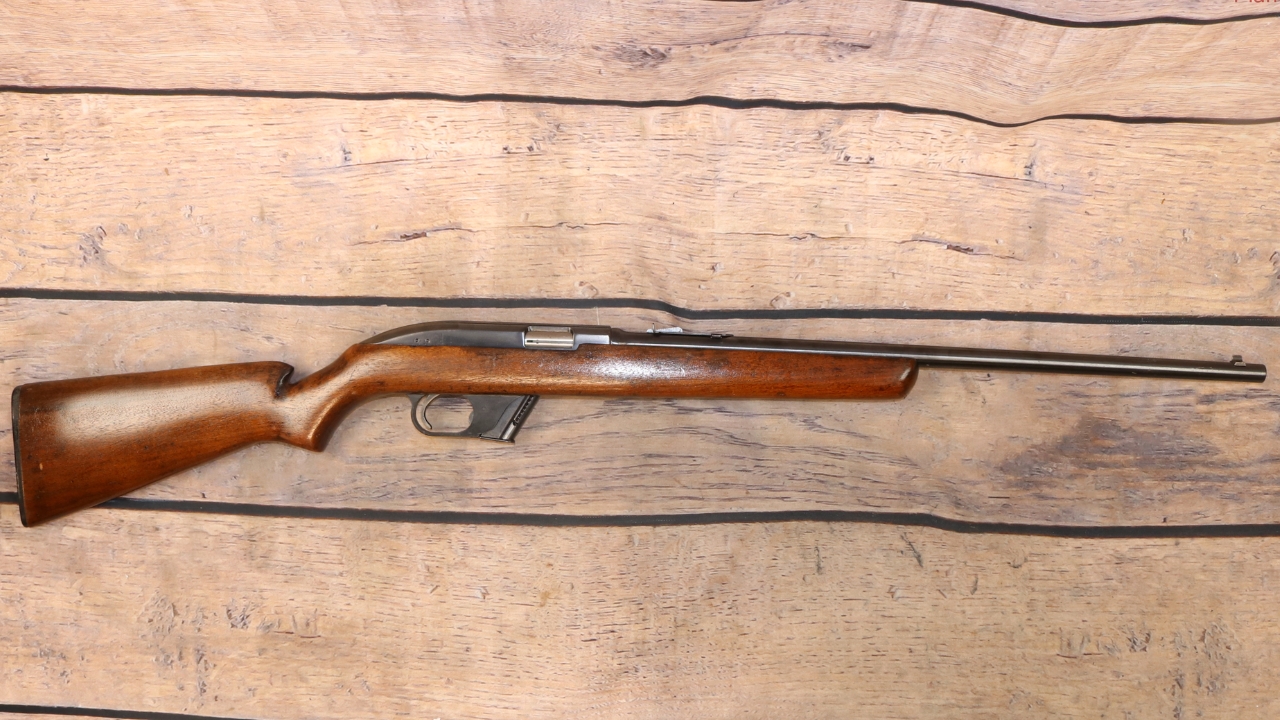
The Winchester 77 sat in the shadow of bigger names for a long time. It was a semiauto .22 that looked clean, useful, and familiar, which is a great way to get overlooked if the market is obsessed with centerfires, collector-grade Winchesters, or military pieces. People saw it, thought “nice old .22,” and kept walking.
Then the usual thing happened. Nice old .22s stopped being so easy to shrug off. Once enough buyers started wanting classic semiauto rimfires with Winchester on the barrel, the 77 stopped looking like a quiet side piece and started looking like a rifle people should have taken more seriously. Guns like this usually spend years being passed over simply because they are too normal-looking for buyers to understand how much regret they are storing up.
Marlin 57M Levermatic

The Levermatic was too odd for some buyers and too ordinary for others, which is a great way to end up underappreciated for years. It did not fit the classic lever-gun template closely enough for purists, and it did not look dramatic enough to create modern collector heat. That kept it in the sort of middle ground where buyers were always aware of it without being especially afraid of missing out.
That changed once people started valuing unusual rimfires and older Marlins with distinct mechanical character. The 57M suddenly stopped feeling like a fun little side curiosity and started looking like a rifle with real individuality and very limited future supply. That is often all it takes. Once the market decides the oddball is actually special, the old easy-money phase ends almost immediately.
Browning Acera

The Acera spent years being treated like one of those rifles that was simply “fine.” It did not have huge prestige. It did not have collector folklore. It was just a practical bolt-action hunting rifle that never did anything dramatic enough to get itself talked about heavily. That sort of quiet competence can keep a rifle affordable for a very long time.
Then people start missing it. That is when the tone changes. Once buyers look around and realize how many hunting rifles feel cheaper, clumsier, or less finished than they used to, guns like the Acera begin to stand out a lot more. The same rifle that once felt too ordinary to prioritize starts looking like one of those smart used-rack buys people should have grabbed while the market still yawned.
Ruger 96/22

The 96/22 looked like a fun little oddball for years, which is exactly how a lot of smart rifles get missed. Lever action, rotary magazine, .22 LR, Ruger practicality — it all made sense, but not in a way that triggered much urgency among buyers who were busy chasing more obvious categories. The rifle seemed too lighthearted to become serious regret.
Then it did. Once people realized how useful, enjoyable, and distinctive the 96/22 really was, they started seeing it for what it had always been: one of those clever little rifles that was a lot harder to replace than they thought. That kind of realization usually lands all at once. The gun that once looked like an easy pass suddenly becomes the one everybody wishes they had picked up when it still seemed “just neat.”
Like The Avid Outdoorsman’s content? Subscribe to our newsletter so you never miss an article.
Here’s more from us:


