Photo credit: Jordi Mora/Shutterstock.com
When you hear a thunderous boom at the range or in the woods, it’s easy to assume something serious happened downrange. But not every caliber with bark has the bite to match. Some rounds light up the air and rattle your molars but leave you underwhelmed when you check the impact—or worse, track a wounded animal that didn’t go down. These cartridges are loud, flashy, and often have their fans, but once you get out of the brochure and into the real world, you realize noise isn’t performance. If you’ve hunted long enough, you’ve probably tried one of these and walked away shaking your head.
.30 Carbine

This round has military roots and plenty of noise, especially from a short barrel, but its real-world effectiveness fades fast past 100 yards. It was never meant for long-range or big game, and it shows.
On paper, the .30 Carbine might seem respectable, but the energy it brings downrange doesn’t match the sound it puts out. I’ve seen folks try to make it work on deer-sized game, and while it can do the job up close, there are better options that don’t leave you guessing. In the field, it ends up being more flash than function when distance or penetration matters.
5.7x28mm
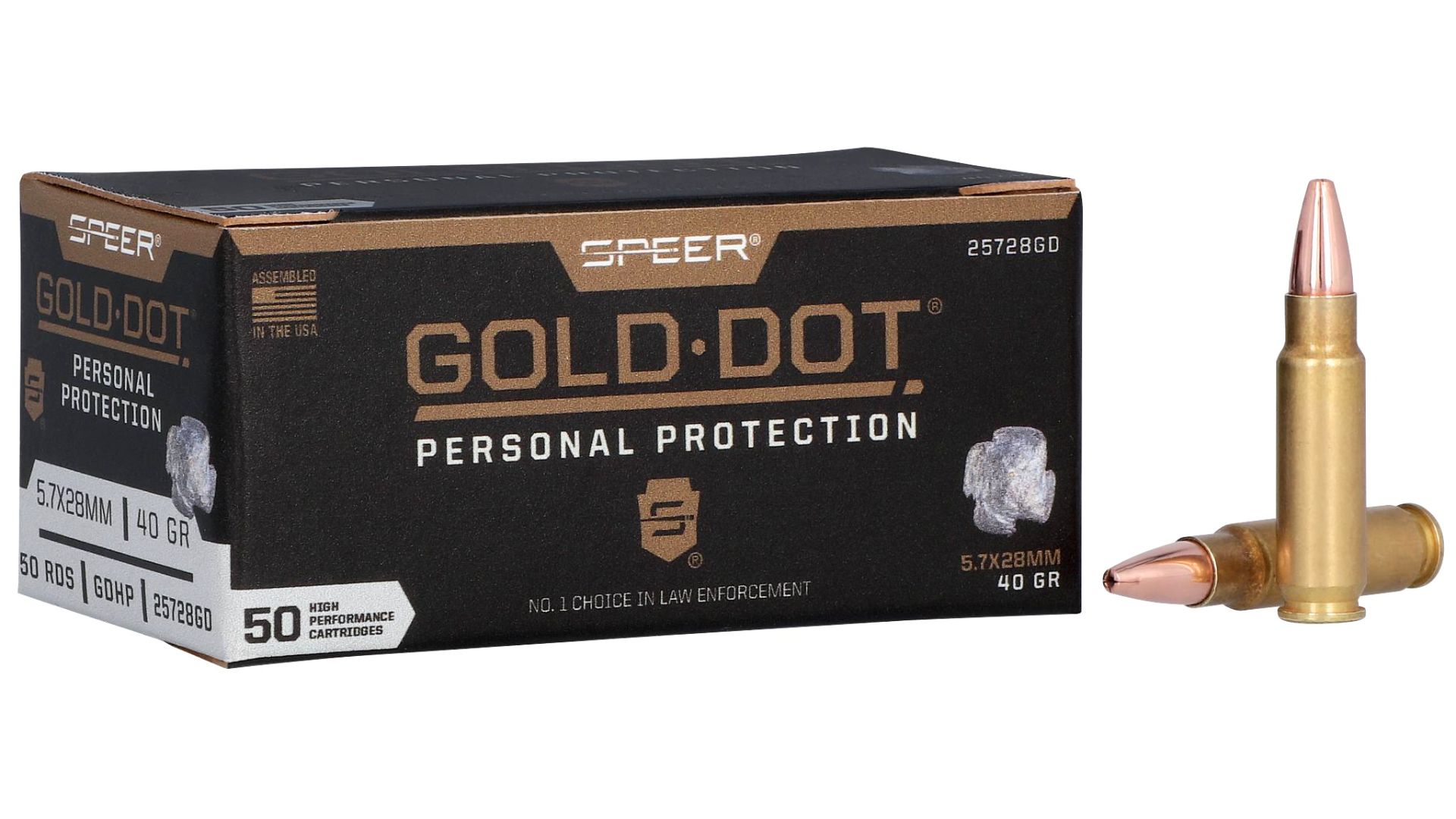
You hear that crack and think you’re slinging something serious, but the 5.7’s actual terminal performance is often disappointing. It zips along, sure—but it doesn’t hit with much authority.
A lot of folks are drawn to it for its speed and low recoil, and it shines for certain applications. But when it comes to hunting or defensive use, the round’s lightweight bullet doesn’t deliver the kind of energy you’d expect from that report. You’ll punch paper all day, but in the real world, it has limits—especially on anything tougher than varmints.
.357 SIG
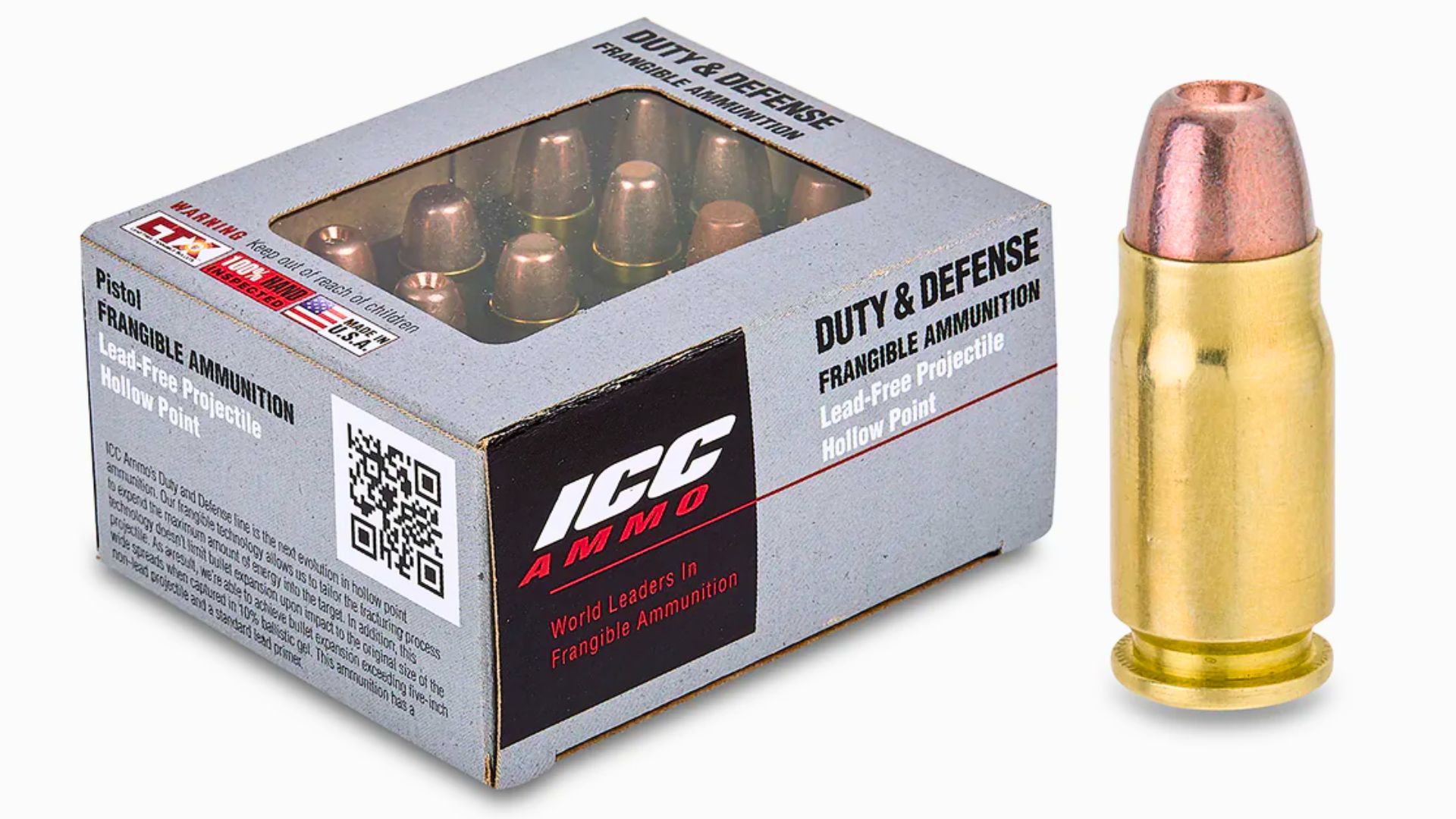
This round barks like a magnum but often delivers closer to a .40 S&W in terms of actual results. It’s fast and loud, but the terminal ballistics don’t always reflect that.
Plenty of shooters like the idea of bottleneck pistol rounds, and the .357 SIG is a neat concept. But if you’re expecting it to be a reliable stopper or hunter’s sidearm, you might be let down. It tends to over-penetrate soft targets without the kind of controlled expansion you’d hope for. Flashy muzzle blast doesn’t make up for that.
.223 WSSM

This one sounds like a lightning strike when it goes off—and burns a ton of powder to get there—but performance drops off quicker than you’d think. Speed alone isn’t enough.
The .223 Winchester Super Short Magnum was supposed to take the small caliber/high velocity crown, but real-world results never lived up to the hype. It burns barrels fast and doesn’t deliver enough energy on bigger game to justify the noise and cost. A standard .223 or .22-250 usually performs better and doesn’t punish your gear doing it.
.25-20 Winchester

It cracks loudly for such a small bullet, but this old round struggles to deliver at any real distance. You hear it loud and clear, but the impact can feel like a letdown.
The .25-20 has its charm, especially for lever gun fans, but you’re looking at a light projectile with modest velocity. For varmints at close range, fine. For anything else, it’s mostly show. That loud pop makes you think it’s doing more work than it is, but you’ll quickly realize its place is narrow and niche.
.17 Winchester Super Magnum
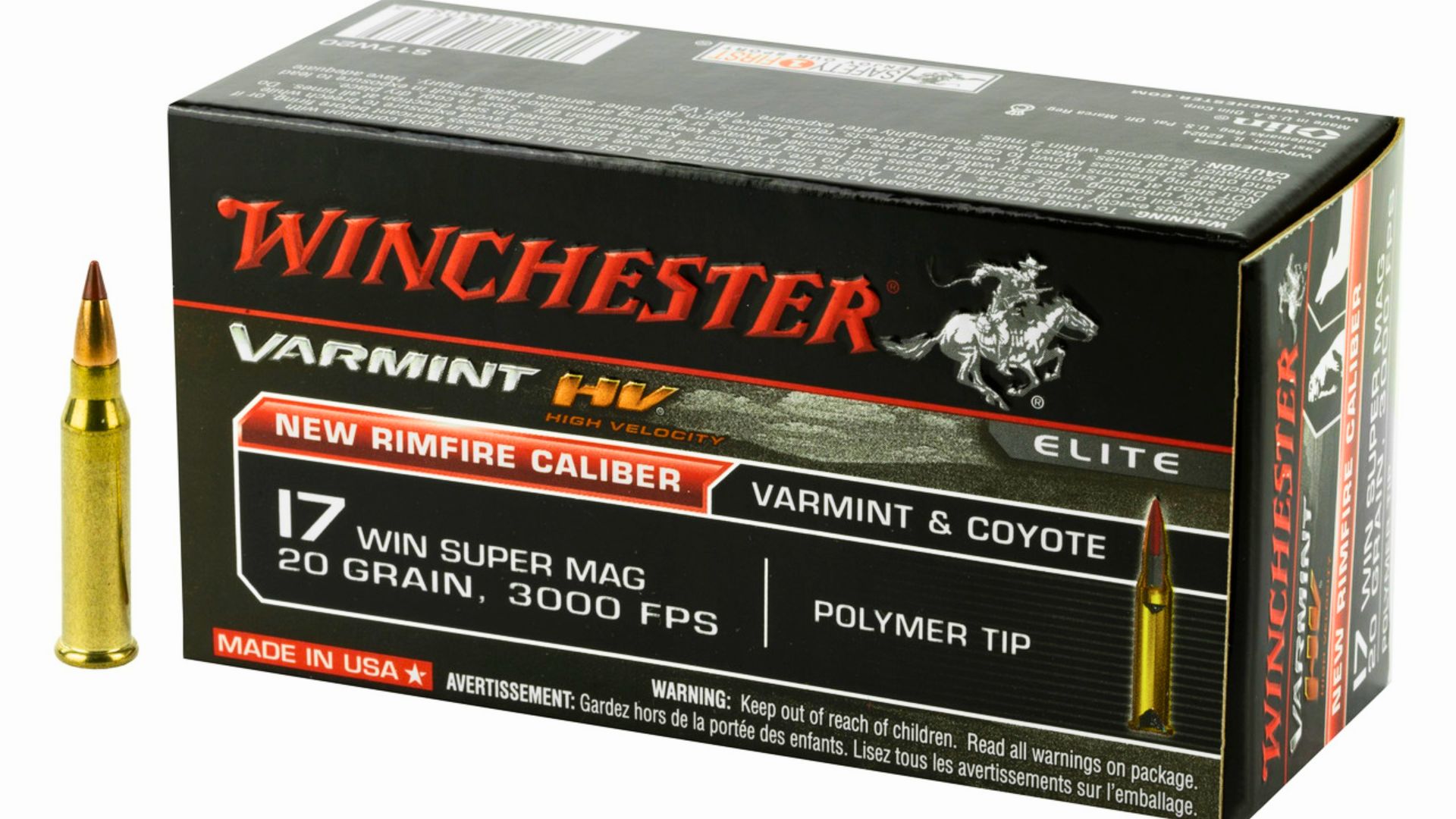
It might be the loudest rimfire you’ll ever shoot, but it still carries the limitations of its small bullet. It screams out of the barrel and fizzles on impact.
The .17 WSM is fast, sure, and has its fans among varmint hunters, but it struggles in wind and lacks consistent terminal performance. The bark is impressive for such a small cartridge, but that doesn’t always mean it hits harder. You’ll get flatter shooting than .22 LR, but if you’re expecting big results, you’ll be chasing paper-thin promises.
.22 Hornet

You pull the trigger and it sounds serious—like it’s doing more than a rimfire—but it can fall flat when the target’s more than a few pounds. It’s a loud round with modest reach.
I’ve hunted varmints with it, and while it’s fun to shoot, it doesn’t carry the kind of punch you’d expect given its report. The energy fades quickly and the wind plays with it more than you’d think. If you need precision and power past 150 yards, the Hornet’s bark might fool you, but its bite won’t seal the deal.
7.62x39mm
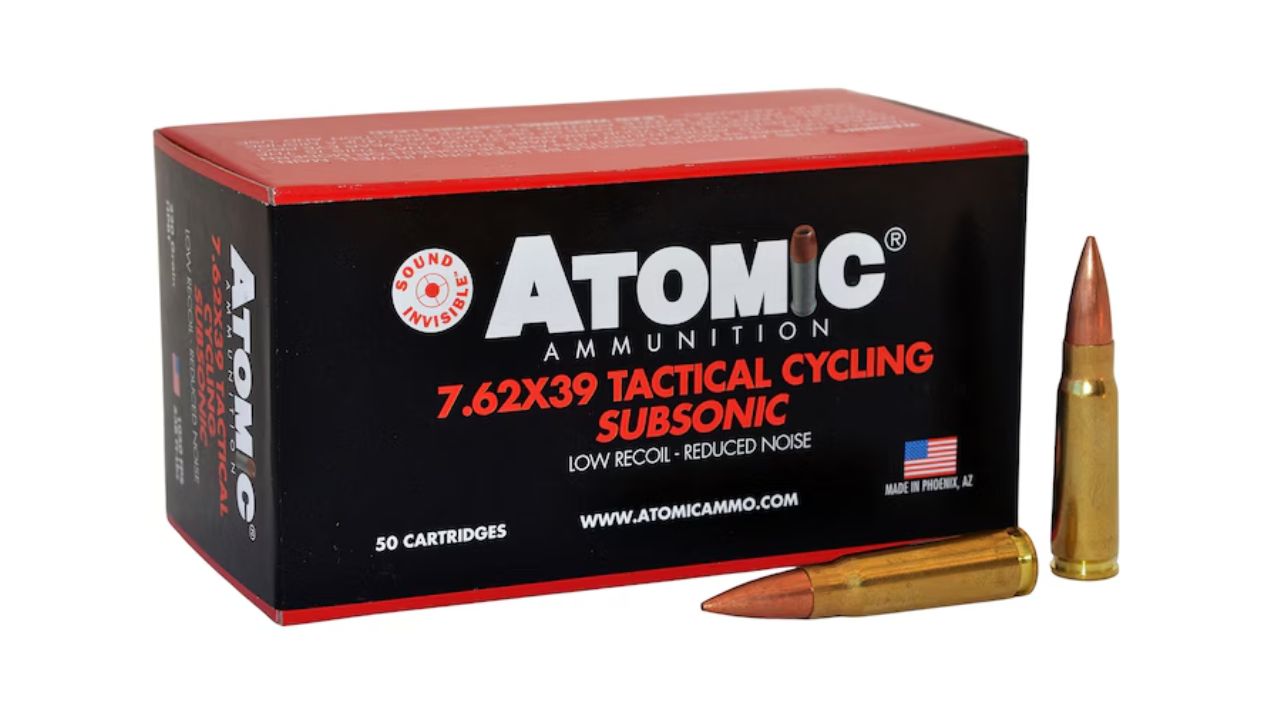
You hear that AK pop and figure it’s carrying real weight—but the round loses energy fast and doesn’t always perform well on game. It’s a loud round that can come up short.
In a military context, the 7.62x39mm does its job. In hunting or precision roles, it struggles. Ballistic drop is steep, accuracy can vary by rifle, and energy at 200 yards is barely above what you’d want for deer-sized targets. If you go by sound, you’ll think it’s a hammer. But a closer look shows it’s more of a compromise.
.44-40 Winchester
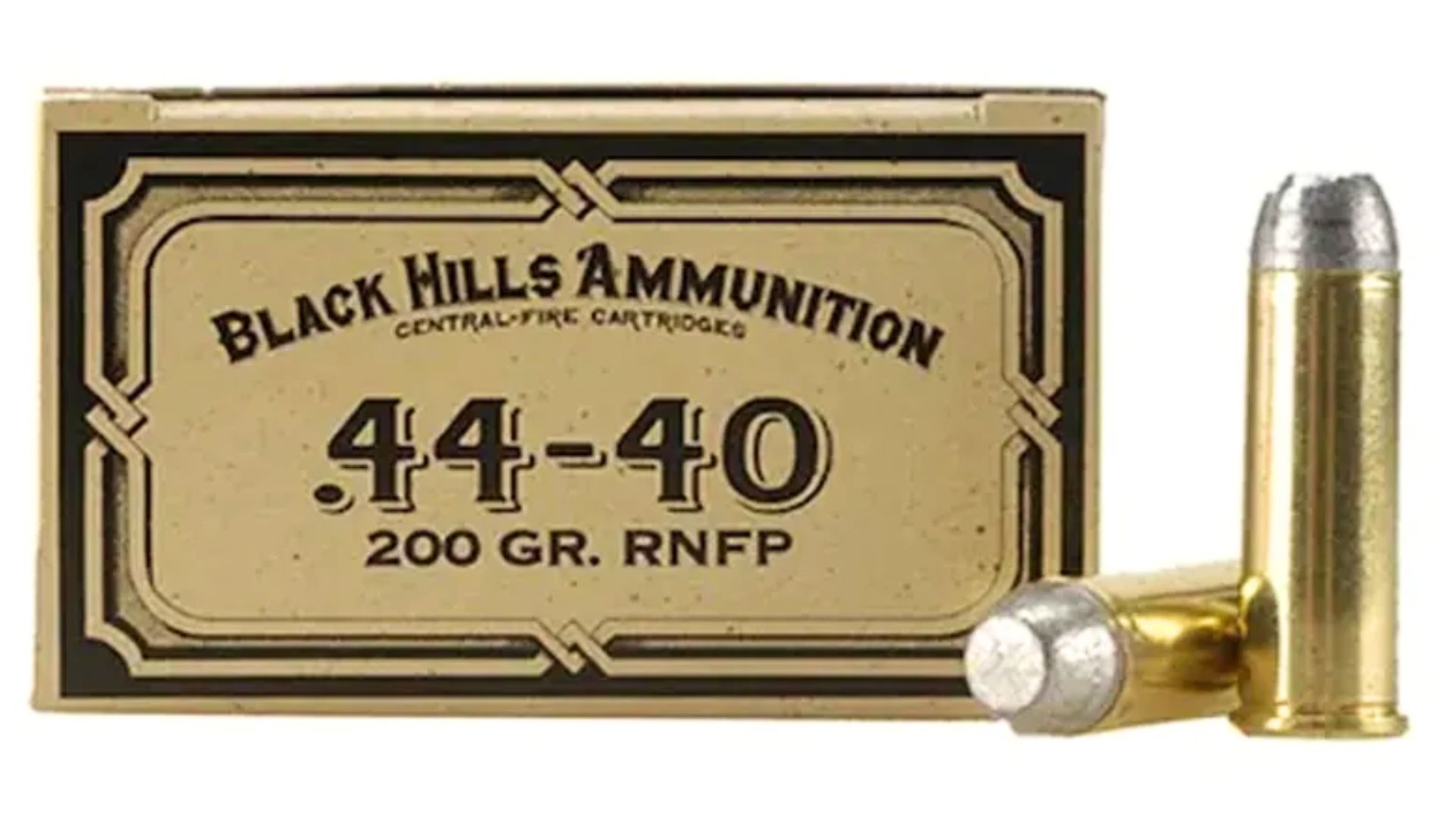
That old-school boom brings nostalgia, but the performance rarely backs it up. It was designed in the black powder era, and it still acts like it. Big sound, little punch.
I’ve used it in cowboy guns and had fun, but for actual field use, it lacks the power most folks want today. You’ll get more noise than knockdown, especially with factory loads meant to be safe in older guns. Sure, it sounds like something’s happening—but once you see the effect, you’ll reach for something else.
.32 H&R Magnum

This one can surprise you with its volume, but it’s more bark than bite. The lightweight bullets don’t offer much in the way of stopping power, and it fades fast with distance.
In small revolvers, it’s fun and manageable. But don’t expect miracles when it comes to terminal effect. It’s better than .22 or .25 ACP, but not by a lot. You’ll get a sharp crack and a flash that looks serious, but when you’re relying on it to stop something, especially under stress, its limits show quick.
.30 Remington AR
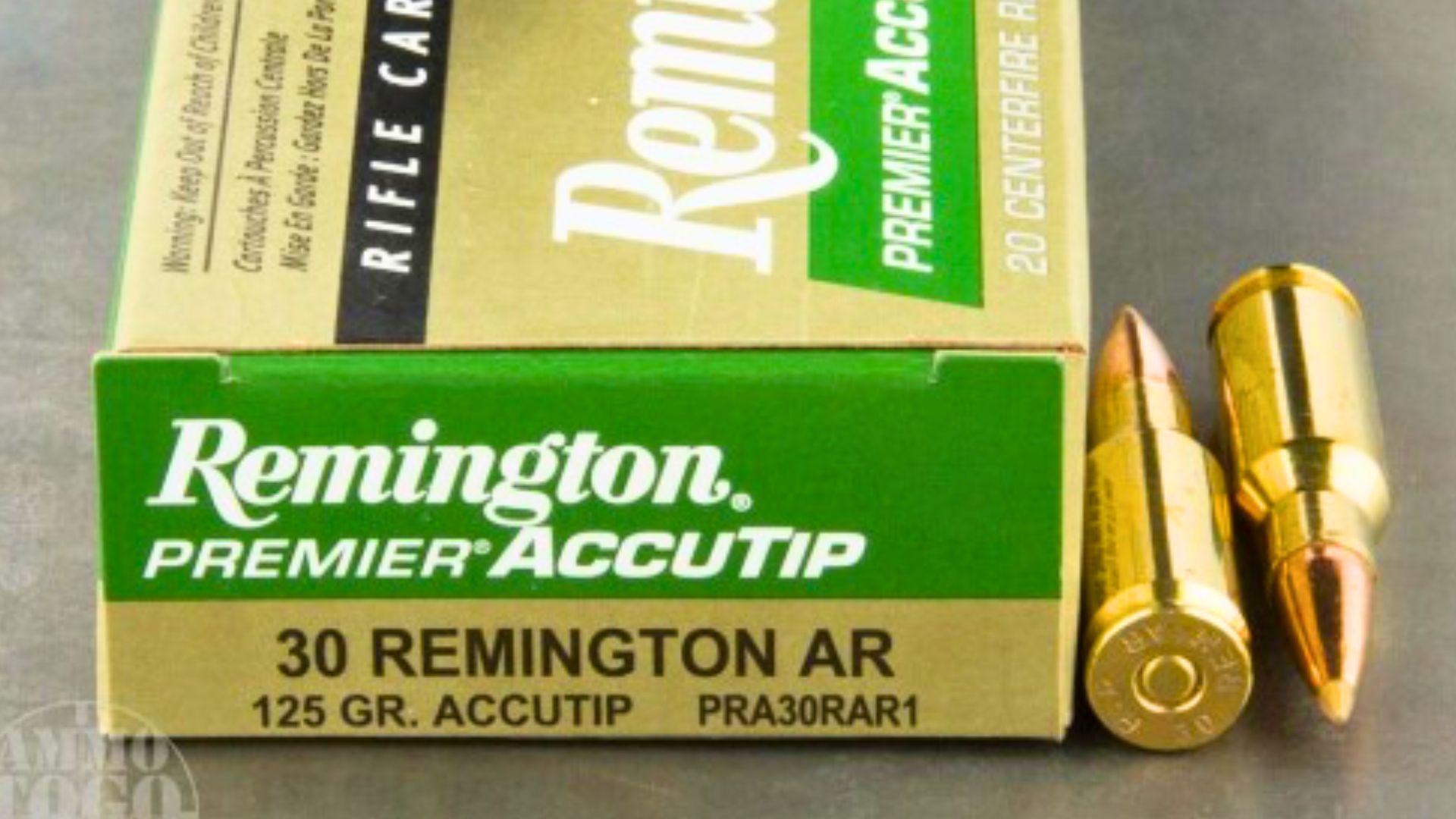
It sounds like it should be a game-changer, but the .30 RAR never lived up to the billing. Loud, finicky, and ultimately underwhelming for hunters expecting .308-level performance.
The round was supposed to bring .30-cal power to the AR-15 platform, but it never quite got there. It makes noise like a bigger cartridge, but has trouble matching the downrange energy and consistency. Ammo availability hasn’t helped either. It’s one of those rounds that made a splash early but ended up leaving shooters shrugging after a few trips afield.
.45 GAP

You hear that deep boom and figure it’s doing real damage, but in truth, it offers little over .40 S&W and falls behind .45 ACP in real-world testing. It sounds bigger than it hits.
Designed to fit .45 power into a 9mm frame, the .45 GAP sacrifices case capacity and bullet weight. In practice, you’re dealing with recoil and report that don’t match the performance. It had its window in law enforcement circles, but it faded for a reason. Loud doesn’t mean lethal, and this round proves it.
Like The Avid Outdoorsman’s content? Be sure to follow us.
Here’s more from us:
The worst deer rifles money can buy
Sidearms That Belong in the Safe — Not Your Belt
*This article was developed with AI-powered tools and has been carefully reviewed by our editors.