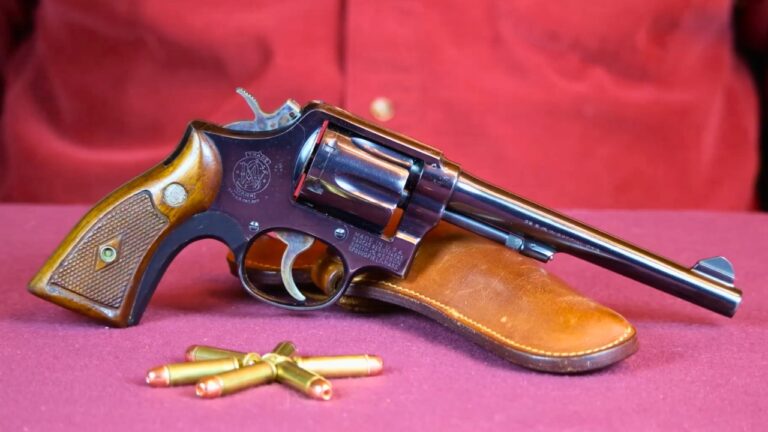
Photo credit: Tactical Toolbox/YouTube.com
A good pistol usually earns its reputation through balance. The grip works, the trigger is predictable enough, the recoil system is tuned for the slide and barrel it came with, and the whole gun runs as one complete package. That is why it can be so frustrating when a shooter buys a reliable handgun, starts “improving” it, and slowly turns it into something less dependable, less comfortable, or less useful than it was before. The parts may look better. The performance may not.
That is the trap with pistol upgrades. Some are worthwhile. Better sights, a quality optic setup, or a cleaner trigger from a reputable source can absolutely improve a handgun when chosen carefully. But a lot of upgrades get added because they sound smart in isolation, not because they actually fit the role of the pistol. Once that happens, a gun that originally worked as a complete system can start losing the very qualities that made it good. In the real world, that usually shows up in reliability, carry comfort, or shootability under pressure.
The factory setup was often built around tradeoffs on purpose
One of the biggest mistakes shooters make is assuming the factory version of a pistol was “unfinished.” Sometimes that is true. Often it is not. In many cases, the original design is a compromise on purpose. The spring weight, trigger pull, sight height, barrel fit, and slide velocity were chosen to work together, not to impress people who only handle the gun at a counter. Engineers are trying to balance reliability, durability, recoil control, and broad ammo compatibility, all at the same time.
That is why changing one part can affect much more than people expect. A lighter trigger may sound like an obvious win until it becomes easier to outrun under stress or less forgiving in defensive use. A compensator may reduce muzzle rise but also change reliability if the recoil system and ammo selection are no longer in sync. A good pistol is rarely a random pile of acceptable parts. It is a system, and some upgrades start causing problems because they ignore that fact.
Light trigger jobs can create more problems than they solve
A lighter trigger is one of the most common upgrades people chase, and it is also one of the easiest ways to make a practical pistol worse. In theory, a lighter, shorter trigger sounds like pure improvement. On the range, under slow fire, it may even feel that way. But a carry or defensive handgun is not a competition gun, and the trigger that looks impressive on paper is not always the one that makes the most sense under pressure.
A trigger can become too light, too sharp, or too short-reset for the role the pistol actually fills. That can lead to sloppier shooting at speed, reduced margin for error under stress, or a gun that no longer feels as controllable when the owner is rushing the draw or pressing through awkward positions. A well-done duty-grade trigger refinement can help. A heavily modified “race-gun” trigger in a carry pistol often does the opposite. The gun may seem more exciting. It may also be less trustworthy.
Aftermarket recoil systems can upset reliability fast
Recoil systems are another place where people get into trouble quickly. Changing guide rods, spring weights, or recoil assemblies often sounds harmless, especially when the packaging promises flatter shooting, softer recoil, or longer spring life. The problem is that recoil systems are one of the core timing components in a semi-auto pistol. Once you start changing spring weight without understanding the bigger system, the gun can become much more sensitive than it used to be.
That sensitivity may show up as failures to return to battery, inconsistent ejection, or pickier performance with certain ammo types. A pistol that originally ran with broad reliability can become a gun that only behaves well with a narrow slice of ammunition and a very specific grip. That is a bad trade for most people. If the original gun was already dependable, messing with slide timing usually creates more risk than reward.
Compensators can make a carry gun less practical
Compensators are real tools, and in the right setup they can absolutely help. The trouble starts when they get added to pistols that were chosen for concealment and simplicity. A compact carry gun with a compensator may shoot flatter, but it also becomes longer, louder, and more demanding about ammunition in many cases. That is a serious trade, especially if the pistol was originally selected because it was easy to carry and easy to trust.
This is one of the clearest examples of an upgrade solving one problem while creating three others. The owner gets less muzzle rise, but may also get more blast, more holster limitations, and a pistol that no longer runs as broadly as it once did. On a dedicated range or competition gun, that trade may be worth it. On an everyday carry pistol, it often is not. The gun may end up carrying like a larger pistol while still retaining many of the drawbacks of the smaller platform.
Oversized optics can throw off the whole package
Red-dot optics can be excellent on pistols, but bigger is not always better. One mistake people make is choosing an optic based on maximum window size or visual appeal instead of the actual role of the handgun. A larger optic may feel great during static range work, but it can add bulk, increase printing, and make the slide feel more top-heavy than the original design intended. On a duty pistol or full-size home-defense gun, that might be fine. On a carry gun, it can start becoming a real drawback.
The optic itself is not the problem. The mismatch is. A carry gun needs to remain practical to conceal and comfortable to live with. If the optic pushes the whole setup toward bulk, snag risk, or a more awkward draw and concealment profile, the pistol may end up less useful overall. This is especially true when the optic choice also leads to taller backup sights and more holster restrictions, which multiply the effect of one decision.
Extended magazines can ruin what made the pistol attractive
Extended magazines are another upgrade that often sounds smarter than it turns out to be. More rounds are not a bad thing, but if the owner chose a pistol specifically because it concealed well, then adding height to the grip can undercut the whole reason for buying it. A compact or slim carry gun with a long magazine often prints more, shifts more, and becomes less comfortable to hide under normal clothing.
That creates an awkward middle ground. The pistol starts carrying like a larger gun but still may not shoot like one. The owner gets more capacity, but loses some of the concealment advantage that made the original setup appealing. In many cases, it makes more sense to keep the gun close to its original carry format and carry a spare magazine than to stretch the grip until the whole pistol becomes harder to live with.
Cheap internal parts are one of the worst upgrades in the gun world
A lot of pistol problems begin with low-quality internal parts sold as upgrades. Connectors, firing pins, trigger bars, safeties, springs, and small internal pieces can all look tempting because they promise a custom feel without a custom price. This is one of the fastest ways to ruin a good handgun. A factory pistol may not be glamorous inside, but the parts were chosen to work together and survive use. Cheap aftermarket internals often introduce inconsistency in exchange for a feature the buyer barely needed.
This gets worse because problems do not always appear immediately. A bad part may install easily, dry fire fine, and even survive a short range session before it starts causing strange behavior later. That can lead the owner into a false sense of confidence. A reliable pistol becomes a question mark, not because the design changed, but because one “simple” part swap was not as simple as it looked.
Cosmetic upgrades can quietly affect function too
Not every bad upgrade is internal. Aggressive frame work, oversized magwells, tall gas-pedal style controls, flashy slide cuts, and cosmetic custom touches can all influence how a pistol behaves. Some of these additions are harmless in the right context. Others quietly make the pistol harder to carry, harder to holster, or more awkward in the hand. A gun that used to be smooth and practical can become something the owner constantly notices for the wrong reasons.
That is usually the real warning sign. When an upgrade makes a pistol more annoying to wear, more sensitive to how it is gripped, or less comfortable in normal handling, the gun is moving away from its job instead of toward it. Cosmetic changes are fine when they stay cosmetic. The trouble comes when people forget that shape, texture, and bulk all affect the way a handgun actually works in daily use.
The best upgrades usually stay modest
The smartest pistol upgrades are usually the ones that stay disciplined. Better sights. A quality optic that actually fits the gun’s role. Grip texture that improves control without shredding carry comfort. A refined but still duty-appropriate trigger from a reputable source. Those kinds of changes can help because they support the original design instead of trying to reinvent it. The best upgrades usually sharpen the pistol’s intended role. They do not drag it into a different one.
That is the real standard people should use. If the gun was already good, the upgrade should make it more useful in the job it already had. If it makes the pistol less reliable, less comfortable to carry, harder to support with holsters, or more demanding about ammo and maintenance, then it is not really an upgrade anymore. It is a trade, and many of those trades end badly.
A good pistol can be easier to ruin than improve
That may be the hardest lesson for a lot of owners to accept. A mediocre pistol can sometimes benefit from thoughtful changes. A genuinely good pistol is often much easier to make worse than to make better. That is especially true when the owner starts chasing internet-approved add-ons without asking whether the gun actually needed them. Once the original balance is lost, it can take time, money, and frustration to get it back.
That is why restraint matters so much with handguns. A good pistol does not need to become a project just because parts are available. Sometimes the most intelligent thing a shooter can do is leave a reliable gun close to the way it came, train with it hard, and let skill improve the outcome instead of accessories. Plenty of good pistols get changed for the worse simply because people mistake modification for progress.
Like The Avid Outdoorsman’s content? Be sure to follow us.
Here’s more from us: