Photo credit: Academy Sports
Revolvers get talked about like they either belong in a museum or in somebody’s sock drawer as a last-ditch backup. That misses a lot of what makes them useful. A good revolver can still be accurate, durable, easy to understand, and surprisingly practical when you match the gun to the job.
The best ones are not always the famous collector pieces, either. Some were working guns. Some were budget guns that outperformed their price. Some were stuck in the shadow of better-known models. These revolvers deserve more respect because they kept doing real work while everyone else argued about capacity and trends.
Ruger Security-Six
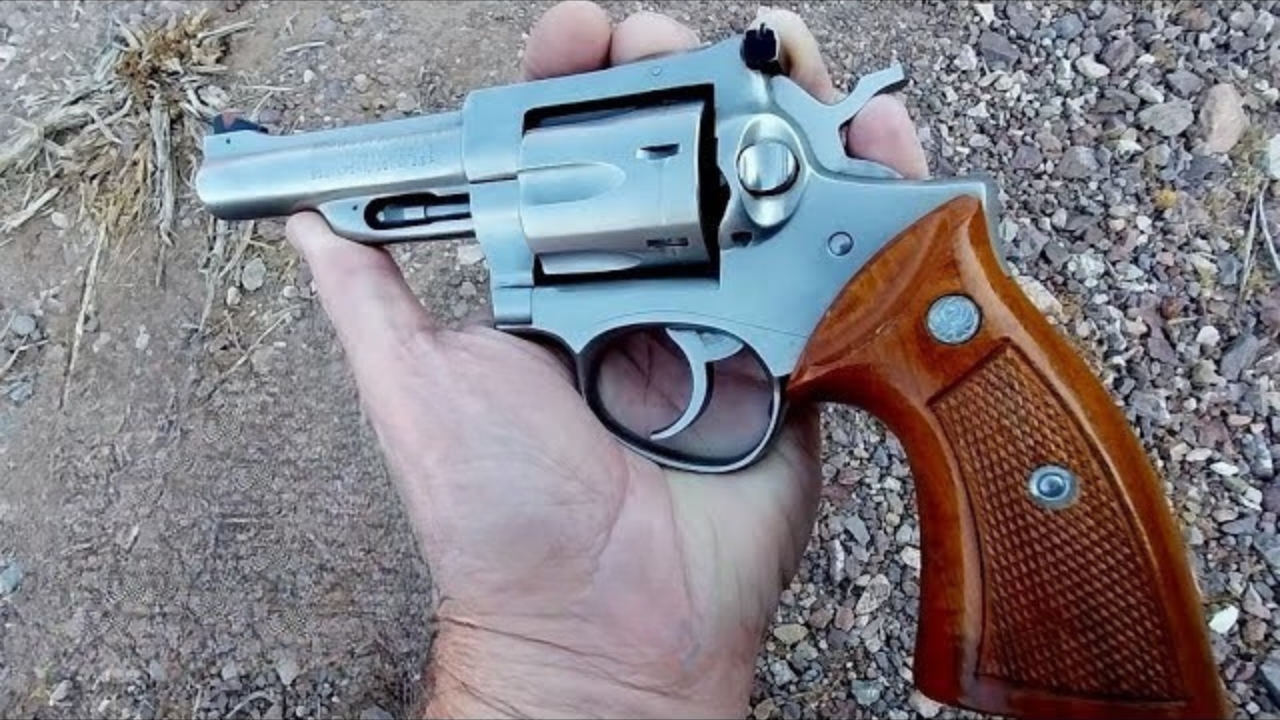
The Ruger Security-Six deserves more respect because it did hard revolver work without acting fancy about it. Before the GP100 became Ruger’s heavy-duty .357 everyone talks about, the Security-Six gave shooters a strong, practical double-action revolver that carried easier and still handled steady use.
It is not as polished as a Smith & Wesson from the same era, but that was never the point. The Security-Six is rugged, simple, and useful. In a four-inch barrel, it still makes a strong woods, range, or home-defense revolver.
Smith & Wesson Model 15
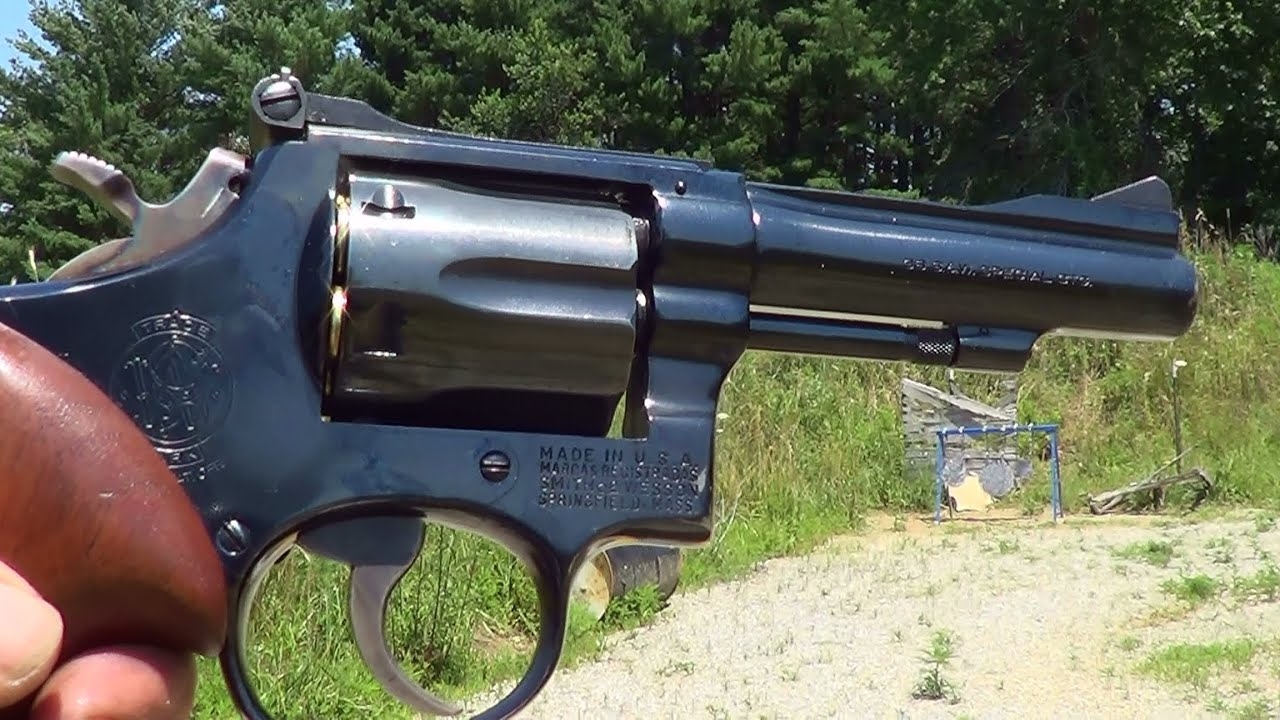
The Smith & Wesson Model 15 often gets overlooked because it is “only” a .38 Special. That is a mistake. It was built as a serious service revolver with adjustable sights, good balance, and one of the most shootable K-frame setups Smith ever made.
You do not need magnum recoil for a revolver to matter. The Model 15 is accurate, comfortable, and excellent for learning double-action trigger control. For range use, training, and practical .38 Special work, it still feels far more capable than people give it credit for.
Colt Lawman Mk III
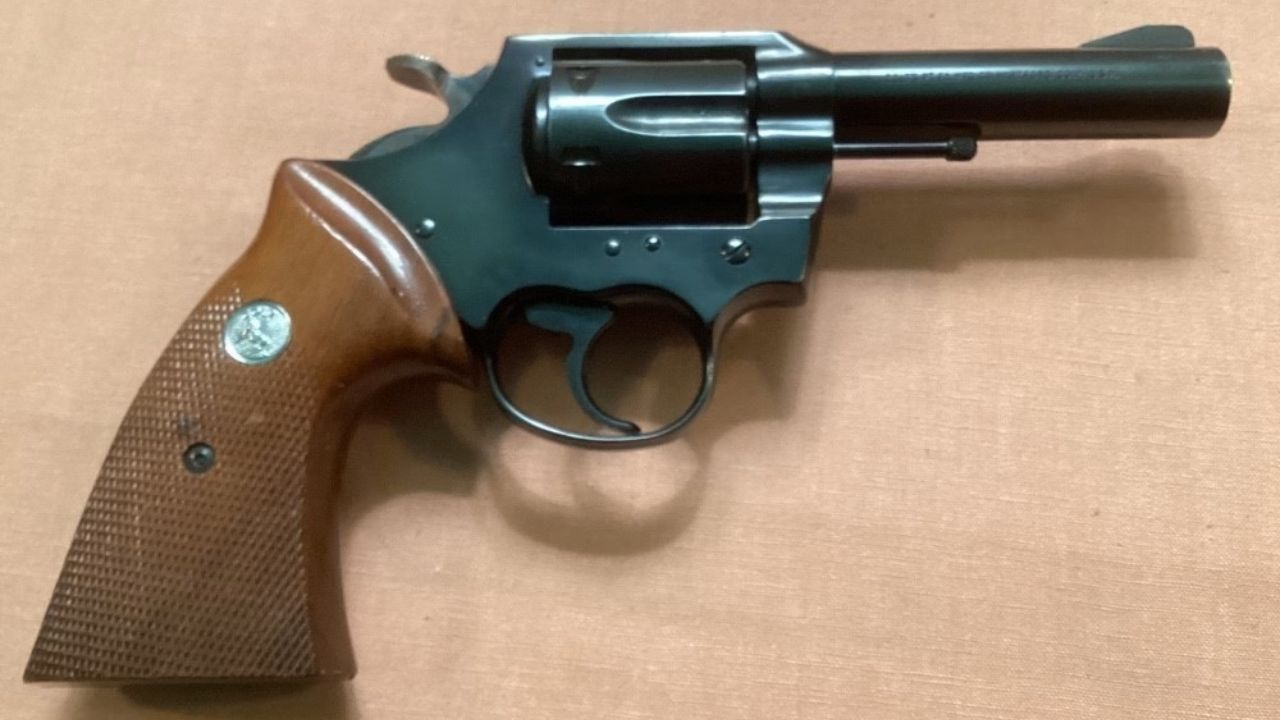
The Colt Lawman Mk III lives in the shadow of the Python, and that has always been unfair. It was not built to be a polished showpiece. It was built as a strong, working .357 Magnum revolver with a simpler action system and serious service-gun intent.
That makes it easy to underestimate. The Lawman does not have Python glamour, but it has real strength and a useful size. A good one gives you classic Colt feel without pretending to be delicate. It is one of those revolvers more shooters should pay attention to.
Ruger SP101

The Ruger SP101 gets respect from people who own them, but it still gets dismissed by shooters who only look at capacity and weight. Yes, it is heavier than many small carry guns. That weight is also why it handles real .357 Magnum loads better than tiny alloy revolvers.
The SP101 is not the easiest gun to shoot fast, but it is honest. It is strong, compact, and built for people who want a small revolver that does not feel disposable. In .357 or .327 Federal Magnum, it deserves serious attention.
Smith & Wesson Model 64

The Smith & Wesson Model 64 is basically the stainless working revolver a lot of people walk past without thinking twice. It does not have the collector pull of older blued Smiths, and it does not have magnum chambering to brag about.
That plainness is exactly why it deserves more respect. A fixed-sight stainless K-frame in .38 Special is simple, durable, and easy to shoot well. It handles sweat, weather, and regular use better than many prettier guns. For a practical revolver, the Model 64 makes a lot of sense.
Taurus Model 66

The Taurus Model 66 will always fight the Taurus reputation, but this revolver deserves a fairer look than it usually gets. Older and newer examples vary, sure, but the basic idea is solid: a full-size .357 Magnum revolver with adjustable sights and useful capacity.
It is not a Smith & Wesson 686, and nobody needs to pretend it is. But for shooters who want a range, trail, or home revolver without collector pricing, the Model 66 can do real work. A good one is better than the jokes suggest.
Charter Arms Bulldog

The Charter Arms Bulldog gets treated like a crude little revolver, and in some ways, that is true. It is not refined, it is not buttery smooth, and it is not built like a big-frame tank. But it still deserves respect for doing something specific.
It gives you a compact .44 Special carry revolver without dragging around a huge frame. That matters. The Bulldog is light, simple, and serious at close distances. It is not a high-round-count range toy, but as a carryable big-bore revolver, it has earned its place.
Ruger LCRx

The Ruger LCRx deserves more respect because it solved a real problem without looking traditional. The polymer fire-control housing turns some revolver people off, but the trigger is better than many expect, and the exposed hammer adds useful flexibility.
In .38 Special, .357 Magnum, or .327 Federal Magnum, the LCRx can fill several roles. It is light enough to carry, easy enough to stage for careful shots, and tough enough for regular use. It may not look classic, but it works like Ruger thought through the details.
Smith & Wesson Model 19 Carry Comp

The Smith & Wesson Model 19 Carry Comp deserves more respect because it brings the K-frame .357 idea into a more modern carry format. Some revolver purists prefer old pinned-and-recessed guns, and that is fine, but this version has real practical appeal.
The compensator helps tame muzzle rise, the sights are usable, and the size sits in a nice middle ground. It is not as light as a tiny snub and not as bulky as a full-size L-frame. For someone who actually carries and trains with revolvers, it makes sense.
Colt King Cobra
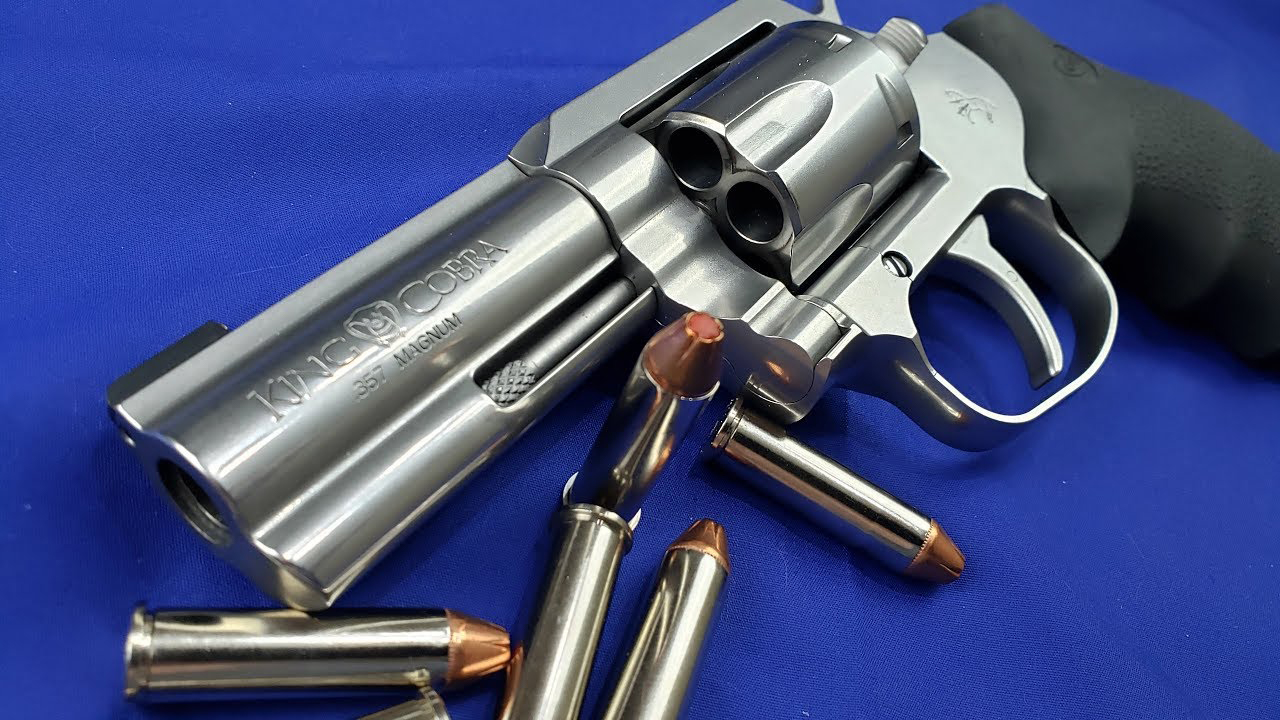
The Colt King Cobra gets stuck between two louder Colt names: the Python and the Anaconda. That leaves it underappreciated, even though it may be one of the more practical modern Colt revolvers for regular shooters.
It gives you .357 Magnum capability in a size that feels useful instead of showy. The trigger is good, the build is clean, and the gun does not feel like it only belongs in a display case. If you want a Colt revolver to actually shoot often, the King Cobra deserves more credit.
Smith & Wesson Model 28 Highway Patrolman

The Smith & Wesson Model 28 Highway Patrolman deserves more respect because it gave shooters N-frame .357 strength without the fancy polish of the Model 27. It was made to be a working gun, and that identity still suits it.
The Model 28 is big, steady, and easy to shoot well with magnum loads. It is not a lightweight carry revolver, but that weight is part of the appeal. For range work, field use, and old-school duty-gun fans, it delivers serious substance without needing bright blue glamour.
Ruger Redhawk
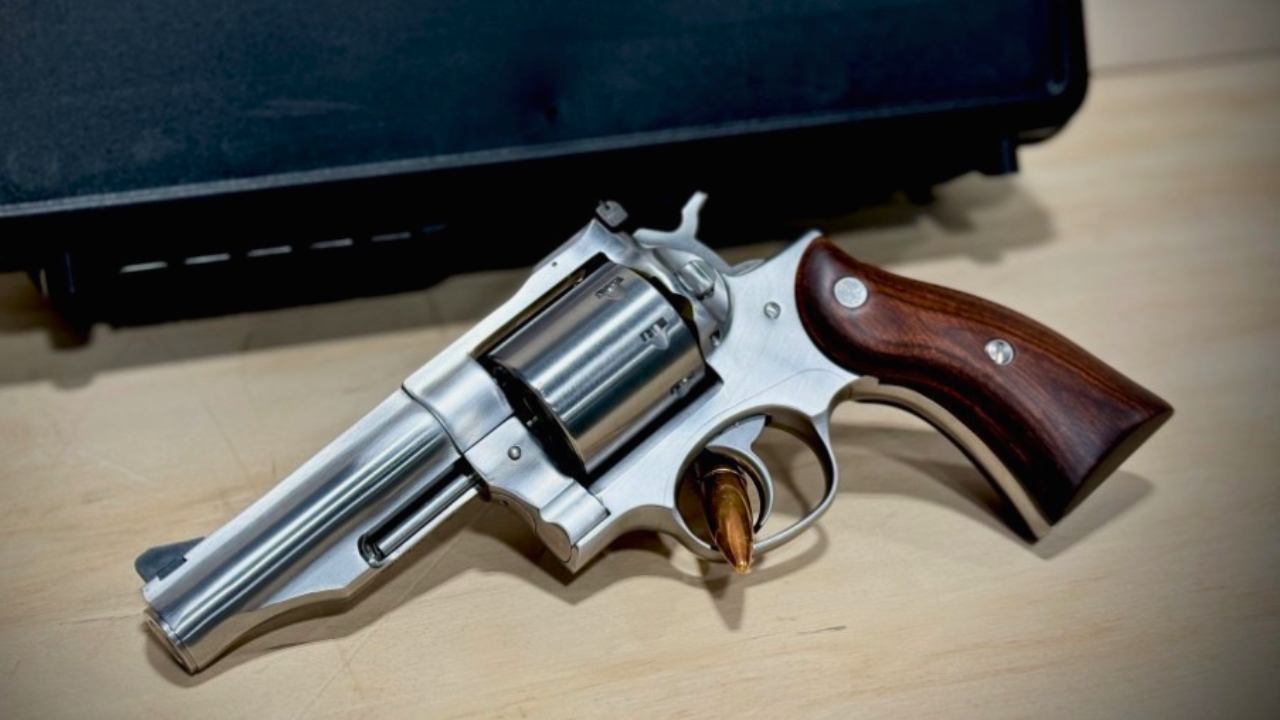
The Ruger Redhawk deserves more respect because it is often treated like a brute and nothing more. It is heavy, strong, and not as sleek as some big-bore revolvers. But that strength is exactly why people who use heavy loads keep trusting it.
In .44 Magnum and other chamberings, the Redhawk is built for hunters, hikers, and shooters who want a revolver that can take real pressure. It may not have the prettiest trigger out of the box, but it has staying power. That matters in a hard-use revolver.
Dan Wesson Model 15
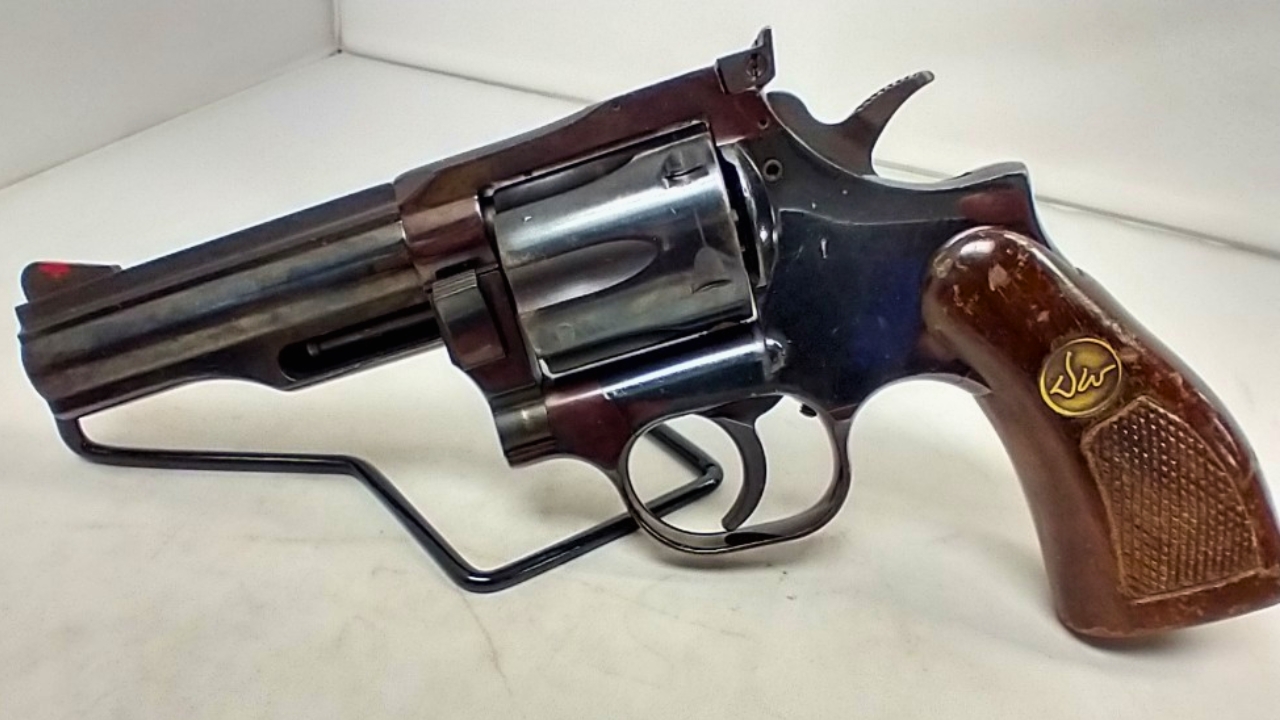
The Dan Wesson Model 15 deserves more respect because it brought a smart barrel system and real accuracy potential to the .357 revolver world. The interchangeable barrel setup was not a gimmick. It let shooters tune the gun for different roles.
A good Model 15 can be extremely accurate, and the lockup design has a loyal following for a reason. It never had the same mainstream pull as Smith, Colt, or Ruger, but serious revolver people know better. These guns were built with real thought behind them.
Smith & Wesson Model 625

The Smith & Wesson Model 625 deserves more respect because .45 ACP in a revolver still makes more sense than people expect. With moon clips, reloads can be fast, extraction is clean, and recoil has more push than snap.
It is not a concealed carry favorite for most people, and it is not trying to be. The 625 shines as a range, competition, and home-defense revolver for shooters who like big bullets without magnum blast. It is accurate, smooth, and more practical than its odd chambering first suggests.
Like The Avid Outdoorsman’s content? Subscribe to our newsletter so you never miss an article.
Here’s more from us: