Photo credit: Rattlesnake Defense/YouTube
A revolver can feel like a sure thing when you are standing at the counter. The design looks simple, the action feels old-school, and there is a certain confidence that comes with buying a wheelgun instead of another polymer pistol. Then you actually carry it, shoot it, reload it, clean it, and start noticing the tradeoffs.
Some revolvers are great in the right role, but they are not always great for the person who bought them. Heavy triggers, sharp recoil, awkward sights, high prices, low capacity, or limited usefulness can make buyers wonder if they should have picked something else. These revolvers are not all bad guns. They are just the kind that can leave owners second-guessing the decision.
Smith & Wesson 329PD
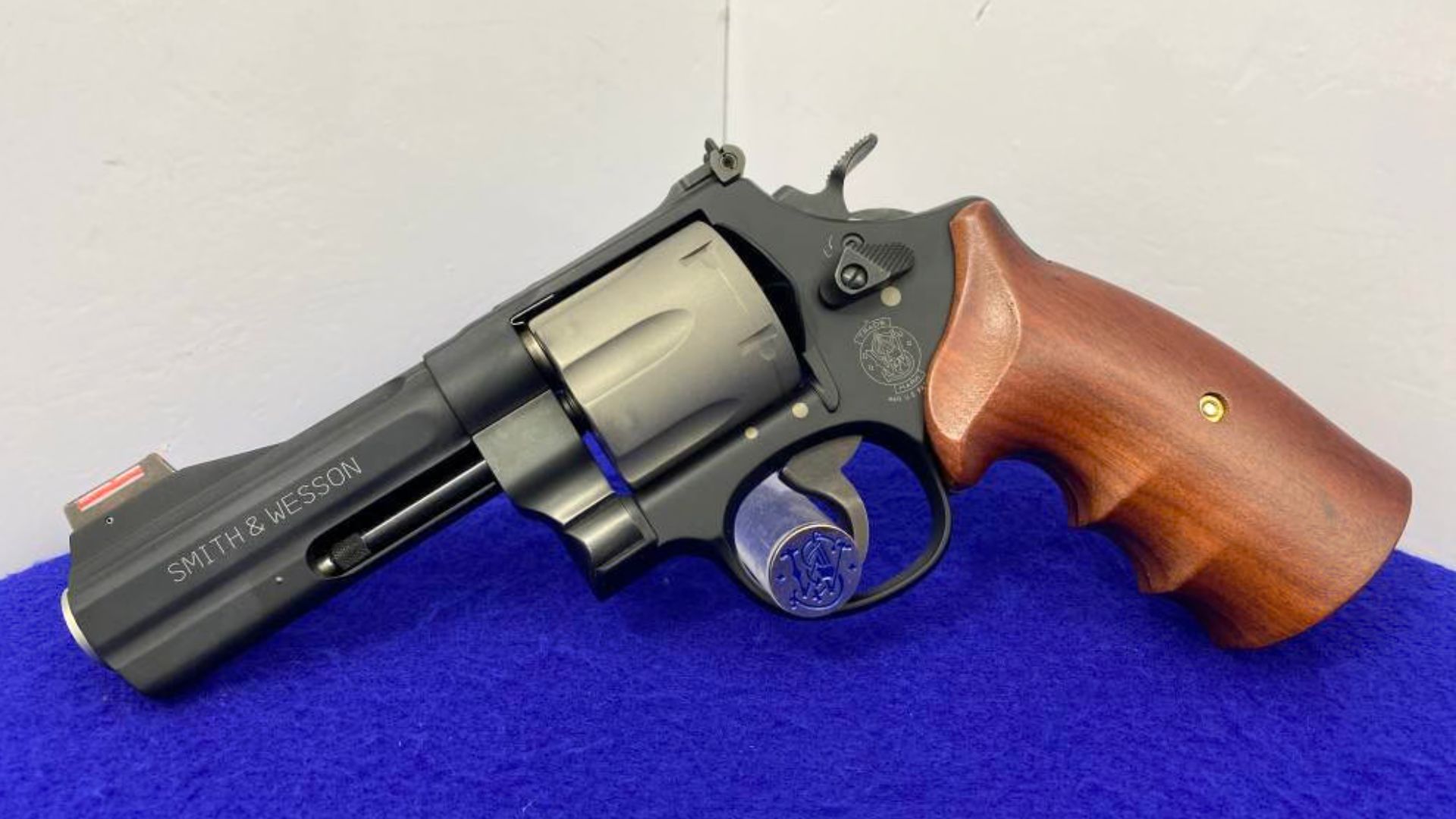
The Smith & Wesson 329PD sounds perfect if you want .44 Magnum power without carrying a boat anchor. It is light, powerful, and easy to pack in the woods, which makes it tempting for hunters, hikers, and anyone thinking about backcountry protection.
Then you shoot full-power loads through it. The recoil can be brutal, and many owners quickly realize lightweight magnum revolvers are much easier to buy than they are to practice with. Loaded with .44 Special or reduced magnum loads, it can make more sense. But if you bought it expecting comfortable .44 Magnum power in a featherweight package, regret can show up fast.
Taurus Judge
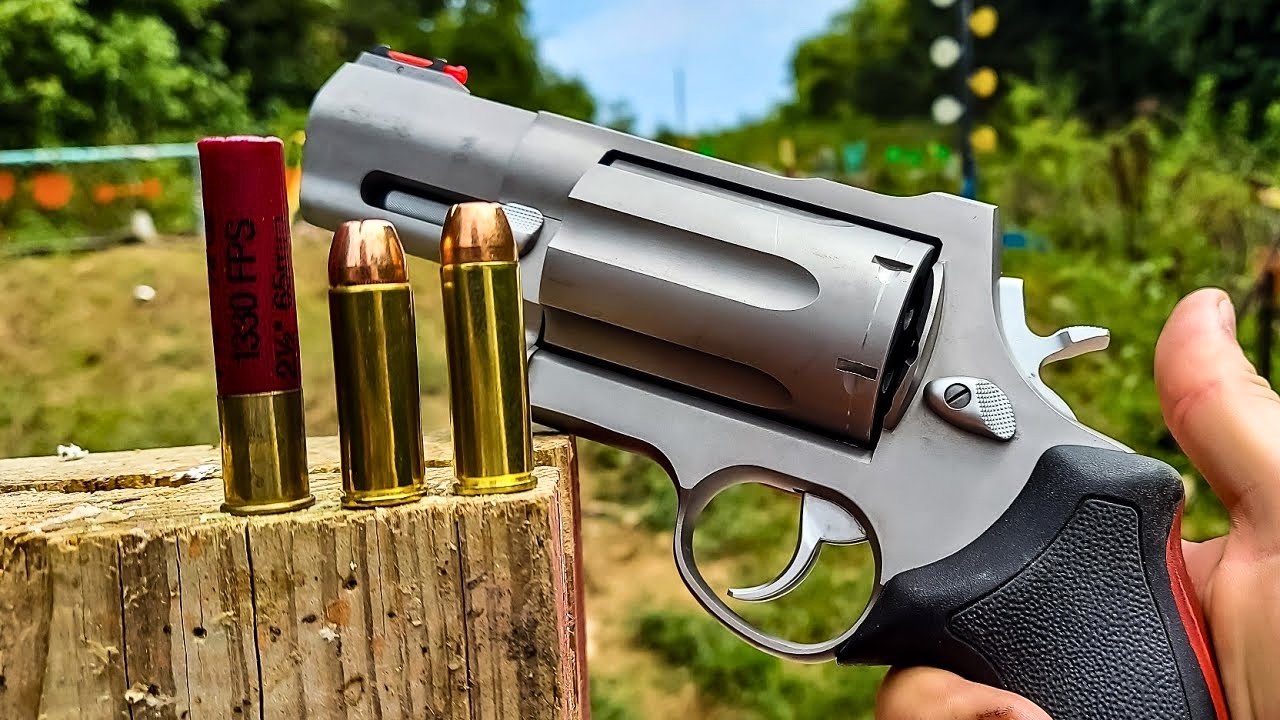
The Taurus Judge has one of the strongest gun-counter sales pitches ever: a revolver that fires .45 Colt and .410 shotshells. For a new buyer, that sounds like versatility, power, and home-defense confidence all in one package.
The reality is more complicated. It is bulky, the pattern with .410 defensive loads can be less impressive than people expect, and .45 Colt performance from the platform is not always enough to justify the size. It can be fun, and some people love it for pests or novelty. But many owners eventually realize it is bigger and less practical than the idea sounded.
Smith & Wesson 340PD

The Smith & Wesson 340PD is another revolver that looks brilliant on paper. A lightweight, hammerless .357 Magnum J-frame seems like the ultimate pocket or backup gun for someone who wants real power in the smallest package possible.
The problem is that physics does not care about the sales pitch. Full-house .357 loads in a revolver this light can be miserable, slow to recover from, and hard to practice with. Most owners end up carrying .38 Special +P anyway, which makes the expensive magnum capability feel less useful. It is easy to carry, but not easy to shoot well.
Colt Anaconda

The Colt Anaconda has plenty of appeal. It is big, beautiful, powerful, and carries the Colt name with a kind of presence that few modern revolvers can match. A .44 Magnum Anaconda feels like a serious purchase before you even load it.
Some owners question it once the novelty wears off. It is expensive, large, heavy, and not always clearly better in the field than a Ruger Redhawk or a good Smith & Wesson .44. If you bought it because you love Colts, it makes sense. If you bought it expecting the price to magically turn into better field utility, the Anaconda can feel like a lot of money for bragging rights.
Ruger LCRx .357 Magnum

The Ruger LCRx in .357 Magnum sounds like a practical small revolver with more power than the .38 version. The exposed hammer adds single-action capability, and the lightweight frame makes it easy to carry.
Then range time brings the reality check. Magnum loads are sharp, the grip is small, and the gun takes real discipline to shoot well. The exposed hammer can also snag more than a hammerless carry revolver. It is not useless, and with .38s it can be pleasant enough. But buyers who thought they were getting an easy-shooting compact .357 often start questioning the choice.
Kimber K6s DASA
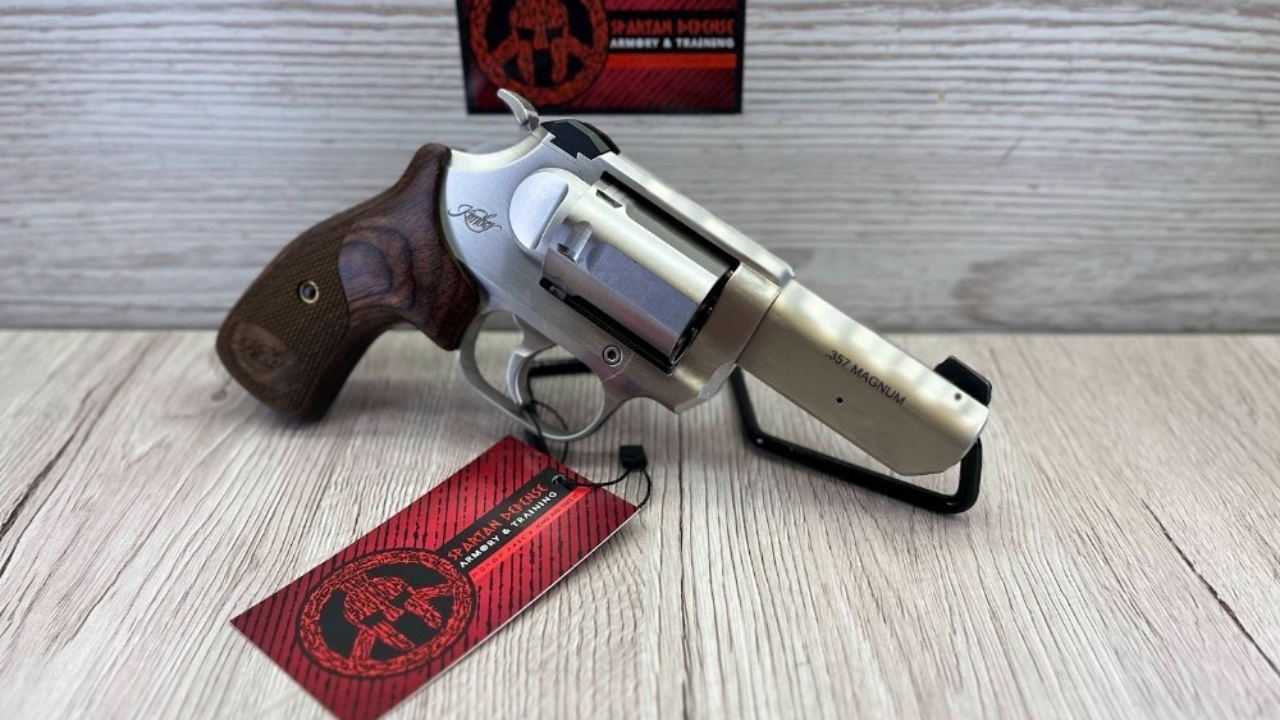
The Kimber K6s DASA is a well-made small revolver with six-shot capacity, good sights, and a smoother feel than many snubnose options. On paper, it fixes several things people dislike about traditional small revolvers.
The question is whether it fixes enough to justify the cost. It is still a compact revolver with limited capacity, slower reloads, and recoil that takes practice. The double-action/single-action version also adds an exposed hammer, which may not be what every carry user needs. It is a nice revolver, but some buyers eventually wonder if they paid premium money for a gun that still has snubnose limitations.
Smith & Wesson Governor
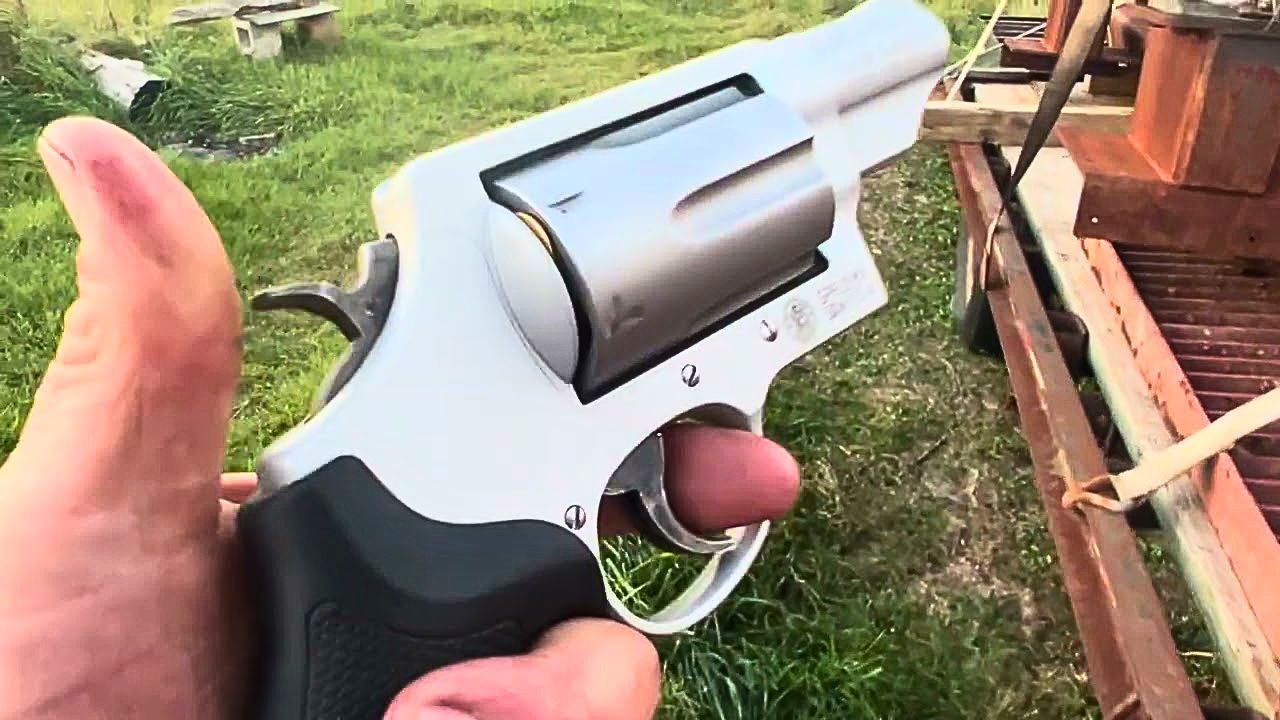
The Smith & Wesson Governor follows the same broad idea as the Judge: a revolver that can fire .410 shotshells, .45 Colt, and .45 ACP with moon clips. That sounds like a lot of flexibility.
In practice, it can feel like a revolver trying to do too many jobs at once. It is large, awkward to carry, and not especially optimized for any single role. The .410 capability is interesting, but not always as effective as the marketing image suggests. The .45 ACP moon-clip option is neat, but a dedicated .45 revolver or semi-auto may make more sense. It is versatile, but not always useful.
Ruger Super Redhawk Alaskan

The Ruger Super Redhawk Alaskan is built for serious power in a short, rugged package. It has real appeal for bear country, fishing trips, and anyone who wants a compact revolver chambered in hard-hitting cartridges.
The problem is that compact does not mean easy. The Alaskan is heavy for belt carry, loud with big loads, and not exactly pleasant for high-round practice. The short barrel also gives up sight radius and velocity compared with longer hunting revolvers. It is tough and capable, but some owners eventually realize it is a specialized tool they rarely enjoy shooting.
Charter Arms Bulldog
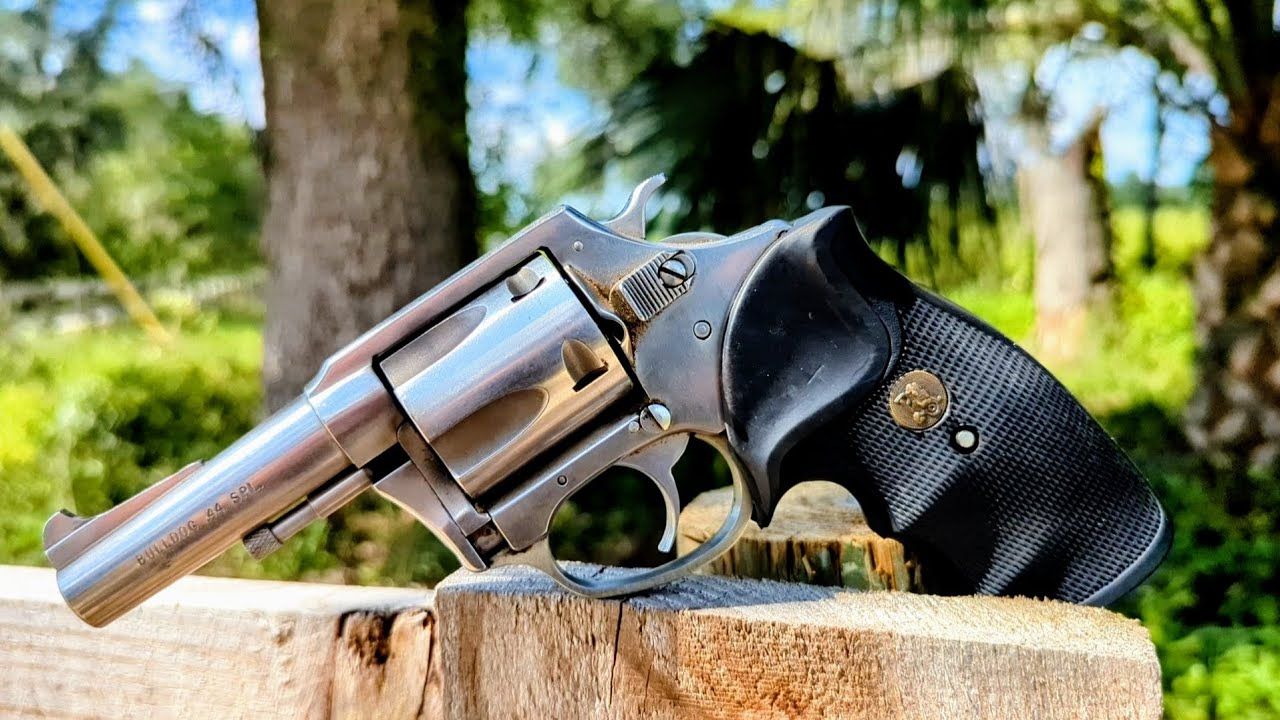
The Charter Arms Bulldog has been around for a long time because the idea makes sense: a compact .44 Special revolver that carries easier than a big-frame wheelgun. For close-range defense, that sounds appealing.
The issue is that buyers sometimes expect more refinement than the Bulldog usually delivers. The trigger can be rough, the sights are basic, and the light frame makes recoil more noticeable than the mild cartridge reputation suggests. It can still be useful, especially for someone who likes .44 Special. But if you wanted a smooth, confidence-building revolver, the Bulldog may leave you wondering if you should have spent more.
Ruger Wrangler

The Ruger Wrangler is cheap, fun, and easy to like at first glance. A budget single-action .22 revolver sounds perfect for plinking, teaching new shooters, or scratching that cowboy-gun itch without spending much.
The regret shows up when expectations get too high. The Wrangler is not a refined rimfire revolver. The sights are basic, the finish is utilitarian, and accuracy can vary from gun to gun. For casual fun, it is fine. But if you bought it expecting a lifetime-quality .22 like an old Single-Six, you may quickly understand where the money was saved.
Smith & Wesson Model 317
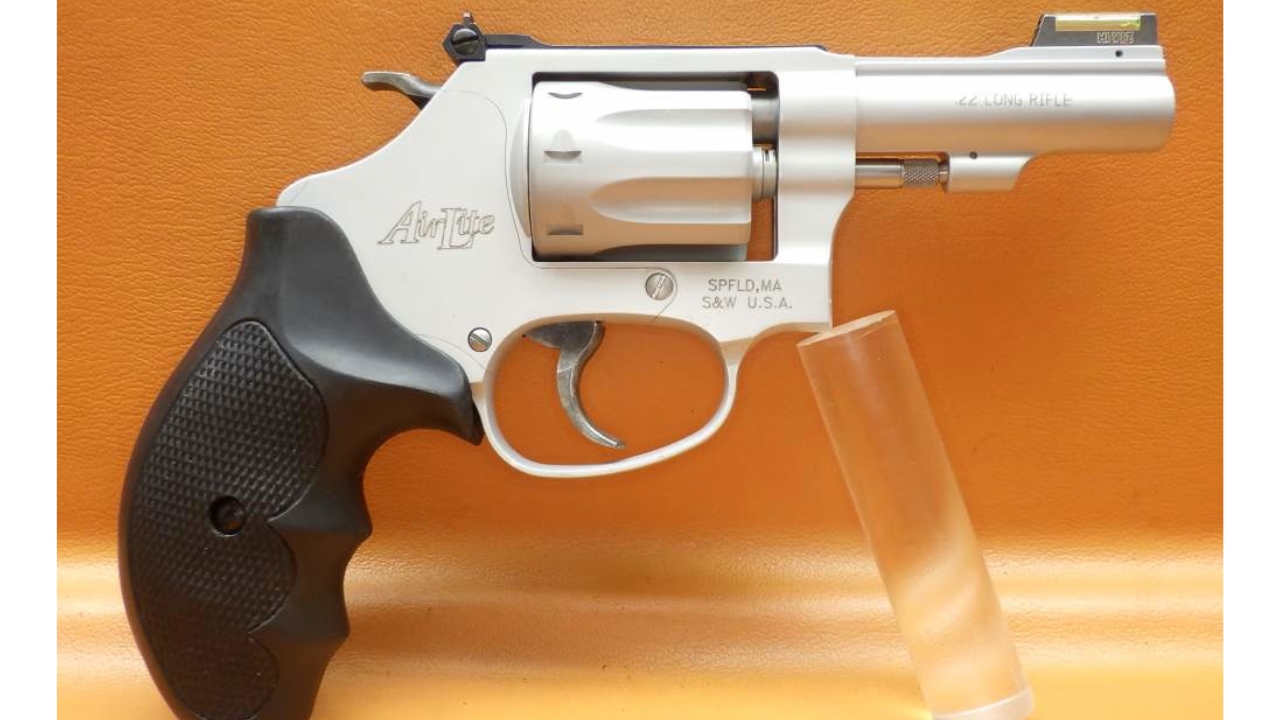
The Smith & Wesson Model 317 is a lightweight .22 LR revolver that seems useful as a trail gun, kit gun, or ultra-light packing revolver. It is easy to carry and has the Smith & Wesson name behind it.
Then buyers see the price and feel the trigger. Rimfire revolvers usually need heavier hammer strikes, and that can make the double-action pull less pleasant than expected. Accuracy can also be harder to take advantage of with such a light frame and compact sights. It is handy, no doubt. But for the money, many shooters wonder if a heavier .22 revolver would have been more satisfying.
Colt Cobra
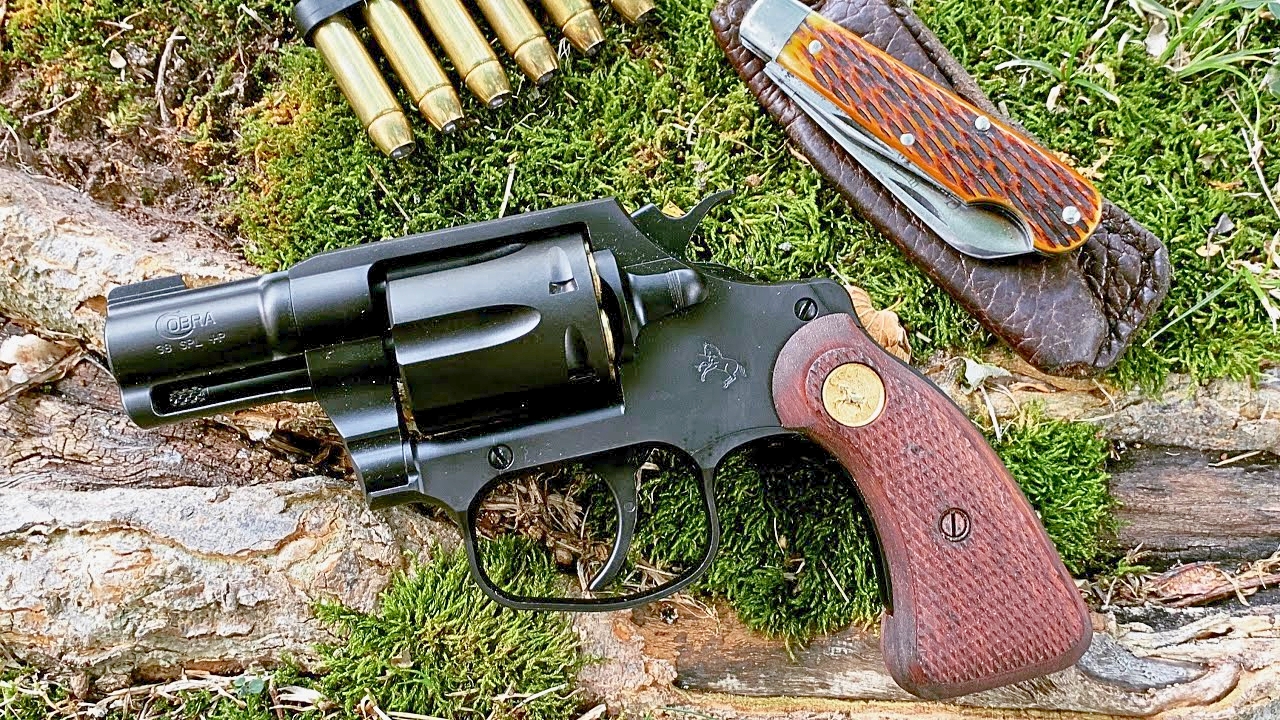
The modern Colt Cobra brought back a famous name, and that alone made a lot of buyers interested. A six-shot small-frame .38 from Colt sounds like exactly the kind of revolver people had been missing.
Some owners love it, but others question the value once they compare it with other snubs. The trigger can be good, and six shots is useful, but the gun is still larger than many five-shot carry revolvers and not always dramatically better in real use. When nostalgia is part of the price, expectations climb. The Cobra is not bad, but it may not feel special enough for every buyer.
Taurus 856 Ultra-Lite
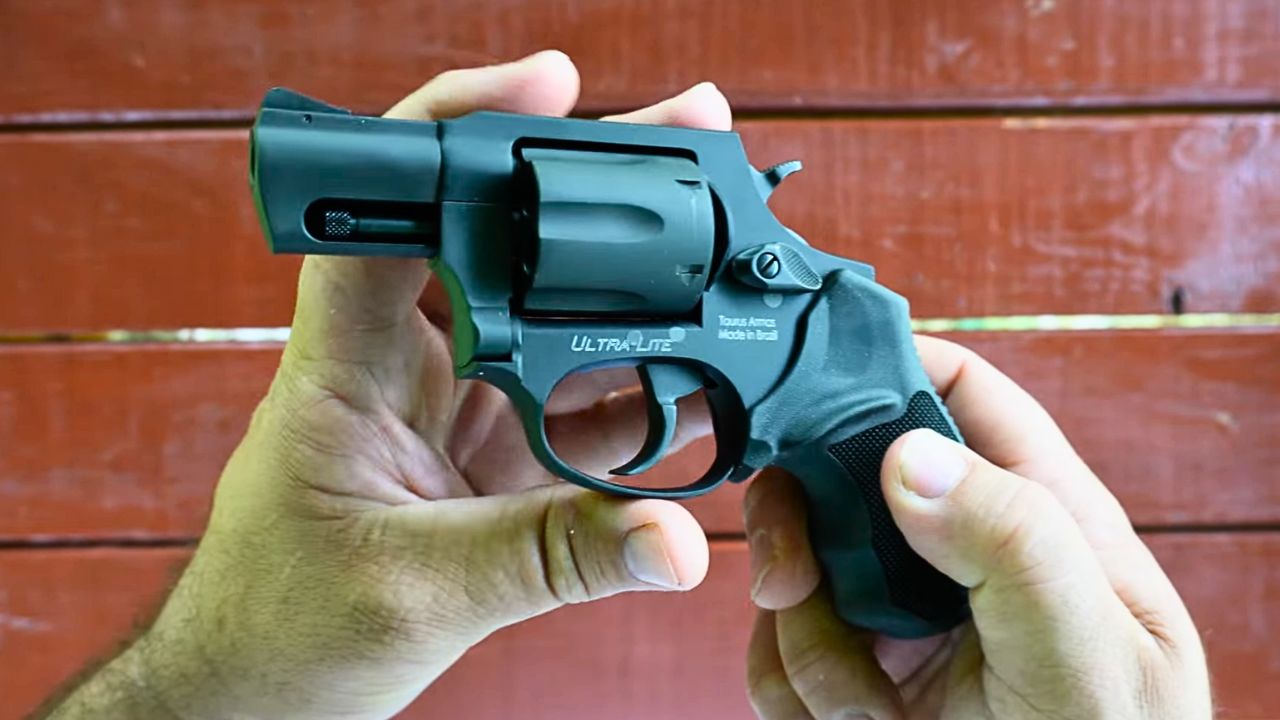
The Taurus 856 Ultra-Lite attracts buyers because it offers six shots of .38 Special in a light, affordable carry revolver. That sounds like a smart answer for someone who wants more than a five-shot snub without paying premium money.
The tradeoff is shootability and consistency. Lightweight snubs take work, and budget revolvers can vary more than buyers expect. The trigger may smooth out with use, or it may remain something you have to fight. Recoil with +P loads can also be sharper than new owners anticipate. The 856 can be a practical carry gun, but it is not always the easy bargain people hoped for.
Smith & Wesson 351PD
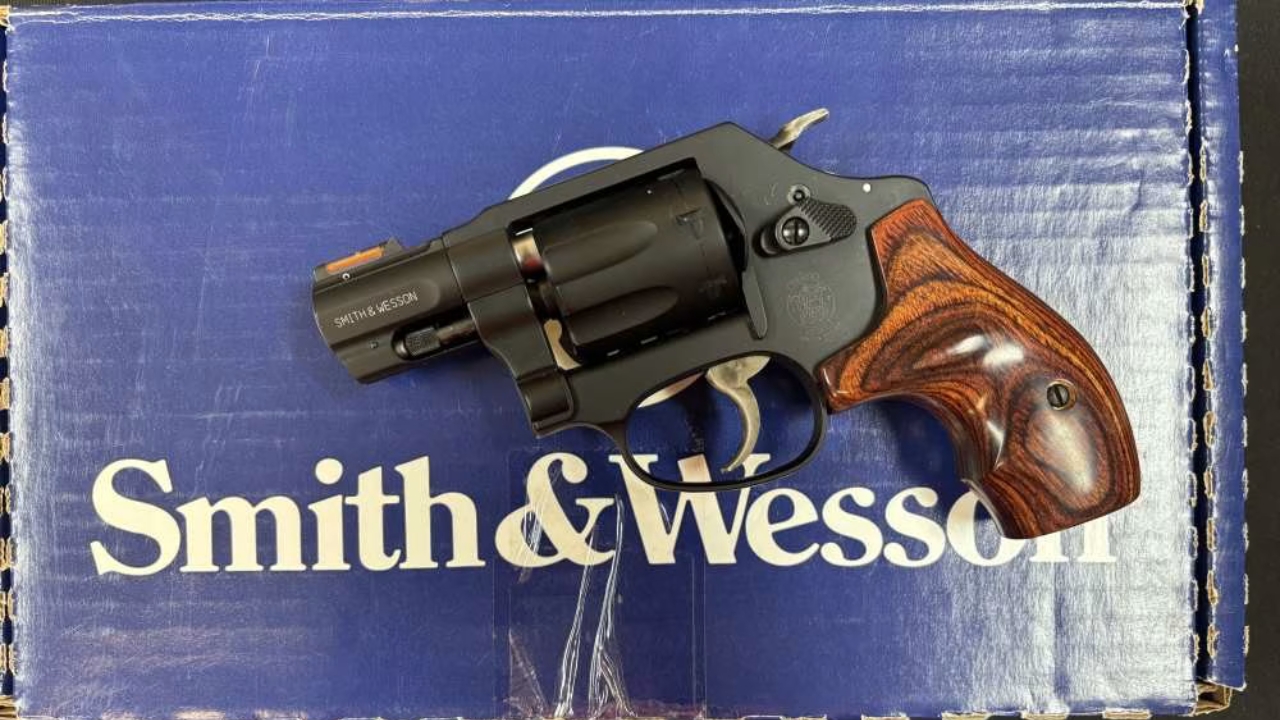
The Smith & Wesson 351PD looks like a clever answer for people who want an ultra-light revolver with more capacity and less recoil than a .38 snub. The .22 Magnum chambering gives it seven shots, low weight, and easy carry.
The problem is the gap between concept and confidence. .22 Magnum from a short barrel is loud, flashy, and still not in the same class as common centerfire defensive rounds. The rimfire double-action trigger can also be heavy. It can make sense for recoil-sensitive shooters or very specific carry needs. But plenty of buyers question whether they gained enough to justify the cost.
Chiappa Rhino 200DS

LifeSizePotato/YouTube.
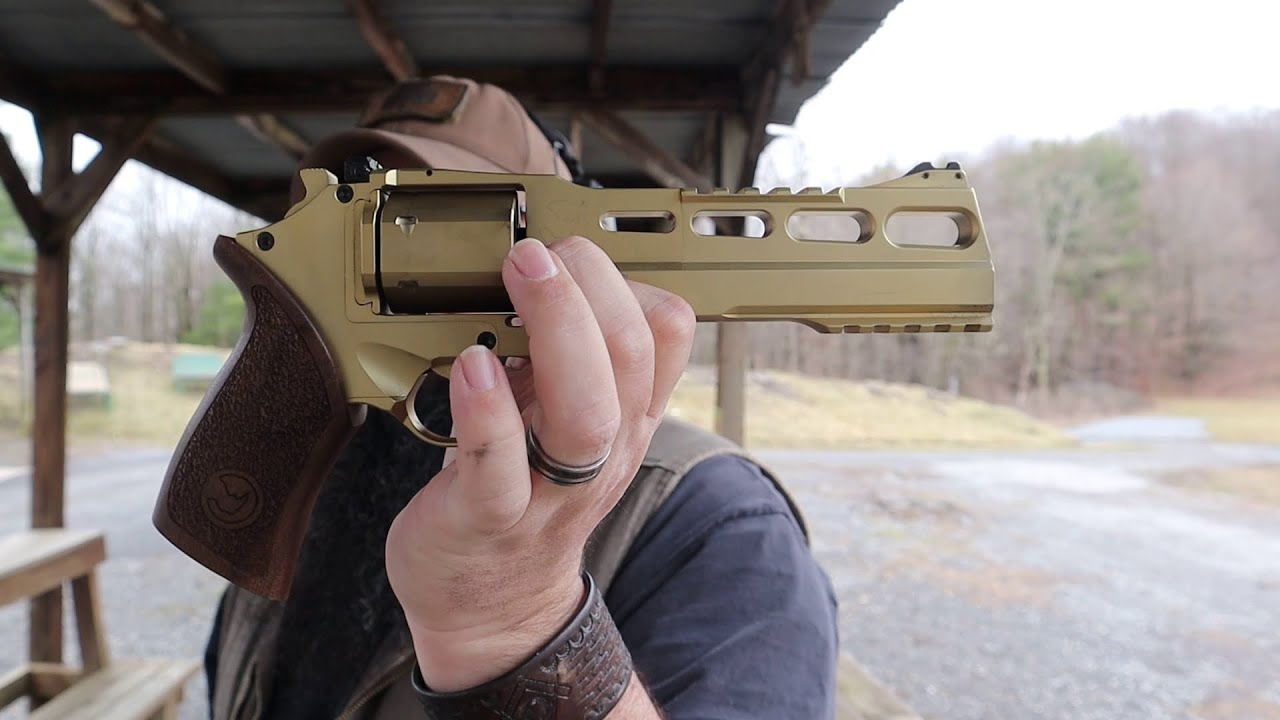
The Chiappa Rhino 200DS gets attention immediately because it looks unlike almost any other revolver. The low bore axis concept is real, and the design can make recoil feel different compared with traditional revolvers.
Still, some buyers question the purchase after the excitement fades. The controls are unusual, holster support is more limited, and the look is polarizing. It can shoot well, but it also asks you to accept a lot of oddness for a carry revolver. If you love the design, it makes sense. If you bought it because it seemed cool, you may later wish you had chosen something simpler.
Like The Avid Outdoorsman’s content? Be sure to follow us.
Here’s more from us: