Photo credit: jackmac34/Pixabay.com
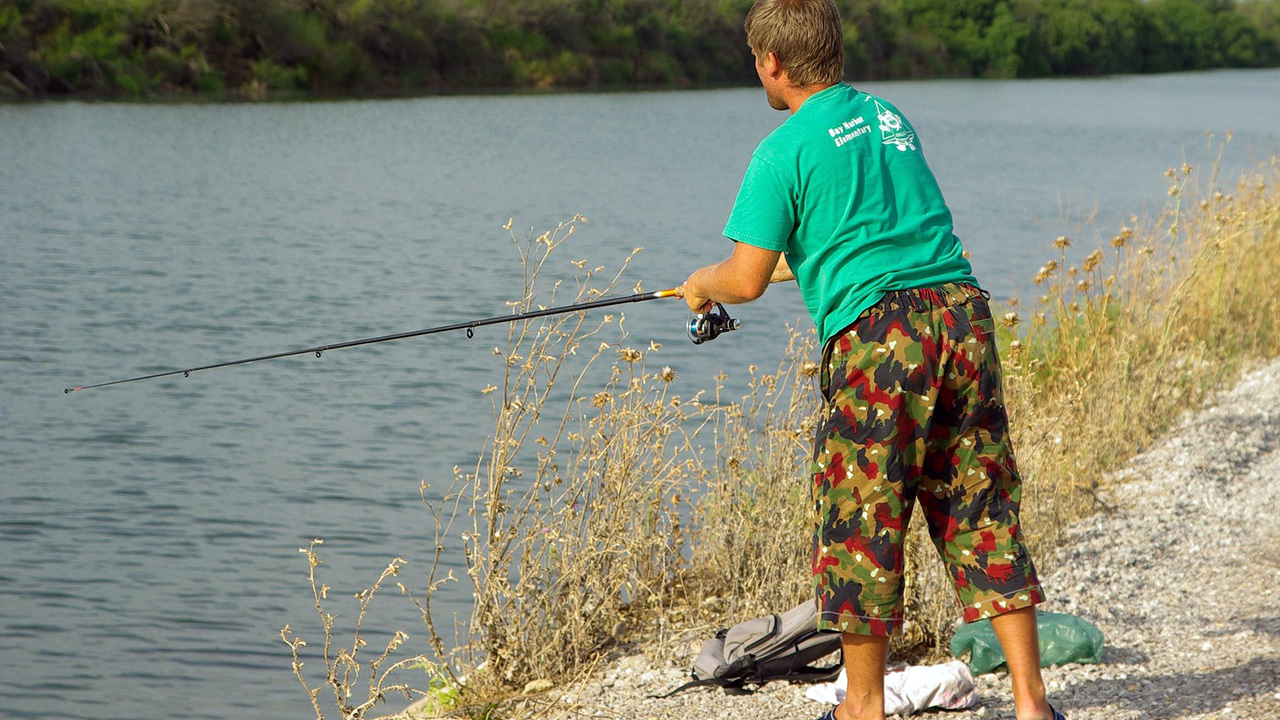
The fisherman thought he had found one of those little access spots every angler appreciates.
Not some secret honey hole with a dock, a cleaning table, and nobody else around. Just a public right-of-way where he could get to the water, make a few casts, and fish legally without bothering anybody. From his side, he was not sneaking through someone’s yard or pretending private land did not matter.
He believed he was exactly where he was allowed to be.
Then a woman confronted him.
In a Reddit post, the fisherman said he was fishing from a public right-of-way when a woman came at him over it. The argument was not some mild “Hey, are you allowed to be here?” conversation either. According to the post, she threatened to kill him.
That is the kind of thing that turns a fishing trip into something completely different.
A lot of anglers have dealt with irritated property owners. Someone yells from a porch. Someone insists a river or bank is private. Someone says they “own” a stretch of water that the law says otherwise. It is annoying, and it can get heated, but most of the time it stays in that grumpy neighbor lane.
A death threat is not that.
The fisherman seemed to be trying to figure out whether he was in the wrong, which says a lot about how confusing public access can be. Right-of-way rules are one of those things people argue about constantly because the boundaries do not always look obvious on the ground. A road shoulder, bridge, ditch, culvert, shoreline, or water crossing may have public access in one place and be off-limits in another. Add in angry locals who think nobody should fish “their” spot, and a person can start second-guessing himself even when he checked the rules.
But the threat changed the whole tone.
If someone thinks an angler is trespassing, the answer is to call the proper authority, not threaten to kill him. That is especially true when the disagreement involves a public right-of-way. Nobody standing at the water with a fishing rod should have to wonder if the person yelling from the bank is serious enough to come back with a weapon.
That is where Fish and Game got involved.
According to the post, the fisherman contacted authorities, and Fish and Game confirmed the access issue. That part matters because it shifts the story from “two people arguing over a fishing spot” to “an angler checked with the agency that handles this kind of thing.” He was not just relying on a hunch or a buddy’s opinion. He got the people who know the law involved.
And that is usually the smartest move in these situations.
Trying to argue access law with someone who is already furious is almost always a waste of breath. You can explain public right-of-way, fishing regulations, water access, easements, or maps all day, but if the other person has already decided you are wrong, the conversation may only get worse. Once threats start flying, the fishing is over. The goal becomes staying safe and getting a clear record of what happened.
For anglers, this kind of story hits a familiar nerve. Public access is precious because there is not always much of it. A person may drive around looking for a legal place to fish, finally find one, and then get run off by someone who either misunderstands the law or does not care what it says. If every fisherman backs down from every angry person, public access starts disappearing in practice, even if it still exists on paper.
But there is a balance.
You do not want to give up legal access because someone is loud. You also do not want to get hurt over a fishing spot. A fish, a cast, or a principle is not worth standing there while someone threatens your life. The better play is exactly what the fisherman did: step back, get the agency involved, and make sure there is a record.
That record matters if the woman comes back. It matters if she calls law enforcement and claims he is trespassing. It matters if other anglers have been chased off the same spot. It matters if the issue turns into a pattern instead of a one-time blowup.
The whole thing also shows why public access signs and clear local rules matter so much. When a right-of-way looks ambiguous, people fight over it. Landowners think they are protecting their property. Anglers think they are protecting public access. Sometimes both sides have a real concern. But threats take it out of the gray area and into something no reasonable person should defend.
The fisherman was not wrong to ask questions. Nobody wants to be the guy who accidentally trespasses and then gets stubborn about it. But once Fish and Game backed up the access, the bigger issue was not whether he should have been fishing there.
It was that someone threatened to kill him over it.
That is not a property dispute anymore. That is a safety problem.
Commenters mostly focused on two things: confirming the access and not taking threats lightly.
Several people told the fisherman he was right to contact Fish and Game. Public right-of-way laws can be confusing, and an official answer carries a lot more weight than a bank-side argument. If the agency confirmed the spot was legal, commenters said he should keep that information handy in case the woman or someone else tries to run him off again.
Others said he should document everything. Save the date, time, location, what was said, and who he spoke with at Fish and Game. If there were witnesses, write that down too. A threat like that is not something to treat casually, especially if it happens at a public access point where other anglers may run into the same person.
A few commenters warned him not to go back alone, at least not right away. That was not because he should surrender the spot, but because an angry person who makes threats may not calm down just because an agency confirms the law. Fishing is supposed to be peaceful. Walking back into a confrontation by yourself is not worth it.
Some anglers said they have dealt with similar access fights and usually try to stay boring and factual. They do not yell, insult, or argue. They show the rule if they have it, stay within the public area, and call the proper authority if the person keeps escalating. That approach may not satisfy the urge to fire back, but it keeps the angler from becoming part of the problem.
There were also comments about respecting private land, even when the water access is public. Several people pointed out that the fisherman still needed to stay inside the right-of-way and avoid crossing onto private property to make a point. If he gives the landowner a real trespass complaint, the whole argument changes.
But the threat was the part people kept coming back to. Even if the woman believed he was trespassing, threatening to kill someone over a fishing spot is far beyond reasonable. The commenters who took the situation seriously said law enforcement should know about that part, not just Fish and Game.
For the fisherman, the lesson was pretty clear. Know the access rules, stay legal, keep records, and do not let an angry stranger turn a fishing trip into a dangerous standoff. Public water is worth protecting, but nobody should have to risk their life to cast from a lawful right-of-way.