

Photo credit: Remington
The Remington 870 is one of those shotguns people think they’ve got figured out in about ten seconds. Pump gun. Steel receiver. Been around forever. Kills birds, busts clays, rides in patrol cars, sits behind doors, and keeps showing up in deer camps and duck blinds. All of that is true, but it also flattens the story way too much. The 870 is not just a popular shotgun. RemArms says it was introduced in 1950, remains in production, and has seen more than 10 million made, while American Rifleman has described it as the best-selling pump-action shotgun in firearms history.
That kind of run does not happen by accident. The 870 lasted because it hit a rare sweet spot of cost, strength, smoothness, and flexibility, and then kept adapting to every lane shooters shoved it into. Here are 15 things about the Remington 870 that a lot of shooters either never learned or have not thought about in years.
1. It was introduced in 1950, not some much older pre-war era

A lot of people talk about the 870 like it came out of some deep pre-war shotgun age, but RemArms says the Model 870 was introduced in 1950. That means it is old, sure, but it is also a very post-World War II design, which helps explain why it feels more modern than a lot of older pumps people lump it in with.
That timing matters because the 870 arrived in a period when manufacturers were rethinking how to build durable sporting guns efficiently for a huge American market. It was not just “another old pump.” It was a very successful postwar answer to what a pump shotgun should be.
2. The “Wingmaster” name was part of the story early

A lot of shooters know the Wingmaster name, but not everybody realizes how central it became to the 870 identity. American Rifleman notes that Remington itself called the Model 870 “the Wingmaster,” and the model became the most successful single firearm in the company’s history.
That is worth remembering because the 870 was not born only as a tactical or police icon the way some younger shooters first encountered it. Its roots are heavily tied to hunting and wingshooting reputation, and that sporting credibility is a huge part of why it spread so widely in the first place.
3. More than one designer helped create it

People love attaching famous guns to one genius name, but the 870 was not a one-man story. RemArms lists L. Ray Crittendon, Phillip Haskell, Ellis Hailston, and G.E. Pinckney as the designers and inventors behind the Model 870.
That is one of the more useful little facts because it reminds you how many major firearm designs come out of team engineering, not just one legend at a drafting table. The 870 became iconic, but it was still the product of a group effort.
4. It replaced the Model 31 by being cheaper to build

The 870 did not show up in a vacuum. American Rifleman’s piece on the Ohio National Guard Wingmaster explains that Remington had been making the Model 31 since 1931, but the 870 went into production in 1950 as a new and improved pump that could be produced at significantly lower cost.
That is a huge piece of the 870 story. A lot of legendary guns become legendary because they are better in some abstract way. The 870 also became legendary because Remington found a way to make a very good shotgun that was easier and cheaper to produce in volume. That is how you build a winner that sticks.
5. It uses a steel receiver, and Remington still makes a big deal out of that
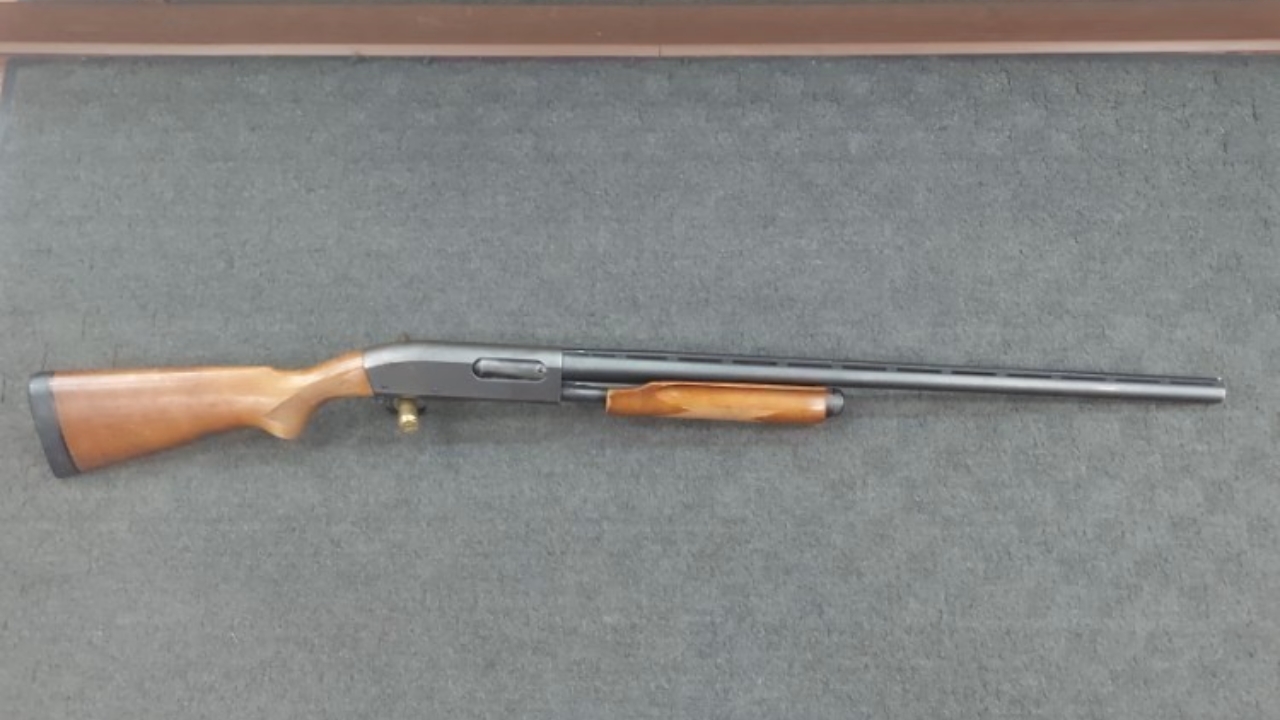
In a market full of alloy and polymer talk, RemArms still highlights that the Model 870 receiver is machined from an 8½-pound billet of steel. That is one of the brand’s defining selling points for the shotgun even now.
That helps explain why the 870 built such a reputation for strength and longevity. A lot of shooters think of pump guns as simple tools and forget how much the receiver construction contributes to the overall feel. The 870’s steel receiver is a big reason it feels the way it does in hand and in long-term ownership.
6. It became the best-selling shotgun of any type, not just pump guns

A lot of people know the 870 is a famous pump, but RemArms goes further and says it became the best-selling shotgun of any type in history. American Rifleman similarly calls it the best-selling pump-action shotgun in firearms history.
That is a bigger distinction than it sounds. It means the 870 did not just beat other pumps. It outgrew the whole category and became one of the most commercially dominant shotgun designs ever built, period. That kind of scale changes how you think about its place in gun history.
7. The tube-fed design was a huge part of its staying power

The 870 is so familiar now that people forget how central the basic feeding system is to its identity. American Rifleman describes the design as feeding from a tubular magazine, and even its 2021 870 DM coverage points out that most 870s traditionally fed that way except for the detachable-magazine variant.
That matters because tube-fed pump reliability and simplicity are a lot of what made the platform so attractive to hunters, police, and homeowners over the decades. The detachable-mag experiment got attention, but the classic 870 identity still lives in that tube-magazine setup.
8. The dual action bars are a big reason it feels so smooth
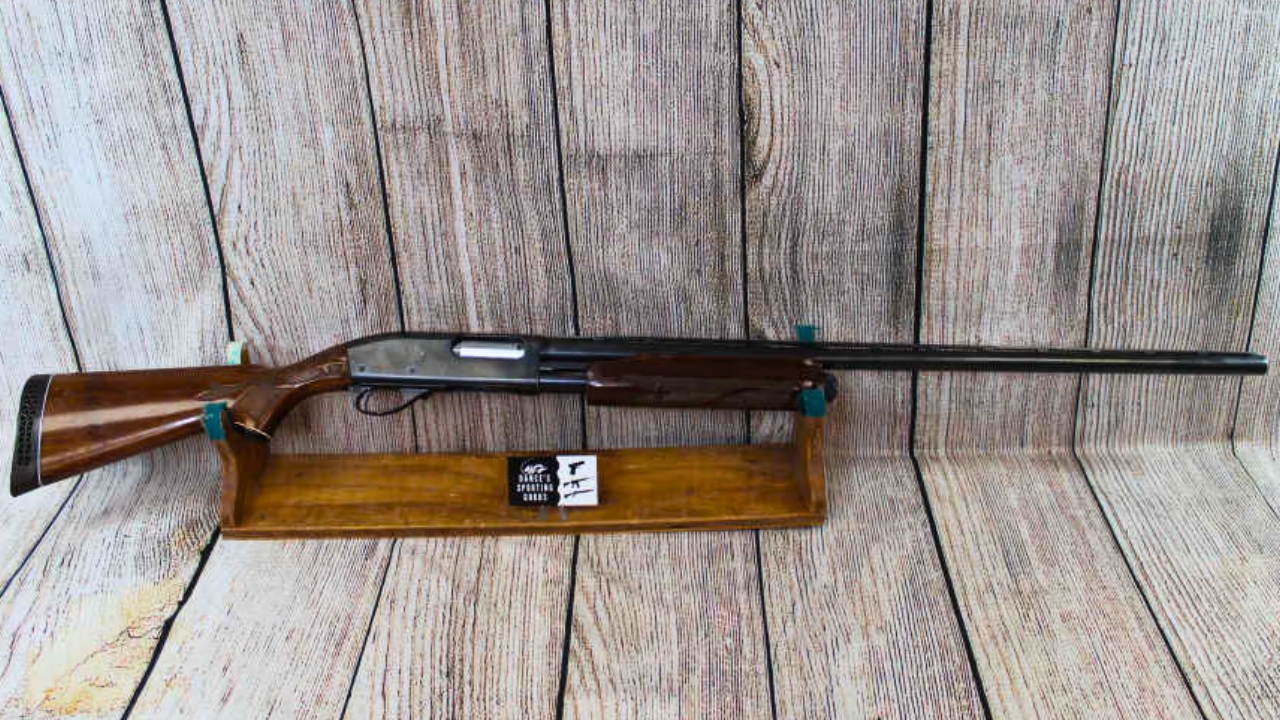
A lot of shooters describe an 870 as smooth without really thinking about why. American Rifleman’s 2019 top-selling pump-gun piece specifically credits the design’s double action bars as part of its reliable operation.
That is not a flashy detail, but it matters. The action bars help the gun cycle the way people expect a good 870 to cycle—stable, controlled, and without the rattly cheap feel that turns people off lower-tier pumps. The reputation for smooth pumping did not appear by magic.
9. The bolt locks into a hardened steel barrel extension

This is one of those nuts-and-bolts facts most casual owners never think about, but it is part of why the gun earned such a durability reputation. American Rifleman notes that the 870 uses a bolt that locks into a hardened-steel barrel extension.
That sounds like a small mechanical detail until you remember that the strength and durability of a repeating shotgun are built on exactly those details. The 870’s long-running reputation is partly about handling and partly about the design choices nobody sees once the gun is assembled.
10. It was built to cross over into military and police roles very naturally

People sometimes talk like the 870 started as a sporting gun and then got awkwardly adapted into duty use. The truth is that its layout proved flexible enough to move into a lot of roles very comfortably. American Rifleman’s Ohio National Guard piece focuses on a Wingmaster used in military service, which says plenty about how naturally the design could cross from sporting to institutional use.
That is one reason the 870 lasted so well. It did not become trapped in one identity. It could be a bird gun, cruiser gun, home-defense gun, slug gun, trap gun, or a general-purpose field pump without feeling like it was pretending to be something else.
11. The 870 DM was a major departure from the traditional formula

Most people think “870” and picture a classic tube-fed pump. That is fair, but American Rifleman’s 2021 review of the 870 DM reminds people that Remington did build a detachable-box-magazine version, which was a real break from what shooters usually associate with the platform.
That makes the 870 more interesting as a family than people sometimes give it credit for. It was not just frozen in 1950 and left alone forever. Remington kept trying to see how far the brand could stretch while still keeping the 870 identity recognizable.
12. The 870 has been chambered in more than just 12 gauge

A lot of casual shooters only think of the 870 as a 12-gauge gun, especially if their exposure comes from police or home-defense versions. But RemArms lists the historical caliber and gauge lineup as 12, 16, 20, 28, and .410.
That matters because it shows how wide the platform’s intended appeal really was. The 870 was never only a hard-kicking 12 for grown men and patrol cars. It was built to serve different shooters, different game, and different uses across a much broader spread than the modern tactical image sometimes suggests.
13. The “bell” sound people remember is part of its cultural footprint

This is less a technical fact than a real-world one, but it says something important about the gun’s staying power. In American Rifleman’s “Favorite Firearms” piece, the writer mentions the recognizable “bell” sound as the pump was worked on a family Model 870 used for decades in wingshooting and clay busting.
That kind of detail matters because it tells you the 870 is not just historically successful. It is emotionally familiar to generations of shooters. Guns that get remembered by sound and feel, not just specs, are usually the ones that have truly settled into American gun culture.
14. It is one of the few pump guns that became a true all-markets platform

Lots of shotguns are good at one thing. The 870 became huge because it was good enough at almost everything. RemArms’ modern product pages still split the model into hunting, tactical, trap, and defense variants, which reflects how broad the platform became over time.
That is not a small achievement. Plenty of famous shotguns stay tied to one lane. The 870 managed to be a dove gun, duck gun, deer gun, home gun, and duty gun without losing its core identity. That flexibility is one of the least flashy but most important reasons it lasted.
15. Its biggest surprise may be how little the core formula needed to change

The most surprising fact about the 870 might be that the original concept was so solid it barely needed to be reinvented. RemArms still sells the gun as fundamentally the same classic pump, and American Rifleman still describes it as a long-lasting design built around the same proven action.
That is rare. A lot of firearms stay alive only by becoming almost unrecognizable from their original form. The 870 stayed alive by keeping the basic formula intact and letting variations build around it. That tells you how right Remington got the pump-gun equation in 1950.
Like The Avid Outdoorsman’s content? Be sure to follow us.
Here’s more from us:


