Photo credit: walk72/Shutterstock.com
Wind is where a lot of shooters go from “pretty good on calm days” to humbled fast. The problem isn’t that wind is impossible—it’s that most folks try to learn it with the wrong setup. If your rifle hammers you, your groups open up, and you can’t tell whether a miss was wind or you, you’re not learning anything. You’re collecting bad data.
The right cartridge makes the lesson clearer. You want consistent accuracy, enough speed to keep time of flight reasonable, and bullets with decent BC so the wind’s effect is measurable without being chaotic. You also want recoil low enough that you can spot your own impacts and run lots of reps. These rounds won’t magically “beat” the wind, but they make reading it—and trusting what you’re seeing—way easier.
6mm Creedmoor

If you’re trying to learn wind, the 6mm Creedmoor is one of the clearest teachers you can pick. It pushes sleek 6mm bullets fast enough to keep time of flight short, and it’s known for tight groups when the rifle is built right. Less vertical spread means you can actually isolate what the wind is doing.
The bigger win is recoil—or the lack of it. You can stay in the scope, watch trace, and see impacts instead of guessing. That feedback loop is everything when you’re learning holds and corrections. You’ll burn barrels faster than a mild deer cartridge, sure, but you’ll also learn faster because you can shoot more, see more, and correct more without getting rattled.
6.5 Creedmoor

The 6.5 Creedmoor is popular for a reason: it’s accurate, forgiving, and it gives you access to a pile of high-BC bullets without needing magnum recoil. When you’re learning wind, that matters because your misses aren’t dramatic flyers—they’re readable. You can make a half-mil correction and see it pay off.
It’s also a cartridge that behaves across a wide range of rifles and factory loads. That consistency helps when you’re building wind charts and confirming dope. Recoil stays manageable in a typical target-weight rifle, so you can spot impacts and learn faster. It’s not the flattest or the hottest, but it’s one of the easiest rounds to build real skill with.
.223 Remington

This is the cheap teacher that humbles you in a useful way. The .223 gets pushed around by wind more than the slick 6mms and 6.5s, which is exactly why it’s valuable. You learn to pay attention because you have to. Small mistakes show up on steel fast.
The trick is to run it in a rifle that shoots well and feed it bullets that actually hold up—think heavier match-style projectiles built for distance. Recoil is basically nothing, so you can watch every shot and call your corrections. If your goal is to build wind-reading habits rather than chase velocity, the .223 is hard to beat. It’s honest, affordable, and it forces discipline.
.308 Winchester

The .308 isn’t trendy, but it’s a classic wind trainer because it makes you work without being ridiculous. Compared to modern high-BC setups, it drifts more, and that teaches you to respect full-value wind and learn how fast it can change. You can’t ignore it and still hit.
It also has another benefit: it’s easy to get consistent ammo, easy to get rifles that shoot, and easy to find good data. In a heavier rifle, recoil is manageable enough to learn with, and it teaches you follow-through. The .308 won’t make wind easy, but it makes wind obvious—and obvious is what you want when you’re building skill.
6.5×55 Swedish

The 6.5×55 has been doing “modern” 6.5mm things long before modern branding existed. It’s accurate, it carries well, and it supports bullets that track nicely in wind. For learning, that gives you a cartridge that doesn’t punish you but still provides real, readable drift at distance.
What I like about it as a teacher is how steady it feels. The recoil impulse is usually smooth, and you can run it in rifles that balance like hunting guns or like targets, depending on what you’re into. It’s also not fussy about being a scorching hot load to perform. When you’re learning wind, consistent is better than fast-and-wild, and the Swede tends to be consistent.
.243 Winchester

The .243 is often seen as a deer round, but it can be a very useful wind-learning cartridge when it’s paired with the right bullets. It shoots flat enough to simplify your elevation work, and with good 95- to 105-grain projectiles it holds its own better than people expect.
Recoil is mild, which keeps your fundamentals clean. That matters because wind learning requires honest groups—if you’re yanking shots, you’ll blame wind for your own mistakes. The .243 helps you avoid that trap. It’s also common enough that you can find rifles, brass, and data without living on niche forums. If you want a cartridge that can live in both a deer stand and a wind class, the .243 makes sense.
6mm ARC

The 6mm ARC is a strong option if you want to learn wind from a gas gun or a compact bolt setup without stepping into heavy recoil. It was built around efficient, high-BC 6mm bullets, and it tends to stay predictable when the rifle is sorted out.
That predictability is the point. You can make a correction, shoot again, and actually trust what you’re seeing. It also encourages high-volume practice because recoil is low and fatigue stays low. Learning wind is reps—watching mirage, watching flags, watching impacts. The ARC gives you a cartridge that’s capable enough to reach out, but still gentle enough that you’ll stay focused instead of beat up.
7mm-08 Remington

The 7mm-08 doesn’t get enough credit as a “learn real shooting” cartridge. It’s accurate, it shoots streamlined 7mm bullets, and it does it without the recoil spike you get from the magnum family. That makes it easier to stay consistent shot to shot, which is what you need when you’re trying to read wind.
It also teaches you how wind interacts with a slightly heavier bullet at moderate velocity—useful knowledge if you hunt and shoot in real weather. You’re not relying on raw speed, so you learn to manage time of flight and understand why wind calls matter more as distance grows. It’s a practical cartridge that still gives you clean feedback, especially in a rifle that fits you well.
.260 Remington

The .260 Remington is another cartridge that makes learning wind feel less like chaos. It shoots 6.5mm bullets with good BC and plenty of stability, and it has a reputation for accuracy when the chamber and barrel are right. It’s basically a wind-friendly setup without a punishing recoil bill.
What makes it helpful is how it splits the difference. It doesn’t drift like a .223, but it also doesn’t require a heavy rifle to be comfortable. You can practice a lot, see your hits, and build confidence without feeling like you need a brake the size of a soup can. If you like a cartridge that’s effective, calm, and easy to read on target, the .260 still deserves respect.
7mm Remington Magnum

This one can teach wind well, but only if you approach it like an adult. The 7mm Rem Mag pushes high-BC bullets fast, which reduces time of flight and can tighten up wind drift at distance. That helps you see smaller differences in wind calls instead of watching the bullet get shoved all over the county.
The catch is recoil. In a light hunting rifle, it can beat you up and ruin your data fast. In a heavier rifle—especially with a good brake—it becomes a serious learning tool. It teaches you what speed and BC can do, and it gives you reach when conditions are ugly. It’s not the first cartridge I’d hand a new shooter, but it can be a strong step once your fundamentals are solid.
.224 Valkyrie

The .224 Valkyrie can be a good wind-learning cartridge when it’s running the heavier, high-BC .224 bullets it was meant for. You get low recoil, decent reach, and a drift profile that rewards good wind calls without needing a big rifle or big recoil.
It’s also a round that teaches you to pay attention to consistency. When everything is working—good ammo, good magazine setup, good barrel—you get predictable performance. That predictability gives you confidence to make corrections and trust them. Recoil stays light enough that you can spot impacts and learn quickly. It’s not as universal as .223, but for someone wanting a .22-caliber that reaches farther with less wind pain, it can do the job.
6.5 PRC

The 6.5 PRC is for when you want a wind-friendly cartridge with more reach than the Creedmoor crowd, but without stepping into full magnum recoil. It can push high-BC bullets fast, which gives you a clean, stable flight and less drift at distance—helpful when you’re trying to confirm wind calls on small steel.
It’s still not a “free lunch” cartridge. Recoil is real, and you’ll learn faster in a heavier rifle that lets you spot impacts. But once you’re there, the PRC gives you strong performance in wind and better energy downrange. It’s a good cartridge for shooters who want to learn wind in a way that also matches longer-range hunting realities.
.270 Winchester

The .270 Winchester is old-school, but it’s still a useful wind-learning cartridge because it shoots flat and stays consistent with common bullet weights. It won’t compete with modern high-BC target bullets, but it gives you a practical baseline: how wind affects a fast, lighter hunting bullet at real distances.
That’s valuable if you’re learning wind for hunting instead of for a match. You’ll see drift, you’ll learn to read full-value wind, and you’ll learn why bullet choice matters. Recoil is manageable in most rifles, and it’s common enough that you can practice without turning ammo into a treasure hunt. If your goal is to build wind judgment that translates to deer and elk fields, the .270 still teaches well.
.300 Winchester Magnum
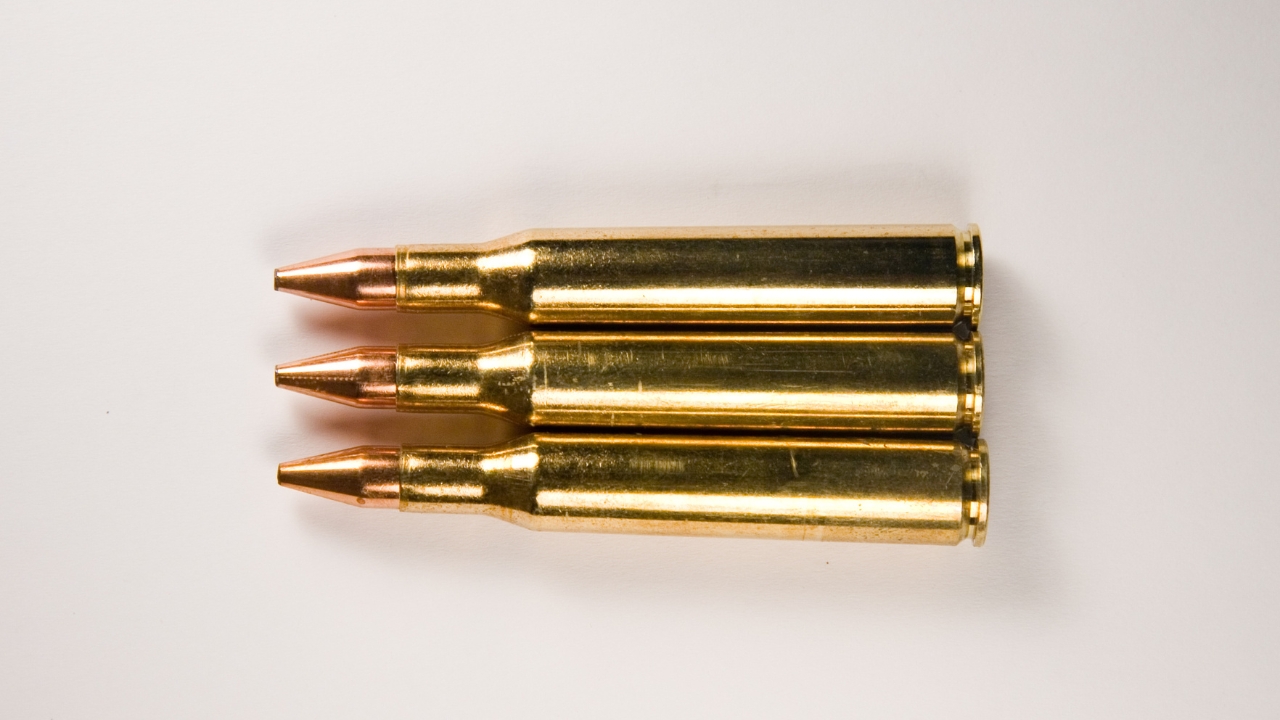
The .300 Win Mag can be an excellent wind teacher because it throws heavier bullets with strong BC and enough speed to keep the flight stable. When you’re on steel at distance in real wind, you’ll see that stability pay off. Corrections tend to behave the way your brain expects them to behave.
But it’s not a cartridge you learn with in a featherweight rifle. You need enough rifle mass—and ideally a brake or suppressor—to keep recoil from wrecking your fundamentals. If you can manage that, the .300 shows you what a serious long-range hunting cartridge does in wind and why it’s popular. It teaches wind with authority, but it demands respect from the shooter.
6.8 Western

The 6.8 Western is a newer cartridge that was built around heavier-for-caliber, high-BC bullets. That’s a good recipe for wind learning because it gives you a flight path that stays stable and predictable as conditions shift. You’re not relying on light bullets screaming fast and getting pushed hard.
Recoil sits in the “serious but manageable” category, which means it works best in a rifle set up for real shooting—good fit, good pad, enough weight. When it’s set up right, it gives you clean feedback: your hold was right or it wasn’t. That’s what you want when you’re trying to turn wind from a mystery into a repeatable process.
6mm Remington

The 6mm Remington is a sleeper that can teach wind well if you run it with modern bullets. It has enough case capacity to push 6mm projectiles at useful speeds, and recoil stays mild enough that you can focus on reading conditions instead of surviving the shot.
It’s also a good reminder that “learning wind” isn’t always about having the smallest drift number. It’s about having consistent accuracy and a cartridge you can shoot a lot. The 6mm Remington does that. When your groups are tight and your recoil is low, your corrections actually mean something. That’s the whole game—turning each shot into information you can trust.
Like The Avid Outdoorsman’s content? Be sure to follow us.
Here’s more from us: