Photo credit: sootch00/YouTube
Gun people are quick to throw dirt on a cartridge the second it falls out of fashion. If it is old, a little niche, or not being pushed hard by every ammo company and every gun writer, somebody starts acting like it is finished. Then the same shooters get more range time, more hunting time, or more actual experience and realize the round they dismissed still does real work.
That is the pattern with a lot of these calibers. They did not come back because of nostalgia alone. They came back because people remembered what mattered in the first place: shootability, real-world performance, availability, and roles that never actually disappeared. Several of these still have meaningful current factory support, which is one reason the “dead caliber” talk now sounds a lot weaker than it did a few years ago.
.327 Federal Magnum

For a long time, a lot of shooters treated .327 Federal Magnum like a weird little revolver experiment that would never matter outside a small fan club. That was lazy thinking. The cartridge gives compact revolvers more capacity than .38 or .357 in many cases, carries real speed, and often feels more practical in the hand than people expect. Federal still catalogs defensive .327 loads, and Buffalo Bore still loads the round aggressively, which tells you the market never fully gave up on it.
What changed is that more shooters started using it instead of just talking around it. Once they did, the caliber stopped sounding like a curiosity and started sounding like one of the smarter revolver rounds people ignored for too long.
.32 H&R Magnum

The .32 H&R Magnum got written off because it sat in the shadow of both the .38 Special and the hotter .327 Federal. That made it easy to dismiss as neither one thing nor the other. In real use, though, it offers one of the easiest-shooting defensive and field revolver options around, especially for people who value control over macho recoil. Buffalo Bore still supports it, which says the demand never disappeared.
What people now respect is how honest it is. The .32 H&R does not pretend to be a magnum monster. It just gives shooters a revolver round they can shoot well and often, and that turns out to matter a lot more than internet bravado.
.41 Magnum
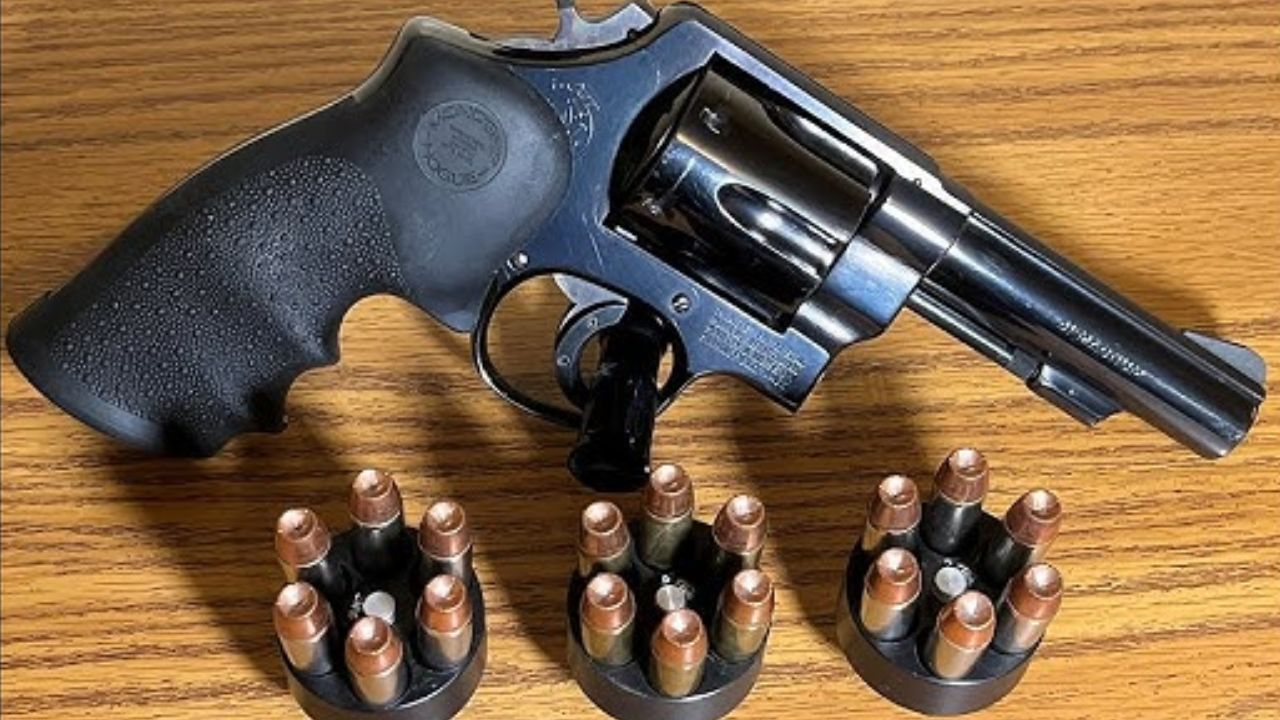
The .41 Magnum got dismissed for years as the awkward in-between round that could never decide whether it wanted to be a lighter .44 or a bigger .357. That is exactly the kind of oversimplified thinking that kept people from appreciating it. Buffalo Bore still offers multiple .41 Magnum loads, including heavier field-oriented options, which is a good sign that knowledgeable shooters never really let it go.
What brought respect back is simple: people started remembering that the .41 hits hard, carries real authority, and often does it with a little less baggage than a full-house .44 Magnum. That is a very real lane.
10mm Auto
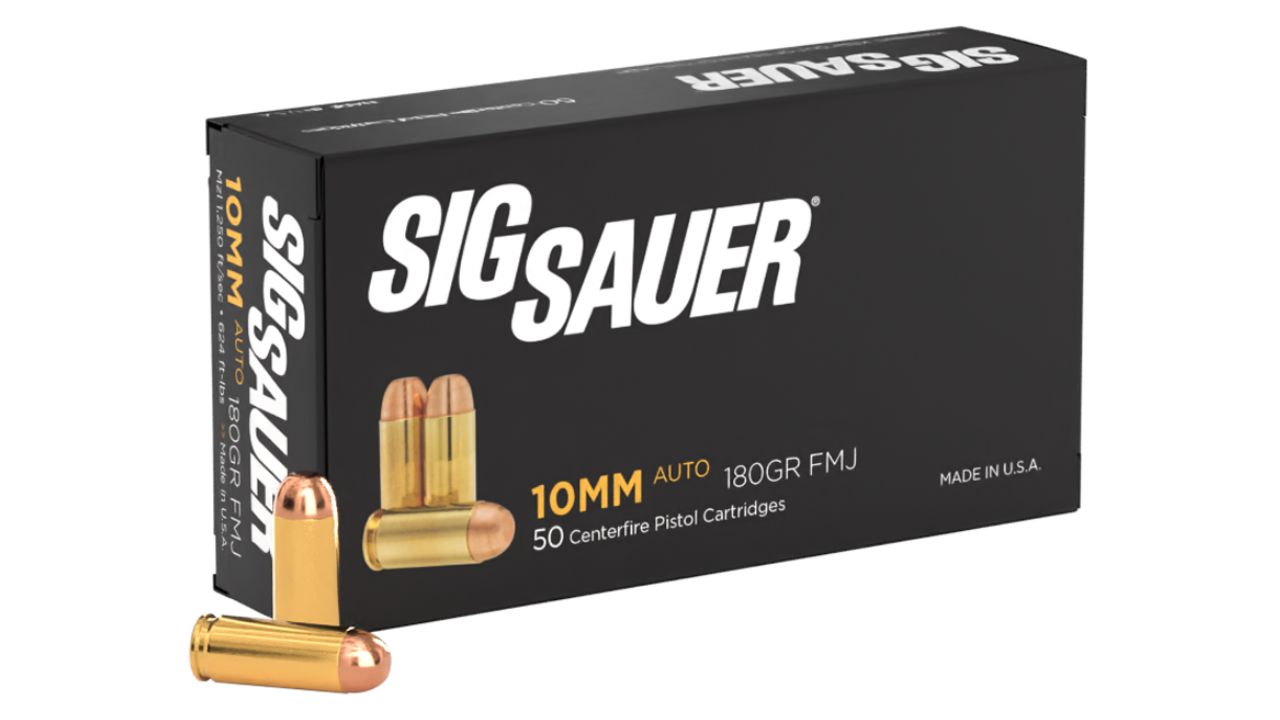
The 10mm has always had a loud fan base, but it also spent years getting written off by plenty of shooters as more meme than necessity. The reality is that it stayed alive because it fills real roles. Buffalo Bore still lists multiple 10mm load types, from tactical-style loads to heavy outdoorsman offerings, and that kind of support does not happen by accident.
What changed is that more shooters started using it for trail carry, woods defense, hunting, and hard-use semiauto roles instead of treating it like a conversation piece. Once that happened, respect followed.
.38 Super
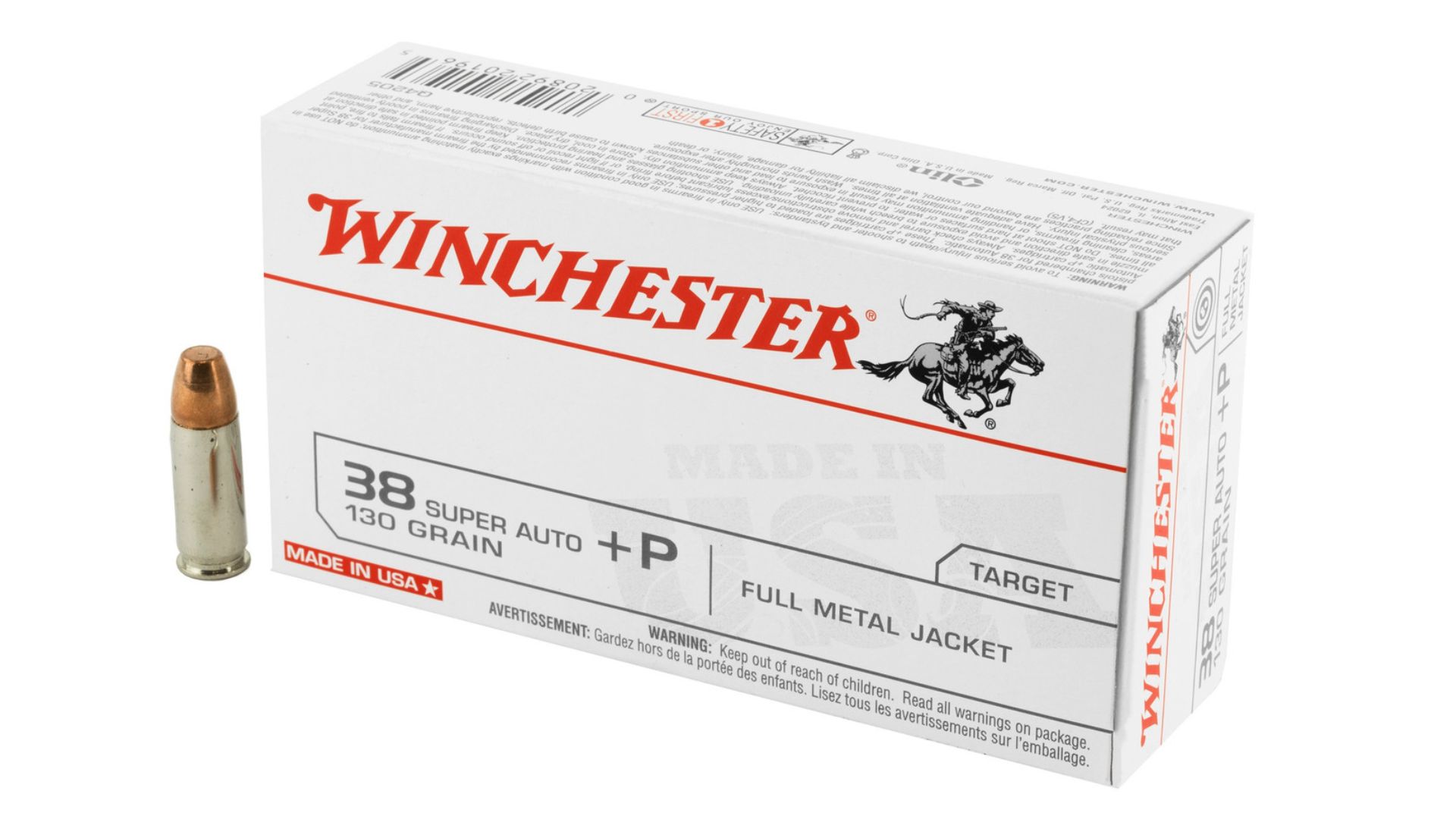
The .38 Super spent years sounding like a niche 1911 guy’s answer to a question normal shooters were not asking. That made it easy to dismiss. But once more people saw what it could do in the right pistols, especially where speed and soft-shooting performance matter, it stopped looking like an old leftover and started looking like a round people had underestimated. Buffalo Bore still supports .38 Super +P, which reinforces that it remains a live round, not just a nostalgia label.
A lot of the renewed respect comes from shooters finally separating “not mainstream” from “not useful.” The .38 Super still has real strengths, and more people are willing to admit it now.
.357 SIG

The .357 SIG got tossed aside too quickly because the market decided it was too loud, too expensive, and too specialized to matter long term. That turned out to be too easy. Buffalo Bore still catalogs .357 SIG, which tells you there is still enough practical interest to keep serious loads alive.
What brought some respect back is that the cartridge never stopped doing what people first liked about it: high velocity, strong defensive reputation, and a distinct shooting character. It may never be mainstream again, but a lot more shooters now admit it was never as pointless as the backlash crowd claimed.
.44 Special

The .44 Special spent years getting treated like the weaker cousin nobody should bother with because .44 Magnum existed. Then people started shooting both and remembered something important: shootability matters. The .44 Special offers a big, useful bullet with a much more pleasant range experience than many magnum loads.
That change in attitude is one reason the cartridge gets more respect now. People stopped judging it only by what it was not and started appreciating what it was: a very workable large-bore revolver round for people who still want authority without drama.
.45 Colt
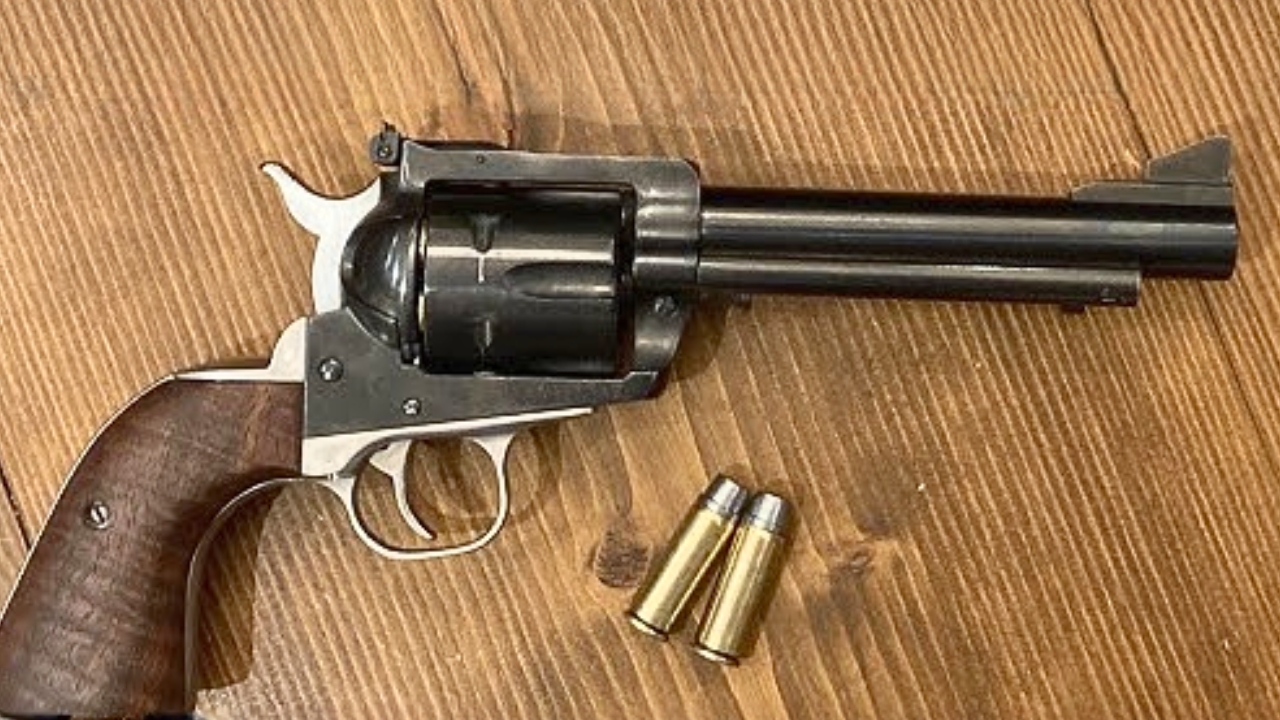
The .45 Colt was written off by a lot of shooters as cowboy nostalgia with little modern relevance. That was always too shallow. Buffalo Bore still offers heavy .45 Colt +P outdoors loads, which is a strong signal that the caliber remains relevant in modern strong revolvers and carbines.
Respect came back once more people saw what the cartridge could do outside the stereotype. In the right guns, it remains a very serious field round with excellent practical punch. It is old, yes. That is not the same thing as obsolete.
.32 S&W Long
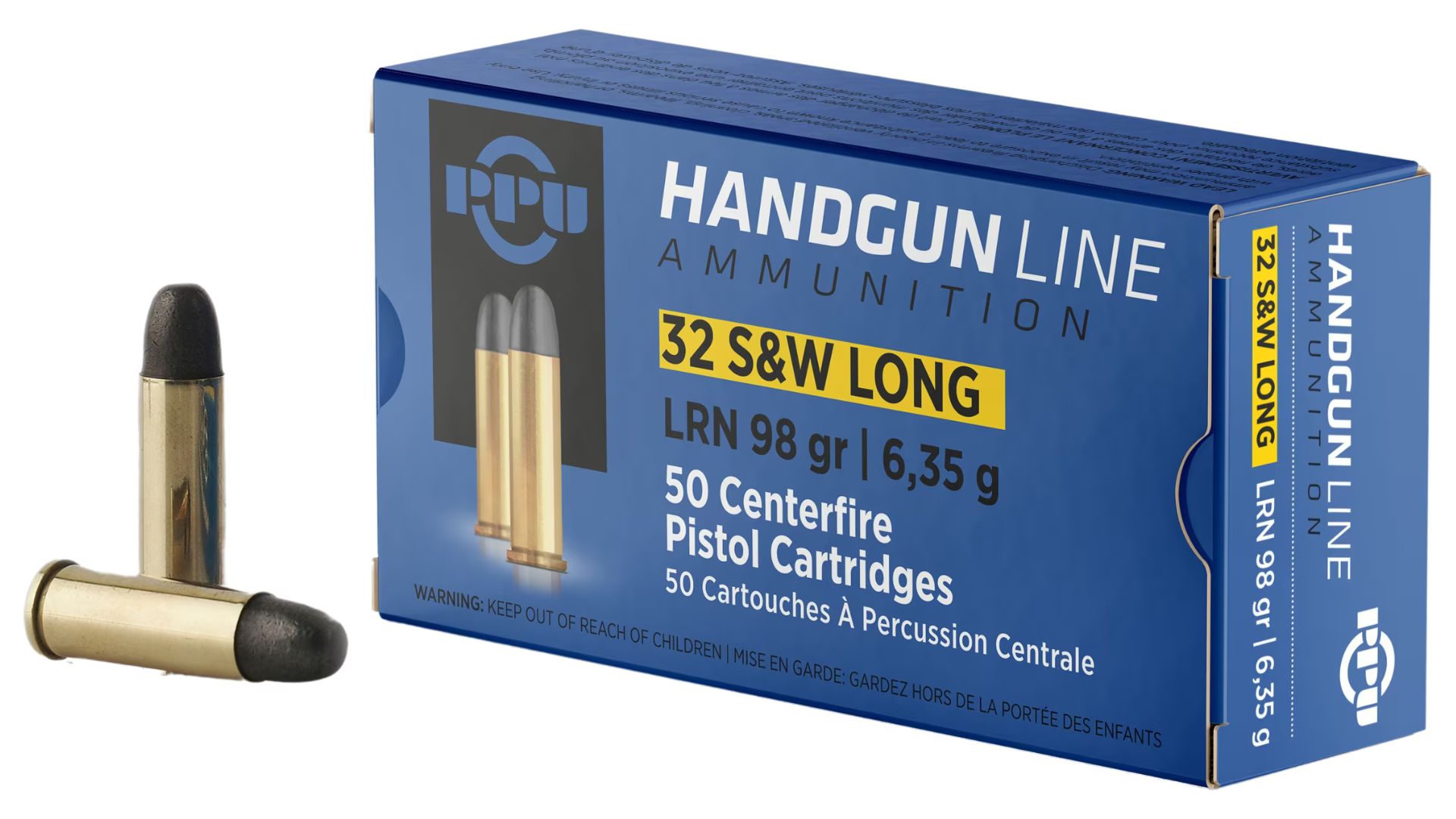
The .32 S&W Long got written off because it sounded too mild to matter in a world where every cartridge conversation had to turn into a power contest. Then more shooters started spending real time with it in quality revolvers and discovered that mild, accurate, and pleasant can still be extremely valuable. Buffalo Bore even notes its .32 S&W Long load can be used in .32 H&R Magnum and .327 Federal revolvers, which adds real practical versatility.
That is why it gets more respect now. It is not trying to dominate internet arguments. It is trying to help people shoot well, and it still does that very effectively.
.380 ACP

The .380 ACP never disappeared, but it absolutely got written off too early by people who decided it should be treated like an apologetic compromise forever. That attitude has softened because modern pocket and compact .380 pistols kept proving the round still fills a valid role.
What changed is not magic. It is just that more people accepted reality. A cartridge that is easier to shoot in certain platforms, easier to carry in certain sizes, and still viable for many owners was never going to vanish just because louder calibers got more cultural credit.
.32 ACP
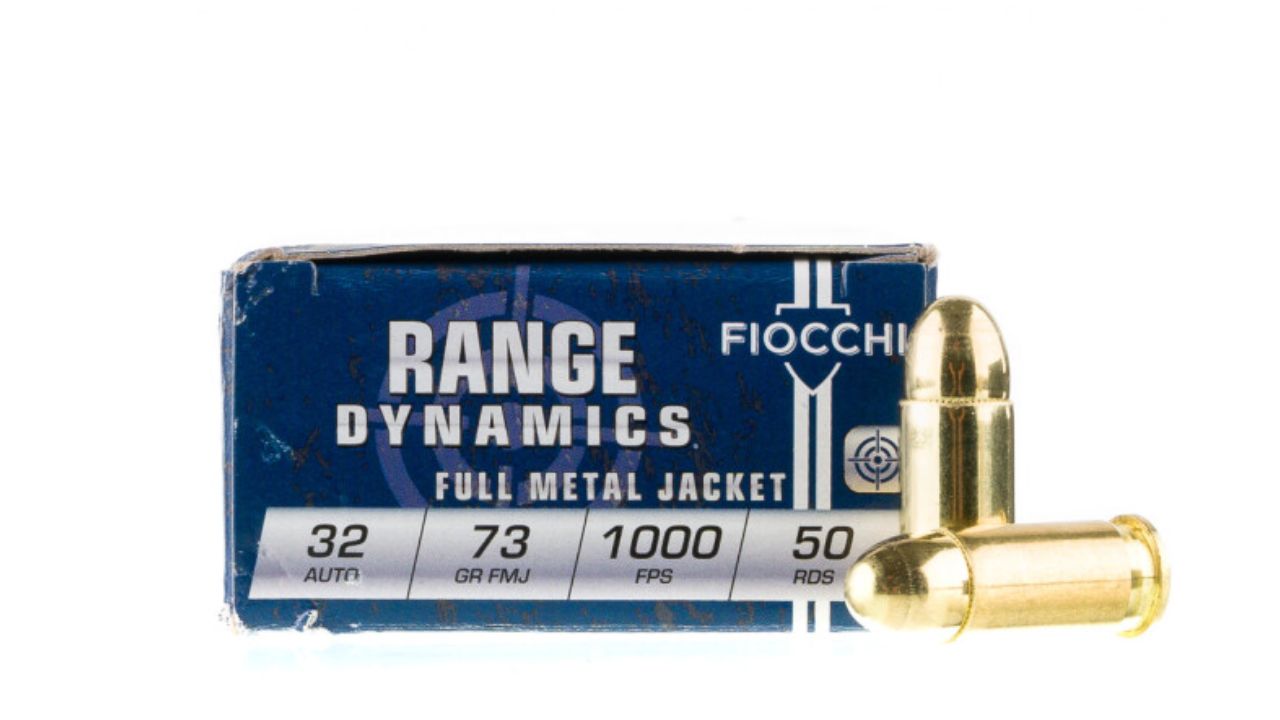
The .32 ACP may be one of the most mocked cartridges that never actually disappeared. People wrote it off as a relic, and then a lot of shooters quietly kept finding reasons to appreciate it. Buffalo Bore even offers .32 ACP +P, which says there is still enough serious interest to keep performance-oriented support alive.
The renewed respect mostly comes from honesty. Shooters started admitting that low recoil, controllability in tiny guns, and easy carry still have value. The .32 ACP was not the answer for everybody, but it was never as silly as the jokes made it sound.
9×18 Makarov
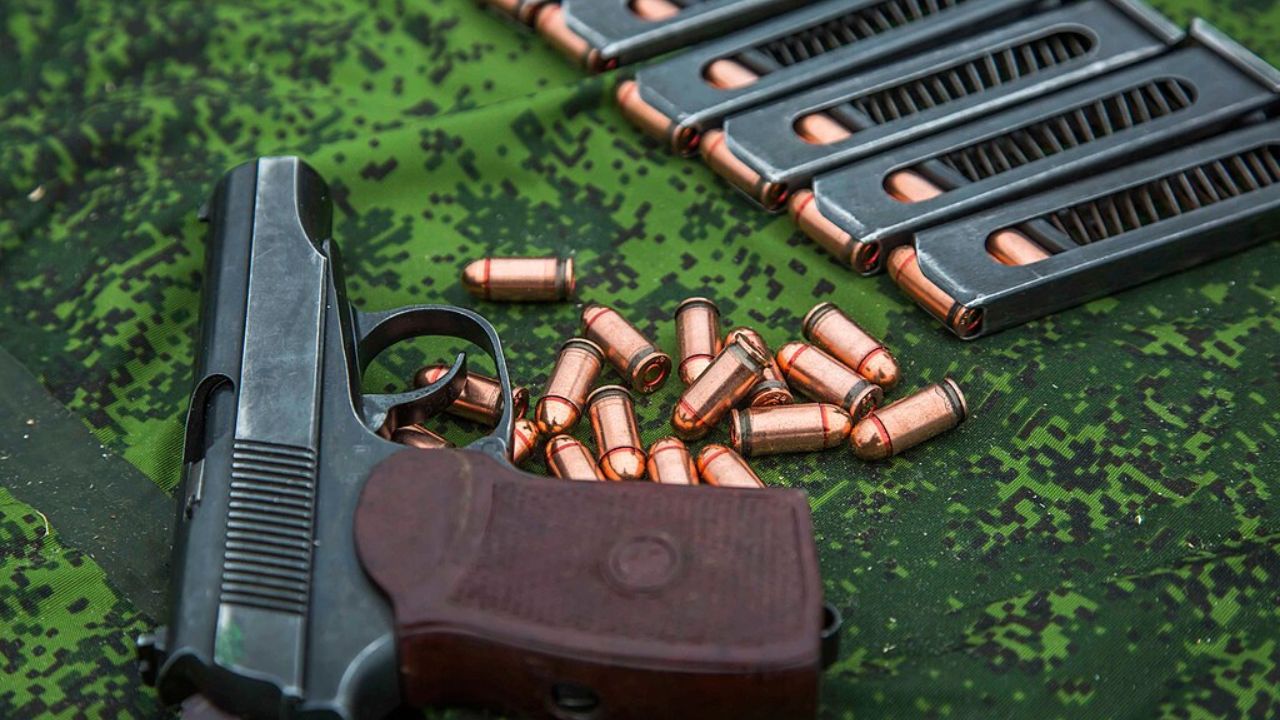
The 9×18 Makarov spent years living in that surplus-gun shadow where people assume a cartridge only matters if it is current, common, and heavily marketed. That kept a lot of shooters from appreciating it beyond cheap range fun. Buffalo Bore still loads 9×18 Makarov +P, which is one more sign the caliber has not been abandoned by everyone who knows what it can still do.
What brought respect back is that shooters started handling old Makarovs and similar pistols with fresh eyes. Once they did, the cartridge stopped looking like dead surplus trivia and started looking like a very sensible compact-pistol round from a different era.
.38-40 Winchester

The .38-40 Winchester is one of those calibers people dismissed mostly because they stopped thinking about it at all. That is a different kind of disrespect, but it still counts. Buffalo Bore still lists heavy .38-40 Winchester, which is enough to remind people the cartridge is not just trapped in old catalogs.
The renewed respect here comes from history meeting practicality. Once shooters remember how useful matched rifle-and-revolver cartridges were, the .38-40 stops looking like a dead oddity and starts looking like an older solution that had more practical sense than many people gave it credit for.
.41 Remington Magnum

Yes, the .41 belongs here again in spirit because it is exactly the kind of cartridge that got written off by broad opinion and saved by serious users. Federal’s older published ballistics materials and Buffalo Bore’s current catalog both reinforce that it never vanished from the serious-shooter map.
A lot of the renewed respect comes from shooters who finally stopped comparing it only against more famous rounds and started comparing it against actual field needs. Once they did, the old “nobody needs that” talk started sounding a lot less convincing.
.30 Super Carry
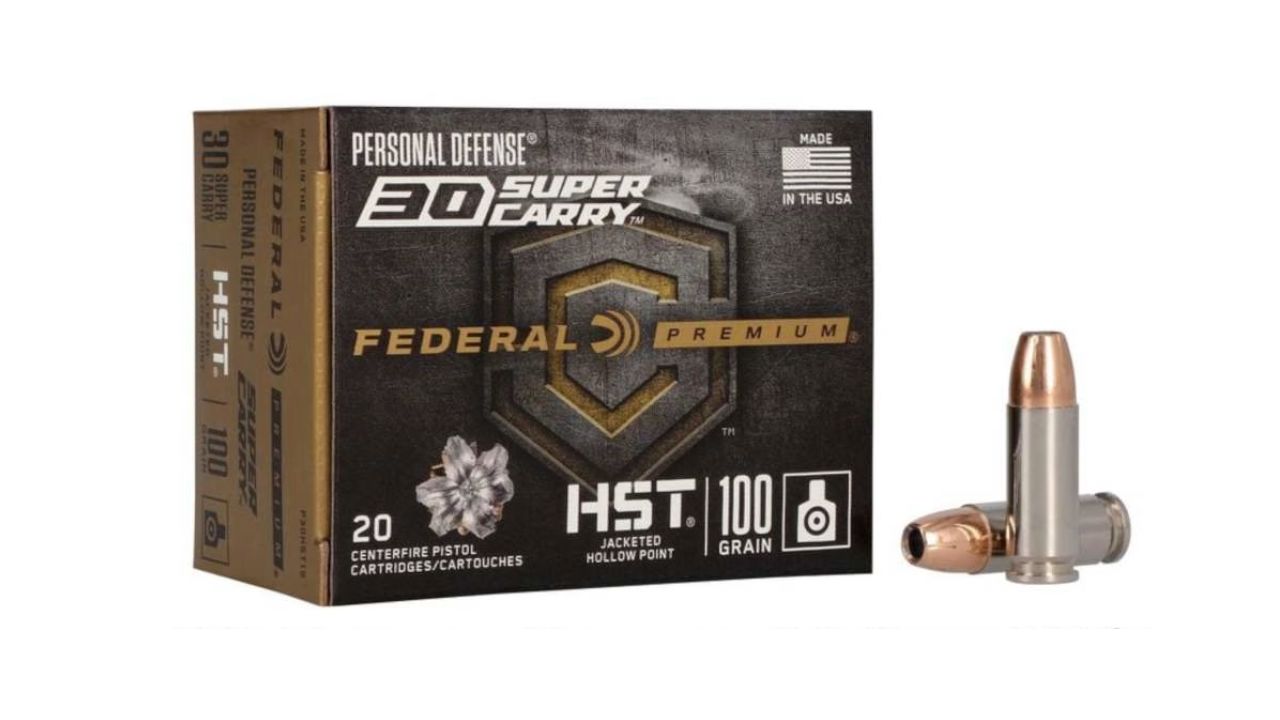
This one is a newer example of the same pattern. Too many shooters wrote it off almost immediately because they were tired of hearing about “the next carry caliber.” That backlash arrived before the round even had a fair shot in many people’s minds.
Whether it becomes a long-term mainstream success or not, more shooters now seem willing to admit the concept was not stupid. Capacity and defensive practicality in compact pistols are real concerns, and writing the caliber off instantly looks a lot less smart than some people thought it would.
.257 Roberts

The .257 Roberts has long lived in the shadow of more aggressively marketed old and new rounds, which made it easy to disrespect without much thought. Then people actually shoot and hunt with one, and suddenly the tone changes. It is mild, effective, and deeply sensible in the hands of shooters who care more about results than fashion.
That is the pattern across this whole list. A caliber gets dismissed because it sounds old, odd, or unfashionable, then earns respect again the second somebody sees what it still does outside the argument bubble.
Like The Avid Outdoorsman’s content? Subscribe to our newsletter so you never miss an article.
Here’s more from us: