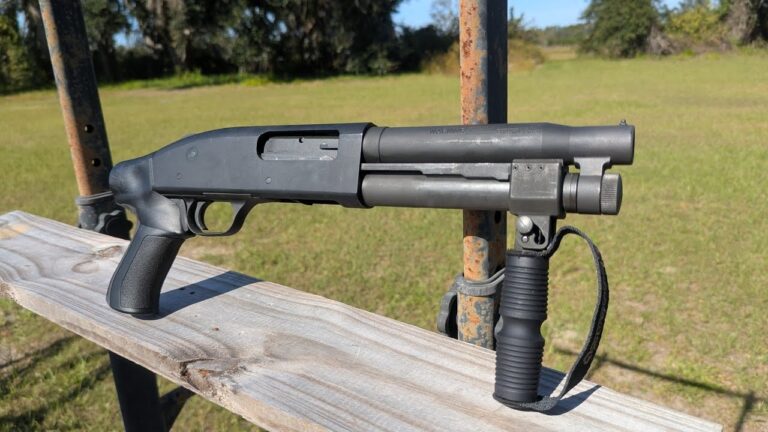
Photo credit: WHO_TEE_WHO/YouTube
There’s a difference between penetration and performance. A bullet that drills through walls, brush, and backstops isn’t always the one that drops an animal cleanly. Some cartridges are known for punching through everything they touch — except vital organs when it counts. They hit with so much speed or sectional density that they pass straight through without expanding, leaving tiny wound channels and long tracking jobs.
The problem usually isn’t the energy, it’s how it’s delivered. Hunters brag about “exit wounds” until they realize a through-and-through hit often means lost blood and lost meat. These are the cartridges that look unstoppable on paper but too often behave like an ice pick when you need real terminal performance.
.270 Winchester
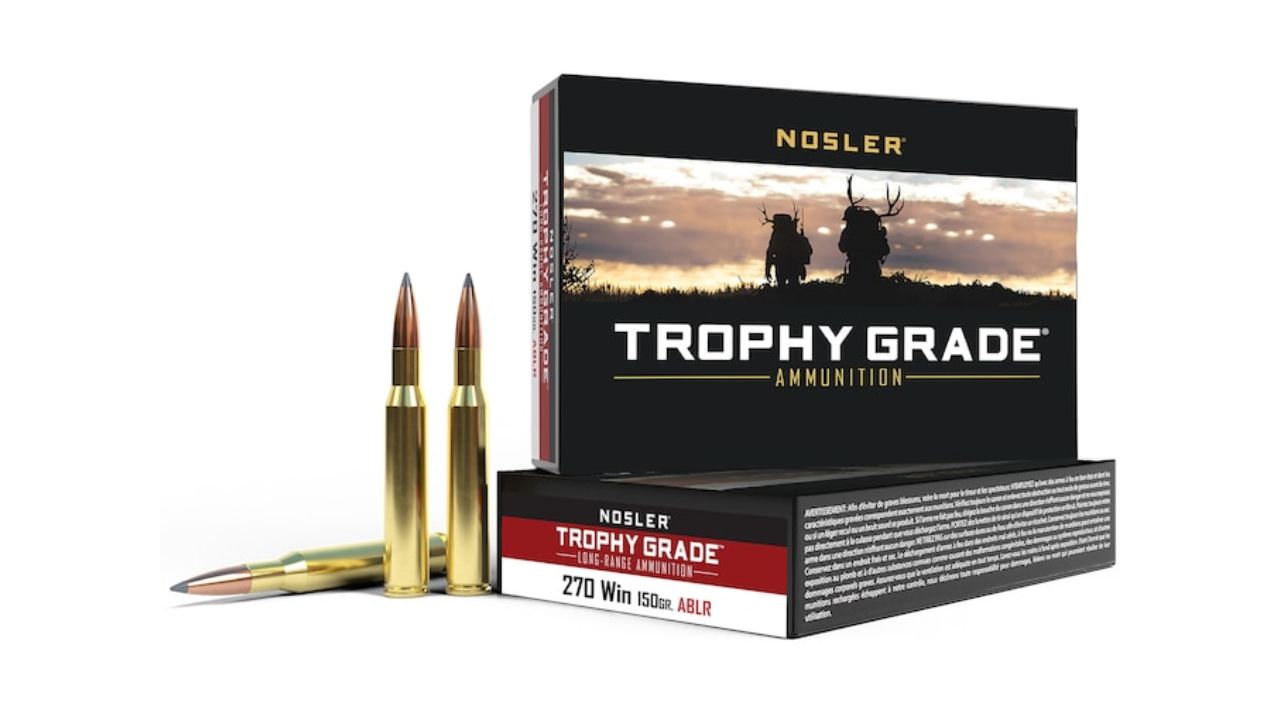
The .270 Winchester has earned its place in hunting history, but when loaded with overly tough bullets, it can overpenetrate without doing enough internal damage. Hunters chasing perfect weight retention often go too far — using solid copper or monolithic projectiles that zip straight through light-framed game without expanding. On deer or pronghorn, that kind of penetration leaves narrow wound channels and little blood loss.
The .270’s velocity and sleek bullet shapes only make it worse. You’ll see daylight through your target, but you may not find the animal until the next ridge. The caliber itself isn’t the problem — it’s pairing the wrong bullet to the job. Use a controlled-expansion soft point, and it’s excellent. Use a solid, and you’ll be scratching your head wondering where all that power went.
.300 Winchester Magnum with hard-bonded bullets

The .300 Win Mag is one of the most versatile hunting rounds on the planet, but when you load it with hard-bonded or solid-core bullets meant for dangerous game, it can behave like a laser pointer through deer and elk. Those bullets are built to hold together at extreme impact speeds, so they blow through a whitetail with barely any expansion.
Hunters who use those rounds for smaller game are often surprised by lackluster blood trails and long recoveries. The .300 has all the horsepower you could ever want, but it still needs bullet deformation to do its job. A premium soft point or hybrid design makes the round devastating — the wrong bullet makes it act like an overdriven drill bit.
.338 Winchester Magnum
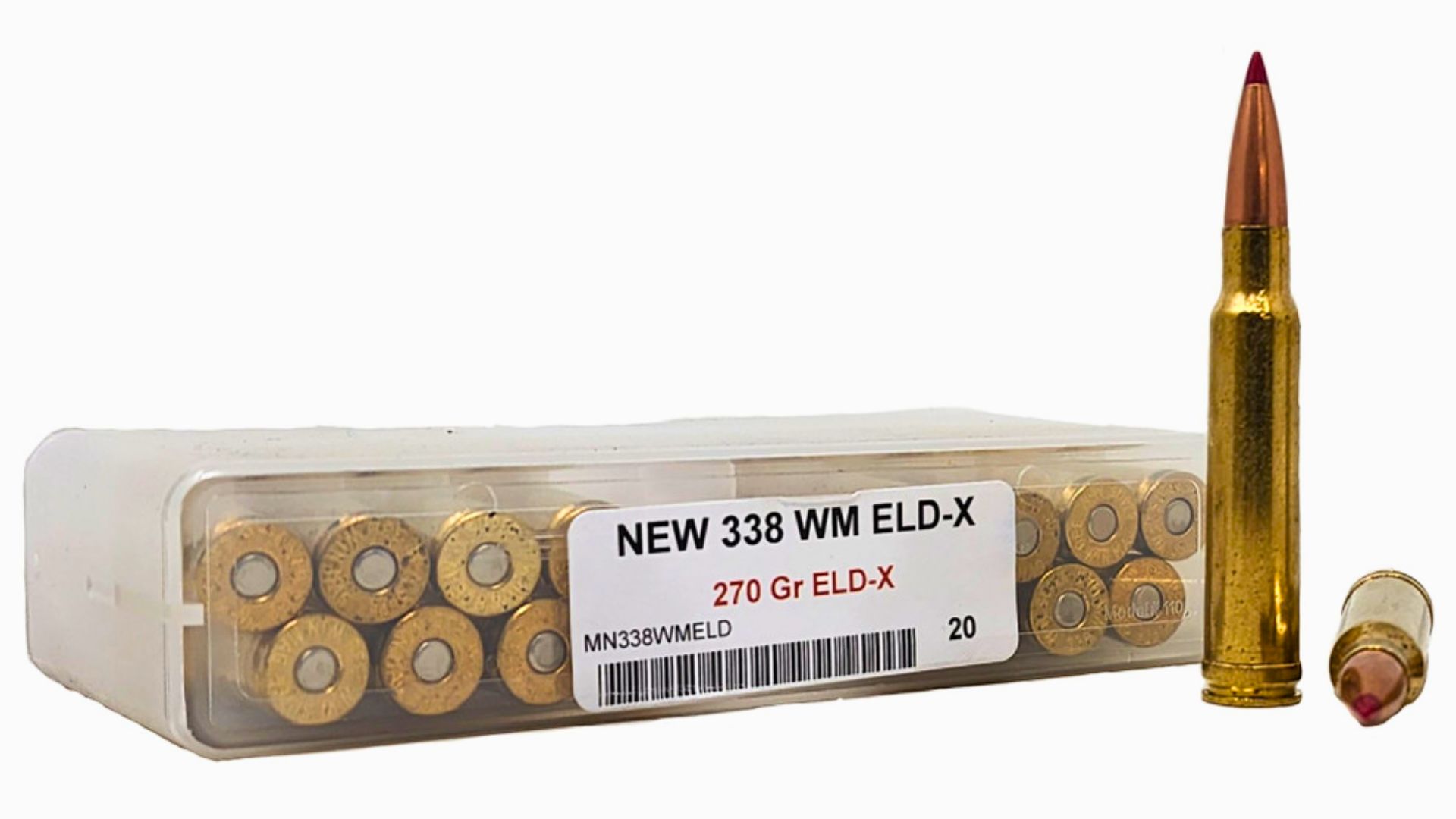
The .338 Win Mag is a powerhouse, but when paired with solid or heavy-for-caliber bullets, it’s known to zip right through medium game. It was designed to handle big animals like moose and bear, but when you use the same load on deer or hogs, the results are disappointing. You’ll often get two neat holes and an animal that runs far before dropping.
Hunters who rely on “more caliber equals better kill” quickly learn that the .338 needs the right bullet construction to shine. Soft-point or polymer-tipped bullets designed to expand at lower resistance bring out its potential. Without that, it behaves like a full-metal penetrator — all power, no transfer.
.45-70 Government with hard-cast bullets
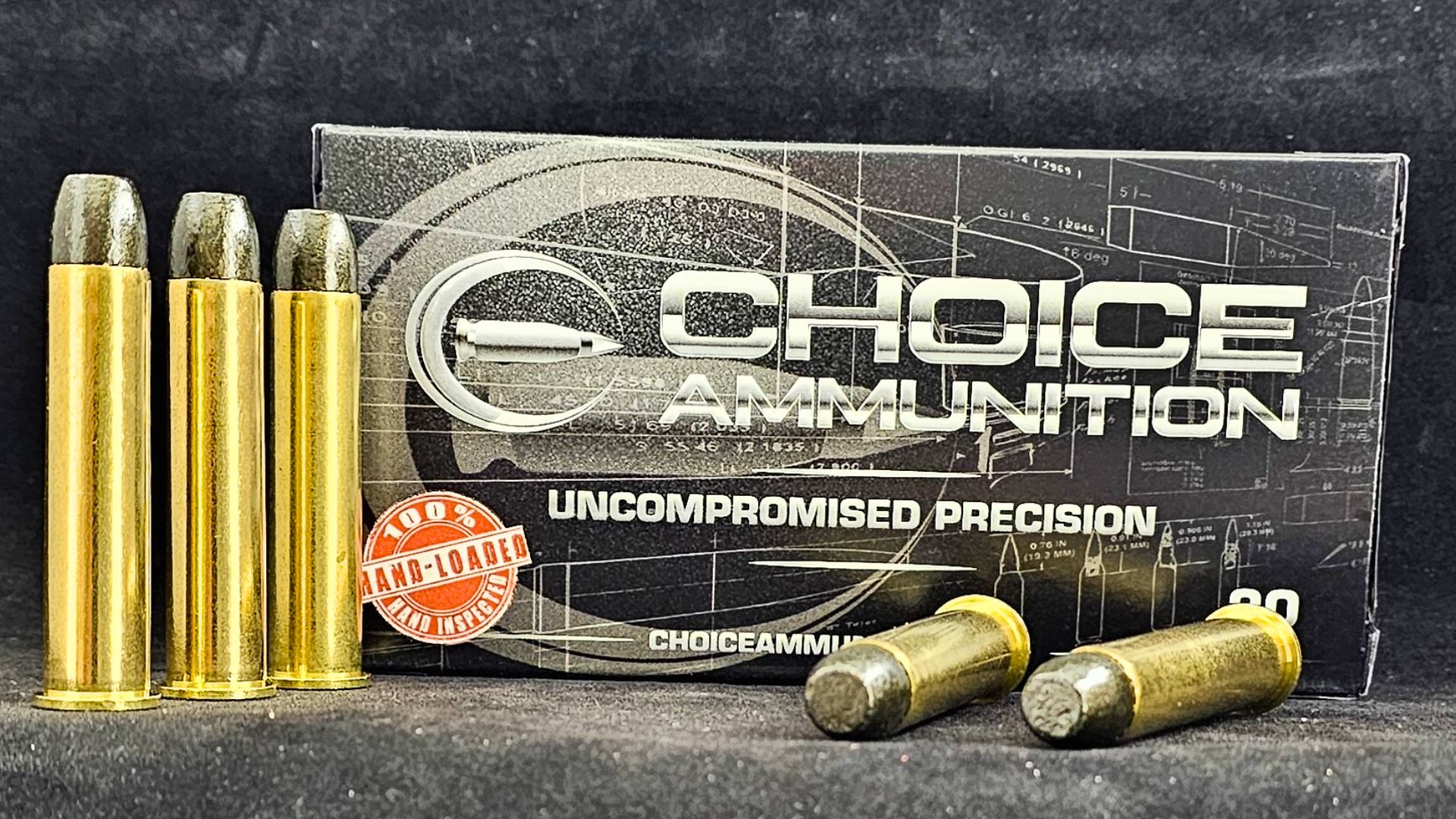
The .45-70 is legendary, but in modern loadings with hard-cast lead bullets, it can act like a freight train that never stops. Those bullets were made for deep penetration on big bears or bison — not for clean kills on whitetails. They punch through without expanding, often leaving small holes and limited blood loss.
You’ll get perfect pass-throughs every time, but minimal trauma. That’s fine for those who prize penetration above all else, but if you actually want a short tracking job, a soft hollow point or jacketed load will serve you better. The .45-70 isn’t underpowered — it’s misunderstood when loaded like an artillery shell instead of a hunting round.
7mm Remington Magnum with bonded or partition bullets

The 7mm Rem Mag’s flat trajectory and high velocity make it a hunter’s dream, but it can turn into a problem when paired with heavy bonded bullets built for elk or moose and then used on lighter game. Those bullets hold together so well that they sometimes pass straight through deer-sized animals before they have time to expand.
The result is a narrow, clean hole and a blood trail that fades fast. Hunters love bragging about “full pass-throughs,” but in this case, that’s not something to celebrate. The 7mm needs controlled expansion to deliver energy properly — using a too-tough bullet in this cartridge can turn a great shot into a long, frustrating recovery.
.300 Weatherby Magnum
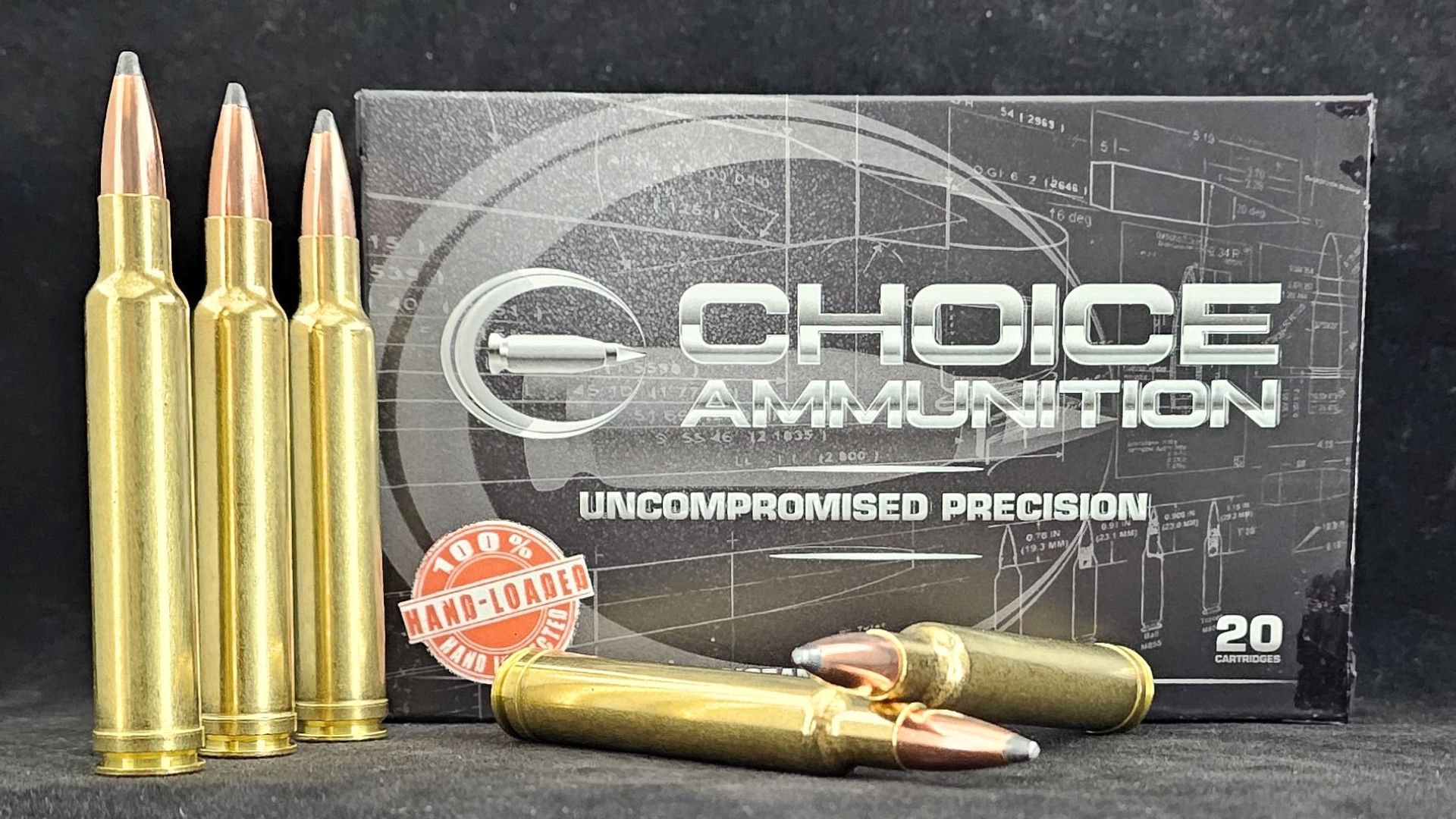
The .300 Weatherby Magnum is pure speed and power, but it can overpenetrate spectacularly when paired with the wrong bullet. Hunters who choose solid-core or heavy-bonded rounds designed for thick-skinned animals often end up with pass-throughs that look surgical instead of lethal.
At 3,200 feet per second, a bullet that doesn’t expand transfers little energy, and that’s exactly what happens when impact velocity exceeds what the bullet was designed for. The Weatherby can flatten elk or moose with the right load, but with the wrong one, you’ll find yourself tracking animals that should’ve dropped in their tracks. It’s a caliber that rewards bullet science, not brute force.
6.5 Creedmoor with monolithic bullets

The 6.5 Creedmoor can overpenetrate more than most hunters expect — especially with monolithic bullets that don’t expand easily at moderate velocities. When used on close-range deer, those tough copper rounds often slip straight through ribs and lungs without transferring much energy. The result? The animal runs a surprising distance before bleeding out.
The Creedmoor’s mild velocity is part of what makes it accurate, but it also means it needs a bullet that expands quickly to dump its energy. Pick the wrong load, and you’ll see two neat holes and a long tracking job. It’s not that the caliber lacks power — it’s that it needs the right projectile for the game at hand.
.375 H&H Magnum
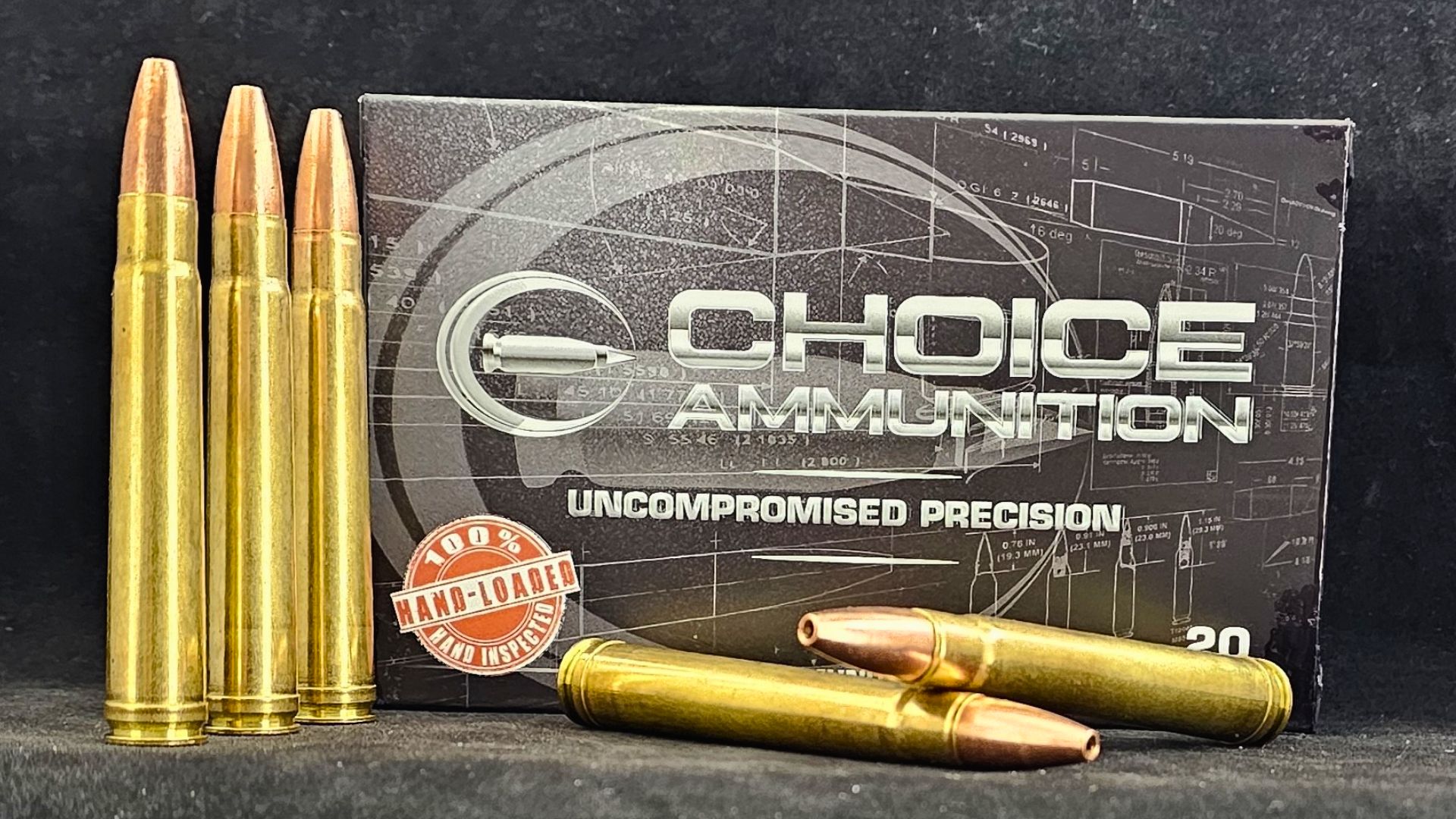
The .375 H&H is one of the great all-around cartridges for dangerous game, but when you use it on anything smaller, it behaves like a railgun. Heavy solids designed for cape buffalo don’t even notice a deer or antelope’s ribcage. They punch through, leave pencil-sized holes, and exit without much drama.
Hunters sometimes think bigger is better, but the .375’s design is for thick hides and massive bone, not whitetails or mule deer. Unless you’re in Africa or Alaska hunting large, dangerous animals, you’re better off leaving it at home. It’s a fantastic cartridge in the right setting, but on medium game, it’s the definition of overkill.
7.62x54R
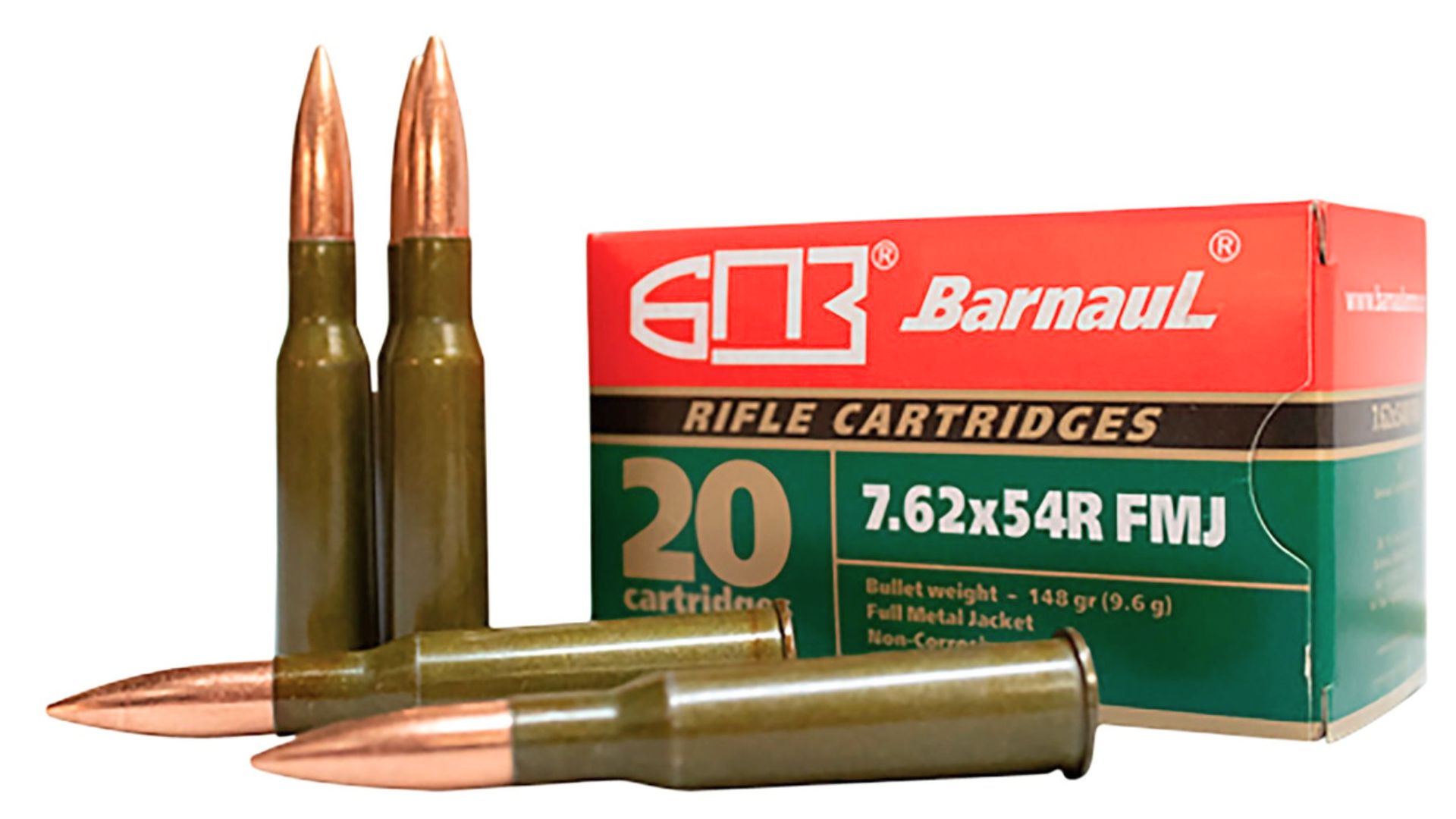
The old Russian 7.62x54R still sees plenty of use, especially in surplus Mosin-Nagants. The problem is that many shooters run cheap full-metal jacket ammo — and FMJs are notorious for overpenetration. They’ll blow through game animals with almost no expansion, often leaving minimal internal damage.
Hunters expecting “.30-06 performance” from their surplus rifles are often disappointed when animals run off after what looked like perfect hits. It’s not the cartridge’s fault — it’s the bullet type. The 7.62x54R can be very effective with soft points, but with surplus ammo, it behaves more like a drill press than a hunting round.
.223 Remington

The .223 Remington is fine for small game and varmints, but when loaded with solid or FMJ bullets, it’s one of the worst offenders for overpenetration. Those military-style rounds are built for barrier penetration, not expansion, and they’ll zip through coyotes or deer-sized animals with little trauma.
Hunters sometimes make the mistake of assuming a fast bullet equals fast kills, but the .223 needs a proper expanding load to do its work. Otherwise, it’ll poke two neat holes and leave you with a long night ahead. The caliber can be lethal with the right bullet — but the wrong one turns it into an underperforming overachiever.
.416 Rigby
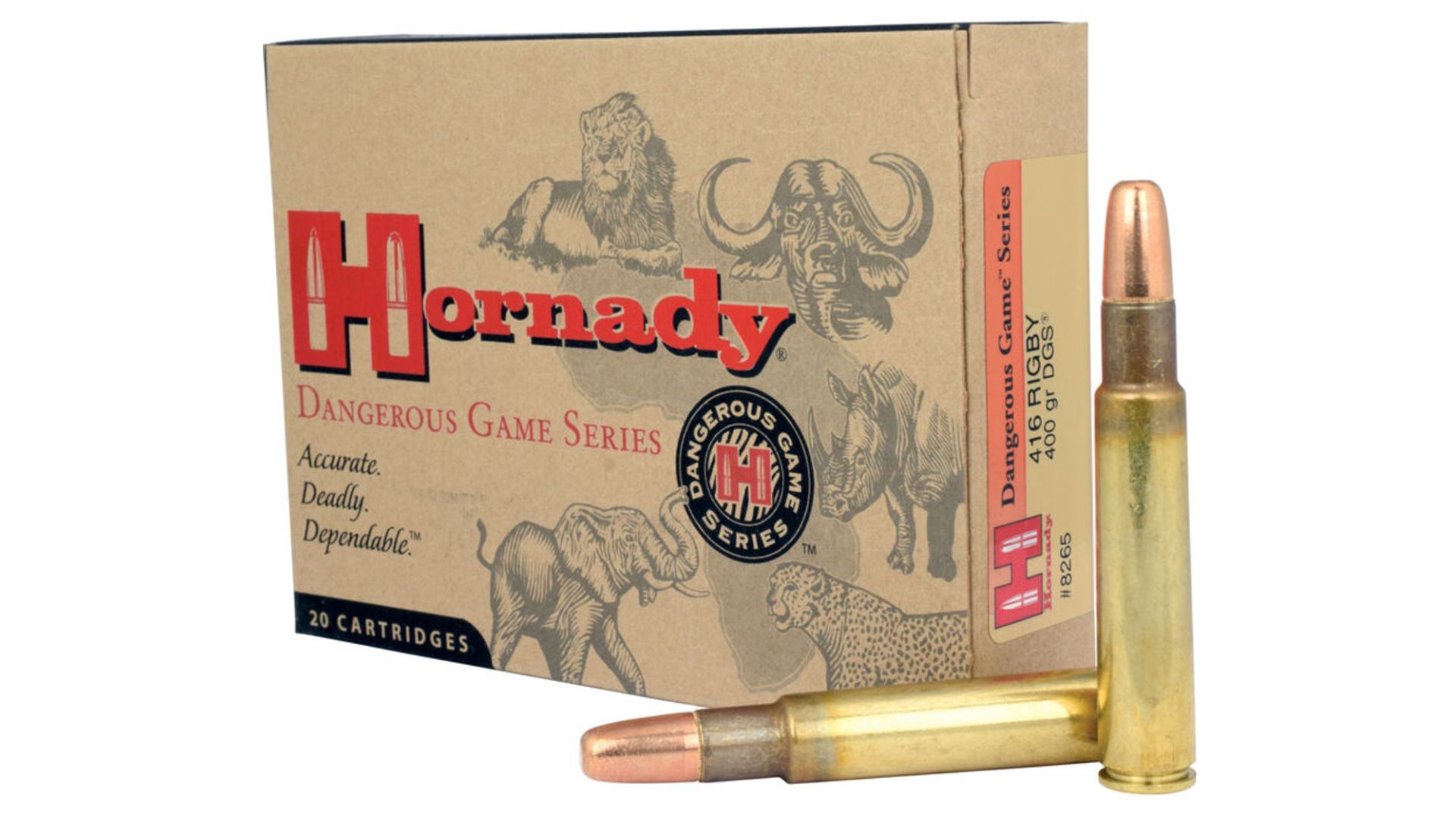
The .416 Rigby is a powerhouse for dangerous game, but it’s comically excessive for anything smaller than a buffalo. With solids, it overpenetrates everything — dirt, brush, even small trees — but on deer or hogs, it acts more like a spear than a hunting bullet. There’s no meaningful expansion, and the recoil makes follow-up shots brutal.
Hunters who fire it once on whitetail usually never repeat the mistake. The Rigby’s power is unmatched, but that energy goes to waste when it doesn’t have the resistance of big bone or muscle to slow it down. It’s a cartridge built for the heaviest game on Earth — and that’s exactly where it belongs.
Like The Avid Outdoorsman’s content? Be sure to follow us.
Here’s more from us:
The worst deer rifles money can buy
Sidearms That Belong in the Safe — Not Your Belt
*This article was developed with AI-powered tools and has been carefully reviewed by our editors.