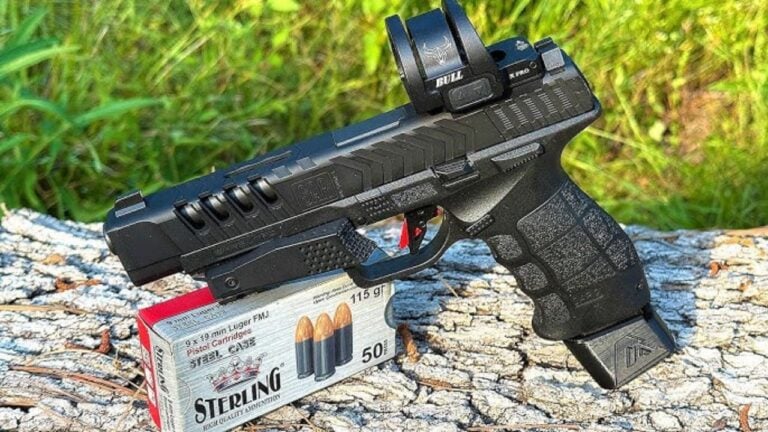
Photo credit: quinnjim/YouTube
A pistol can shoot a beautiful slow-fire group and still be the wrong tool when the pace picks up. Tight groups at 15 yards tell you the barrel, sights, and trigger can do their part. They do not tell you how the gun tracks in recoil, how quickly the sights return, or how much work it takes to keep the gun flat when you are trying to fire two accurate shots instead of one careful one.
That is where some pistols start to show their bad habits. A long reset, a snappy recoil impulse, a high bore axis, a tiny grip, or a trigger that feels fine at slow pace can all turn fast follow-ups into a chore. None of these guns are useless. Many are excellent at what they were built to do. But if your standard is clean, quick second shots, these are the pistols that can make accurate groups look easier than fast control really is.
SIG Sauer P365

The P365 can shoot better groups than a pistol this small has any right to. The sights are usable, the trigger is workable, and the gun is mechanically capable enough that a patient shooter can stack rounds nicely at practical distances. That is why so many people trust it.
The problem shows up when you speed up. It is still a tiny, light 9mm with a short grip, and that means the gun moves more in recoil than a larger pistol. The sights leave the target faster, and if your support hand is not locked in, the gun starts dancing between shots. Slow fire can make you feel like you have it mastered. A quick pair often reminds you that a good micro-compact is still a micro-compact, not a duty gun in disguise.
Springfield Hellcat

The Hellcat is a very capable little pistol when you are shooting deliberately. It can print tight groups for its size, the sights are good, and the gun has the kind of carry-friendly footprint that makes people want to love it. It does a lot right in a very compact package.
Then you try to run it fast. The recoil impulse is quick, the grip is short, and the gun has a way of snapping upward just enough to break your rhythm. It is not wildly inaccurate. It is simply more work than it first appears. Slow groups can look great because you are resetting your grip and sight picture each time. Fast follow-ups expose how much effort it takes to keep the muzzle flat and the trigger press clean when the gun is moving.
Smith & Wesson Bodyguard 380

The Bodyguard 380 can surprise people with decent slow-fire accuracy. At close defensive distances, it is absolutely capable of putting rounds where they need to go if you take your time and respect the trigger. That is enough to convince some shooters it is easier to run than it really is.
The trouble starts when you want quick, repeatable hits. The long, heavier trigger and tiny grip make it difficult to keep the sights settled when the pace increases. You are fighting more than recoil. You are fighting limited leverage and a trigger that asks for a long, steady stroke every single time. The result is often a pistol that looks fine on paper in measured strings but turns messy fast when you try to shoot with urgency.
Ruger LCP Max

The LCP Max is more accurate than most people expect from a pocket .380. It has better sights than older tiny pistols, enough capacity to feel practical, and the kind of pointability that can make slow, deliberate shooting look respectable at realistic distances. That is a big reason it sold so well.
What the target does not tell you is how much the gun moves under speed. The grip is small, the frame is light, and the recoil impulse is sharper than people expect from a .380. You can absolutely shoot controlled pairs with it, but the second shot often takes more time and more grip correction than shooters want to admit. It is easy to carry, surprisingly capable, and still very much a pocket gun when the timer starts.
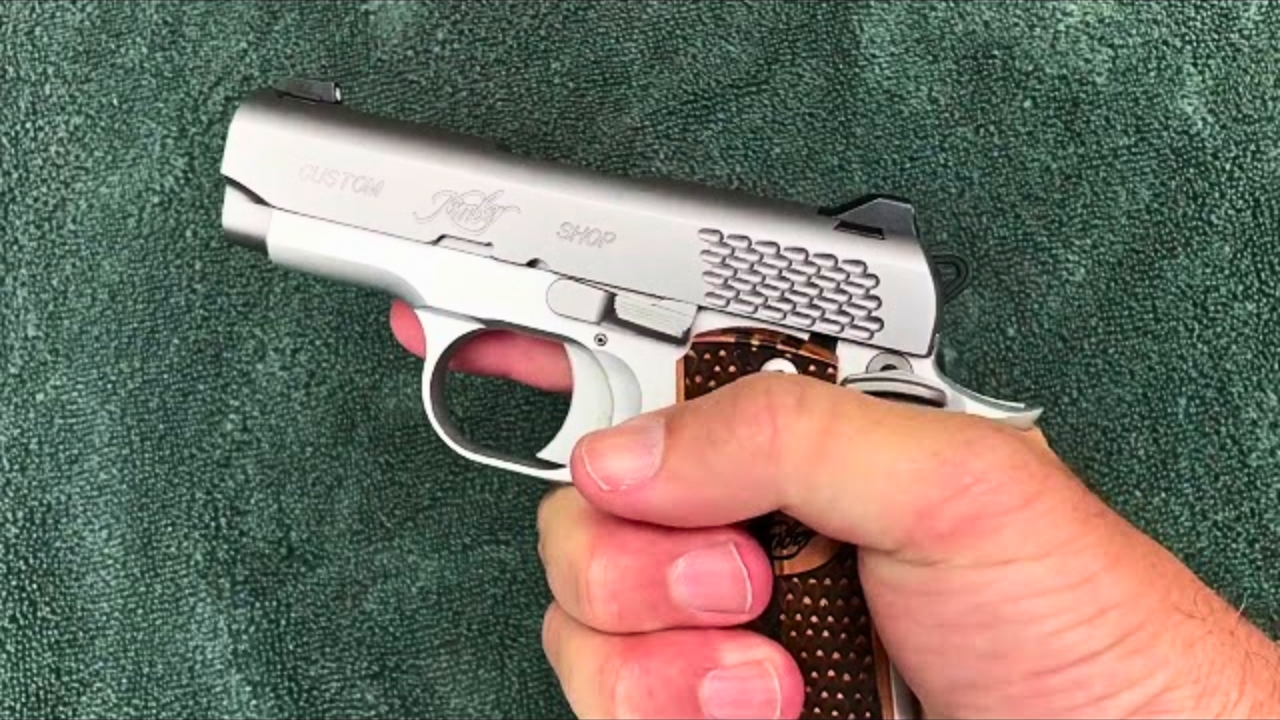
Kimber Micro 9

The Micro 9 often shoots nice groups when you settle down and shoot it like a little precision piece. It has a decent sight picture, a familiar single-action feel, and a mechanical accuracy level that can impress people who expect less from a pistol that small. In slow strings, it can look like a winner.
Fast follow-ups are where it starts telling the truth. A tiny 9mm with a short grip and light frame can be snappy, and the little 1911-style format does not magically erase that. The sights lift quickly, the grip gives you less to hold onto, and the whole gun demands more discipline than its clean trigger might suggest. It can absolutely place the first shot well. Keeping the second one equally clean in a hurry is where the work begins.
SIG Sauer P938

The P938 is another small single-action pistol that can lull you into confidence with nice slow groups. The trigger helps, the sights are decent, and the gun has a polished feel that makes it easy to assume it will run like a bigger pistol. On a calm range line, it often looks better than many tiny guns.
Then you start shooting doubles and transitions. The size catches up with you fast. There is not much grip to control, and the recoil impulse feels abrupt enough that the sights take longer to settle than you would like. It is not that the pistol cannot shoot. It is that the second shot takes more effort than the first. That difference matters a lot if your standard is not only precision, but speed under control.
Glock 43

The Glock 43 is more accurate than many people give it credit for. It is a simple pistol, the sights are familiar, and the trigger is predictable enough that careful shooters can produce very respectable groups. For a slim single-stack, it does not struggle with the first shot.
The issue is how lively it feels once you start pressing faster. The short grip and light frame make the gun move more than larger Glock models, and that movement costs time. Your sights lift higher, your grip works harder, and what looked easy in slow fire becomes noticeably less smooth in doubles. The 43 is easy to conceal and capable at distance. It simply asks for more effort on the second shot than many buyers expect when they first see how well it can group.
Glock 48

The Glock 48 is easier to shoot accurately than many small carry pistols. The longer sight radius helps, the slim grip is easy for a lot of hands to manage, and the gun feels more settled than the smallest micro-compacts. That gives people confidence quickly when they shoot slow strings.
What can get overlooked is that it is still a slim, relatively light 9mm. The longer slide helps, but the recoil impulse is not the same as a thicker, heavier compact. When you push the pace, the gun can feel a little whippier than the target from your first slow magazine suggested. It is not a bad shooter at all. It is simply one of those pistols that makes slow-fire accuracy easier than truly fast, flat shooting. There is a real difference between those two things.
Walther PPK

The PPK can shoot surprisingly tight groups in patient hands. The fixed-barrel design has always helped these pistols punch neat little clusters when the shooter does his part. At modest pace, the gun can feel more precise than its size and age might suggest. That is part of the reason the design stayed respected so long.
Fast follow-ups are a different conversation. The blowback recoil impulse is sharper than many people expect from a .380, and the grip does not give you much room to really lock the gun down. The sights are not built for speed, and the whole package feels less forgiving when the gun starts cycling fast. You can shoot a nice group and still walk away realizing the pistol is much happier being careful than being quick.
Beretta Tomcat
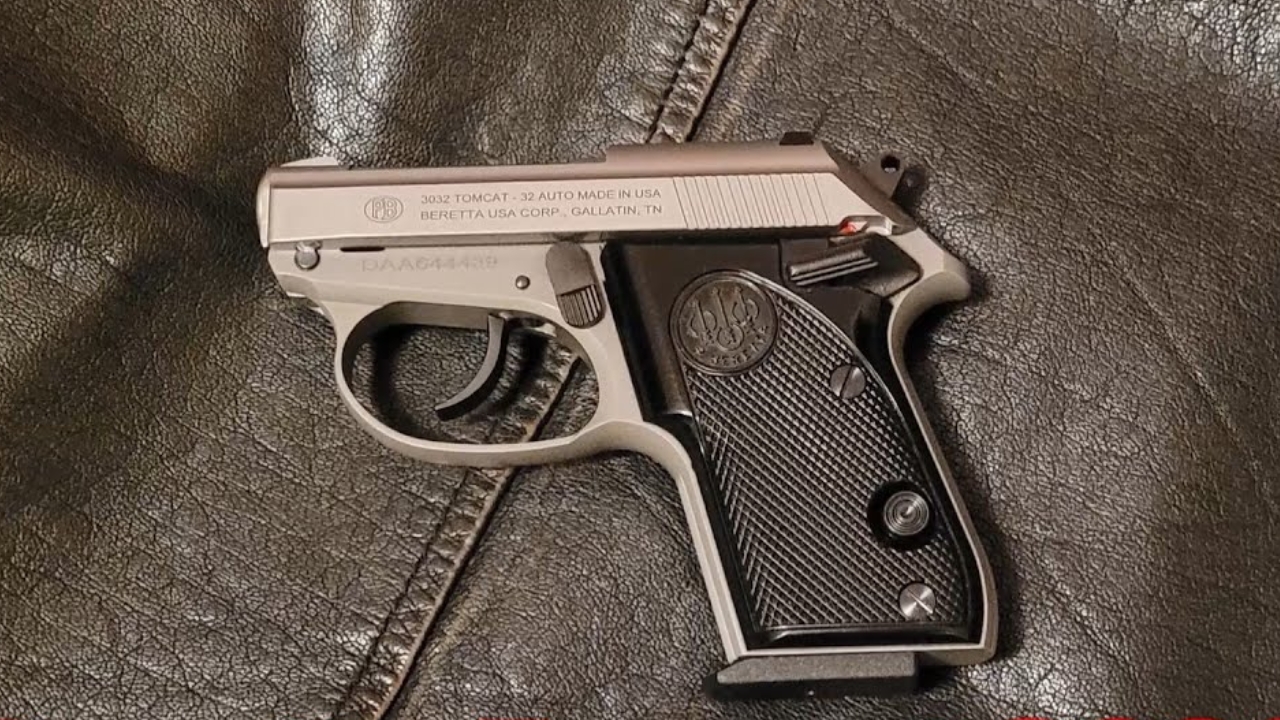
The Tomcat can be a surprisingly precise little pistol at close range. It points naturally for many shooters, and at realistic defensive distances it is perfectly capable of making tidy groups if you take your time. The tip-up barrel also gives the gun a unique appeal that makes people feel confident handling it.
But once you try to shoot fast, the limitations show up. The small grip, light frame, and brisk little recoil pulse make the sights harder to recover than the caliber suggests. Even though it is a .32, the gun is small enough that control still becomes the issue. You can place the first shot well. The second shot often takes longer than expected, not because the gun is inaccurate, but because it is a tiny pistol with tiny-pistol manners when the pace picks up.
Smith & Wesson J-frame Airweight

A lightweight J-frame can be more accurate in slow fire than people think. The fixed sights and long double-action trigger do not make it easy, but at close range and with decent fundamentals, you can absolutely produce respectable groups. Plenty of experienced revolver shooters prove that every week.
Then you try to run it fast. The long, heavy trigger, small grip, and lightweight frame turn rapid follow-up shots into a serious skill test. Recoil lifts the muzzle, the trigger reset takes work, and the short sight radius punishes any sloppiness in timing. It is not that the revolver cannot be shot quickly by a skilled hand. It is that the gun makes you earn every bit of speed. Slow accuracy can fool newer shooters into thinking the fast part will come easy. It does not.
Ruger LCR

The LCR is one of the better-shooting small revolvers when you judge by deliberate groups. The trigger is usually smoother than many snub-nose competitors, and that helps people shoot it more accurately than they expect at close distances. In a calm string, it can look extremely competent for what it is.
The fast-follow-up problem is the same old snub-nose reality. Light weight, short sight radius, and a small grip still make the gun hard to keep settled from shot to shot. The trigger may be good for the class, but it is still a long revolver trigger, and that matters when you are trying to run it with speed. The LCR can reward patient technique. It does not magically make rapid, clean follow-ups easy simply because it has a better trigger than some other small revolvers.
Colt Python (6-inch)

A 6-inch Python can shoot beautiful groups. The sight radius helps, the trigger can feel excellent, and the weight makes slow-fire precision feel almost easy in the right hands. It is one of the easiest revolvers to admire from the bench because it rewards careful shooting so clearly.
The part people gloss over is that it is still a revolver, and in .357 Magnum, fast follow-ups are still slower and more demanding than with a full-size semiauto. Even with the longer barrel helping tame muzzle rise, the gun still recoils in a way that takes the sights farther off target than many people want. The trigger can be smooth, but you are still working through a revolver cycle under speed. Tight groups do not erase the fact that rapid recovery is not the Python’s strongest trick.
Desert Eagle Mark XIX

The Desert Eagle can be shockingly accurate when you slow down and let it be what it is. The weight, long sight radius, and overall mass can make deliberate shooting feel stable, especially from a supported position. It is one of those pistols that can print groups that seem to contradict how outrageous it looks.
Fast follow-ups are where fantasy ends. The size, weight, blast, and heavy reciprocating parts make the gun far less cooperative when you try to shoot quickly. Even if the recoil feels more like a push than expected, the pistol still takes time to settle, and the sheer bulk makes transitions slower. It is impressive. It is accurate. It is not a natural choice for clean, fast second shots unless your definition of “fast” is very generous.
AMT Backup
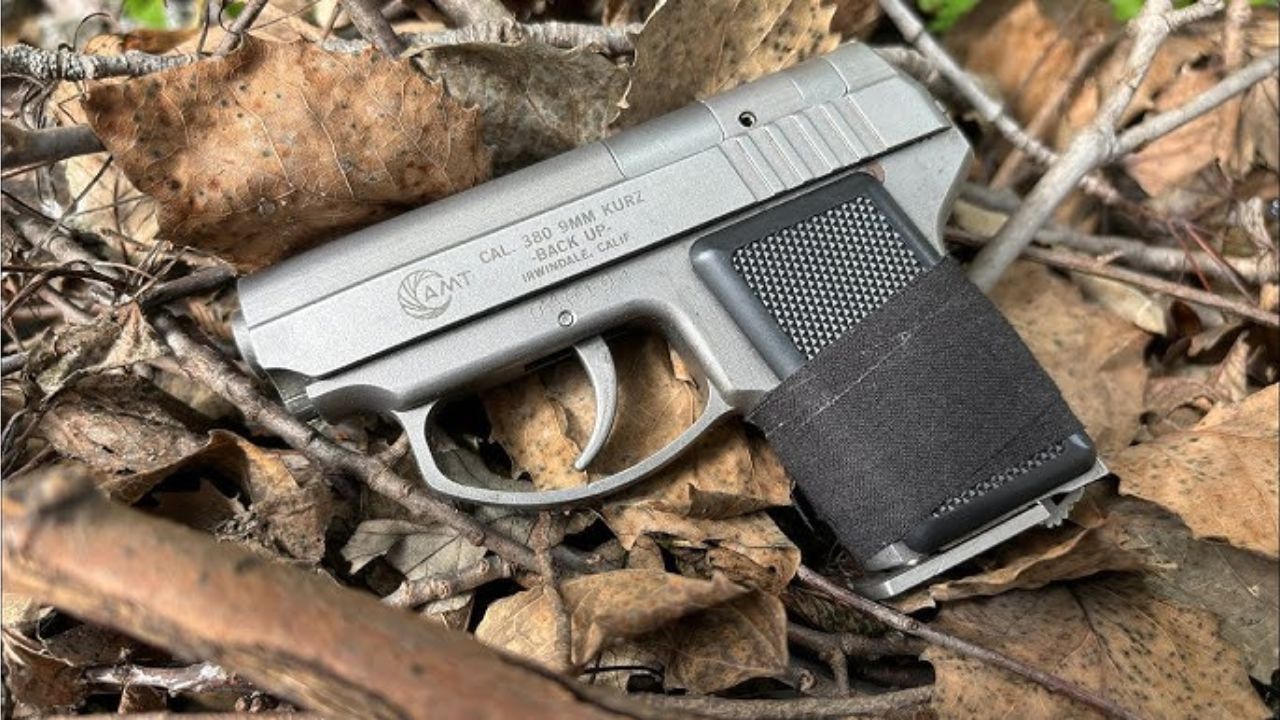
The AMT Backup is one of those pistols that can surprise you with acceptable close-range accuracy if you shoot it slowly and do not ask too much of it. At very short distances, it can put rounds where they need to go, and that was always the real point of the gun. In careful hands, it can look more capable than its reputation suggests.
The second-shot story is a lot uglier. The small size, minimal sights, heavy trigger, and abrupt recoil all combine to make fast follow-ups rough. It is a pistol that can make one decent hole on a target and still feel miserable the moment you try to shoot a controlled pair. That is the truth with a lot of tiny backup guns. They can do the job in a narrow sense. They do not make speed feel clean or comfortable.
Bond Arms Derringer
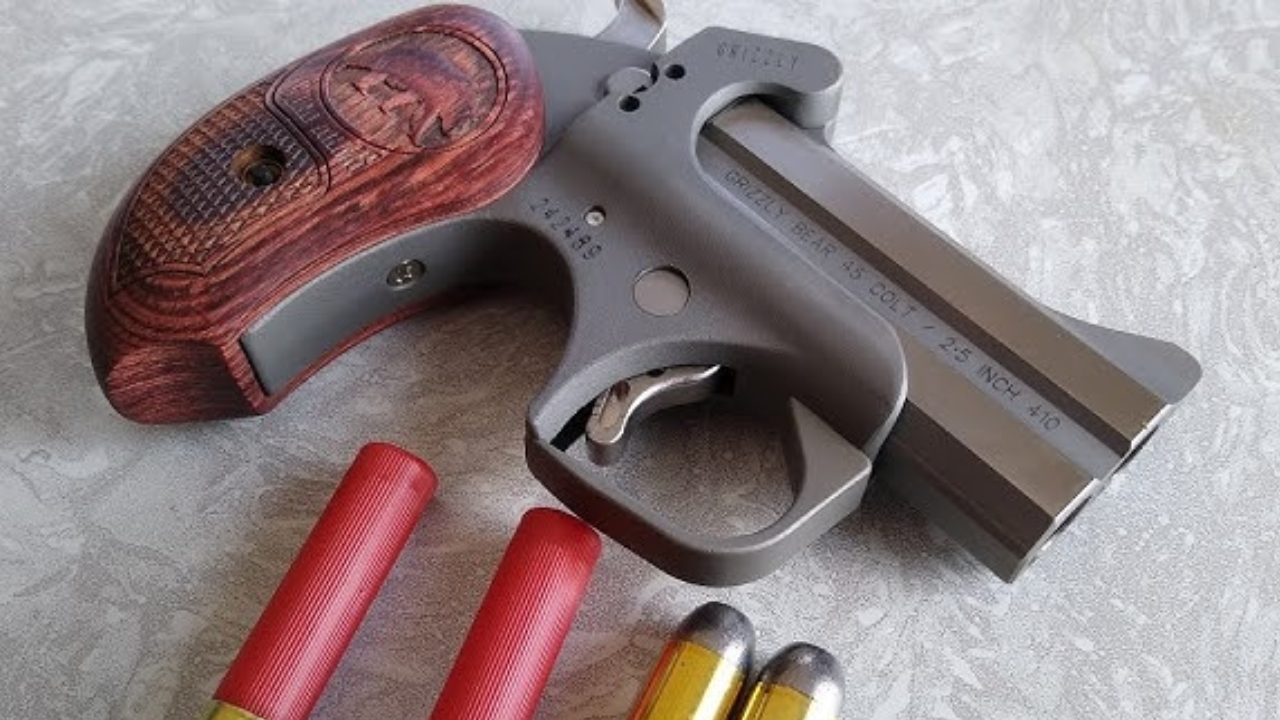
A Bond Arms derringer can be surprisingly accurate for a gun so small if you slow everything down and accept its limits. At close range, with careful trigger work and a deliberate sight picture, you can make solid hits. That can fool people into thinking the gun is more practical than it really is.
Fast follow-ups are where the whole idea collapses. The heavy trigger, tiny grip, harsh recoil, and manual reloading process make the concept of a true rapid second shot borderline unrealistic compared to any normal pistol. Even with two barrels available, the second shot is usually slower, rougher, and less controlled than people imagine. It can place a deliberate hit. It simply makes speed such a messy fight that the nice little slow-fire group stops meaning much.
Like The Avid Outdoorsman’s content? Subscribe to our newsletter so you never miss an article.
Here’s more from us: