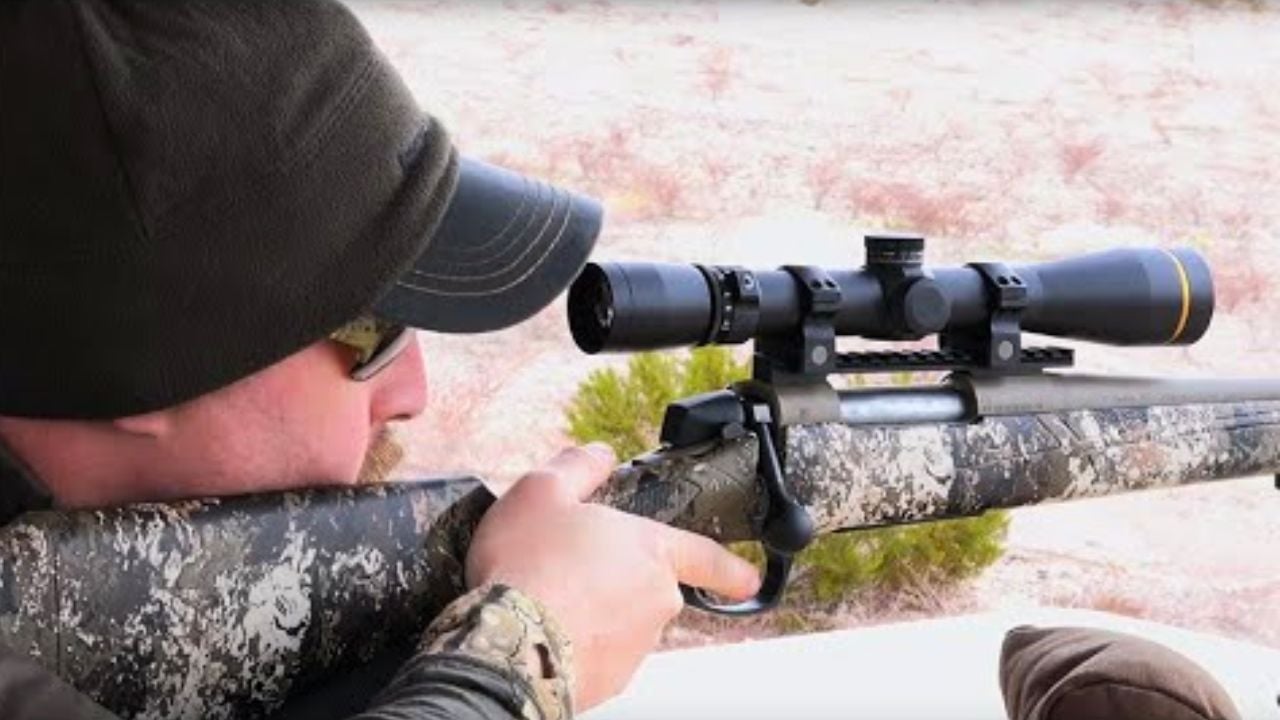
Photo credit: NRApubs/YouTube
When you’ve hunted long enough, you learn there are rifles you’ll hand to a buddy without thinking twice—because you know they’ll run no matter who’s holding them. Then there are rifles you loan out once and immediately regret. These are the guns that turn simple hunts into troubleshooting sessions. Maybe they lose zero after a bump, or the action starts binding the moment dust hits it. Sometimes it’s the trigger, sometimes it’s the magazine, and sometimes it’s the whole build showing its limits under real-world conditions.
Veteran hunters remember those moments, and they learn quickly which rifles stay in their own hands from then on. These are the rifles seasoned hunters don’t loan out twice.
Remington 770

The Remington 770 looked appealing to new hunters because of the price and package optics. But once you’ve taken it into the field a few times, the flaws show up fast. The action feels rough, and the bolt doesn’t cycle smoothly when you need a quick follow-up shot. That alone is enough to make most experienced hunters keep it off the loaner list.
The factory magazine can also be finicky, which leads to feeding issues when someone unfamiliar with the rifle rushes a reload. Combined with inconsistent accuracy across different rifles, it’s a model that seasoned hunters stop handing out after the first jam in the cold.
Mossberg ATR

The ATR arrived as an entry-level bolt gun with a lot of potential, but real-world use often exposes its shortcomings. The stock feels soft, the bolt lifts inconsistently, and the trigger never has the kind of crisp break you want when you’re coaching someone through a shot. Hunters who loan it out usually end up diagnosing light strikes or feeding hang-ups that weren’t obvious at the counter.
It’s also a rifle that can shift point of impact if it takes even a minor knock. That makes it tough to trust when someone else is carrying it through brush or climbing into a stand. After one borrowed hunt goes sideways, most hunters quietly retire it from the “loaner” rotation.
Savage Axis

Early Savage Axis models were known for accuracy potential, but the trigger and action made them challenging for inexperienced shooters. The factory trigger was heavy and unpredictable, which often led to pulled shots. Loaning that to a new hunter usually meant missed deer and frustration all around.
The extremely lightweight stock also flexes under pressure, especially when using field rests. That can throw groups wide enough to make a seasoned hunter second-guess ever handing it out. Many hunters still like the Axis for personal use, but the first-gen rifles rarely get handed off anymore because the learning curve is too steep.
Winchester XPR
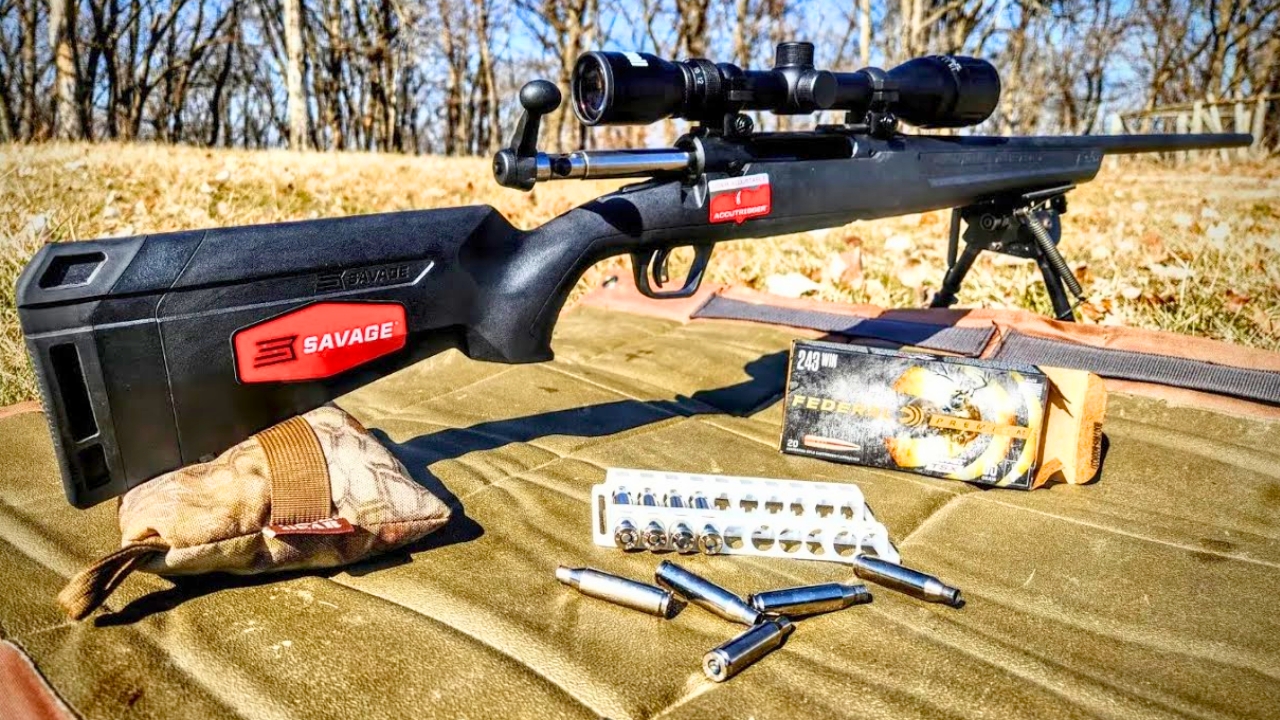
The XPR has improved over time, but early production rifles had issues with trigger housings and inconsistent cycling. A seasoned hunter knows how to work around a stiff bolt or sticky lift, but a new shooter often forces the action and makes the problem worse. After watching a buddy struggle to chamber a round at the worst possible moment, most hunters think twice about loaning one out again.
Accuracy was also hit-or-miss depending on the barrel lot. When you rely on a rifle for clean shots in tight windows, that kind of inconsistency is enough to keep it reserved for personal use only.
Ruger American Ranch in 7.62×39

Many hunters love the Ruger American line, but the early 7.62×39 Ranch rifles had magazine issues that showed up fast in the field. When you hand it to someone who isn’t used to coaxing those polymer mags into place, you end up with misfeeds, dropped magazines, or sloppy seating that kills confidence.
The light, short platform also produces noticeable recoil compared to what new shooters expect from 7.62×39. After a buddy flinches through a whole weekend, seasoned hunters tend to keep this one in their own hands or replace the mags before ever letting it leave camp.
Remington Model 710

The 710 is infamous among experienced hunters for good reason. The bolt feels loose and often binds under stress, and the polymer receiver inserts didn’t hold up long-term. Loaning one out typically ends in someone fighting the action or failing to chamber a round cleanly.
The included optics also made things worse. Many seasoned hunters watched friends miss easy shots because the scope wouldn’t hold zero. After one or two embarrassing hunts, the 710 earns a permanent spot on the “never lending this out again” list.
Marlin XL7

The XL7 had some strong qualities, but the feeding system and stock durability left a lot to be desired when loaned out. If someone rides the bolt too softly or too aggressively, they can induce feeding problems that an experienced shooter wouldn’t trigger. Watching a buddy struggle with that is usually enough to keep the rifle benched for personal use only.
The synthetic stock on early models also had some flex, especially with bipod or improvised rests. That translates to wandering groups that make a seasoned hunter look bad when someone else is behind the trigger.
Thompson/Center Venture

The early Venture rifles had trigger recall issues, and even after those were addressed, some models still showed inconsistency in cycling and bolt lift. Loan it to someone who isn’t familiar with the feel of that action and you’ll quickly regret it.
Accuracy was decent, but not always repeatable across ammo types, which complicates things when someone new is already nervous. Most veteran hunters will keep this rifle in their own hands to avoid troubleshooting mid-hunt.
Weatherby Vanguard S2

The Vanguard S2 is mechanically solid, but many of the budget-packaged versions came with stocks that shifted or pressed awkwardly on the barrel. An experienced hunter knows how to stabilize them, but when a buddy leans into the fore-end too hard, the point of impact can walk off the target.
It’s not the rifle’s fault entirely, but the combination of a quality action with a bargain stock leads to performance swings. Most hunters quit loaning these out after realizing how sensitive they are to poor shooting posture.
Howa 1500 Lightweight Hunter

The Lightweight Hunter is a capable rifle, but the featherweight build amplifies recoil, especially in mid-range calibers. Hand it to someone who doesn’t shoot often and you’ll see flinching immediately. After a couple of bruised shoulders and missed deer, most hunters save this rifle for people who know how to manage recoil.
The thinner barrel also heats quickly, and inexperienced shooters often fire too fast, causing groups to open up. That’s not a lesson a seasoned hunter wants to teach in the middle of a hunt.
Rossi RS22

The RS22 is a fun range rifle, but as a loaner for small-game hunting, seasoned hunters often regret the decision. The magazines can be sensitive to loading technique, and any debris causes hiccups. A new shooter rushing to reload usually makes everything worse.
Accuracy can also drift with changes in temperature or ammo type, and that inconsistency frustrates a newcomer. After watching someone miss squirrels all morning, the rifle quietly goes back to being a personal plinker.
CVA Cascade

The Cascade series has improved, but the earliest rifles had feeding quirks and bedding inconsistencies. Loan one out, and you’ll likely spend the morning helping someone cycle the action or adjust their hold.
The rifles can shoot well, but only when everything lines up. That dependency on precise handling means most hunters stop letting inexperienced friends borrow them after one uneventful trip.
Savage 11/111 Trophy Hunter packages

The AccuTrigger is a strong feature, but the included Nikon optics were often the weak point. Hunters who loaned these rifles out frequently watched friends miss because the scopes drifted after minimal bumps.
The detachable box magazines also had a learning curve, and a buddy fumbling one in cold weather is all it takes to sideline the rifle as a loaner. After one or two misfires—literal or figurative—these rifles tend to stay in the owner’s hands.
Remington Model 783

The 783 can shoot well, but early models had mushy synthetic stocks that didn’t hold up under pressure. Let someone lean too hard on a rest and accuracy starts falling apart. That leads to long mornings tracking missed deer—something no seasoned hunter enjoys.
Feeding can also get inconsistent when the magazine wears, and loaning it to someone unfamiliar with the system usually speeds up that process. Most hunters learn this lesson once and never repeat it.
Ruger Mini-Thirty

The Mini-Thirty is fun and reliable with high-quality commercial ammo, but once you hand it to someone who feeds it cheap steel-case rounds, the rifle’s reliability drops fast. Loaning it out often turns into clearing light strikes or stoppages caused by hard primers.
The accuracy is also closer to “brush gun acceptable” than what many deer hunters expect. After watching a buddy blame the rifle for groups that look more like shotgun patterns, most seasoned hunters decide it’s better kept for personal use.
Like The Avid Outdoorsman’s content? Be sure to follow us.
Here’s more from us:
The worst deer rifles money can buy
Sidearms That Belong in the Safe — Not Your Belt
*This article was developed with AI-powered tools and has been carefully reviewed by our editors.