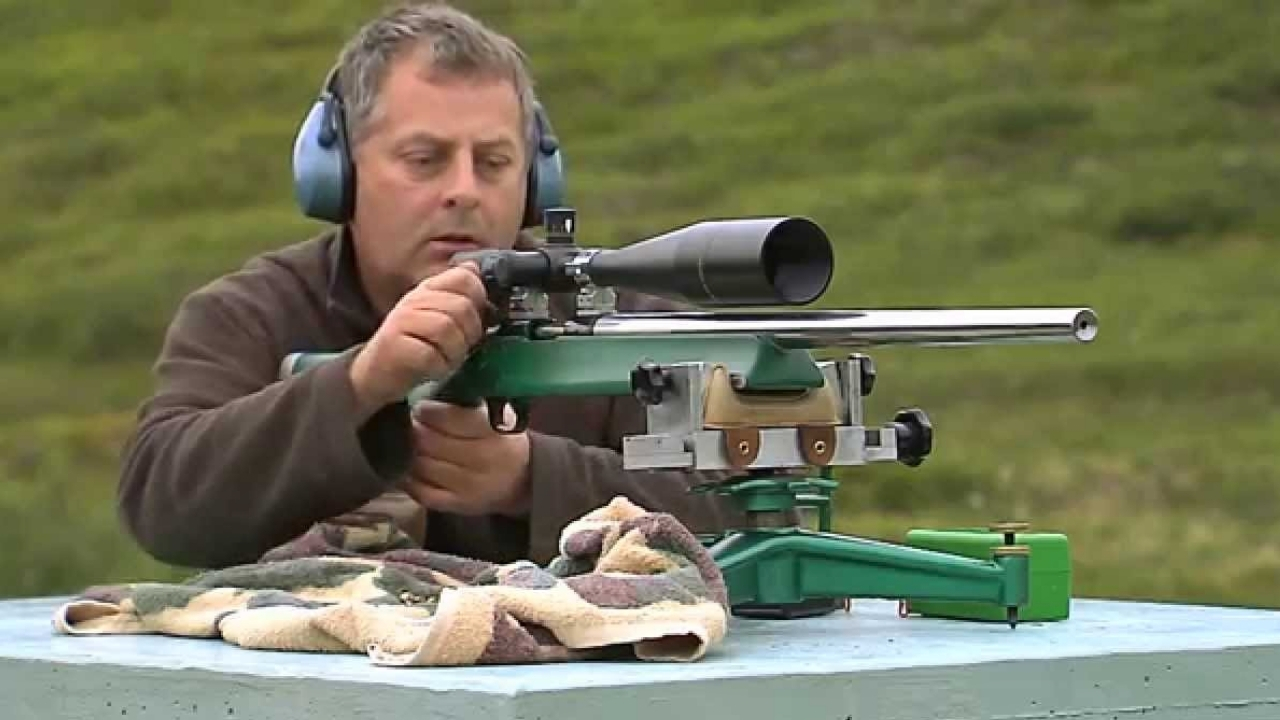
Photo credit: Hjalti Stefánsson/YouTube
Hang around any serious range long enough—PRS matches, long-range steel days, practical field shoots, even a crew that just likes stretching legs on weekends—and you’ll notice patterns. The same cartridges keep popping up because they make hits easier, not because they’re trendy. “Precision” is mostly boring stuff: consistent ammo, manageable recoil so you can stay in the scope, good bullets that don’t get bullied by wind, and setups that don’t beat barrels to death in 800 rounds. Some of these are match staples. Some are “trainer” rounds guys use to get reps without burning money. And a couple are the heavier hammers you’ll see once targets get far enough that wind and splash reading becomes a real problem. Here are 15 that keep showing up because they flat-out work.
.223 Remington

.223 is the workhorse trainer round in precision circles, and it’s not because anyone thinks it’s the best at 1,000 yards. It’s because it’s cheap enough to shoot a lot, mild enough to shoot all day, and good enough to teach wind and fundamentals without the recoil masking your mistakes. A good .223 bolt gun with a fast twist and heavy match bullets will surprise people, especially to 600 and beyond on steel when conditions aren’t insane. It also forces you to read wind honestly because you can’t brute-force your way through it. Guys who get good with .223 tend to level up fast when they move back to the 6mms and 6.5s. If you want reps, consistency, and a cartridge that’s easy on barrels, .223 is still one of the smartest precision choices.
6mm ARC

6 ARC keeps showing up because it bridges a gap: more reach and wind performance than .223, less recoil and cost than the bigger stuff, and it runs well in gas guns where a lot of shooters want a “precision-ish” setup that still feels practical. You’ll see it in AR builds and some bolt guns, and it’s especially common with shooters who like mid-range steel, coyotes, and practical field drills. It’s not a pure PRS king the way the Dasher family is, but it’s a legit cartridge that can shoot tight and stay stable if you feed it good bullets. The big advantage is it lets people train precision skills in platforms they already own. When a cartridge makes practice easier to do more often, it shows up more.
6mm Creedmoor

6 Creedmoor stays popular because it’s easy to shoot well and it flat-out makes spotting hits easier. Recoil is light enough that most shooters can stay in the scope and see their own impacts, and that speeds up learning fast. Factory ammo support is good, components are easy to find compared to niche stuff, and it’s a pretty straightforward cartridge to load for if you handload. The downside is barrel life can be shorter than slower 6mms, especially if you’re running it hot and doing long strings. But the reason it keeps showing up is simple: it shoots flat, bucks wind better than you’d expect for the recoil, and it’s forgiving enough that shooters improve instead of fighting the gun. If you want performance without getting weird, 6 Creed is an easy answer.
6mm Dasher

6 Dasher is one of those cartridges you start seeing once you’re around shooters who care about boring consistency more than convenience. It earned its reputation because it’s smooth, ridiculously accurate, and it tends to produce very consistent numbers when loaded right. It’s also easy to stay on target with—low recoil means you can call shots and correct fast. The catch is that Dasher is usually a handloader’s game, and feeding can require the right mags and setup depending on the action. But the payoff is real: it’s one of the most common “match-winning” cartridges because it gives you the ability to shoot fast, see impacts, and keep the rifle stable. When you’re shooting stages under time, that matters more than marketing.
6mm GT
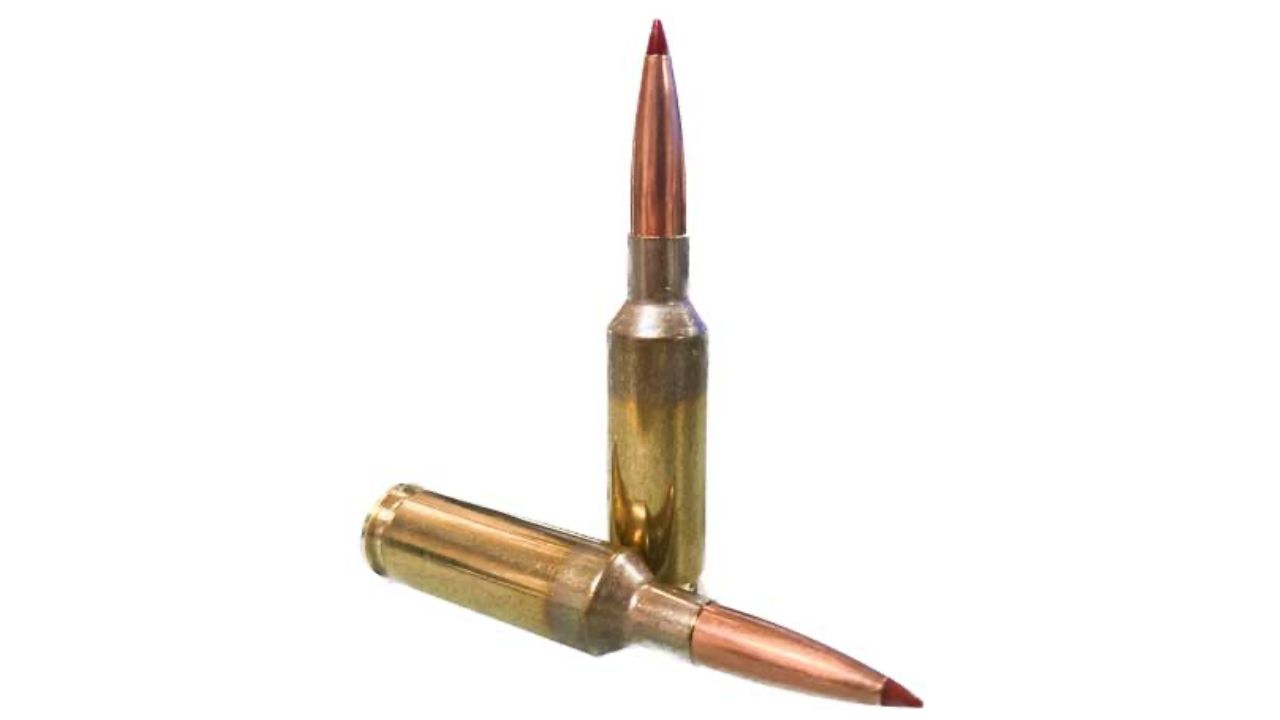
6mm GT showed up as a “make life simpler” option in the 6mm match world, and it earned its place because it’s efficient and easy to tune. You get light recoil, strong wind performance for the class, and a cartridge that plays nicely with common magazine lengths and practical rifle setups. A lot of shooters like that it doesn’t feel as finicky as some of the more specialized BR variants, while still giving you match-level performance. It’s also a cartridge that rewards sane loading practices instead of making you chase tiny details for acceptable results. That makes it popular with shooters who want to compete hard but don’t want every loading session to feel like a science project. GT keeps showing up because it’s the kind of cartridge that lets you focus on shooting, not fighting your load.
6mm BR (and 6mm BRA)
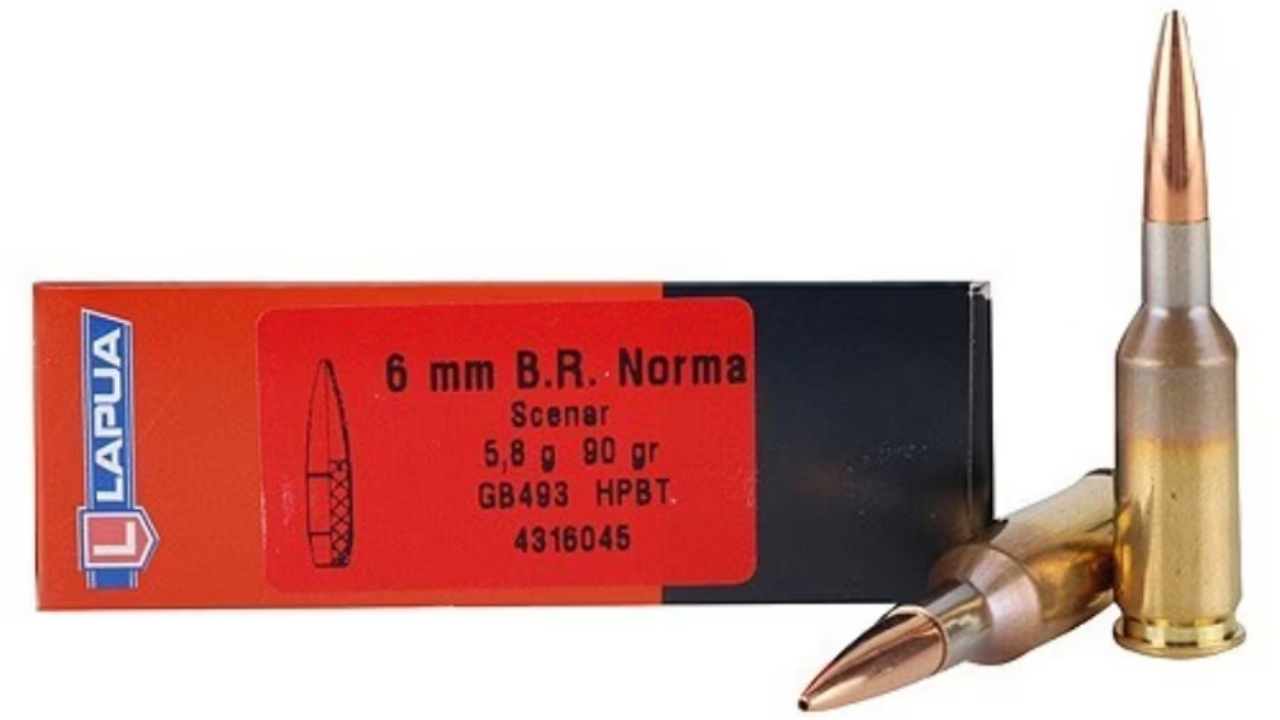
The 6BR family has been proving itself forever, and it keeps showing up because the case design is just plain good. It’s efficient, consistent, and capable of stupid-tight groups when the rifle and ammo are right. Recoil is light, which helps you spot impacts and keep the gun settled. You’ll see straight 6BR and you’ll see variants like BRA because people love the accuracy and consistency these cases can deliver. The main “real world” annoyance is that some setups need the right mags/geometry to feed perfectly, and not everyone wants to deal with that. But when you see how well BR-based cartridges shoot, you understand why people tolerate the extra setup work. In precision shooting, “boring and repeatable” wins, and BR family cartridges are exactly that.
6 XC
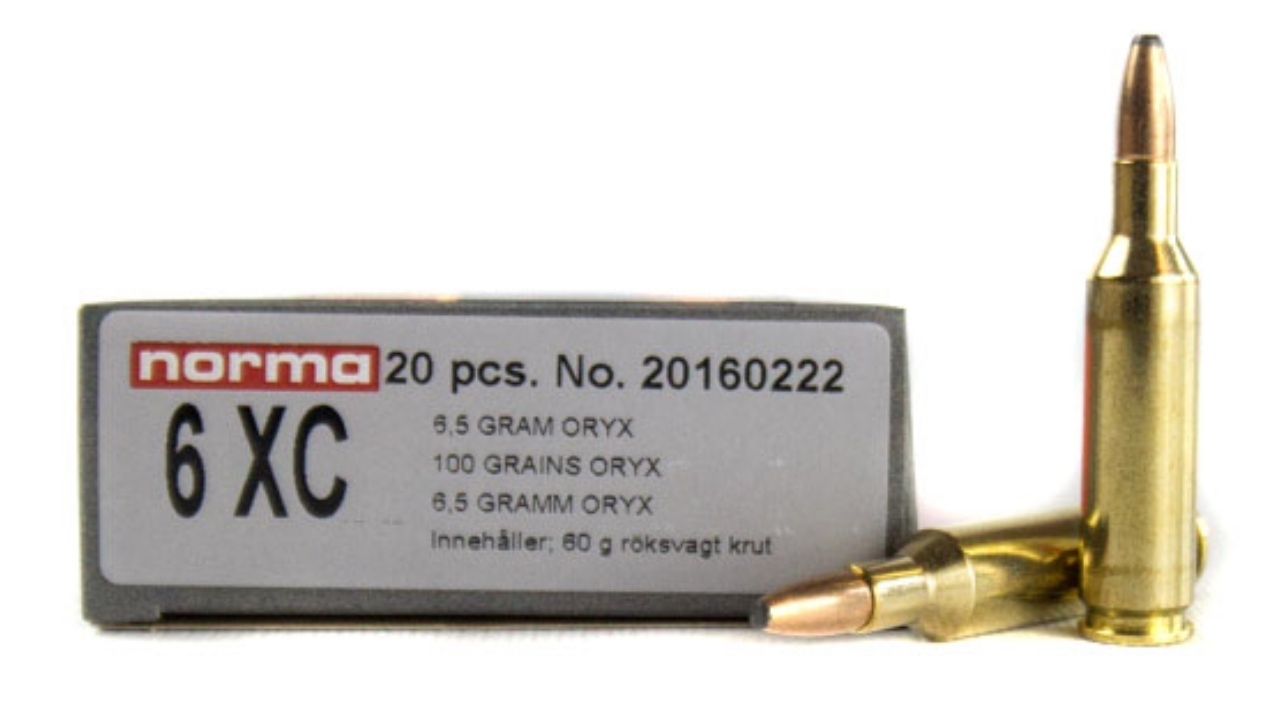
6 XC is one of those cartridges that’s been quietly solid for a long time. It offers great performance with 6mm bullets, it can be extremely accurate, and it has a loyal following among shooters who like how it balances speed, consistency, and practical feeding. You’ll see it in rifles built by guys who’ve been around a while and don’t feel the need to chase the newest thing every season. The XC can run hard enough to give you excellent wind performance, but it doesn’t always beat you up the way the bigger magnums do. It’s also a cartridge that tends to shoot well with a wide range of bullets when the barrel twist is correct. It may not be the trendiest name in the lineup, but it still shows up because it works and it’s proven.
6.5 Creedmoor

6.5 Creedmoor is everywhere because it’s easy to live with. Ammo is widely available, it’s easy to load for, and it’s forgiving enough that you can get good results without turning into a full-time ballistic nerd. Recoil is manageable, especially in heavier rifles with a brake or suppressor, and it gives you strong performance in wind compared to .308 without the punishment of magnums. That’s why it remains a staple for newer precision shooters and for guys who want one rifle that can shoot steel and still hunt. Barrel life is generally better than the hotter 6mms, which matters if you shoot a lot. The Creed isn’t the absolute best at any one thing, but it’s good at almost everything, and that keeps it on firing lines everywhere.
.260 Remington

.260 Rem is still one of the most “quietly respected” precision cartridges out there. It’s basically the older cousin of 6.5 Creedmoor that a lot of experienced shooters ran hard before Creed took over the market. It shoots 6.5 bullets well, it can be extremely accurate, and it has a track record of strong performance in practical shooting. The reason it shows up less now is mostly logistics—factory ammo isn’t as common as Creedmoor, and a lot of new shooters just pick the easier-to-feed option. But .260 hasn’t stopped being good. You’ll see it in rifles owned by guys who already have good dope and don’t see a reason to switch. If you reload, .260 is still a very solid precision cartridge that does the job without drama.
6.5×47 Lapua

6.5×47 Lapua keeps showing up because it was built around consistency and quality from the start. Lapua brass has a reputation for being excellent, and that matters when you’re chasing repeatable results. The cartridge is efficient, accurate, and tends to produce great velocity consistency with the right load. It also has a long history in competition shooting, so there’s a lot of proven data out there. The downside is the same story: it’s not as mainstream as Creedmoor, so ammo availability is the limiting factor for many shooters. But among handloaders and guys who appreciate a refined system, 6.5×47 is still respected. When you see one on the line, it’s usually in the hands of someone who cares about consistency and doesn’t mind doing the extra work.
.308 Winchester

.308 is still around because it’s stable, understood, and honest. It’s not the easiest to shoot at long range compared to 6mms and 6.5s, but it teaches fundamentals like nothing else. Wind calls matter. Position matters. Trigger press matters. And because it’s common, parts and ammo are easy to find, and rifles chambered in .308 are everywhere. The recoil is higher, which makes spotting impacts harder, but it’s also why many shooters keep a .308 in the stable for training. If you can run a .308 well, the softer cartridges feel easier. .308 also shows up in practical/tactical circles where reliability and proven performance matter more than chasing the flattest trajectory. It’s not trendy. It’s just still useful.
6.5 PRC

6.5 PRC shows up when shooters want more speed and more wind performance than Creedmoor without jumping straight to .30-cal magnum recoil. It’s common in long-range hunting rifles and “do-it-all” setups where people want to ring steel far and still have real field capability. The PRC drives heavy 6.5 bullets faster, which buys you margin in wind and distance, but you pay for it in recoil and barrel life. It’s not the cartridge most guys pick for high-volume match shooting unless they’re okay burning barrels and managing recoil. But it absolutely shows up on targets because it performs. You’ll see it with shooters who want that extra reach and don’t mind paying for the advantage. It’s a serious cartridge—just don’t pretend it’s free.
7mm SAUM
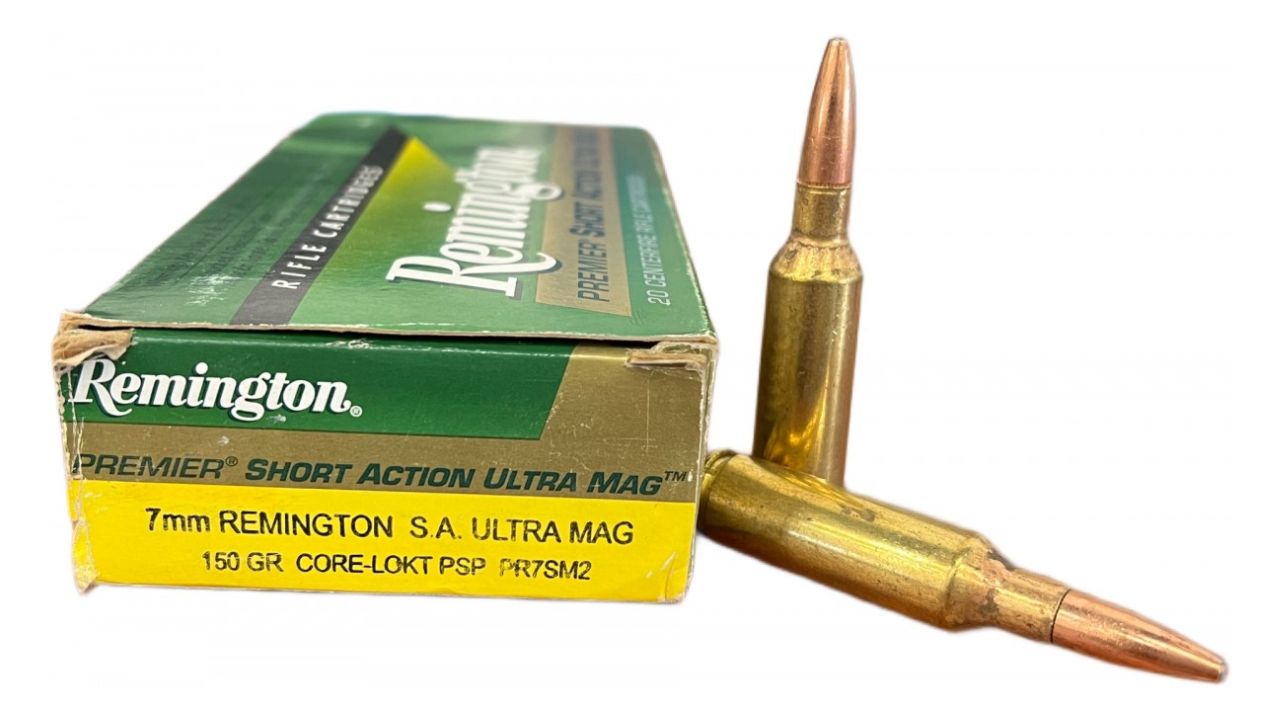
7 SAUM is a common step into the “bigger hammer” category without going full boat into the heaviest magnums. It pushes sleek, high-BC 7mm bullets that do very well in wind and carry energy downrange, and that makes it attractive for long-range hunting rigs and certain match/steel contexts where wind forgiveness matters. The recoil is real, so you usually see it in heavier rifles with brakes or suppressors, and you need good fundamentals to stay on target. The reason it keeps showing up is that 7mm bullets are a sweet spot for BC and performance, and SAUM can deliver that without being ridiculous to shoot. It’s not the first cartridge most people start with, but it’s one people move to when they want more margin at distance.
.300 PRC

.300 PRC shows up when targets get far enough that splash reading, wind, and energy all start stacking against you. It’s designed around modern heavy .30-cal bullets, and it carries well at distance. You’ll see it in long-range hunting rifles and in shooters who want a serious cartridge for steel beyond the “normal” distances where smaller rounds start getting bullied. The tradeoffs are obvious: recoil management matters, ammo isn’t cheap, and barrel life can take a hit if you shoot it like a match cartridge. But when conditions are ugly and distances stretch, .300 PRC gives you a lot of forgiveness and stability. It’s not a casual trainer. It’s a “serious work” cartridge that keeps showing up because it performs when smaller rounds start running out of margin.
.300 Norma Magnum
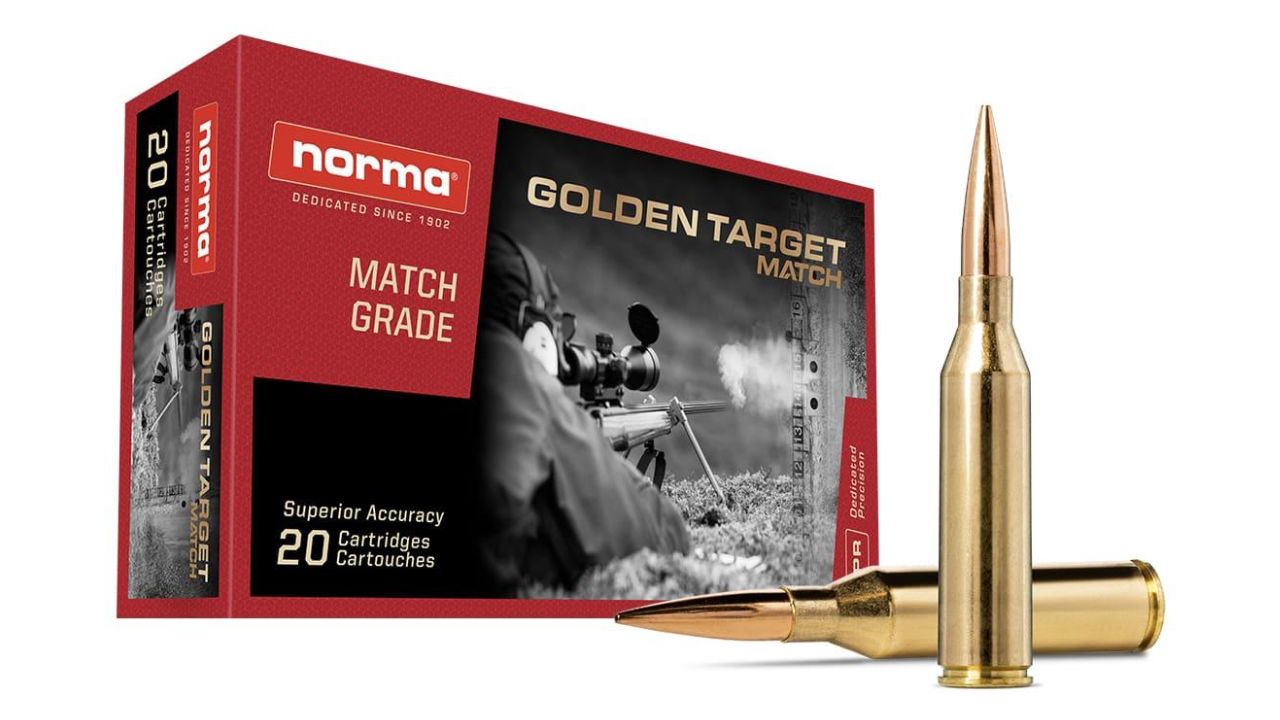
.300 Norma is one you’ll see in the more extreme long-range world—ELR shooters, guys stretching big steel well past a mile, and hunters who want serious downrange capability (and are willing to manage recoil and cost). It drives heavy .30-cal bullets fast and keeps them stable way out there, which helps when wind is nasty and you need consistent flight behavior. It’s not common at local mid-range matches for a reason: it’s expensive to feed, it’s hard on barrels, and it’s more recoil than most people want for high-volume shooting. But when you’re chasing hits at extreme distance, it keeps showing up because it gives you performance you can’t fake with smaller cartridges. If you see .300 Norma on the line, the shooter usually has a purpose for it.
.338 Lapua Magnum

.338 Lapua is not a “normal precision” cartridge anymore, but it still shows up on target because it’s a proven long-range hammer with strong wind performance and real downrange authority. You’ll see it in ELR-adjacent setups, big steel guns, and some specialized hunting rigs where people want extra margin in wind and energy. The tradeoffs are heavy recoil, heavy rifle weight (if the shooter is smart), expensive ammo, and barrel wear if you shoot it often. It’s not the cartridge to learn on, and it’s not the cartridge to shoot 300 rounds a weekend for fun. But it keeps showing up because it does something smaller rounds can’t: it stays stable and hits hard at long distances when wind is trying to ruin your day.
Like The Avid Outdoorsman’s content? Be sure to follow us.
Here’s more from us: