Photo credit: The Old Deer Hunters/YouTube
Some rifles stay famous long after production ends. Others disappear almost immediately, even when there was nothing fundamentally wrong with them. A company introduces a replacement, a competing design becomes more fashionable, or the market simply changes direction, and suddenly a perfectly capable rifle is barely mentioned anymore.
That creates an interesting used market. Forgotten rifles often sell for less than better-known competitors despite offering excellent actions, good triggers, useful chamberings, and more traditional construction than many new rifles. Parts availability can require more thought with discontinued guns, but mechanically sound examples can still be tremendous shooters. These 20 rifles deserved a much longer stay in the conversation than they got.
Winchester Model 54

The Model 54 gets overshadowed because the Model 70 followed it and became one of the most celebrated American bolt actions ever made. That leaves the 54 stuck in an awkward historical position despite being a genuinely important and capable sporting rifle. Winchester produced it in a broad range of useful chamberings, and the action laid much of the groundwork for what came next.
Good examples still have a wonderfully traditional hunting-rifle feel. The stocks are slim, the rifles balance naturally, and the controlled-feed-style architecture gives them plenty of old-school appeal. Collectors remember them, but ordinary hunters rarely bring them up. That is a shame because a sound Model 54 remains more than capable of doing exactly what it was designed to do.
Remington Model 725
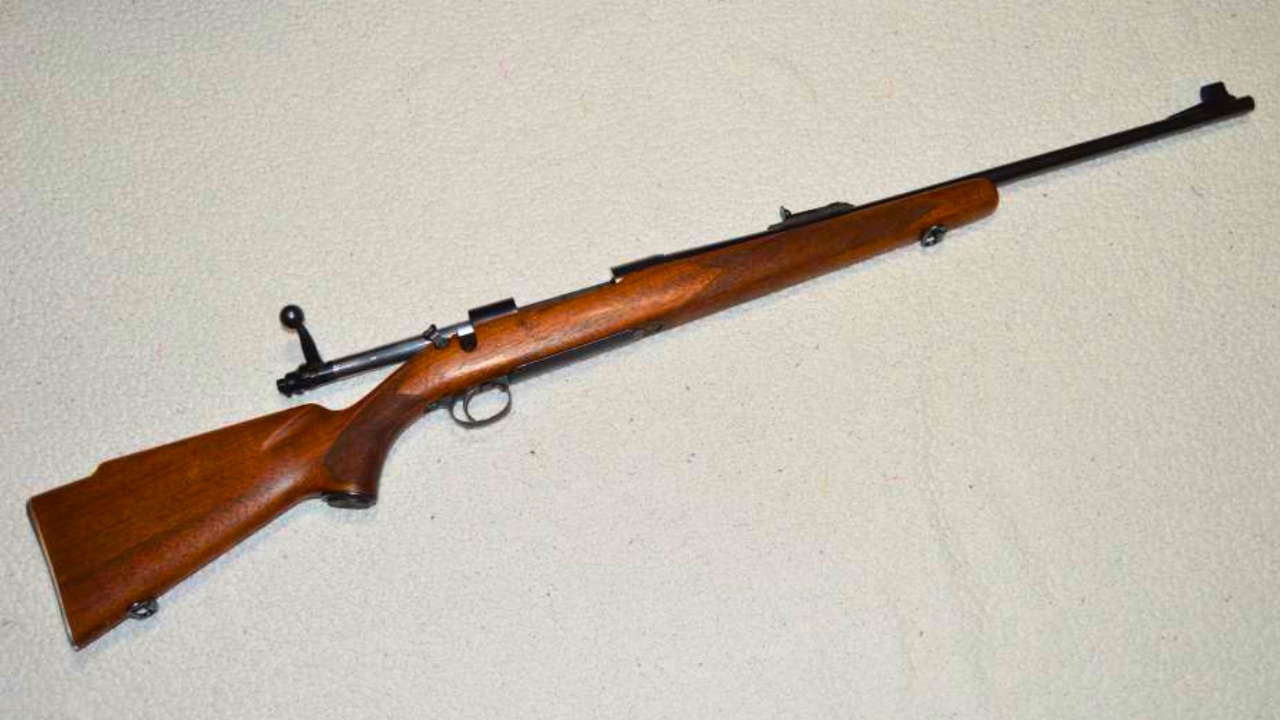
The Model 725 was essentially a more refined sporting rifle built around Remington’s postwar bolt-action development, but it arrived in an era when the company was moving toward the Model 700. That timing doomed it to obscurity despite excellent construction.
The rifle has a traditional walnut stock, polished metalwork, and a much more premium feel than later economy-minded hunting rifles. It was never produced in enormous numbers, which makes clean examples increasingly interesting today. The 725 did not disappear because it could not shoot. It disappeared because Remington quickly found a rifle design that was easier to mass-produce and market. For shooters who appreciate older American bolt guns, the 725 deserves far more attention.
Savage Model 1920
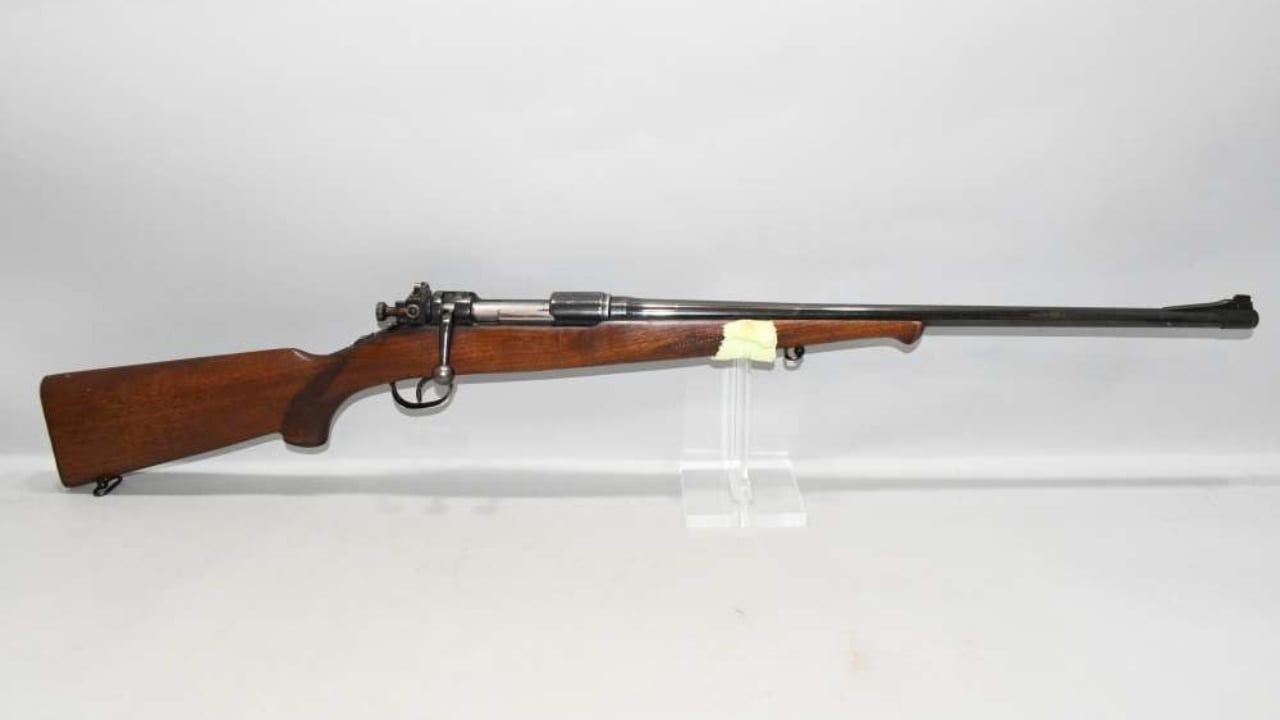
The Model 1920 was ahead of its time in several ways. It was a compact bolt-action sporting rifle built around lighter cartridges and a relatively trim action, giving hunters something handier than the larger military-derived rifles common during the period.
Its problem was timing and production economics rather than performance. The rifle never became a major commercial success, and later Savage designs pushed it deeper into history. Today, it feels surprisingly modern in concept. A light, quick-handling bolt rifle in a moderate cartridge is exactly what many deer hunters still want. The Model 1920 showed that idea long before lightweight hunting rifles became a major category.
Remington Model 660

The Model 660 followed the unusual Model 600 family and kept the short, handy carbine concept alive with a slightly more conventional appearance. It was compact, light, and particularly useful in thick woods where a long hunting rifle could feel cumbersome.
Shooters eventually moved toward full-size bolt rifles, and the 660 disappeared without developing the enormous following it deserved. That is strange because the basic idea remains excellent for whitetail hunting. A short rifle that shoulders quickly and carries easily is still valuable in blinds, brush, and timber. The 660 was not trying to win long-range competitions. It was built to be carried through the woods, and it still does that job exceptionally well.
Browning B78
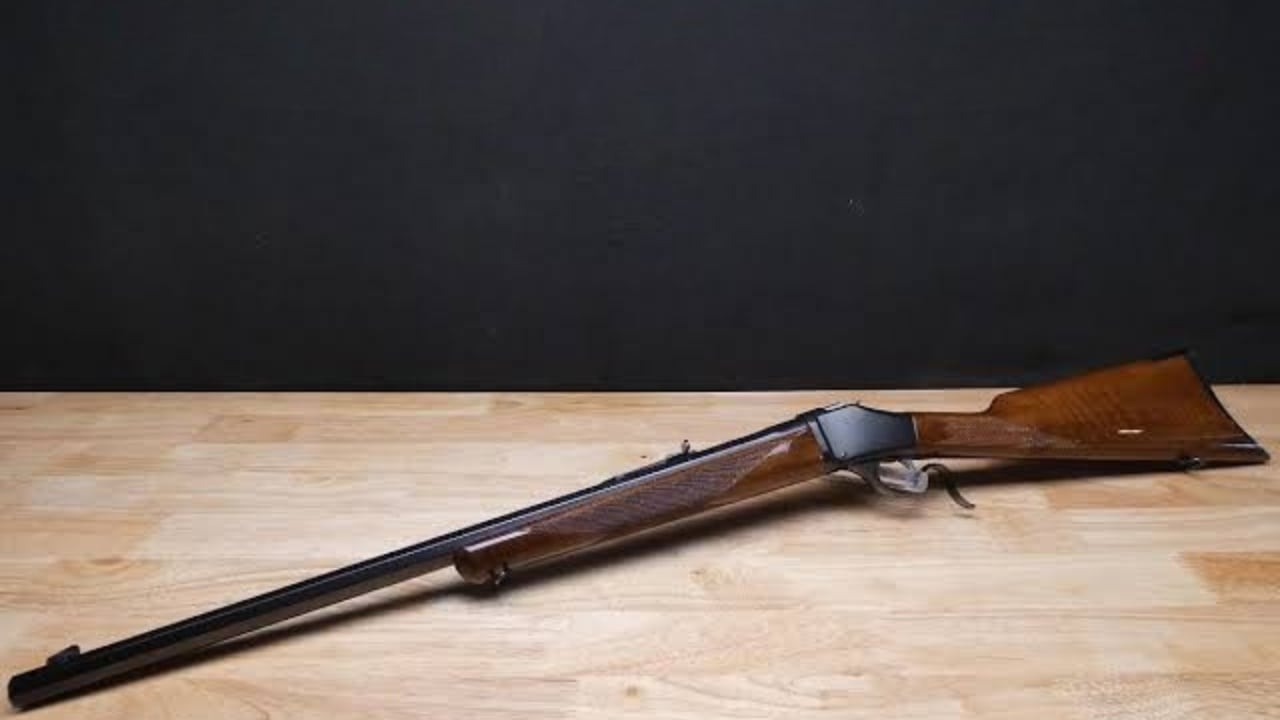
The B78 is often forgotten because Browning later revived the High Wall name and shooters tend to associate single-shot rifles with older Winchester designs. The B78, though, is an extremely strong falling-block rifle with excellent machining and the ability to handle serious centerfire cartridges.
Its single-shot action makes the rifle unusually compact for a given barrel length, and the rigid design can produce excellent accuracy. It also has the kind of fit and finish that becomes more expensive to duplicate every year. The market eventually moved toward repeaters and lightweight bolt guns, leaving rifles like the B78 in a niche. For hunters who value one deliberate shot and traditional construction, it deserves much more attention than it gets.
Mossberg Model 810
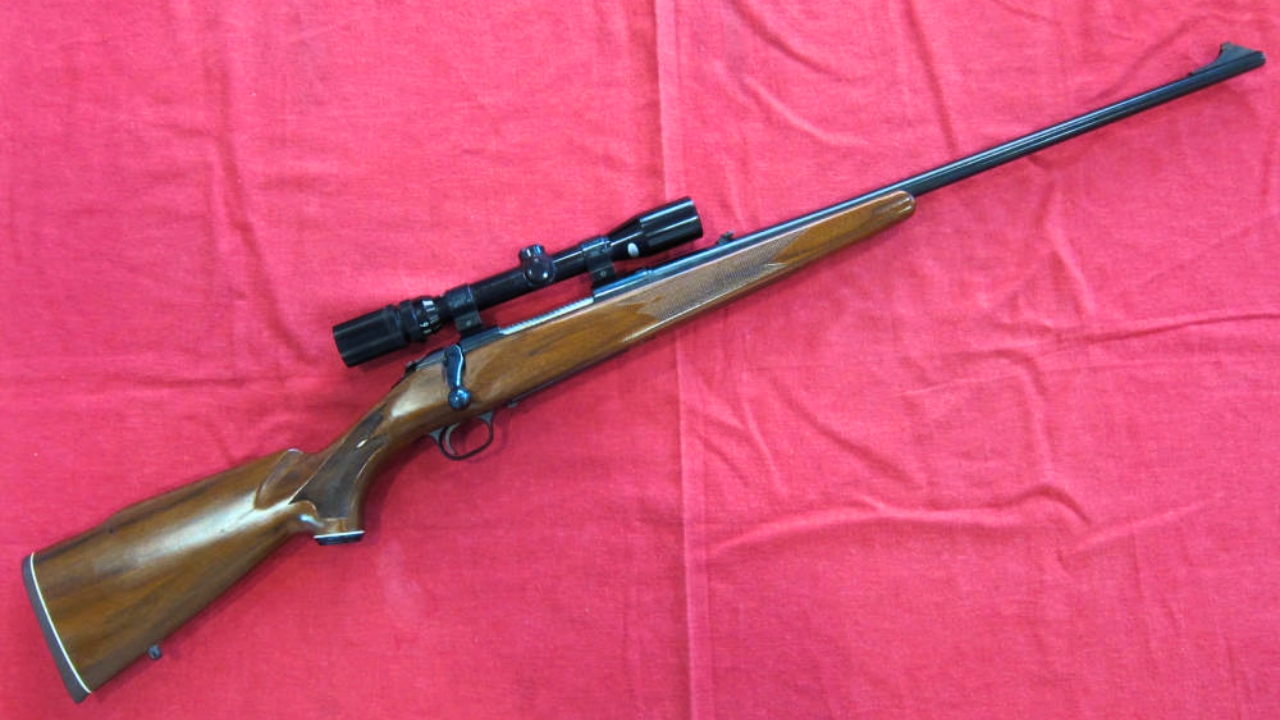
The Model 810 is one of Mossberg’s forgotten centerfire bolt rifles from an era before the company became closely associated with inexpensive modern hunting rifles. It was conventional, sturdy, and available in practical big-game chamberings.
That ordinary nature is probably why shooters forgot it. There was no dramatic feature or famous action to build a cult following around. It was simply a functional hunting rifle. Used examples can still be interesting because they often cost far less than more recognizable rifles from the same period. If the bore is good and the action is sound, there is no reason an 810 cannot still handle deer season perfectly well.
Ruger 77/22
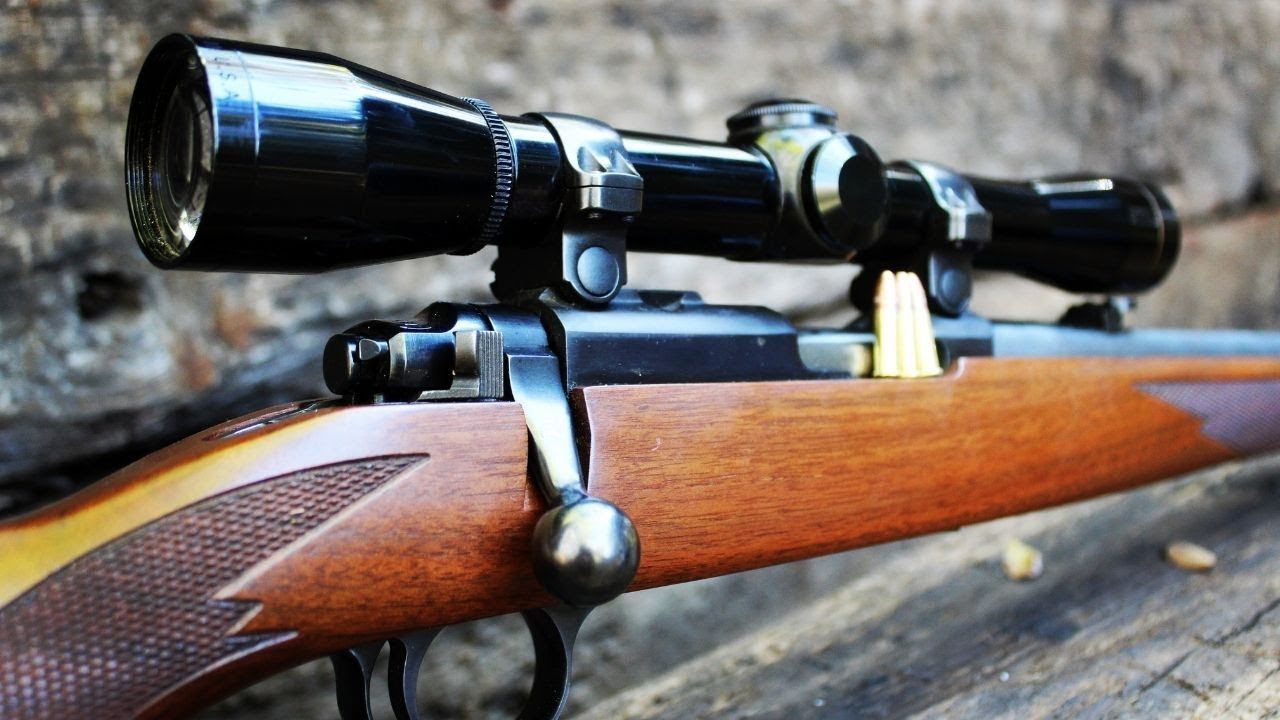
The 77/22 deserves more attention because it offered something many modern rimfires still struggle to replicate: the feel of a centerfire hunting rifle in a .22 LR package. The action, stock, and overall proportions made it feel like a serious rifle rather than a lightweight plinker.
Ruger eventually discontinued the line, and newer rimfires became cheaper, more modular, and easier to manufacture. That pushed the 77/22 out of the mainstream conversation. It still makes enormous sense as a training or small-game rifle because the controls and handling feel substantial. For shooters who want a rimfire that feels like an actual hunting rifle, the 77/22 remains one of the better forgotten options.
Remington Model 591
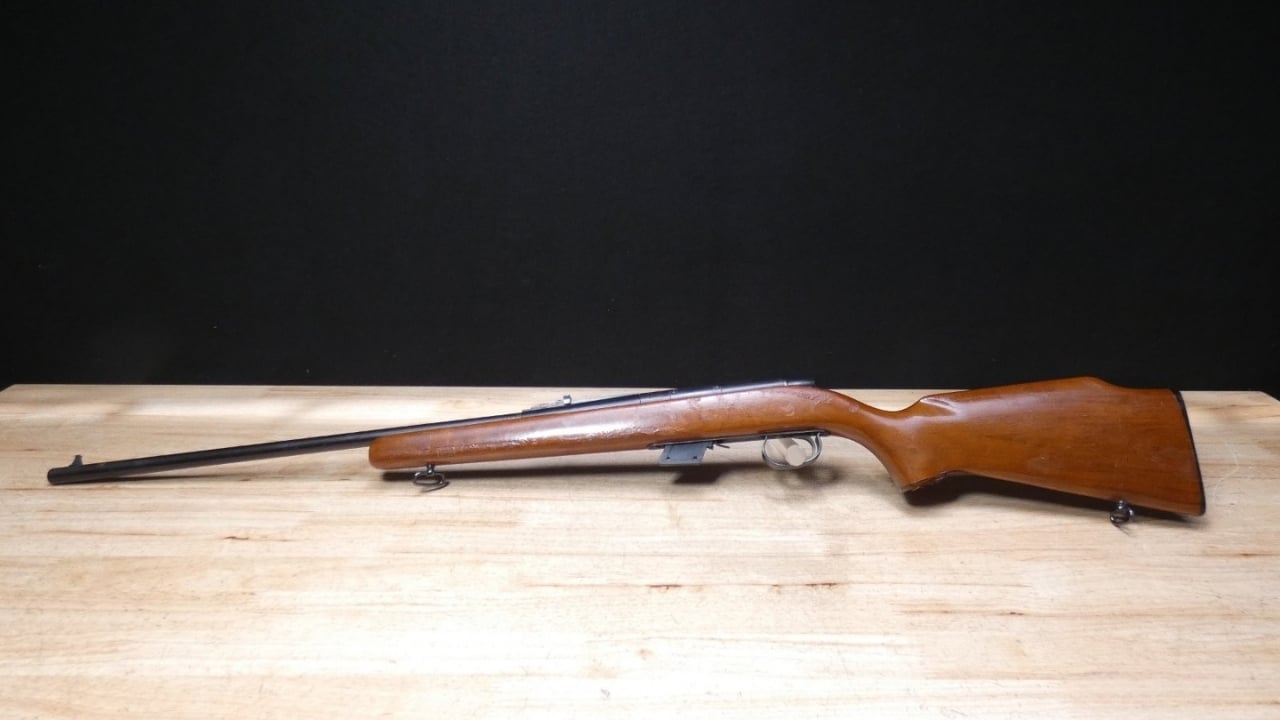
The Model 591 is tied to the 5mm Remington Rimfire Magnum, which is both the reason it is interesting and the reason it vanished. The cartridge offered impressive rimfire performance for its era, but ammunition availability never developed enough to keep the platform mainstream.
The rifle itself was capable and well suited to varmints and small game. What killed it was not poor shooting quality but a cartridge ecosystem that could not survive. That makes the 591 one of the better examples of a good rifle being dragged down by circumstances outside the action itself. Ammunition availability remains the main consideration today, but historically the rifle deserved a much longer life.
Winchester Model 43
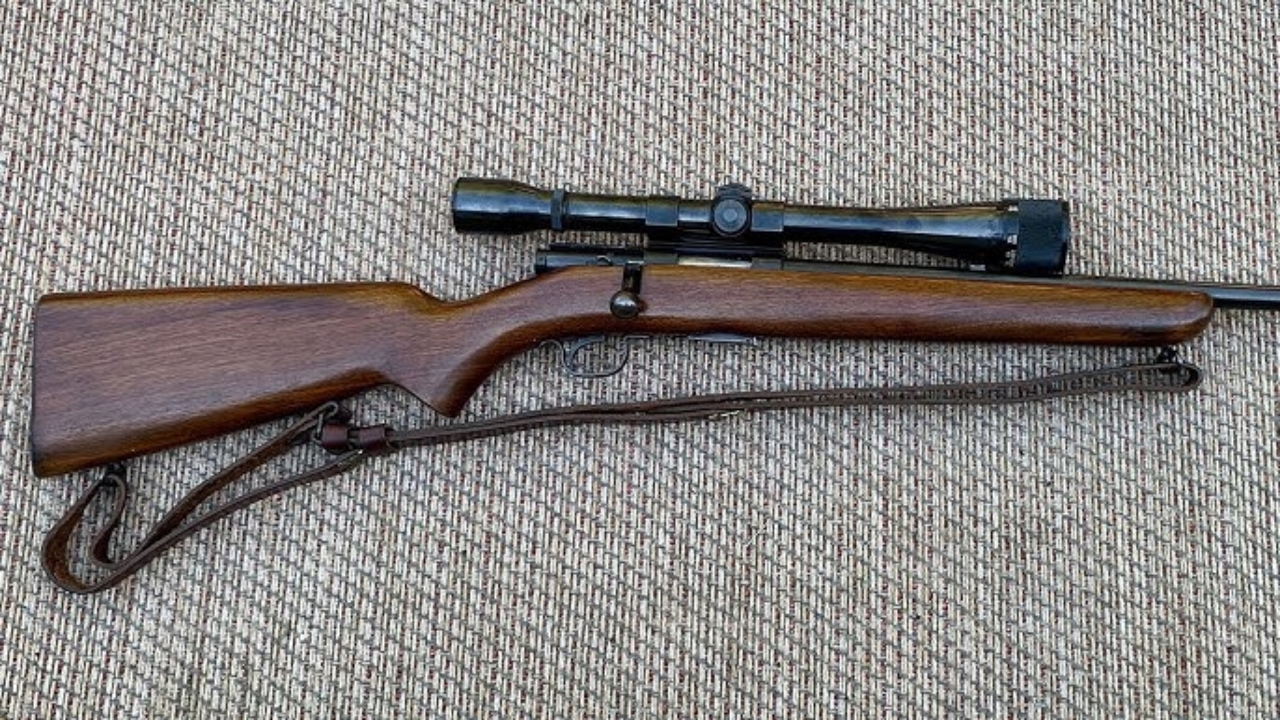
The Model 43 was essentially a scaled-down bolt rifle designed around smaller centerfire cartridges, making it ideal for varmints, predators, and light game. Its trim proportions gave it a completely different personality from full-size deer rifles.
Winchester discontinued it long before the modern mini-action rifle craze took off. That is what makes the 43 so interesting now. Manufacturers currently sell compact actions chambered for small centerfires because shooters love lightweight rifles that do not carry unnecessary bulk. Winchester had already explored that concept decades earlier. The Model 43 simply arrived long before the market was ready to turn small-action bolt guns into a major category.
Sako L46
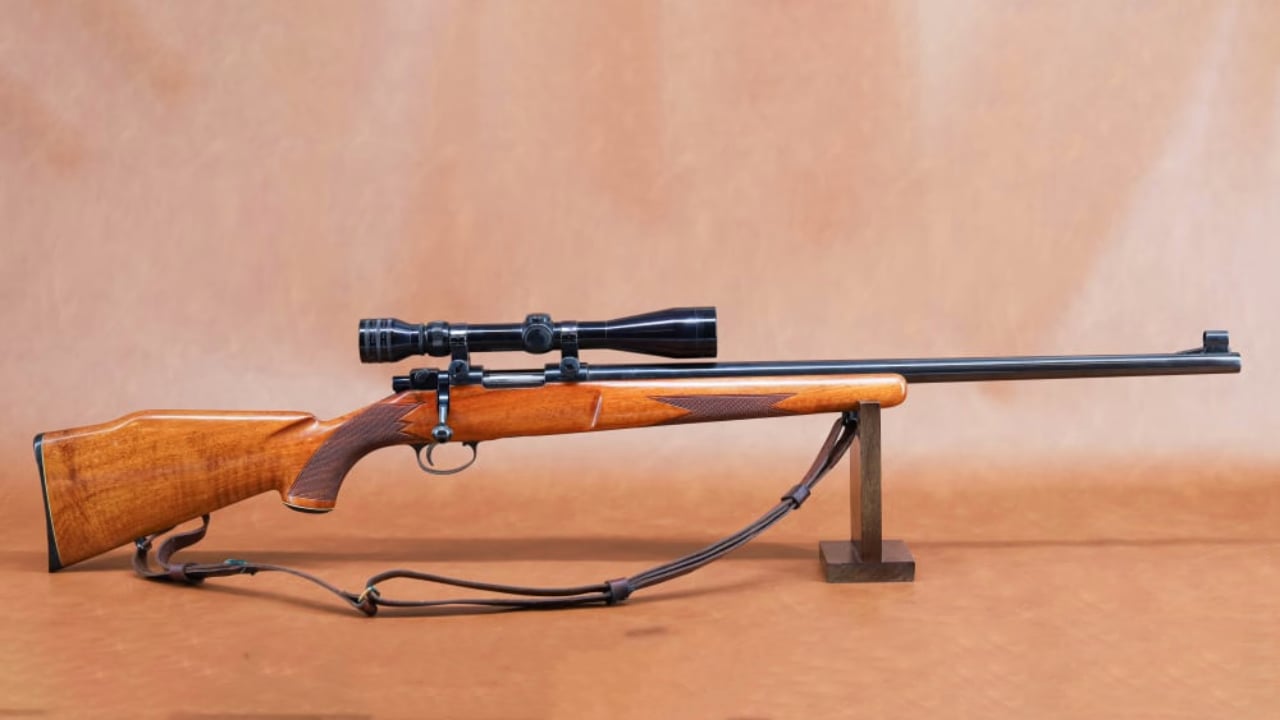
The L46 is one of Sako’s early small-action rifles and arguably one of the most elegant compact bolt guns ever produced. It was designed around smaller centerfire cartridges and built with the kind of machining that helped establish Sako’s reputation for quality.
Later Sako actions pushed the L46 into the background, while American shooters increasingly focused on larger hunting rifles. That is unfortunate because the little rifle is beautifully suited to varmints, predators, and light field use. The action is compact because it was actually designed around small cartridges rather than simply adapting a full-size receiver. Modern mini actions get plenty of praise for exactly the same idea.
Savage Model 340
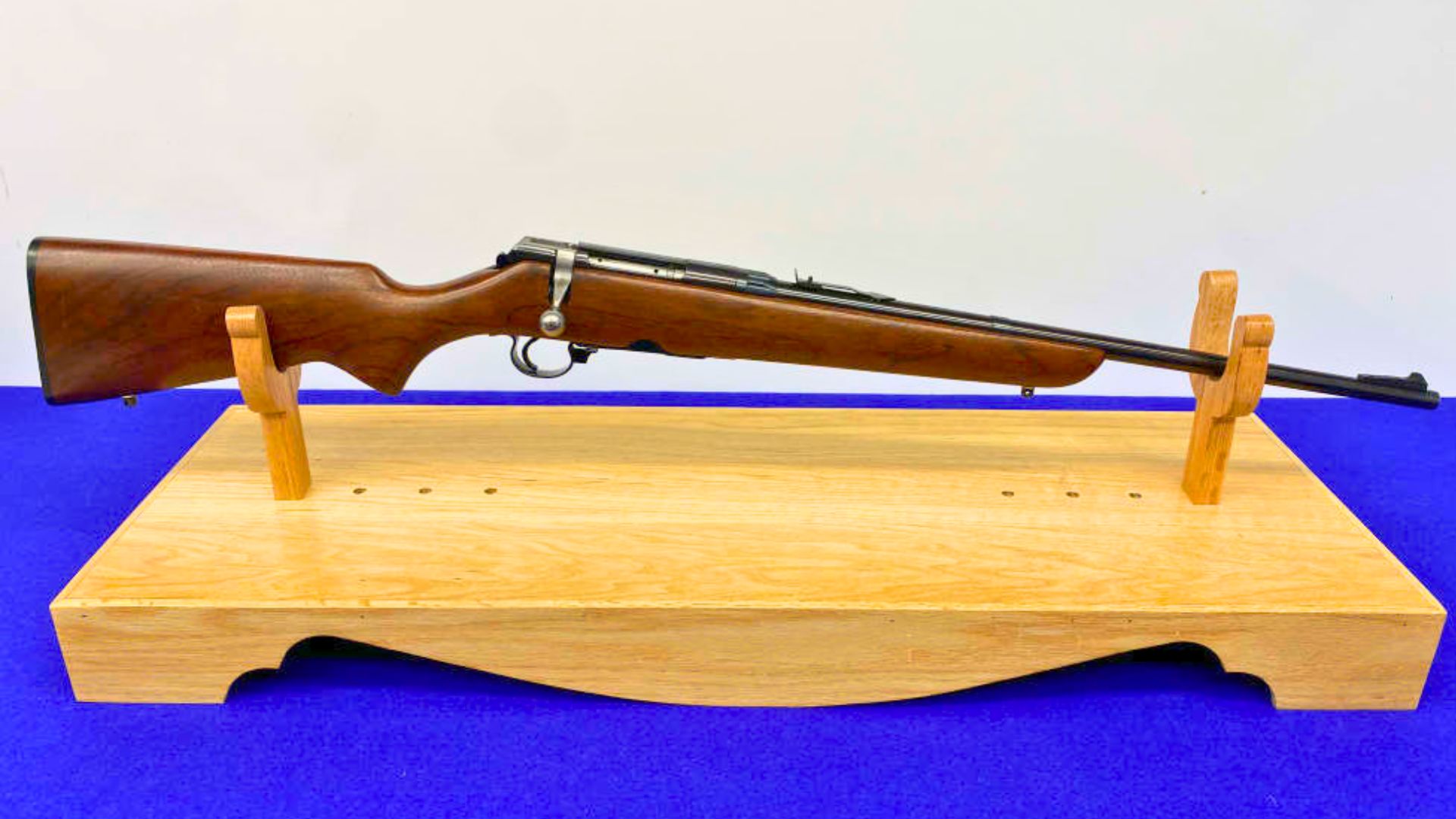
The Model 340 was never glamorous. It was a straightforward, affordable bolt-action rifle offered in several useful cartridges and sold to hunters who wanted something inexpensive that would simply work.
That lack of prestige is exactly why it disappeared from the conversation. Shooters remember more refined Savages while the 340 is treated like a relic of the bargain rack. Yet a clean example can still be a handy woods rifle, especially in moderate chamberings. The action is basic and the stock is nothing fancy, but not every hunting rifle needs to be a premium platform. The 340 did honest work for decades and deserves more respect for it.
Remington Model 600 Mohawk
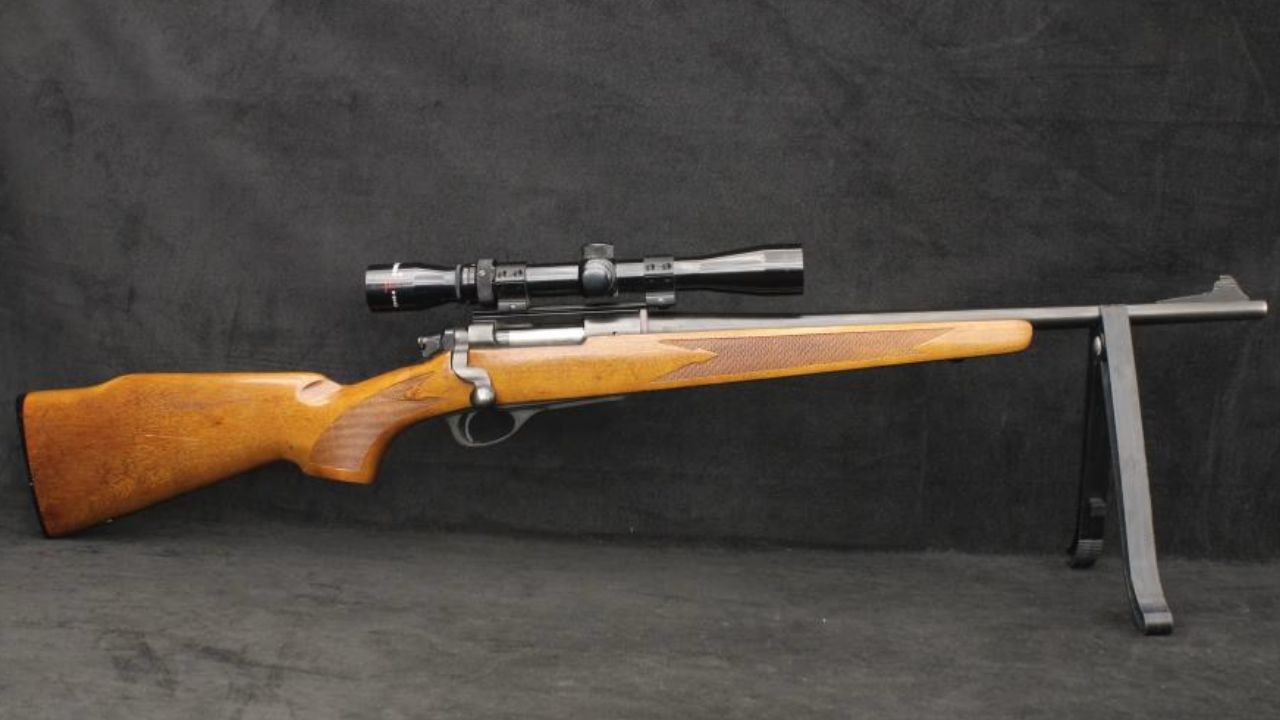
The Mohawk 600 took the basic short-action carbine concept and simplified it into a more affordable package. It remained compact, lightweight, and extremely handy for hunters moving through thick cover.
The styling was unusual enough that not everyone appreciated it, and later Remington rifles became much more conventional. That helped bury the Mohawk despite its practical strengths. Today, the short barrel and compact overall length make far more sense than they did to buyers accustomed to long sporting rifles. In dense deer woods, the Mohawk still handles beautifully and proves that compact bolt guns were useful long before they became fashionable.
Husqvarna 8000
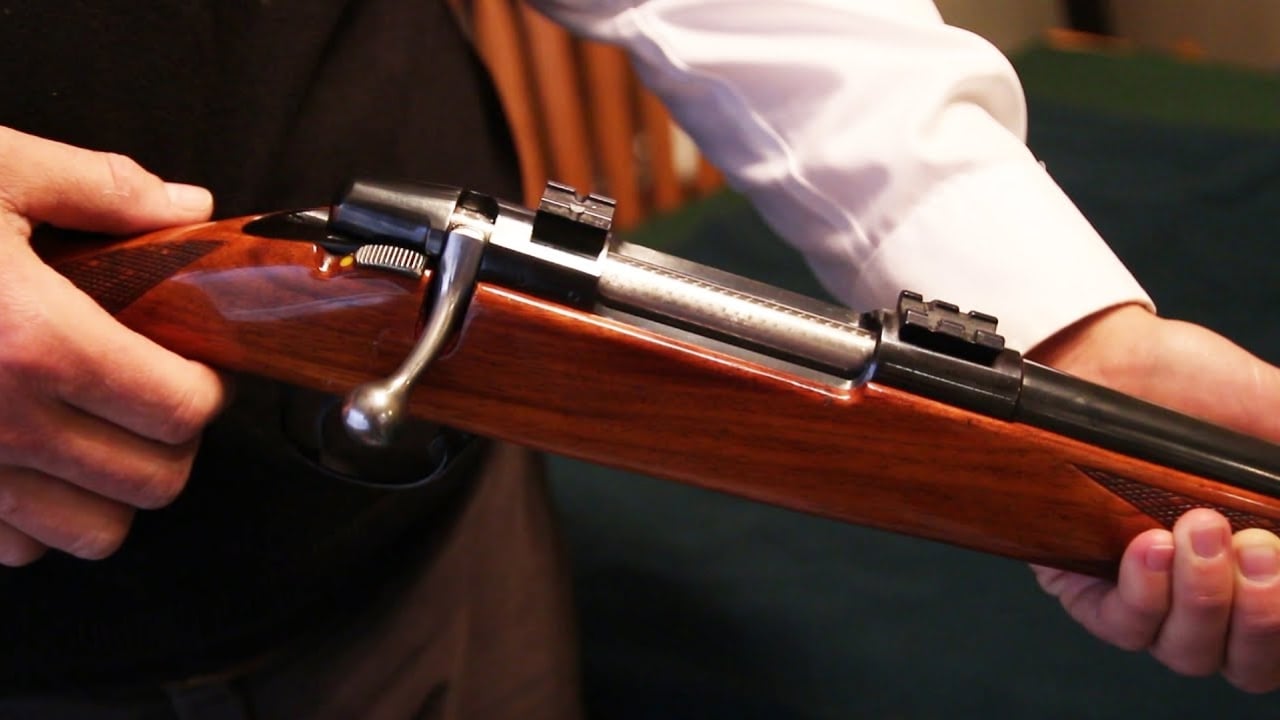
The Husqvarna 8000 came from a company with a long history of producing excellent sporting rifles, but it never gained the recognition of the earlier Mauser-based Husqvarnas. The design was more modern and refined, yet the brand’s declining presence in the firearms market limited its long-term visibility.
That is unfortunate because these rifles can be smooth, well balanced, and beautifully made. Shooters who only know Husqvarna from older controlled-feed rifles may never realize the 8000 existed. A clean example offers the sort of European hunting-rifle feel that now costs considerably more to buy new. It is a forgotten rifle largely because the company moved away from the market, not because the design lacked merit.
Marlin Model 455
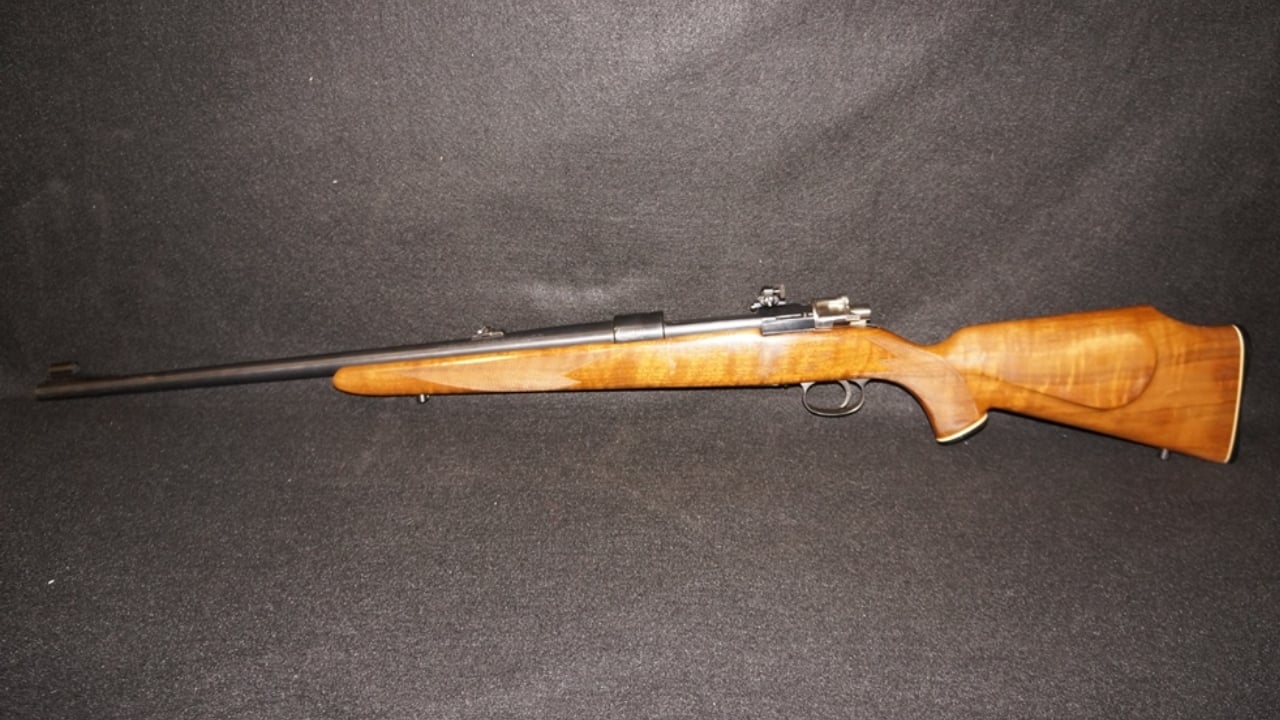
The Model 455 is one of Marlin’s lesser-known bolt-action rimfires, overshadowed by the company’s massively popular semiautomatic and lever-action .22s. That meant a perfectly capable bolt gun never developed much of an identity.
The rifle has the straightforward construction you would expect from an older Marlin rimfire and is well suited to small-game hunting or casual target shooting. There is nothing particularly flashy about it, which probably explains why it disappeared so completely. But rimfire rifles do not need complexity to remain useful. A clean 455 still offers the kind of uncomplicated shooting experience that made older .22 bolt guns so enduring.
Kimber Model 82
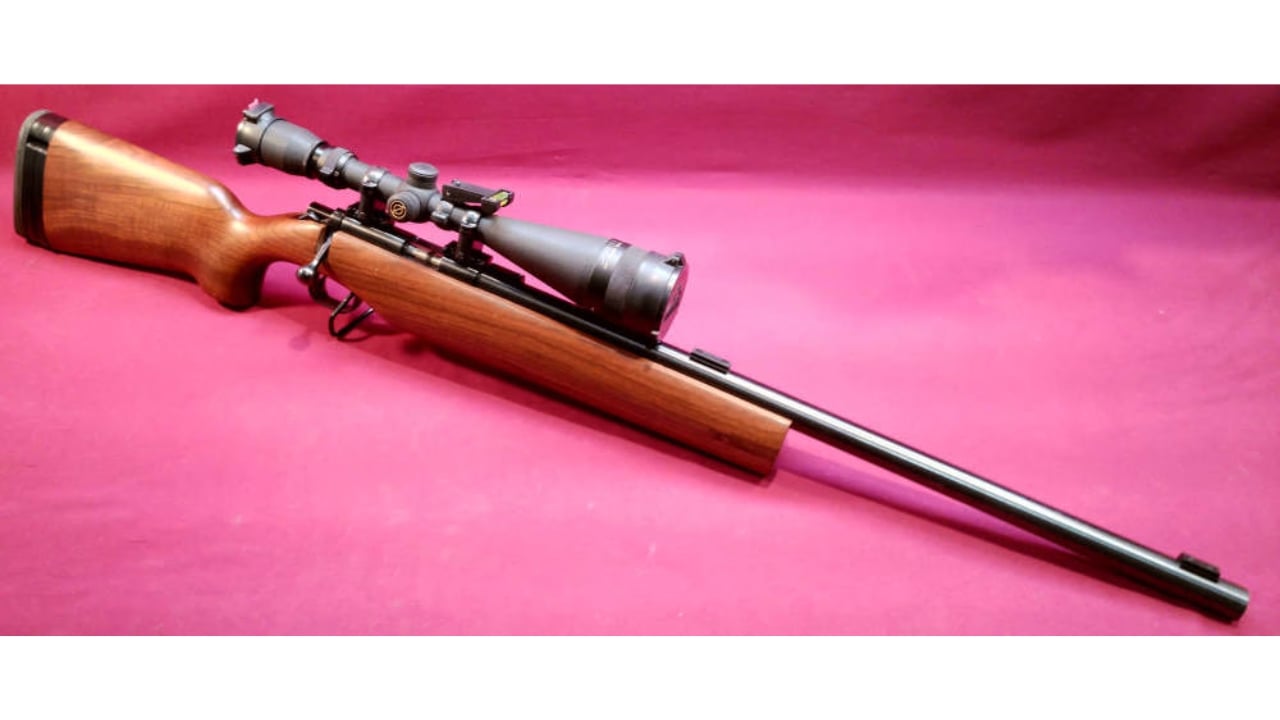
Before Kimber became so closely associated with lightweight centerfire hunting rifles and 1911s, the company built exceptionally refined rimfire rifles. The Model 82 was one of the guns that helped establish that reputation.
The rifle offered excellent triggers, quality barrels, and stock work that made it feel more like a miniature precision centerfire rifle than a basic .22. Later Kimber products overshadowed it, and premium rimfire buyers increasingly moved toward Anschutz and newer boutique brands. That leaves the Model 82 underappreciated. For shooters who value traditional accuracy and craftsmanship, it remains one of the more interesting American rimfires from its era.
Steyr SSG 04
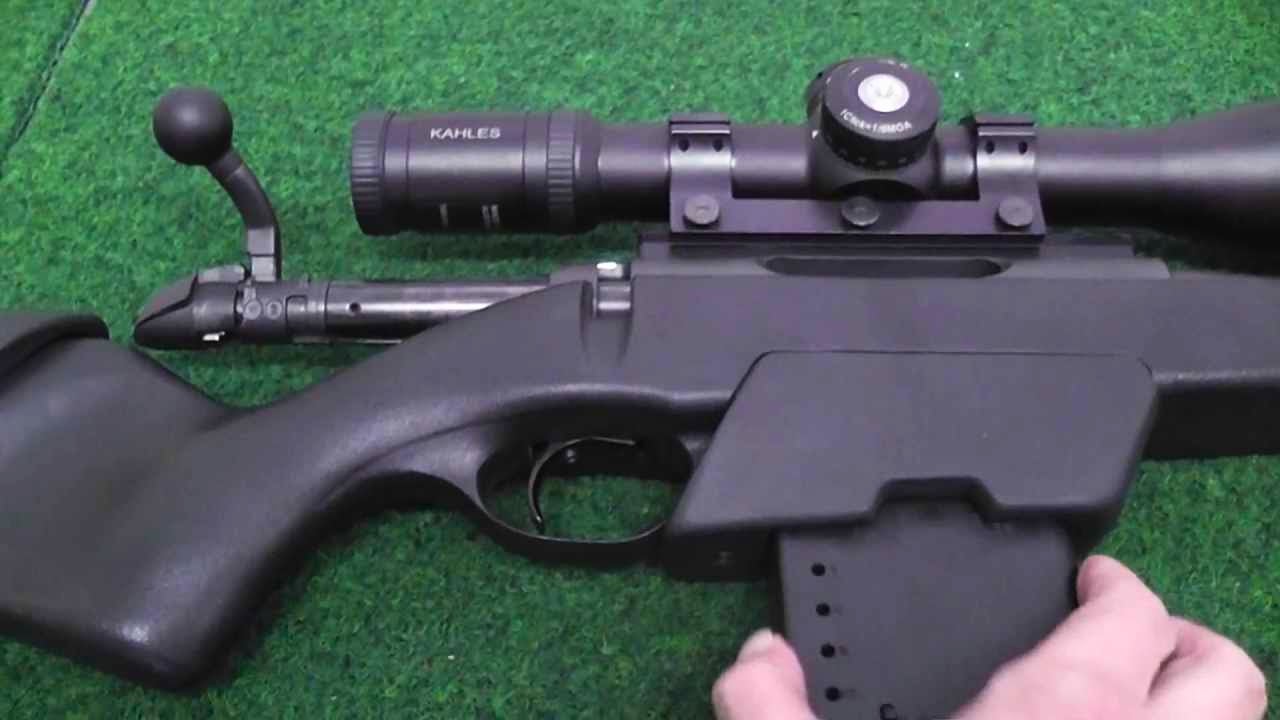
The SSG 04 arrived as a serious precision-oriented rifle but never developed the cultural footprint of competing tactical bolt guns. It had an excellent barrel, smooth action, and solid ergonomics, yet the market quickly shifted toward highly modular chassis systems.
That left the SSG 04 looking dated even though its accuracy never became outdated. Traditional stock-based precision rifles lost visibility once adjustable aluminum chassis became the default look for long-range shooting. The Steyr remains a reminder that a rifle does not need an exposed skeletonized frame to shoot exceptionally well. Clean examples can still be outstanding range rifles without the bulk and complication of newer systems.
Remington Model 720
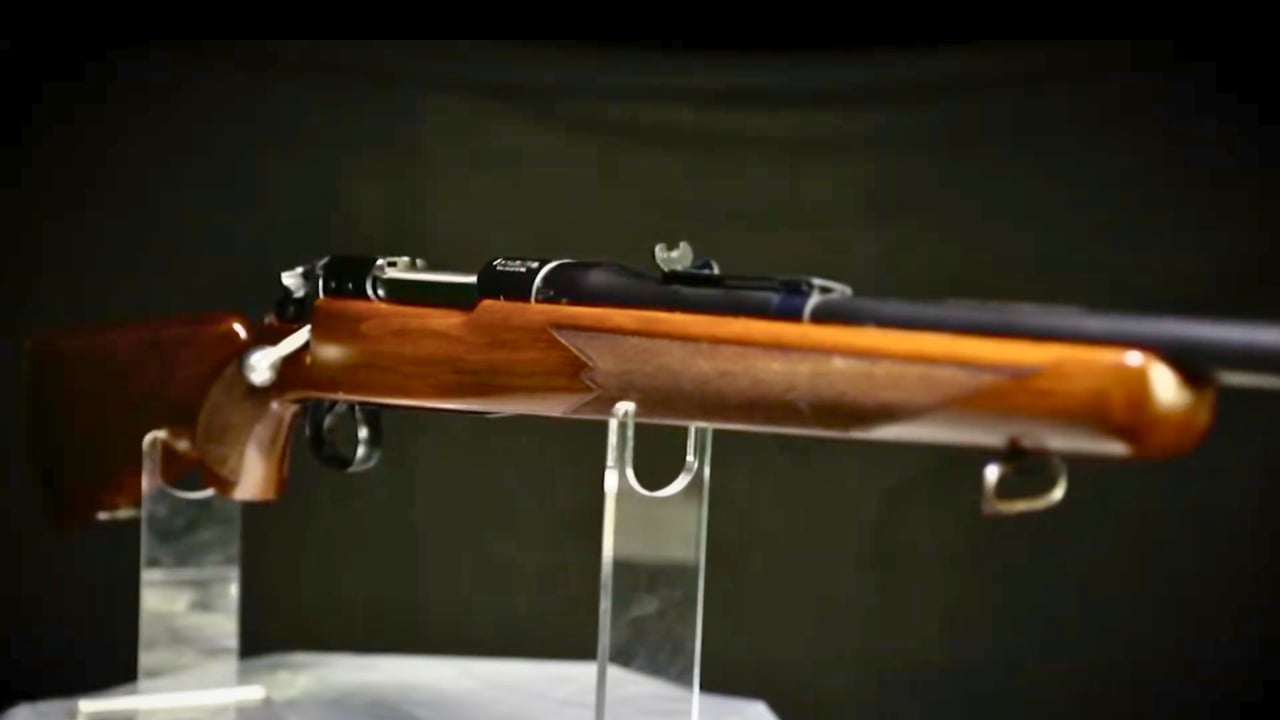
The Model 720 was produced in relatively small numbers and is often overshadowed by both earlier Remington bolt guns and the later 721/722 family. That makes it one of the company’s more easily forgotten sporting rifles.
Mechanically, though, the 720 was a serious hunting rifle with strong construction and traditional styling. It belongs to a period when manufacturers were still working out what the postwar American sporting bolt action would become. Because so few shooters encounter one today, the rifle rarely gets discussed outside collector circles. That does not mean it lacked quality. It simply landed between more historically significant designs.
Browning Acera

The Acera was Browning’s straight-pull hunting rifle aimed largely at the European market. It offered fast cycling while retaining the look and handling of a traditional sporting rifle rather than adopting military styling.
The concept never gained much traction in the United States, where conventional bolt actions remained dominant and semiautomatics filled the role for hunters wanting faster follow-up shots. That pushed the Acera into obscurity. Today, straight-pull hunting rifles are far more visible, which makes the Browning seem less strange than it once did. The market eventually became more receptive to exactly the kind of action the Acera offered.
Heym SR20
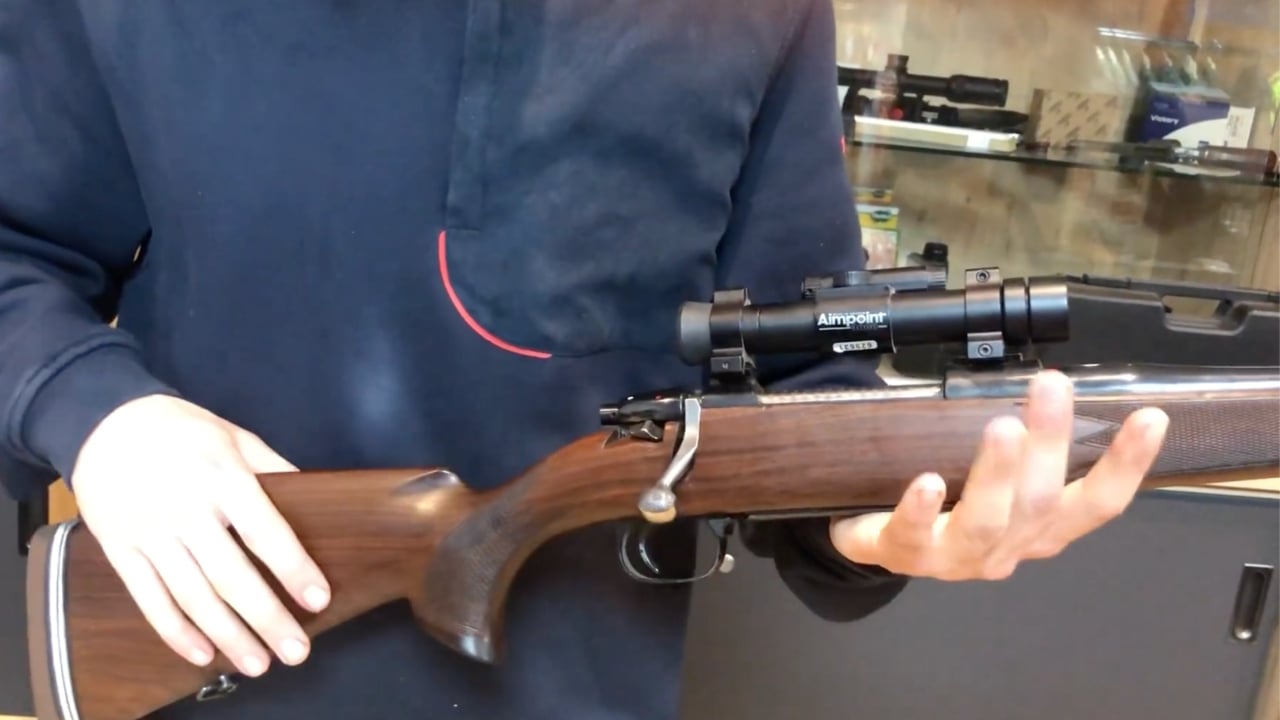
The SR20 is an older German bolt-action hunting rifle that rarely enters American conversations despite excellent machining and a strong sporting-rifle pedigree. It has the traditional lines, smooth operation, and high-quality construction associated with older European hunting arms.
The reason it disappeared from American awareness has more to do with availability and brand recognition than performance. Heym never built the same widespread dealer presence as larger European manufacturers. That makes used examples easy to overlook. For hunters who appreciate classic European bolt guns, a good SR20 can deliver a level of refinement that many newer mass-produced rifles struggle to match.
Parker-Hale Safari
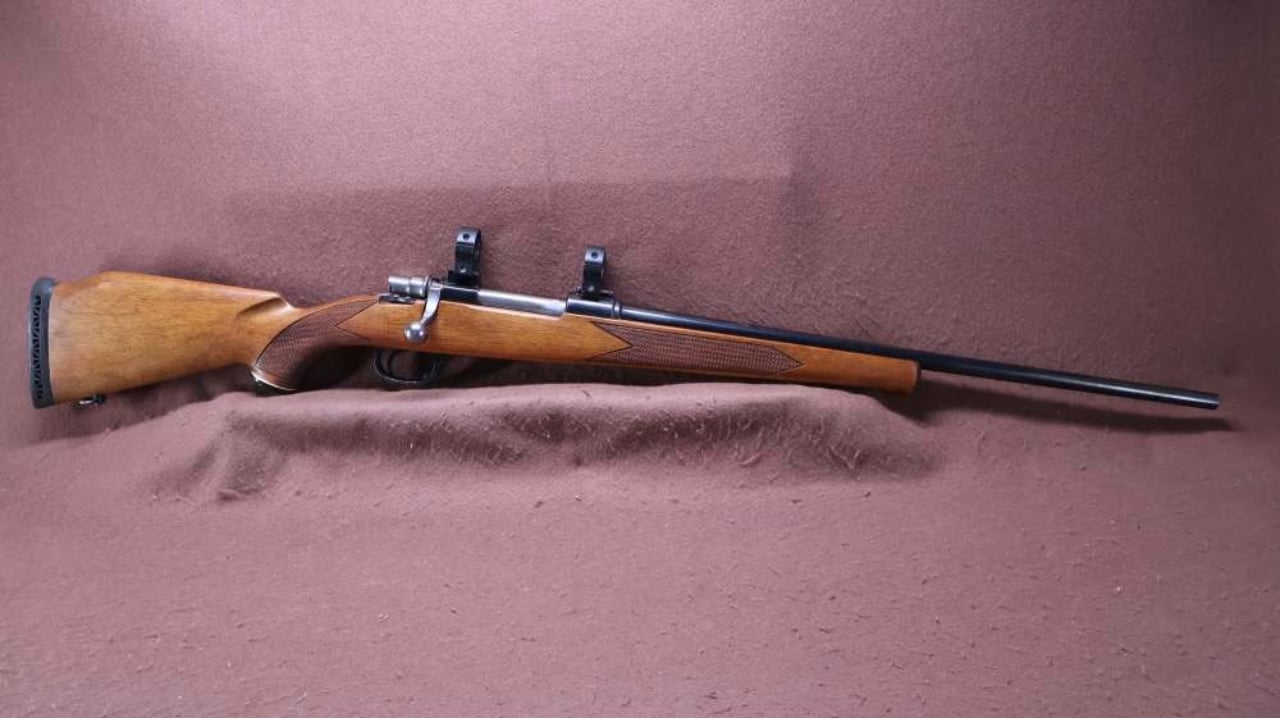
The Parker-Hale Safari rifles came from a period when the company was turning proven actions into traditional sporting rifles at prices ordinary hunters could still reach. They were sturdy, practical, and often chambered in cartridges well suited to deer and larger game.
Once Parker-Hale faded from the firearms market, these rifles quickly disappeared from everyday discussion. That is unfortunate because many are still entirely usable hunting guns. The stocks feel traditional, the actions are robust, and the rifles were built during an era when steel and walnut were standard rather than premium upgrades. A worn but mechanically sound Safari can still offer an awful lot of hunting rifle for surprisingly little money.
Like The Avid Outdoorsman’s content? Subscribe to our newsletter so you never miss an article.
Here’s more from us: