Photo credit: BoomStick Tactical/YouTube
Spend enough years behind both, and you start realizing the 1911 versus striker-fired debate isn’t about nostalgia or modern trends—it’s about what kind of shooter you’ve become. The 1911 rewards discipline, grip control, and timing. Striker-fired pistols reward simplicity, speed, and consistency. Each has earned its place through hard use, not hype. You’ll meet folks who swear the 1911 is the only “real” fighting pistol, and others who won’t carry anything with a hammer. The truth is somewhere in the middle. Experience doesn’t lie—it shows what matters under stress, in the cold, and when your hands are slick with sweat or mud. Here’s what years of shooting both platforms really teach you.
The 1911’s trigger still sets the standard

Once you’ve shot a good 1911 trigger, everything else feels like a compromise. The crisp break, short reset, and natural pull make accurate shooting effortless when you’re dialed in. There’s no take-up or sponge-like wall—just a clean break that builds confidence. That kind of control turns tight groups into second nature, especially at longer distances.
But that precision comes with responsibility. The 1911 demands trigger discipline, because it breaks the moment you ask it to. There’s no margin for sloppy finger work or adrenaline tremors. Experience proves the trigger isn’t forgiving—it’s honest. It shows exactly how well you’re shooting, not how good your gun makes you look.
Striker-fired consistency is tough to beat
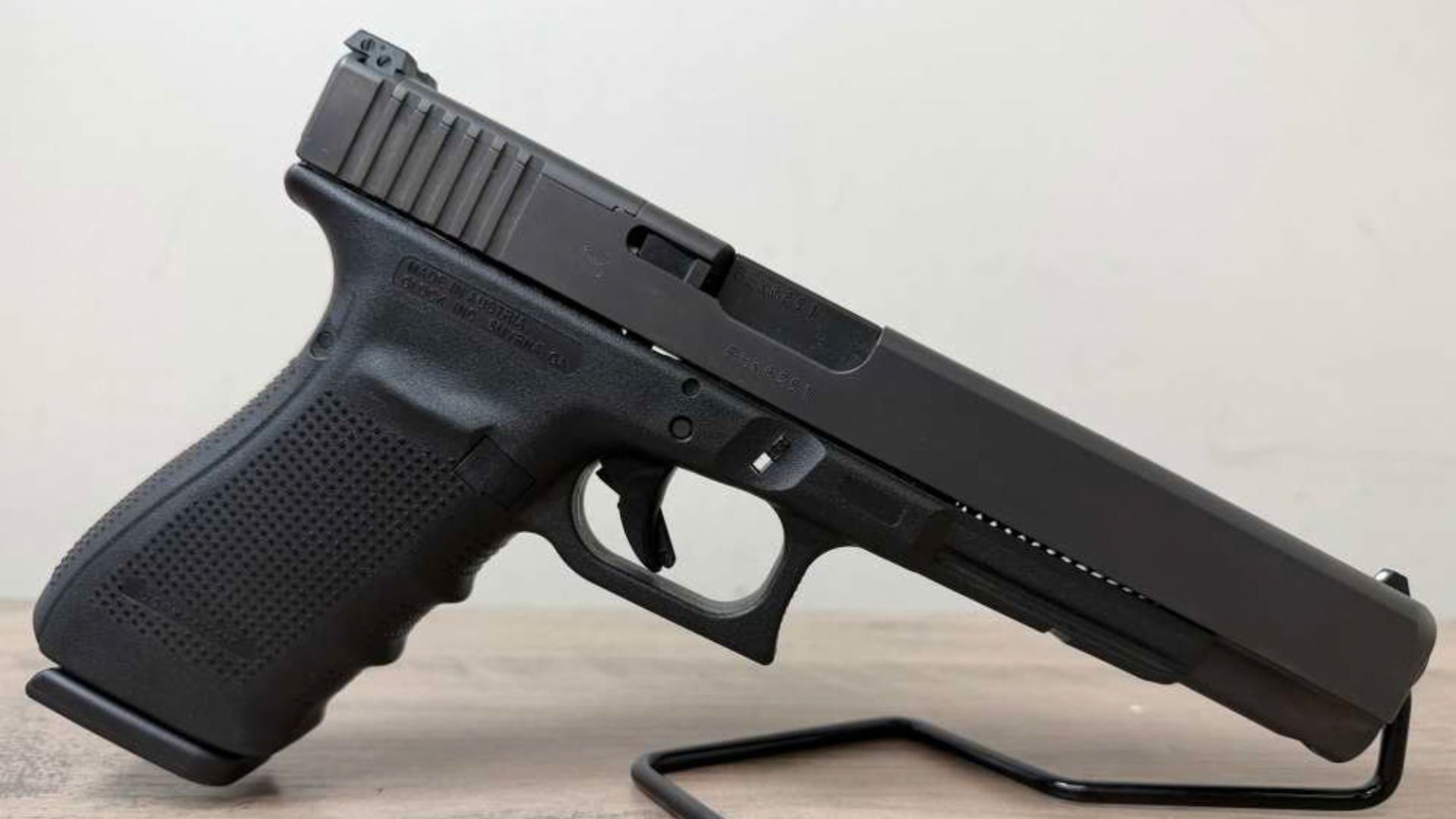
Modern striker-fired pistols like the Glock 19 or SIG P320 have a mechanical advantage—every trigger pull feels nearly identical. That means muscle memory takes over faster, and you’re less likely to fumble under stress. Whether it’s the first shot or the fiftieth, you get the same feel, same weight, same response.
That kind of consistency makes training easier. You can switch from dry fire to live rounds without adjusting your touch. The tradeoff? You lose that fine control and feel the 1911 gives you. A striker trigger might not win matches, but it wins for predictability, especially when you’re focused on survival, not scorecards.
Weight versus balance tells the story

A 1911 feels like an anchor in the hand—heavy, planted, and solid. That extra mass soaks up recoil beautifully, letting you shoot smoother and faster once you get used to it. But that same weight wears on you if you’re carrying all day, especially in warm weather or under heavy gear.
Striker-fired pistols changed the game by being lighter without losing much control. Polymer frames distribute weight better, making long carry days easier. Still, that lightness can mean more snap and muzzle rise. Experience teaches you this: heavy guns teach control, light guns test it.
Maintenance reveals real discipline
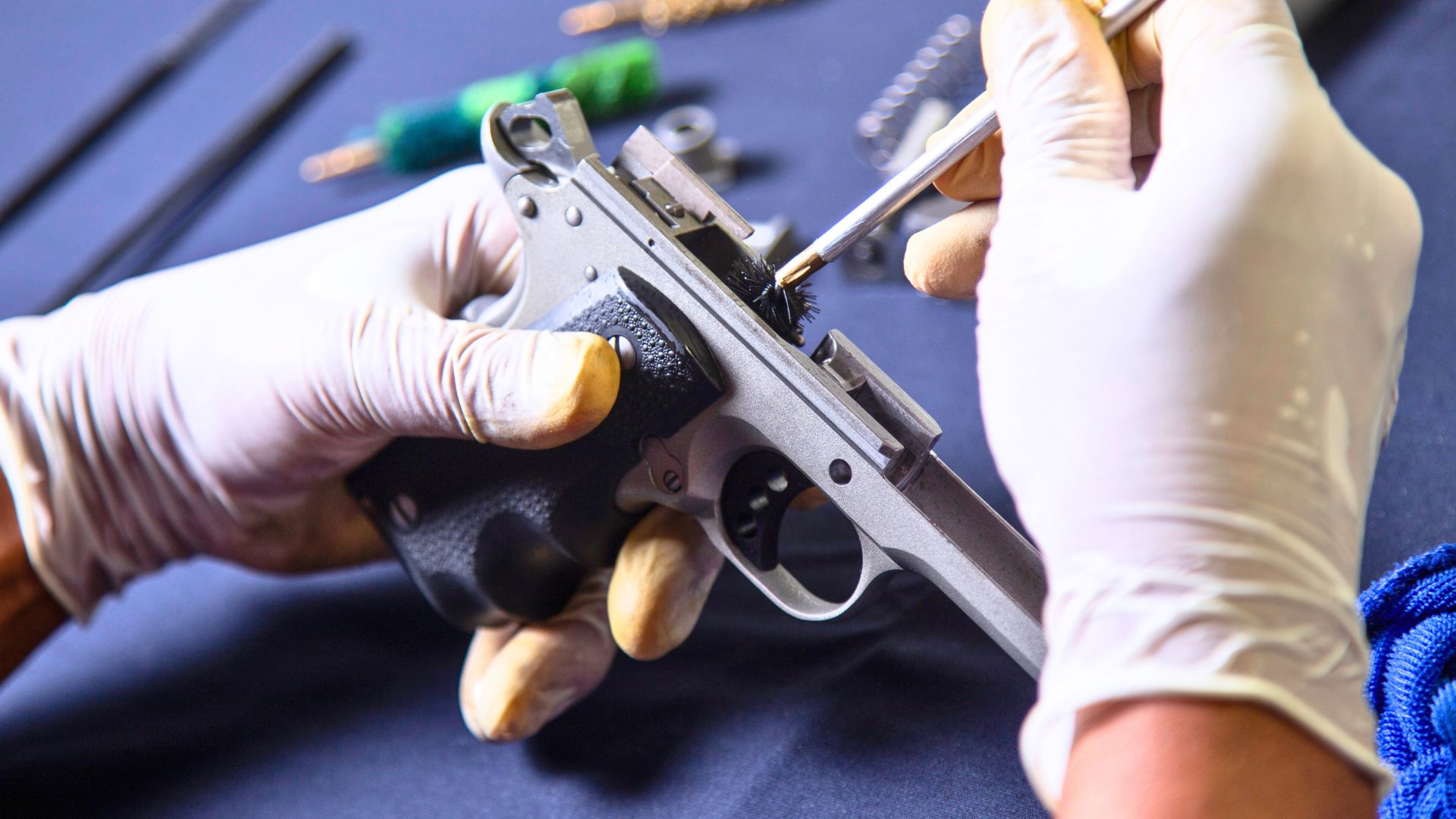
The 1911 demands care. Its tolerances are tight, and a little neglect can mean failures. You can’t run it dry, dirty, and expect it to perform like a polymer pistol. It’s a gun that rewards those who know how to maintain it—and punishes those who don’t.
Striker-fired guns, on the other hand, will forgive you. They’ll run filthy, with minimal lube, and still cycle cleanly. But that convenience can make shooters lazy. The 1911 teaches you to respect your firearm; the striker teaches you how far you can push it. Both lessons matter, and both say something about how you handle your tools.
Safety systems shape mindset

Carrying a 1911 with the hammer back and safety on—condition one—takes confidence. You’ve got to understand how the safeties interact and trust your handling habits. It’s a gun that keeps you mentally engaged every second you carry it.
Striker-fired pistols simplify things. There’s usually no manual safety, just internal systems that handle the job. That ease can make them feel “safer,” but it also invites complacency. Experience teaches that safety isn’t mechanical—it’s behavioral. The 1911 makes you think about safety constantly. A striker pistol assumes you’ve already learned that lesson.
Tolerances tell on you in the field

A well-built 1911 feels like clockwork when clean, but those same tight tolerances can betray you in the dust, mud, or cold. Grit slows the slide, moisture seeps in, and suddenly the world’s most reliable pistol becomes stubborn. It’s not a design flaw—it’s a design demand.
Striker-fired pistols, with their looser fit and polymer construction, shrug off abuse. They might rattle more, but they keep running. Experience proves that tight tolerance doesn’t always mean better performance—it means a higher standard of care. You decide whether that’s worth the trade.
Ergonomics don’t lie

The 1911 points naturally. It feels like it was built to fit the human hand, because it was. The grip angle, weight distribution, and slim frame all work together to make the sights line up without effort. That’s why so many shooters who start on one never forget it.
Striker-fired pistols often take getting used to. The grip angles differ, and the triggers require a longer reach or heavier pull. But once you adapt, you gain consistency across a variety of guns. The 1911 feels custom. The striker-fired feels standardized. Experience tells you which you prefer—and why.
Reloads show their difference
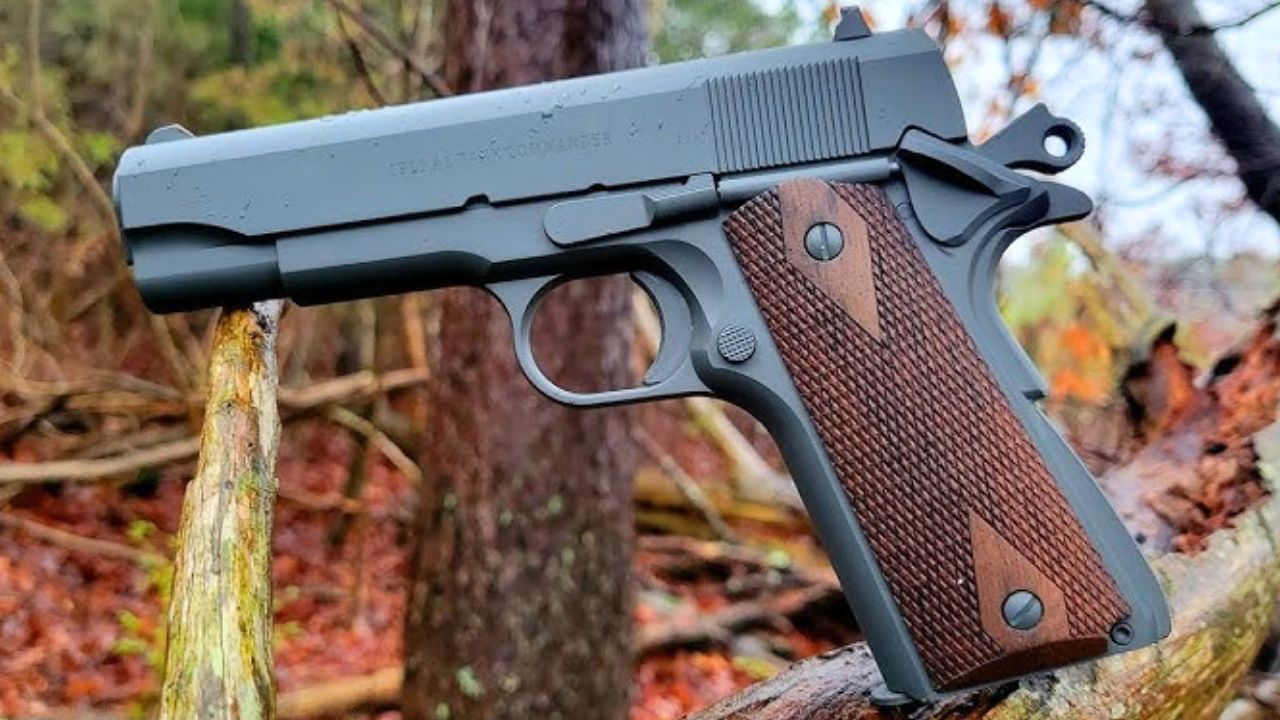
The 1911’s single-stack mag limits capacity, but its slim profile makes reloads smooth and natural once practiced. That said, the manual safety and grip safety can slow you down if you’re not perfectly in sync. It’s a platform that rewards finesse.
Striker-fired pistols benefit from simplicity—larger magazines, fewer steps, and controls that work even with cold or gloved hands. They’re built for efficiency, not elegance. Reload drills prove it quickly: the 1911 reloads beautifully in the right hands, but striker-fired pistols reload faster in nearly everyone else’s.
Accuracy versus practicality
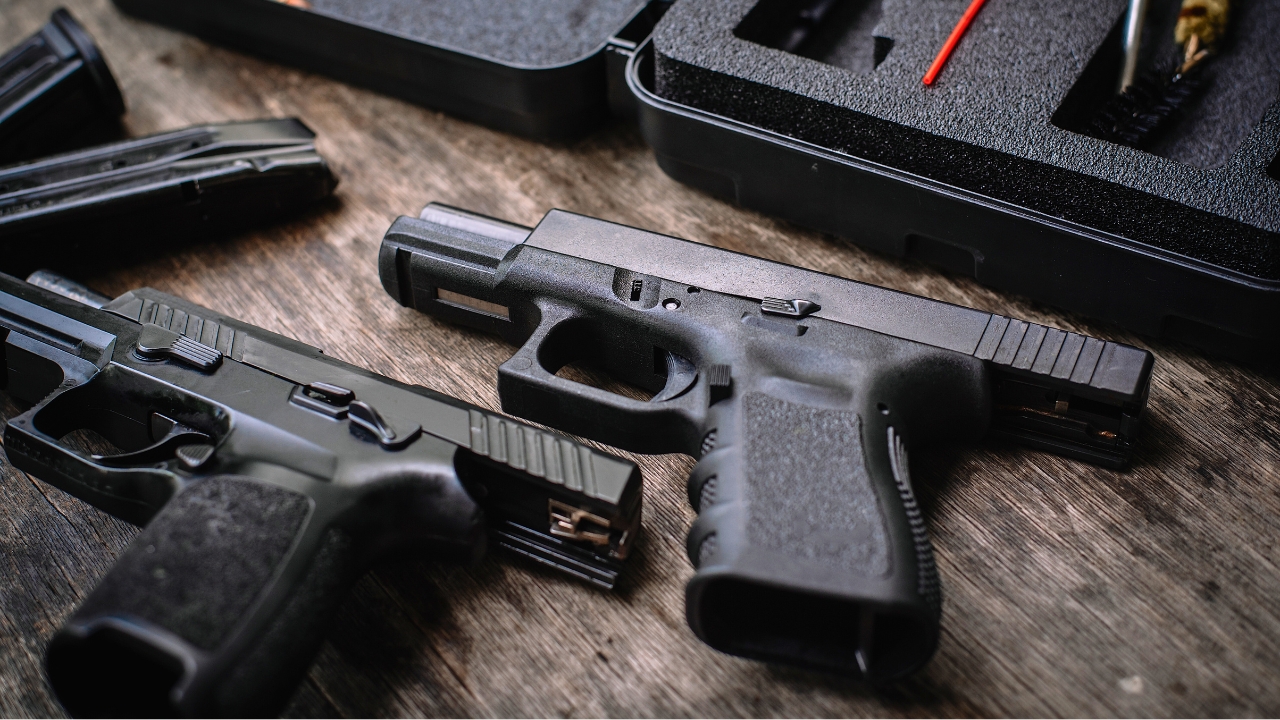
You’ll rarely find a striker-fired pistol that can outshoot a tuned 1911 from a rest. The trigger, barrel lockup, and balance make the 1911 a precision tool in skilled hands. That’s why it’s still used in competition and custom builds over a century later.
But accuracy isn’t everything. The striker pistol wins when you need reliability, speed, and a gun you don’t have to baby. It might not punch one ragged hole, but it’ll get the job done under pressure. Experience proves that precision matters until conditions make reliability matter more.
The verdict experience delivers

When you’ve put thousands of rounds through both, you stop arguing and start appreciating what each offers. The 1911 teaches you how to shoot well. The striker-fired teaches you how to fight smart. They’re not enemies—they’re benchmarks.
The old steel frame still has a place for shooters who respect the craft. The polymer striker pistol belongs to those who value consistency and practicality. Experience doesn’t pick sides—it just proves that a good shooter can run either one effectively, as long as he understands what each one demands.
Like The Avid Outdoorsman’s content? Be sure to follow us.
Here’s more from us:
The worst deer rifles money can buy
Sidearms That Belong in the Safe — Not Your Belt
*This article was developed with AI-powered tools and has been carefully reviewed by our editors.