Photo credit: Jimmy Lee Tennessee/YouTube
Some rifles look fine on a rack and still make you nervous once the shooting gets serious. Maybe they group well for three shots and then start wandering. Maybe the magazines cause trouble. Maybe the action feels rough, the stock flexes, or the rifle only behaves when everything is clean, cool, and perfect.
A rifle does not have to be completely useless to lose your trust. It can still shoot, still sell, and still have loyal defenders. But once a rifle makes you question the next shot, the next feeding cycle, or the next cold-bore hit, it becomes hard to treat it like a serious tool.
Remington 770
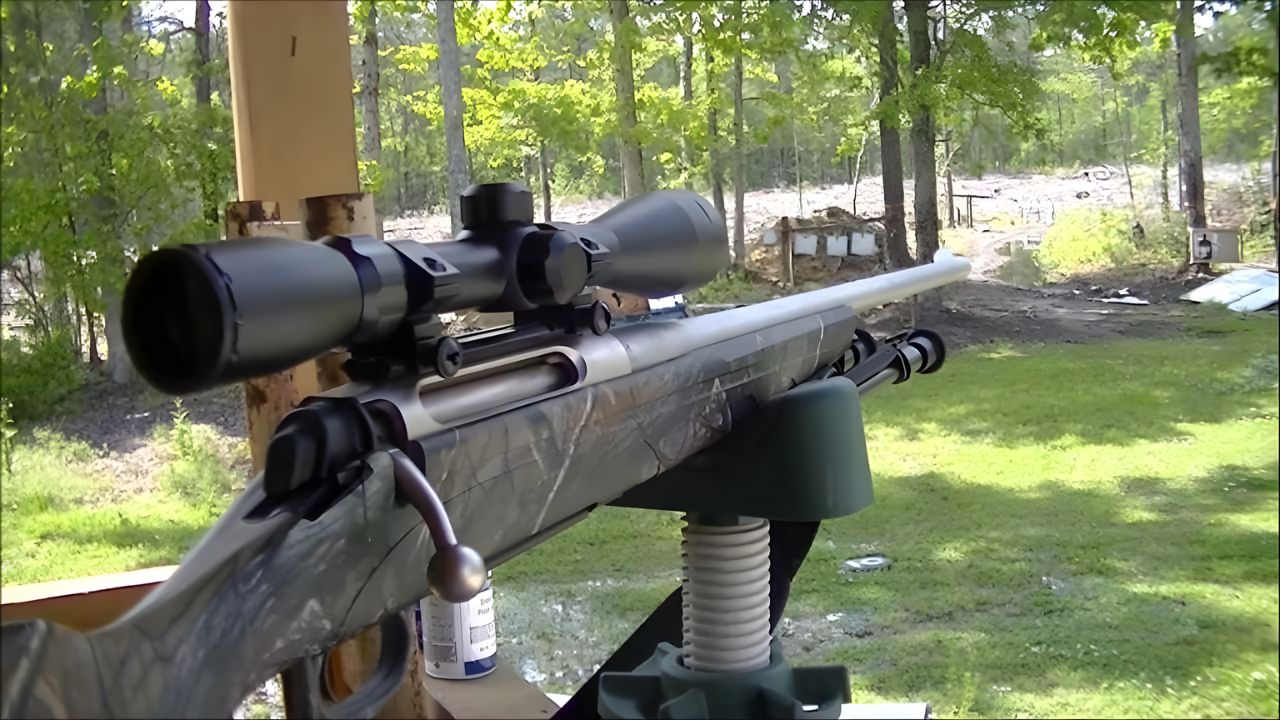
The Remington 770 was built to hit a low price point, and that shows once you spend time behind it. The bolt can feel rough, the stock feels cheap, and the overall rifle does not inspire much confidence compared with better budget rifles that came later.
Some owners got decent accuracy from them, but trust is about more than one good group. When a rifle feels clunky every time you run the bolt or handle the magazine, it starts wearing on you. The 770 is one many hunters eventually wish they had skipped.
Mossberg Patriot Predator
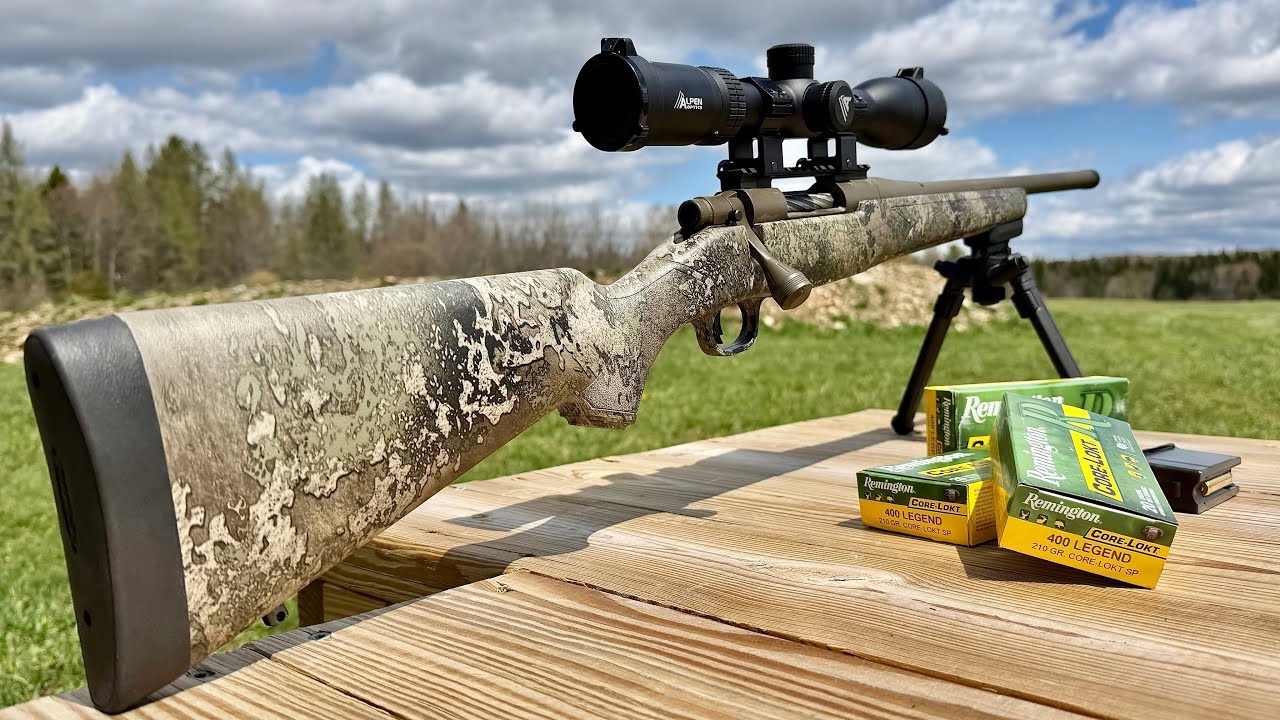
The Mossberg Patriot Predator looks like a solid value because it gives you a threaded barrel, synthetic stock, and modern hunting-rifle features without a scary price. On paper, that sounds pretty appealing for coyotes, deer, and general field use.
The problem is consistency. Some examples shoot well, while others feel less predictable than they should. The stock can feel flimsy, the action is not especially smooth, and magazine fit can be annoying. It can work, but it is not a rifle I would trust blindly without proving it hard first.
Ruger American Ranch in 7.62×39
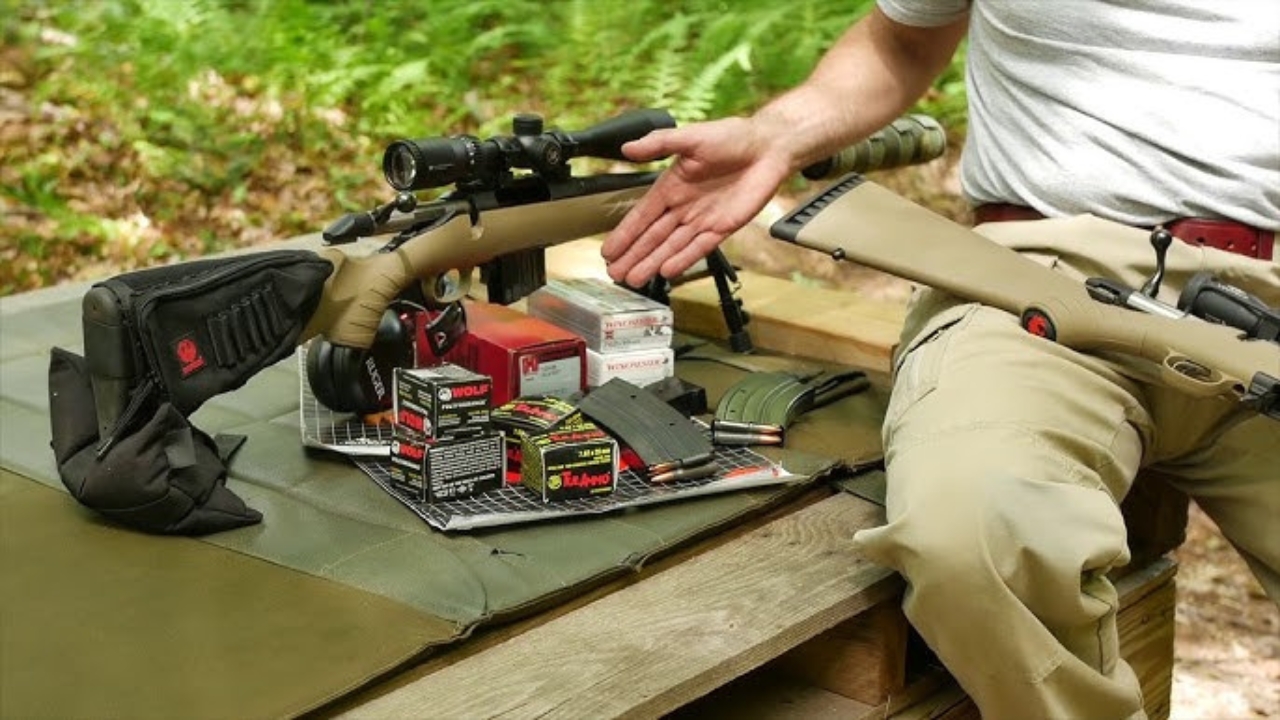
The Ruger American Ranch in 7.62×39 is handy, light, and fun, but it is not always the confidence builder people expect. The idea is great: a short bolt gun using affordable intermediate ammo with enough punch for close-range work.
In practice, accuracy can vary heavily depending on ammunition. Cheap steel-case loads may be fine for casual shooting, but they do not always deliver the consistency hunters want. Add the lightweight feel and sometimes-fussy magazine setup, and it becomes a rifle you need to vet carefully before trusting it past easy distances.
Savage Axis XP

The Savage Axis XP has put a lot of people into affordable hunting rifles, and that matters. It can absolutely kill deer when everything is right. The issue is that the complete package often feels like corners were cut everywhere around the barrel.
The scope on package versions is usually the first thing serious shooters replace. The stock is flexible, the action can feel rough, and the trigger on older examples leaves plenty to be desired. It may shoot, but many owners outgrow it fast once they start demanding more.
Remington 783
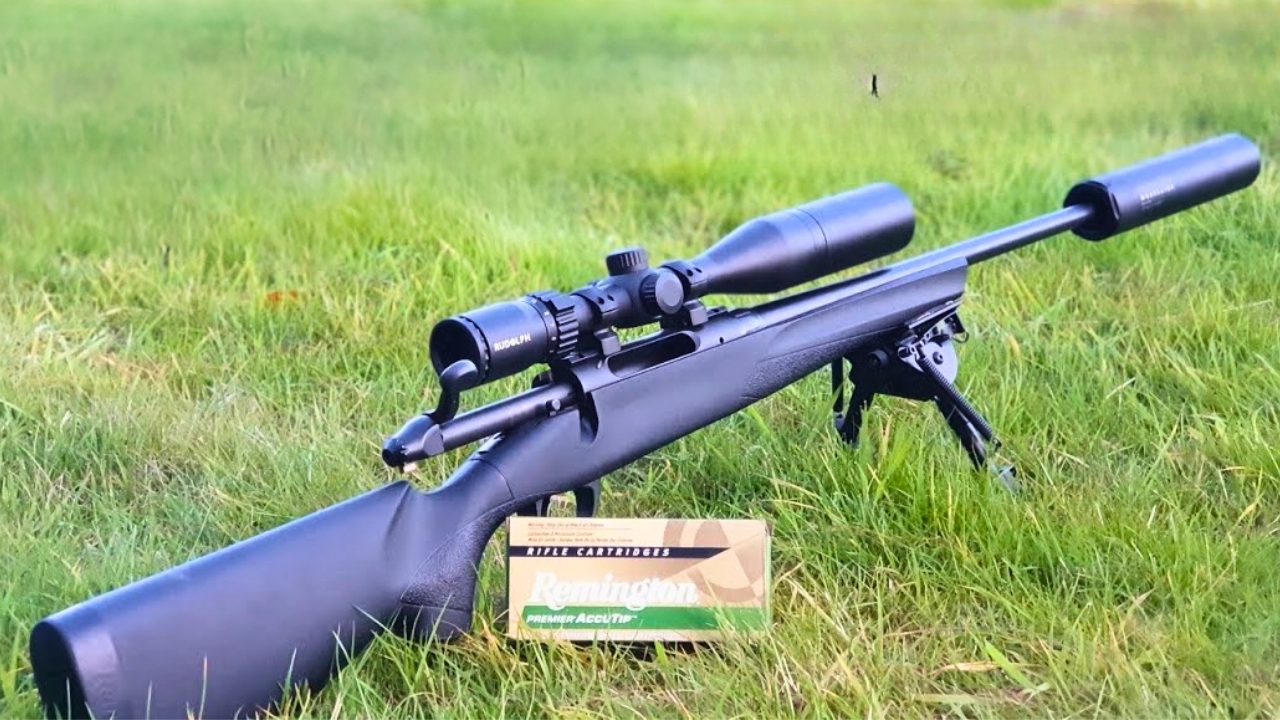
The Remington 783 is not the disaster some people make it out to be, but it is also not a rifle I would trust just because it wears the Remington name. It was built as a budget hunting rifle, and that is exactly how it feels.
Some shoot surprisingly well. Others feel rough, plain, and forgettable. The magazine setup, stock feel, and overall finish do not give much confidence if you are used to better rifles. For a casual deer gun, it may serve. For something you trust hard, there are stronger choices.
Thompson/Center Compass
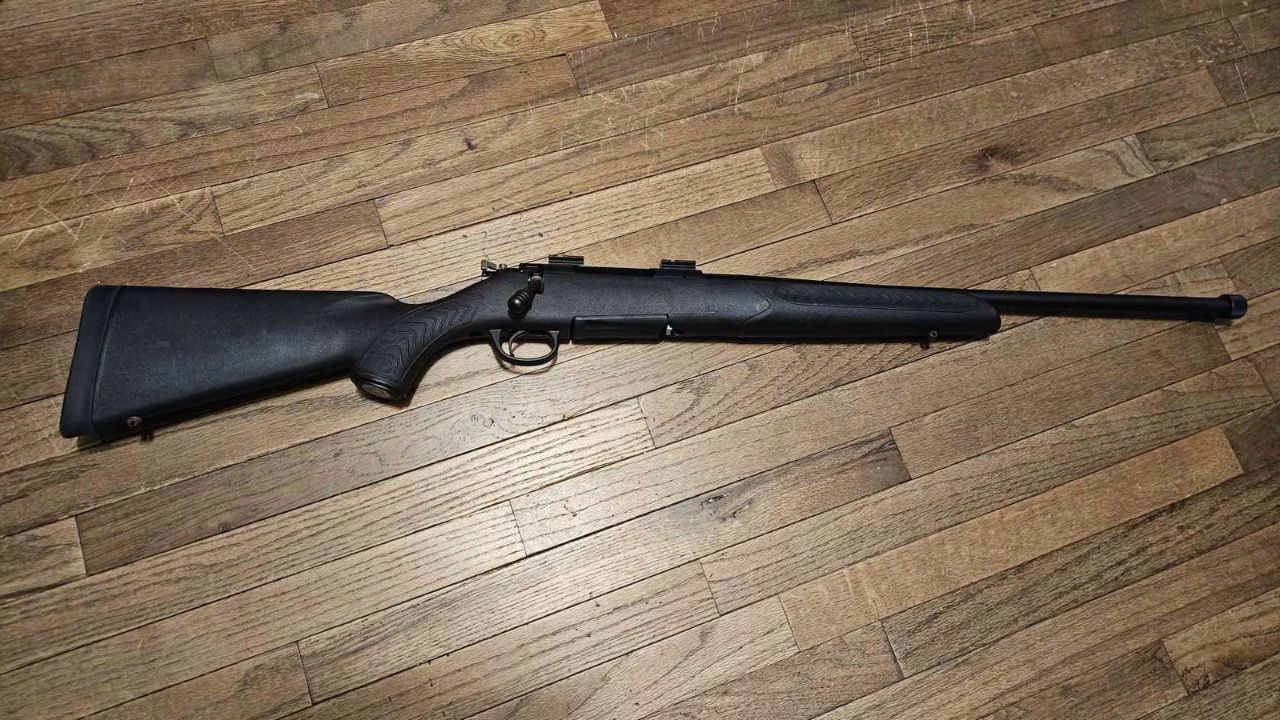
The Thompson/Center Compass attracted buyers because it offered a lot for the money. Threaded barrels, decent accuracy potential, and affordable pricing made it look like one of the smarter budget rifle buys for a while.
Where it loses trust is in the details. The bolt can feel awkward, the stock feels cheap, and the detachable magazine system is not something everyone loves. Some rifles shoot well enough to forgive the rough edges. Others make you feel like you bought a price tag instead of a rifle.
Winchester XPR

The Winchester XPR is accurate enough for many hunters, but it never feels as confidence-inspiring as the Model 70 name sitting elsewhere in Winchester’s lineup. It is a modern budget rifle, and the difference is obvious once you handle both.
The XPR can do the job, but the stiff feel, plastic-heavy build, and plain action leave some shooters cold. If it shoots well, great. But it is not the kind of rifle that makes you feel like you bought something you will keep for decades.
CVA Cascade

The CVA Cascade has earned some good reviews, and plenty of hunters like the accuracy for the price. Still, it is one of those rifles I would want to test hard before trusting completely. Newer rifle lines need time, rounds, and rough handling before they fully prove themselves.
The Cascade can feel like a smart buy, but long-term confidence depends on the individual gun. Magazine behavior, stock fit, and action feel matter in the field. When a rifle has less history behind it than the old standbys, it has to earn trust the hard way.
Howa 1500 Mini Action in 6.5 Grendel
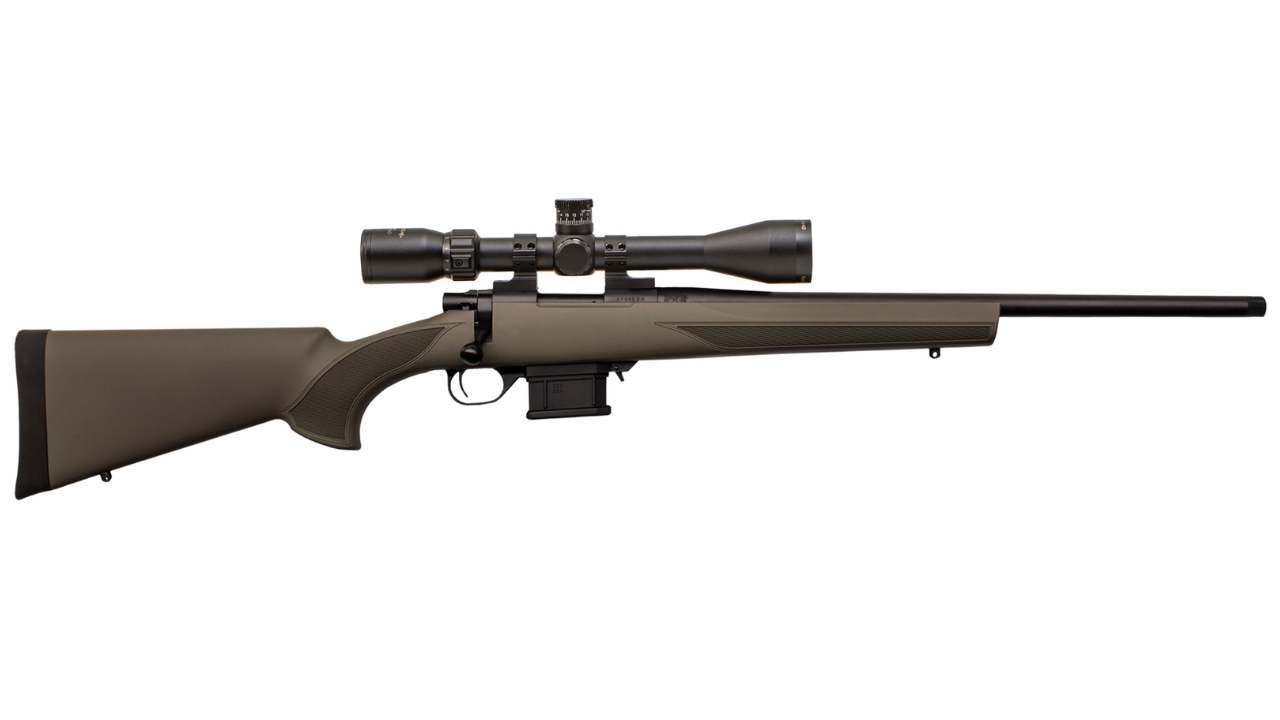
The Howa 1500 Mini Action in 6.5 Grendel is a neat rifle with a lot going for it. The action size makes sense, the cartridge is efficient, and the package can be accurate. But it is not always as trouble-free as fans make it sound.
Magazine fit and feeding complaints have followed some Mini Action setups, and that matters if you are counting on quick follow-up shots. The rifle itself can shoot well, but a rifle that makes you think about the magazine too much starts losing trust fast in the field.
Christensen Arms Mesa FFT

The Christensen Arms Mesa FFT looks like the kind of rifle that should make every mountain hunter happy. It is light, modern, and packed with features that sound great when you are comparing spec sheets.
The issue is that lightweight rifles leave less room for sloppiness. They can be harder to shoot well, and accuracy expectations are often higher because of the price. Some Christensen rifles shoot great. Others leave buyers frustrated. At that price, “maybe it shoots” is not the kind of answer most hunters want.
Henry Long Ranger
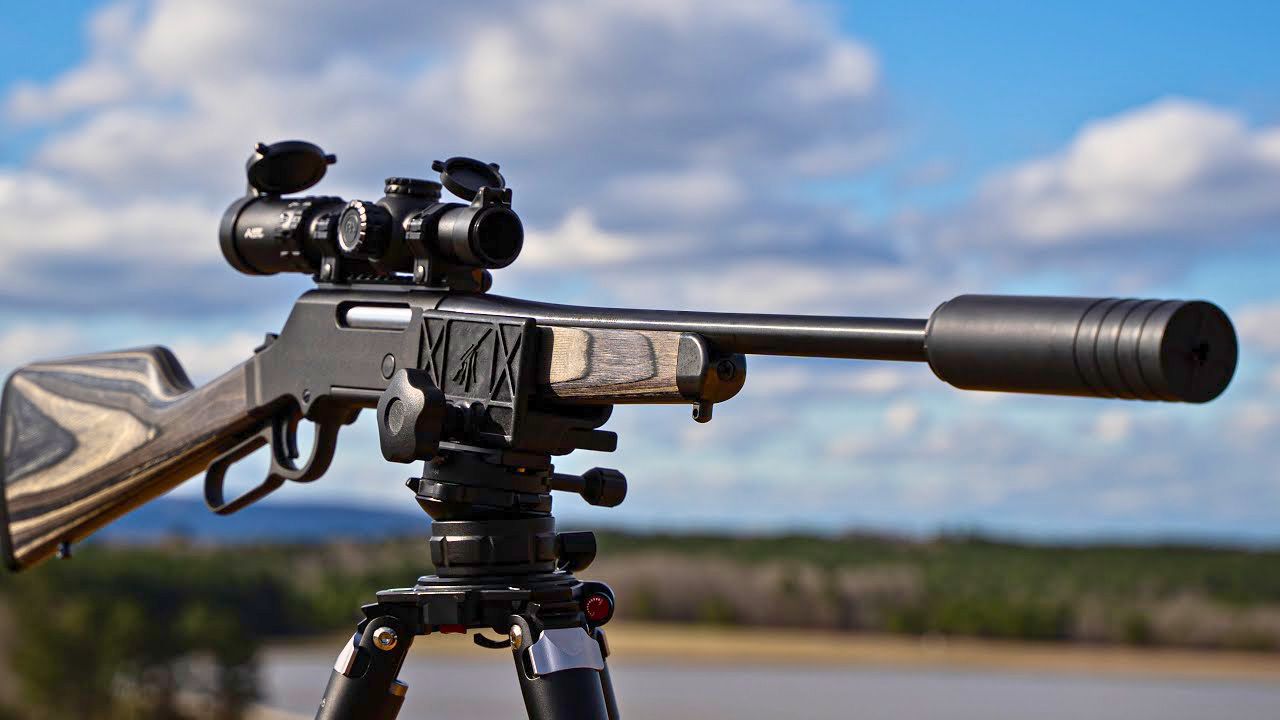
The Henry Long Ranger is a cool idea: a lever-action rifle that handles modern cartridges with box-magazine practicality. It feels different, looks clean, and gives lever-gun people something beyond traditional pistol or flat-nose rifle rounds.
The problem is that cool does not always equal completely trustworthy. The action is more complex than a basic bolt gun, and accuracy expectations need to stay realistic. If you want a deer rifle because you like lever guns, it can make sense. If you want absolute confidence, a proven bolt gun is still easier to trust.
AR-15s Built From Bargain Parts Kits
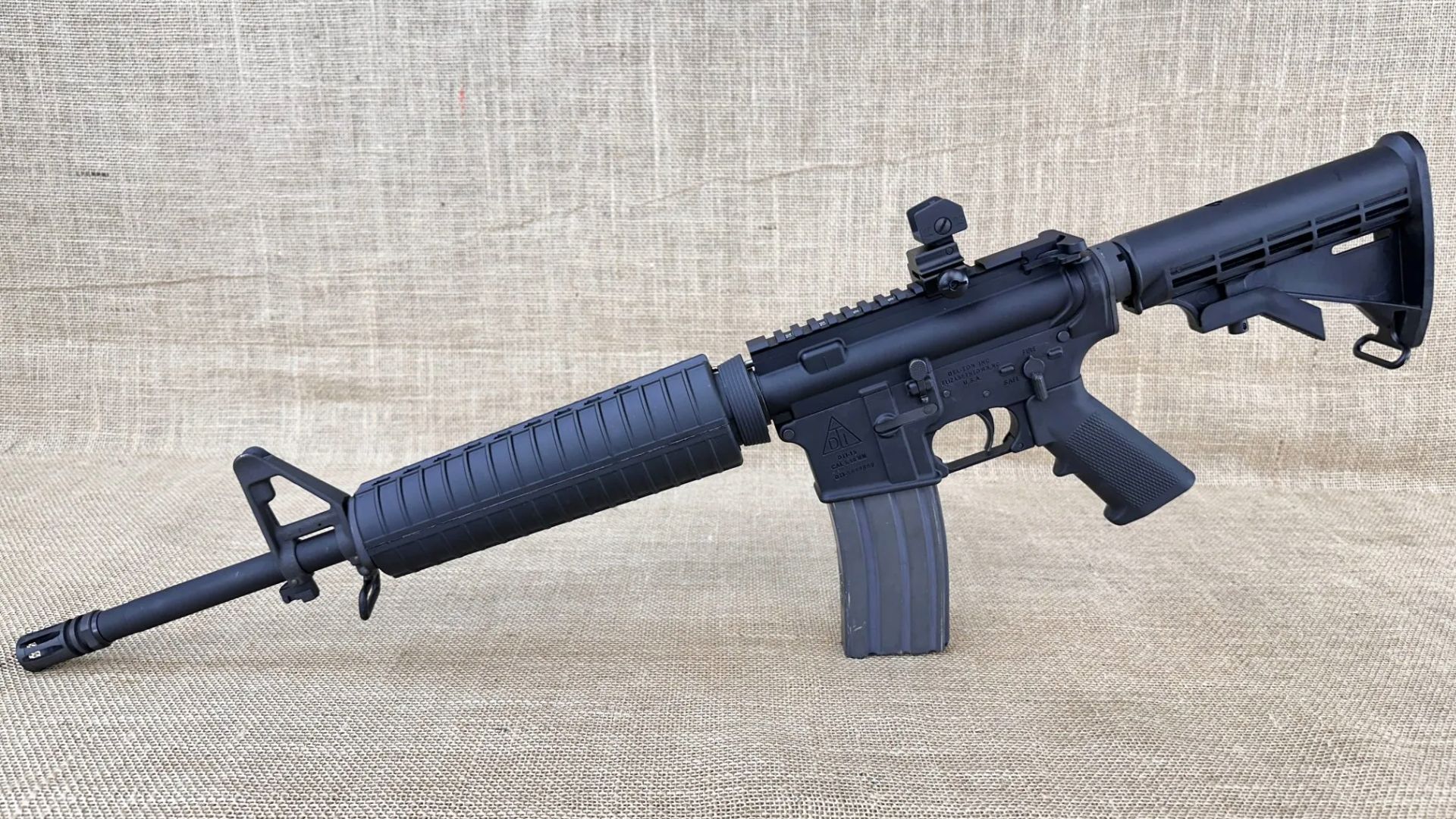
A cheap AR built from random bargain-bin parts can run fine for a while, which is exactly why people get overconfident. The platform is forgiving, but it is not immune to bad gas ports, weak springs, poor staking, cheap bolts, and out-of-spec magazines.
The trouble usually shows up after the first few range trips. Extraction gets weird, ejection changes, screws loosen, or the gun starts choking when dirty. A good AR is one of the most trustworthy rifles around. A cheap parts-bin build is something else entirely.
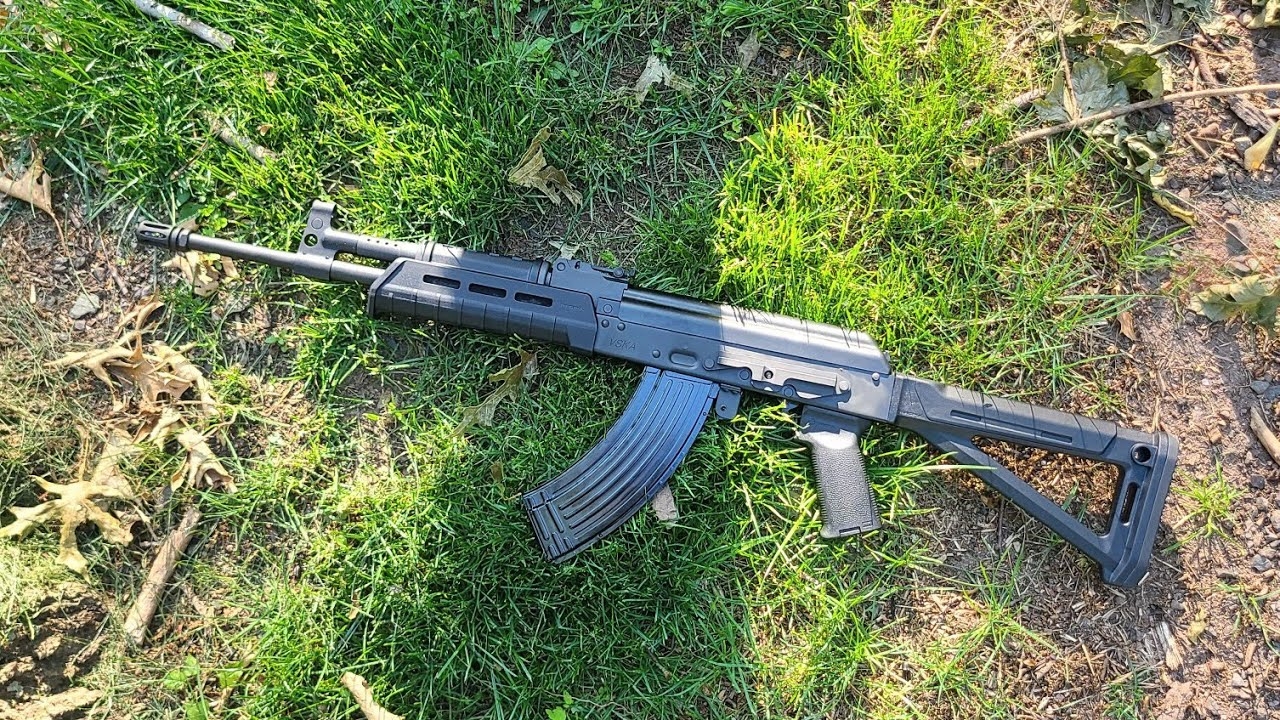
Century Arms VSKA

The Century Arms VSKA benefits from the general idea that AK-pattern rifles are unstoppable. That belief has led a lot of buyers into rifles they probably should have questioned harder. The AK design can be reliable, but build quality still matters.
A rifle shaped like an AK does not automatically inherit the reputation of military-grade examples. Durability concerns and hard-use criticism have followed the VSKA, and that is enough to make serious shooters cautious. Trust belongs to rifles that prove themselves, not rifles that borrow a platform’s legend.
KelTec SU-16
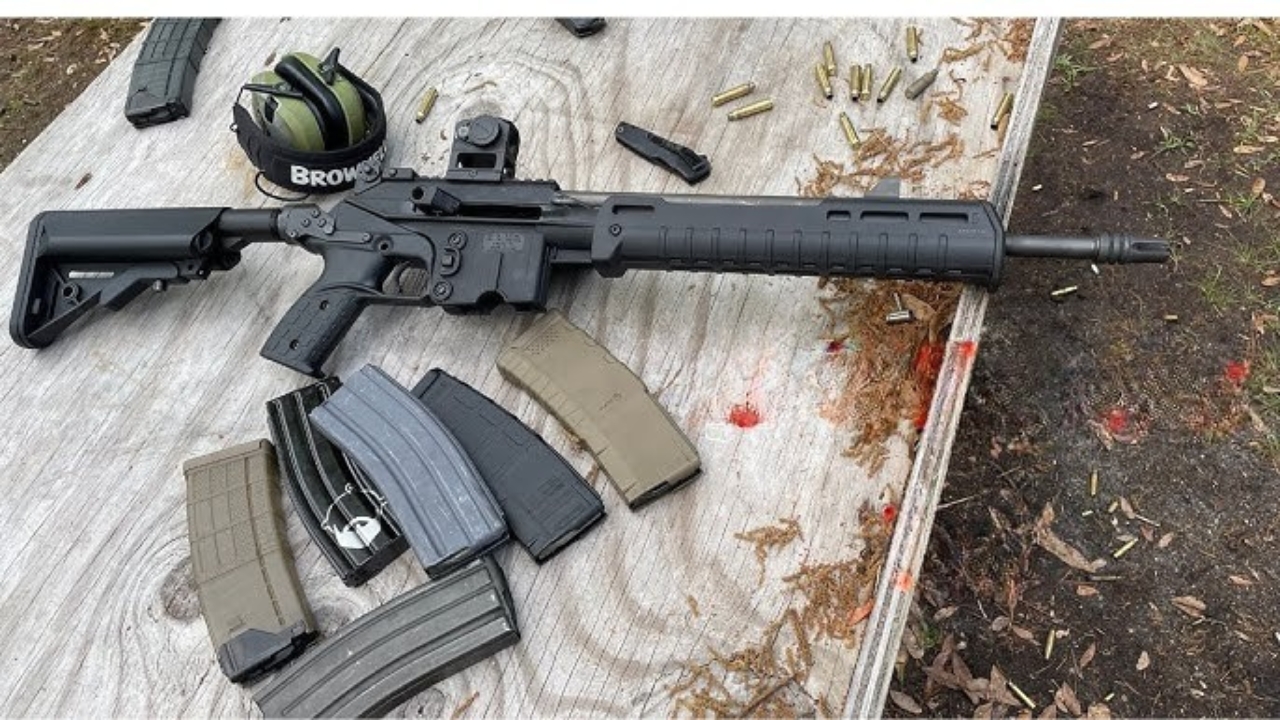
The KelTec SU-16 is lightweight, clever, and easy to like as a concept. A folding-friendly .223 rifle that takes AR magazines sounds useful for camping, truck storage, and casual range work. That is the appeal.
The trust issue comes from how it feels once you treat it like a serious rifle. The light build, polymer-heavy construction, and overall handling do not inspire the same confidence as a quality AR-15. It can be fun and handy, but fun and handy are not the same as something you bet on.
Remington 700 SPS Tactical
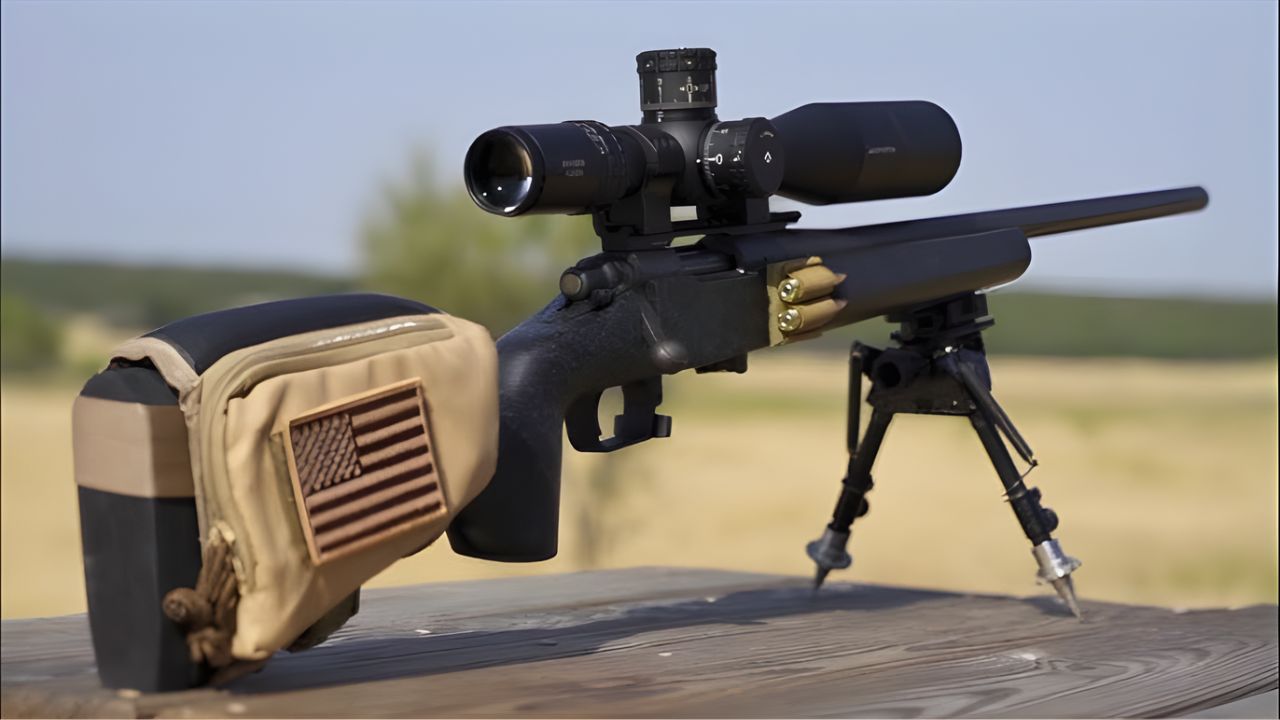
The Remington 700 SPS Tactical has a famous action name behind it, and some rifles shoot very well. But the SPS package has frustrated plenty of owners because the stock and finish do not always match the expectations people attach to the 700 name.
The factory stock can be a weak point, especially if it flexes enough to affect consistency. Some shooters end up replacing half the rifle to make it what they wanted from the start. A good 700 can be excellent. An SPS Tactical does not automatically deserve that trust.
Like The Avid Outdoorsman’s content? Subscribe to our newsletter so you never miss an article.
Here’s more from us: