Photo credit: Skills2Survive/YouTube
Some pistols behave like museum pieces: they look great on a display shelf and shoot perfectly after a careful cleaning, but expose them to pocket lint, range grit, or a few rounds of cheap ammo and they start throwing malfunctions. You want a gun you can carry, train with, and trust when you need it; these are the ones that demand near-obsessive upkeep instead. Below are eleven different handguns shooters commonly report as being intolerant of dirt, fouling, or inconsistent maintenance. Each one can run beautifully when kept immaculate, but let them get dirty and you’ll be clearing stoppages instead of shooting.
Kahr CW9
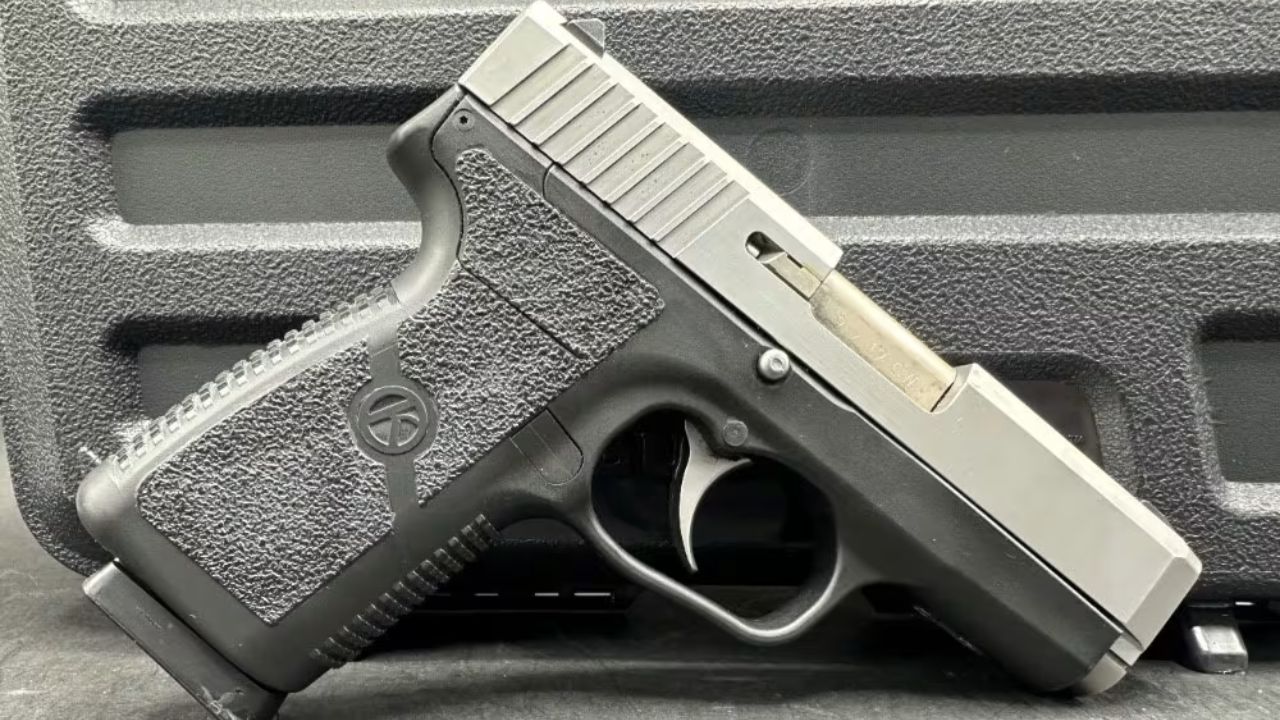
The Kahr CW9 is compact, slim, and easy to conceal, which is exactly why it appeals to carry shooters. The tradeoff is very tight tolerances and a slide/light recoil system that can be unforgiving when fouled. Many owners report that a CW9 kept meticulously clean, properly lubricated, and fed with the right magazines will run fine, but introduce carbon, dust, or cheap limp-wristed handling and you’ll start seeing failures to feed or a slide that won’t fully return to battery.
Kahr’s small subcompacts were designed for concealability and minimal snag, not maximum tolerance for grime. That makes regular maintenance and using known-good ammo a must rather than optional. If you want a pocket gun that you can ignore until cleaning day, the CW9 probably won’t be it.
Ruger LCP
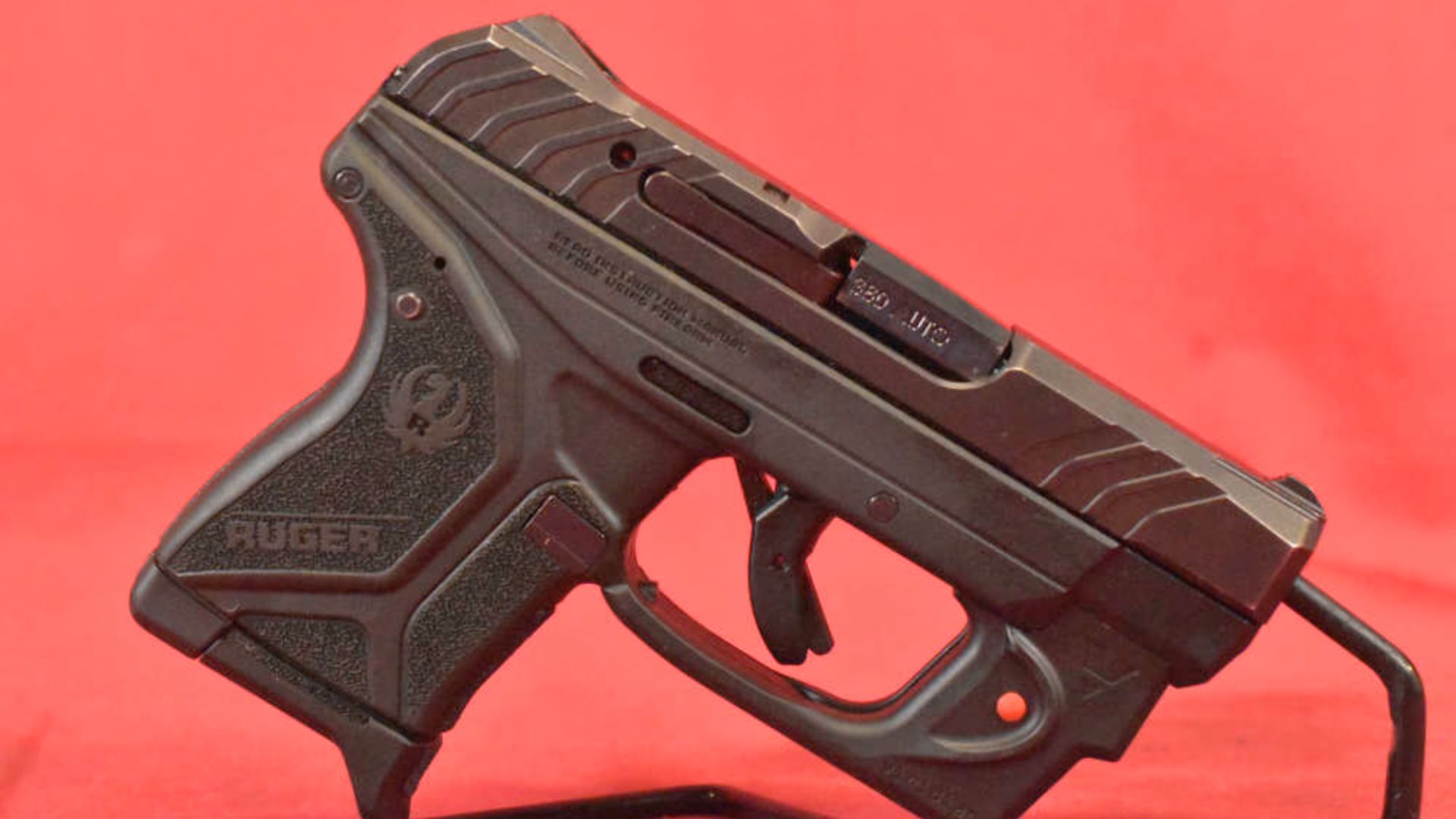
The Ruger LCP helped popularize true pocket 380 carry: tiny, light, and cheap to buy. That same tiny engineering leaves little room for sloppy ammunition, dirty magazines, or crud in the feed path. Owners frequently note that an LCP that’s kept clean and run with consistent, quality ammo will behave, but one that sees heavy carry or dusty environments without frequent attention tends to develop stovepipes and failures to eject.
Because the slide travel and extractor engagement are short, even small amounts of residue can change timing enough to cause problems. The LCP is a great emergency tool when cared for, but it’s not the kind of gun you toss in a pocket and forget about if you expect flawless reliability.
KelTec P3AT
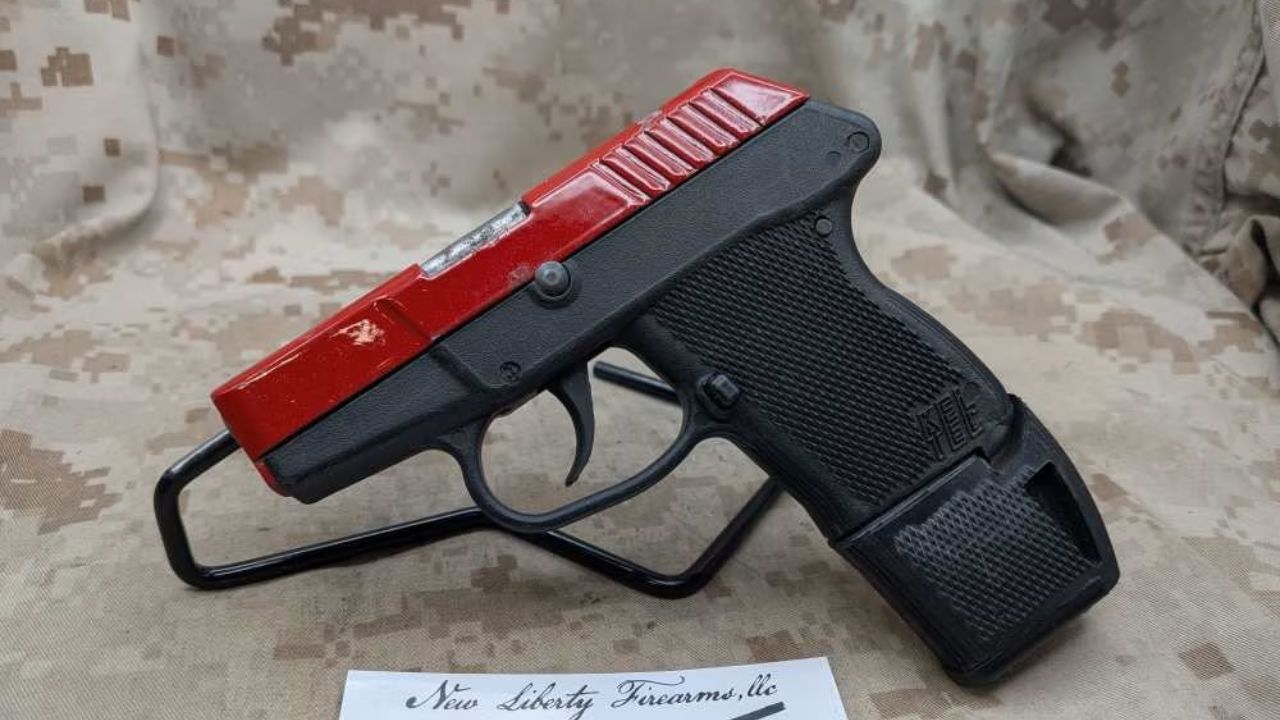
KelTec’s P3AT was among the earliest micro-380s to reach the market and it showed what happens when extreme compactness meets tight tolerances. The pistol can be ammo-sensitive and often exhibits feeding quirks unless everything is clean and magazines are in good shape. Many shooters who buy a P3AT find it runs fine when pampered but becomes finicky after routine carry and range use, especially with waxed or low-velocity rounds.
KelTec’s tiny slides and minimal inertia systems leave little margin for dirt or inconsistent springs. If you plan to carry one, expect to be religious about cleaning and testing the exact ammo you intend to trust for defense.
Taurus 738 TCP

The Taurus TCP and similar tiny .380 pocket pistols are attractive for their concealability and price, but a fair number of owners report sensitivity to fouling and magazine condition. The small recoil spring and tight feeding geometry mean a buildup of debris or a weak magazine spring will often show up as a hangup at the feed ramp or a short stroke.
In practice, the TCP rewards regular attention: clean the chamber and rails, replace tired magazines, and use known-good defensive loads and it will usually behave. Ignore those chores and it’s likely to repaid you with malfunctions exactly when you don’t want them.
Walther PPK
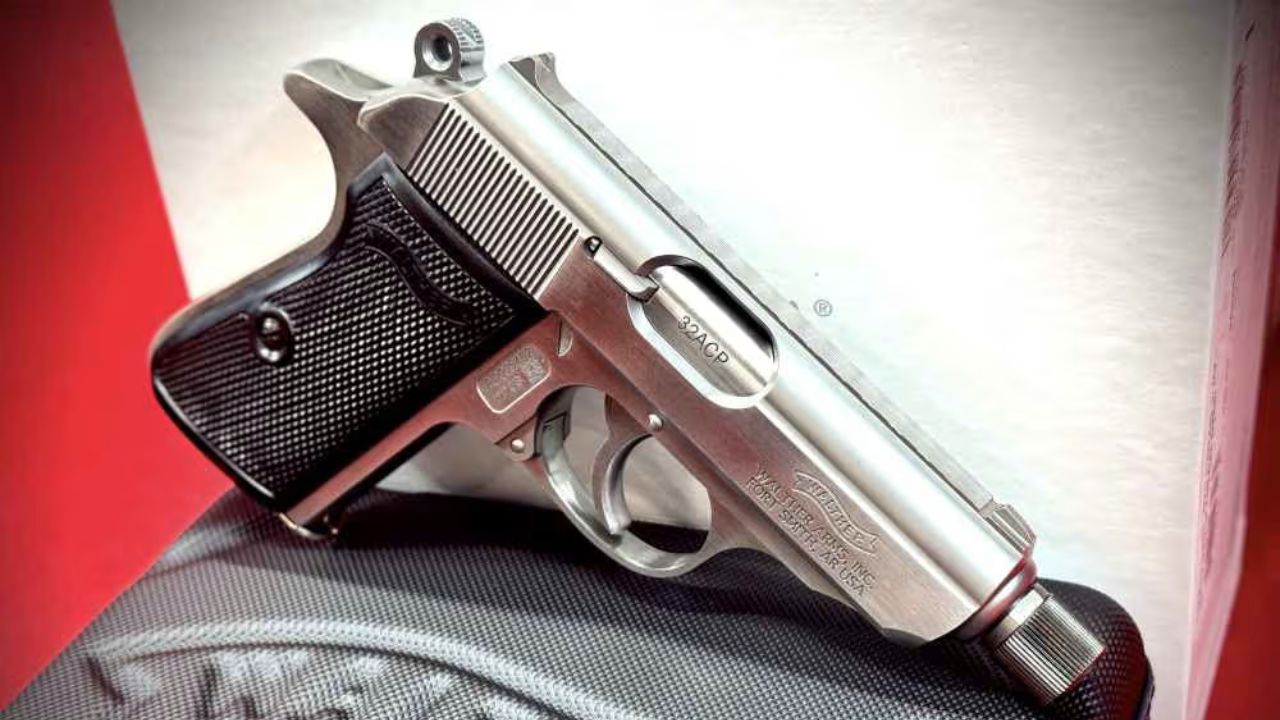
The Walther PPK is a classic carry pistol with a thin profile and delicate controls that many people love—but it’s also an older-style design with tight fit tolerances. While military and police agencies long maintained PPKs in service with frequent cleaning cycles, civilian carry in gritty environments can reveal that the pistol likes to be kept spotless. Carbon or lead fouling in the chamber and slide area can lead to light-strike or feeding problems.
It’s charming and shoots well when maintained, but it’s not a modern workhorse that will shrug off neglect. If you carry a PPK as a daily companion, expect to clean it regularly and test it thoroughly with the loads you intend to trust.
Beretta 3032 Tomcat
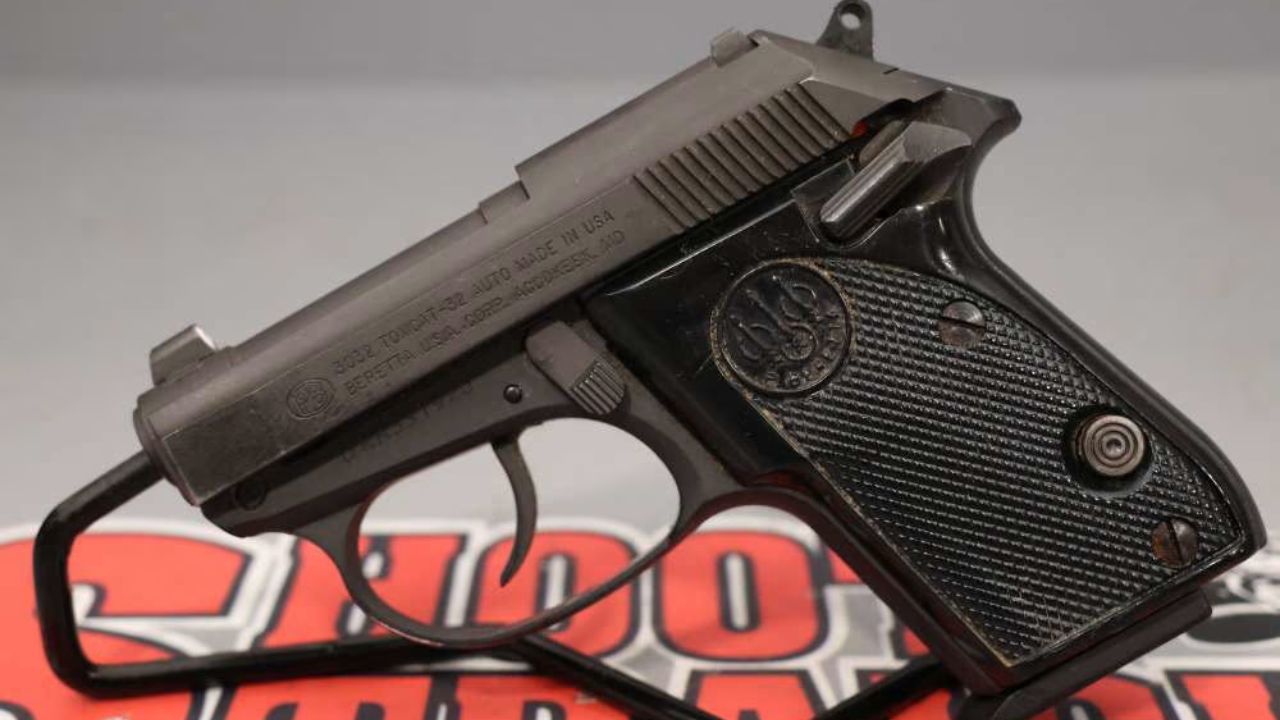
The Beretta 3032 Tomcat is a tiny, tip-up-barrel .32 ACP with a very specific feeding geometry. That compact layout is convenient, but it also reduces tolerance for debris or marginal magazines. Owners commonly report the Tomcat runs best when its feed ramp, extractor, and magazine lips are kept immaculate; otherwise you’ll see failures to feed or stovepipes.
Rimless semi-autos of small size tend to show picky behavior faster than full-size designs, and the Tomcat is no exception. It’s an effective little piece in the right hands, but it rewards cleaning and magazine care more than many modern pocket pistols.
SIG P238 (early runs)
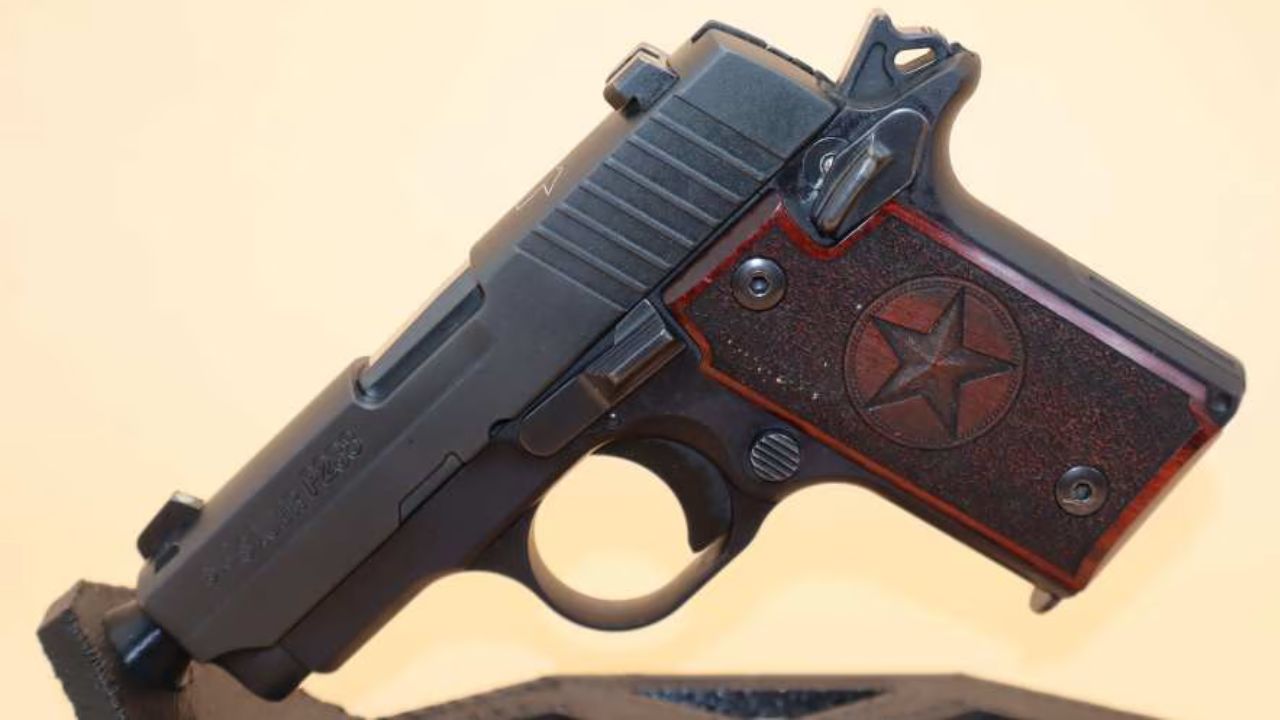
SIG’s P238 is admired for its 1911-like feel in a tiny package, but early production examples and some tight-build variants developed reputations for being sensitive to fouling and ammo choice. The short slide and precision fit made these pistols excellent when maintained, but also less forgiving when carbon or grime accumulated. Some shooters found the P238 would run in a controlled environment and start hiccupping in everyday carry without frequent cleanings.
SIG later refined tolerances and production, and many P238s are excellent shooters today. Still, the model’s early reputation stuck: keep it clean and feed it quality ammo and it’ll reward you, neglect it at your peril.
Browning BDA 380 (1960s–70s designs)

Older compact automatics like the Browning BDA 380 and similar vintage designs were built to higher tolerances and often rely on clean surfaces and well-maintained springs to work reliably. Those pistols can be charming to shoot but will develop light-strike or feeding problems if carbon and residue are allowed to accumulate. Vintage metallurgy and finishes also benefit from regular care to prevent corrosion that affects timing.
Collectors and shooters who love these pistols keep them in fine running order, but they aren’t “carry and forget” guns. If you plan to use a classic compact for daily carry, accept that you’ll be in the shop cleaning more often than you would with a modern, looser-tolerance design.
Smith & Wesson 3913 (early thin 9mm compacts)
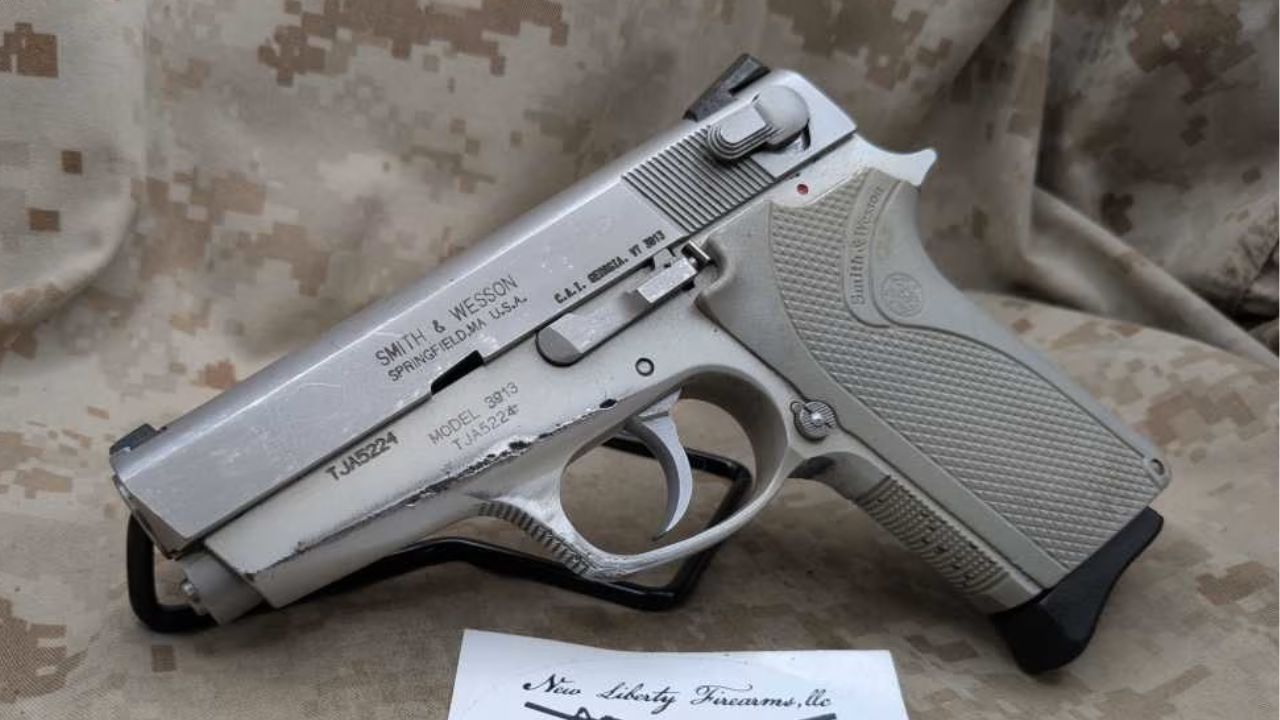
Slim 9mm compacts like the S&W 3913 offered concealability at a time when that meant tighter machining and thinner slides. Those design choices can make the pistols less tolerant to grime and marginal ammo than contemporary full-size service guns. Users who kept their 3913s clean and replaced tired magazines reported dependable service; those who didn’t found that reliability degraded quickly after regular carry and dirty range sessions.
These early compact 9s reward care. If you treat them as a range-only piece and baby them afterward, they’ll perform well. If you expect them to shrug off neglect, you’ll be disappointed.
Canik TP9 Elite SC (tight early tolerances)

Some modern striker-fired compacts introduced with very tight factory tolerances demonstrate excellent triggers and fit—but that precision can backfire when the pistol sees a week of heavy carry without cleaning. Early-owner reports on certain compact runs of Canik pistols indicated that carbon and debris could make the slide feel gritty and occasionally interfere with reliable ignition until properly broken in and maintained.
Manufacturers often adjust tolerances in later production, and many users report excellent reliability after initial break-in and routine maintenance. Still, the lesson remains: a precision compact that feels great in the hand often needs attention to keep that feeling translating into dependable function.
FN 1905/1906 Vest Pocket (antique small automatics)
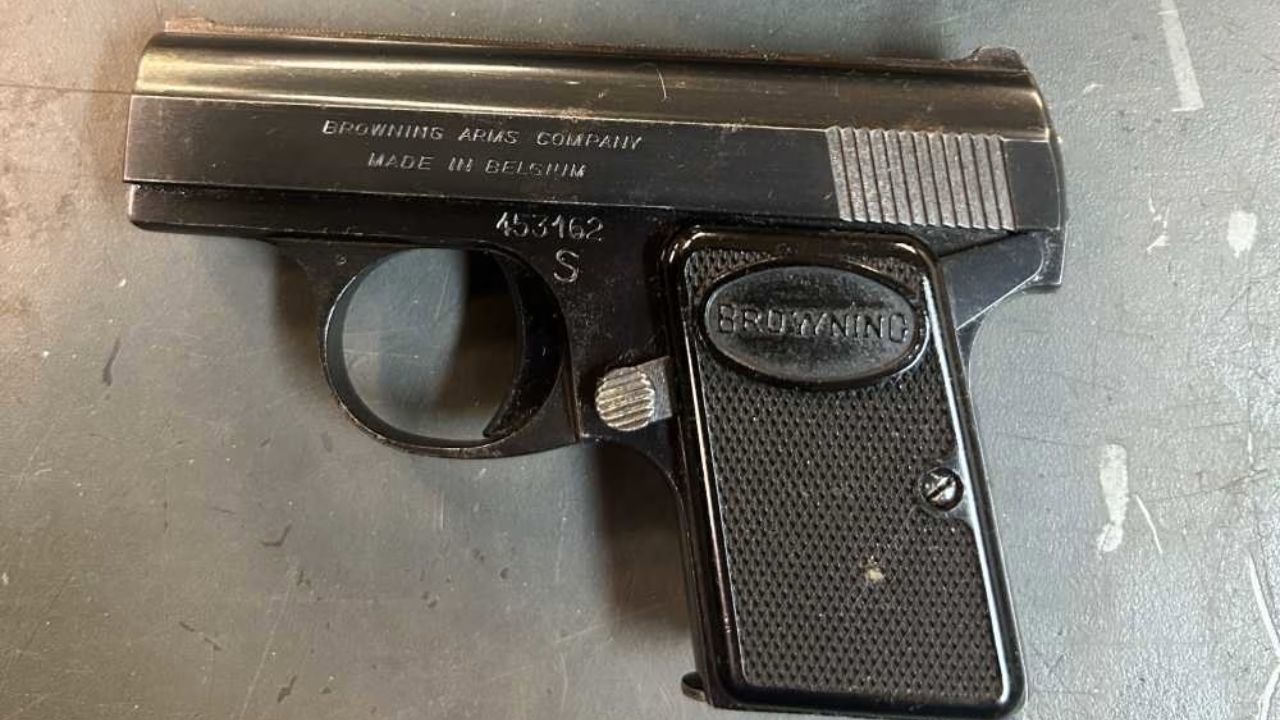
Tiny early 20th-century pocket automatics like the FN 1905 or Colt Vest Pocket were marvels of design for their day, but their tiny parts and close tolerances make them particularly intolerant of fouling and corrosion. They’ll run well when carefully cleaned and lubricated, yet they can lock up after just a few dirty magazines or exposure to moisture.
These pistols are best treated as collectibles or carefully maintained backup pieces. If your plan is a no-nonsense carry gun that needs little care, these antique compacts aren’t it. They demand respect—and a cleaning kit—if you want reliable function.
Like The Avid Outdoorsman’s content? Be sure to follow us.
Here’s more from us:
The worst deer rifles money can buy
Sidearms That Belong in the Safe — Not Your Belt
*This article was developed with AI-powered tools and has been carefully reviewed by our editors.