Photo credit: farleyjj1/YouTube
Not every collector favorite starts out looking important. Some rifles arrive with obvious prestige, obvious rarity, or a built-in reputation that tells buyers to grab one early and hold on. Others take the long way around. They start life as practical field rifles, affordable utility guns, or slightly oddball offerings that people like well enough without treating them like future prize pieces. That is usually what makes the later market shift feel so strange. Nobody thought the rifle was junk. They just did not think it was the kind of gun people would eventually chase hard.
Then time starts doing quiet work. Production ends. A rifle that once felt common stops appearing in nice shape. Shooters begin appreciating the parts they once overlooked, the handling, the chambering, the build quality, the simple fact that the gun did its job better than people gave it credit for. Collectors follow that shift rather than create it. The rifle becomes desirable almost by accident, not because it was born wearing a collector label, but because enough people eventually realized they missed what had been sitting in front of them all along. These are rifles that became collector favorites in exactly that way.
Remington 600 Mohawk

The 600 Mohawk never looked like a natural collector darling when it was still easy to find. It was short, a little odd-looking, and carried just enough visual weirdness that plenty of buyers treated it more like a curiosity than a prize. It felt like one of those practical little rifles that might have a loyal niche following without ever becoming truly important. That kept urgency low. Buyers noticed them, sure, but a lot of people assumed there would always be another one later if they ever felt like indulging that interest.
What changed was not the rifle so much as the way people started reading it. Compact rifles with real field usefulness became more appreciated. Oddball styling became character instead of a drawback. And once clean examples got thinner on the ground, the whole market started noticing the 600 Mohawk had more identity than most rifles people once considered safer bets. That is how it slipped into collector-favorite territory without much warning. It did not begin as a trophy. It became one after enough people realized the strange little Remington had been more special than they first thought.
Winchester 100

The Winchester 100 always had the sort of name recognition that keeps a rifle respectable, but for a long time respect was about all it got. Buyers saw a postwar autoloading sporting rifle with some real appeal, yet still treated it like something that belonged in the “nice old deer rifle” category rather than in any urgent collector lane. It was too familiar to feel rare, too practical to feel romantic, and too easy to postpone. That combination is often exactly how rifles turn into unexpected favorites later.
As older sporting semiautos started getting a second look, people began appreciating the 100 more for what it actually was. It carried Winchester appeal, yes, but it also represented a kind of hunting rifle market that had quietly faded away. Once that clicked, better examples started drying up and the tone changed. Buyers who once thought of it as a future maybe suddenly had to compete with collectors who had already decided the rifle deserved more seriousness. It became a favorite not because it was flashy from birth, but because people eventually realized it had been easy to underestimate.
Savage 340

The Savage 340 is one of the best examples of a rifle becoming collectible almost against its own image. It looked too plain to inspire that kind of future. It was a practical old bolt gun, the sort of rifle many buyers treated as a useful working piece rather than something anybody would ever chase with real collector energy. That plainness kept it accessible for a long time. People bought them because they made sense, not because they imagined they were securing something the market would later romanticize.
And yet that plainness is exactly what helped it age into favor. The market eventually started valuing rifles that felt honest and representative of a certain kind of American gun ownership. The 340 was never dressed up as aspiration. It was the kind of rifle people actually used, and that authenticity gave it more weight as years passed. Once enough buyers started looking back at the guns they had once taken for granted, the 340 stood out as one of those old utility rifles that now carried a lot more charm and scarcity than anyone expected at the time.
Browning BAR ShortTrac

The ShortTrac did not arrive with collector energy attached to it. It looked like a practical semiauto hunting rifle from a respected maker and got treated mostly that way. Buyers saw field use, not collector potential. It belonged to a category people often assume will remain functional and mildly appreciated, but never truly hot. That makes sense in the moment. A semiauto hunting rifle rarely feels like something future collectors will obsess over unless there is already some very loud reason to believe it.
The reason it changed is fairly simple. Buyers began missing the exact kind of rifle the ShortTrac represented. It stayed useful, it stayed distinct, and it offered something that newer options did not always replicate cleanly. Once production realities and nostalgia started working together, collectors began seeing more than just a sporting autoloader. They started seeing a rifle from a fading style of practical hunting design. That is often how collector status sneaks in. The rifle does not look glamorous at first. It simply survives long enough for people to realize they liked it more than they said out loud.
CZ 557 Lux

The 557 Lux felt too tasteful and too practical to create panic when it was still widely available. Buyers appreciated the walnut, the old-world sporting feel, and the general sense that it was a proper rifle in a market full of guns trying too hard to sound modern. But that appreciation often stayed soft. People treated it like something nice they could always revisit later, not something likely to build real collector gravity. It was too sensible to seem dangerous.
That calm only lasts so long once a line disappears and the market starts taking stock of what got lost with it. The 557 Lux represented a kind of traditional bolt rifle many shooters claimed to want but too many of them failed to buy while it was easy. That gap between stated admiration and actual purchasing usually creates regret, and regret often turns into collector interest. Suddenly the rifle is no longer just the tasteful sporting gun buyers liked from a distance. It becomes the one that symbolizes an older standard of rifle-making they now feel they missed while it was still attainable.
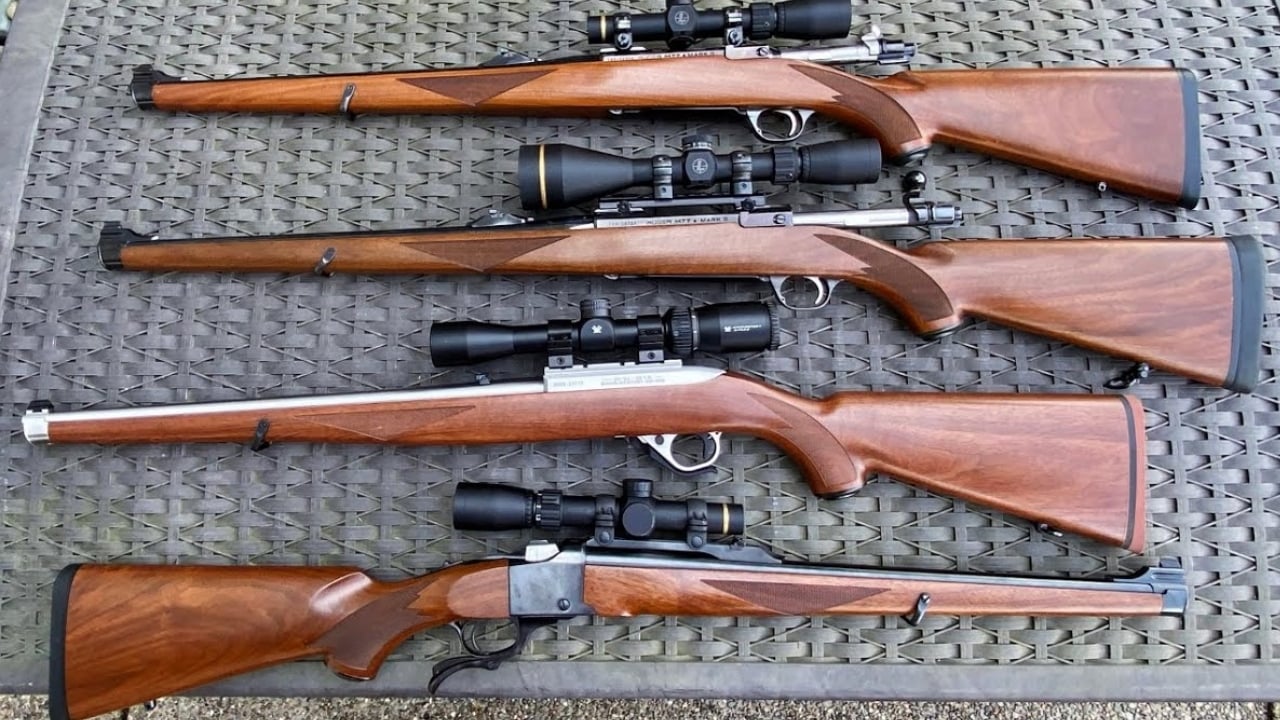
Ruger 77 RSI

The 77 RSI always had some personality, but personality alone does not automatically create a collector favorite. For a long time it felt more like a rifle for a specific sort of hunter than a broad market darling. Mannlicher-style stocks often attract admiration in a slightly theatrical way, which can make a rifle seem too niche to ever become truly important. Plenty of buyers liked the look without acting like they needed one soon. That is usually how a future collector favorite hides in plain sight.
What pushed the RSI over the line was that it offered more than appearance. It was compact, carry-friendly, and distinct in a market that gradually became more repetitive. Once buyers started feeling the loss of rifles with real visual character and practical field identity, the RSI got pulled into a different kind of conversation. It stopped being the interesting full-stock Ruger and became the rifle that represented a whole kind of hunting taste people had not supported strongly enough while they still could. That sort of symbolic value is catnip for collectors, even when the rifle never started out with those ambitions.
Marlin XS7

The XS7 might be one of the least likely-sounding collector favorites on the list, which is exactly why it belongs here. It was a practical, affordable bolt-action hunting rifle that many buyers treated as a straightforward working tool. It did not wear any elegant old-world aura. It did not come from some heavily mythologized family of rifles. It was simply better than many people expected and more honest than its price suggested. That is not usually the sort of thing people imagine collectors caring about later.
But collectors do not only chase glamour. They also chase firearms that come to represent a moment the market missed. The XS7 quietly built that kind of reputation. People realized too late that it had been an unusually solid budget rifle from a now-closed chapter. Once supply stopped refreshing and shooters kept speaking well of them, the whole tone changed. It became attractive precisely because it had once been treated as ordinary. That “how did we all overlook that?” energy often creates the most interesting collector favorites of all.
Sako A7
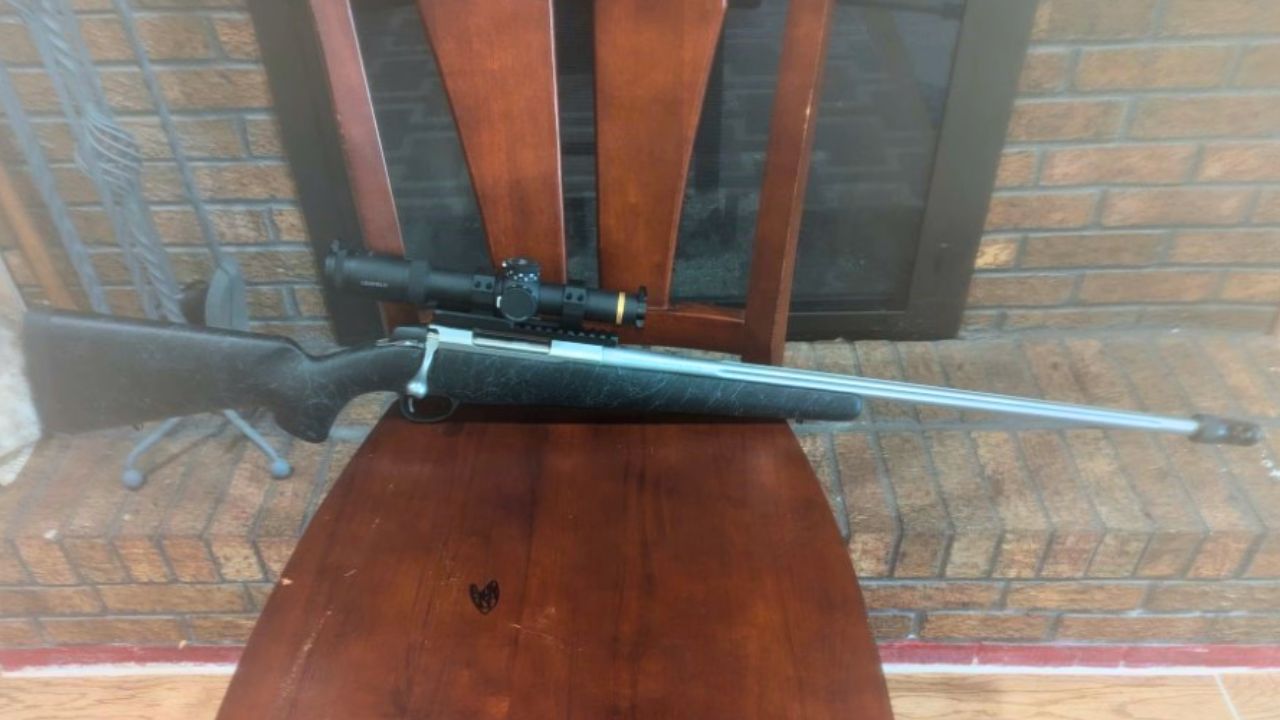
The A7 spent years living in the shadow of the more romantic Sako names. Buyers knew it was good, but that is a dangerous kind of praise when it does not come with urgency. It was treated as a competent, modern sporting rifle that could always be revisited later if somebody decided he really wanted one. That kept it from becoming a must-buy during its own time. It felt too current and too practical to inspire collector anxiety.
Then it aged into a different meaning. Once the rifle was no longer a routine option and buyers started reassessing what had actually been strong in that part of the market, the A7 gained a lot of retrospective respect. It was smoother, more complete, and more satisfying than many people had fully admitted when it was competing with louder names and newer distractions. Collectors tend to notice that kind of missed quality after the fact. The A7 did not become a favorite because it was exotic. It became one because the market slowly realized it had undervalued a genuinely good rifle.
Winchester 1200
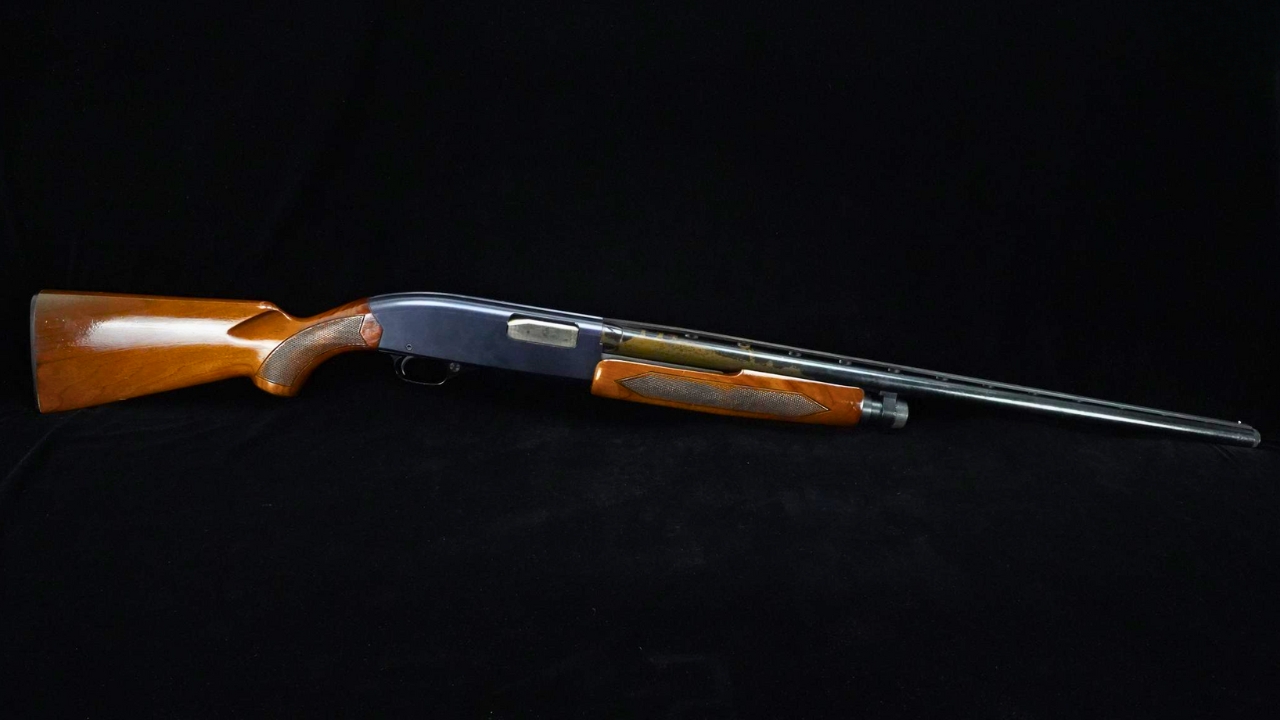
The 1200 is a shotgun-shaped answer to this same pattern. For years it felt too ordinary to become much of anything beyond a practical old pump. That is exactly why it slipped into collector favor so quietly. People saw utility, familiarity, and a recognizable name, but not the sort of glamour that triggers strong early demand. A lot of buyers assumed guns like this would always be around because there was nothing obviously theatrical about them.
Then the market did what it often does with honest old field guns: it looked back and started appreciating them as survivors from a type of ownership experience people were already beginning to miss. The 1200 became more than “just an old Winchester pump.” It became one of those guns that represented a simpler and more grounded lane of American shotgun ownership. That is how collectors end up caring more than anyone expected. Not because the gun screamed for attention, but because it became a symbol of something people suddenly realized they wished they had not ignored.
Steyr Pro Hunter
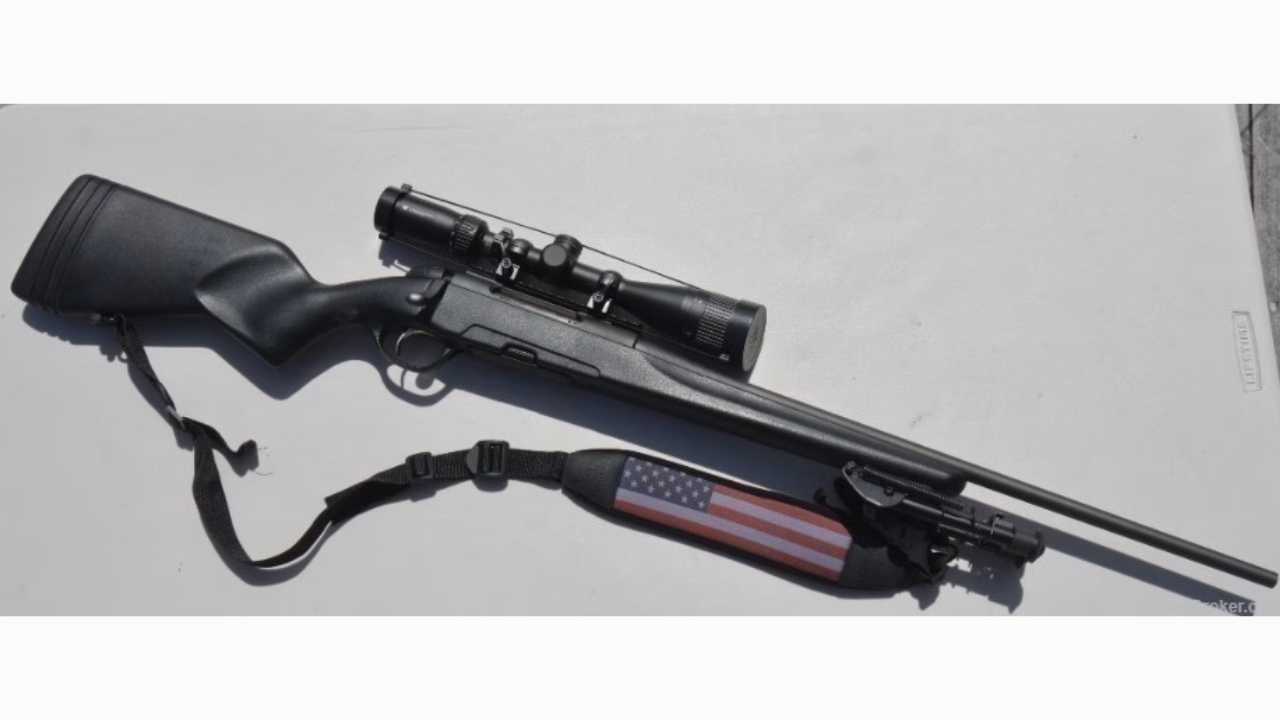
The Pro Hunter never looked like future collector bait. It looked like what it was: a hard-use, weather-ready hunting rifle built around function first. Buyers noticed the practical design and mostly judged it as equipment, not as something the collector market would ever adopt warmly. That made it easy to postpone. It felt like a serious field rifle, but not one that needed to be bought urgently before the market turned emotional.
What changed was that the market eventually did turn emotional, just in a subtler way. Hunters and collectors alike began looking back at rifles that had been unapologetically useful and a little different from the generic mainstream. The Pro Hunter fit that bill perfectly. It stood for a kind of no-nonsense field-rifle thinking that later felt more distinct than people had realized while it was still easy to buy. That is often enough. A rifle does not have to be romantic at launch to become collectible later. It just has to age into meaning.
Ithaca 51
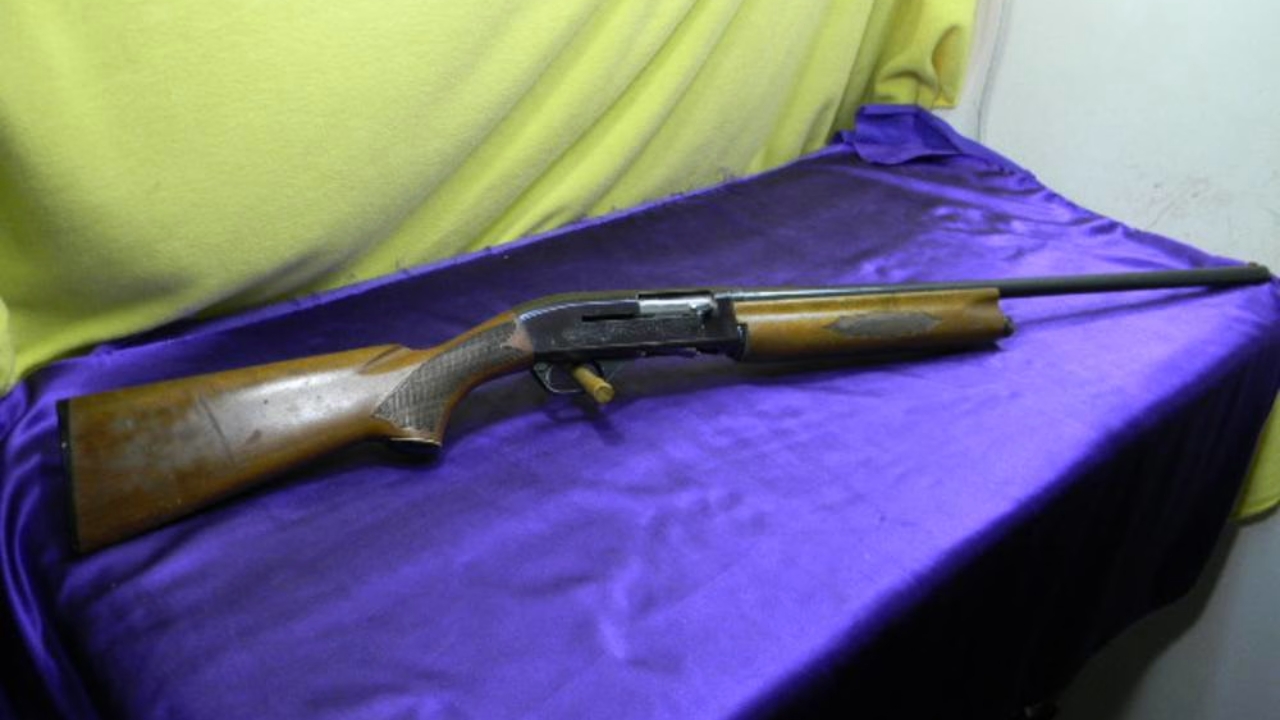
The Ithaca 51 never seemed like the sort of shotgun anyone would eventually chase hard. It occupied that uneasy space between known and overlooked, familiar enough to avoid mystery but not glamorous enough to create heat. Buyers tended to treat it like a practical field autoloader from a respected maker, which sounds like praise but usually keeps urgency low. A lot of collector favorites begin exactly that way, as guns people like in a calm, noncommittal way until the market stops giving them so many chances.
Once older sporting shotguns started being reconsidered more seriously, the 51 benefited from being just uncommon enough and just good enough to gain traction. It was no longer only a field gun from a past generation. It became a piece of a disappearing shotgun culture. That kind of shift gives collectors something to latch onto. The gun starts meaning more than itself. It becomes a representative of a lane people now wish had been valued more while it was still common enough to buy without much stress.
Beretta 81BB

The 81BB never had the loud profile of a future collector piece. It was a compact Beretta with quality, style, and a quietly satisfying shooting experience, but for a long time that only made it likable, not urgent. Buyers appreciated it as a neat little metal-frame pistol they could revisit later if they ever got serious about older Beretta compacts. That later came faster than many of them expected.
The shift happened when people began missing exactly the sort of handgun the 81BB represented. It was substantial without being bulky, refined without being fragile, and old-world in a way that newer compact pistols often were not. As more shooters began valuing those traits, collector interest followed naturally. The pistol became a favorite because it embodied a category buyers had not realized was fading until it was already becoming harder to enter cheaply. That is almost the definition of an accidental collector success.
Savage 164

The Savage 164 was too plain to look dangerous. Buyers saw a practical old hunting rifle from a brand they often associated with value rather than glamour, and that was enough to keep the whole market relaxed. It was not the rifle anyone felt compelled to grab first. Instead it became the sort of background gun people assumed would stay modest forever, simply because it had started modestly and looked the part.
That is how a rifle becomes collectible by accident. Enough buyers eventually start noticing the authenticity, the surviving utility, and the fact that older honest rifles do not stay invisible once the crowd begins feeling nostalgic and selective at the same time. The 164 aged into exactly that kind of appeal. It went from “plain old Savage” to “that was actually a pretty cool rifle” in the minds of buyers who had years to notice and somehow still did not until the easier buying years had already passed.
Beretta AL391 Urika

The Urika never seemed like a likely collector favorite because it was so obviously a shooter’s shotgun. It was practical, field-proven, and designed to be used rather than revered. Buyers bought them for birds, clays, and real seasons, not because they imagined one day opening the safe and thinking of it as an investment. That practical identity is often what disguises later collector value. The gun feels too alive in use to ever become something people merely preserve.
But later collector interest often follows exactly those guns, especially when they represent a high point in a line that users came to trust deeply. The Urika gained that kind of respect. Once enough shooters looked back and realized how many newer shotguns had come and gone without replacing the exact feel of a good AL391, the shotgun’s standing began to change. It was no longer only a used field semi-auto. It was the one people started remembering fondly and then paying for with more collector seriousness than anyone predicted when it was still being bought for mud and shells.
Colt Sauer sporting rifle

The Colt Sauer sporting rifle felt too obscure and too calm to become a likely collector favorite, which made it easy for buyers to overlook or postpone. It had the sort of name combination that hinted at quality, but many people still filed it under “interesting old rifle” rather than “buy this before the market gets smarter.” That hesitation is one of the most consistent ingredients in accidental collector success. The gun does not need mass enthusiasm at first. It needs just enough latent appeal to build regret later.
Once more buyers started noticing the level of quality and the relative scarcity, the rifle took on a very different tone. It became the sort of gun collectors like because it feels both undernoticed and deeply worth noticing. That is a powerful combination. The Colt Sauer was never the loudest or most obvious rifle in the room. It became a collector favorite because people eventually realized that made it more compelling, not less.
Like The Avid Outdoorsman’s content? Subscribe to our newsletter so you never miss an article.
Here’s more from us: