Photo credit: Gun News & Reviews/YouTube
Some firearms stay popular because they still do the job better than most of the market. Others stay popular because people got emotionally attached to what they used to mean and never really updated the conversation after the world moved on. That is where nostalgia starts doing a lot of heavy lifting. A gun can have history, style, and a loyal following without still being the smartest, smoothest, or most useful option in real use. But once enough memories and identity get wrapped around it, criticism starts feeling personal, and that is usually when honest evaluation gets harder.
That is what this list is about. These are guns people often defend with a lot of warmth and a lot of history, even when the performance side of the argument is not nearly as strong as the emotional side. That does not mean every gun here is worthless. Most are not. Some are genuinely interesting. Some still have a lane. But the loudest defense around them is often less about how they truly stack up today and more about what admitting the truth would mean to the people who grew up loving them.
Colt Single Action Army

The Single Action Army may be the purest example of nostalgia overpowering performance. There is no question it is historically important, visually iconic, and deeply tied to the American gun story in a way very few firearms can touch. The problem starts when people begin talking about it like all of that automatically makes it a practical answer in conversations where performance is supposed to matter. It does not. It is a beautiful old revolver design with enormous historical weight, but that weight often turns into a shield against honest criticism.
People defend it like questioning the gun means questioning history itself. That is where nostalgia starts doing most of the work. The action is slow by modern standards, the ergonomics are rooted in another era, and a lot of what people claim to admire is inseparable from what the revolver symbolizes rather than what it actually does compared with later, more efficient handguns. It is one thing to love the SAA because it is a legend. It is another to pretend legend and performance are the same thing.
Winchester Model 94

The Model 94 is a rifle people love defending because it feels like the rifle of campfires, deer camps, pickup racks, and family stories. That matters. It absolutely matters. But a lot of the defense around the rifle begins and ends there. People talk like criticism of the 94 is criticism of the entire woods-hunting tradition, when the more honest point is simpler: it was a great fit for a certain time, a certain kind of country, and a certain kind of hunter, but that does not make it above comparison.
The nostalgia around the 94 is so strong that people often skip the practical side of the conversation entirely. They do not want to talk about limitations in range, limitations in optics friendliness, or the fact that many hunters today have access to rifles that are easier to shoot precisely and more flexible across conditions. Instead, the defense leans on the idea that the rifle “just feels right,” which is often true emotionally even when it is not the strongest performance argument in the room. That is classic nostalgia carrying the load.
Colt Python

The Python is one of those guns that people defend as if aesthetics and collector heat automatically prove practical greatness. It is handsome, no doubt. It has a name that still turns heads, and the old blue guns especially carry a kind of visual authority that makes people feel like they are handling something above ordinary criticism. But once nostalgia and prestige get involved, it becomes very difficult for fans to separate what they love about the revolver from what it actually delivers as a working gun.
That is why so many conversations around the Python feel more like emotional protection than honest comparison. The trigger can be lovely, the fit can be beautiful, and the gun can still be very desirable, but many of the loudest defenders are really defending the image of the Python more than the experience of shooting it against other strong revolvers. It is less that the gun has no real merits and more that its reputation often gets inflated by memory, collector culture, and brand mythology in ways that have little to do with whether it truly outperforms what came after.
M1 Carbine

The M1 Carbine gets defended with enormous affection because it is light, handy, tied to American service history, and simply easy to like. That combination makes it one of the most beloved rifles in the old-military-gun world. But affection can blur into overstatement very quickly, and that is exactly what happens when people start talking about the rifle as if it is automatically a brilliant practical choice just because it is fun to carry and looks right in the hands.
A lot of the defense around the M1 Carbine leans on how charming and historic it is, not on how it honestly stacks up when performance becomes the real measure. It remains a neat, useful, and historically meaningful rifle, but some owners talk like its limitations should be ignored because the rifle itself is so lovable. That is nostalgia talking. If the same performance came wrapped in a less romantic package, many of the loudest defenders would be a lot quieter.
Walther PPK
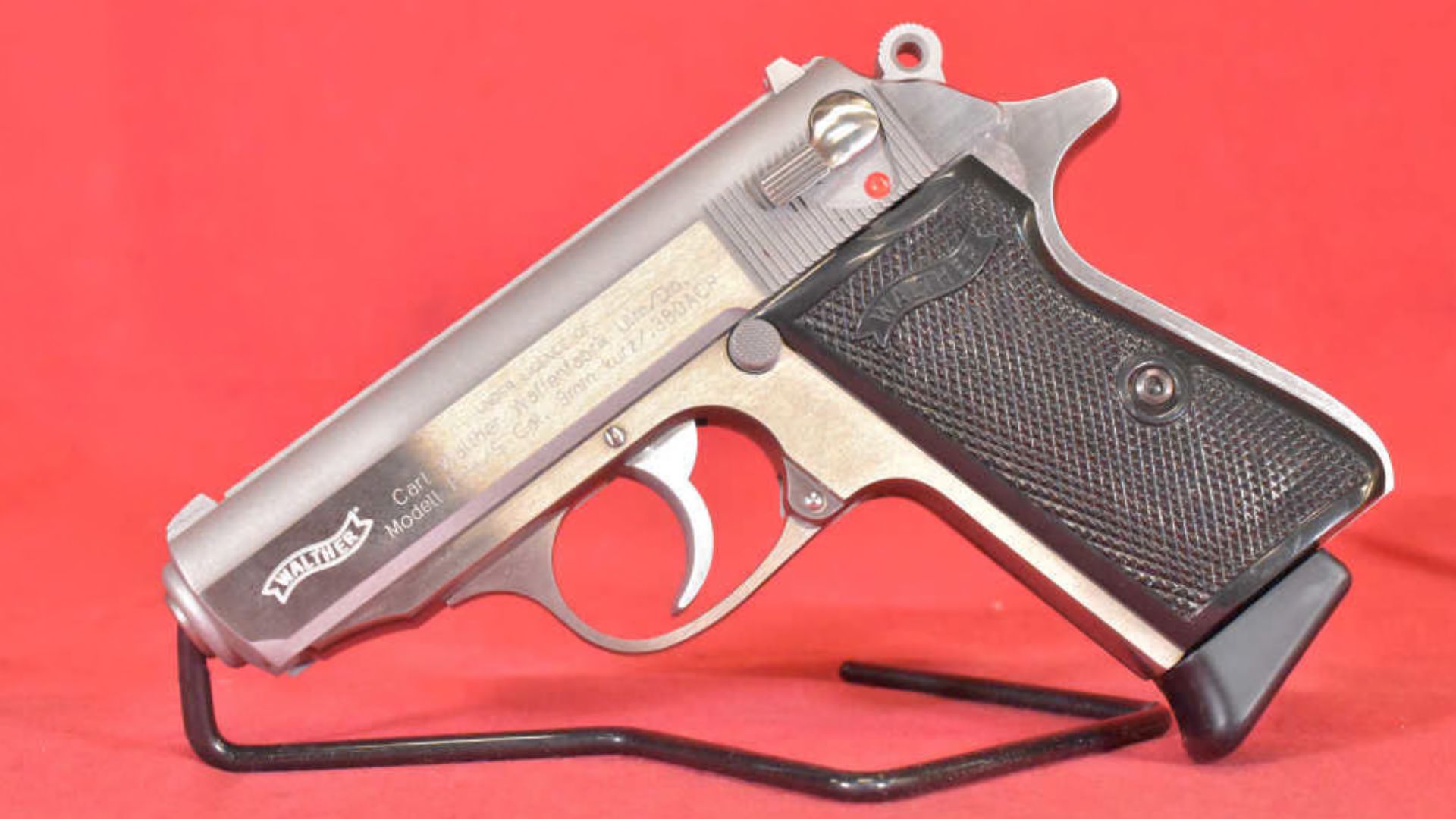
The PPK survives on style almost as much as on function. People love it because it is iconic, European, cinematic, and full of old-world cool in a way that very few handguns can match. That is exactly why it gets defended so aggressively. The emotional side of owning a PPK is powerful. It makes the owner feel like they bought something timeless and classy rather than simply another compact pistol.
The trouble is that a lot of the strongest praise around the PPK is clearly not rooted in real performance comparison. Blowback recoil, size-to-capacity tradeoffs, and the shooting feel itself often take a back seat to what the gun represents. People defend it because it is a PPK, not because it is still the cleanest, smartest answer in its category. That is fine if the defense stays honest. The problem is that it often does not. The nostalgia arrives first, and the performance argument gets built afterward.
Thompson semiauto carbines
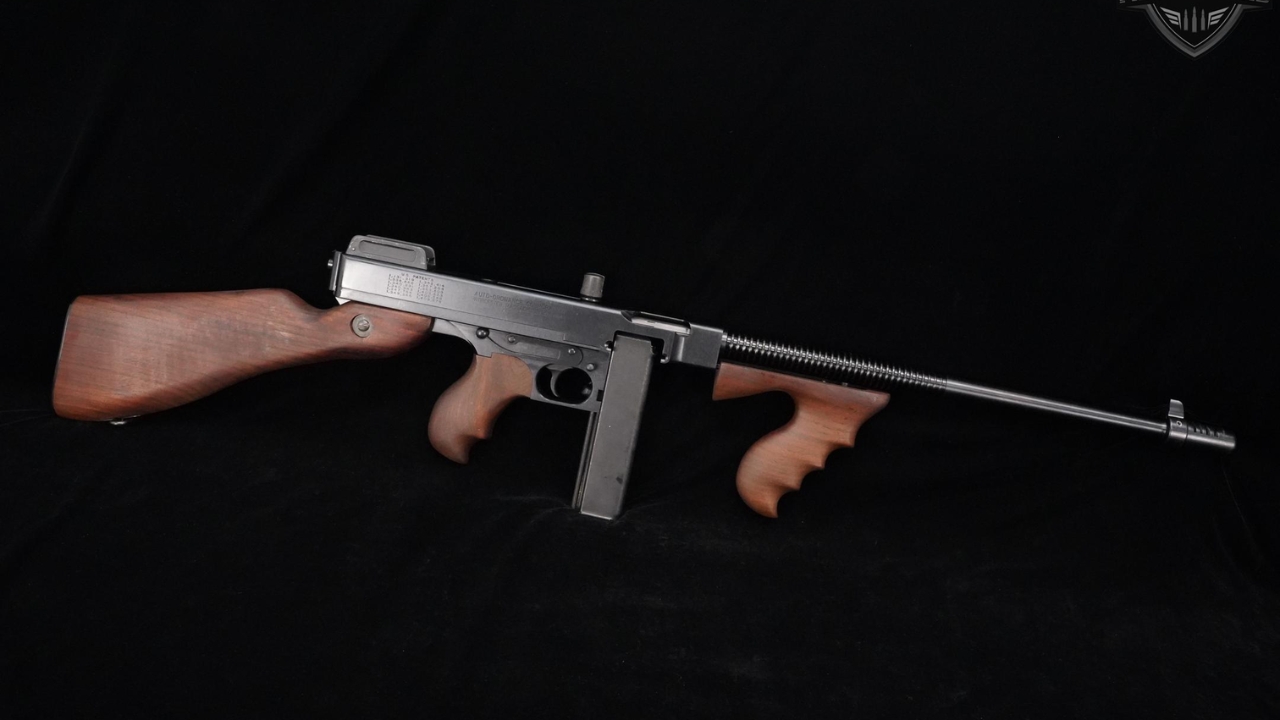
The semiauto Thompson gets defended like owning one means touching a piece of legend, and in fairness, it does carry huge historical and cultural weight. The silhouette alone does a lot of emotional work. People love the look, the gangster-era associations, the military echoes, and the sheer fact that it feels like an object from a bigger, louder chapter of American gun culture. That is exactly why buyers keep defending it.
But a lot of that defense has almost nothing to do with how the gun performs as a modern rifle. It is heavy, awkward compared with a lot of current options, and much more rewarding as an ownership piece than as a serious “take it out and run it hard” firearm for many people. Still, critics are often met with sentimental rebuttals rather than practical counterarguments. That is always a sign nostalgia is doing more work than performance.
Smith & Wesson Model 29

The Model 29 is defended as if its place in gun culture should settle every practical question before the conversation even begins. Dirty Harry, blued steel, .44 Magnum swagger — that whole package is so deeply embedded in firearm mythology that many owners never really have to explain why they love it. The revolver’s legend speaks for itself, and that legend is exactly what gets used as armor whenever the practical case starts looking thinner.
That does not mean the Model 29 is not a serious revolver. It is. But the emotional intensity around it often goes far beyond what a calm performance discussion would support. People defend it because it represents power, style, and a whole era of handgun bravado. The actual experience of owning and shooting one does not always keep pace with the romance, especially for buyers who mainly loved the idea before they loved the gun. Nostalgia covers that gap very well.
M1 Garand
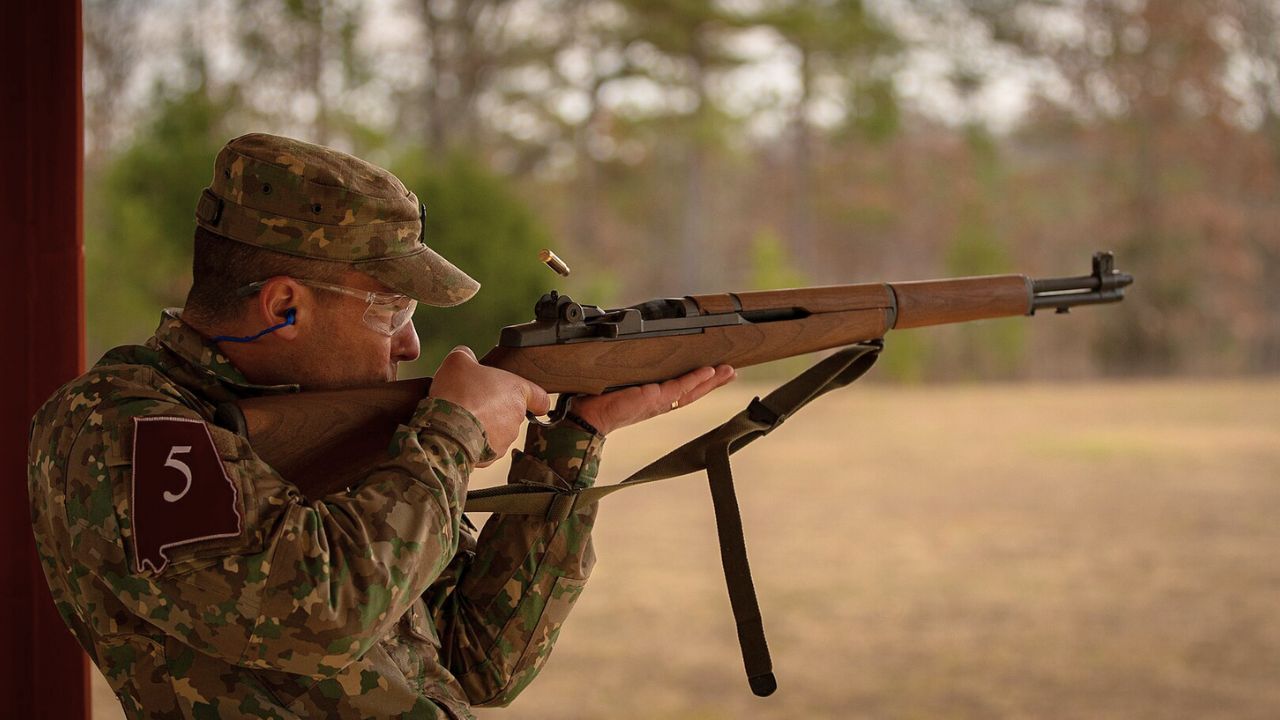
The Garand is one of the most respected rifles in American history, and it earned a lot of that honestly. The problem is not respect itself. The problem is that some people defend it in conversations where historical greatness is doing far more work than present-day performance. The rifle’s service record, cultural importance, and sheer emotional gravity make it very hard for fans to talk about it without that entire history sitting on the scale.
That is why criticism often gets interpreted as disrespect. A more honest conversation would separate “great historical rifle” from “best practical answer for modern rifle tasks,” but nostalgia makes that separation uncomfortable. People do not just love the Garand because of how it shoots. They love what it means. Once that kind of meaning enters the room, performance is no longer really the whole argument, no matter how often people pretend it is.
Ruger Blackhawk
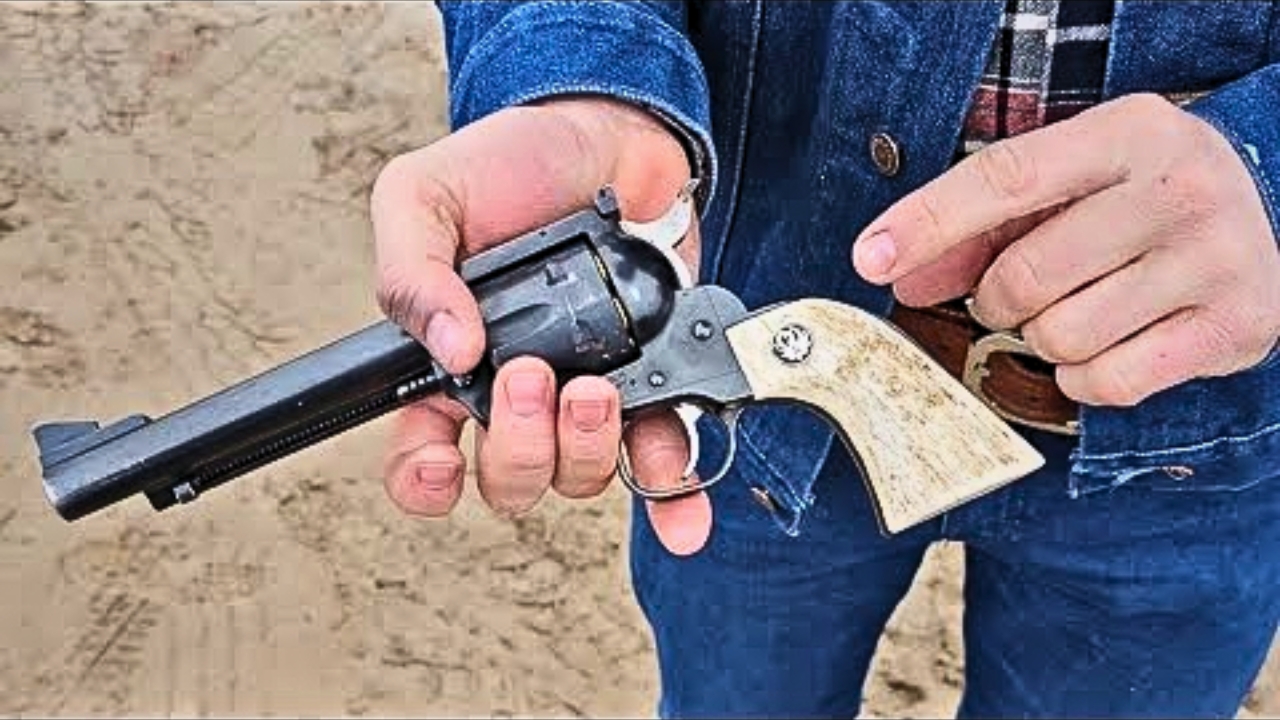
The Blackhawk gets defended because it feels like old-school revolver virtue made solid. It is strong, it has style, and it carries that single-action confidence that older handgun enthusiasts often romanticize heavily. A lot of the praise around it is really praise for what it represents: self-reliance, deliberate shooting, and a kind of sixgun seriousness that stands against the modern semiauto age.
That is where nostalgia takes over. In actual use, the Blackhawk can still be excellent within its lane, but many people defend it as if the lane itself should be much larger than it really is. They are not only praising the revolver. They are defending an older way of thinking about handguns. That is why the emotional tone gets so strong so quickly. It is not really about the Ruger alone. It is about what the Ruger lets them keep believing.
Winchester 1894 commemoratives
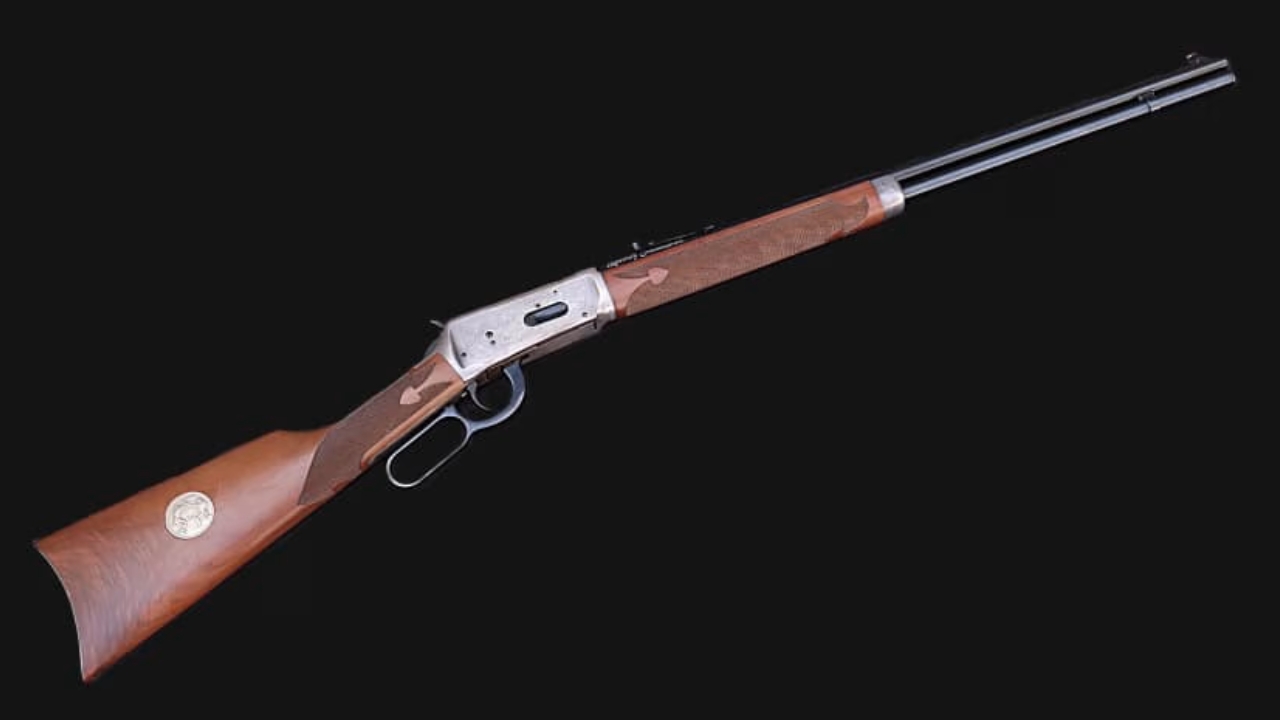
Commemorative Winchesters get defended in a way that is almost pure nostalgia from the start. People love the idea of them because they look historical, feel special, and seem like they should matter more than plain production rifles. The branding, markings, and presentation all help the owner feel like they are holding something more significant than a normal lever gun.
The problem is that the performance case is usually not the reason anybody is defending them. They are defended because they feel like collector memory pieces, not because they offer some especially meaningful shooting advantage. That is fine until people start acting like those emotional and visual qualities automatically translate into a stronger practical firearm. They do not. The defense is almost always rooted in sentiment first.
Colt Detective Special

The Detective Special has real merit, but the level of reverence around it often says more about how much people miss the old snub-nose carry culture than about the gun itself as a serious current answer. It is compact, stylish, and historically important enough that owners can talk about it like it sits above the whole modern carry discussion. That is a very nostalgic place to stand.
And nostalgia often turns small advantages into giant moral victories. People start talking about the Detective Special as if it proves everything about older concealed-carry wisdom was superior, rather than simply admitting it is a very cool old compact revolver with a very strong identity. Once that shift happens, performance becomes secondary. The gun is no longer being judged honestly against modern options. It is being defended as a symbol.
Browning Auto-5
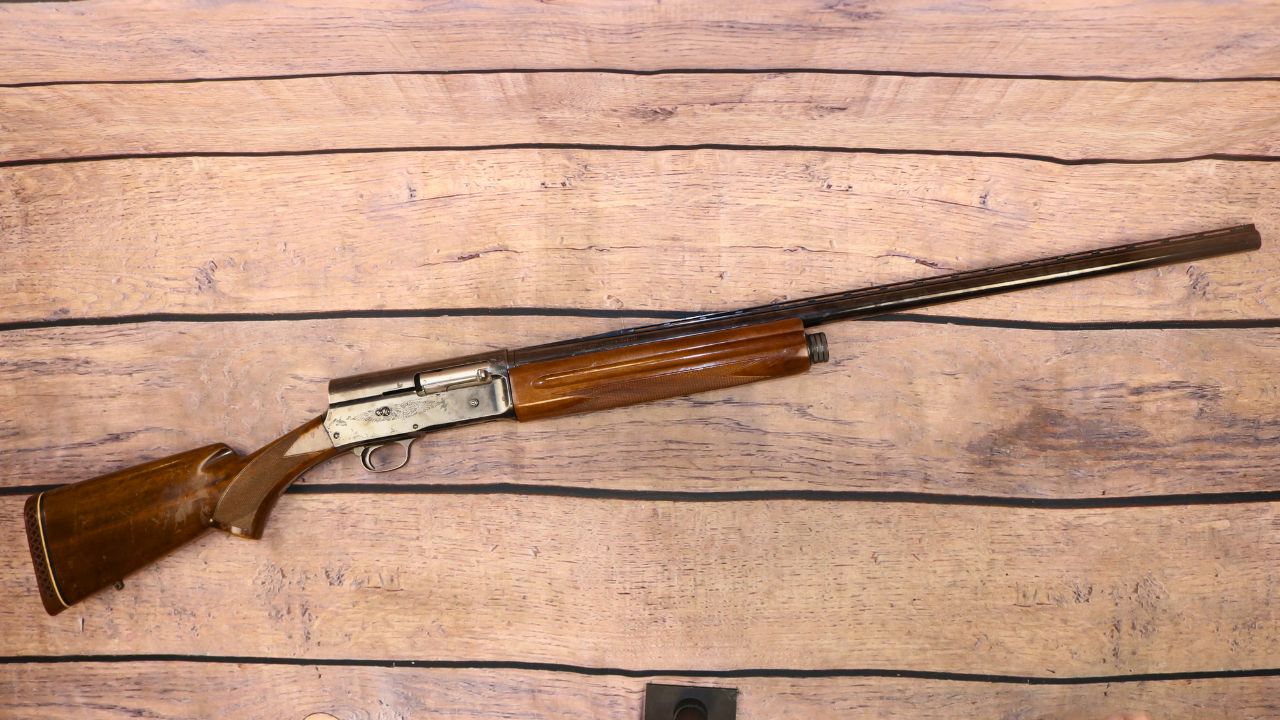
The Auto-5 gets defended because it feels like the shotgun of another age, and for many owners that alone gives it enormous emotional power. The humpback receiver, the old-world feel, and the long sporting history all make it incredibly easy to love. There is real dignity in the design, and people who grew up around them often speak with a kind of warmth that is hard to separate from memory.
That warmth can sometimes obscure the practical conversation. The Auto-5 can absolutely still be a worthwhile shotgun, but some defenders are not really making a present-tense case. They are making a legacy case. They love the shotgun because of where it sits in family stories, field history, and old camp culture. Performance matters, yes, but in many of those conversations it is clearly not doing the heaviest lifting.
Colt Government Model 1911

The Government Model sits at the center of one of the strongest nostalgia fields in the handgun world. It is classic, it is American, it feels serious, and it gives owners a direct line into more than a century of pistol lore. That is powerful enough that people often defend the platform as if every criticism is proof the critic simply does not understand “real” handguns.
That tone is exactly the clue. There is no question a good Government Model can still be a superb pistol. But a lot of the blanket defense around it is not really about that. It is about preserving the older hierarchy, the older image of what a fighting pistol is supposed to feel like, and the older emotional authority of steel, weight, and tradition. That is nostalgia doing the hard work, even when the defenders insist it is just objective truth.
Winchester Model 12
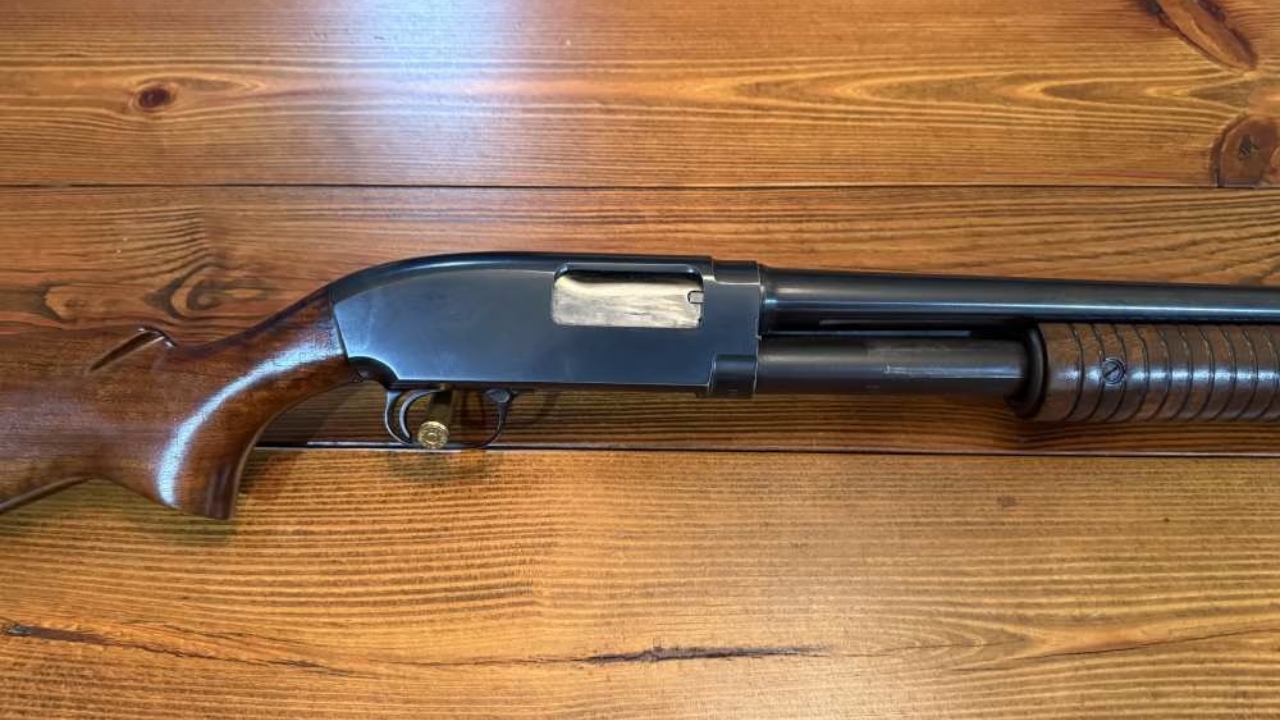
The Model 12 gets defended with almost reverent language because it represents what many shooters think a proper pump shotgun ought to be. Smooth, blued, balanced, old-school. That reputation is not imaginary. But once nostalgia gets involved, every example starts feeling more sacred than the practical discussion really requires.
A lot of the strongest praise around the Model 12 is rooted in memory of what it felt like to grow up around them, hunt with them, or hear older shooters talk about them. That is real, and it matters. But it also means the defense often arrives wrapped in sentiment before the performance conversation even starts. That is exactly the kind of nostalgia-heavy protection this list is about.
Like The Avid Outdoorsman’s content? Subscribe to our newsletter so you never miss an article.
Here’s more from us: