Photo credit: Kahr Firearms Group/YouTube
Some guns get bought because they solve a real problem. Others get bought because they signal something. They say you know the right names, you have the money, or you understand what other shooters are supposed to admire. That does not make those guns bad. In many cases, they are excellent. But there is a difference between buying a gun to use hard and buying one to own, show, and talk about more than you ever shoot.
If you spend enough time around gun shops, private sales, and range counters, you start seeing the pattern. Certain models come up again and again in “dream gun” conversations, but the round counts stay low. Sometimes the gun is expensive to feed. Sometimes it is too heavy, too flashy, or too specialized for normal use. And sometimes the owner simply likes what it says about them more than what it does on the firing line.
Colt Python
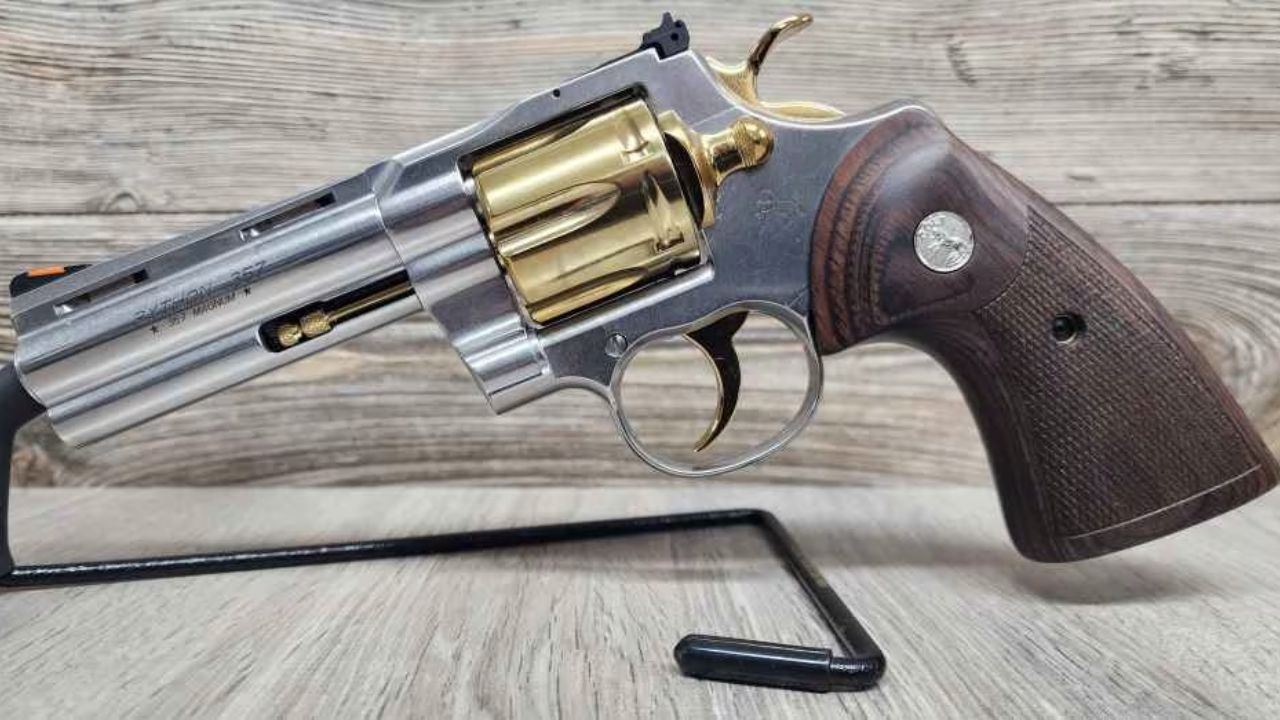
The Colt Python has become one of the clearest examples of a revolver people admire almost as much as they avoid wearing out. It has the name, the look, the polished finish, and the kind of reputation that makes buyers feel like they are holding a piece of handgun royalty. Even shooters who do not know much about revolvers know the Python is supposed to matter. That alone gives it status that goes well beyond ordinary range use.
The result is that many Pythons spend more time being photographed, discussed, and gently wiped down than they do burning through boxes of .357 Magnum. Owners are often reluctant to add wear, and with older originals especially, that hesitation makes sense. It is still a real shooter, but it is also one of those guns people buy partly because it says they have arrived, not because they plan to shoot it every weekend.
Desert Eagle .50 AE

The Desert Eagle in .50 AE is one of the most obvious status buys in the handgun world. It is huge, loud, heavy, and impossible to mistake for anything else. That is exactly the appeal. People buy it because it turns heads, starts conversations, and looks like the most extreme pistol in the room before the first round is even chambered. It does not whisper “serious shooter.” It announces itself across the counter.
That same appeal is why so many of them live soft lives. They are expensive to feed, awkward for long sessions, and far from practical for the way most people actually shoot. After the first few magazines, many owners realize the fun is real but limited. Then the gun becomes more of a trophy than a tool. A Desert Eagle gets shown off far more often than it gets run hard, and that is no mystery.
Heckler & Koch Mark 23

The HK Mark 23 has a near-mythic reputation built on military testing, durability, and that oversized “serious operator” image. It is one of those pistols people buy because they know the backstory and want to own a handgun with real pedigree. It feels important the moment you pick it up. The name alone carries weight, and that makes it a natural magnet for buyers who want something that sounds elite before it ever hits the range.
The catch is that the Mark 23 is massive for a handgun, expensive, and more specialized than most owners need. It is a terrific pistol, but it is not the kind of thing most people grab for casual range use or regular carry. So a lot of them end up living as collector-grade conversation pieces. They get admired, respected, and discussed constantly, while actual round count often stays lower than the gun’s reputation would suggest.
Wilson Combat 1911

A Wilson Combat 1911 is the kind of pistol many shooters dream about long before they buy one. It represents a polished, high-end version of an already iconic platform, and the price tag only reinforces the idea that it sits above ordinary production guns. When someone buys one, it often feels like they are not only buying a pistol. They are buying entry into a certain tier of handgun ownership.
That also means a lot of owners treat them like prized possessions first and hard-use pistols second. Some do shoot them regularly, and they shoot extremely well. But plenty of buyers hesitate to rack up wear on a gun that cost that much and looks that sharp. A pistol like this becomes easy to baby. The better it looks and the more it costs, the easier it is for the owner to admire it far more than they actually run it.
Nighthawk Custom 1911

Nighthawk pistols land in much the same territory, but sometimes even more so because the whole brand is tied to custom-shop prestige. These are handguns buyers often choose because they want something refined, highly fitted, and unmistakably premium. They are built to be shot, absolutely, but they are also bought by plenty of people who want a handgun that feels like a statement piece as much as a fighting pistol.
When a pistol carries that kind of price and reputation, many owners get cautious. Holster wear starts feeling expensive. High round counts start feeling like depreciation. Instead of becoming the gun that gets the most training time, it often becomes the gun brought out to impress friends, compare fit and finish, and remind the owner they own something special. A Nighthawk can be a fantastic shooter. It is also very often a luxury object first.
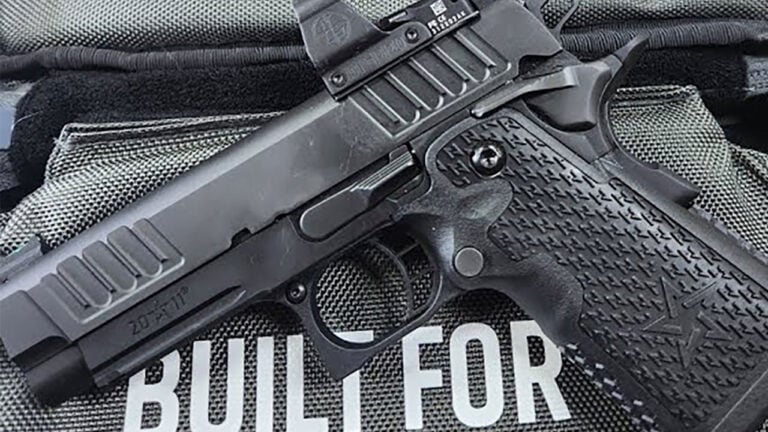
Staccato XC

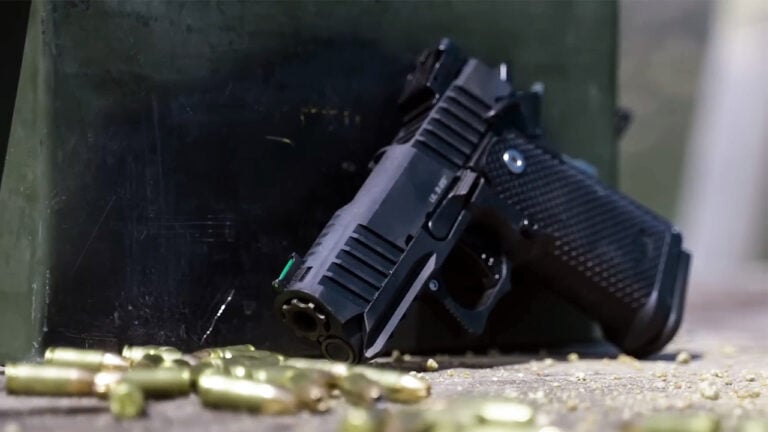
The Staccato XC has become a modern status pistol because it combines high-end 2011 cachet with obvious on-range capability. It is fast, soft-shooting, and visually tied to a part of the handgun world many buyers associate with serious performance. Owning one says you are not shopping in the ordinary duty-pistol aisle anymore. That alone makes it highly attractive to people who want a premium pistol with a current, respected name behind it.
The irony is that many XC owners never really use it the way the gun begs to be used. It is a pistol built for speed, reps, and serious shooting. But the cost of entry is high enough that a lot of buyers become protective the minute it comes home. Instead of living as a heavily trained-with performance gun, it often turns into a polished status piece that sees light range use and a lot of admiring comments.
Staccato P
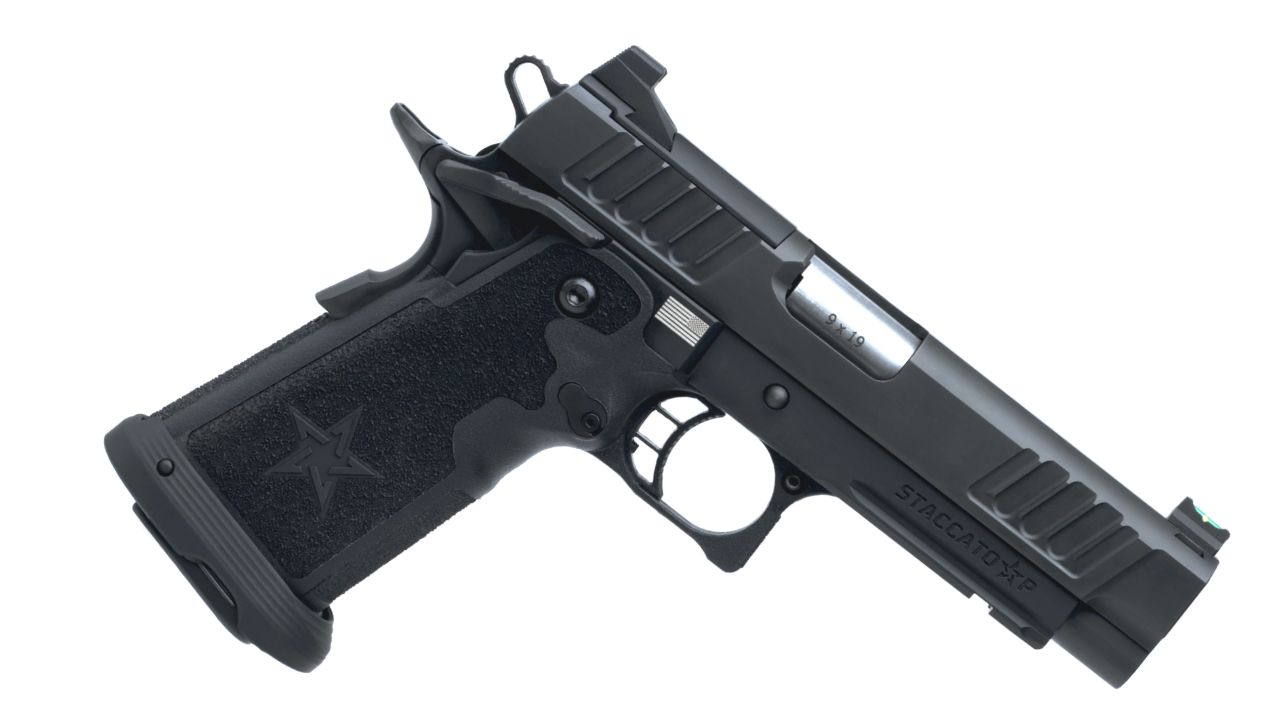
The Staccato P rides a little closer to the “serious duty-capable handgun” lane, but it still lands in the same status orbit for many buyers. It has the 2011 mystique, strong current reputation, and the kind of price point that makes people feel like they have stepped into a more rarefied category of pistol ownership. For plenty of owners, the appeal is as much about having a Staccato as it is about needing what the gun actually offers.
Because of that, many Staccato Ps end up underused relative to what they are built for. Owners talk about them, compare them, and show them off, but do not always train with them hard enough to justify the price and capability. Some absolutely do. Many do not. The pistol’s identity as a premium, admired brand-name handgun means it often gets purchased to signal taste and status at least as much as it gets purchased for daily, hard shooting.
Benelli M4
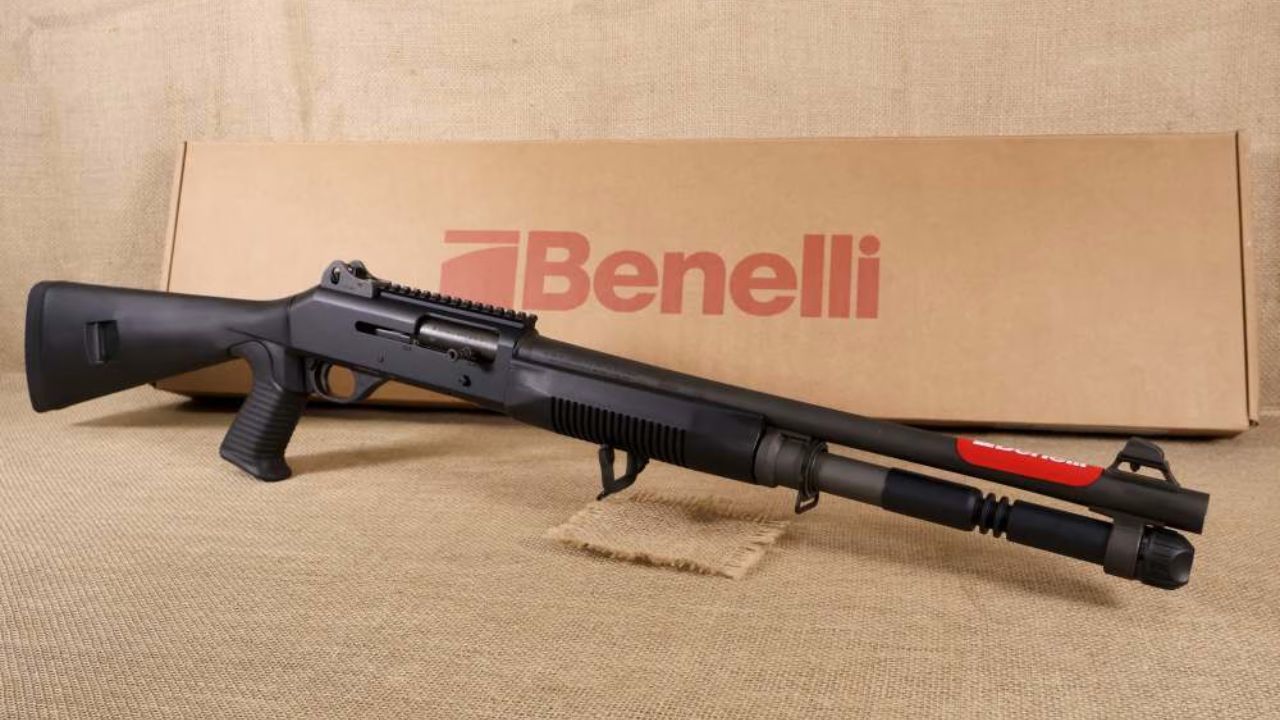
The Benelli M4 is a shotgun, but it fits this article perfectly because it has become one of the strongest “serious gun guy” flexes in the tactical shotgun world. Buyers know the military connection, they know the reputation, and they know the price says this is not the budget pick. Owning one signals that you bought the premium answer. Whether you need that answer or not is often a completely separate issue.
A lot of M4s spend their lives in safes, closets, or lightly used range trips because the average owner is not running a tactical shotgun hard enough to justify one. They are expensive, not especially cheap to train with, and more likely to be held in reserve than truly worked. The M4 is a real-use gun, no doubt. But many buyers want the name, the image, and the confidence it projects more than the bruised shoulder and ammo bill.
FN SCAR 17S

The SCAR 17S has a reputation that almost guarantees status appeal. It looks distinctive, carries military associations, and costs enough that buying one feels like crossing into a different category of rifle ownership. It is not a rifle people stumble into casually. Buyers choose it because they know it is recognized. Even among non-gun people, it has the kind of silhouette that suggests you bought something serious and expensive.
That same price and reputation also help keep round counts low for many owners. A 7.62 NATO rifle with that level of cost is not exactly a casual plinker, and replacement parts, optics, and overall setup costs can make owners even more protective. Plenty of SCARs are owned by people who love having them but do not shoot them nearly enough to justify the investment. They are admired heavily, used lightly, and kept ready mostly for the sake of owning them.
HK SP5

The HK SP5 taps directly into the long-running prestige of the MP5 platform. Buyers know what it is tied to, what it looks like, and what it says about them when they own one. It is one of those guns that instantly marks the owner as someone who bought the premium version instead of settling for a cheaper clone. That matters in the market, and a lot of people buy them for exactly that reason.
The problem, if you want to call it that, is that the SP5 also becomes easy to protect from actual wear. It is expensive, collectible in feel, and often treated like a grail gun. Many owners shoot it a little, enjoy how smooth it feels, and then start treating it more like a prized possession than a hard-run range gun. It remains a fantastic firearm, but a lot of its life gets spent being admired as the “real HK” more than being worked hard.
SIG P210
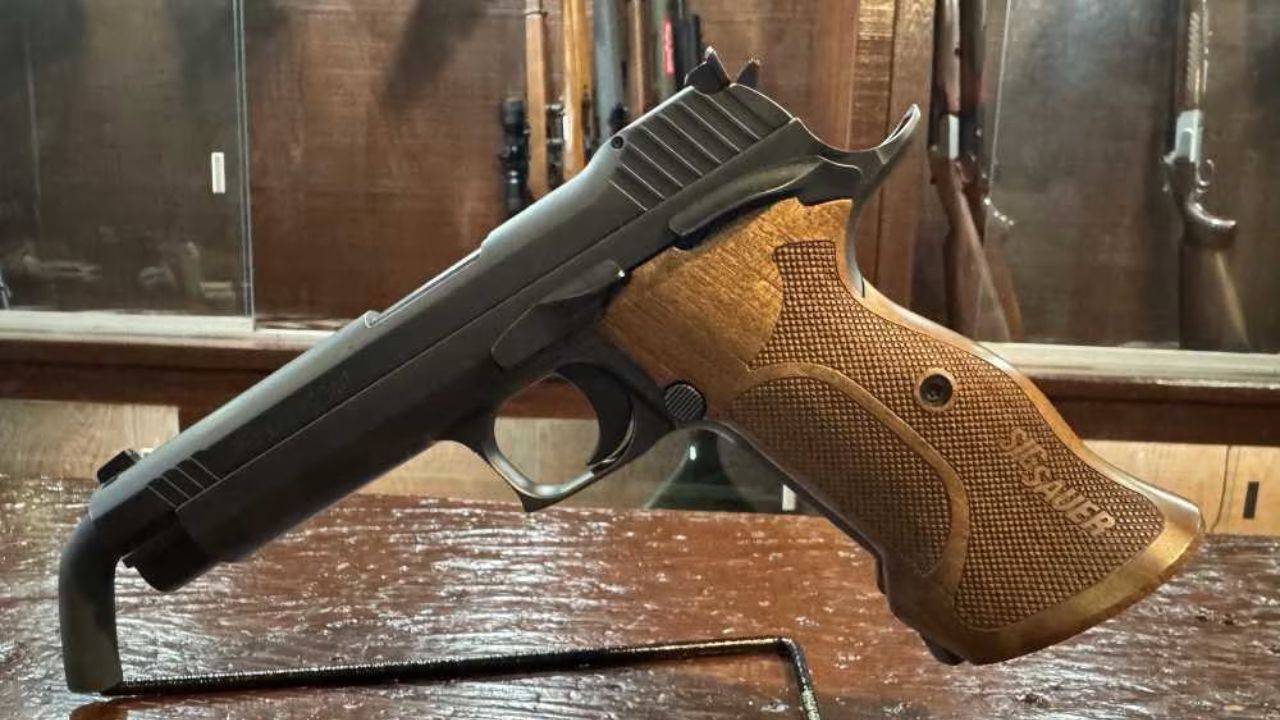
The SIG P210 has the kind of reputation that draws in buyers who appreciate precision, craftsmanship, and the idea of owning a refined classic. It is not bought because it is the most practical defensive handgun. It is bought because it is respected, elegant, and tied to a long-standing image of serious mechanical quality. Owning one says you appreciate a certain kind of old-world pistol sophistication, and that absolutely carries status in the handgun world.
That also means many P210s live very quiet lives. They may get shot enough to confirm the owner’s good taste, but they are often not the pistol that gets thrown in the range bag week after week for hard drills. The gun’s appeal is tied to refinement, and refined guns often get handled more carefully. Buyers tend to treasure them, not run them into the ground, which makes the P210 one more classic example of prestige outrunning actual use.
Korth revolvers

A Korth revolver is almost pure status in the handgun world. It is expensive enough, rare enough, and prestigious enough that owning one immediately tells other shooters you bought at the very top of the revolver ladder. These are not revolvers people usually buy as their practical working sidearm. They buy them because they want the craftsmanship, the name recognition among knowledgeable shooters, and the satisfaction of owning something very few people will ever justify purchasing.
That naturally leads to low round counts. A Korth is too expensive and too admired to be treated like an ordinary range revolver by most owners. It gets discussed, shown, compared, and appreciated for fit and finish at least as much as it gets loaded. Some owners absolutely do shoot them, but a lot of these guns are bought more as luxury mechanical art than as something meant to digest thousands of rounds in rough, regular use.
Manurhin MR73

The Manurhin MR73 has a legendary reputation for durability and precision, but in the U.S. market it also carries a strong aura of exclusivity. Buyers know it is not common, not cheap, and not the sort of revolver the average person stumbles across in a display case. Owning one says you know what it is and were willing to chase it. That kind of scarcity and name recognition turns it into a status buy almost immediately.
The result is predictable: many owners handle it with a level of care that keeps actual shooting time lower than the revolver probably deserves. The MR73 is built to be used, yes, but it is also rare enough in many circles that buyers treat it like a centerpiece. It becomes the gun brought out to impress a knowledgeable crowd and then put away carefully, rather than the revolver that eats a steady diet of full-power ammunition every month.
Colt Single Action Army

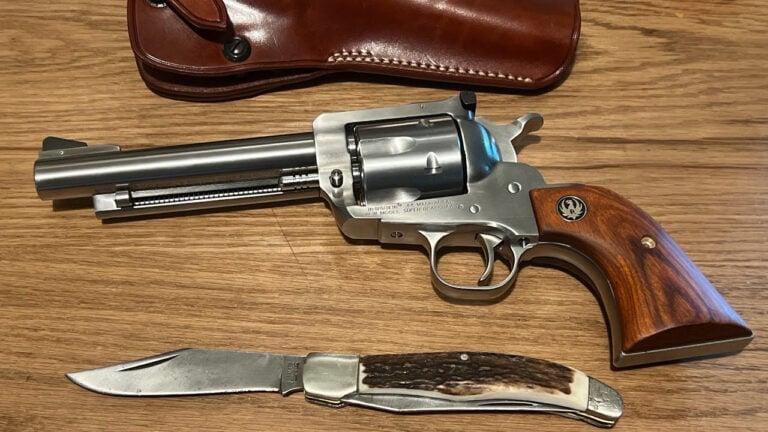
The Colt Single Action Army is still a real shooter, but for many buyers it has become a status piece tied to history, heritage, and the romance of old American handguns. People buy one because it feels iconic, because it says they appreciate the classics, and because the Colt name on that frame still carries more weight than most replicas ever will. In many cases, owning one is as much about identity as utility.
That is a big part of why so many original or premium-production Single Action Army revolvers see very little real use. They are expensive, tied to collector interest, and easy to protect from wear because every new mark feels more serious on a gun like that. Plenty of buyers cock the hammer a few times, shoot a box, and then start thinking of the revolver more as a legacy object than a hard-used sidearm.
Magnum Research BFR

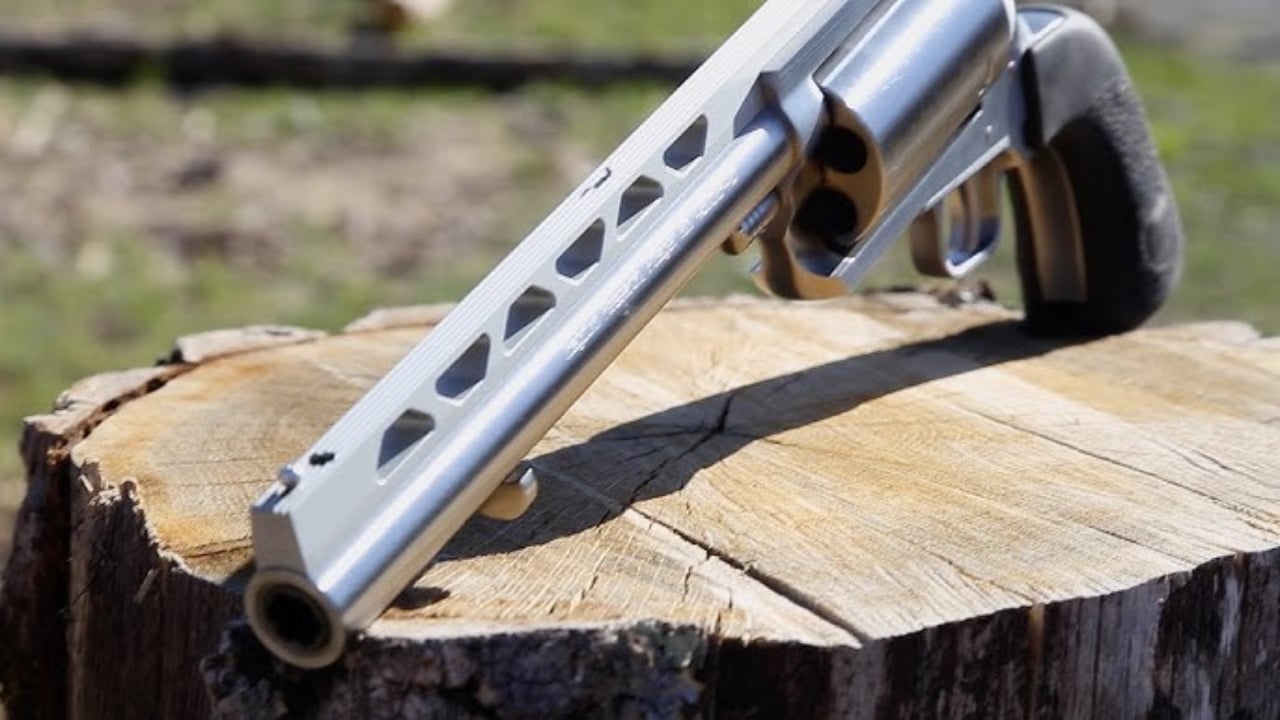
The BFR is another gun that almost announces its status angle the moment it comes out of the box. It is huge, chambered in serious cartridges, and built to make an impression before the first shot. Even buyers who genuinely like powerful revolvers are often attracted to the BFR because it looks extreme and sounds extreme. Owning one says you bought the biggest, heaviest answer in the room, and that is exactly the point for a lot of people.
That same extremity is why many of them barely get shot. Heavy-recoiling revolvers chambered for major cartridges are fun in limited doses, but most owners are not burning through cases of ammunition with them. The gun quickly becomes something you own to enjoy in short bursts and to show off in conversation. A BFR is very real, very capable, and very often used just enough to remind the owner why it mostly stays in the safe.
Barrett M82A1

The Barrett M82A1 may be the ultimate status buy in the rifle world. It is enormous, expensive, famous, and instantly recognizable even to people who know very little about firearms. Buying one tells everybody in the room that practicality was not your first concern. Presence was. It is the kind of rifle people buy because owning one feels like owning a legend, and that legend comes with a very loud, very expensive identity.
That also makes it one of the clearest examples of a gun that many owners barely ever shoot. Ammunition cost, range limitations, sheer size, and the logistics of transporting and setting up a .50 BMG rifle all work against regular use. Most buyers are not using one as a routine precision tool. They are owning it because of what it is. The rifle gets admired constantly, discussed endlessly, and shot far less than its reputation suggests.
Like The Avid Outdoorsman’s content? Subscribe to our newsletter so you never miss an article.
Here’s more from us: