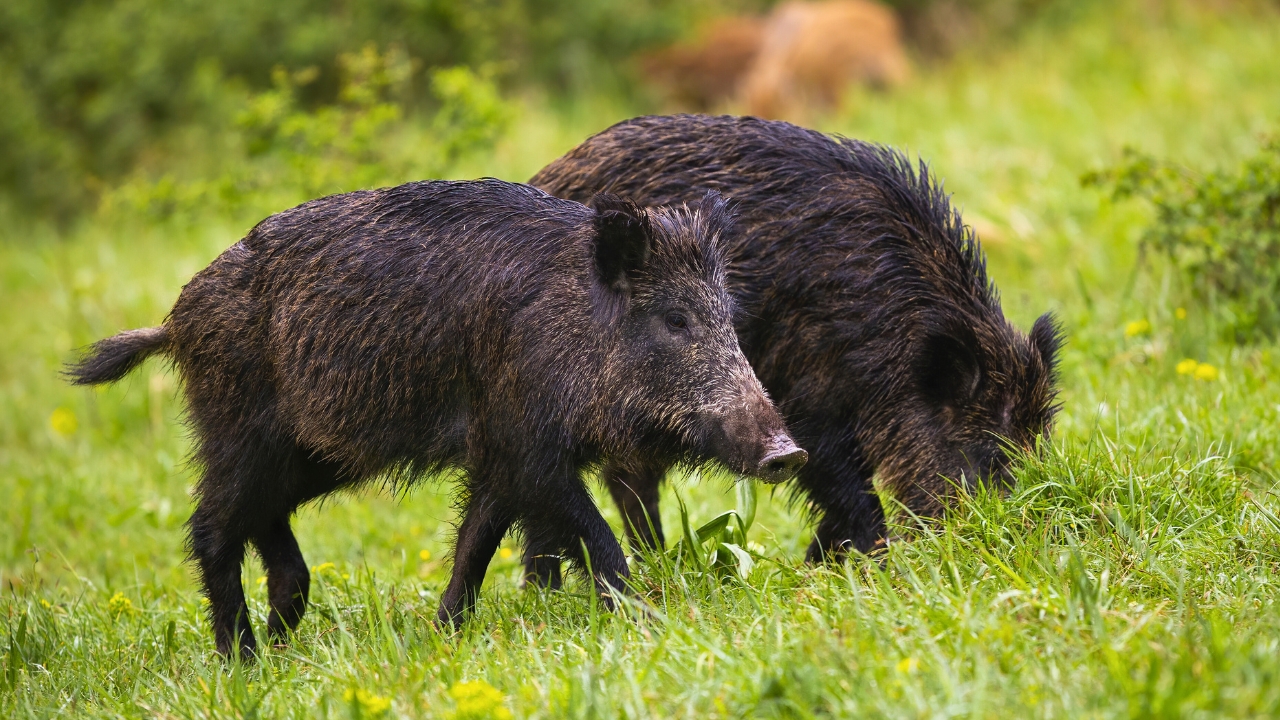
Photo credit: WildMedia/Shutterstock.com
Hog hunting isn’t the time to mess around with underpowered rounds. These animals are tough, unpredictable, and can charge when wounded. If your bullet doesn’t have the weight or punch to break through bone and muscle, you’re setting yourself up for a bad time—or worse, a dangerous one. Some calibers just aren’t cut out for the job, no matter how accurate or convenient they might be at the range. Here are ten you should leave at home when it’s time to chase hogs.
.22 LR

This one’s great for plinking or small game, but hogs? Not a chance. The .22 LR just doesn’t have the energy to do serious damage to thick hide and bone.
Even with perfect shot placement, you’re risking a wounded animal running off into the brush. And if you don’t drop it on the first hit, things can get dangerous in a hurry. Use something with more punch.
.17 HMR

The .17 HMR is fast and flat-shooting, sure—but it’s made for varmints, not 200-pound boars with an attitude. It lacks the mass to penetrate deep enough for a clean kill.
You might hear stories of it working in perfect conditions, but that’s not the norm. When hogs are on the move or quartering away, this tiny round just doesn’t hold up.
.22 Magnum
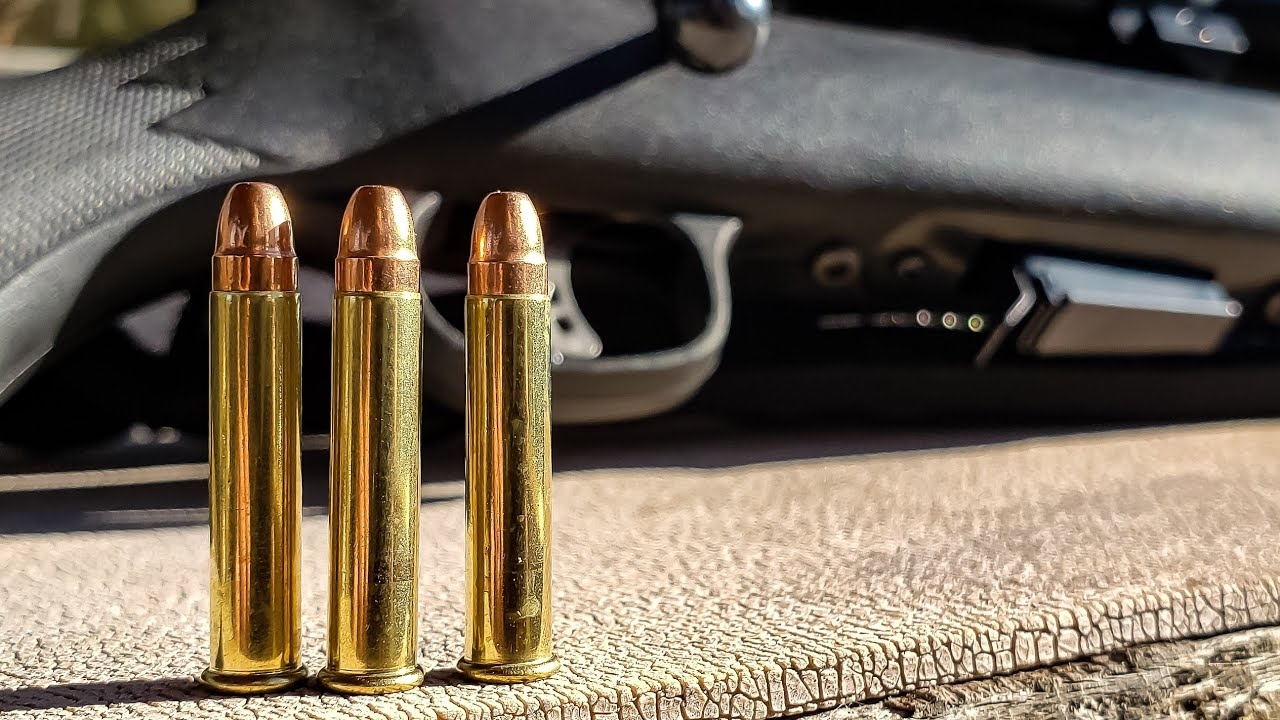
Better than a .22 LR, but not by much when it comes to hogs. The .22 Mag is still a small, light bullet that struggles to get the penetration you need.
Some folks try it for headshots at close range, but that’s risky business. One slip and you’ve got a wounded hog on your hands—never a good scenario.
.223 Remington (in the wrong setup)

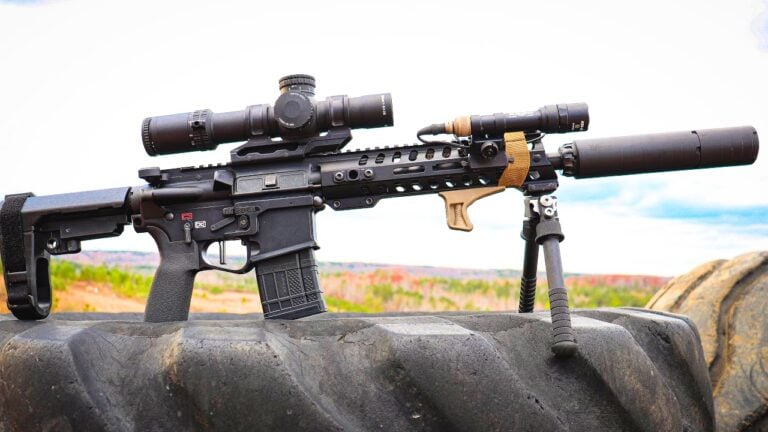
This one’s controversial. Yes, the .223 can kill hogs, but only with the right bullet and perfect placement. Too many people use FMJs or lightweight varmint loads.
Unless you’re running a proper hog-hunting load and know exactly where to place your shot, this caliber can fail when it matters most. Hogs aren’t deer—they’re tougher and meaner.
.30 Carbine

It might’ve served in World War II, but the .30 Carbine isn’t built for today’s hog hunting. Its ballistics fall short, especially when trying to break through gristle and bone.
It can feel tempting if you’ve got an old M1 carbine sitting around, but there are much better tools for the job. This one’s just too soft for consistent results.
9mm

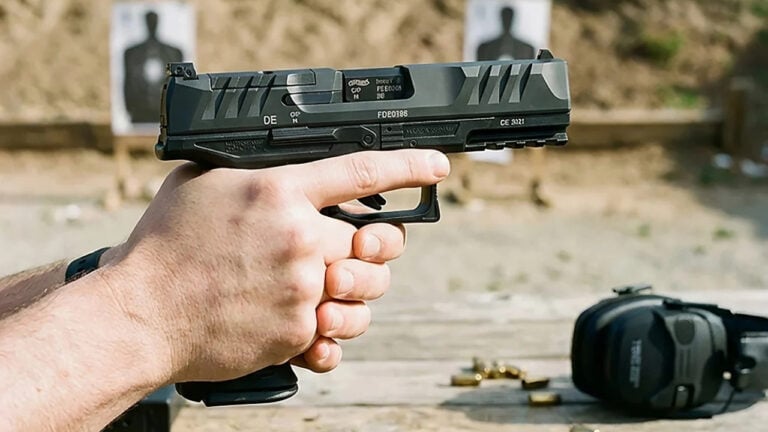
This one pops up more often than it should. While a 9mm might work in a pinch or for finishing a wounded hog, it’s not a primary hunting round.
Most 9mm loads are designed for self-defense, not for dropping a thick-skinned, angry animal. You’d be better off with something made for the task.
.380 ACP
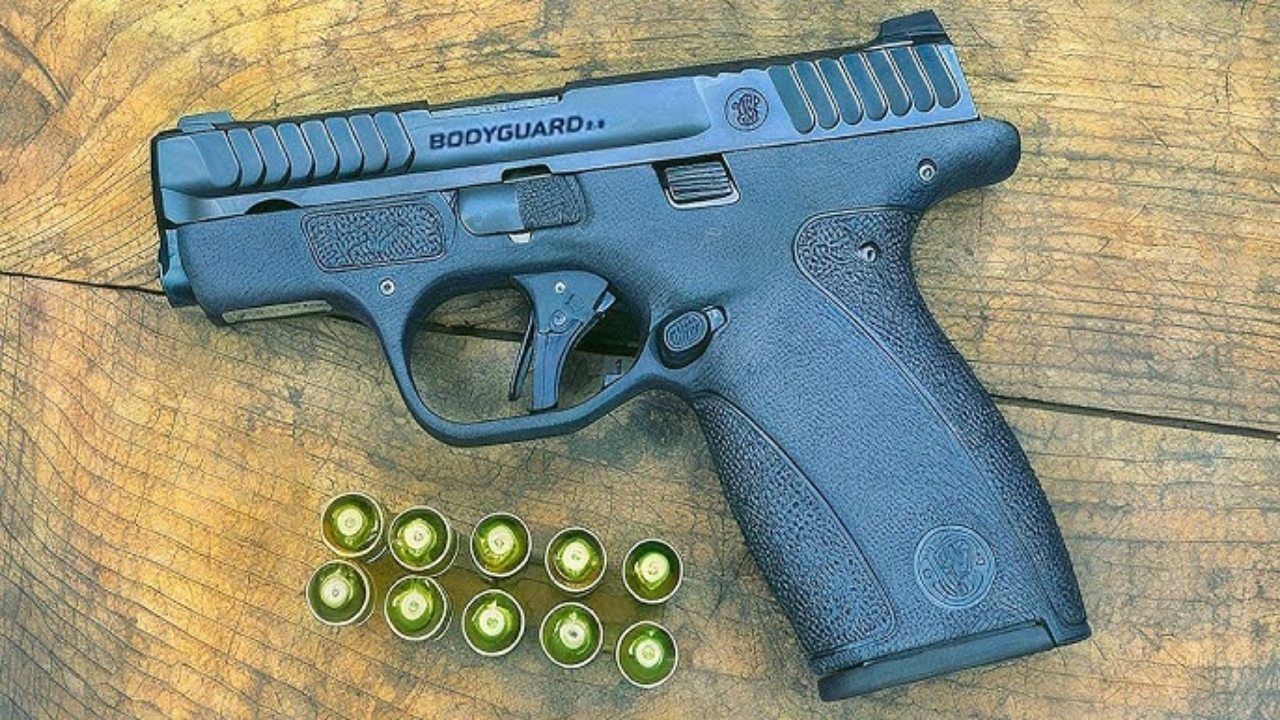
If the 9mm isn’t enough, the .380 sure isn’t either. It’s a compact, low-recoil round meant for personal defense—not punching through a hog’s shoulder.
Even close-range shots aren’t reliable, and trying to make it work could lead to suffering animals or dangerous follow-ups. Leave the .380 in the glove box.
.32 ACP

This one’s just flat-out not a hunting round. The .32 ACP has barely enough energy to reliably stop a human threat, let alone a thick-skinned wild boar.
Even with a perfect hit, it’s unlikely to penetrate deeply enough to hit vitals. This is the kind of caliber that makes a bad situation worse.
.410 Bore (with birdshot)
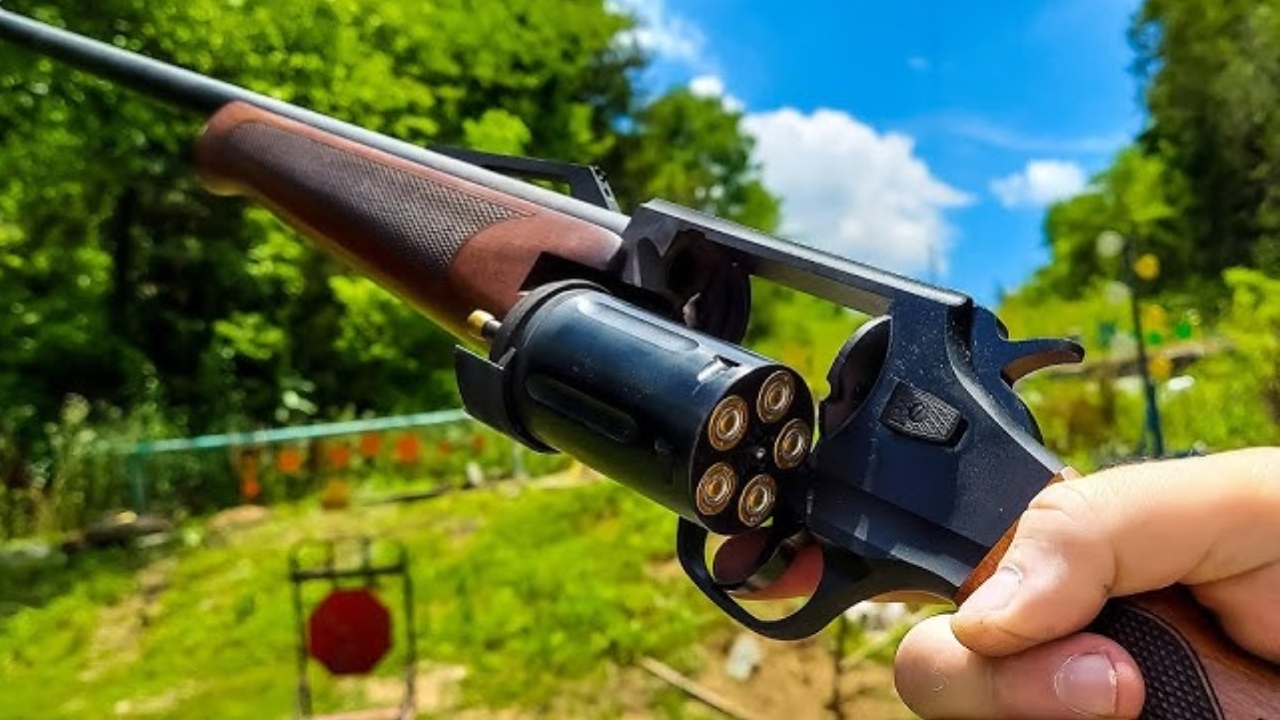
Some folks grab a .410 and figure it’ll do the trick—especially when it’s in a revolver or youth shotgun. But birdshot won’t cut it. It won’t even get close.
Unless you’re using .410 slugs (and even then it’s questionable), this setup lacks the power and spread to humanely take down a hog. It’s better saved for squirrels and snakes.
.45 ACP

Big bullet? Yes. Good for hogs? Not really. The .45 ACP is slow-moving and doesn’t penetrate like it needs to, especially on tough-skinned animals.
Unless you’re just using it as backup, this one shouldn’t be your go-to. A good hog round needs both diameter and velocity, and .45 ACP is missing the latter.
*This article was developed with AI-powered tools and has been carefully reviewed by our editors.