Photo credit: Guy J. Sagi/Shutterstock.com
Some rifles debut with big promises—slick marketing, pro endorsements, and a parts list that sounds like the answer to every complaint you ever had at the range. Then you shoot them, and the honeymoon ends fast. They group okay for a string, or they look great in photos, but once you start counting mags, miles, or hunts, the cracks show. Here’s a fresh take on rifles that sizzled at launch and sputtered once real shooters put them to work. You know the type—good press, bad range reports.
Savage 110 Classic (Early Run)

Savage has a reputation for putting decent accuracy into affordable rifles, but some early 110 Classic runs felt like they were still finding their footing. On paper the Classic promised the reliable action and adjustable trigger Savage is known for, but owners reported rough bolts and inconsistent bedding that made accuracy hit-or-miss without a gunsmith.
Plenty of shooters made them sing with bedding jobs and trigger tuning, but that extra work defeats the point of buying a factory rifle. For a lot of buyers the Classic was a good platform that required time and cash to be truly useful, which cost it its early glow.
Weatherby Vanguard Series (Budget Variants)

Weatherby’s Vanguard name carries weight, but the lower-priced variants in the line sometimes disappointed buyers expecting the legendary finish and feel. These models offered Weatherby styling and warranty at a lower price, but tolerances and stock bedding occasionally felt bargain-bin compared to the higher-end offerings.
When a rifle’s action and stock aren’t working together from the factory, accuracy becomes inconsistent. You can polish and bed and chase groups, but a rifle that needs that much attention straight out of the box isn’t what most buyers pictured when they saw the Vanguard badge.
Browning AB3 (Early Variants)
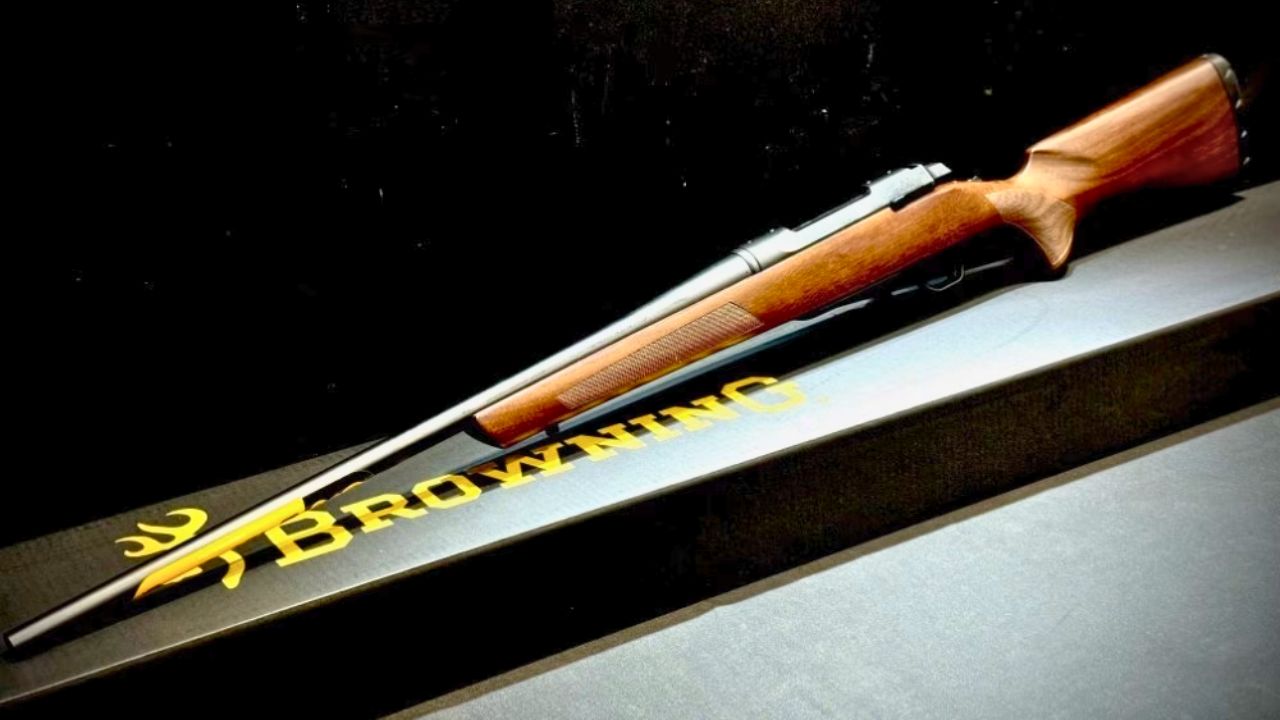
Browning’s AB3 aimed to deliver the company’s hunting heritage at a friendlier price point. In some early variants it arrived with a stiff bolt and finishes that looked nicer than they functioned. The action was solid enough, but triggers and stock fitment sometimes left owners wanting.
Browning eventually sorted many issues, but those first buyers who expected a plug-and-play hunting rifle had to spend time on the bench to get the performance they paid for. That gap between expectation and reality cooled the initial buzz.
Mossberg Patriot (First Editions)

The Mossberg Patriot was promoted as a budget rifle that didn’t feel or shoot like one. Some early examples hit that mark, but enough came with gritty bolts, mismatched stocks, or poor barrel bedding that owners noticed. A few rifles grouped well, but too many required bedding, headspacing checks, or trigger work to be competitive.
Mossberg improved the Patriot over time, but first impressions matter. When a new shooter buys a Patriot and ends up spending on upgrades, the value equation flips and the praise turns into a shrug.
Ruger American (Initial Launch)

Ruger’s American line redefined “budget bolt gun” in many ways, but the first production waves had feed lip inconsistencies and trigger feel that didn’t always match the marketing. Some rifles were perfectly fine, others delivered frustratingly erratic groups without obvious cause.
Ruger iterated and the platform became solid, but early adopters who ran into quirks were vocal. The rifle that promised instant reliability and required tinkering lost some of the shine for those buyers.
CZ 550 (Some Configurations)
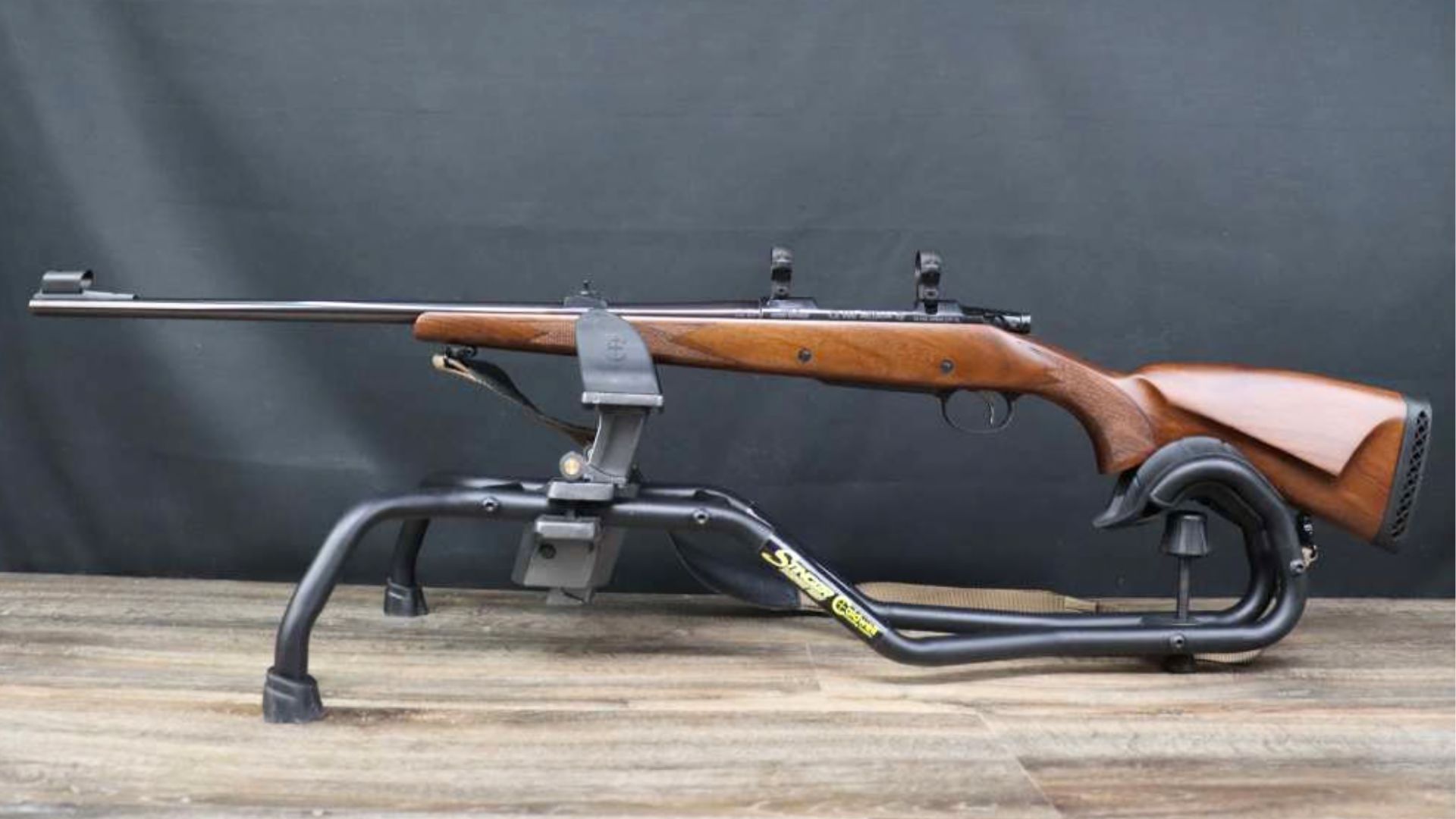
The CZ 550 has plenty of fans, but certain configurations and factory setups didn’t behave the same across serial batches. Depending on barrel length, chambering, and stock fit, you could get a tack-driver or a handful that refused to play nice without bedding or headspace work.
That inconsistency frustrated owners who expected Czech build quality to be uniform. When a name carries expectations, even a handful of outliers can kill momentum for a model in the market.
Howa 1500 (Early Models)

Howa’s 1500 platform offered a lot for the money, but some of the early models left owners working to make them comfortable on the bench. Triggers were serviceable but often benefited from aftermarket upgrades, and a minority of rifles needed attention to achieve the accuracy buyers hoped for.
Howa improved tolerances over time, and the 1500 became a staple for budget-accurate shooters, but anyone who grabbed an early run and expected match-ready performance sometimes learned the hard way that “budget” still meant some elbow grease required.
FN SCAR 20S (Civilian Carbine Versions)

The civilian SCAR 20S looked impressive and turned heads, but its weight, recoil impulse, and sensitivity to ammo choice made consistent accuracy mixed in the hands of average shooters. A handful of rifles were superb; others felt fussy about loads and optics mounts.
When a precision-oriented rifle is picky about ammo or requires frequent headspacing checks under hard use, that early excitement turns to frustration. The platform kept fans, but it also collected skeptics who expected more uniform performance.
Ruger Precision Rimfire (Select Runs)

Ruger’s Precision Rimfire had the looks and adjustability to be an inexpensive trainer for PRS-style shooting, but accuracy with cheap bulk ammo varied wildly between rifles. Some grouped like the real-deal centerfire it emulated, while others spread shots enough to make it a disappointment for students of precision.
Rimfire variability will always be part of the equation, but when a rifle’s promise is precision training and it can’t be counted on to deliver, shooters feel burned. Ruger fixed many of the complaints, but early buyers remember the gamble.
Savage Impulse (Early Production)

Savage’s Impulse action with its rotary magazine and short bolt lift was a big idea, and many rifles have performed very well. Early production batches, though, had teething issues—feed geometry quirks and extractor timing that took tuning to sort out.
A revolutionary action that needs extra attention out of the box doesn’t land well with buyers who thought they were getting innovation without a learning curve. Savage smoothed the platform, but the initial unevenness cost the Impulse some early momentum.
Springfield M1A Loaded (Certain Runs)
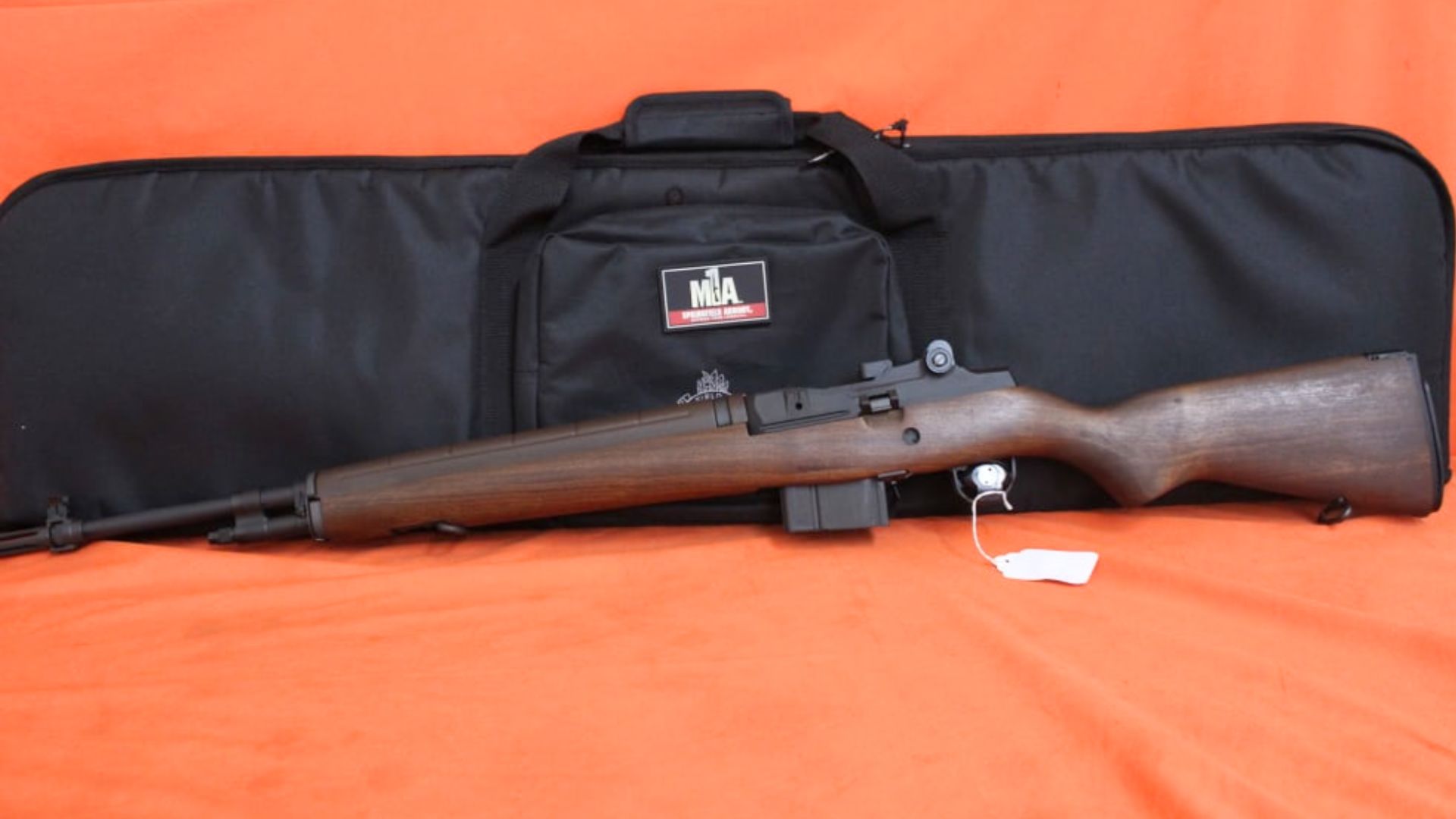
The M1A carries a weighty reputation, and the Loaded variants promised modern upgrades. In some runs, though, buyers found optics mounting issues and stock bedding that made zeroing a chore. A rifle that’s meant to be a marksman’s tool needs a predictable platform, and when that predictability varies, shooters lose trust.
The M1A still has its devotees, but models that required extra gunsmith time to do what the buyer expected out of the box dampened the launch enthusiasm for those specific configurations.
Bergara B-14 (Initial Offering)

Bergara made a reputation for barrels that shoot, but some of the early model B-14 rifles paired that glass with economy stocks and actions that didn’t always let the barrel do its best work. Accuracy potential was there, yet inconsistent bedding or suboptimal headspace on a minority of rifles kept the package from living up to the hype for everyone.
When your headline feature is the barrel and assembly doesn’t support it consistently, buyers notice—and the buzz fades until the factory tightens up production.
Steyr Scout (Modern Reissues)

The Scout concept sold well in theory, and modern reissues promised a versatile package. For some owners, the balance and ergonomics were spot on, but others found the optic mounting and trigger geometry less forgiving than expected for a hunting rifle. What looked clever in the brochure didn’t always translate to satisfying groups in the field without tweaks.
A rifle that’s meant to be plug-and-play for hunting should behave like it at the range. When it doesn’t, disappointment follows.
Browning X-Bolt Pro (Some Editions)

Browning’s X-Bolt generally has a good name, but select Pro editions pushed features that, in early lots, led to issues with pillar bedding and stock fit that upset the rifle’s shot-to-shot repeatability. When the foundation isn’t consistent, even a great action and barrel can’t hide the problem.
Browning adjusted and later runs improved, but the initial mismatch between expectation and factory delivery cooled a lot of early praise.
T/C Encore (Adapted Rifle Versions)
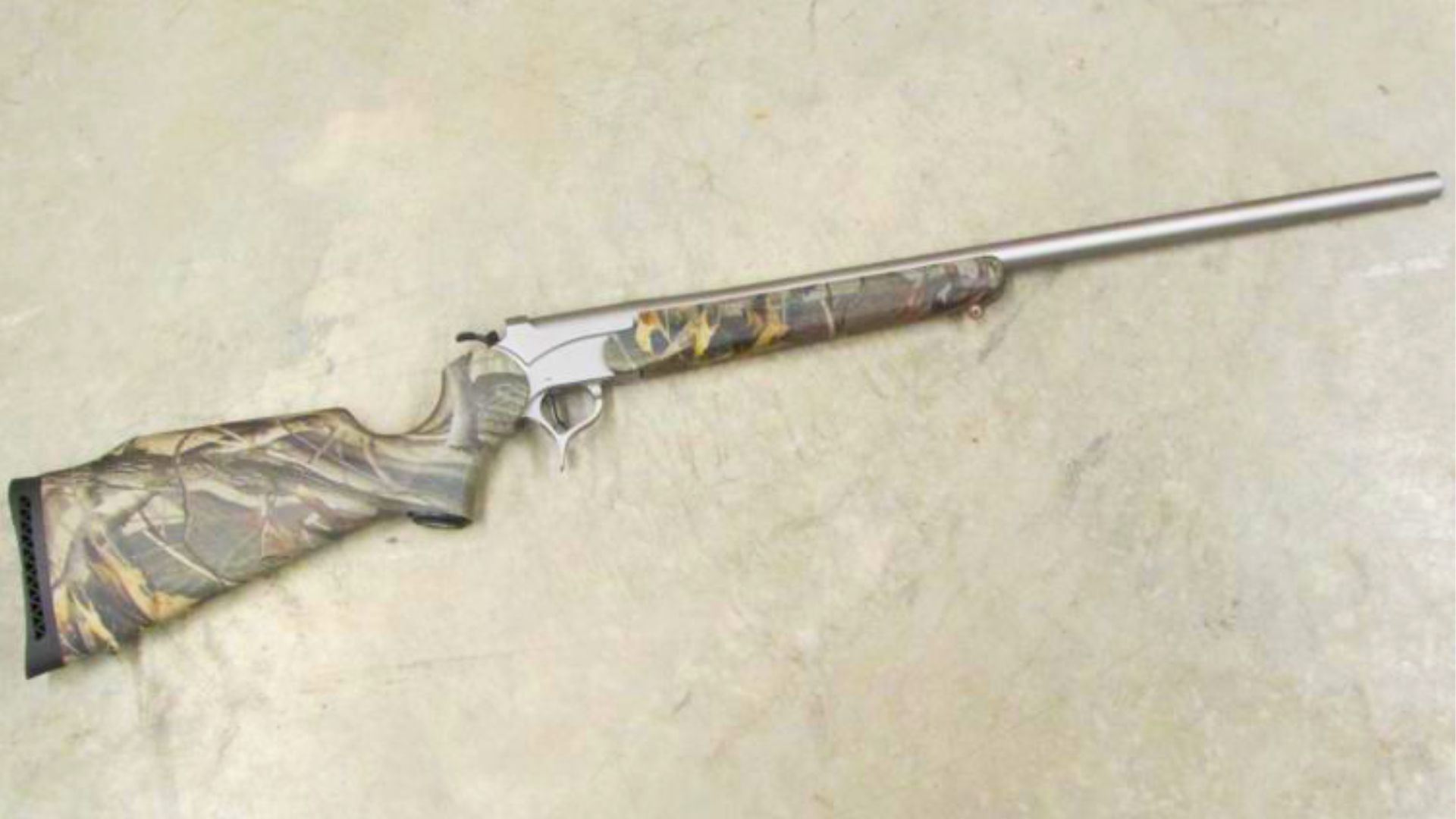
Thompson/Center’s Encore is a flexible platform, but when it’s used as a chassis for specialized rifle builds, some early adapted versions proved fussy about barrel harmonics and bedding. The modular idea is slick, but conversion rifles that need constant tinkering to shoot well don’t sit well with hunters who want a ready-to-go gun.
The Encore remains versatile, but conversions that required a gunsmith to be useful dulled the early appeal for shooters who just wanted to hunt.
Like The Avid Outdoorsman’s content? Be sure to follow us.
Here’s more from us:
The worst deer rifles money can buy
Sidearms That Belong in the Safe — Not Your Belt
*This article was developed with AI-powered tools and has been carefully reviewed by our editors.