Photo credit: Just dance/Shutterstock.com
There’s nothing quite like the recoil of a magnum rifle to expose weak gear. You can spot it instantly—the reticle shifts, the zero drifts, and before long, you’re blaming your ammo when the problem’s sitting on top of your rifle. Magnum cartridges don’t forgive flimsy optics. The shock alone can shake loose internals, stress mounts, and turn high-dollar glass into campfire jokes. When you’re pushing a .300 Win Mag, .338 Lapua, or .375 H&H, you need more than clarity—you need construction that survives punishment.
Plenty of scopes look great on paper and work fine on a .243 or .308, but once they’re mounted on a magnum, the flaws show fast. Adjustments wander, eye relief shrinks, or lenses fog under recoil heat. The following scopes might handle a mild deer rifle, but when the recoil hits hard and the shot counts most, these are the optics hunters say should never touch a magnum.
Nikon ProStaff
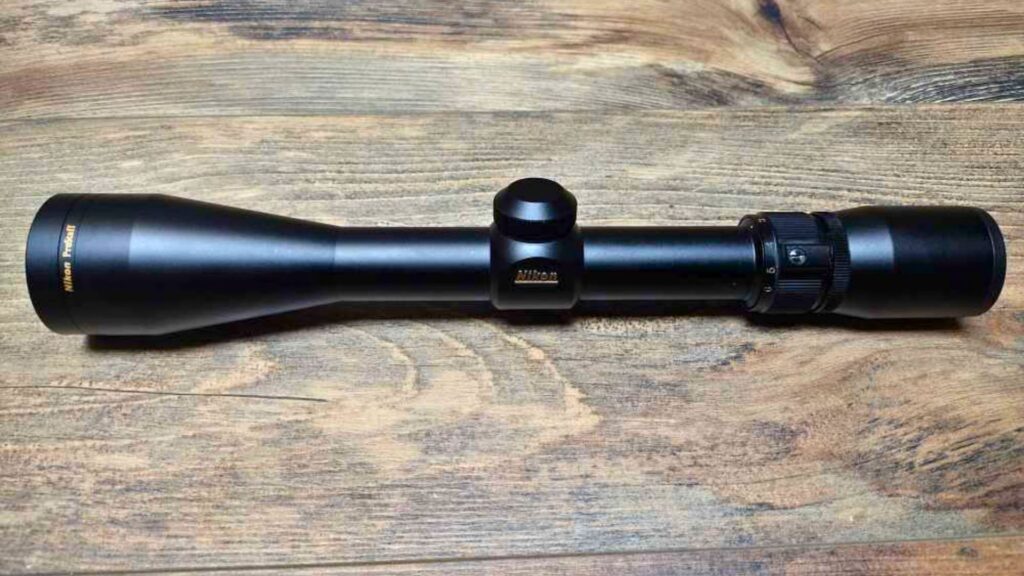
The Nikon ProStaff was once a go-to for affordable hunting setups, but it’s earned a bad reputation when paired with magnum rifles. The glass is clear enough for mid-caliber hunting, but the internals simply can’t handle repeated heavy recoil. Over time, the reticle shifts or drifts slightly after each trip to the range. On a .300 Win Mag, that inconsistency shows up after just a few boxes of ammo.
The ProStaff’s eye relief is also too short for magnums, which means scope bite becomes a real concern. The scope can’t hold zero if the mounts take even minor shock, and the turrets lack the solid, repeatable clicks you’d want for dialing. It’s a fine scope for a .270 or .308—but when you put it on something that kicks hard, it loses credibility fast. You’ll spend more time re-sighting than shooting with confidence, and that’s no way to hunt.
Bushnell Banner
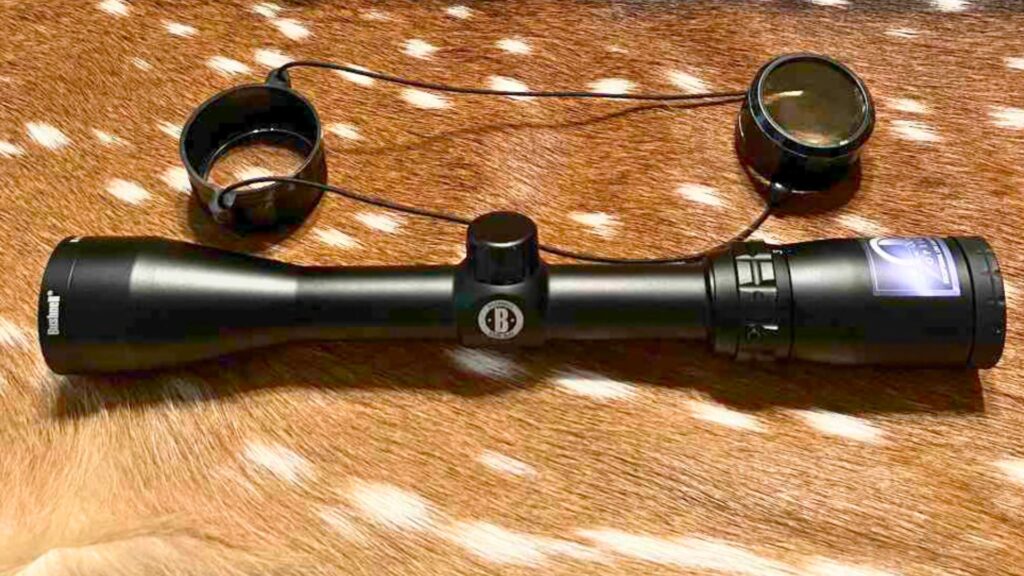
The Bushnell Banner is a classic “budget deer rifle” optic, but it’s completely out of its depth on a magnum. The glass fogs easily in cold weather, and the recoil from a heavy hitter can actually knock the reticle off-center. The adjustment turrets are soft and tend to drift after repeated firing, leaving you guessing at your point of impact instead of trusting it.
Even with good mounts, the Banner’s lightweight construction can’t absorb shock the way a magnum-rated scope should. It’s a solid performer on smaller calibers, but once you step into the big-bore territory, it’s more liability than asset. Hunters who’ve tried it on magnums usually tell the same story: it starts fine, then loses zero halfway through the season. When you’re chasing elk across ridgelines, the last thing you need is a scope that falls apart after three shots. The Banner’s fine for range plinking—but not when recoil is king.
Simmons 8-Point
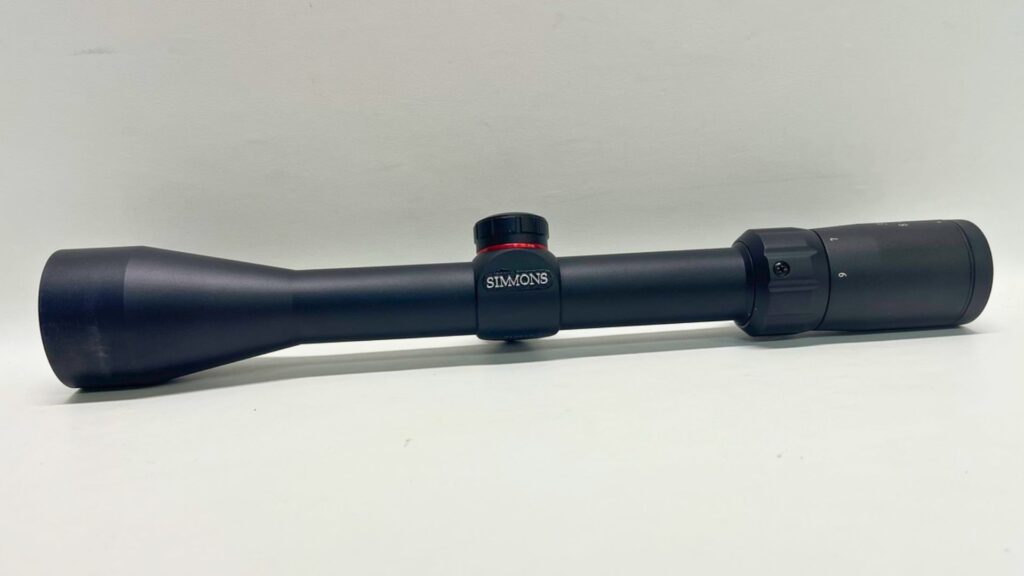
The Simmons 8-Point has been around forever, and there’s a reason it’s often found on budget rifles. It’s affordable and serviceable for casual shooting, but magnum recoil destroys it fast. The lens coatings are basic, and internal components simply aren’t reinforced for the kind of shock a .300 Win Mag delivers. It might hold up for a handful of rounds, but sooner or later, the reticle will cant, or the focus ring will start to slip.
Many hunters report losing zero mid-hunt, often after a few shots in cold weather. The scope’s construction isn’t sealed tightly enough to prevent fogging or vibration from loosening parts inside. For lighter recoil calibers, it’s an acceptable beginner’s optic, but on a magnum, it’s asking for failure. It’s not built for hard knocks or long-term accuracy under stress. You might save money upfront, but once it fails in the field, that bargain scope ends up costing you a whole lot more.
Vortex Crossfire II

The Vortex Crossfire II gets plenty of praise for its value and clear glass—but it’s not a magnum scope, no matter how you spin it. The internals aren’t built for consistent recoil shock, and over time, you’ll see zero shift and loose adjustments. The turrets have a slight play that becomes noticeable after a few boxes of magnum loads.
The eye relief also isn’t generous enough for hard-recoiling rifles, and plenty of hunters have earned a “scope kiss” from this one. While it’s great on .308s, 6.5 Creedmoors, and other mid-caliber setups, it’s simply not rugged enough for a true magnum. It’ll survive range work but won’t hold steady through a full hunting season on something like a .338 or .300 PRC. The Crossfire II is an excellent entry-level optic—but when you’re packing serious power, it’s out of its class.
Tasco World Class
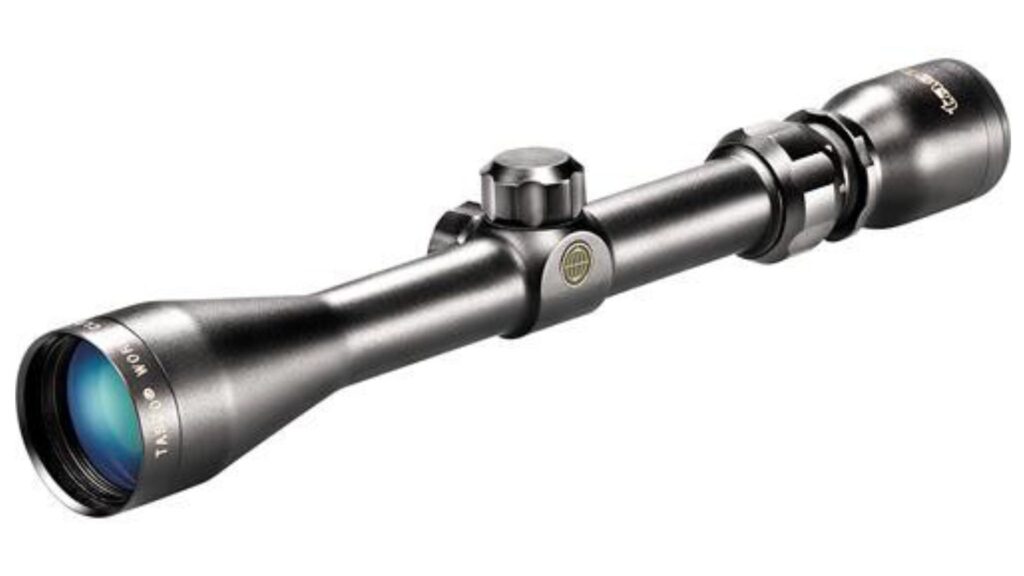
The Tasco World Class is fine for .22s or .243s, but mounting one on a magnum is a guaranteed mistake. The internal erector spring isn’t designed to handle strong recoil forces, and it loses zero almost immediately under repeated firing. Even if it holds together physically, the image clarity suffers after the first few hunts as seals and lenses shift.
Hunters who’ve tried it on magnums often complain about wandering crosshairs and fogging after a few cold days. The scope’s aluminum tube is thin, and even a light knock can knock it off alignment. Tasco makes dependable optics for casual use, but the World Class was never meant for punishing recoil. If you’re shooting a cartridge that can rattle your teeth, you’ll want something that’s been through military-grade testing—not a budget scope that belongs on a rimfire or small-game rifle.
Burris Fullfield E1
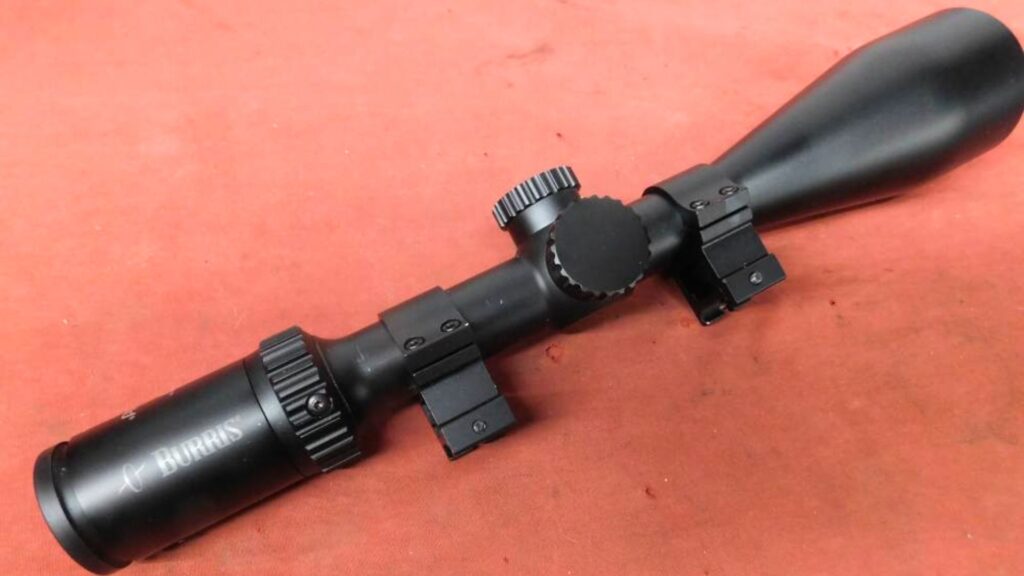
The Burris Fullfield E1 is sharp-looking and accurate in moderate calibers, but the light internal construction struggles with high recoil. The reticle adjustment system can drift under heavy impact, which means your shots start to wander even when everything else feels right. Hunters who’ve mounted it on magnums often report unexplained zero loss after 20–30 rounds.
The eye relief is also on the shorter side, making it uncomfortable—and risky—on a rifle that bucks hard. It’s a fantastic scope for .243s or 6.5s but simply not engineered for .300-level punishment. Burris has tougher models that can take the abuse, but the E1 isn’t one of them. It’s a scope that looks refined and performs beautifully—until recoil turns it unreliable. It’s not a durability issue as much as a design limitation, and in magnum territory, that’s enough reason to steer clear.
Leupold VX-Freedom

Leupold makes some of the best scopes in the world, but even they have limits. The VX-Freedom line isn’t built for the sustained punishment of magnum rifles. The internals are solid, but the recoil from larger calibers can loosen the erector system over time. You’ll start to notice erratic elevation adjustments or reticle float after heavy shooting sessions.
The VX-Freedom shines on lighter rifles, but its low weight works against it on heavy kickers. There’s simply not enough mass or bracing inside to resist the jolt of hard recoil for long. The glass is excellent, but clarity doesn’t mean much if the zero drifts every few outings. On a .243 or .270, it’s perfect. On a .338 Win Mag or .300 RUM? It’s a recipe for frustration. Leupold’s higher-end models like the VX-3HD or Mark 5 handle recoil better—but the Freedom belongs on tamer setups.
Primary Arms SLx
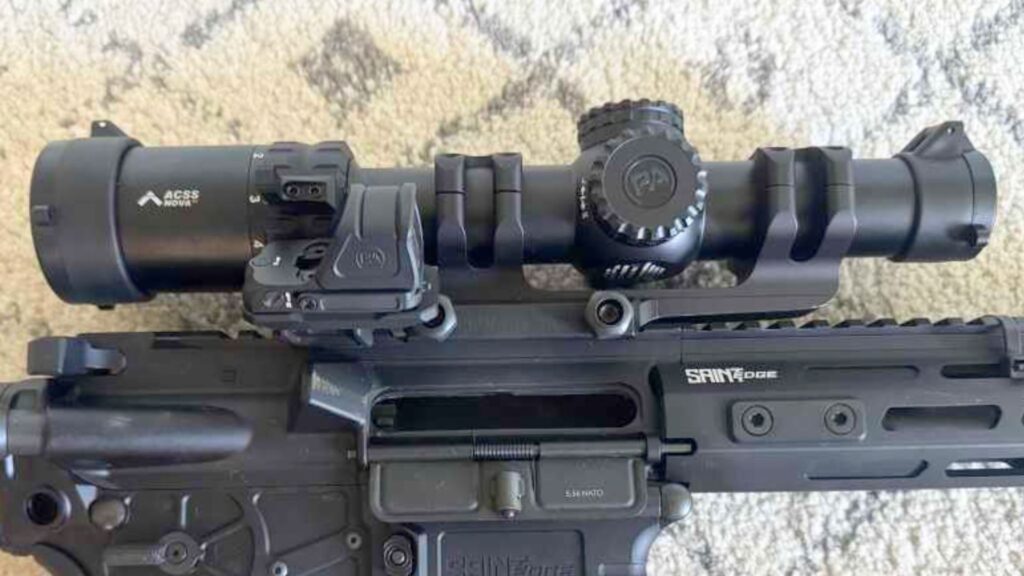
The Primary Arms SLx series is popular for its price and clean reticle designs, but heavy recoil exposes its flaws. The SLx is great for AR platforms and mid-caliber rifles, but the internal shock resistance isn’t built for magnum recoil. After a few heavy sessions, turrets start losing precision, and clicks become mushy or inconsistent.
The optic’s lightweight tube and short eye relief make it uncomfortable on rifles that generate serious kick. While it holds up well under controlled range use, field conditions with repeated firing can rattle it loose. It’s a great option for .308-class rifles, but if you bolt it onto something like a .300 Weatherby or .375 Ruger, you’re pushing its limits. It’s not a matter of “if” it will fail—more a matter of “when.” Hunters who’ve learned that the hard way usually don’t give it a second chance.
Athlon Talos
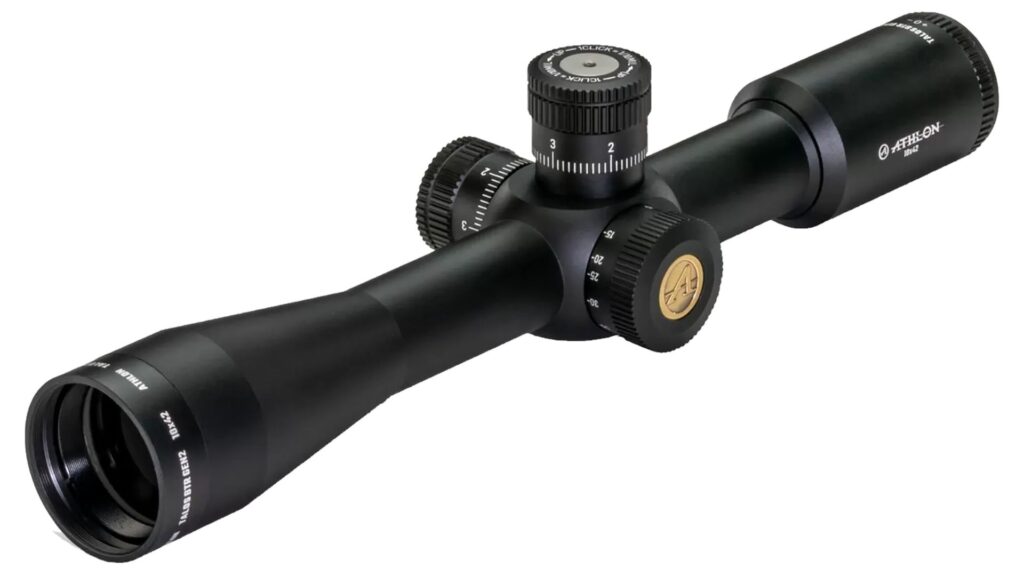
The Athlon Talos offers good glass for the price, but it’s notorious for losing zero under heavy recoil. The internal lens assembly can shift slightly, causing the reticle to float or twist after multiple shots with a magnum. It’s also prone to fogging under temperature swings, especially during cold hunts where condensation builds up fast.
The Talos isn’t a bad scope—it’s just not a tough one. It performs well on small- to mid-caliber rifles but doesn’t have the durability that magnum shooters demand. Hunters who’ve used it on big rifles like the .300 Win Mag or 7mm Rem Mag often end up replacing it before the season’s over. It’s a lightweight scope that feels great on paper but lacks the rugged engineering for repeated punishment. On a magnum, that’s a dealbreaker.
Bushnell Trophy
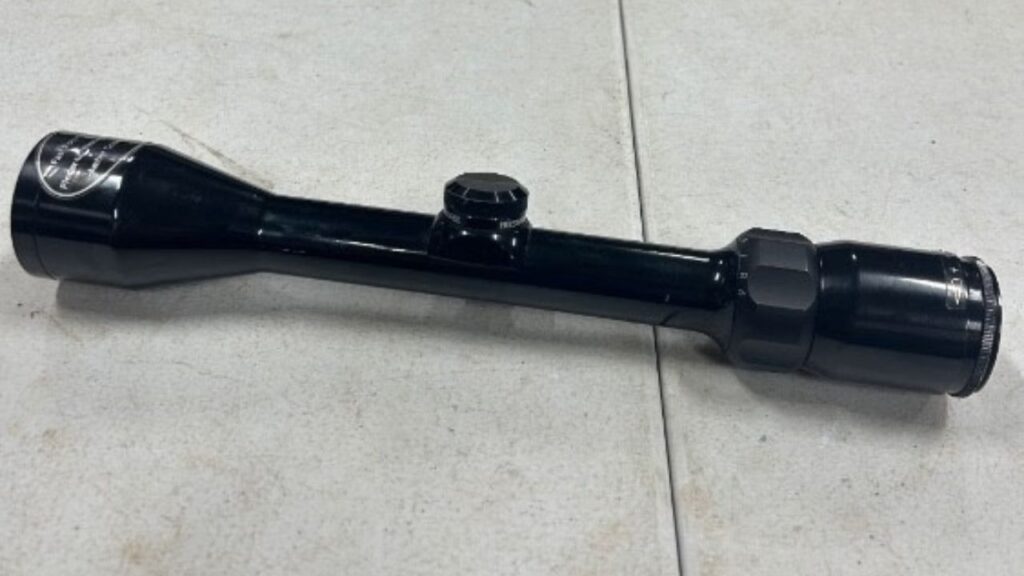
The Bushnell Trophy has earned a place among midrange hunting scopes, but it’s not magnum-ready. The scope’s internal structure can’t withstand repeated recoil shocks without losing zero or causing reticle shift. Hunters who’ve used it on hard-hitting rifles often find it fine for the first trip, then completely unreliable the next.
The Trophy’s eye relief is short, which adds to the problem. You’ll spend more time trying not to catch scope bite than actually focusing on your target. While it’s dependable for moderate cartridges like the .270 or 7mm-08, it’s overmatched by any true magnum. The glass and coatings hold up well, but the internals aren’t built for long-term recoil resistance. It’s a fine scope for lighter hunting setups, but on something that shakes your fillings loose, it’ll give up before you do.
Weaver Kaspa
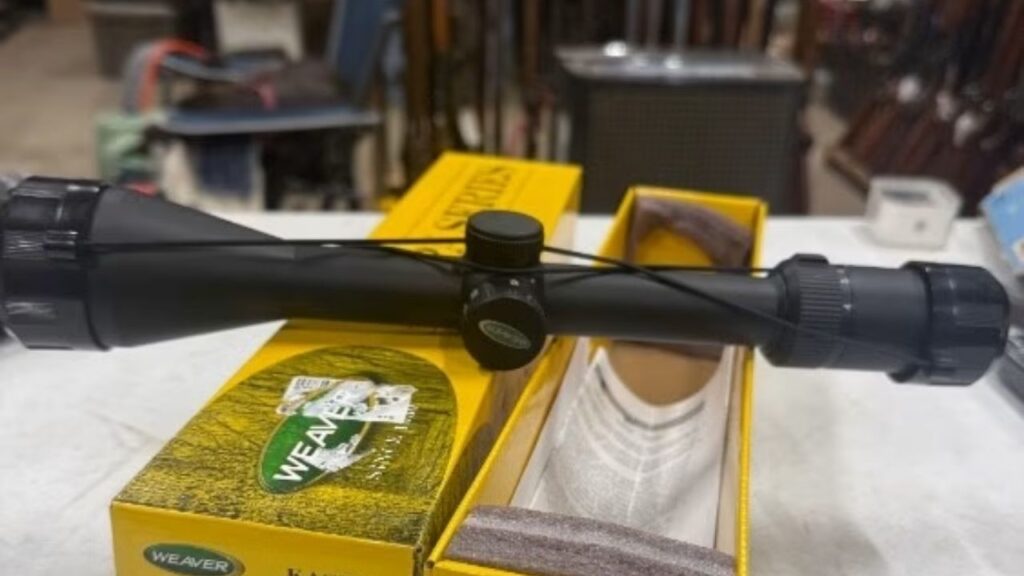
The Weaver Kaspa was designed as an affordable, entry-level optic, but it’s a poor match for magnum recoil. The adjustment turrets are vague, and the reticle can shift under impact, especially in early production models. Many hunters report losing zero after a handful of shots or seeing the crosshairs literally cant inside the tube.
The Kaspa also struggles with light transmission in cold weather, which adds insult to injury when the internal seals start to fail. It’s lightweight and compact, but that means there’s not enough structure to absorb shock from a big cartridge. The Weaver name still carries some weight, but this model didn’t live up to it. Hunters who’ve paired one with a .300-class rifle rarely make that mistake twice. It’s better suited for rimfires or low-recoil hunting setups than anything that kicks hard enough to leave bruises.
*This article was developed with AI-powered tools and has been carefully reviewed by our editors.