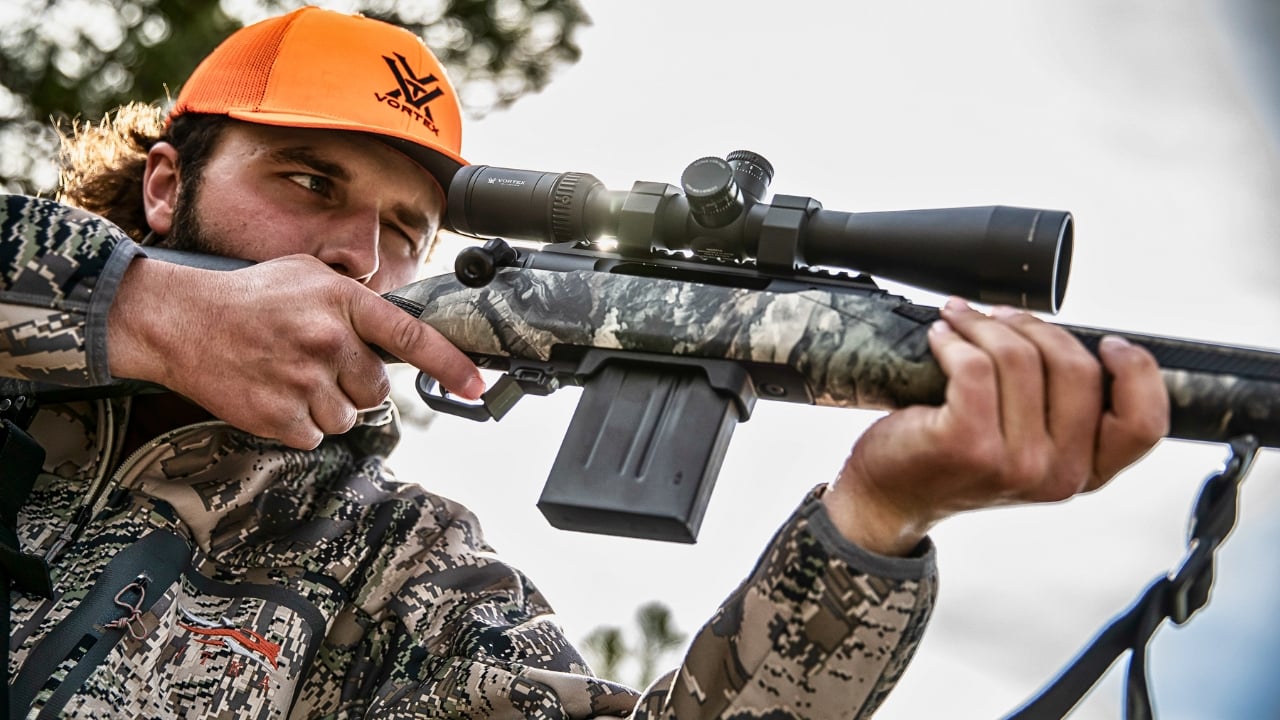
Photo credit: Savage Arms
Some calibers hit hard—right out of the muzzle—but fall flat fast. They start strong but bleed velocity and energy so quickly that after 100 or 200 yards, they may as well be another cartridge entirely. A lot of folks don’t realize how short the legs are on certain loads until they try stretching them in the field. Then you’re left holding a rifle that sounded fast, felt flat, but couldn’t seal the deal when the shot actually counted. Here are the rounds that fizzle fast, lose their punch too early, and run out of steam long before they should.
.300 Blackout (supersonic)

The .300 Blackout was built for suppressed use and short barrels, not long-range work. Supersonic loads may start around 2,000 feet per second, but with light bullets and low sectional density, they shed speed fast. You’re lucky to have decent energy beyond 150 yards.
Plenty of shooters assume it behaves like a traditional .30-caliber hunting round. It doesn’t. It’s efficient up close, but it drops like a rock and loses energy quickly. That’s why shots beyond 200 yards are a gamble. If you’re running it in the woods or subsonic for hogs, great. But don’t expect it to carry across a pasture and still have enough left to expand properly.
5.56 NATO (55gr FMJ)

With a 55-grain FMJ, 5.56 flies fast out of the muzzle—but it doesn’t hold that speed long. The lightweight projectile bleeds energy quickly, especially if you’re shooting out of a shorter barrel. Once you stretch past 200 yards, terminal effect drops off hard.
In windy conditions or against barriers, the round struggles even earlier. The military moved to heavier bullets for a reason. It’s a solid defensive or short-range varmint cartridge, but if you think it’ll behave like a general-purpose medium-game round, you’ll be let down. Ballistically, it runs out of gas fast.
7.62x39mm

The 7.62×39 is known for its reliability and punch at close range. But it drops in velocity fast, and its blunt bullet design means it sheds energy at a rapid pace. It may feel similar to a .30-30 at the muzzle, but beyond 150 yards, it’s struggling.
Accuracy also suffers as it slows down, and that affects terminal performance. It works well in short bursts up close, but the idea that it’s a do-it-all hunting round falls apart once you start pushing it beyond its comfort zone. That’s why most folks keep it inside 200 yards—after that, the round is mostly done working.
.22 Hornet

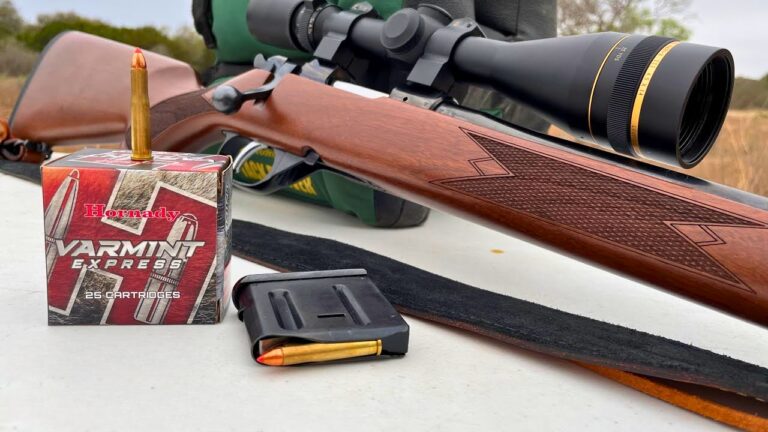
The .22 Hornet used to be a go-to for small game and varmints, but its velocity and energy curve drops off quickly. It starts around 2,700 feet per second, but by the time it hits 150 yards, it’s bleeding speed fast.
The bullets are light, the BC is low, and wind eats it alive. That makes long-range shots inconsistent and less effective. It’s still a great cartridge for short-distance pest control, but if you’re trying to take advantage of open terrain or stretch shots, you’re going to hit that performance wall real fast.
.25 ACP
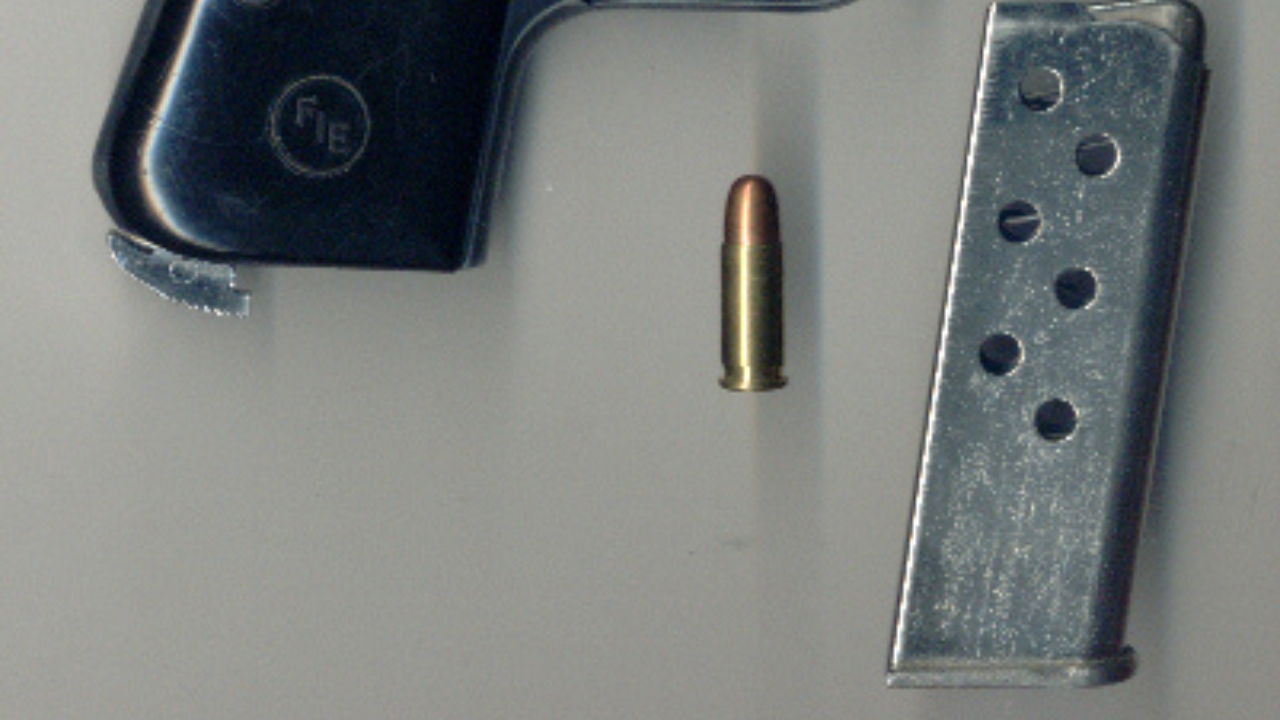
There’s not much steam to begin with here, but whatever it has is gone fast. The .25 ACP was never designed for power, and even the best defensive loads barely crack 800 feet per second. The tiny projectile lacks weight, expansion, and penetration.
It was made for pocket pistols and last-ditch use, not for reliable knockdown. Once you factor in barriers, clothing, or any kind of range, it falls off even harder. A bad .22 LR round has more bite than most .25 ACP offerings. It hits a ceiling early and stays there.
5.45x39mm

The 5.45×39 is flat-shooting up close, but past 200 yards it starts losing energy fast. Its small, lightweight bullet doesn’t carry far, and despite its reputation for yawing on impact, that effect weakens with distance.
It was built for specific military use, not long-range terminal performance. On paper, it looks okay. In the field, especially in wind or past a couple hundred yards, it shows its limits quickly. It’ll poke holes, but it won’t do much more unless you’re close and on target.
.38 Special (standard pressure)
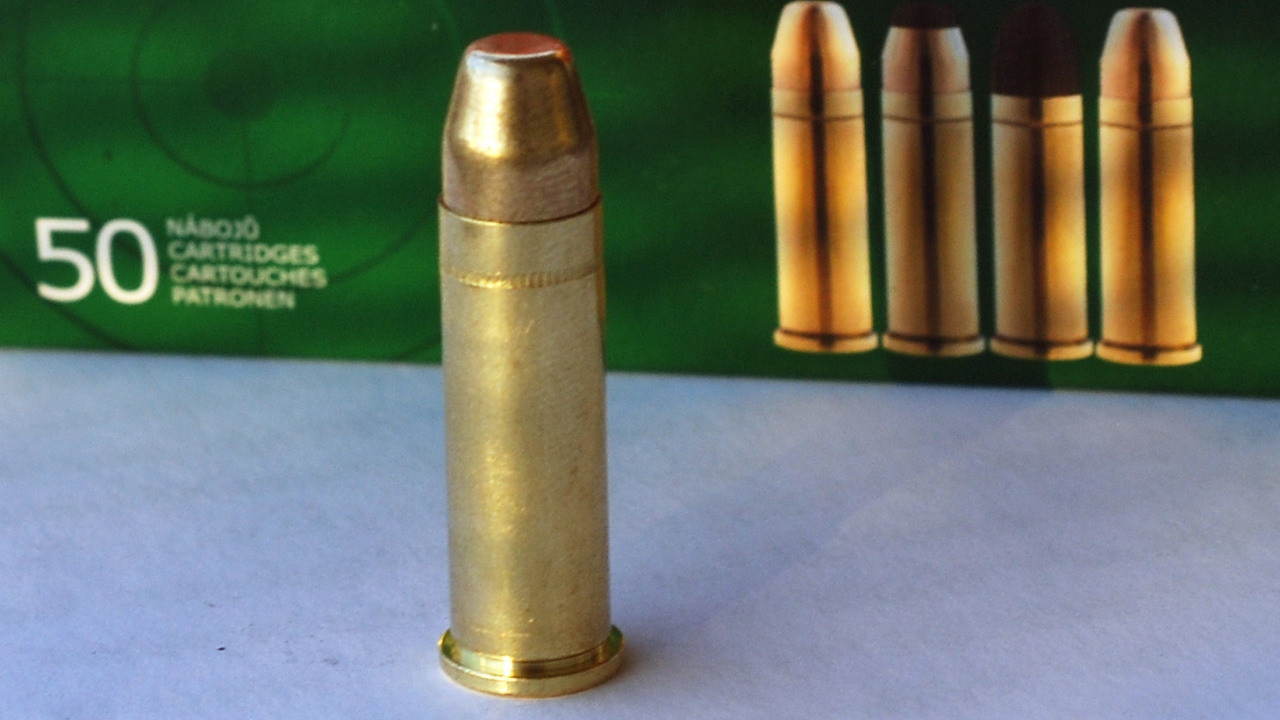
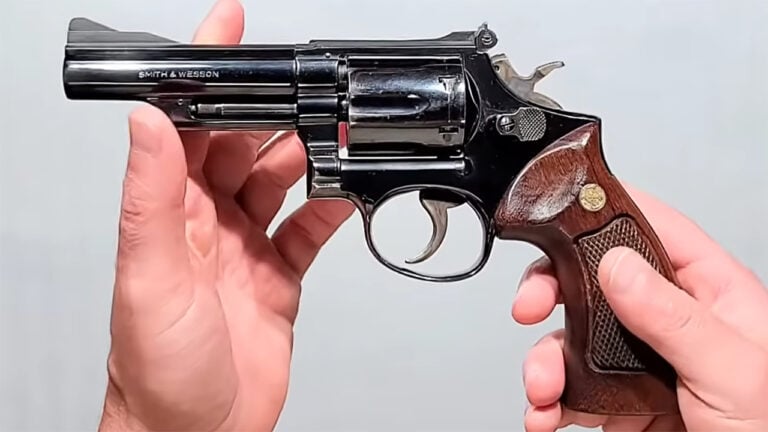
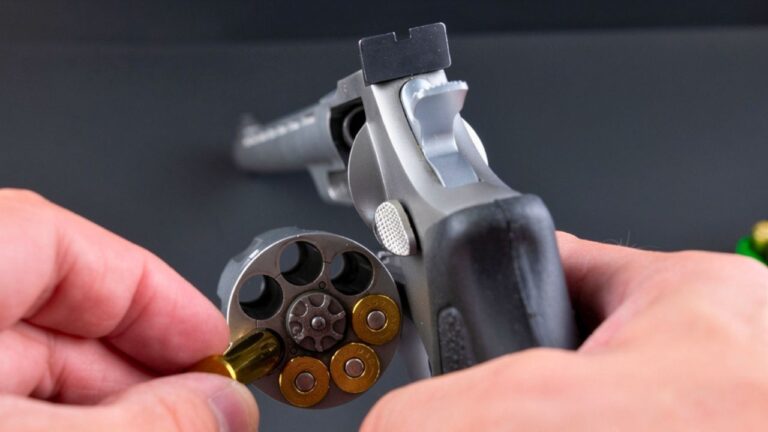
Out of a snub-nose revolver, standard pressure .38 Special loads are already slow. Once they leave the muzzle, they lose steam fast, especially if you’re using older lead round nose or basic FMJ loads. Expansion is unreliable, and velocity drops quick.
It works for close-range defense, but if you’re thinking about it beyond 10 or 15 yards, especially through layers or barriers, it struggles. You can improve things with +P loads or better bullets, but base .38 Special ammo has a very short effective window. It does its best work up close and not much else.
.357 SIG (light bullets)

The .357 SIG starts fast, but it also burns bright and fades fast. With lighter 115- or 125-grain bullets, you get great initial velocity—but energy drops quick after 25 yards. It’s a hard hitter up close, but wind and drop start kicking in sooner than many expect.
Some loads maintain good penetration, but others flatten out fast or fail to hold their trajectory. It’s better for barrier penetration than long-range consistency. If you’re running short barrel pistols, that velocity gets eaten up even quicker. It’s a quick-strike round, not a distance player.
.32 H&R Magnum

This one shows promise on paper but doesn’t carry momentum well. The lighter bullets, even at decent velocity, don’t hit with much authority after 25–30 yards. Expansion is limited, and it loses punch fast in real-world use.
Some folks use it for small game or light defensive work, but it’s never been known for staying strong past the first second of flight. It’s polite to shoot, but that low recoil comes at a cost. You’ll need precise hits and the right ammo to make it count.
.40 S&W (light loads)

Not all .40 S&W ammo is created equal. Some lighter loads, especially those aimed at recoil-sensitive shooters, start out with lower pressure and velocity. Once you factor in barrel length and resistance, the round loses energy quick.
You’ll see poor expansion, shallow penetration, and more felt recoil than the results seem to justify. While the .40 can be a hard hitter with the right load, there are plenty of factory options that run out of steam fast, especially when shot through compact pistols.
10mm Auto (light commercial loads)
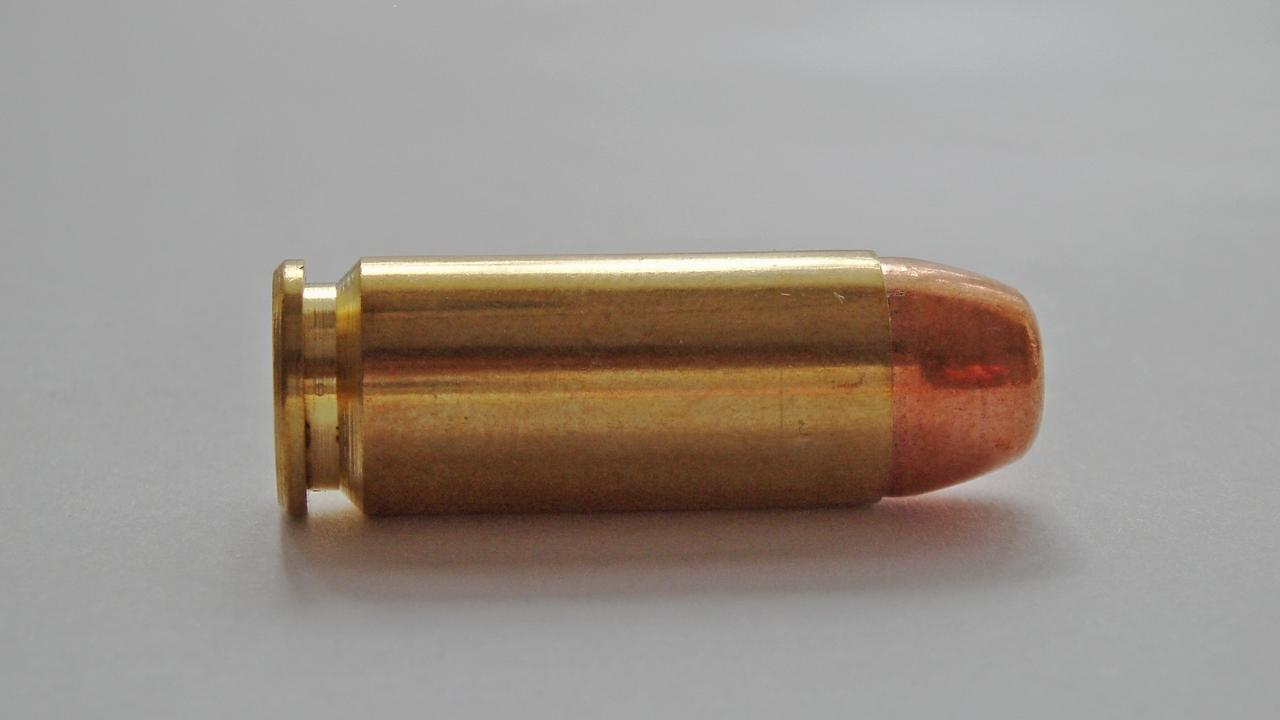
10mm has a reputation for power, but a lot of commercial ammo is watered down. Loads that were supposed to push 200-grain bullets at 1,200+ fps often barely break 1,050. That drop in speed means they lose energy fast and behave more like a hot .40.
If you’re expecting old-school power but shooting underloaded ammo, you’ll be disappointed. It starts out okay, but the tapering power curve catches up quick. You’ll need full-pressure loads or handloads to keep 10mm running at its best.
.32 ACP

The .32 ACP is soft-shooting, but it doesn’t bring much force. With a light bullet and limited powder, it runs out of energy quickly. Beyond 15–20 yards, you’re asking a lot. Expansion is minimal unless the bullet hits just right.
It has its place in deep concealment, but even the best ammo flattens out in performance by the time you’ve drawn and lined up your sights. It’s not a caliber that inspires confidence unless you’re working in very tight quarters.
.224 Valkyrie (with light bullets)

While the Valkyrie shines with heavy match bullets, the light 60- to 70-grain options don’t hold velocity nearly as well. They start quick, but that speed bleeds fast. Ballistic performance drops quickly at range, and wind affects the lighter loads significantly.
Some early adopters were let down by short-range expansion and long-range inconsistency when using lighter bullets. It’s a precision round when loaded right, but it runs out of steam fast with the wrong load.
.30 Carbine

Originally designed for a lightweight rifle, the .30 Carbine has limited range and energy retention. It starts at moderate velocity, but with a light bullet and low BC, it drops energy quickly after about 100 yards.
Plenty of shooters have noticed that even soft-point loads fail to expand or penetrate effectively beyond that. It hits like a hot pistol round and then drops off. It’s handy, sure, but it’s not the fight-stopper folks sometimes believe it to be.
.44 Special

The .44 Special is smooth and controllable, but standard loads are slow and soft. Unless you’re running a hot load or heavier bullet, it gives up velocity fast and doesn’t expand much. It’s not a powerhouse unless you push it to the edge.
Compared to .44 Magnum, it feels like you’re shooting a different caliber entirely. That low pressure means the bullet slows down quickly, and while it’s accurate, it doesn’t carry its energy far. Good for close defense, but that’s about it.
.327 Federal Magnum (with light bullets)

The .327 has potential, but it depends heavily on load. The light 85- to 100-grain loads lose velocity quickly and don’t always give reliable expansion past 25 yards. Energy falls off fast, especially in shorter-barreled revolvers.
You get great penetration with the right bullet, but not much knockdown past close range. For woods carry or varmints, it’s useful. But if you’re looking for a round that carries punch beyond that first second of flight, you’ll find the limits quickly.
6.5 Grendel (with varmint bullets)
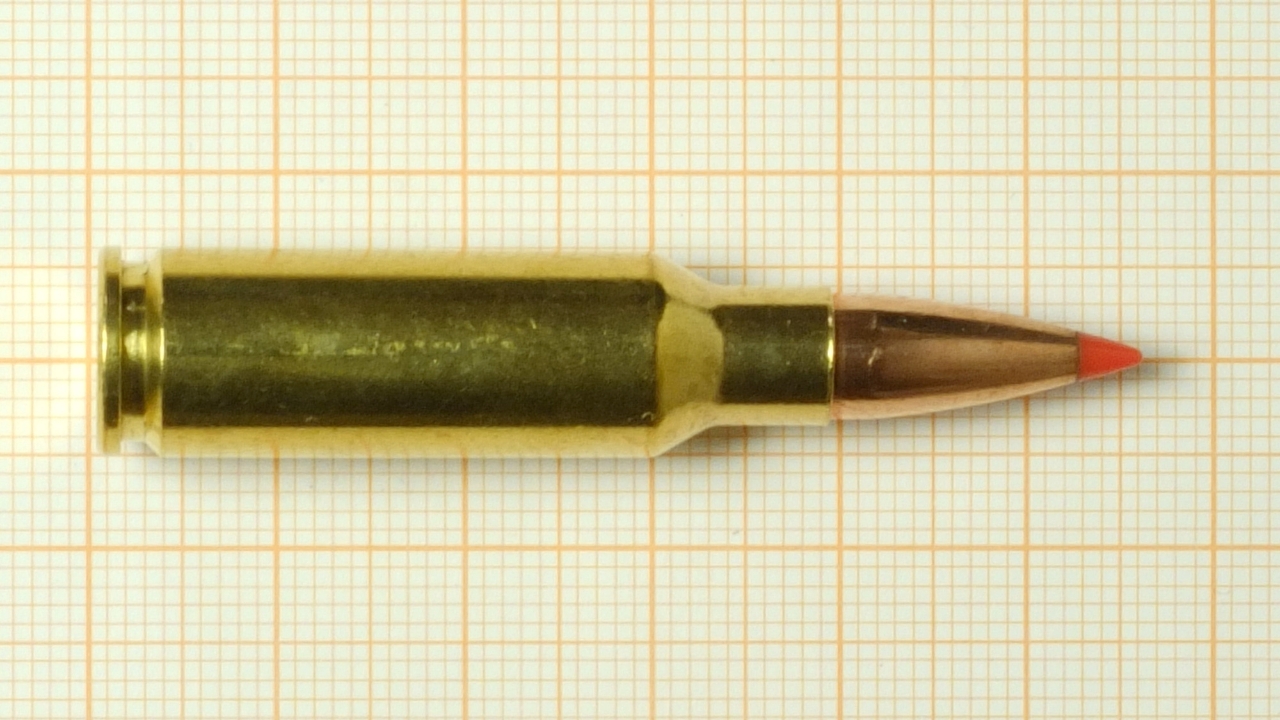
With proper bullets, the Grendel can reach out. But when loaded with lighter varmint bullets, it runs out of energy quickly past 200 yards. You’ll get drop and wind drift that messes with consistency, and the terminal effect drops off fast.
Some shooters expect it to behave like a full .308-class round. It doesn’t. You can push heavier bullets for better results, but with the lighter stuff, it starts strong and ends soft. Know your load or risk hitting like a BB gun beyond mid-range.
*This article was developed with AI-powered tools and has been carefully reviewed by our editors.