Photo credit: Elliott Delp/YouTube
A gun’s “reliable” reputation usually gets built on a narrow set of conditions: decent magazines, decent maintenance, and ammo that plays nice with the gun’s timing. Then real life happens. You buy whatever 9mm is on sale, whatever .22 your buddy brings, or whatever bulk pack the local shop actually has in stock. That’s when some “proven” guns start acting picky—stovepipes, failures to return to battery, light strikes, weird ejection, and that one magazine that suddenly feels cursed.
Most of the time, it’s not magic. It’s tolerances stacking, spring rates being a little off for soft loads, chambers that are tighter than they look, or bullet shapes that don’t match what the feed ramp wants. Add a dirty gun, a dry gun, or a shooter grip that isn’t locked in, and your “it eats everything” pistol starts making you look like you don’t know how to run it.
Here are specific models that have a history of being perfectly dependable with some ammo—and oddly temperamental with other very common stuff.
Glock 19 (Gen 4 with weak range ammo)
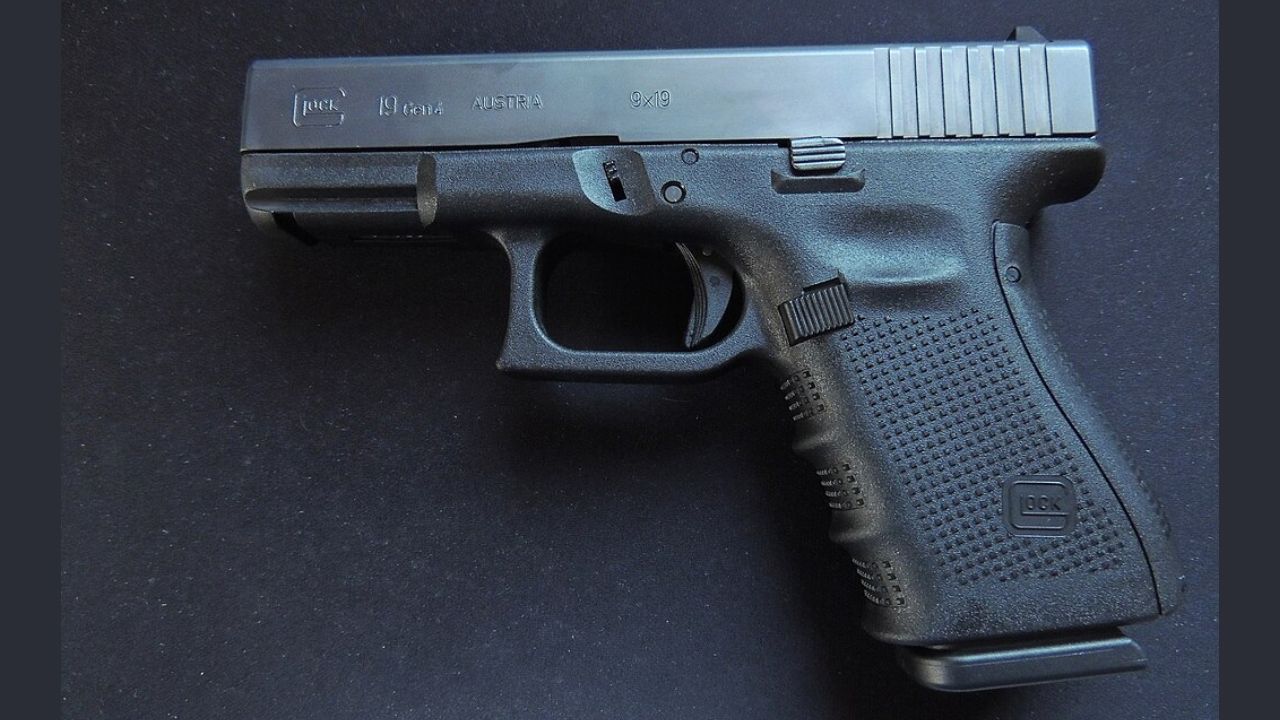
A Glock 19 is about as close as you get to boring reliability, which is why it’s frustrating when it starts short-stroking on soft 115-grain range loads. Some Gen 4 setups—especially early on—were known to behave differently depending on recoil spring assembly and ammo power. Most run fine, but when one doesn’t, it usually shows up with weaker practice ammo and inconsistent ejection.
What it looks like is brass dribbling, occasional stovepipes, or the slide not quite running with authority. It’s not that the gun “can’t run.” It’s that the system is tuned around a certain impulse, and very soft loads can live below that line. Keep it properly lubed, verify the recoil spring assembly, and test your practice ammo. A Glock should be boring. When it isn’t, it’s usually telling you something specific.
SIG Sauer P365 (with flat-nose 115-grain FMJ)

The SIG P365 has a strong reputation, but micro-compacts cycle fast and can be more sensitive to bullet shape than a duty-size pistol. A common complaint is occasional feeding weirdness with some flat-nose FMJ or certain cheap 115-grain loads. You’ll see a round nosedive or hang at the feed ramp, especially when the mag is full and the gun is dirty.
It isn’t always the pistol alone. Magazine springs, follower geometry, and how that particular ammo is loaded can all stack together. The P365 usually runs very well with round-nose FMJ and quality defensive ammo, which makes it extra annoying when it chokes on the bargain box you bought for practice. The fix is typically mags, cleanliness, and confirming which bullet profiles your gun actually likes.
Kimber Custom II (with hollowpoints that “should” feed)

A 1911 can be extremely reliable, but it’s also the platform where “common” ammo can still create drama if the gun’s extractor tension, feed ramp geometry, and magazines aren’t all working together. A Kimber Custom II can run ball ammo like a sewing machine and then start choking on certain hollowpoints that feed fine in other pistols.
What you’ll see is a three-point jam, a round hanging on the feed ramp, or the slide stopping just short of battery. Sometimes it’s the bullet profile. Sometimes it’s the magazine. Sometimes it’s a slightly tight chamber and a gun that needs to be kept wetter than you think. None of that is shocking to 1911 guys, but it surprises buyers who expected “premium” to mean “eats everything.” With 1911s, reliability is often earned, not assumed.
Ruger LCP II (with wide-mouth .380)

The Ruger LCP II is popular because it disappears in a pocket and usually runs well for what it is. The problem is that pocket .380s are often picky about bullet shape, and wide-mouth defensive loads can cause feeding issues in some guns. You’ll see the round hang up, nosedive, or stop short of full battery.
Small guns have short slides, stiff springs, and less momentum to power through friction. Add a little pocket lint, a dry slide, or a slightly loose grip, and the gun’s tolerance for “odd” ammo shrinks even more. Many LCP IIs will run plenty of modern defensive loads just fine. But you don’t assume it. You test it. If your carry ammo is the one thing it doesn’t like, you’ll find out at the range—if you’re smart.
Glock 44 (with cheap bulk .22 LR)

The Glock 44 looks like the perfect trainer: familiar grip, low recoil, cheap ammo. Then you run a bulk box of .22 and remember why rimfire reliability is its own world. The 44 can run great with hotter loads and clean mags, and then start stovepiping and short-cycling when you feed it softer, dirtier bulk ammo.
That “mysterious” choking is usually a mix of rimfire inconsistencies, waxy bullets, and a gun that likes to be kept reasonably clean and lubed. When it’s dry and fouled, the slide loses speed, and weak rounds don’t help. The fix is boring: use ammo the gun cycles well, keep the chamber clean, and don’t expect centerfire behavior out of a rimfire pistol—especially on the cheapest ammo you can find.
Ruger Mark IV (with subsonic or low-velocity .22)

The Ruger Mark IV is widely trusted as a reliable rimfire pistol, and with the right ammo it usually is. But throw in low-velocity .22 LR, subsonic loads, or inconsistent bulk packs, and you can see failures to eject or short cycling—especially if the gun is new, tight, or getting dirty.
Some Mark IVs also show clear preferences for certain loads based on recoil spring behavior and how the bolt is running. You’ll often see the first few magazines go fine, then fouling builds and the gun starts acting picky. It’s not a design flaw so much as rimfire reality plus a pistol that was tuned around a certain energy level. If you want it boring, feed it quality high-velocity ammo, keep the chamber clean, and don’t be shocked when soft loads turn it into a troubleshooting session.
AR-15 in 7.62×39 (with steel-case ammo and hard primers)

An AR in 7.62×39 gets bought because it seems like a cheap-to-shoot hammer, especially with common steel-case ammo. Then you hit light strikes because some of that common ammo has harder primers than typical brass-cased loads. The rifle “runs” mechanically, but you’re clicking on dead triggers and wondering what happened to reliability.
Feeding can also be a factor because 7.62×39 is tapered and the AR platform wasn’t designed around that geometry. Magazines matter a lot. When it chokes, it can be a mix of ignition and feeding. People often end up swapping to an enhanced firing pin, testing different ammo brands, and getting serious about mags. The setup can be dependable, but it rarely stays plug-and-play if your goal is “eat any steel-case I can find.”
AK-pattern rifles (with soft commercial brass)

AKs are famous for eating junk ammo, but you can still run into weird issues with some soft commercial brass or out-of-spec loads. The AK’s extraction is violent and the chamber is generous, and that can expose weaker case rims or inconsistent sizing in cheaper commercial ammo.
What you’ll see is torn rims, stuck cases, or extraction that feels like it’s working too hard. It’s not that the AK “hates brass.” It’s that some bargain brass is built to be cheap, not to survive aggressive extraction in a loose, hard-running system. If your AK suddenly acts up on “normal” brass, it’s often the ammo lot, not the rifle. That’s why you test multiple brands and don’t assume every box labeled “7.62×39” is built the same.
Mossberg 930 (with light target loads)

The Mossberg 930 has a strong following, but it’s common for owners to run into cycling issues with light target loads—especially when the gun is new, not broken in, or not perfectly clean. You’ll see failures to eject, short-stroking, or shells not feeding smoothly when the load doesn’t generate enough gas impulse.
Semi-auto shotguns are often more load-sensitive than people want to admit. Heat and fouling build quickly, and the gun’s behavior can change across a long range day. The 930 can be very dependable with loads it likes, but if you’re trying to run the cheapest birdshot you can find all afternoon, you may end up diagnosing gas system cleanliness and friction points. That’s not mysterious. That’s the reality of a gas gun on weak shells.
Benelli M2 (with very light 1-ounce loads)

The Benelli M2 is an inertia gun with a reputation for reliability, and it earns it. But inertia systems can be less forgiving with very light loads, especially if the gun isn’t shouldered firmly or the load is on the soft end. You can see occasional failures to cycle when you’re running lightweight 1-ounce target loads and shooting from awkward positions.
It feels “mysterious” because the gun is supposed to run forever. Then you realize inertia guns use the gun’s movement under recoil as part of the cycle. If the load is too soft or the shooter setup absorbs too much recoil, cycling can suffer. Many M2s run light loads fine once broken in, but it’s still a known edge case. The fix is usually load selection, solid shouldering, and letting the gun wear in before judging it.
Ruger 10/22 (with bulk ammo and aftermarket mags)
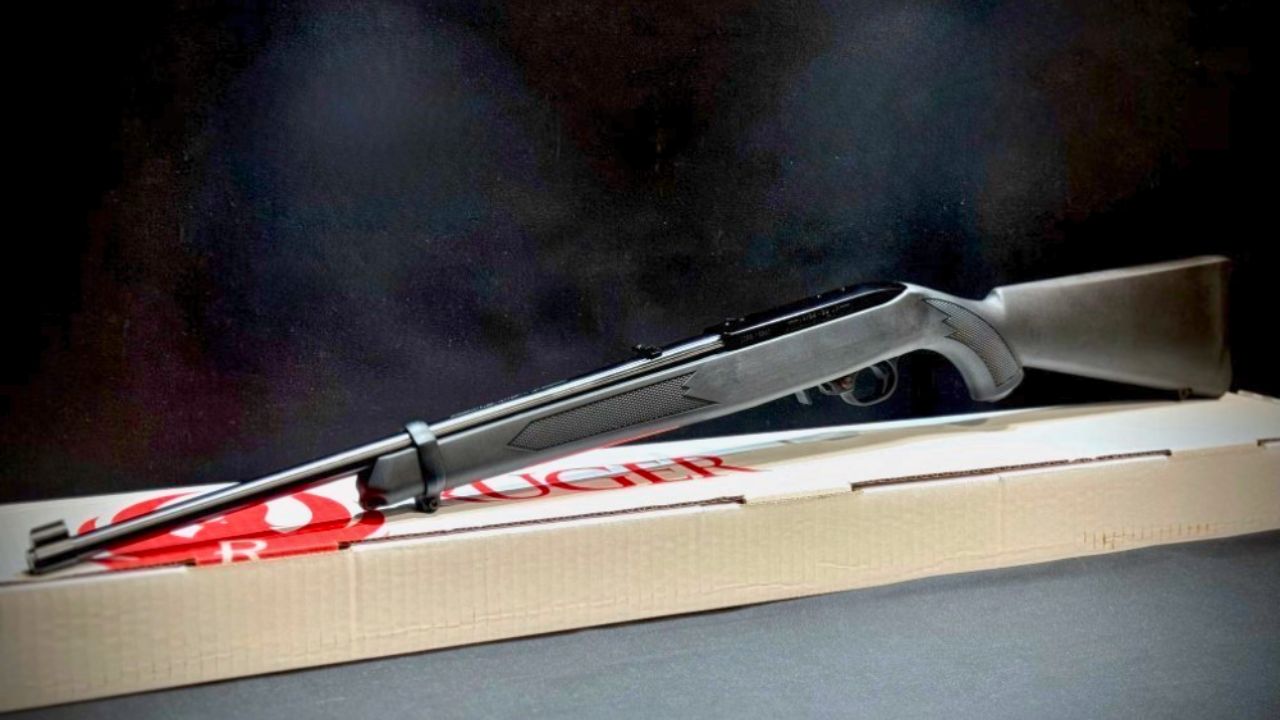
A Ruger 10/22 is legendary for reliability—until you feed it the cheapest bulk ammo and then switch to aftermarket high-capacity magazines. Suddenly you’re getting failures to feed, weird jams, and inconsistent cycling, and you start questioning the rifle’s reputation. The truth is the factory rotary mag is part of the magic.
Bulk .22 varies a lot, and aftermarket mags vary even more. Add fouling, and the 10/22 becomes a system that’s only as reliable as the weakest component. Many rifles run perfectly with factory mags and decent ammo, then act up the second you change the two variables most likely to cause problems. If you want boring reliability, stick to factory mags and ammo your rifle likes. If you want “cool” mags and bargain bricks, be ready to troubleshoot.
Remington 597 (with common bulk .22)

The Remington 597 can shoot well, but it’s known for being more magazine-sensitive than people expect. You’ll see a rifle that runs fine for a few magazines, then starts choking on common bulk ammo with feeding issues that feel random until you recognize the pattern.
The 597’s behavior often comes down to magazine design and spring behavior interacting with rimfire ammo variability. As fouling builds, the rifle can get less forgiving. That’s why some owners end up hunting for the “good” mags, cleaning more often, or sticking to specific loads. It’s not a rifle you buy if you want to dump cheap .22 all afternoon without thinking. The frustrating part is that it can feel like a quality rifle in the hands, then turn picky the moment you feed it what every other .22 seems to digest.
Springfield Hellcat (with weak 115-grain range loads)

The Springfield Hellcat is a micro-compact built for carry, and most run well. But like other small, high-speed pistols, it can show occasional sensitivity to weaker 115-grain range loads—especially if the gun is dry, dirty, or the shooter grip is a little loose during fast strings.
When it chokes, you’ll typically see failures to return to battery or inconsistent ejection. The “common ammo” problem often isn’t that the ammo is bad. It’s that the combination of a fast-cycling slide, stiff springs, and light loads reduces the margin for error. Many Hellcats run everything. Some don’t love the softest practice loads. If you want it boring, keep it lubed, confirm your mags are healthy, and pick a practice load that matches the gun’s timing instead of fighting it.
SIG Sauer P320 (with flat-nose FMJ)

The SIG P320 is widely used and generally dependable, but some shooters report occasional feeding hiccups with certain flat-nose FMJ or truncated-cone practice rounds. The gun can run round-nose ball all day, then act annoyed when the bullet profile changes—especially in dirty conditions or with certain magazines.
The “mystery” usually comes from the fact that the ammo isn’t exotic. It’s common range ammo with a slightly different shape. Feed angle matters, and some profiles hit the ramp differently. If the gun is dry or the mags are tired, that shape difference gets amplified. This isn’t a blanket “P320 problem,” but it’s a real-world pattern that shows up often enough to mention. If you carry one, you don’t assume. You verify with the ammo you actually plan to shoot.
Smith & Wesson M&P Shield (with certain wide hollowpoints)

The original M&P Shield earned a great reputation, but plenty of small single-stacks can be picky with certain wide hollowpoints. The Shield can run ball ammo flawlessly, then occasionally hang up on a defensive load with a wide mouth or sharp shoulder, especially if the gun is tight or the mags are worn.
You’ll see the round stop short at the feed ramp or the slide fail to go fully into battery. Often the fix is as simple as choosing a different defensive load with a smoother profile, keeping the gun properly lubed, and ensuring magazines are in good shape. The Shield is still a solid carry pistol. The lesson is that “reliable” doesn’t mean “every bullet shape on earth.” Small guns have less momentum to bully their way through friction.
Beretta 92FS (with low-powered reloads)

A Beretta 92FS has a legendary track record, and it usually runs forever. But if you feed it very low-powered reloads or weak range ammo, you can see sluggish cycling, weak ejection, or occasional stovepipes. The gun is built around a certain recoil impulse, and when you go below that, it can start acting lazy.
This catches people off guard because the ammo seems “normal.” But not all 9mm is loaded the same, and some bargain or underpowered loads simply don’t push the slide with the same authority. Add a dirty gun and you’ll see it sooner. The 92 isn’t fragile. It’s honest. Feed it ammo with enough energy, keep it maintained, and it goes back to being the boringly dependable pistol it’s famous for.
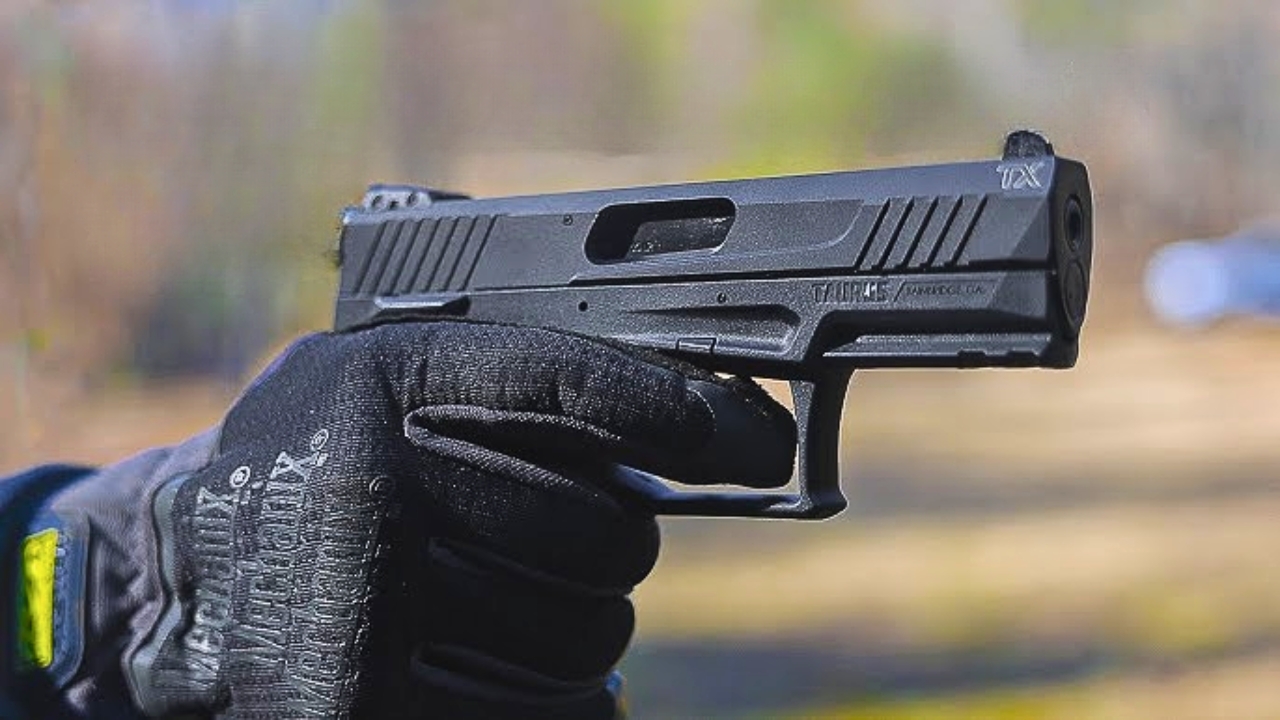
Taurus TX22 (with waxy bulk ammo)

The Taurus TX22 has earned a strong reputation as a rimfire pistol that runs, which is why it’s frustrating when it starts choking on waxy bulk ammo or inconsistent bargain bricks. Rimfire ammo varies wildly, and waxy bullets can foul chambers and feed ramps fast, especially during long sessions.
When the TX22 starts acting up, it’s often failures to feed or extract after a good start. The pistol usually comes back to life with cleaning and a switch to ammo it likes. That’s not a knock on the gun so much as rimfire reality. The TX22 is one of the better “runs on junk” .22s, but even it has limits. If you’re expecting it to digest the dirtiest bulk ammo forever without maintenance, you’re signing up for mystery stoppages that aren’t actually mysterious.
Like The Avid Outdoorsman’s content? Subscribe to our newsletter so you never miss an article.
Here’s more from us: