Photo credit: victoras/Shutterstock.com
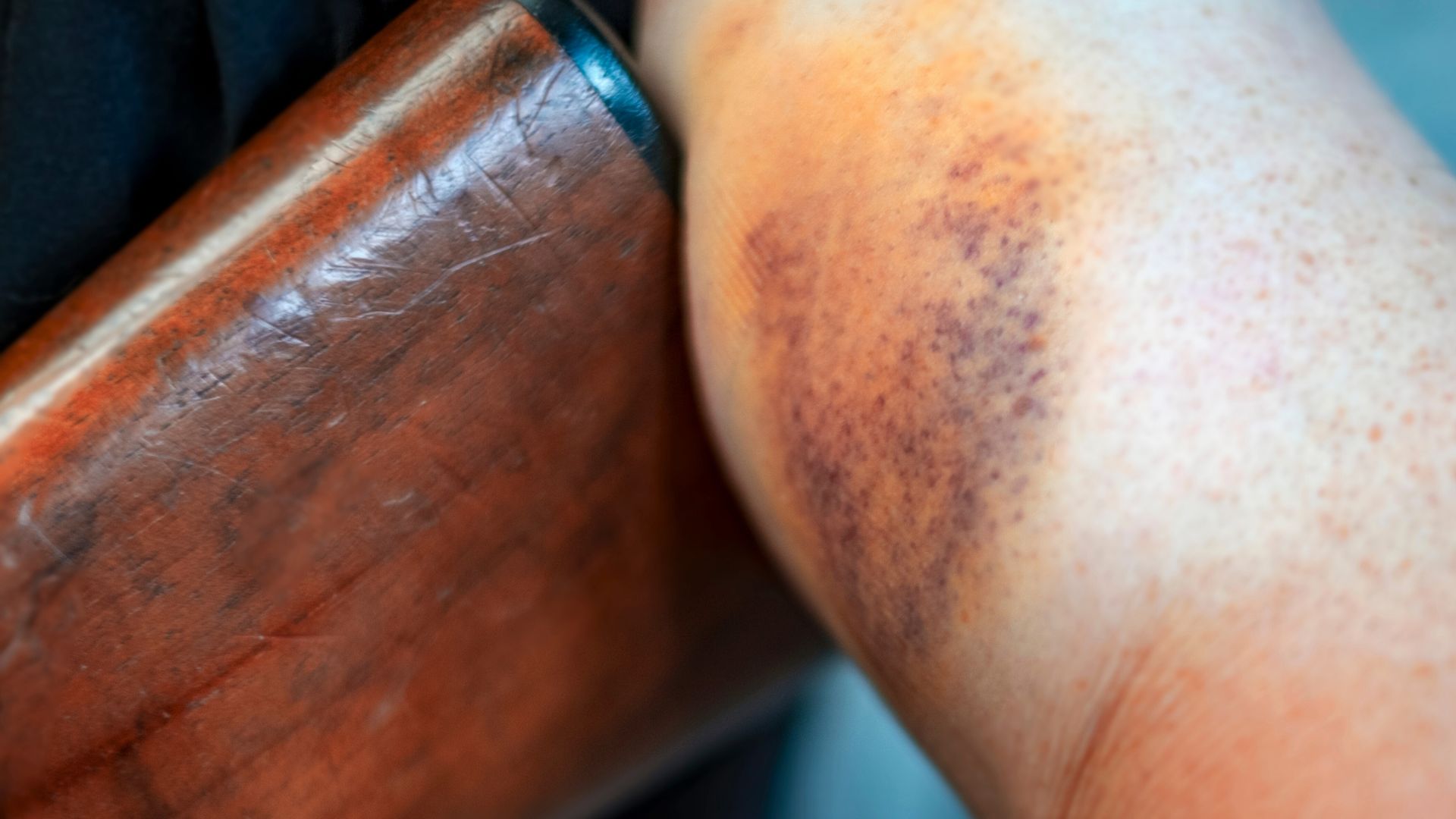
Some cartridges are all bark and no bite. They thump your shoulder hard enough to make you flinch but fail to deliver the kind of terminal performance you expect when a deer is standing broadside. That disconnect between recoil and real-world effectiveness can make a bad day in the woods worse. And while some of these rounds have a loyal online following, the folks who’ve spent enough time dragging deer out of the brush know better. A hard-kicking round that doesn’t drop deer reliably isn’t tough—it’s tiring, frustrating, and avoidable. If you’re shopping for a new rifle or dusting off an old one, here are the cartridges that might bruise your shoulder without punching your tag.
.300 Remington Ultra Magnum
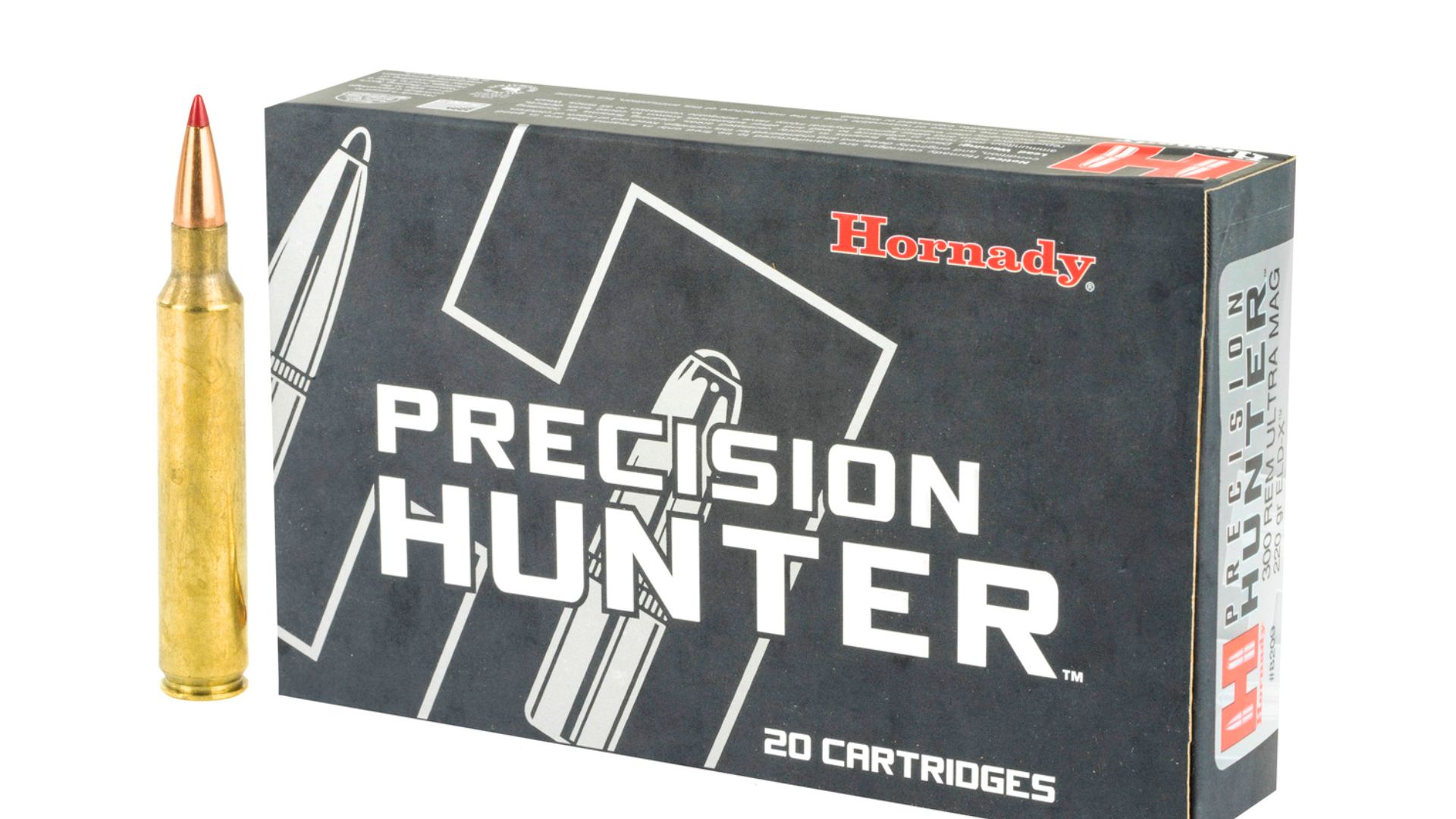
This round hits like a freight train on your end, but deer don’t always seem impressed on theirs. It was marketed as the high-speed, high-power option for serious big game, and ballistically, it delivers. The problem? Over-penetration without effective energy transfer on smaller-bodied game like whitetail.
If you’re not stretching past 500 yards or chasing elk, the .300 RUM brings more headache than benefit. It burns barrels fast, generates brutal recoil, and doesn’t offer much practical gain over more balanced options like the .300 Win Mag. In the deer woods, it’s overkill without the clean kills.
.338 Winchester Magnum
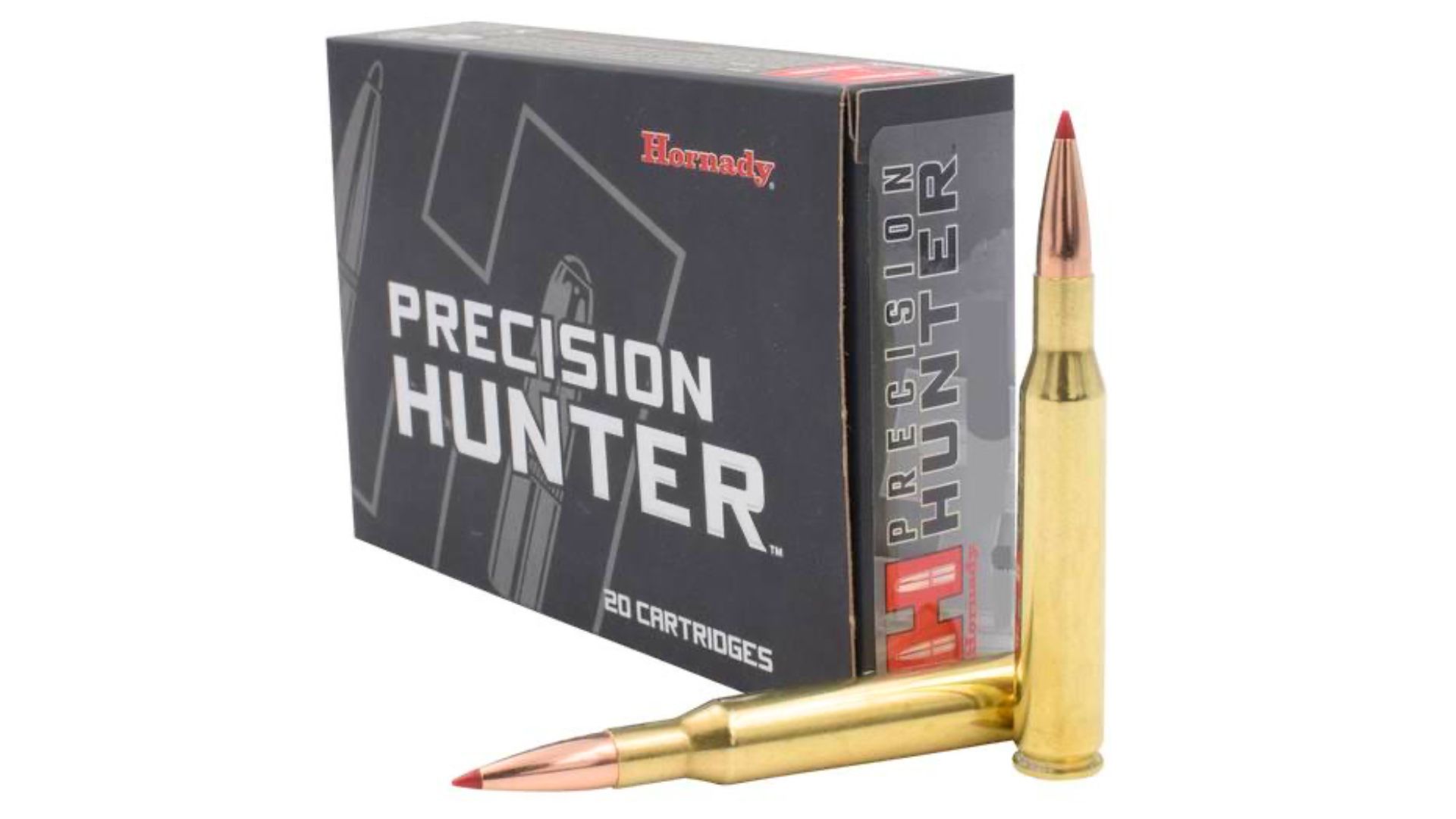
The .338 Win Mag has earned a reputation for power, and sure, it’s a beast in the right hands. But for deer hunting, it’s often too much gun with too little payoff. The recoil is no joke, especially in lightweight rifles or short-barrel builds that hunters sometimes carry.
Plenty of hunters report meat damage and pass-throughs that fail to leave effective blood trails. If your goal is a fast, humane kill and quick recovery, this cartridge is working against you. Unless you’re dealing with moose or bear, the .338 tends to do more damage to the shooter than the deer.
.45-70 Government with Hot Loads

Buffalo bore and other hot-loaded .45-70 rounds sound great on paper—until you pull the trigger. These loads are meant for big-bore lever actions and promise deep penetration. But for average-sized deer, they tend to zip right through without expanding the way you’d want.
It’s not a knock on the old .45-70 as a whole. Standard-pressure loads with soft-point bullets do fine. But the magnum-style loads? They rattle your fillings and don’t always stop a deer in its tracks. If you’re using modern loads in a modern rifle, know what kind of performance you’re actually getting.
.300 Weatherby Magnum

Roy Weatherby’s pride and joy sends bullets at blazing speeds, and with premium bullets, it can be devastating—when it hits right. But there’s the catch. Many deer hunters find the recoil hinders shot placement, and the hyper-fast velocities can blow right through without dumping much energy.
It also tends to demand premium barrels and optics to really shine, which adds to the cost and complexity. If you’re shooting under 400 yards, the added kick and barrel wear aren’t worth the marginal gain. It’s a classic case of a round trying to do too much, too hard, too fast.
7mm Remington Ultra Magnum
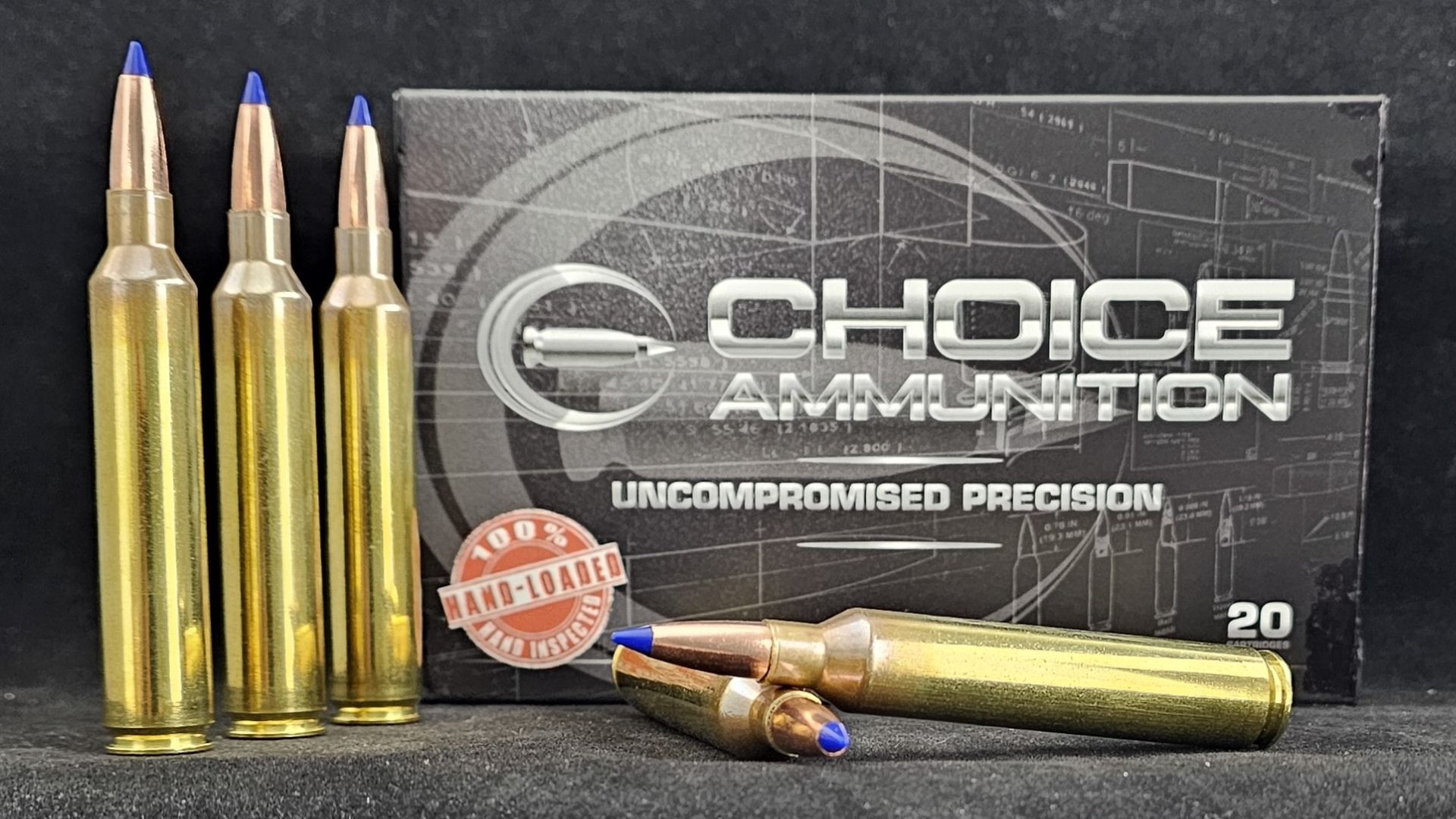
The 7mm RUM pushes velocity to the extreme, and with that comes brutal recoil. It’s not inherently inaccurate, but it punishes poor shooting form—and a lot of hunters don’t shoot it well under real-world conditions. On deer-sized game, it’s more sizzle than steak.
You’d think a cartridge this fast would flatten deer with ease, but over-penetration is a frequent complaint. It can pass through cleanly without sufficient trauma, especially with certain bullet choices. Unless you’re set up for long-range hunting and know your loads inside out, this one’s more burden than benefit.
.325 WSM

The .325 Winchester Short Magnum is one of those rounds that sounds great in theory. It brings .338-class performance to a short-action rifle. The reality? It kicks like a mule and lacks widespread ammo options, which limits your ability to find a load that really works.
On deer, it’s often too much—exiting without expansion or creating excessive bloodshot meat. Most hunters who’ve used it end up shelving it in favor of more forgiving options. You don’t gain enough in performance to justify the abuse it deals out every time you pull the trigger.
.358 Winchester

The .358 Win has a loyal following among brush hunters and lever gun fans. But if you’ve ever touched one off in a lightweight bolt-action, you know it hits hard—and not always in a productive way. It’s known for deep penetration, not fast takedowns.
This cartridge often zips through a deer without leaving much of a wound channel. Combine that with its low velocity and limited bullet selection, and you’ve got a cartridge that’s all push, little punch. It can work—but there are easier, more effective ways to fill your tag.
.338 RCM
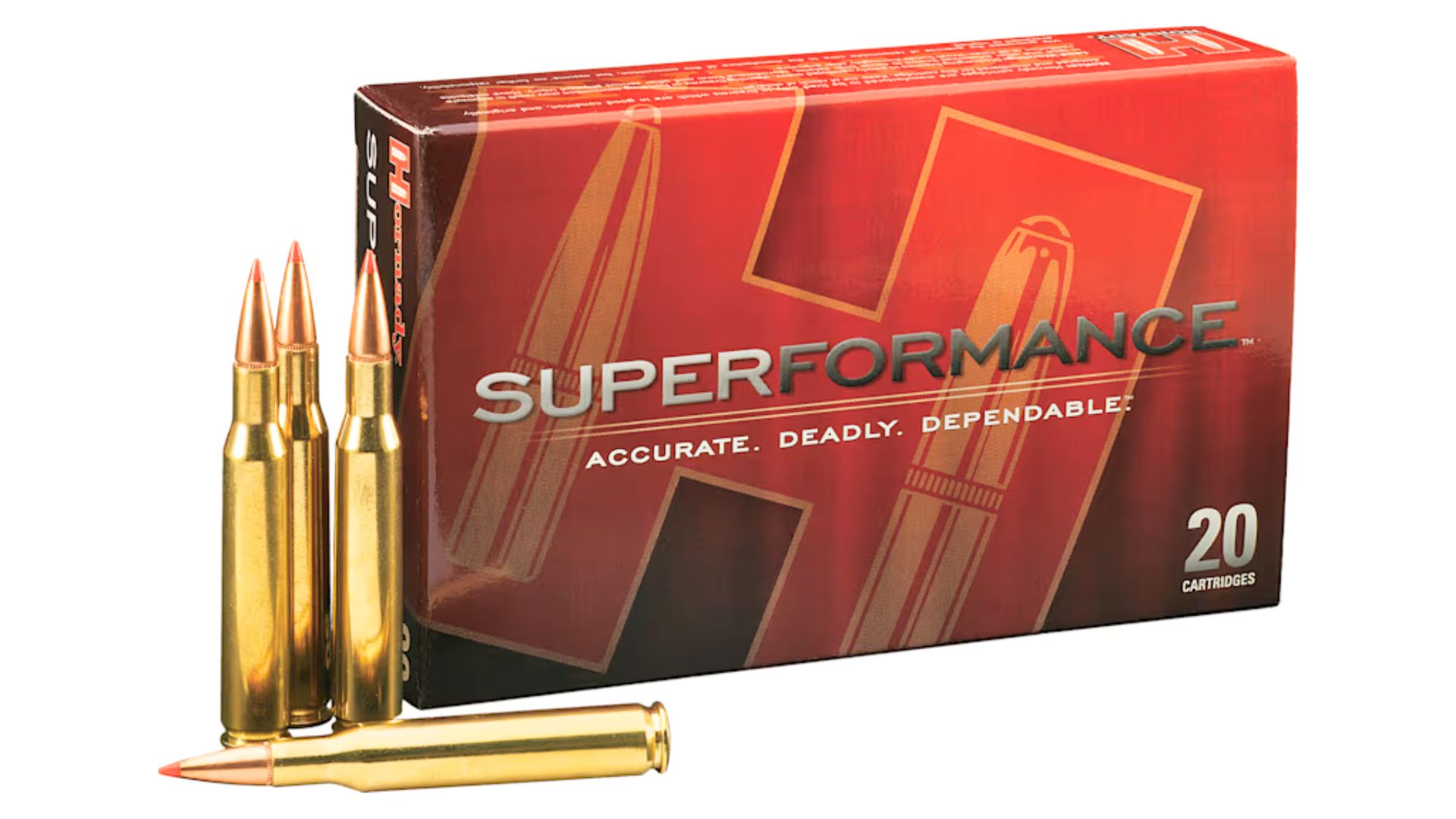
The .338 Ruger Compact Magnum was meant to offer magnum performance in a short barrel. And while it delivers on speed, it also delivers stout recoil—enough to throw off follow-up shots for many hunters. And on deer-sized game, it acts more like a sledgehammer than a scalpel.
You might drop a deer in its tracks. Or you might watch it run 80 yards before dropping, thanks to a through-and-through hit with minimal trauma. For all its punch, it lacks finesse where it counts. Better suited for elk and bear, it’s often more trouble than it’s worth in deer country.
.375 H&H Magnum
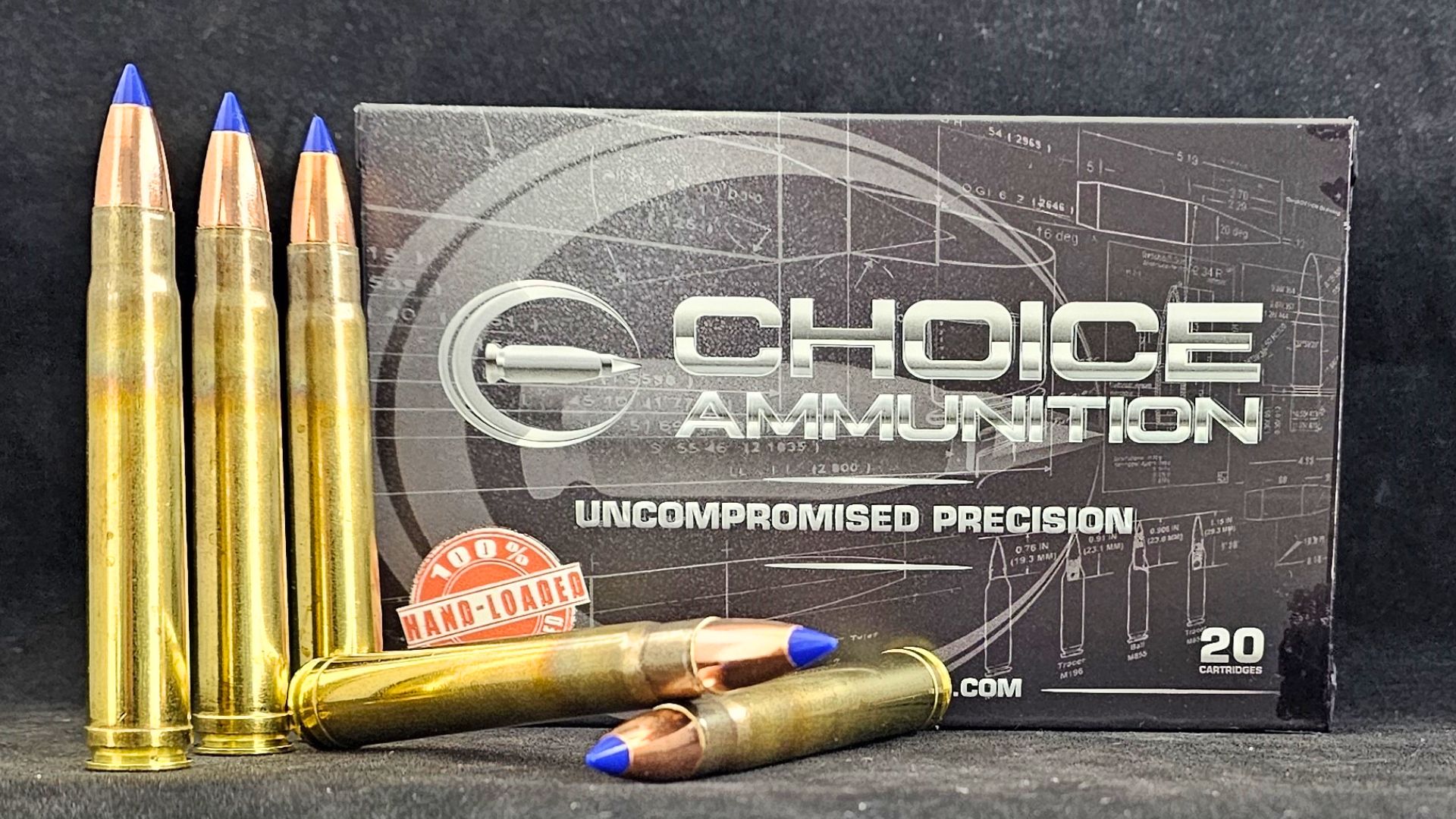
This is a safari round, not a whitetail cartridge. But that doesn’t stop folks from trying to use it. Yes, it’ll kill a deer. So will a truck. But the .375 H&H kicks hard and requires more rifle than most folks are used to handling.
Unless you’re planning a trip to Africa or Alaska, this round is out of place in the woods. It can pass through without transferring much energy, and follow-up shots are rarely quick. Save it for big game, where it belongs. On deer, it’s like swinging a sledge to hammer a nail.
.280 Ackley Improved

This one stings to include, because the .280 AI has good ballistics and loyal fans. But when it comes to deer, its recoil-to-performance ratio doesn’t always add up. It’s snappy enough to bother some shooters and doesn’t offer a clear advantage over easier-to-shoot alternatives.
Bullet selection and factory load availability are also issues. If you handload and know your rifle, it can shine. But in the average deer camp? You’ll see more misses than hits with guys trying to push it beyond what they can handle. It’s not the worst offender—but it’s not a magic pill either.
.340 Weatherby Magnum

The .340 Weatherby is a bruiser, plain and simple. It spits out bullets at blistering speeds and generates recoil that makes most shooters flinch. On deer, it tends to blow through without expanding properly unless you’re using highly specific bullets tailored for the task.
It’s a specialty round, and when it works, it works. But it’s also easy to mess up your shot or damage a lot of meat. That’s a tough tradeoff when you’re sitting in a stand waiting for one clean, ethical shot. There are far better choices for deer that won’t leave you sore.
Like The Avid Outdoorsman’s content? Be sure to follow us.
Here’s more from us:
The worst deer rifles money can buy
Sidearms That Belong in the Safe — Not Your Belt
*This article was developed with AI-powered tools and has been carefully reviewed by our editors.