Photo credit: Terry Dell/Shutterstock.com
Hunters love their ARs and the .223 Remington is everywhere—but it’s not always the best pick for hogs. While it’ll work sometimes, that’s not really the standard you want when dealing with tough, unpredictable animals. Wild hogs don’t go down easy, and there are real reasons why the .223 lets folks down more than they expect.
This isn’t just about shot placement—it’s about energy, bullet construction, and the reality of hunting something that can fight back. If you’ve ever had to track a blood trail for half a mile through the brush, you already know what I’m getting at. Let’s break it down.
Lack of Stopping Power

The biggest issue with .223 is energy. Sure, it’s fast, but velocity alone doesn’t equal knockdown. Hogs can weigh several hundred pounds and have thick muscle and fat to punch through.
Unless you’re hitting the brain or spine, it often just zips through without doing enough damage. That’s how you end up with wounded pigs running into the woods—bad for recovery, and not fair to the animal either.
Poor Penetration on Tough Targets

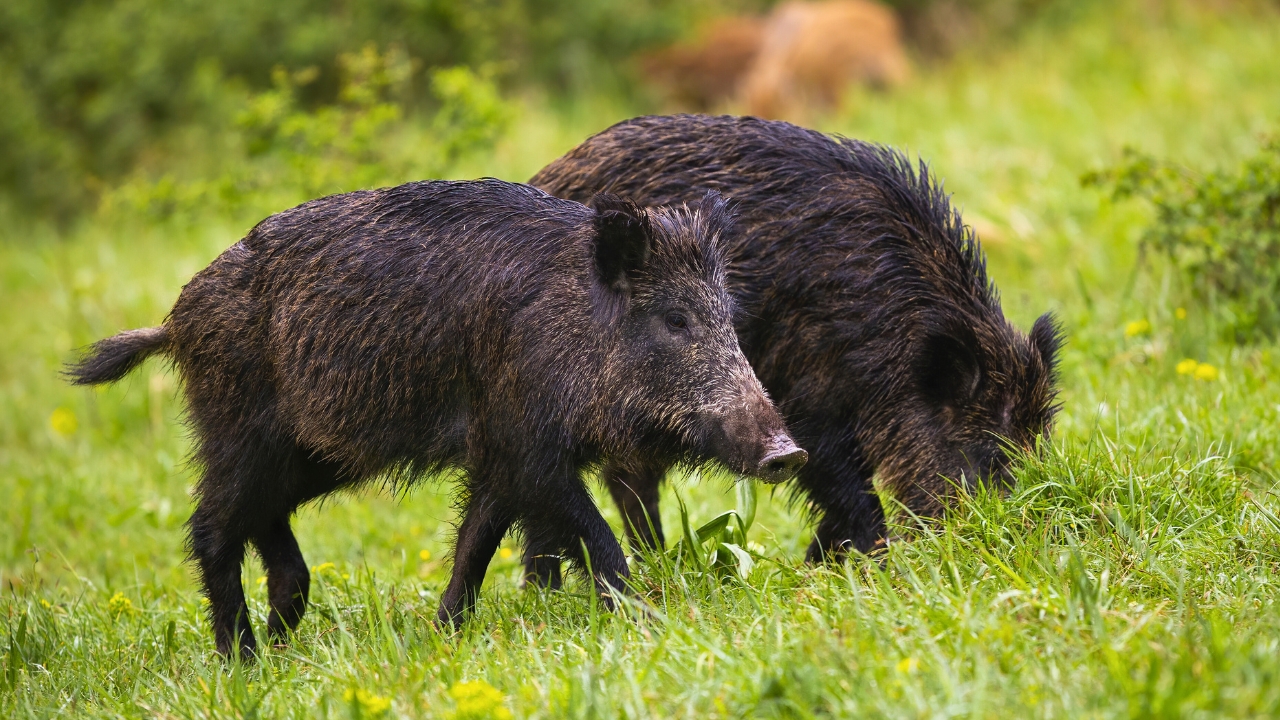
Hogs aren’t like whitetails. Their vitals are deeper, and many have a thick cartilage shield over their shoulders. That’s a big ask for a lightweight bullet.
Even bonded or solid .223 bullets can struggle to reach the vitals, especially at an angle or if you misjudge the shot slightly. You might get a pass-through, but it won’t always be lethal.
Marginal Performance at Longer Ranges

Out to 100 yards, you might get away with it. Beyond that, .223 drops in energy fast. It just doesn’t carry enough weight to maintain effective terminal performance.
If you’re hunting in open areas or taking shots across fields, you’re asking a lot of that little round. Hogs hit at distance with a .223 often run off wounded.
Bullet Choice Is Too Critical

Some rounds just aren’t built for hogs. Standard FMJs or varmint rounds are basically useless for this kind of work. You need premium hunting bullets, and even then, results can vary.
Many hunters grab whatever’s cheap or on hand, and with .223, that mistake gets amplified fast. Pick the wrong bullet, and you’ve just handicapped yourself from the start.
Shot Placement Has No Room for Error

The .223 is unforgiving. Hit slightly off, and it’s a lost pig. You need to be dead-on—every time. But hogs move fast, don’t stand still long, and don’t always give you a perfect shot.
Other calibers give you a little grace if you’re off by a few inches. Not the .223. It’s either perfect, or it’s a problem.
Doesn’t Break Bone Well
If your shot needs to break a shoulder or hit the neck to anchor the animal, the .223 isn’t the best tool for the job. It just doesn’t have the mass to plow through thick bone.
You might get penetration, but it’s not reliable. Hogs hit in the shoulder often limp off wounded if the bullet doesn’t fragment or tumble the right way.
Too Many Hunters Rely on Military Surplus Loads

There’s a lot of .223 out there that was never meant for hunting. Mil-spec FMJs are built to punch paper or soft targets, not kill game cleanly.
Folks grab bulk ammo and assume it’s good enough. It’s not. These rounds often overpenetrate or fail to expand at all, leading to long chases and lost animals.
Doesn’t Handle Angled Shots Well

Quartering shots are common on hogs, especially when they’re on the move. The .223 just doesn’t have the mass to push through at those angles and still reach vitals.
That leaves you with fewer ethical shot opportunities. With something like a .30-caliber round, you’ve got more wiggle room. The .223 makes you wait—and sometimes, miss the chance entirely.
Hogs Don’t Always React Right Away

A lot of times, a pig hit with a .223 just bolts like it wasn’t even touched. There’s often little reaction, and the blood trail might be spotty or nonexistent.
That leads to second-guessing and lost confidence in your shot. You might’ve hit it, but unless you saw the drop, you’re in for a long track and a maybe recovery.
Better Options Are Readily Available

At this point, with so many great calibers out there—like 6.5 Grendel, .300 Blackout, or even the classic .30-30—there’s just no need to rely on the .223 for hogs.
It’s fine for smaller game or predators, but for hogs? You’re better off with something that hits harder and gives you better odds of a clean kill.
*This article was developed with AI-powered tools and has been carefully reviewed by our editors.