Photo credit: guruXOX/Shutterstock.com
Public ranges are a mix of experience levels, personalities, and agendas, and that mix produces a steady stream of unsolicited advice that ranges from harmless to genuinely unhelpful. The most annoying range advice usually has one thing in common: it’s delivered with confidence and certainty while ignoring context. A person sees a shooter miss a shot, or sees a new gun on the bench, and immediately offers a one-sentence fix that sounds wise but doesn’t actually diagnose anything. Sometimes the advice is well-intended, but it still creates problems because it pushes the shooter toward a quick hack rather than building a repeatable process. For new shooters, bad range advice can be expensive, because it often results in unnecessary purchases, frustration, and training habits that take time to unlearn.
“Just get a bigger caliber” is a shortcut that dodges fundamentals
This advice pops up whenever someone struggles with accuracy, recoil control, or confidence, and it’s almost always backwards. Moving to a bigger caliber does not fix fundamentals; it increases recoil demand and often reduces a shooter’s willingness to practice. When a shooter is missing, the most likely causes are grip, sight focus, trigger control, and follow-through, not insufficient caliber. The bigger-caliber advice also tends to come with an implied insult, as if difficulty is a toughness problem rather than a skill development problem. In reality, skill is built through consistent practice with a manageable platform, and once the shooter is consistent, caliber decisions can be made based on realistic needs rather than ego. This advice is annoying because it’s simple and dramatic, but it doesn’t solve the actual problem the shooter is trying to solve.
“You’re limp-wristing” gets used as a blanket explanation for everything
Limp-wristing is real, especially on lightweight pistols, but it is often used as a lazy diagnosis for any malfunction, even when the actual issue is magazine quality, spring wear, or ammo inconsistency. Shooters hear it and either feel embarrassed or become defensive, and the conversation shifts away from mechanical troubleshooting and toward ego. The better approach is to treat malfunctions as data: which magazine, which ammo, what pattern, what condition. Grip and stance can be tested by having another shooter try the gun, but even that isn’t definitive without context. The problem with the limp-wristing advice is not that it’s never true; it’s that it’s thrown out as a default explanation with no evidence, and it prevents people from learning how to diagnose reliability issues in a systematic, calm way.
“You need this one part” turns every learning moment into a sales pitch
Public ranges are full of people who treat every problem as a shopping opportunity. Misses become “you need a better trigger,” recoil becomes “you need a compensator,” and discomfort becomes “you need a different gun.” Sometimes upgrades are useful, but the habit of prescribing parts before diagnosing fundamentals is a money trap. It also creates a mindset where the shooter believes performance is purchased rather than built, which slows learning and increases frustration. The most annoying version of this advice is when someone recommends a part with certainty but has not observed enough shooting to know what the real error is, and has not considered whether the shooter’s goal is defensive competence, competition performance, or basic comfort. The result is gear churn, not skill growth, and the shooter ends up with a modified gun that may be less reliable and a process that is still inconsistent.
“Just close one eye” and other vision hacks that create bad habits
Vision advice at ranges often sounds helpful because many people struggle with sight focus, but quick hacks like closing one eye or forcing a certain head tilt can create long-term issues. Closing one eye can reduce depth perception and peripheral awareness, and it can become a crutch that makes transitions and target tracking harder later. Some shooters need vision correction, different sight setups, or a dot, but they won’t discover that through casual advice delivered in passing. What’s annoying about these hacks is that they treat a complex sensory process as a trick, and they can lead shooters to build inconsistent head positions and inconsistent alignment habits. The right approach is to build a repeatable visual process and, if needed, seek instruction that accounts for the shooter’s eyes, not just the instructor’s habits.
“Your gun is junk” is often just someone repeating internet identity talk
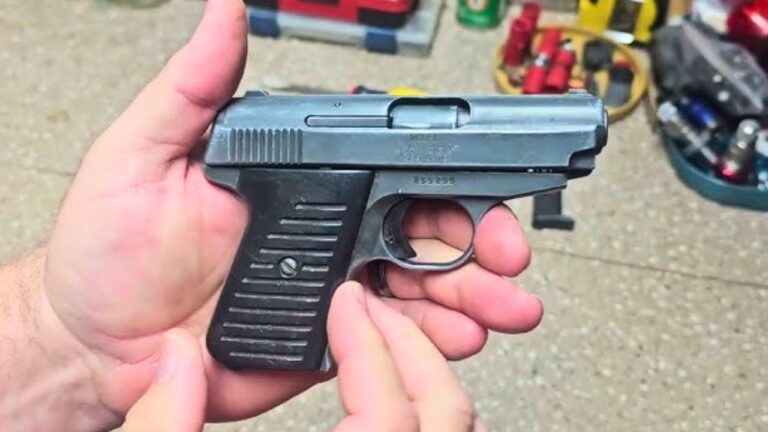
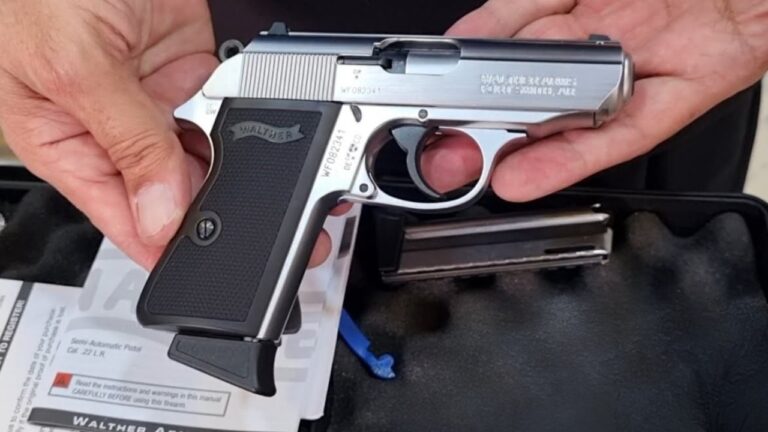
Brand arguments are a range staple, and many shooters receive unsolicited criticism of their gun choice from someone who has never shot that gun and doesn’t know how the shooter maintains it. The “your gun is junk” advice often leads buyers to second-guess perfectly functional equipment and to spend money chasing brand approval rather than addressing skill and reliability realities. This is especially damaging for newer shooters who are still building confidence and who may be using a budget gun that is perfectly adequate for learning. The problem isn’t that some guns are better than others; it’s that the judgment is usually delivered without data and without considering whether the shooter’s issues are shooter issues or equipment issues. A gun can be imperfect and still be a good learning tool, and skill built on a “mid” gun often transfers well to higher-end guns later.
Range advice is cheap, but undoing bad habits is expensive
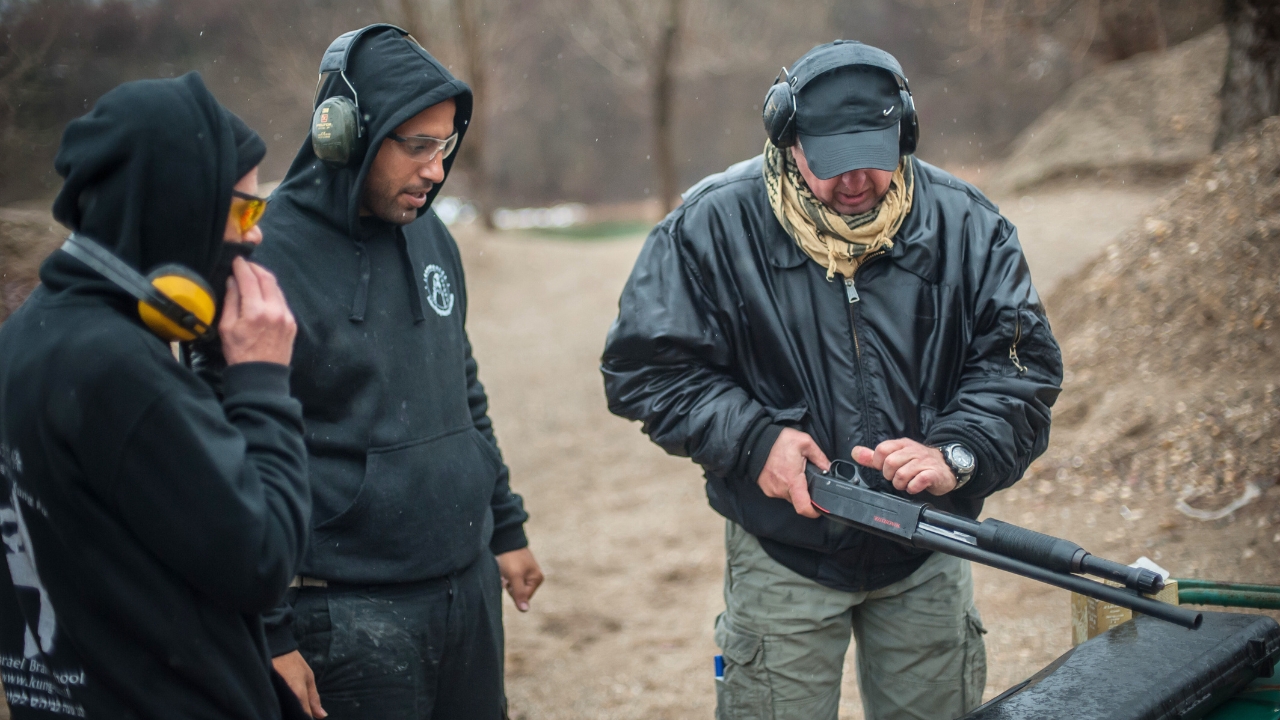
The public range is not a classroom, and unsolicited advice is not the same as coaching. The most annoying advice is usually advice that offers a confident conclusion without a real diagnosis, because it creates quick fixes that don’t hold up and habits that don’t scale. If you want to improve, the best filter is to look for advice that is specific, testable, and tied to observable outcomes, not advice that is tribal, dramatic, or sales-driven. A good shooter builds a repeatable process and verifies changes through results, not through confidence in someone else’s one-liner. The less you let random range talk steer your choices, the more money you save, and the more consistent your shooting becomes.
Like The Avid Outdoorsman’s content? Subscribe to our newsletter so you never miss an article.
Here’s more from us: