Photo credit: Justin Opinion/YouTube
When you talk to shooters who’ve been at it a long time, you start hearing the same stories—someone bought a pistol they thought they’d stick with forever, only to have one bad range session or one reliability scare change everything. Nothing makes a person switch brands faster than a gun that refuses to run when it needs to, feels awkward in the hand no matter how you grip it, or proves impossible to trust after repeated issues.
On the other side of that coin, plenty of people find a new pistol that simply works better in every measurable way. Once they experience something that cycles cleaner, handles smoother, or carries more comfortably, they don’t look back. The pistols here earned a reputation—not because they’re terrible, but because they convinced a huge number of shooters to move on and stay gone.
Remington R51

The first-generation R51 turned out to be one of the biggest turning points for many Remington handgun buyers. The marketing promised a smooth-recoiling, soft-shooting compact, but the real product was plagued with feeding issues, safety concerns, and inconsistent performance. Shooters reported everything from failures to return to battery to magazines that wouldn’t lock in cleanly. When a pistol struggles to complete a full magazine without hiccups, people lose trust fast.
Many longtime Remington fans walked away from the brand entirely after this one. The disappointment wasn’t minor—it felt like a violation of trust for shooters who’d relied on Remington rifles and shotguns for years. Some returned their pistols; others sold them off and never looked back. It became a moment where people realized they needed reliability first, and Remington’s handgun division lost a lot of goodwill it never regained.
Taurus PT740 Slim
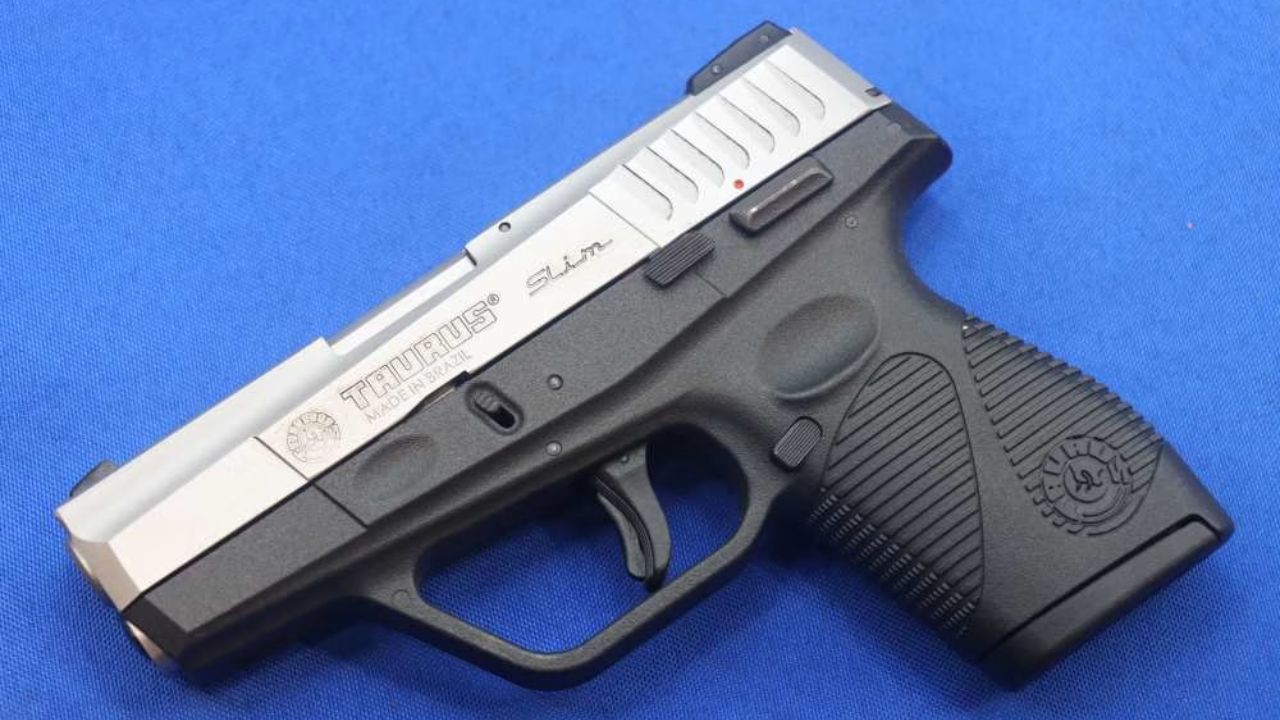
The PT740 Slim was light, thin, and comfortable to carry, but the shooting experience convinced many Taurus buyers to leave the brand altogether. With its snappy recoil and a reputation for frequent feeding issues, the pistol often punished new shooters and frustrated experienced ones. Many users struggled with failures to extract and inconsistent slide lock behavior, turning range trips into troubleshooting sessions rather than training opportunities.
For a lot of owners, this was the pistol that pushed them toward more dependable compact options from Ruger, S&W, or Glock. The inconsistencies overshadowed the gun’s convenience, and the fixes weren’t always reliable. When a pistol meant for concealed carry can’t run clean through a few boxes of ammo, confidence disappears quickly. After the Slim, many Taurus owners decided they were done gambling on reliability and switched to brands that gave them fewer surprises.
Kimber Solo

The Solo had the potential to be a strong compact carry gun, but its demanding ammo requirements and reliability problems turned many Kimber buyers away. It was marketed as a premium micro-9mm, yet it struggled with anything other than specific high-pressure loads. That meant many owners saw failures to feed, failures to eject, and inconsistent cycling—issues that undermine confidence in a defensive pistol very quickly.
Shooters who bought into the Kimber reputation expected a smoother ownership experience. Instead, they got a gun that felt temperamental and unpredictable. For many, the Solo was the moment they realized they could get better reliability from brands charging far less. After fighting with ammo sensitivity and inconsistent performance, plenty of former Kimber users moved on to Glock, Sig, or Smith & Wesson and didn’t look back.
SIG Sauer Mosquito

The Mosquito looked like a scaled-down Sig, but the shooting experience caused many Sig fans to reconsider the brand’s rimfire offerings entirely. The gun had a reputation for being extremely ammo-sensitive, especially with bulk .22 LR. Failures to feed, light strikes, and constant stovepipes were common, turning range sessions into headache-inducing slogs. Many shooters expected “Sig quality” in a fun, affordable training pistol, but the Mosquito didn’t deliver.
The frustration pushed many people to Ruger’s Mark series or Browning’s Buck Mark—platforms known for dependable rimfire performance. For some shooters, the Mosquito became a reminder that brand loyalty doesn’t matter when a gun refuses to run. Many owners who started with the Mosquito chose never to buy another Sig rimfire, and some even moved entirely to other manufacturers.
Glock 42

The Glock 42 brought plenty of shooters in, but it also pushed many out. Early models had feeding issues with certain hollow points and lightweight FMJ rounds, which caught people off guard. Glock carried a reputation for rugged reliability, so experiencing stoppages with a brand-new pistol left a sour taste for many longtime owners. Some shooters also found the recoil impulse surprisingly snappy for a .380, especially compared to thicker pistols in the same caliber.
For those who made concealed carry decisions based on flawless performance, the 42 fell short. Many buyers moved on to the Glock 43—or to completely different brands—when they realized the 42 didn’t give them the predictability they expected. For some, it became the first Glock they ever sold off, and the experience pushed them toward manufacturers with better track records in small pistols.
Walther CCP
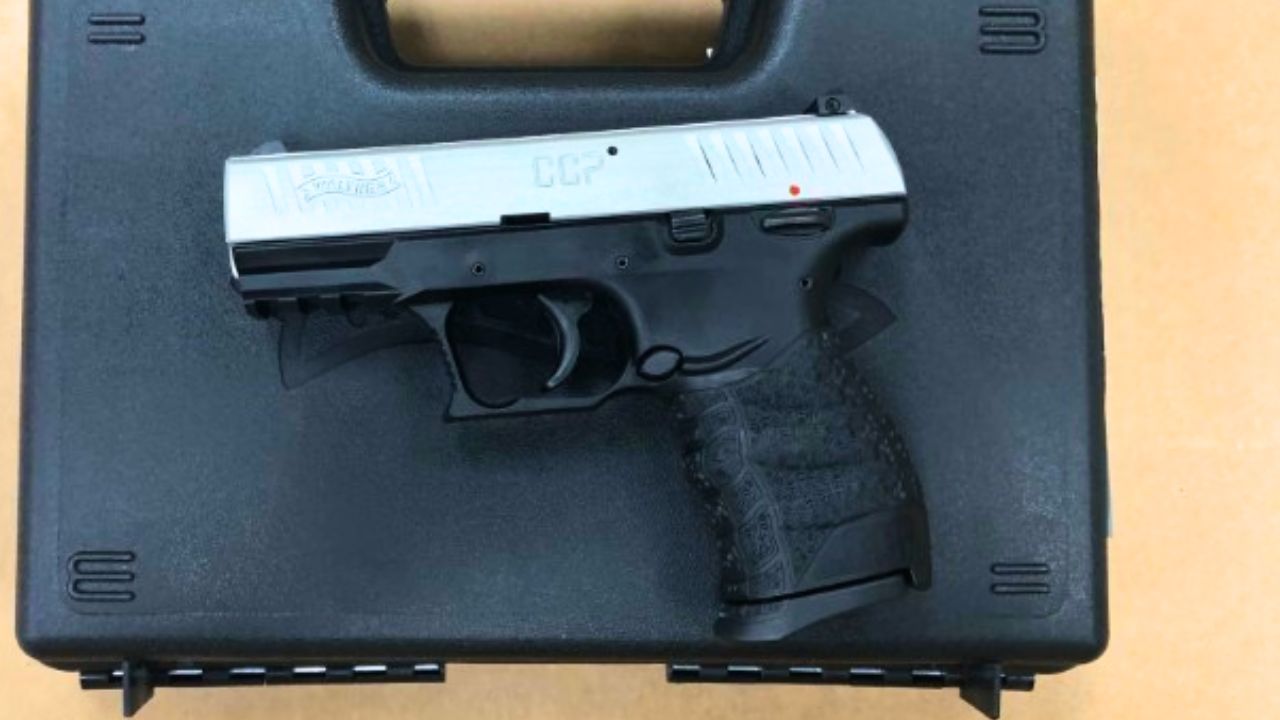
The first-generation CCP intrigued shooters with its soft-recoil system, but the real-world execution made many people rethink their loyalty to Walther. The pistol was known for slow resets, heavy trigger pull, and multiple reliability concerns. More importantly, the disassembly process required a special tool and frustrated even experienced shooters. For a carry gun, that complexity was a major downside.
The original CCP also experienced issues with feeding and extraction that didn’t match the expectations people had for Walther’s build quality. Many buyers expected the refinement found in the PPQ line but instead got a pistol that felt unfinished. After dealing with troubleshooting and awkward maintenance, plenty of owners moved on to Glock, Smith & Wesson, or Sig and stayed there.
SCCY CPX-1

The SCCY CPX-1 attracted buyers with its price, but its reliability record sent many shooters searching for more dependable brands. The pistol featured a heavy trigger pull, inconsistent feeding, and issues with the external safety that made some owners uneasy. Malfunctions weren’t rare, and many shooters found themselves fighting extraction problems or slide lock failures during routine range days.
For new handgun owners, the CPX-1 often became a lesson in avoiding bargain-bin carry guns. Many buyers traded up to Ruger, Smith & Wesson, or Taurus once they realized they needed something more dependable for daily carry. While SCCY worked hard to improve quality over time, the CPX-1 convinced many early adopters to look elsewhere permanently.
Springfield XD-S 9mm (Early Recall Models)

The XD-S earned a strong following, but the early recall models pushed many longtime Springfield shooters toward other brands. The recall stemmed from a safety concern that affected thousands of pistols, and the fix took time to roll out. Even after the repairs, some shooters reported inconsistent triggers and intermittent feeding issues with certain loads.
For many owners, the recall eroded confidence in using the XD-S as an everyday carry pistol. Having a defensive gun shipped off for repairs doesn’t sit well with most people. After dealing with delays and uncertainty, many shooters ended up switching to Glock, Smith & Wesson, or Sig Sauer. For them, the trust was broken—and trust is hard to rebuild once a carry gun fails that test.
Kahr PM9

The PM9 offered an excellent carry size, but its long break-in period frustrated many buyers. Kahr recommended hundreds of rounds before the gun reached full reliability, and many shooters experienced failures to feed and failures to return to battery early on. For a gun intended for concealed carry, needing that much initial tuning turned many people away.
Once shooters tried alternatives like the Sig P365 or Glock 43, they realized they could get the same concealability without the unpredictability. The PM9 isn’t a bad pistol when broken in, but that early unreliability convinced plenty of owners to switch brands permanently. When you’re trusting a gun with your safety, you don’t want it to “settle in”—you want it to run.
Smith & Wesson Bodyguard .380

The Bodyguard .380 filled an important niche, but the early models suffered from frequent light strikes, laser module failures, and general inconsistency. Shooters who expected a dependable deep-concealment gun ended up with stoppages and ignition issues that instilled more frustration than confidence. Even after updates, the early reputation lingered.
Many owners replaced the Bodyguard with Ruger’s LCP series, which offered significantly more dependable performance at a similar price. Others shifted to slightly larger pistols that handled recoil better and delivered cleaner cycling. For shooters who trusted Smith & Wesson for years, the early Bodyguard models were a turning point that pushed them toward different brands.
KelTec PF-9

The PF-9 was incredibly lightweight and affordable, but it tested the patience of many owners. Harsh recoil, inconsistent feeding, and extraction issues drove plenty of shooters to seek more reliable brands. The PF-9 showed noticeable wear early and often required constant attention to keep running smoothly. For many people, the ownership experience felt like a series of compromises.
Once other manufacturers rolled out more reliable slim single-stacks, the PF-9’s flaws became even clearer. Shooters who struggled with it frequently switched to Ruger, S&W, or Glock and never returned to KelTec. The gun proved that low weight isn’t enough if the platform doesn’t hold up under regular use.
EAA Witness Polymer Compact
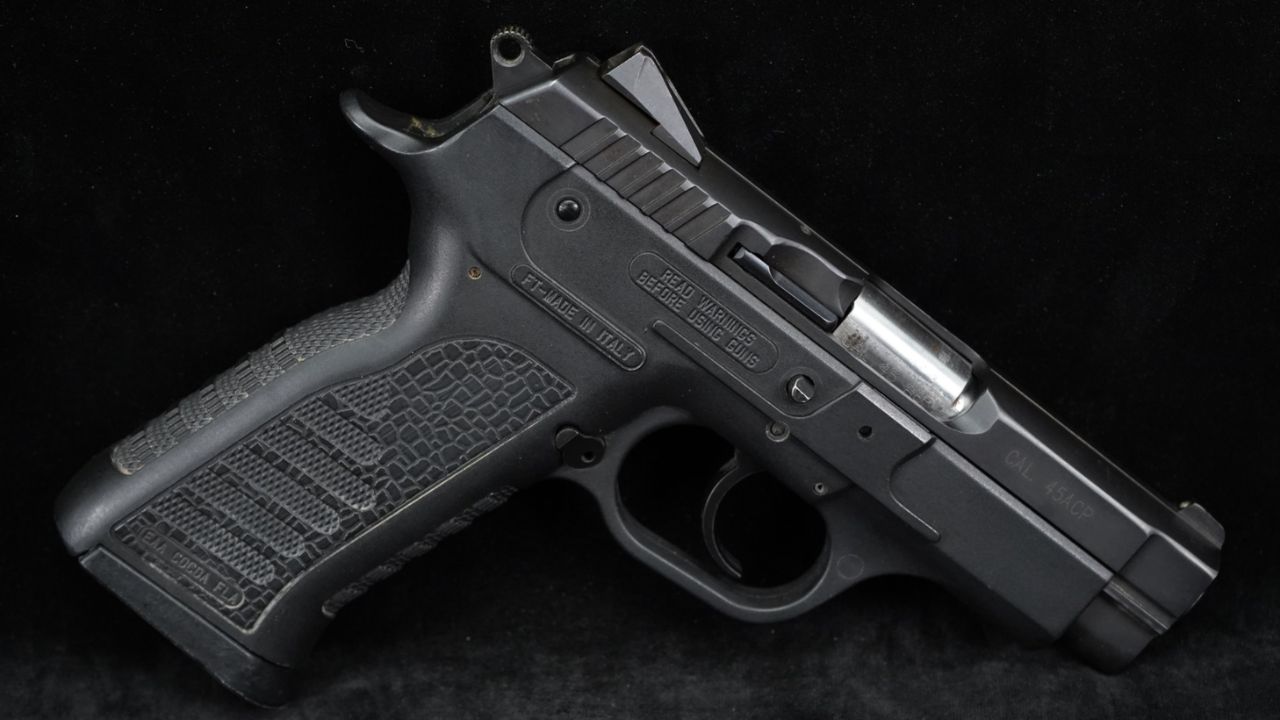
The Witness Polymer Compact promised the ergonomics of a CZ-style platform at a lower price, but reliability issues soured many buyers. Feeding problems, inconsistent slide lock behavior, and premature wear all contributed to a reputation that pushed shooters away from the brand. For many, the polymer frame didn’t deliver the durability they expected.
Shooters who loved the CZ-75 pattern often ended up buying actual CZs after struggling with the Witness. The difference in reliability and build quality made the choice clear. The Witness Compact became the pistol that motivated many owners to move on entirely and stick with more proven manufacturers.
Rossi Model 461
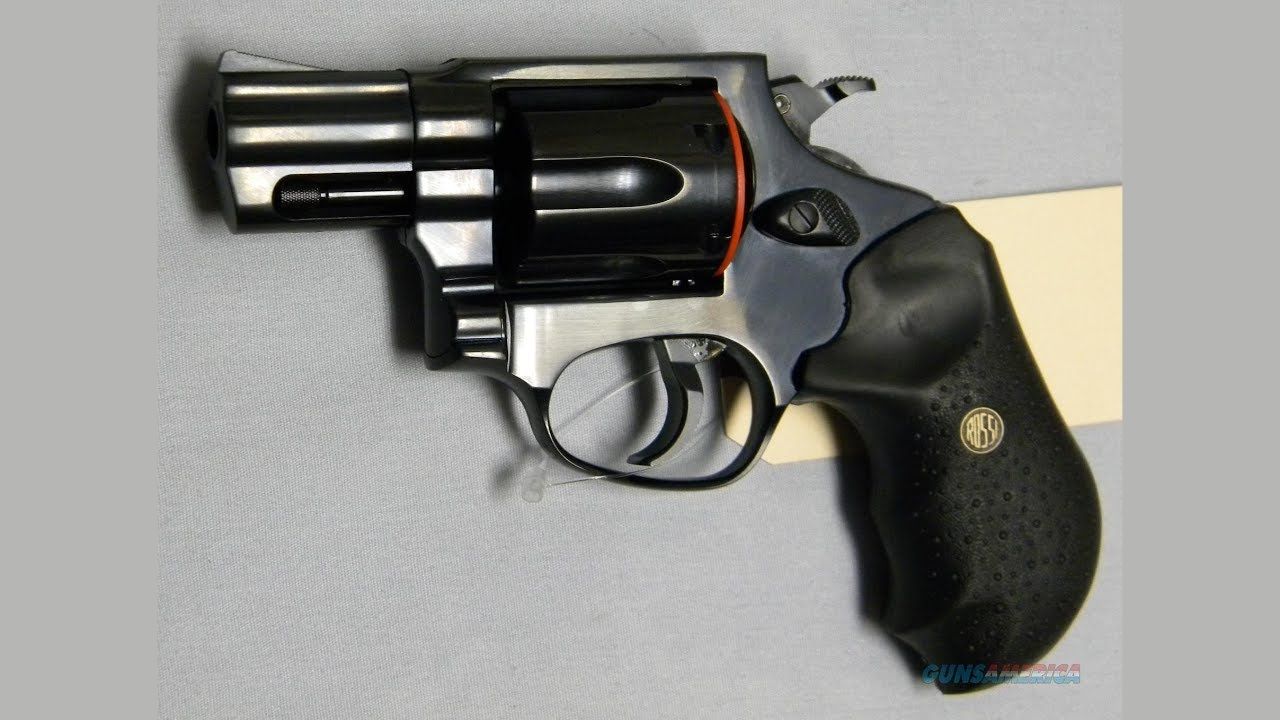
The Model 461 attracted revolver buyers who wanted a budget-friendly snub-nose, but quality control issues pushed many people toward other brands. Timing problems, cylinder binding, and inconsistent triggers showed up frequently enough to make owners uneasy. When a revolver shows mechanical problems early, it’s hard to trust it long-term.
Many shooters who tried the 461 eventually shifted to Smith & Wesson or Ruger snubs and didn’t return. A defensive revolver has to function every single time, and the 461 struggled to earn that confidence. For many buyers, it became the moment they realized cutting corners on a carry gun wasn’t worth the risk.
Para Ordnance LDA Pistols
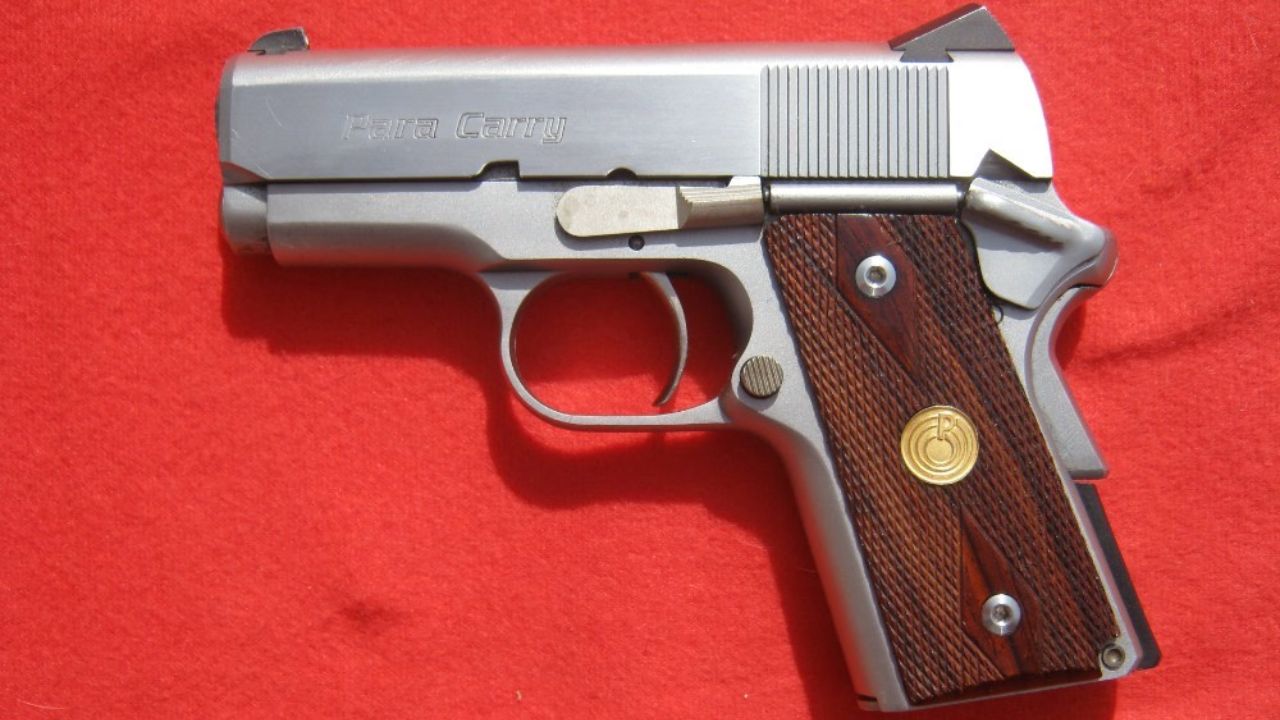
Para’s LDA trigger system was interesting on paper, but many shooters found the real-world experience lacking. The long, soft trigger pull didn’t offer the control people expected from a defensive pistol. Combined with occasional reliability issues and spotty quality control in the company’s later years, many owners decided to change brands entirely.
As other companies refined their triggers and improved their striker-fired offerings, Para’s designs began to feel dated and inconsistent. Many shooters who tried the LDA platform eventually switched to Glock, HK, or Smith & Wesson, where they found better reliability and simpler operation. For a lot of owners, Para’s LDA pistols marked the end of their loyalty to the brand.
Remington RP9
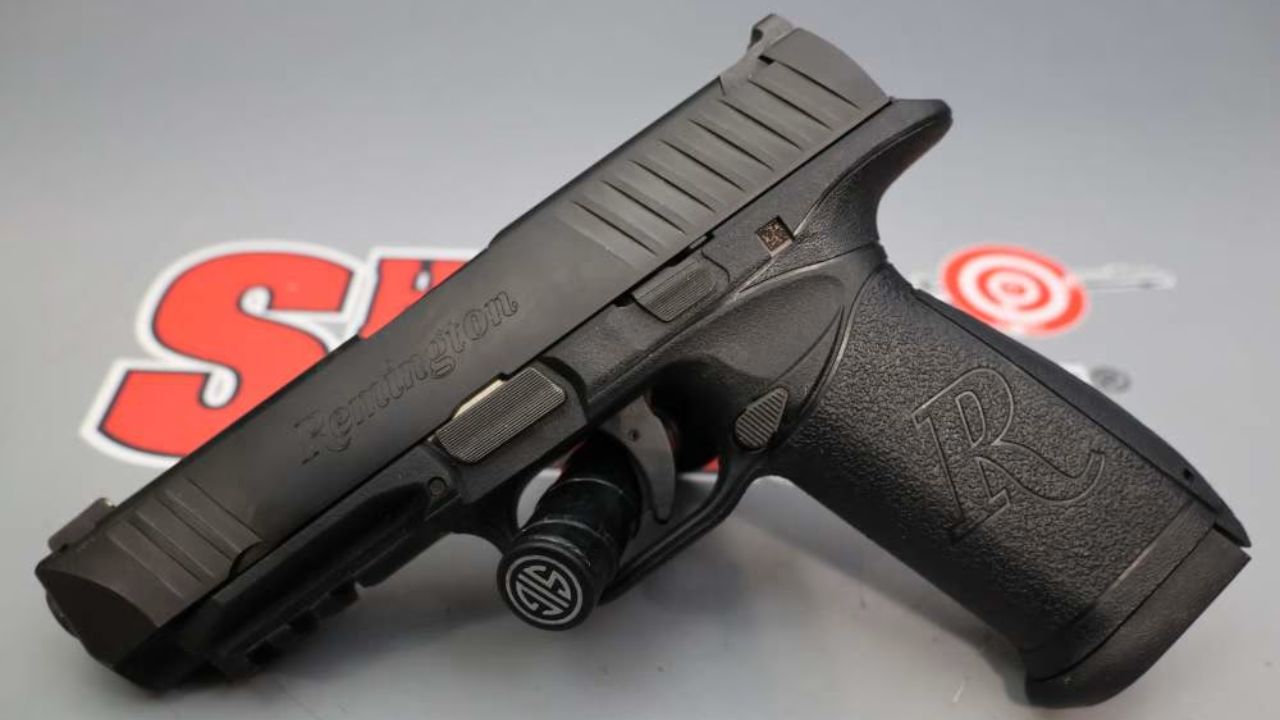
The RP9 signaled Remington’s attempt to break into the polymer market, but the execution convinced many shooters to leave the brand for good. Reports of malfunctions, magazine-related issues, and inconsistent build quality were common. The pistol felt bulky without offering the kind of reliability or refinement you expect from a modern striker-fired handgun.
Shooters who tried the RP9 often traded it out quickly and turned toward more established polymer platforms from Glock, Smith & Wesson, CZ, or Sig Sauer. For many, the RP9 was the final straw that pushed them away from Remington’s handgun lineup entirely. When a pistol meant to revive a brand ends up doing the opposite, shooters take notice.
Like The Avid Outdoorsman’s content? Subscribe to our newsletter so you never miss an article.
Here’s more from us: