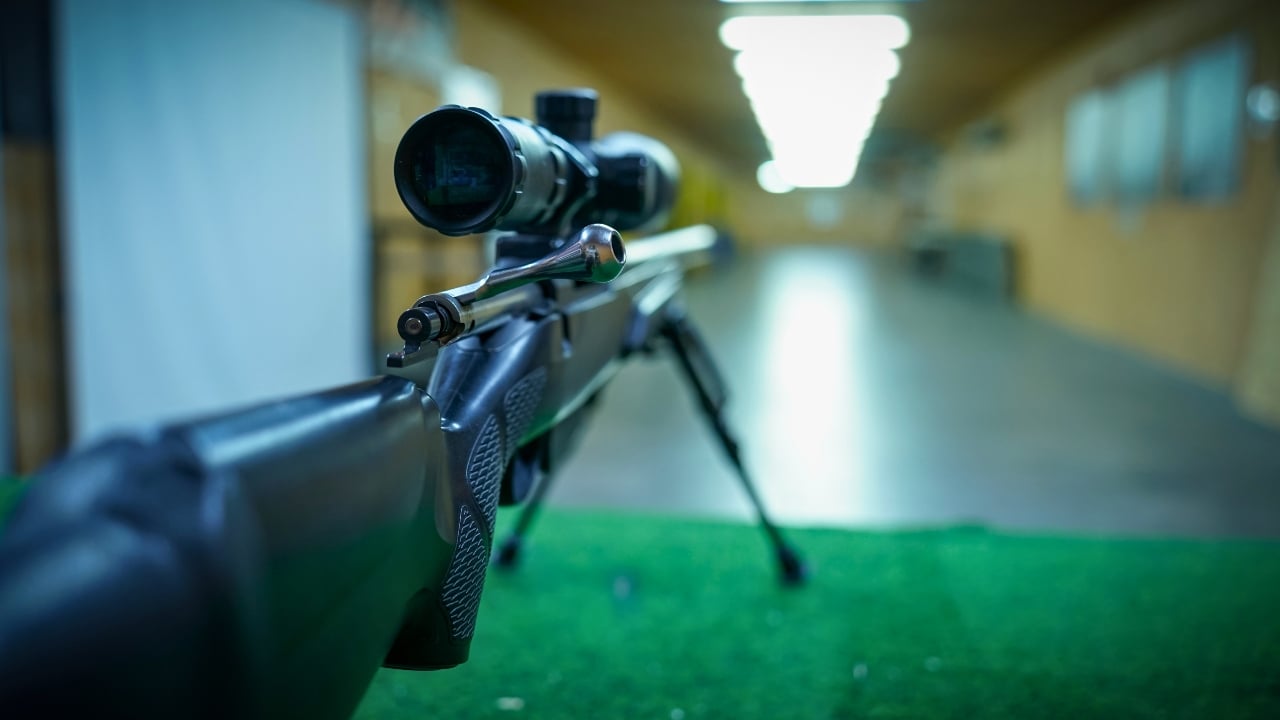
Photo credit: Dmitri T/Shutterstock.com
A bolt gun should feel like a well-oiled door hinge: lift, pull, push, lock—same motion every time, with no surprises. When a rifle fights you, it’s usually not one single thing. It’s a stack of little frictions adding up—rough raceways, sharp cocking cams, a stiff firing pin spring, tight extractor tension, magazine drag, or a chamber that’s snug enough to make certain loads feel sticky.
Some rifles are stiff because they’re new and dry. Some are stiff because the action was built to hit a price point, and the finishing work is minimal. And sometimes the bolt feels “hard” because the ammo is running hot and you’re seeing early pressure signs that show up as sticky extraction. Either way, a bolt that doesn’t run smoothly steals speed, confidence, and follow-up shots. These are rifles and platforms where that fight shows up more often than it should.
Ruger American (Gen 1 and early variants)

The Ruger American is a ton of rifle for the money, but the action can feel rough, especially when it’s new. The bolt body and raceways don’t always have that polished feel you get on higher-end guns, so you’ll feel grit and chatter during the stroke. If the rifle is bone-dry, it can feel even worse, like it’s dragging through sand.
A lot of Americans smooth out with use, but some keep a stubborn “zipper” feel unless you stay on top of cleaning and light lubrication. Magazine fit can play a role too—if the mag sits high or flexes, it can drag on the bolt and make feeding feel like a chore. None of this means it won’t shoot. It means you’re sometimes doing the finishing work with your own trigger time.
Savage Axis

The Axis is another budget workhorse that often shoots better than you expect, but the bolt can feel cheap and gritty. The bolt lift and the rearward pull can have a scratchy, uneven feel that makes fast follow-ups feel clumsy. You’re not imagining it—many Axis rifles simply don’t get the same level of internal smoothing as Savage’s higher lines.
You’ll also notice the Axis can feel worse when it’s dirty. Powder residue and grit build up quickly in a rifle that already has a rougher baseline, and the action starts to feel heavier. The good news is the rifle usually functions and hits where it should. The downside is that cycling it never feels effortless. If you’re used to a slick action, the Axis can feel like it’s always asking you to muscle the bolt instead of simply running it.
Savage 110

The Savage 110 family is accurate and common, but some examples have heavy bolt lift that makes the rifle feel stubborn when you unlock it. A big part of that sensation comes from the cocking cam geometry and how the action handles cock-on-open. If everything is a little dry or rough, that initial lift can feel like you’re prying the bolt up instead of flicking it.
This can show up more when the rifle is warm or when you’re shooting loads that are on the spicy side. Sticky bolt lift isn’t always an “action problem.” Sometimes it’s telling you extraction is working harder than it should. You still see plenty of 110s that run smooth, but the ones that don’t have a way of wearing on you fast. A bolt gun that shoots tiny groups doesn’t feel so great when every cycle costs effort.
Remington 783

The 783 can be a solid shooter for the price, but the bolt travel often feels rough and a little sticky. The action can have that “tight in the wrong places” feel—some drag in the raceways, some resistance as the bolt cams, and a general sense that the rifle isn’t eager to be worked quickly.
A common frustration is that the rifle may feed and extract fine, yet it still feels like you’re forcing it. That’s where the shooting experience gets annoying. You start slowing down, not because you want to, but because the rifle demands it. Like many budget bolts, it can improve with use and proper lubrication, but plenty of 783s keep a slightly stubborn feel. If you want a rifle that cycles like it costs more than it does, the 783 isn’t always that rifle.
Mossberg Patriot

The Patriot is lightweight and handy, but it’s also known for an action that can feel rough. The bolt lift isn’t always bad, yet the rearward pull can feel scratchy, and the forward stroke can feel like it’s catching slightly as it chambers a round. That makes the rifle feel less refined even when it’s doing its job.
The Patriot’s magazine and feeding geometry can add to the friction. If the magazine lips are dragging or the presentation angle is slightly off, the bolt feels like it’s shoving through resistance instead of gliding. You can still hunt with it and kill deer cleanly, but you’re not getting that smooth, confident cycling that makes bolt guns feel fast. It’s the kind of rifle that rewards a steady, deliberate bolt stroke more than a quick one.
Winchester XPR

The XPR has a strong reputation as a shooter, but the bolt can feel surprisingly stiff, particularly at the start of bolt lift. Some of that is spring and cam feel, and some of it is simply that the action doesn’t always arrive with a “slicked up” finish. When you cycle it quickly, you feel every bit of friction.
The XPR can also feel more resistant when it’s dirty or when you’re running cheap ammo with inconsistent brass. That shows up as a bolt that starts feeling sticky instead of smooth, especially during extraction. The rifle usually keeps working, but the bolt stroke becomes something you notice every time. If you want a bolt gun that feels effortless, the XPR can be hit or miss. When you get a stiff one, you end up fighting the rifle more than you should.
Thompson/Center Compass
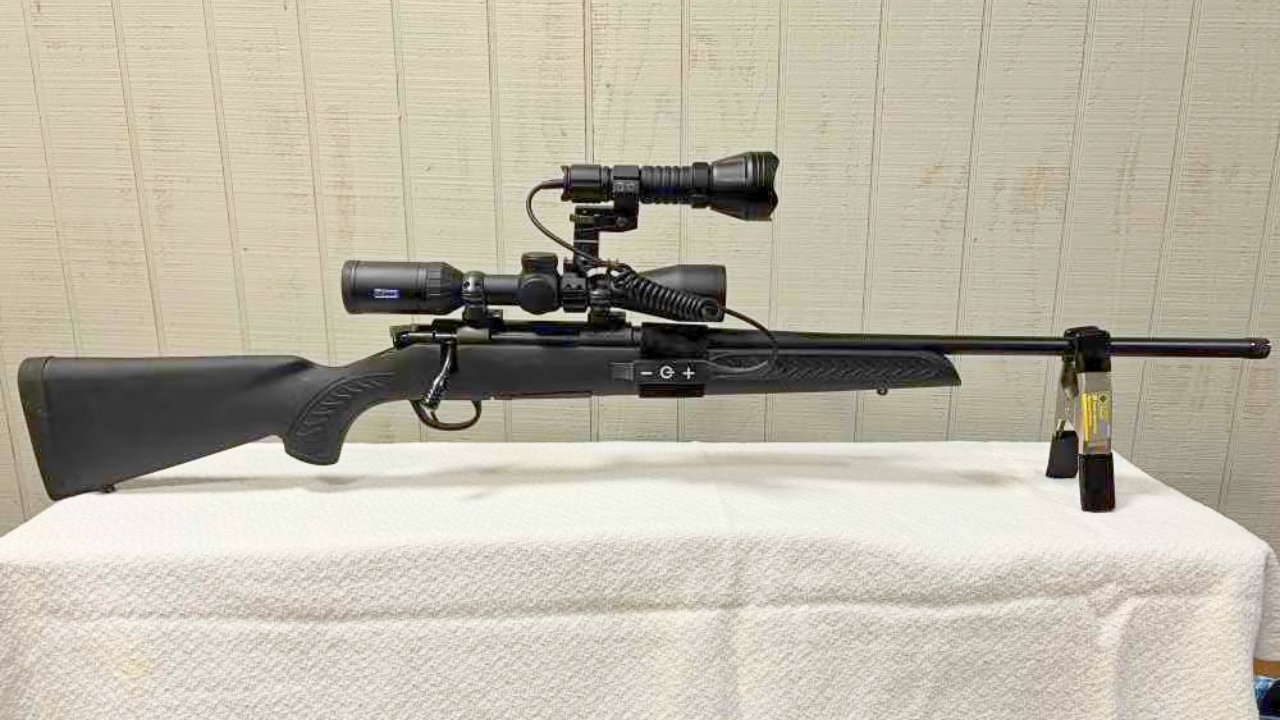
The Compass is built to be affordable, and that shows up in bolt feel. Many Compass rifles have a gritty or rough stroke that makes you work harder than you want to, especially when you’re trying to cycle without coming off the gun. The bolt lift can feel heavy, and the rearward pull can feel like it’s scraping through the raceway.
Because it’s a budget action, little things matter more—cleanliness, lubrication, and ammo quality. A dirty Compass with gritty residue can feel significantly worse than it did out of the box. You can still get good accuracy for the money, but the action often doesn’t give you that “runs on rails” sensation. When a rifle makes you concentrate on the bolt stroke, it steals attention from the shot, and the Compass can do that more than many shooters expect.
Howa 1500
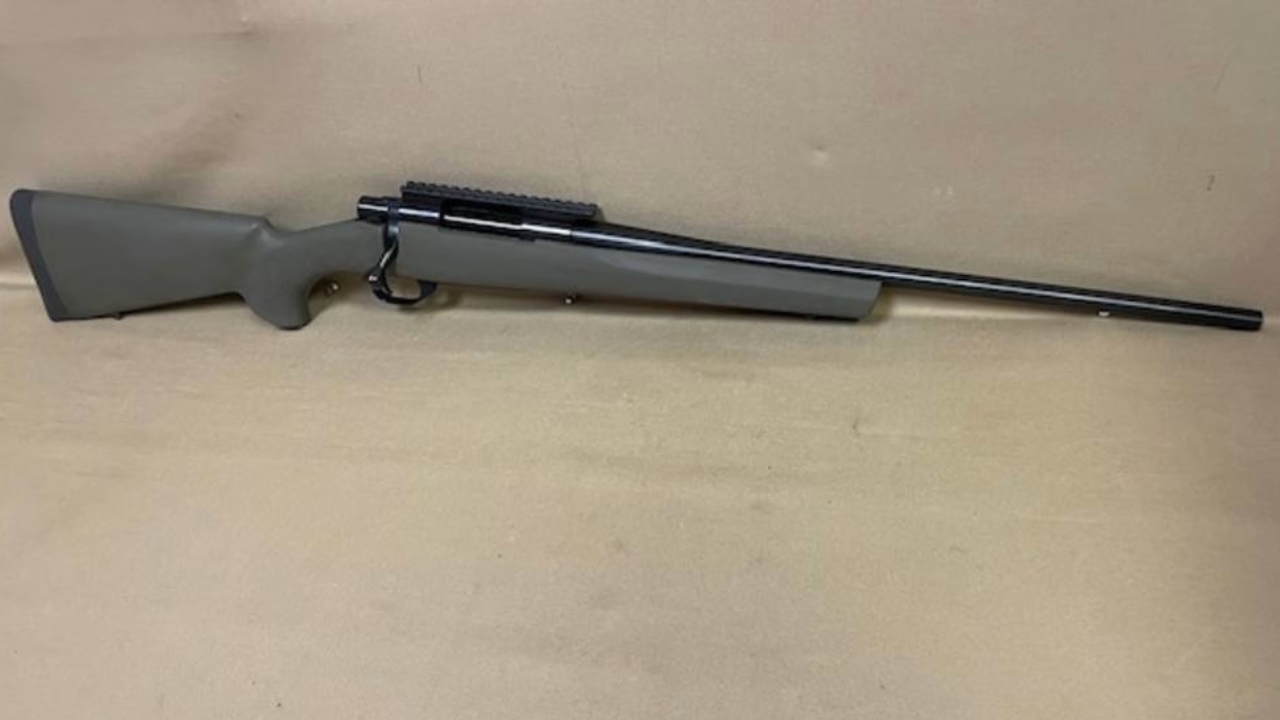
The Howa 1500 is usually solid and consistent, but some examples feel stiff when new. The bolt can have a heavier, more mechanical feel, particularly during bolt lift, and the stroke can feel tight until the surfaces wear in. It’s not always rough in a gritty sense—more like firm and resistant.
If you’re coming from a slicker action, the Howa can feel like it’s fighting you until you’ve put time behind it and kept it properly lubricated. The extractor tension and camming can also make the unlock feel stout. The upside is that Howas tend to settle into a predictable rhythm, and the action often improves with honest use. The downside is that the first impression can be a rifle that makes you work harder than you expected, especially if you’re trying to cycle it quickly under pressure.
Weatherby Vanguard

The Vanguard shares a lot of DNA with the Howa 1500, and it can carry the same “firm” bolt feel. Many are smooth enough, but some have a bolt lift that feels heavier than you’d expect in a rifle wearing a nicer name. When you unlock it, you can feel that camming effort, and it doesn’t always feel effortless out of the box.
A Vanguard that’s dry or gritty can feel like it stacks resistance: lift is stiff, the pull feels tight, and the close feels slightly draggy. The rifle usually shoots well, so owners tolerate it, but you still notice it every time you work the bolt. If you’re the kind of shooter who cycles without thinking, a stiff Vanguard forces you to think about it. With cleaning and a bit of break-in, many improve, but some keep that “workhorse” feel forever.
Ruger M77 Hawkeye

Controlled-round feed rifles like the M77 Hawkeye can feel different than push-feed actions, and “different” can feel like “stiff” if you’re not used to it. The extractor has to snap over and control the cartridge, and that can add resistance during chambering. Add Ruger’s sometimes-firm camming feel, and you get a rifle that can feel like it wants a strong hand on the bolt.
The Hawkeye is tough and dependable, but it’s not always the slickest action on the rack. Some examples have bolt travel that feels a little rough, and the lift can feel heavy compared to smoother, more polished actions. When you run it hard, you can feel the mechanics working. That’s not automatically a flaw—it’s part of the design personality—but it can still be frustrating when you want fast, effortless cycling and the rifle insists on a firm, deliberate stroke.
CZ 600

The CZ 600 line has a lot going for it, but some rifles feel tight and slightly resistant when new. Tight isn’t the same as smooth. A tight action can feel like it’s dragging even when everything is clean, especially during bolt close and lockup. If the chamber is snug and the ammo brass varies, extraction can add to that stubborn feel.
When a bolt gun is tight, you feel it more in cold weather and dusty conditions because there’s less room for grit and thickened lubricants. The 600 can be a rifle that settles in with use, but the early feel can be more resistant than expected for the price class. If you’re used to a bolt that runs fast with two fingers, a tight 600 can feel like it demands a full hand and a firm motion every single time.
Bergara B-14

Bergara B-14 rifles are popular because they shoot, but “sticky bolt lift” is a complaint you hear when ammo choice and chamber tolerance collide. It doesn’t mean the rifle is poorly made. It means the system can be less forgiving when pressures are high or brass is soft. That shows up as a bolt that lifts harder than it should right after the shot.
When the bolt lift is heavy, it feels like the rifle is fighting you even though the action itself can feel smooth during dry cycling. That’s what makes it frustrating: the bolt feels fine until you actually shoot it, then the unlock takes effort. Keeping loads sensible and paying attention to brass behavior helps, but the reality is you’ll hear this more with B-14s than with some looser-chambered hunting rifles. A rifle that shoots great still gets annoying when the bolt lift starts feeling like work.
Remington 700

The Remington 700 can be very smooth, but plenty of hard-used or rough examples feel anything but. Wear, dried oil, grit in the raceways, and burrs from years of use can turn a once-decent action into a bolt that feels sticky and resistant. On some rifles, the bolt lift can feel heavy even with normal ammo, especially if the internals are neglected.
The other issue is that the 700 ecosystem is huge, and not every aftermarket part or assembly job results in a smooth-running rifle. If the action is out of alignment, screws are dragging, or the bolt is rubbing in ways it shouldn’t, you feel it immediately. The 700 name doesn’t guarantee a slick bolt. A good one runs great. A neglected or poorly assembled one will fight you every time, and it’ll do it in a way that feels “normal” until you handle a smoother rifle.
Marlin XL7 / XS7

The Marlin XL7/XS7 rifles are sleepers in terms of accuracy for the money, but the bolt feel can be rough. The stroke often has a scratchy, budget-action character that makes you slow down. The lift can feel stiff, and the bolt can feel like it’s dragging slightly through the raceway.
Because these rifles are older and often found used, condition matters a lot. Old grease, grime, and rough handling can make a mediocre bolt feel downright stubborn. Even when clean, many still don’t have that polished feel you get from smoother actions. They can still be good hunting rifles, but you notice the bolt every time you run it. If you’re trying to stay in the scope and cycle quickly, the XL7/XS7 can make that harder than it needs to be.
Zastava M70
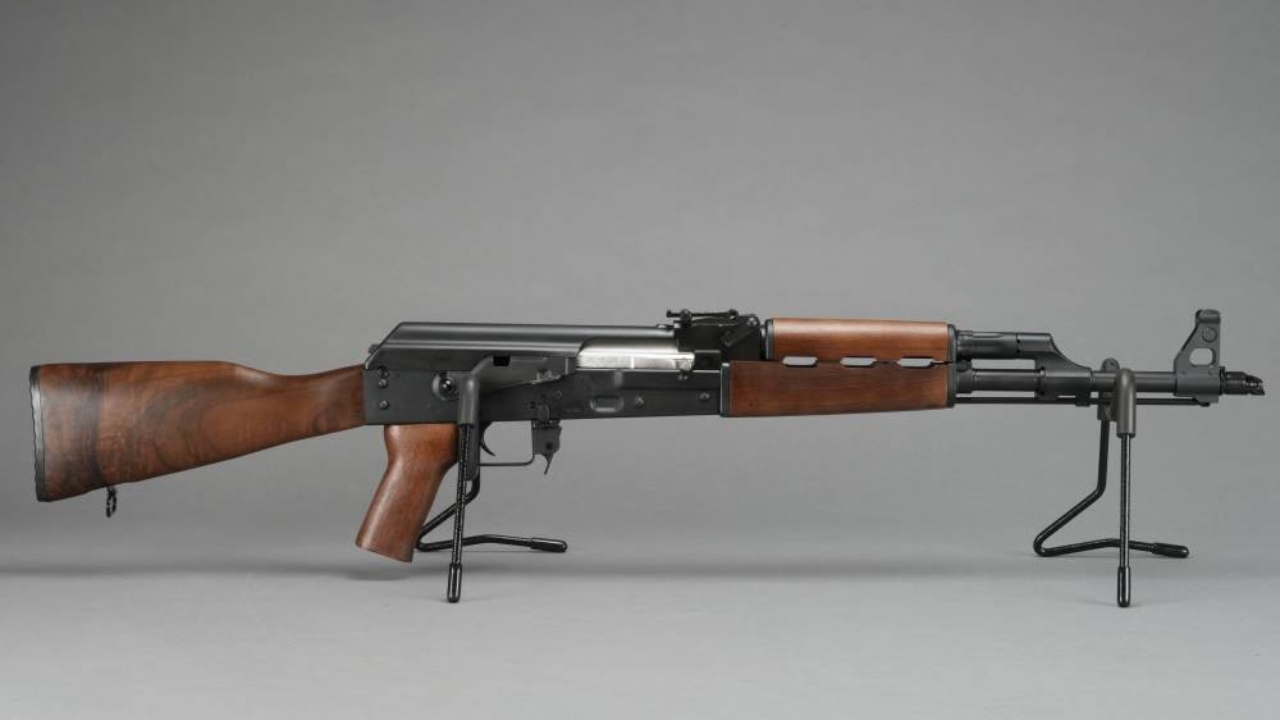
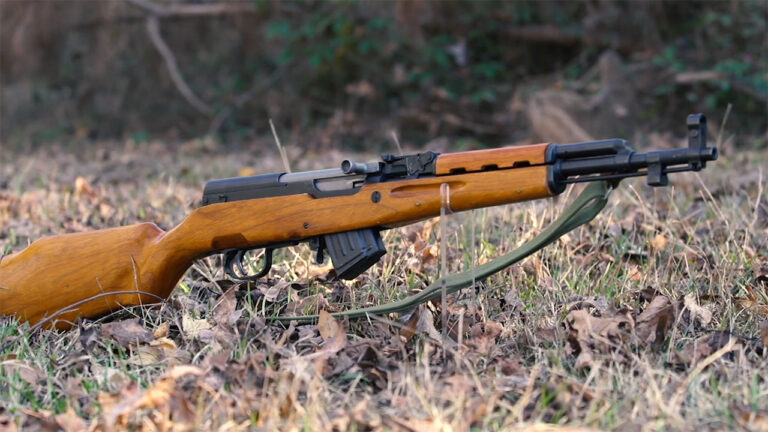
Mauser-pattern actions like the Zastava M70 are strong and classic, but they can feel rough compared to modern “slick” actions. The controlled-round feed system and the big extractor can add resistance, and some rifles show machining marks or tight spots that make bolt travel feel gritty. You get strength and reliability, but the bolt doesn’t always feel effortless.
These rifles also tend to reward a firm, straight bolt stroke. If you baby it or short-stroke it, the action can feel like it’s hanging up. When you run it like you mean it, it often works better, but it still isn’t the glassy feel many shooters expect today. If you want a bolt that cycles like a modern match rifle, a Mauser-pattern Zastava can feel like it’s fighting you. If you want a classic action with real claw extraction, you accept some mechanical resistance as part of the deal.
Savage 99

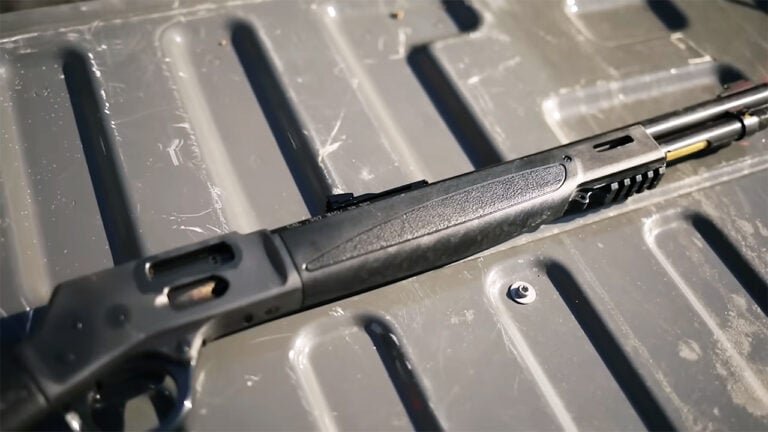
The Savage 99 isn’t a bolt gun, but it belongs in this conversation because it can absolutely fight you during cycling, especially in older rifles. The lever throw can feel stiff, and the internal mechanism can feel tight or rough if it hasn’t been maintained. You’ll feel resistance that makes you work the action more deliberately than you want to.
Older 99s can also be sensitive to grime and dried lubricants, and once that builds up, the lever stroke starts feeling heavy and uneven. You can still love the rifle and trust it, but it’s not always a smooth, effortless cycle like a fresh modern lever gun. If you’re writing about rifles that make you fight the action, the 99 earns its spot: a classic that shoots and carries well, but can demand real effort every time you run it.
Like The Avid Outdoorsman’s content? Subscribe to our newsletter so you never miss an article.
Here’s more from us: