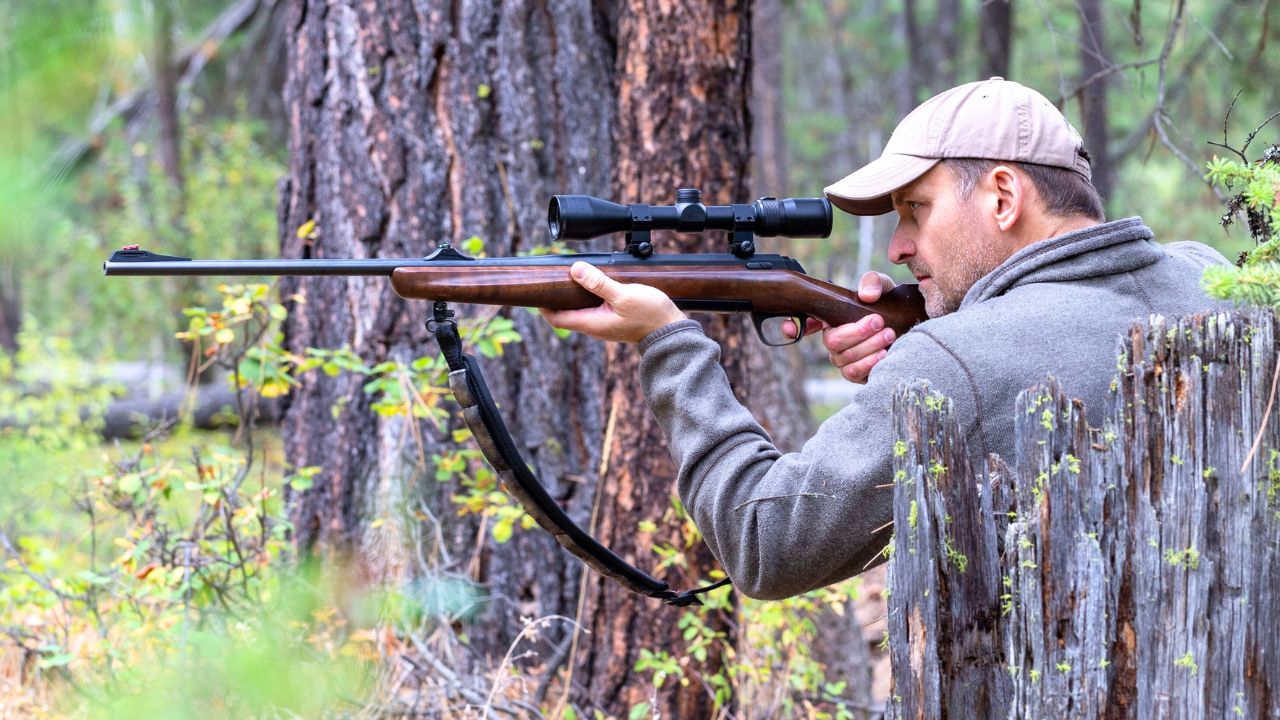
Photo credit: Alexey Spehalski/Shutterstock.com
A rifle that won’t stay zeroed is worse than leaving your tag in the truck—it ruins your hunt before it begins. Long hikes, bumpy rides, sudden weather swings, and wet brush put rifles to the test. Some models simply don’t hold up once the conditions turn rough. Weak bedding, flimsy stocks, or hardware that shakes loose can all send your point of impact wandering. These rifles have built a reputation for letting hunters down right when steady accuracy matters most.
Remington Model 710

The Remington 710 was supposed to be a budget-friendly hunting rifle, but its weak design quickly showed in the field. The injection-molded stock flexed far too easily, and the factory scope mounts were prone to loosening after a few bumps.
Hunters who carried them into rough terrain often ended up re-checking zero every trip. The rifle could shoot decent groups from a bench, but once it was exposed to the abuse of a hard season, consistency went out the window.
Browning A-Bolt III
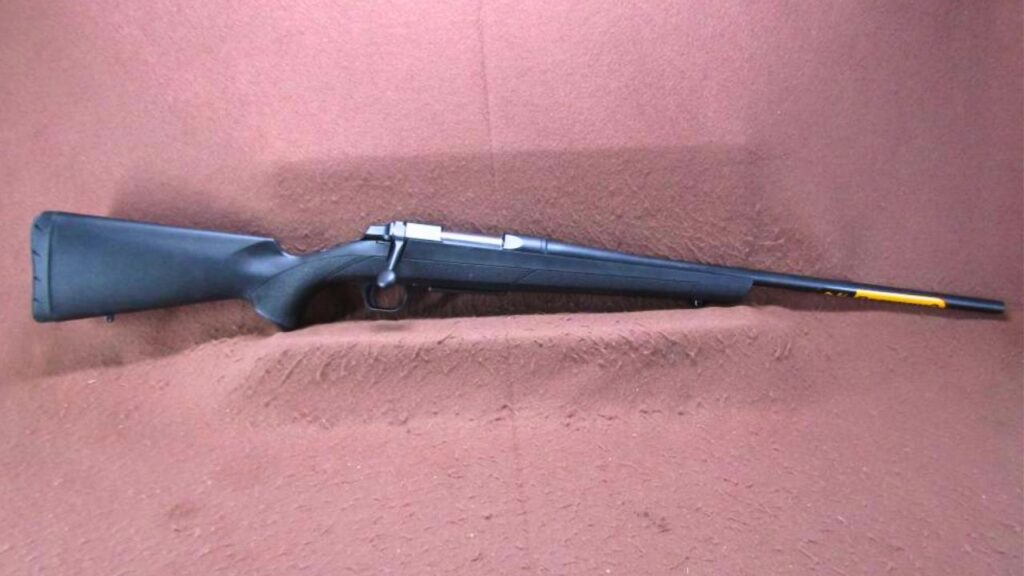
The A-Bolt III was marketed as an affordable way into the Browning name, but hunters noticed issues in real-world use. Its stock lacked rigidity, and in rough weather, the forend often pressed against the barrel, throwing accuracy off.
After a bumpy ride in the truck or a wet morning trek through brush, many users reported noticeable shifts in zero. While still serviceable with upgrades, the factory configuration struggled to hold point of impact under demanding field conditions.
Thompson/Center Venture

The T/C Venture gained attention for its initial accuracy, but durability was another story. The bedding system wasn’t secure enough to keep the action steady once exposed to heavy recoil or rough handling.
Hunters using it in rugged terrain often saw groups open up after a long day. It was a rifle that could perform on calm range days, but extended use in the field exposed the shortcomings in its construction.
Remington Sportsman 78
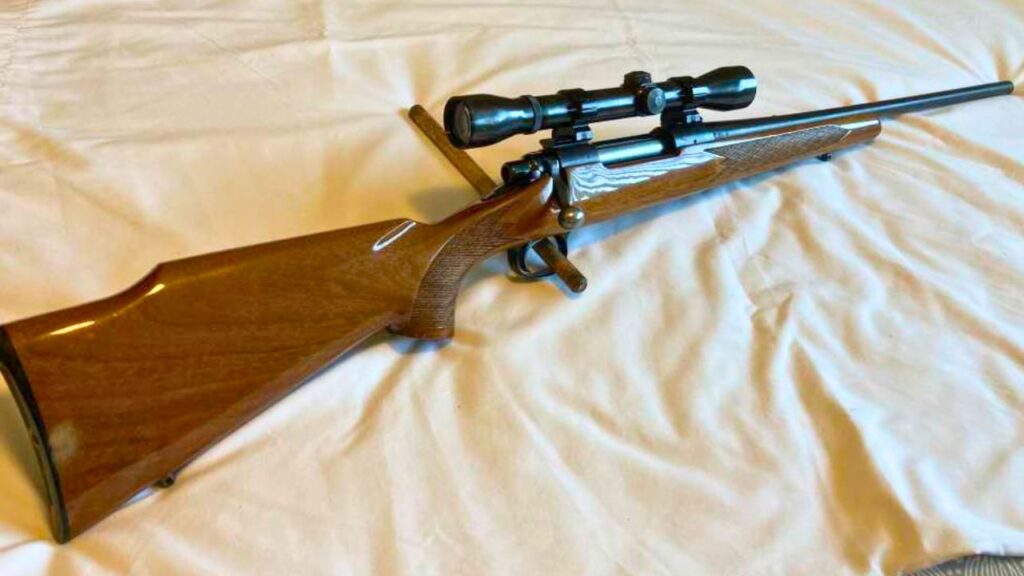
The Sportsman 78 was a stripped-down variant of the classic 700, but cutting corners hurt its reliability. The cheaper stock and weaker bedding setup often caused accuracy shifts under pressure.
Hunters who took it through rain, mud, and hard knocks in camp noticed that it wouldn’t hold zero consistently. While it shared DNA with a proven action, the cost-cutting measures made it a rifle that struggled in real hunting conditions.
Savage Model 111 (pre-AccuStock)

Older Savage 111 rifles without AccuStock support were known to suffer from stock flex. When carried in a scabbard or bounced around in a truck, the stock could press against the barrel and cause the point of impact to wander.
Hunters found themselves constantly re-zeroing or compensating for unpredictable shifts. While later versions improved dramatically, those early rifles didn’t inspire much confidence once conditions got tough.
Ruger M77 Mark II (synthetic stock versions)
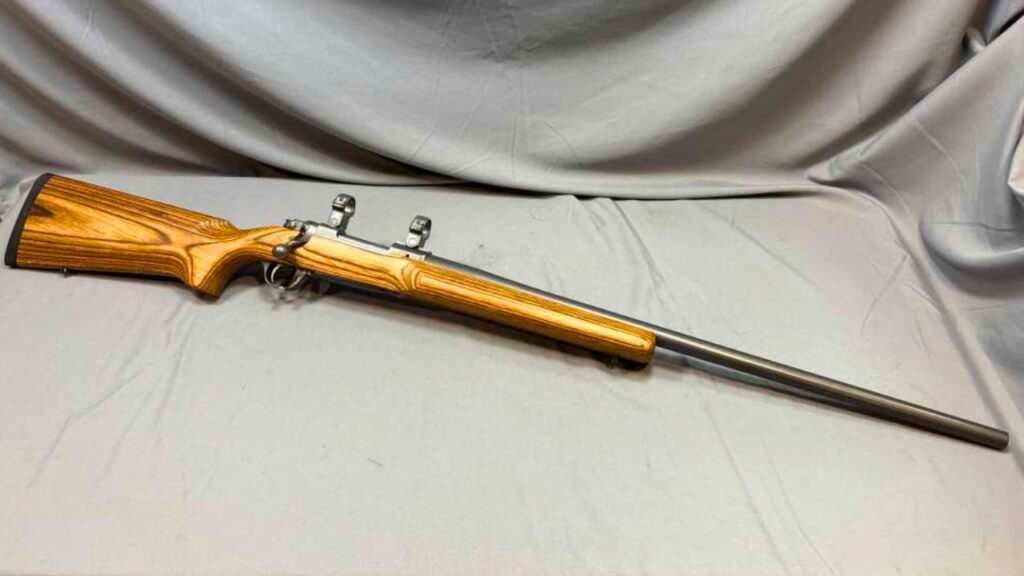
The M77 action was tough, but synthetic-stock versions of the Mark II often showed weaknesses in harsh hunts. The plastic stocks weren’t reinforced well, leading to flex that changed barrel harmonics.
After trekking through cold mornings or hauling them in ATV racks, hunters frequently saw shifts in zero. The rifle had loyal fans, but many ended up upgrading the stock to fix the wandering accuracy.
Winchester XPR (early production runs)

The Winchester XPR had promise but suffered growing pains in its early runs. Weak bedding and a lightweight stock caused problems during rough hunts.
Hunters noticed the rifle could lose its zero after long treks or when shot in extreme temperature swings. While later models have improved, the reputation of the early XPR as a “re-zero after every hunt” rifle lingers.
Marlin MR-7
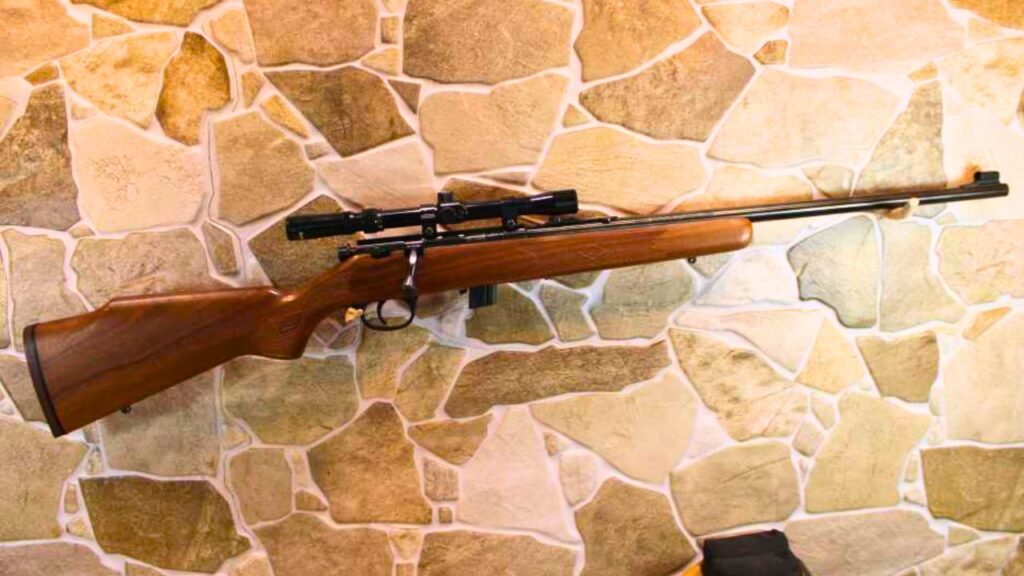
The Marlin MR-7 never gained a big following, and part of that was its inconsistency in the field. Despite borrowing design cues from the Remington 700, its stock and bedding system weren’t up to the same standard.
Once exposed to bumpy rides and heavy recoil, the rifle often developed accuracy issues. Hunters who gave it a chance often found themselves moving back to more stable options.
Ruger Hawkeye All-Weather (with factory rings)

The Hawkeye is a strong rifle overall, but the factory rings on the All-Weather models have been criticized for loosening in the field. Rough rides, heavy calibers, and sudden temperature swings made it a problem for some hunters.
Instead of the action or barrel causing issues, it was the scope setup that betrayed the rifle. Many ended up swapping to sturdier aftermarket rings to solve the problem, but those who didn’t found themselves chasing their zero after every tough hunt.
Remington 742 Woodsmaster Carbine

The 742 Carbine version was popular for deer hunters, but semi-auto recoil and action wear made it tough to keep zero over time. In rough hunts, this tendency only got worse.
Hunters noticed their groups wandering more and more with extended use, particularly when combined with knocks and bumps in the field. Add in its reputation for mechanical issues, and it became a rifle hunters often retired early.
*This article was developed with AI-powered tools and has been carefully reviewed by our editors.