Photo credit: Chris Parkin Shooting Sports/YouTube
Some rifles turn a normal range day into an ammo identity crisis. One box prints tidy groups, the next box sprays, and you start wondering if you bought a bad lot or picked the wrong bullet weight. Sometimes that’s real—factory ammo can vary, and certain bullets behave better at a given velocity window.
More often, the rifle is reacting to consistency more than “quality.” Light sporter barrels warm up fast. Flexible stocks change pressure depending on how you rest the rifle. Action screw tension, magazine fit, and fouling can all shift impact enough to make every new box of ammo look suspicious. If you’ve ever packed three brands to the bench because you don’t trust what the rifle will do, these are the types of rifles that can put you in that headspace.
Howa 1500

A Howa 1500 action is usually a steady foundation, but the common Hogue stock can make your groups look like an ammo problem. If the fore-end flexes and touches the barrel differently depending on how you rest it, point of impact can wander between loads and between shooting positions.
You’ll see it most when you switch from bags to a bipod, or when you start loading the bipod harder as the day goes on. One ammo brand “likes” the rifle, then it doesn’t. Keep your rest consistent, let the barrel cool, and pay attention to action screw torque. When the stock pressure stays the same, the rifle often stops playing games and your ammo testing starts making sense again.
Weatherby Vanguard Series 2 Synthetic

The Vanguard tends to feel smooth and solid, yet it can still make you question ammo if you’re chasing small groups with hunting-weight barrels. A light-to-medium contour warms quickly, and different loads can shift impact as that barrel temperature climbs.
Some chamberings also have generous throat dimensions compared to tight target setups, which can make bullet choice matter more than you expect. That doesn’t mean the rifle is “bad,” it means it reacts more noticeably when you jump between bullet styles and velocities. If you want sanity, pick one load type and confirm it across multiple trips with the same pace and the same rest. When you treat it like a hunting rifle with a repeatable routine, it usually behaves.
CZ 600 Alpha

The CZ 600 Alpha is modern and handy, and it can shoot very well, but it can also feel ammo-sensitive when you’re swapping loads constantly. The polymer stock and how the action is seated can react to torque and pressure changes, especially if you’re shooting off a hard front rest or loading a bipod.
You’ll notice it when one load prints a tight cluster and the next one strings vertically, even though both are decent factory ammo. The rifle may also show preferences for certain bullet lengths, which can change how it jumps into the rifling. Keep your support consistent, confirm your action screw tension, and slow your cadence. When the rifle isn’t being pushed and pulled in different ways, the “ammo mystery” usually fades.
Mauser M18
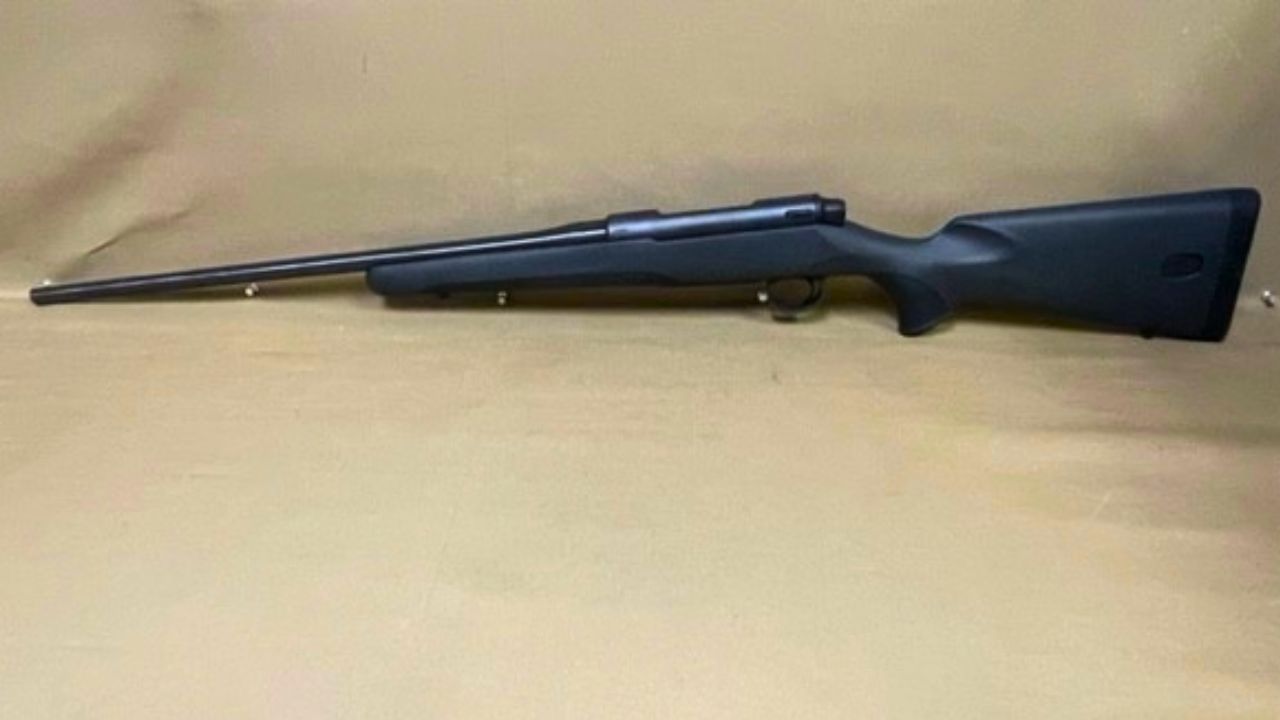
The Mauser M18 is a capable field rifle, but it can make ammo testing feel like roulette if you aren’t careful about consistency. The lightweight stock can transmit different pressures into the action depending on how you grip it, how you rest it, and how firmly you pull it into your shoulder.
That’s where you start blaming ammo: one brand looks great, another looks scattered, then the “good” brand looks scattered on a different day. Often you’re seeing changes in recoil behavior and stock pressure, not a sudden decline in ammo quality. Shoot it with the same shoulder pressure every time, keep the front rest under the same spot on the fore-end, and avoid long strings that heat the barrel. The rifle usually settles into a pattern you can trust.
Sauer 100

A Sauer 100 often feels refined, and that can raise your expectations. Then you shoot three different factory loads and none of them overlap, and it feels like the rifle is picky. A lot of Sauer 100 hunting configurations wear sporter barrels that heat fast, and fast heat can exaggerate differences between loads.
If you’re switching between bonded bullets, cup-and-core soft points, and match-style HPBTs, you’re also changing how the bullet engages the bore and how the rifle recoils. That can show up as group shape changes that look like “ammo issues.” Slow the pace, keep the barrel cooling between groups, and focus on a steady trigger press. When you remove heat and shooter input from the equation, the rifle’s true preference usually shows up clearly.
Franchi Momentum

The Franchi Momentum can be a great carry rifle, but it can also make you question ammo when you’re trying to wring out bench accuracy. Light rifles tend to punish inconsistency. A small change in grip pressure or shoulder pressure can move impacts enough to make two similar loads look wildly different.
You’ll also see bigger point-of-impact shifts when you jump bullet weights, especially if you’re testing on a windy day or shooting longer strings. The rifle isn’t “inconsistent,” it’s responsive to variables. Keep your technique tight and your cadence slow, and confirm results with at least two groups per load on different days. That routine saves you from chasing phantom conclusions based on one hot barrel and one five-shot group.
CVA Cascade

The CVA Cascade has earned a lot of fans, and it can shoot, but it can still give you that ammo doubt when you’re swapping boxes every trip. With a hunting-weight barrel, heat and fouling can change what the rifle wants, especially if you shoot a couple groups back-to-back and then switch loads.
Many shooters will see the first group look strong, then groups open as the barrel warms and copper builds. That can trick you into thinking one load is “bad” when you’re really seeing the rifle’s temperature and fouling curve. Let the rifle cool, clean on a consistent schedule, and shoot each load in the same conditions. When the barrel is in the same state each time, your results become repeatable and your ammo choices stop feeling like guesses.
Browning AB3 Stalker

The AB3 Stalker is built to hunt, not to live on a bench, and that matters when you’re doing ammo comparisons. The rifle can be sensitive to how you rest it, and it can show point-of-impact changes that look tied to ammo brand when they’re tied to support pressure and recoil management.
If you clamp down hard on one group and shoot relaxed on the next, you’ll see it on the target. If you switch between hot hunting loads and softer practice loads, you’ll also see meaningful impact shifts. That’s normal behavior in a lighter hunting rifle, but it can make you doubt your ammo choice every trip. Keep your hold consistent, keep your rest position consistent, and confirm with a second session before you write off a load.
SIG Cross

The SIG Cross is handy and travel-friendly, and it can also be the kind of rifle that makes you rethink ammo because everything is lightweight and responsive. Barrel length and contour, muzzle devices, and how you interface with the chassis can all change how a given load prints.
If you’re shooting with a sling one trip, a bipod the next, and bags after that, you’re changing the rifle’s behavior more than you realize. The Cross can also show bigger differences between bullet weights because the recoil impulse feels different in a light platform. That doesn’t mean the ammo is failing you, it means the system is sensitive. Lock in one shooting method, shoot slow, and track results across sessions. Once you do, the rifle’s real preference shows up.
Sako S20 Hunter

The Sako S20 feels like a serious rifle, but it can still make you question ammo when you’re chasing tiny groups with factory loads. The modular stock setup and how you rest the rifle can change recoil dynamics, and recoil dynamics change group shape more than most shooters want to admit.
You’ll often see loads print to different points of impact, especially when you mix bullet construction and velocity. That’s not unusual, but it can feel frustrating when the rifle feels “high-end” in your hands. Keep your rear support consistent, stay disciplined with trigger press, and avoid long strings that warm the barrel. If you’re evaluating ammo, you’re evaluating the entire system—rifle, rest, and you. When those inputs stay stable, the S20 tends to show a clear winner.
Thompson/Center Compass II

The Compass II can be a solid budget rifle, yet it’s also a rifle that can convince you your ammo is the issue. A lighter stock and hunting-weight barrel amplify small inconsistencies, and that shows up as groups that change shape from trip to trip.
If your action screw tension drifts, or if you rest the fore-end in a different spot, the rifle can shift enough to make two similar loads look unrelated. You’ll also see larger differences when the barrel warms, because budget sporter barrels get hot quickly. The fix is repeatability: same rest, same shoulder pressure, same pace, and a cooling routine. When you treat it like a controlled test instead of a casual range day, the Compass II usually stops making you chase ammo ghosts.
Zastava M70 (bolt-action)

The Zastava M70 is a controlled-round-feed bolt gun with old-school roots, and it can be a great hunting rifle. It can also make you question ammo when you bounce between bullet shapes. Some rifles feed and chamber certain ogive profiles more smoothly than others, and that can affect how consistently the round seats and how you run the bolt.
If you’re switching between long, sleek bullets and blunt soft points, you may notice changes in feel, and that can turn into doubt when groups shift too. Add a sporter barrel and typical hunting setup, and heat can pile on top of that. The best approach is to pick one bullet style that chambers smoothly, then test within that lane. When the rifle likes the profile and you run the bolt the same way every time, results stabilize.
Steyr Scout

The Steyr Scout is built for field carry and practical use, and it can make ammo testing feel tricky because it isn’t a bench-oriented platform. The light weight, short barrel, and the way you tend to shoot it—often off improvised support—can all exaggerate differences between loads.
If you shoot one group off bags, the next off the built-in bipod, and the next off a pack, you’ll get three different stories and you’ll blame ammo. The Scout also rewards a consistent hold. A light rifle that moves more under recoil will punish any change in shoulder pressure or grip tension. Keep your setup consistent and shoot slow. When you treat it like a field rifle and test ammo with field-realistic expectations, it becomes easier to trust what you’re seeing.
Ruger Hawkeye

The Hawkeye has a loyal following, but it can still make you doubt ammo when you’re trying to turn it into a group-printing machine. Many Hawkeye setups are classic hunting rifles: sporter barrels, hunting stocks, and recoil that feels different across loads.
If you alternate between soft practice ammo and hotter hunting loads, you’ll often see clear point-of-impact differences. That’s normal, yet it can feel like the rifle is picky. Bedding fit and screw tension also matter, especially if the rifle sees temperature swings and gets hauled around. Keep torque consistent, rest it the same way, and evaluate loads across more than one session. When you do, the Hawkeye usually reveals a load it shoots consistently, and the “ammo doubt” stops being the headline.
Remington 783

The 783 can surprise you in a good way, but it can also make you question ammo when you’re chasing consistency. Budget rifles often live and die by how consistent the stock-to-action fit is, and small shifts can show up as wandering groups that look like ammo changes.
You’ll see it when the first group of the day looks decent and later groups open up, or when a load that shot well last month looks average today. Heat, rest pressure, and torque all stack up. The 783 can shoot, but it wants repeatable conditions. If you’re serious about sorting ammo, keep the barrel cool, clean on a routine, and shoot each load in the same order each trip. That approach turns “picky rifle” into “repeatable rifle.”
Springfield 2020 Waypoint

The Waypoint feels premium, and it often shoots like it, but it can still make you second-guess ammo if you shoot it like a bargain sporter. Lightweight hunting rifles—especially those built to carry all day—heat faster than heavier rigs, and heat can make different loads look more different than they really are.
If you’re firing quick five-shot strings and swapping ammo every group, you’re creating conditions where velocity spreads, barrel temperature, and recoil impulse all change at once. That’s a recipe for doubt. The Waypoint tends to reward a slower cadence, a clean trigger press, and a consistent barrel state. Shoot three-shot groups with cooling time, track your results across two sessions, and you’ll usually find it isn’t “picky”—it’s honest about your testing method.
Like The Avid Outdoorsman’s content? Subscribe to our newsletter so you never miss an article.
Here’s more from us: