Photo credit: NRApubs/YouTube
Some guns sat in plain sight for years because buyers convinced themselves the low prices were permanent. They were too common, too plain, too old, or too unfashionable to feel urgent. That is usually how people get caught flat-footed. A gun looks like something you can always buy later, right up until later gets expensive and the rack starts looking a lot emptier than it used to.
That is what happened with these. They were the guns people treated like background inventory until the market reminded them that “cheap forever” is one of the dumbest assumptions a buyer can make.
SKS

For a long time, the SKS felt like the perfect example of a rifle that would never get expensive. They were everywhere, they were affordable, and plenty of buyers treated them like the sort of gun you grabbed only after buying all the “better” surplus rifles first. That attitude held for a while because the supply seemed endless.
Then the supply stopped feeling endless. The SKS suddenly looked a lot smarter once buyers realized how handy, durable, and genuinely useful it is as a simple semiauto carbine. A rifle that once felt like a cheap extra started looking like one of the more obvious missed chances in the surplus world.
Mosin-Nagant M91/30

The Mosin-Nagant M91/30 used to be the rifle people joked about buying by the crate. That reputation did it no favors in the long run. Buyers got used to seeing them stacked deep at prices that made the rifle feel almost disposable, which led a lot of people to assume they would always be there whenever the mood struck.
That mood got expensive. Once clean rifles stopped showing up so casually, buyers started seeing them less as the cheapest surplus option and more as a real piece of military rifle history with lasting appeal. The old Mosin never became elegant, but it definitely stopped being cheap in the easy way people expected.
Ruger P89

The Ruger P89 always looked too chunky and too unglamorous to become a regret gun. Buyers respected the durability, but a lot of them still acted like these pistols would always be cheap because they were too plain to become desirable. That was a lazy read of the market and of the gun itself.
Over time, people got more honest about what the P89 really offered: a tough, dependable, old-school 9mm that holds up far better than many prettier pistols from the same era. Once buyers started treating older metal and alloy service pistols more seriously, the days of bargain-bin P89s started fading out.
Marlin 1894C
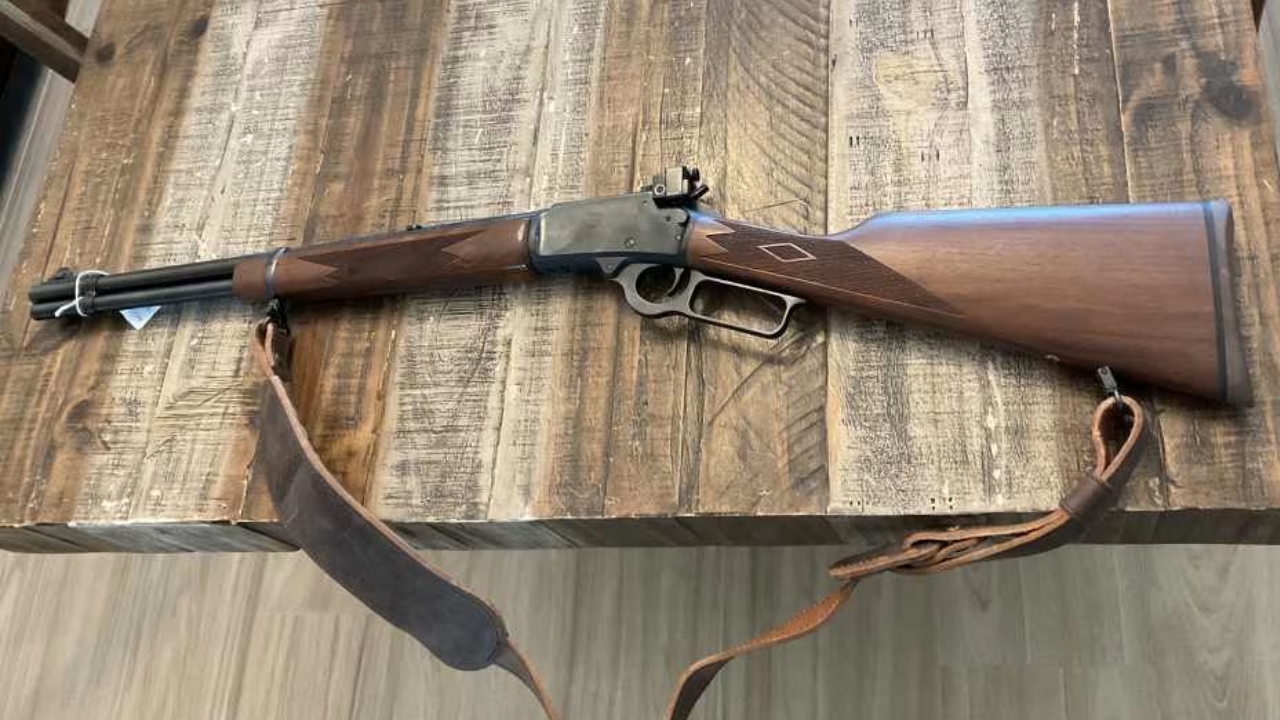
For years, the Marlin 1894C looked like one of those fun little carbines buyers could safely postpone. It was not the biggest lever gun, not the most romantic old western chambering, and not the rifle people felt pressured to buy immediately. That made it easy to leave behind while shopping for something “more important.”
Then pistol-caliber carbines got hotter, lever guns got scarcer, and the little Marlin started looking much smarter. Buyers who once treated it like a side purchase suddenly realized they had been staring at one of the handiest and most enjoyable lever guns on the shelf while the prices were still reasonable.
Smith & Wesson 5906

The Smith & Wesson 5906 spent years in the police-trade-in lane where buyers assumed the price floor would never move. It was heavy, stainless, and common enough that people started seeing it as permanent cheap inventory rather than as a well-built service pistol worth grabbing while the getting was good.
That changed once the market started rewarding all-metal duty pistols again. The 5906 now looks a lot better to buyers who want something substantial, durable, and deeply proven. A pistol people once treated like a cheap old duty gun now often feels like the kind of gun they should have bought two or three of when they had the chance.
Savage 99

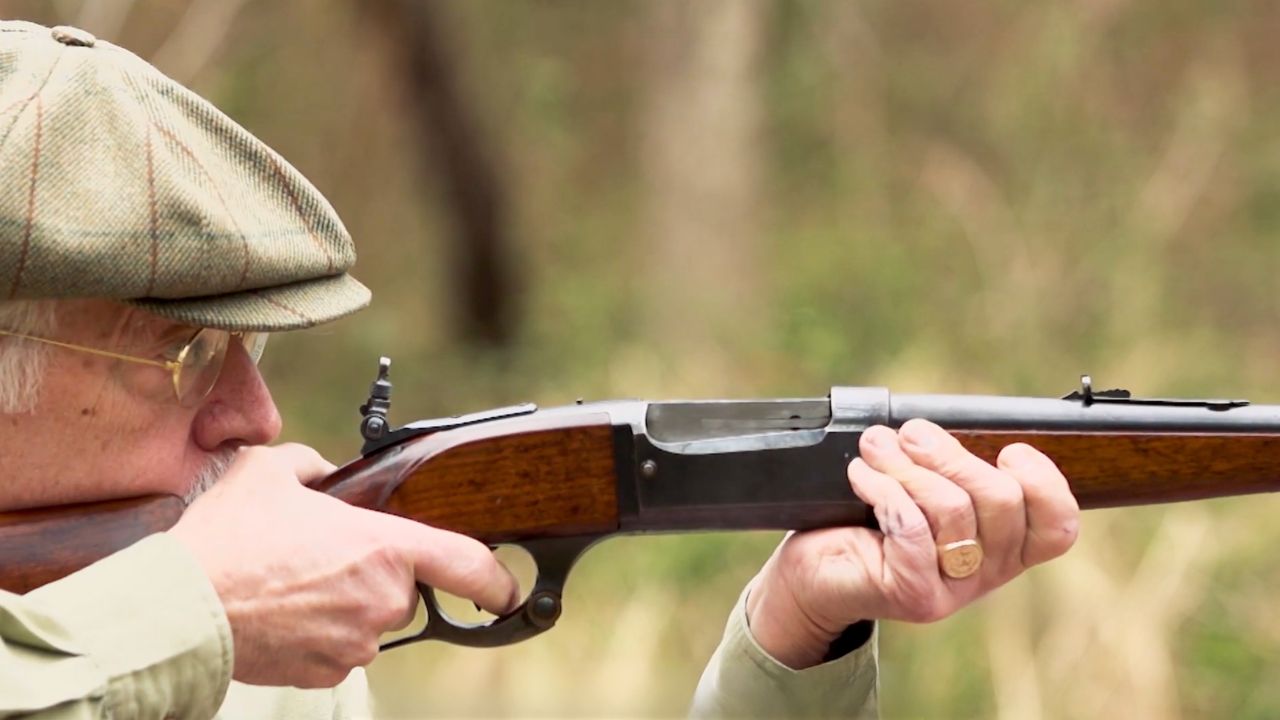
There was a time when plenty of Savage 99 rifles still sat in shops at prices that made buyers feel no urgency at all. They were respected, sure, but often in a calm, polite way that suggested there would always be another one around later. That relaxed attitude led to a lot of missed opportunities.
Then buyers remembered how good the 99 actually is in the field. Trim handling, real hunting utility, and a distinct identity helped push it out of the “cheap old deer rifle” category and into the “why didn’t I buy that?” category. Once the broader market caught on, prices did exactly what they always do.
CZ 82

The CZ 82 looked like surplus, and surplus often tricks buyers into thinking the bargain will last forever. These pistols were all-steel, comfortable in the hand, and far more refined than many buyers expected, but because they arrived through the surplus pipeline, people assumed they had unlimited time to circle back later.
That is not how it worked out. Once shooters spent more time with them, the quality became obvious and the easy supply stopped feeling so easy. The CZ 82 aged into one of those pistols people started recommending much harder only after the cheap and plentiful phase had already passed.
Winchester 94 Angle Eject

A lot of buyers spent years acting like the Angle Eject version of the Winchester 94 was the less romantic one, which helped keep urgency low. If they were going to buy a 94, many assumed they would eventually hold out for some more classic variation. That thinking kept plenty of very practical rifles sitting on racks a little too long.
Then lever-gun prices started running and buyers realized the Angle Eject rifles were still handy, useful Winchesters that had been unfairly talked down. A lot of hunters came around too late and discovered the version they once treated as “good enough for later” had become much less forgiving on the wallet.
Beretta 84FS Cheetah

The Beretta 84FS spent years looking like one of those classy little pistols that would always stay affordable because it lived in the compact .380 lane. Buyers liked them, but many still treated them like optional luxuries instead of guns worth prioritizing while prices were still soft.
Then people started appreciating older metal-frame compact pistols a lot more. The 84FS suddenly looked like a beautifully made, very shootable handgun instead of a stylish little extra. Once that shift happened, the cheap-and-casual Beretta Cheetah days dried up a lot faster than many buyers expected.
Remington 7600

The Remington 7600 always suffered a little from being too practical to seem urgent. It was a pump deer rifle, a woods gun, the kind of tool many hunters assumed would always be available because it was never wrapped in much glamour. That confidence kept people from moving quickly when they saw clean ones.
Now a lot of those same hunters wish they had bought sooner. The 7600 makes a lot more sense once buyers start valuing fast handling, brush-country practicality, and the kind of hunting rifle that still works beautifully in the kind of terrain many people actually hunt. Plain rifles often get expensive only after people remember why plain worked so well.
Smith & Wesson Model 10

The Model 10 lived for years as the revolver everybody respected and almost nobody hurried toward. It was so common for so long that buyers started assuming it would always stay cheap. After all, it was “just” an old service revolver, and old service revolvers were not supposed to become a problem for the budget-conscious buyer.
That was a mistake. Once shooters started valuing classic K-frames more seriously, the Model 10 stopped feeling like the endlessly cheap revolver in the corner. Buyers realized too late that a simple, well-balanced, iconic revolver from Smith & Wesson was never going to stay underappreciated forever.
Romanian AK variants

Romanian AK rifles used to live in that category of guns people bought only after acting like they were too rough, too basic, or too “entry level” to matter much. They were the practical AKs, not the aspirational ones, and that kept plenty of buyers from taking them seriously when prices were still soft.
Then the broader AK market changed. Suddenly the same rifles people once mocked for looking too ordinary became the ones they wished they had picked up by the pair. Buyers learned the usual lesson: a gun does not need to be glamorous to become expensive. It just needs to stop being easy to replace.
Browning Buck Mark

The Buck Mark used to be “just” a really nice .22 pistol to a lot of buyers, which is exactly how good rimfires get undervalued. People liked them, but many still assumed quality rimfire pistols would always be affordable enough to revisit later. That kind of thinking worked for a while, until it did not.
As more shooters started taking quality .22 handguns seriously again, the Buck Mark stopped looking like background inventory and started looking like one of the stronger rimfire buys people should have moved on earlier. A really good .22 never stays cheap once buyers remember how much they actually use it.
Ruger Mini-14

There was a long stretch where the Ruger Mini-14 felt too common and too imperfect to ever become expensive enough to sting. Buyers who wanted one figured they would always find another later, and buyers who did not want one yet assumed they had all the time in the world to change their minds. That made the rifle feel permanently casual.
That ended once the broader market tightened and people remembered the value of a handy, practical semiauto rifle with real field and ranch use behind it. Minis that once felt easy to ignore started looking much harder to replace without paying real money, and a lot of buyers suddenly wished they had acted earlier.
Colt Mustang

The Colt Mustang is another pistol buyers often assumed would stay reasonably priced because it lived in that “small carry gun” category many people used to underrate. It was neat, sure, but also easy to treat like something you could always grab later if you ever felt like adding a small Colt to the safe.
Later got more expensive. Once buyers started taking compact metal carry pistols more seriously, the Mustang stopped feeling like a casual side purchase and started feeling like one of those handguns people should have bought while the market was still acting sleepy. A lot of buyers learned that lesson after the easy prices were already gone.
Like The Avid Outdoorsman’s content? Be sure to follow us.
Here’s more from us: