Photo credit: Alabama Arsenal/YouTube
Some guns earn their following the hard way. They prove themselves in real use, build loyalty one owner at a time, and end up with the kind of reputation money cannot buy. That is the good version of a cult following. The bad version starts later. That is when the gun keeps getting praised long after the company stops pushing it forward, long after the competition improves, or long after the old strengths stop being enough to carry the whole pitch.
That is when coasting begins. The brand leans on nostalgia, old internet wisdom, or a fiercely loyal owner base that keeps repeating the same praise out of habit. The gun may not be worthless. Some of these still have real strengths. But a lot of them live on momentum more than honest current performance. Here are 15 guns that built cult followings and then started coasting on them.
Springfield XD

The XD built a real following because it landed at the right time. It gave buyers a serious polymer pistol that felt different from Glock without looking too weird to trust. For a lot of shooters, it was the pistol that proved there were real alternatives to the default answer, and that created a lot of long-term loyalty.
The problem is that the market kept moving while the XD’s reputation tried to freeze in place. Better triggers, better optics-ready options, and better overall refinement started showing up everywhere, yet the XD kept getting praised like it was still a major front-runner. These days, a lot of the love feels inherited rather than freshly earned.
Mini-14

The Mini-14 built its following on being the anti-AR before that became a whole personality type. It looked more traditional, felt handier to certain buyers, and gave people a semiauto rifle that did not scream black-rifle culture. That made it very easy to get attached to, especially for ranch, truck, and casual field use.
Then the platform started living harder on vibe than progress. Older accuracy complaints never fully disappeared from the conversation, and the rifle’s appeal stayed heavily tied to what it was not rather than what it clearly did better. Plenty of owners still love them, but a lot of that loyalty feels more emotional than brutally honest.
1911 platform from certain mid-tier makers
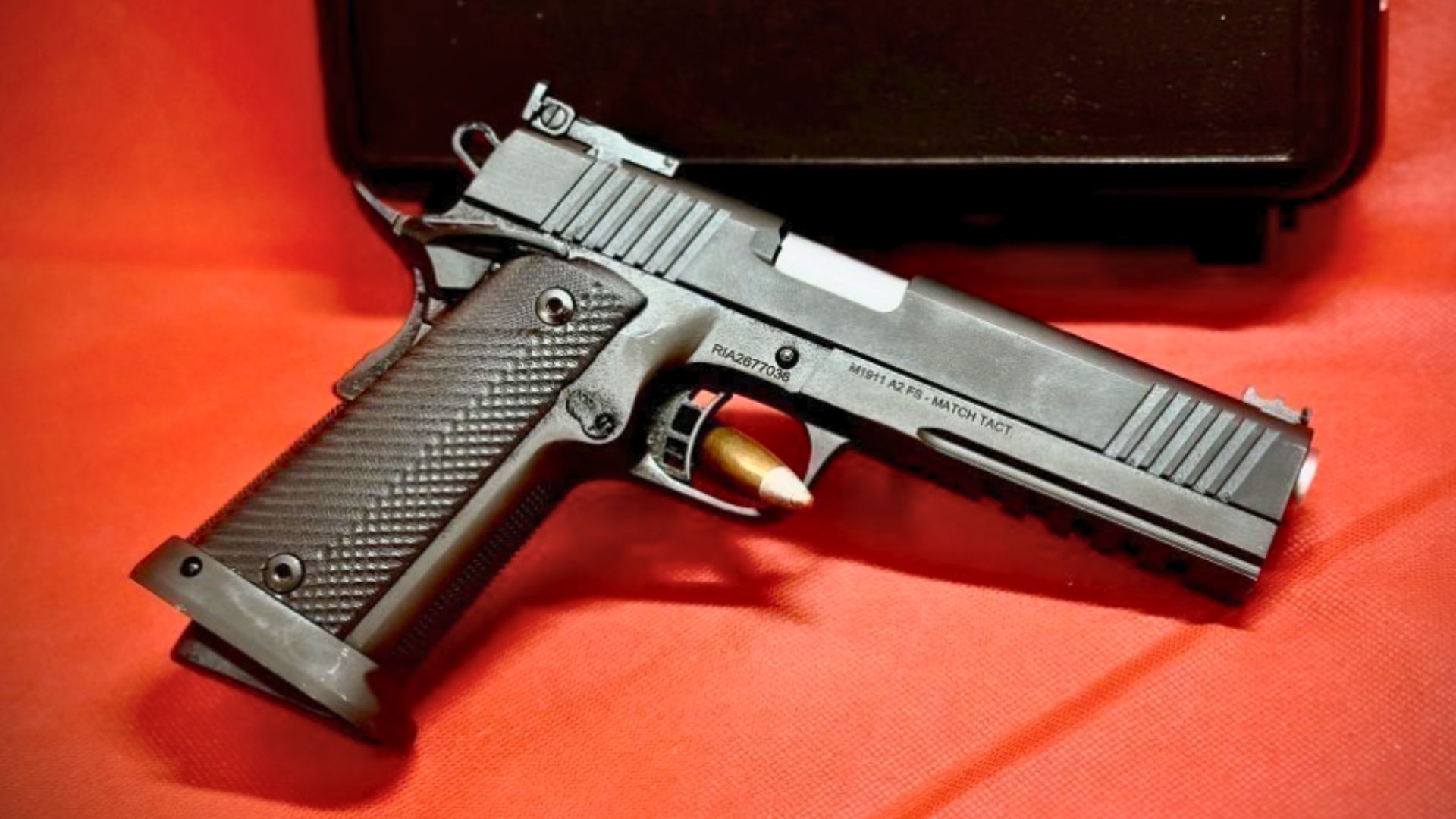
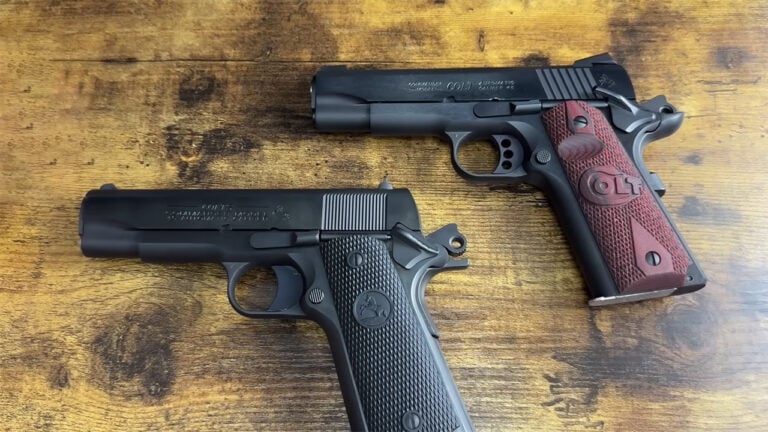
The 1911 has one of the deepest cult followings in gun culture, and some brands built entire identities around that devotion. For years, buyers treated certain mid-tier 1911 makers like automatic smart buys because the guns looked right, felt right in the hand, and carried the right kind of old-school seriousness.
Then the coasting began. Some companies kept leaning on the 1911 mystique while buyers did more of the defending than the gun did. The trigger and styling still won people over, but the actual value, consistency, and competition around the platform got harder to ignore. A lot of these pistols are still bought on old loyalty first and current honesty second.
Taurus Judge

The Judge built a cult following because it sounded unlike anything else. The whole .410/.45 Colt concept hit buyers right in the imagination, and once enough people bought into the story, the gun developed a whole identity beyond its actual performance. It was not just a revolver. It was the revolver that did something weird and dramatic.
After that, it barely needed to improve. The cult was already built. Taurus could keep selling the idea because the owners and fans were already doing half the work. That is exactly what coasting looks like. The platform has always been more about what people say it can do than what it consistently does better than simpler handguns.
KelTec Sub-2000

The Sub-2000 earned its following honestly at first because it really was a clever gun. Folding design, magazine compatibility, and a very practical on-paper footprint made it feel like one of those rifles smart buyers would appreciate before everyone else caught on. That kind of design naturally attracts loyalists.
But once the concept became the whole identity, the rifle started coasting on that cleverness. Owners kept praising what it represented even when the actual feel, ergonomics, and long-term shooting experience were less impressive than the idea. It is still one of the best examples of a gun whose fan base stayed more excited than the product itself.
Mossberg Shockwave

The Shockwave built a huge following because it looked like a loophole with attitude. Buyers loved the compact size, the weird legal category, and the simple fact that it felt disruptive. Once that wave hit, the gun became more of a movement than a tool. Everybody knew what it was, and plenty of people wanted one just to be part of the moment.
That kind of fame let it coast hard. After the initial rush, the conversation shifted from “this is amazing” to “you just have to understand what it is.” That is usually the first sign a gun is living on cult energy more than real sustained usefulness.
Chiappa Rhino
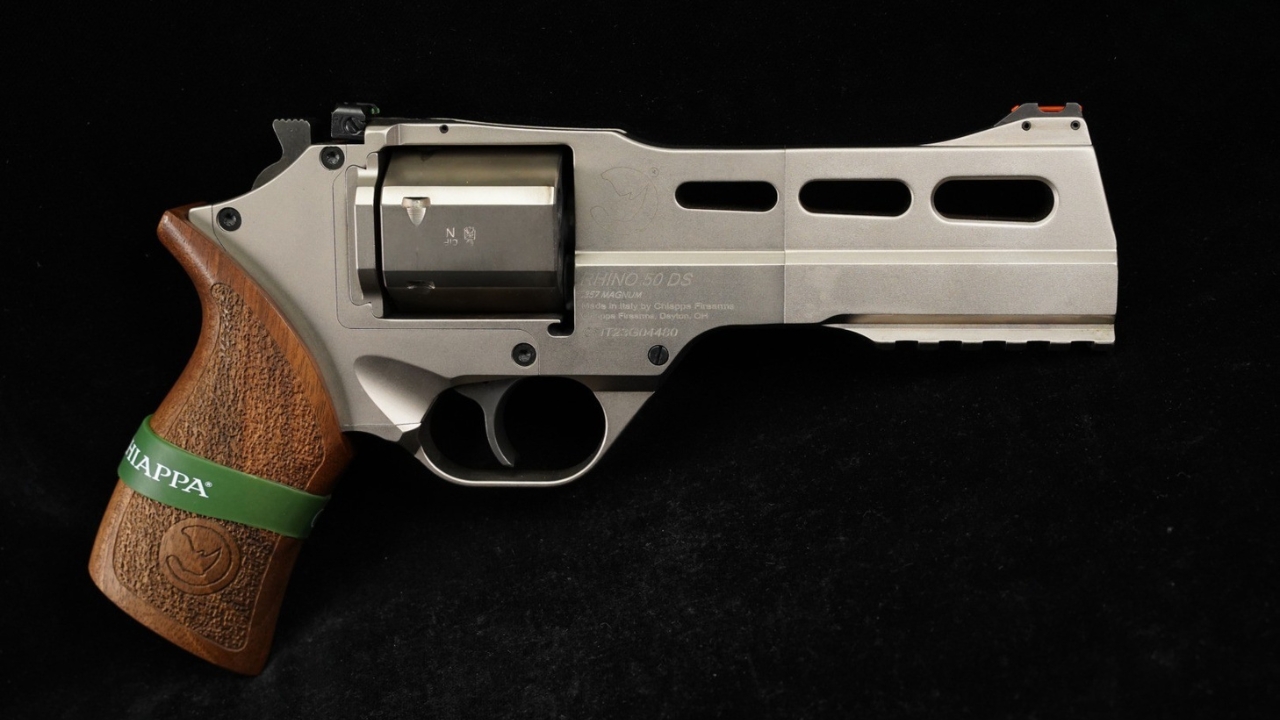
The Rhino built its following because it looked like the revolver for people who thought ordinary revolvers were beneath them. The low bore axis, odd shape, and whole “rethought wheelgun” idea gave it instant cult appeal. It felt engineered for shooters who wanted to believe they had discovered the smarter answer.
That following has carried the gun a long way. Maybe farther than the actual ownership experience always deserves. Some people genuinely love them, but the platform now leans heavily on identity and design story. Once that happens, the gun can start coasting on how different it feels to own one rather than how universally strong it is in use.
Desert Eagle

The Desert Eagle built one of the strongest cult followings in firearms, period. It is iconic, oversized, and tied to enough movie and game history that people often want one before they have any real reason to own one. That alone gave it a following most handguns could never dream of.
It has been coasting on that for years. The gun no longer needs to justify itself as a practical choice, because the cult already decided practicality was beside the point. That does not make it bad at being what it is. It makes it one of the clearest examples of a gun whose reputation can run forever without needing much real-world defense.
CZ Scorpion

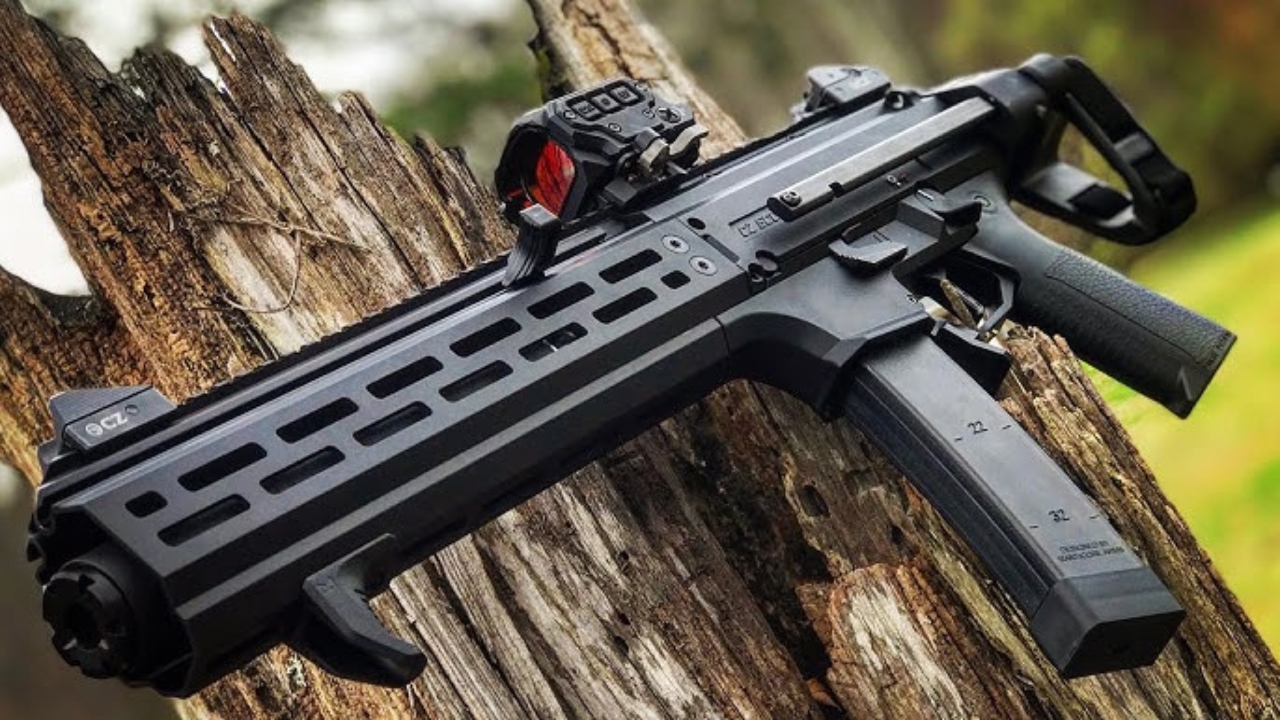
The Scorpion built a following because it arrived as a practical, affordable, highly modifiable pistol-caliber gun that people could really make their own. The aftermarket exploded, the fan base got loud, and the platform quickly became one of those guns people recommended with near-religious enthusiasm.
Then the competition improved, and the Scorpion’s rougher edges became harder to hide. The trigger, controls, and overall feel were always more tolerated than loved, but the cult following helped cover that. At a certain point the platform stopped feeling like the clear answer and started feeling like the gun people kept praising because they were already invested in the ecosystem.
Glock 26
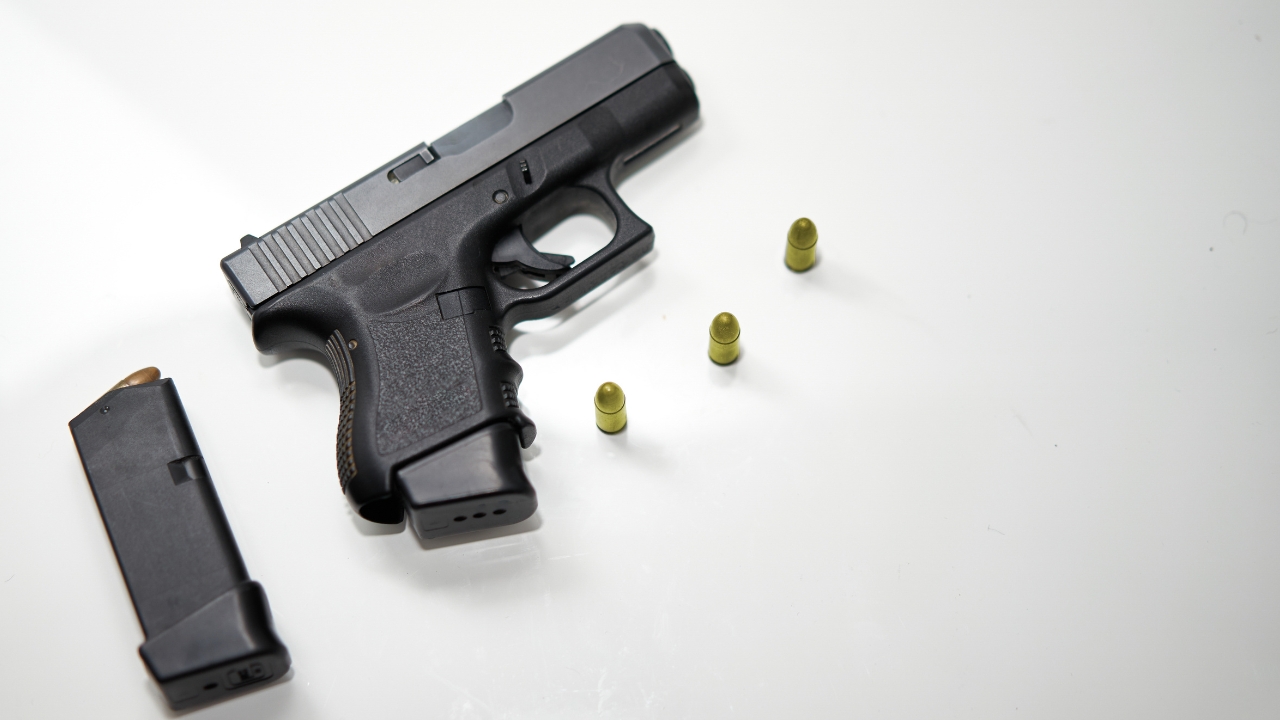
The Glock 26 built its following during a time when subcompact carry looked very different. It was the dependable little Glock, and that was enough. People trusted it, trained with it, and built a whole little world around the idea that this was the no-excuses carry gun if you wanted serious reliability in a compact format.
Then the market changed. Slimmer, higher-capacity guns took over the space, yet the 26 cult kept talking like nothing important had happened. That is how coasting works. A gun that was once genuinely leading the category keeps getting treated like it still is, even when a lot of that confidence is just leftover momentum.
Ruger LCP original and its legacy halo

The original LCP built a following because it solved a real problem at the right moment. It made tiny pocket carry feel practical to a huge number of buyers, and once that happened, the platform earned more loyalty than a lot of little pistols ever do. People got attached to what it represented.
That created room for coasting. The original concept kept carrying respect even as better sights, better triggers, and better pocket-gun manners showed up elsewhere. The whole LCP legacy stayed stronger in people’s minds than the actual shooting experience of the older guns ever was. That is the kind of halo effect a cult following can create.
M1A
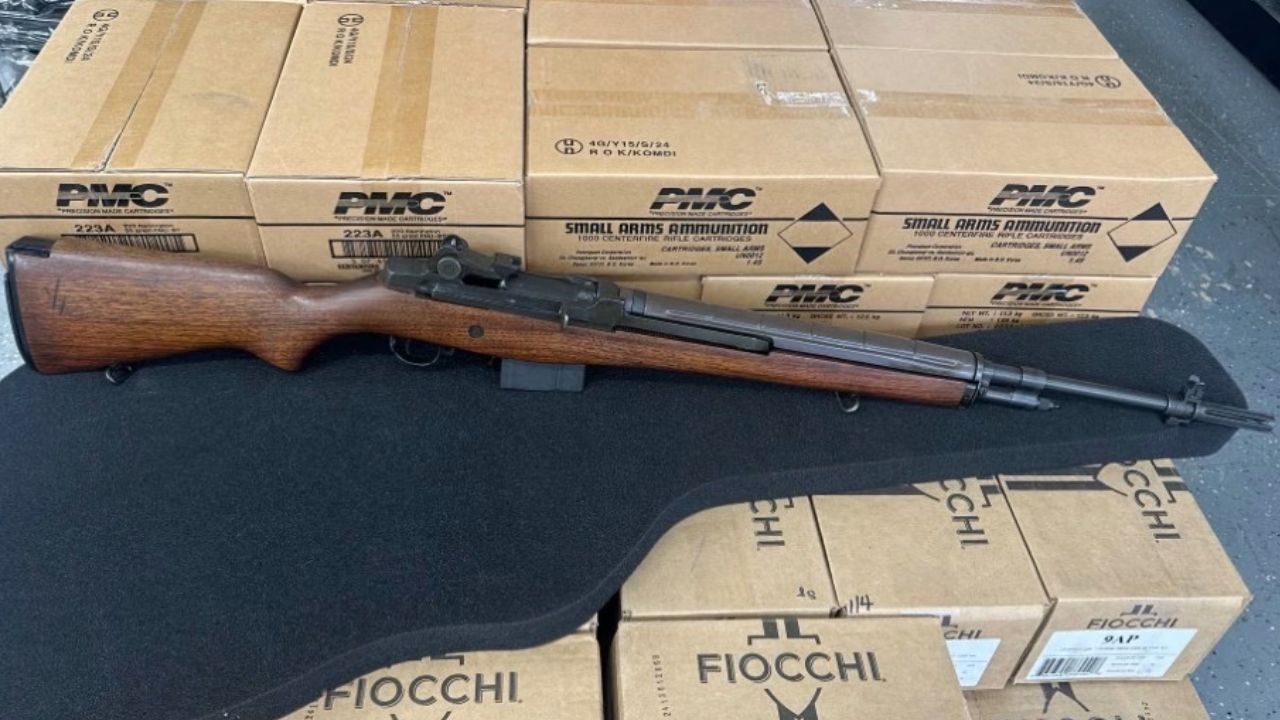
The M1A built a cult following on history, feel, and the appeal of owning a rifle that seemed more serious than the average semiauto. It looked right, sounded right, and gave buyers a connection to a certain old-school American rifle identity that ARs never really scratched in the same way.
That same following now does a lot of heavy lifting. The rifle is still respected, but a lot of the enthusiasm around it depends on owners being willing to overlook the weight, optics headaches, and the simple fact that the gun is often more romantic than practical in modern terms. Its cult following is real. So is the coasting.
Bond Arms derringers

Bond built a real cult following by doing something most derringer makers never managed: making the guns feel premium, rugged, and almost respectable in a serious-gun way. That was smart branding, and it worked. Buyers stopped seeing them as cheap novelties and started seeing them as sturdy little specialty guns.
Once that identity took hold, the platform started coasting on it. Two-shot derringers did not become more generally practical. The brand simply became good at making people feel like they were buying a tougher, smarter version of an inherently limited idea. That is cult success turning into long-term brand coasting.
Walther P22
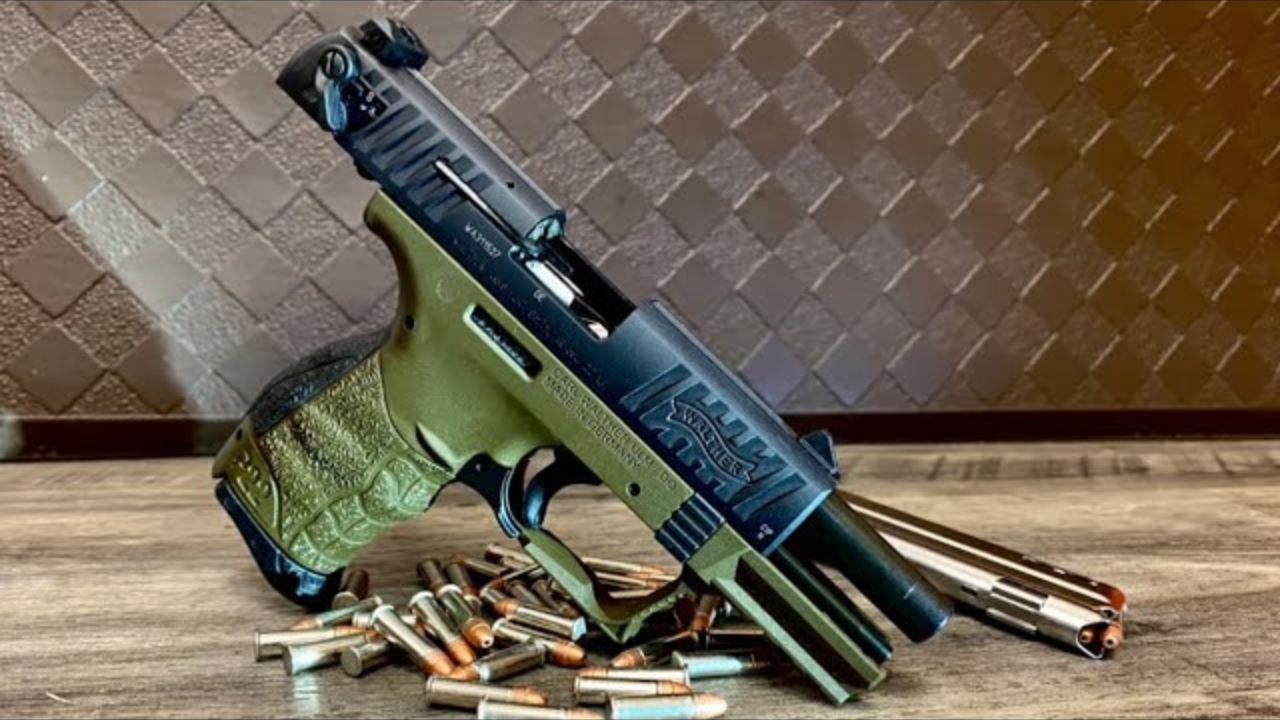
The P22 built a following because it felt like the fun little rimfire everybody should own. It was recognizable, approachable, and just different enough to become a favorite recommendation for people who wanted a stylish .22 instead of something purely utilitarian. That built a lot of goodwill early.
It has been spending that goodwill ever since. The pistol still gets defended through nostalgia and familiarity more than through clean modern comparison. A lot of people love the memory of what the P22 was supposed to be, and that affection has helped the gun coast long after its shortcomings became common knowledge.
AK-pattern rifles from weaker makers

The AK has one of the deepest cult followings in rifle culture. That much is obvious. The issue is that this loyalty often spills over onto rifles that did not earn the same confidence as the better examples that built the legend. The platform’s reputation can carry a lot of weak or middling rifles farther than they deserve to go.
That is pure coasting. The cult of the AK is so strong that some rifles get judged by the mythology first and their actual quality second. Buyers keep defending them because they want the story to be true, even when the specific rifle in front of them is leaning much harder on identity than execution.
Staccato as status-sidearm culture
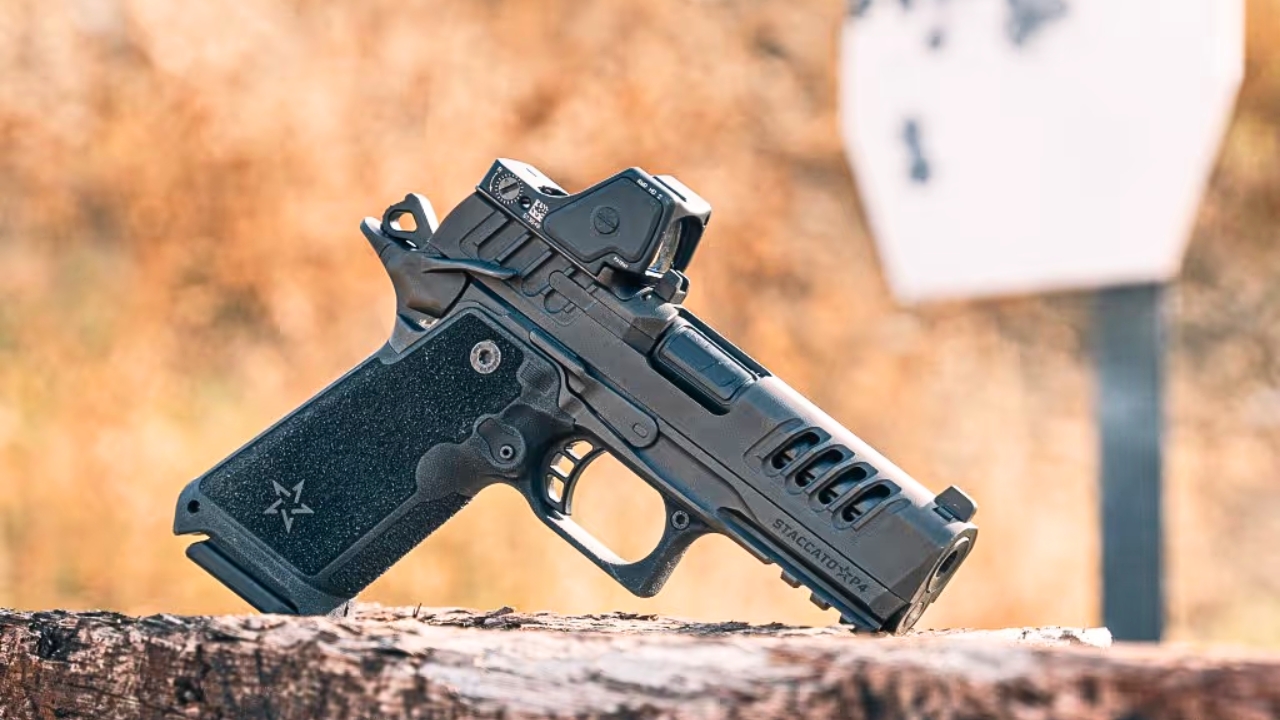
Staccato built a real following by landing in the perfect space between performance handgun and aspirational lifestyle purchase. The guns shoot well, no question, but the brand also built a culture around them that made ownership itself feel like proof of seriousness. That created a very strong modern cult following very quickly.
Now some of that energy has started coasting. The brand still has real strengths, but it also has a fan base that often sounds committed before the conversation even starts. When a gun or brand reaches that point, the following begins doing some of the product’s work for it. That is when honest enthusiasm and coasting start to blur together.
Like The Avid Outdoorsman’s content? Subscribe to our newsletter so you never miss an article.
Here’s more from us: