Photo credit: Antioch, Prince of the Hunt/YouTube
Some rifles feel like the perfect hand-me-down until the moment you part with them. Maybe it’s a childhood hunting gun you didn’t realize you missed until it was gone. Maybe it’s something you treated as a backup, only to learn later how well it actually shot.
Hunters often hand down rifles with good intentions, but not every “good enough” gun is easily replaced. Once the sentimental weight hits—or the market price climbs—you realize you might’ve let a dependable tool slip away too soon.
Winchester Model 88

The Winchester Model 88 doesn’t get talked about as much as other classics, but once you let one go, the regret sets in quick. Its smooth lever-action feel paired with a rotating bolt makes it surprisingly accurate, especially for a mid-century rifle. You don’t notice how handy it is until you’re without it.
Most hunters who part with one find that replacing it is tougher than expected. Prices rise, condition varies, and good examples disappear fast. It’s one of those rifles that quietly outperforms expectations, and once it’s gone, you realize you gave up a better shooter than you thought.
Remington Model 725
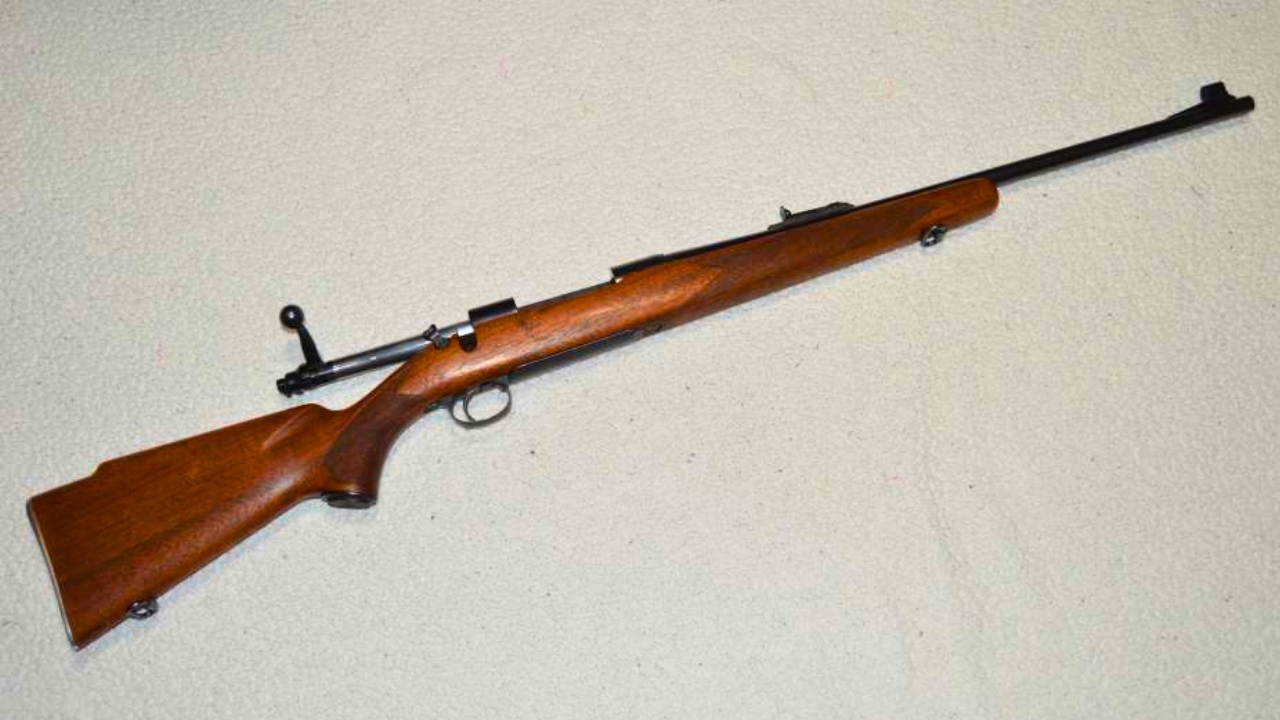
The Remington 725 was overshadowed by the later 700, but many hunters regret giving theirs away. The 725 has a clean trigger, smooth bolt lift, and excellent balance that makes it far better in the field than its reputation suggests. It’s the kind of rifle you don’t appreciate until it isn’t sitting in your safe anymore.
Finding a replacement isn’t easy. They weren’t made in huge numbers, and the ones that still shoot well rarely come up for sale. Once you hand one down, you often realize the accuracy and feel aren’t things you can replicate with off-the-shelf modern rifles.
Ruger M77 (Tang Safety)

The original tang-safety M77 has a character modern rifles often lack. Hunters who part with one tend to regret it because the rifle balances well, cycles smoothly, and handles rough weather without complaint. Even if it wasn’t the most accurate rifle in the safe, it was trustworthy.
When you try to replace it, you quickly learn that good tang-safety models are getting harder to find. Many have been carried hard and show it. That combination of durability and old-school feel is tough to replicate, and once gone, it leaves a bigger hole than you’d expect.
Savage 99F
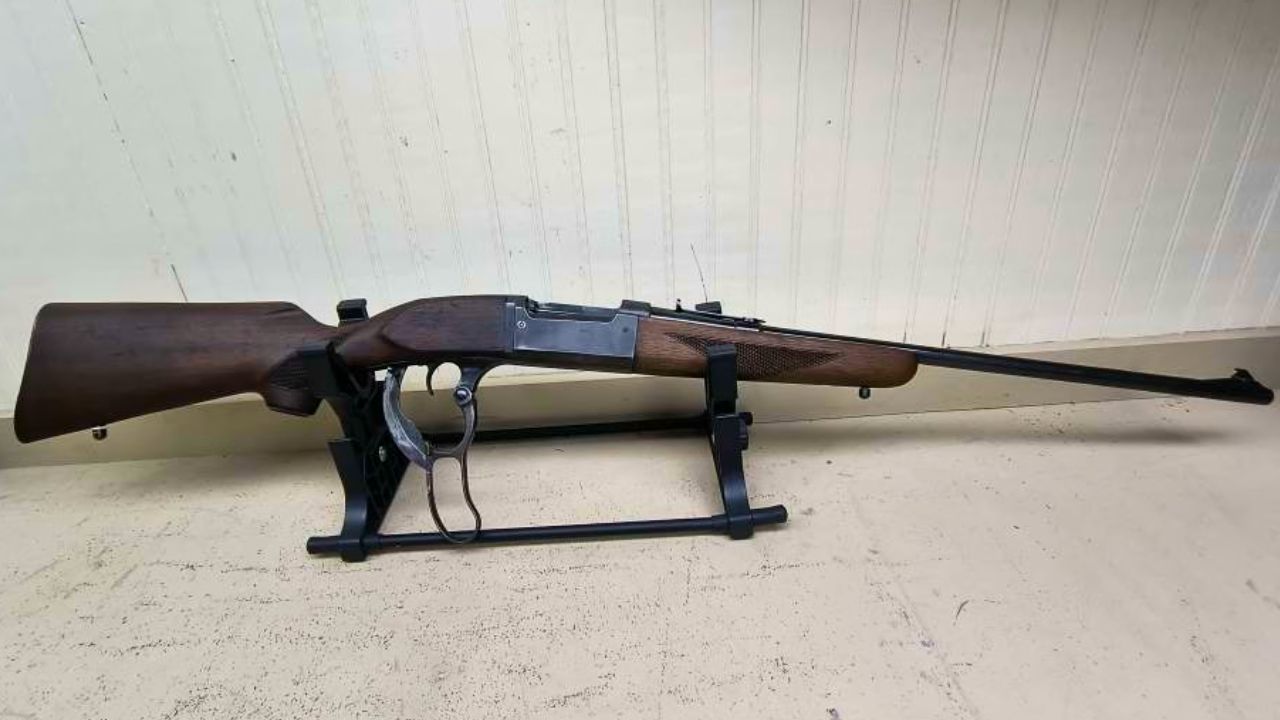
Plenty of hunters hand down a Savage 99 thinking it’s outdated, only to realize later why the rifle lasted a century. The 99F, in particular, is light, fast, and surprisingly accurate with classic cartridges like .300 Savage. Its rotary magazine allows pointed bullets, giving it performance advantages Lever-actions normally lose.
Once you pass it along, the regret hits when you try to find another in good shape. Prices climb every year, and clean examples don’t sit long. It’s a rifle you don’t miss until it’s gone—and once it’s gone, you understand its real worth.
Browning A-Bolt (Early Models)

The early A-Bolts weren’t flashy, but they were dependable in ways that only show up after they’re gone. The bolt throw is smooth, the triggers were crisp for their time, and the rifles held zero well. Many hunters dismiss them as dated, only to realize later how well they carried in the field.
Replacing one isn’t simple. The early versions were built with a level of fit and finish that Browning didn’t always repeat on later budget-tier releases. Once you pass yours along, you often find the “upgrade” doesn’t feel as solid.
Remington Model 14
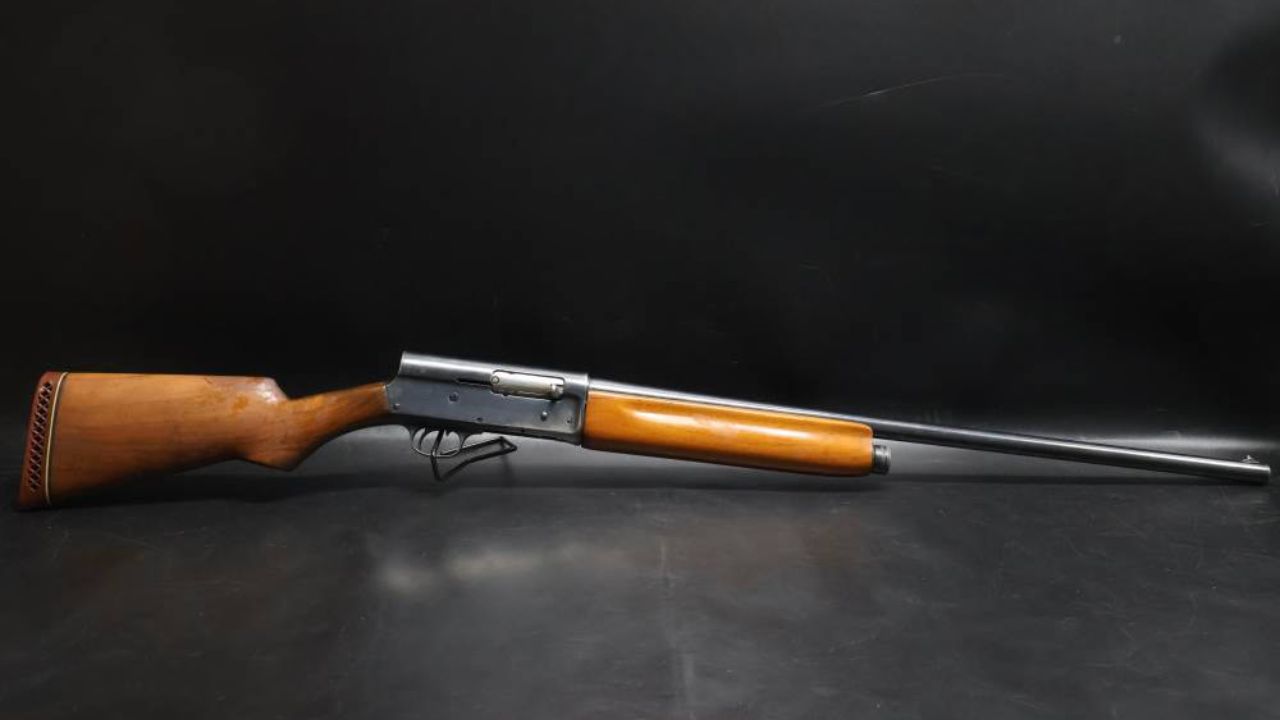
The Remington 14 is quirky, but it’s a rifle that grows on you. Hunters who hand one down often miss the slick pump action and the way it shoulders faster than most modern rifles. Its accuracy with cartridges like .35 Remington is better than its age suggests.
Trying to replace it becomes a challenge thanks to limited availability and wildly varied condition. The rifles that still run well feel like they’re disappearing. Letting one go means giving up a unique tool that handles close-range woods hunting better than almost anything else.
Weatherby Vanguard Series 1

Many hunters underestimate the original Vanguard until it’s gone. These rifles were reliable, accurate enough for any big-game season, and built tougher than people gave them credit for. They were also affordable, which leads many hunters to part with them without thinking twice.
Then the regret settles in. The Series 1 trigger, action feel, and consistency aren’t always matched by newer versions—or by the rifles hunters “upgrade” to. Trying to replace the original often turns into a much bigger project than expected.
Winchester Model 70 XTR

The XTR models from the 1970s and ’80s were smoother and better finished than many hunters remember. They didn’t always shoot tiny groups, but they were reliable, well-balanced, and built with a level of pride you can feel. Passing one down often leads to regret once you pick up a newer budget rifle.
Good XTRs are becoming harder to find, and prices reflect that. Many hunters wish they’d held onto theirs once they realize the replacement doesn’t have the same feel or consistency.
Marlin 336C (JM-Stamped)

Plenty of hunters hand down a 336C thinking they’ll grab another later, but the JM-stamped rifles have become a prized commodity. They run smoothly, shoot better than most people expect, and carry beautifully in thick woods.
After you let one go, you quickly see how scarce clean examples have become. The new production models are improving, but they don’t replicate the patina, history, or action feel of the originals. It’s a rifle you realize meant more to you once it’s no longer there.
Sako L579 Forester

The Forester is the kind of rifle you don’t appreciate fully until long after you’ve handed it down. The action is smooth, the accuracy is excellent, and the craftsmanship is unmistakable. Many hunters part with theirs thinking it’s replaceable. It isn’t.
Tracking down another in similar condition usually leads to sticker shock. The market for classic Sako rifles gets stronger every year, and once you give one away, you’re unlikely to find another without paying dearly.
Mossberg 800A
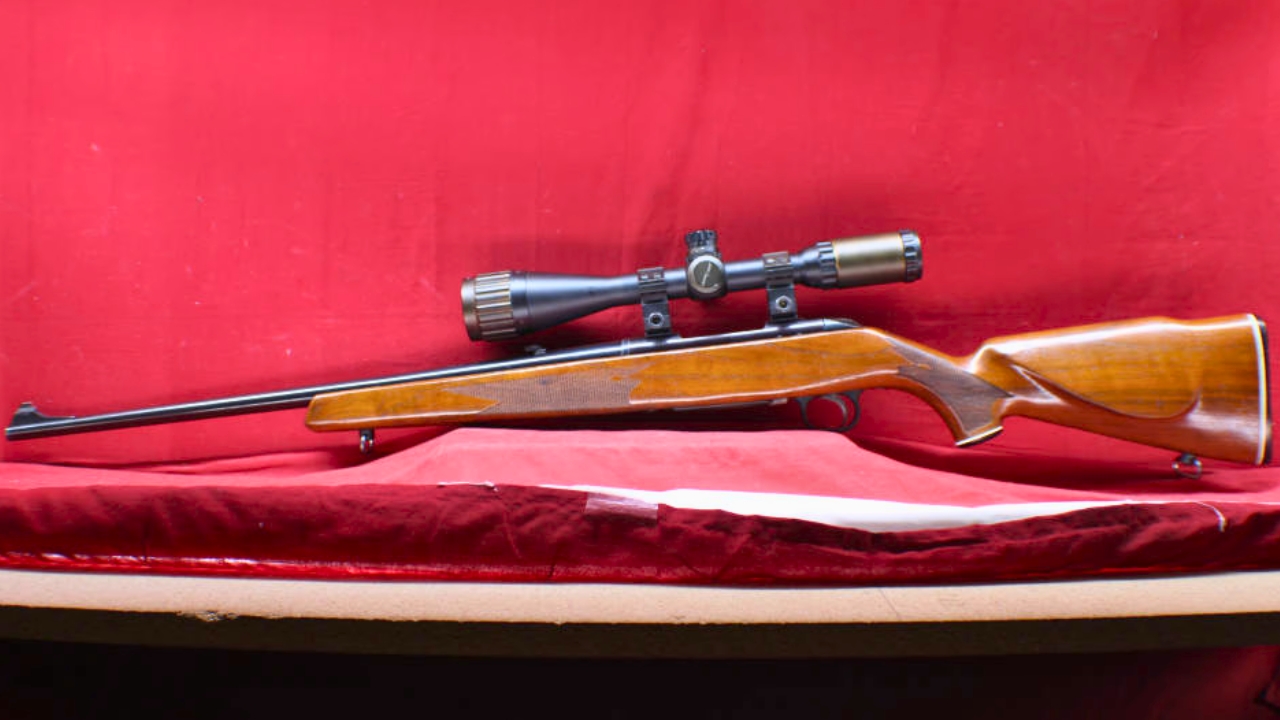
The Mossberg 800A doesn’t look special, but its accuracy is often surprising. Hunters who hand one down usually realize later that the rifle shot better than most modern hunting guns at its price point. It’s steady, reliable, and handles recoil far better than expected.
Finding another isn’t easy. These rifles weren’t made in huge numbers, and clean examples disappear quickly. Once you’re without one, you understand how practical and dependable it really was.
Ruger No. 1B
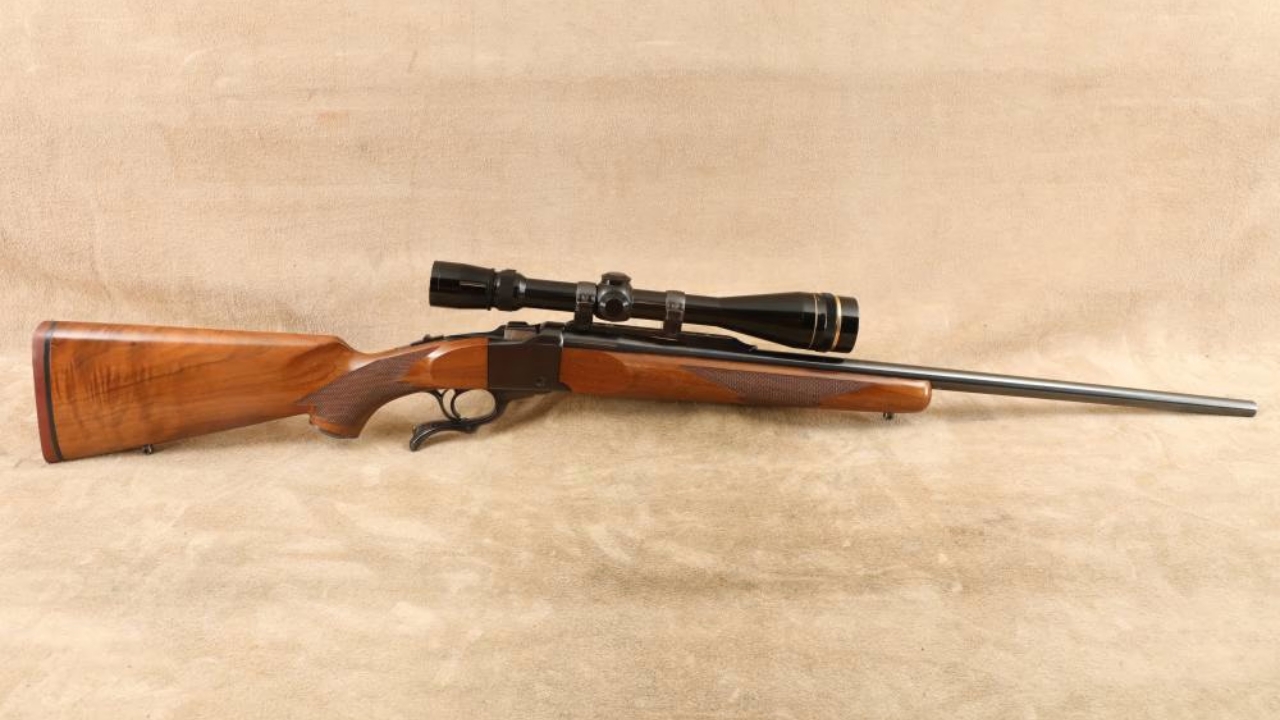
Single-shots don’t appeal to every hunter, but the Ruger No. 1B has a charm that grows on you. After handing one down, many hunters realize how accurate and fun it was to shoot. The falling-block action, balance, and workmanship aren’t easily replaced with anything modern.
The regret hits when you try to buy another. Prices have climbed steadily, and the exact configuration you once owned may be nearly impossible to track down again.
Remington Model 742 Woodsmaster
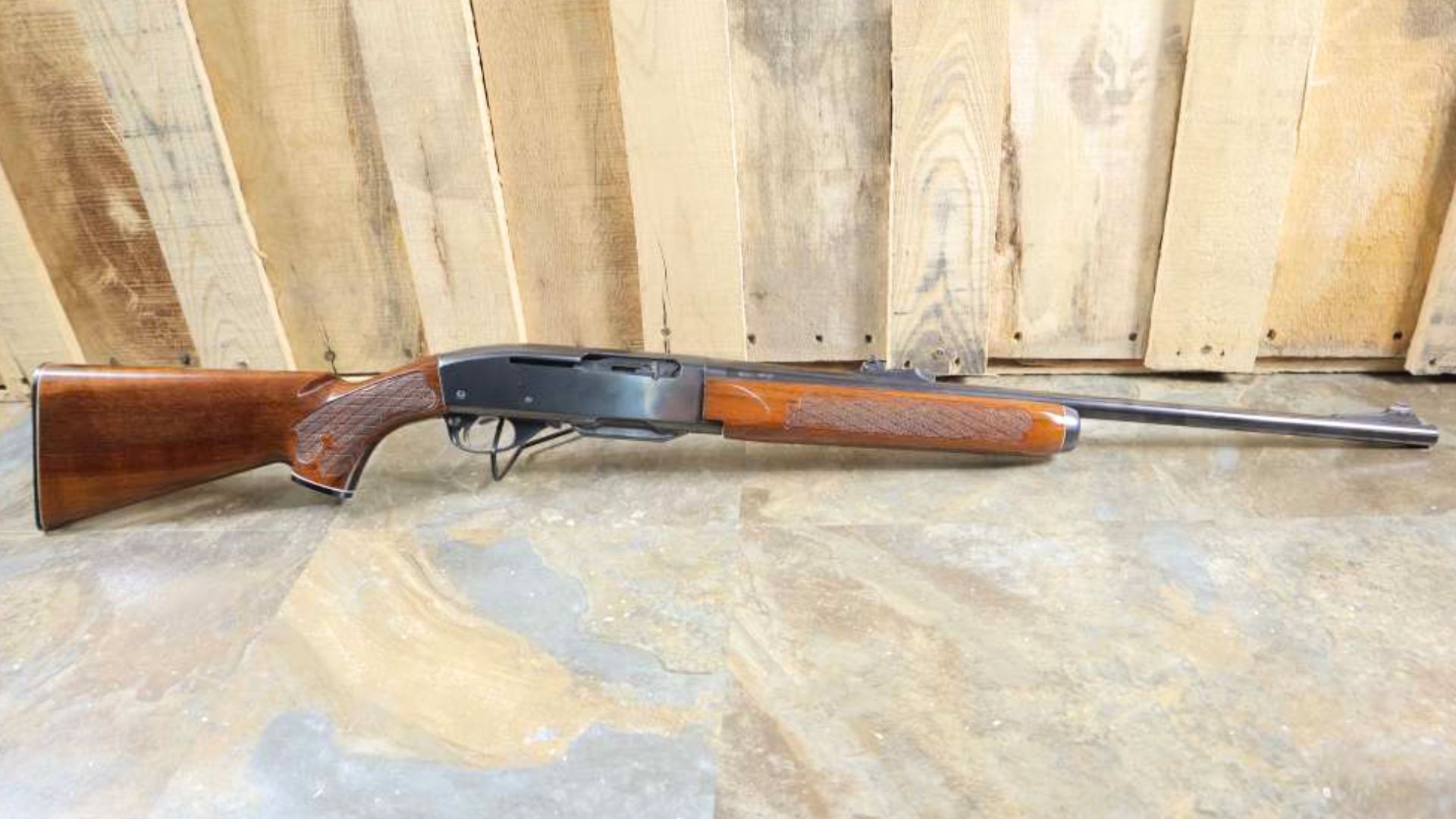
Many hunters pass down a 742 thinking it’s outdated, but the rifle’s handling and fast follow-up capability are hard to replace. Even with their known wear issues, a well-maintained 742 carries nicely and works well for quick shooting in thick cover.
Once it’s gone, hunters often realize they miss its feel and speed. Finding one that hasn’t been shot loose is getting harder every year, making the decision to give it away sting even more.
Savage 110E

The 110E wasn’t flashy, but it was dependable and accurate enough for any deer season. Hunters who part with one often miss how consistent it was, even with basic ammunition. The rifle’s simple design and rugged construction made it a long-term tool.
Replacing it proves more difficult than expected. While new Savage rifles are accurate, the older 110E models had a balance and simplicity that’s hard to duplicate.
Browning BLR Lightweight

The BLR Lightweight is a rifle hunters don’t fully appreciate until they no longer have it. The combination of lever-action handling and strong rotating-bolt performance makes it useful in tight timber and open country.
After handing one down, many hunters realize how versatile it was. The new versions are good, but they aren’t always built with the same feel or finish as earlier models, making replacements more expensive and harder to find.
Like The Avid Outdoorsman’s content? Be sure to follow us.
Here’s more from us: