Photo credit: Faktor Tacticool/YouTube
When the pressure kicks in, a pistol’s weak spots show up fast. It might run fine during slow, relaxed shooting, but the moment your grip tightens, your heart rate jumps, and your movements get sharper, some guns reveal problems you didn’t notice before.
Maybe it’s a slide that doesn’t return with authority, a trigger that feels different under speed, or a grip shape that falls apart when you need consistency. Stress exposes everything—especially flaws that were hiding in plain sight.
Remington R51
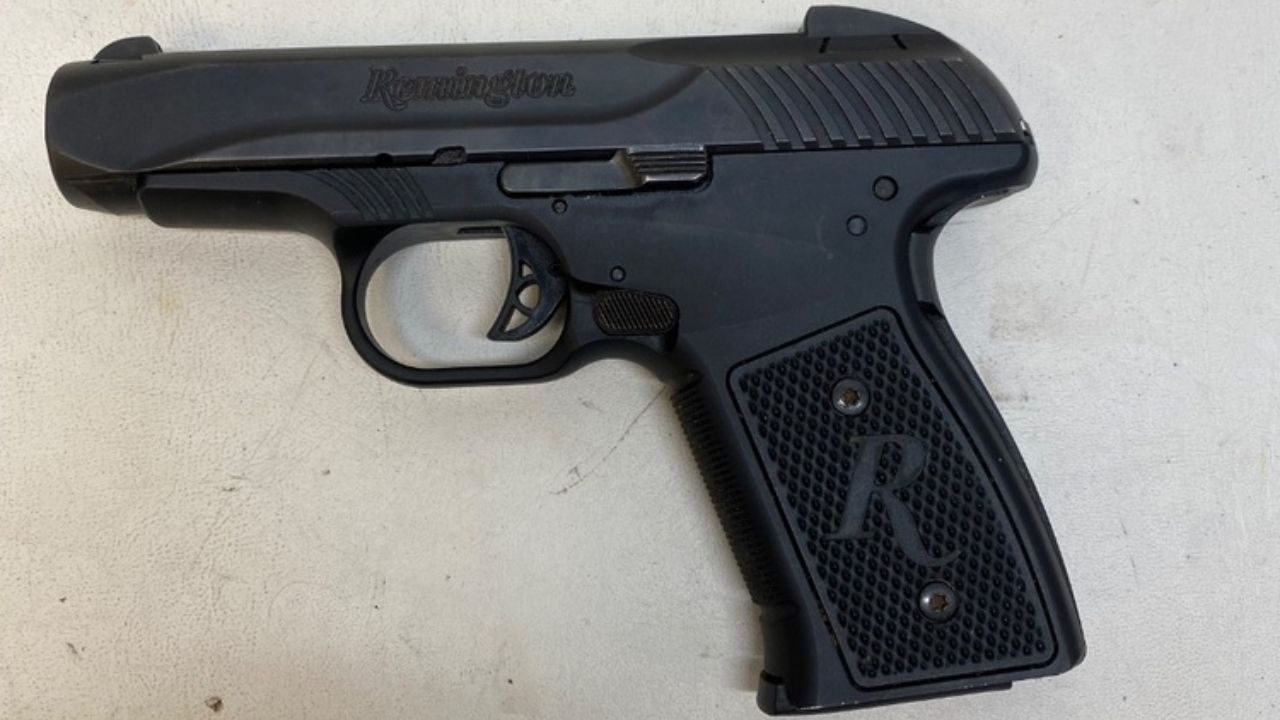
The Remington R51 feels good in the hand during calm range sessions, but once you start running it fast, the issues surface quickly. The hesitation locking system can struggle when your grip isn’t perfect, and that inconsistency leads to failures that weren’t there during slow fire. You’ll also notice the slide returning sluggishly when debris builds up.
Under stress, many shooters find the gun’s timing unforgiving. The R51 demands a level of precision that’s tough to maintain when everything is happening quickly. It’s a pistol that shines in theory but falters when tempo increases.
Honor Defense Honor Guard
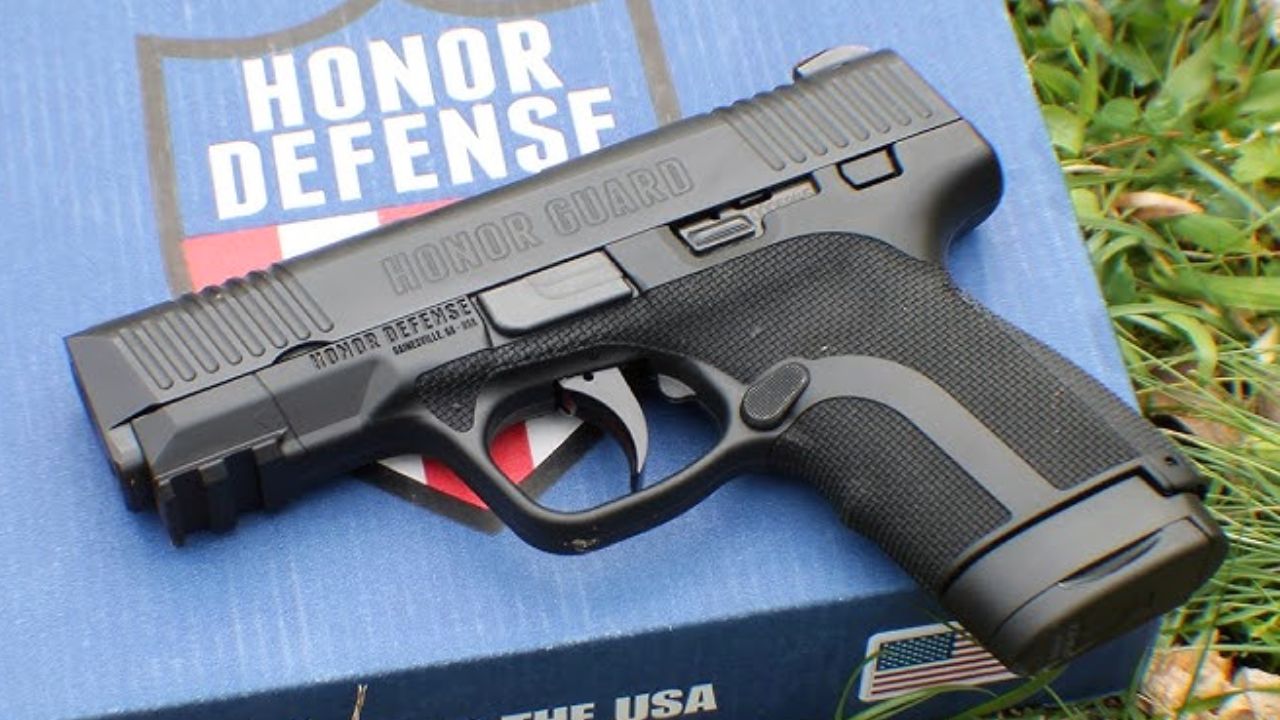
The Honor Guard is slim and comfortable, but stress exposes its tendency toward feed hesitation, especially with weaker ammunition. When you start moving, reloading fast, or shooting with a compromised grip, the slide doesn’t always cycle with the same confidence. That alone can throw off your rhythm.
The trigger also feels less predictable when you’re pushing speed. Its reset isn’t as tactile as other compact pistols, making it harder to time your follow-up shots. It performs decently on a calm day, but stress quickly highlights its limitations.
Kimber Solo

The Kimber Solo demands very specific ammunition to run reliably, and that requirement becomes a major problem once stress enters the mix. As soon as you switch your tempo, change your grip pressure, or shoot with slightly weaker rounds, malfunctions start creeping in.
Recoil management also becomes trickier under urgency. The Solo’s small frame and stout recoil impulse push the gun around more than most shooters expect. What felt smooth during slow, controlled fire suddenly becomes unpredictable when you pick up the pace.
Walther CCP

The first-gen CCP has a soft recoil impulse, but the gas-delayed blowback system doesn’t always behave well under stress. Quick strings of fire heat it up fast, and the hotter it gets, the more sluggish the slide feels. That’s where failures start appearing.
You’ll also notice the trigger getting less consistent as the internal temperature climbs. The CCP feels great in the hand, but when you demand fast shooting and rapid manipulations, it begins revealing quirks that aren’t obvious during gentle practice.
SIG Sauer Mosquito

The Mosquito can be fun when everything is perfect, but stress exposes how ammunition-sensitive it really is. The moment you speed up or change grip pressure, the pistol becomes less forgiving with lower-powered .22 LR loads.
Feed issues show up faster under rapid-fire conditions, and the long, heavy trigger pull becomes harder to manage when you’re pushing tempo. It’s not unsafe—just far less reliable once you take it out of slow, controlled shooting.
Smith & Wesson SW380
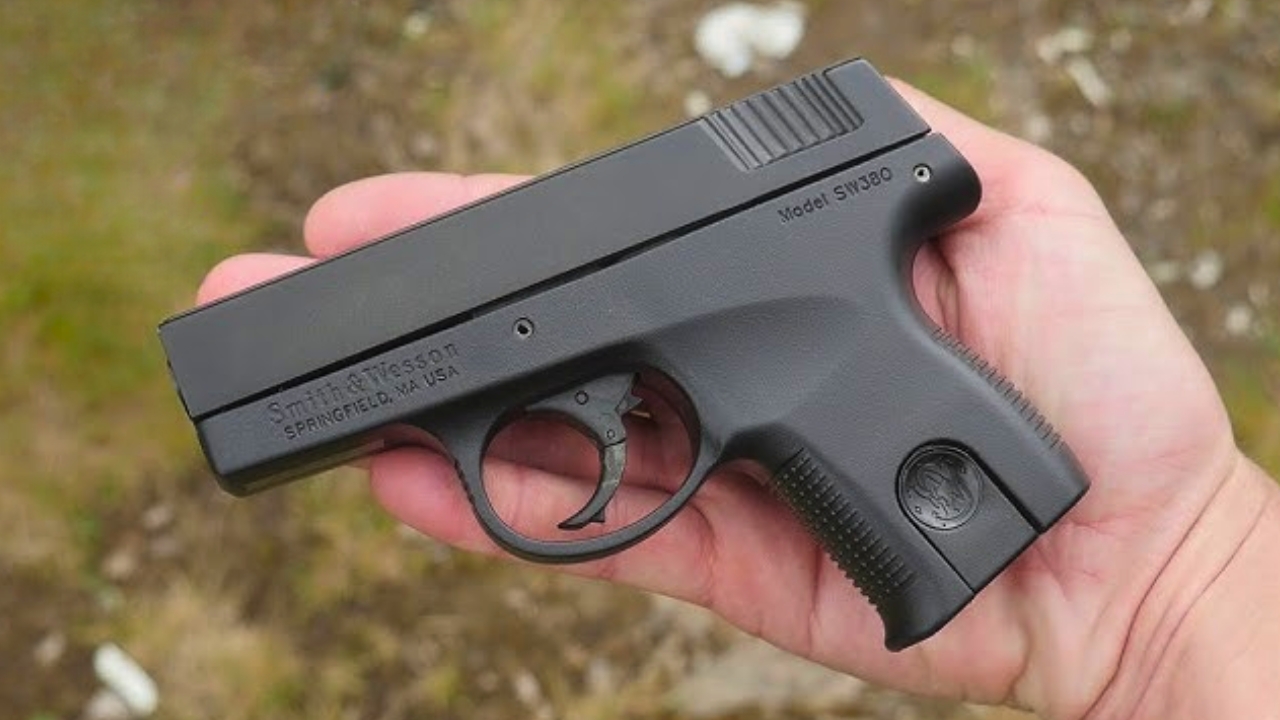
The SW380 is compact and simple, but stress brings out its cycling inconsistencies. The blowback system puts more strain on the shooter, and when your grip isn’t locked in completely, the slide doesn’t always cycle cleanly.
The tiny sights make fast acquisition difficult, and that struggle compounds under pressure. Combine that with a stiff trigger and you end up with a pistol that feels twice as difficult once your heartbeat rises.
Ruger LC380
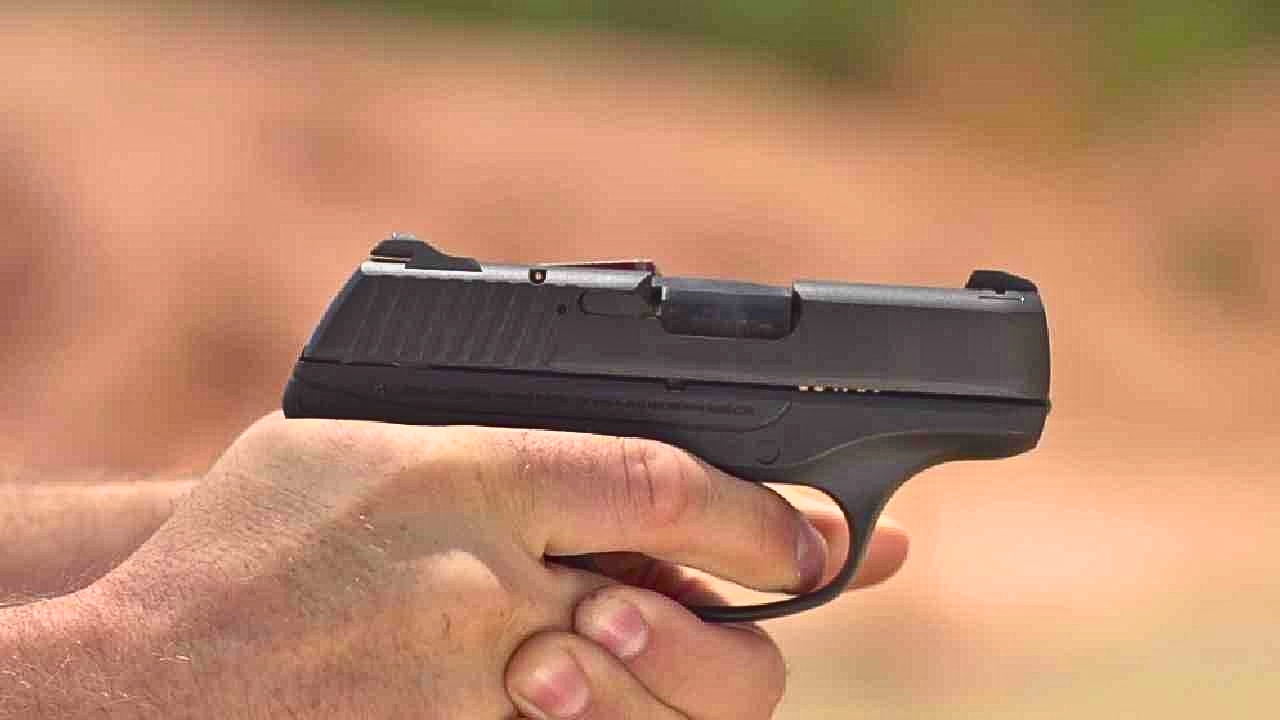
The LC380’s mild recoil makes it appealing, but once you start running it quickly, the lightweight slide sometimes outruns the magazine. That can lead to nose-diving rounds or partial feeds—issues that rarely show up during calm practice.
The long, smooth trigger pull also becomes a challenge when shooting under stress. Timing your shots becomes harder, and that inconsistency shows up on target. It’s a pistol that behaves well at half speed but gets unsettled when you push it harder.
Kahr CT9
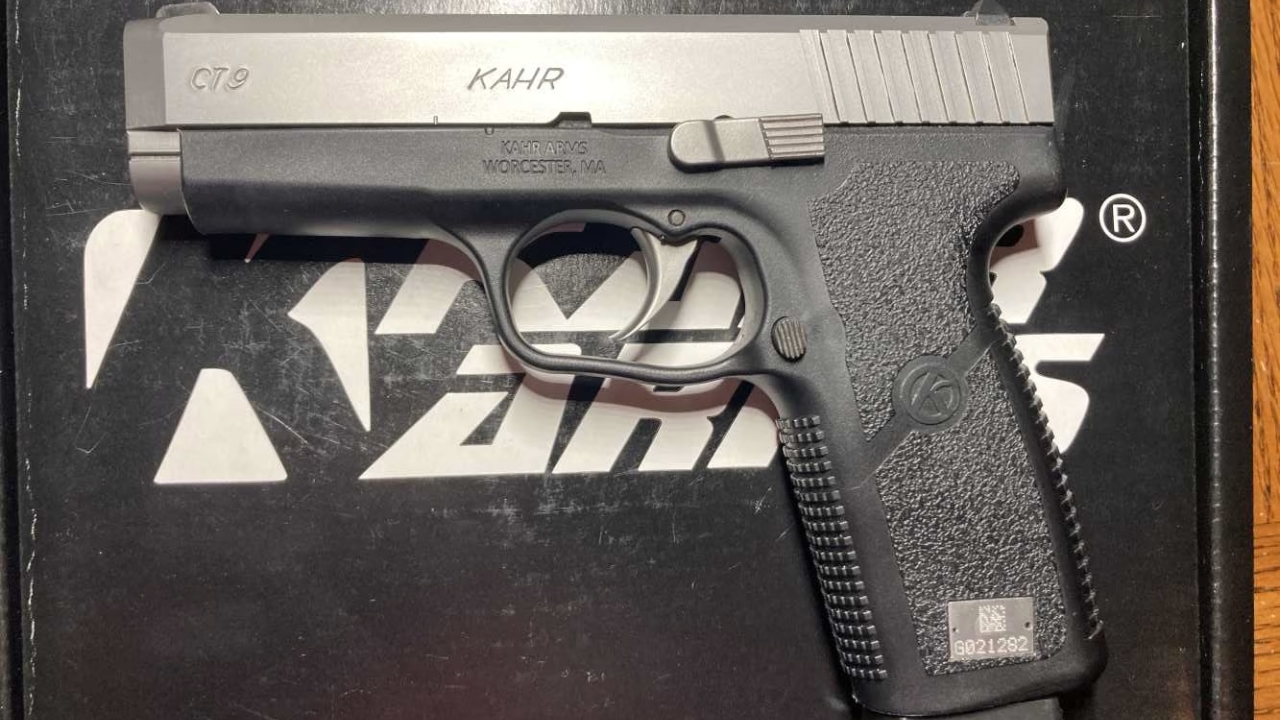
The CT9 is slim and carries well, but its long trigger stroke turns into a stumbling point when stress hits. Trying to run it quickly often results in inconsistent breaks, especially if you’re transitioning between targets.
The slide can also feel sluggish if your grip shifts under pressure. Kahr pistols generally run well, but the CT9’s smooth edges and narrow frame make it easier to lose leverage when things get hectic.
Bersa BP9CC

The BP9CC offers good ergonomics, but its internal tolerances can reveal cycling hesitation as soon as you speed up. Under stress, shooters often notice a momentary pause in the slide movement that interrupts follow-up shots.
Its trigger, though crisp at rest, becomes more difficult to manage when you’re working through fast strings. The shallow reset isn’t as easy to feel when your attention is on movement and timing rather than precision.
Canik TP9DA

The TP9DA is capable, but its double-action/single-action system becomes a hurdle under stress. The long initial pull forces you into a different rhythm, and once the gun transitions to single action, the dramatic change in trigger weight can disrupt your control.
The slide is also tall, and when your grip shifts, you may find the pistol returning slightly off-line. These quirks don’t matter much at slow speeds, but they become obvious when urgency enters the equation.
FN FNP-40
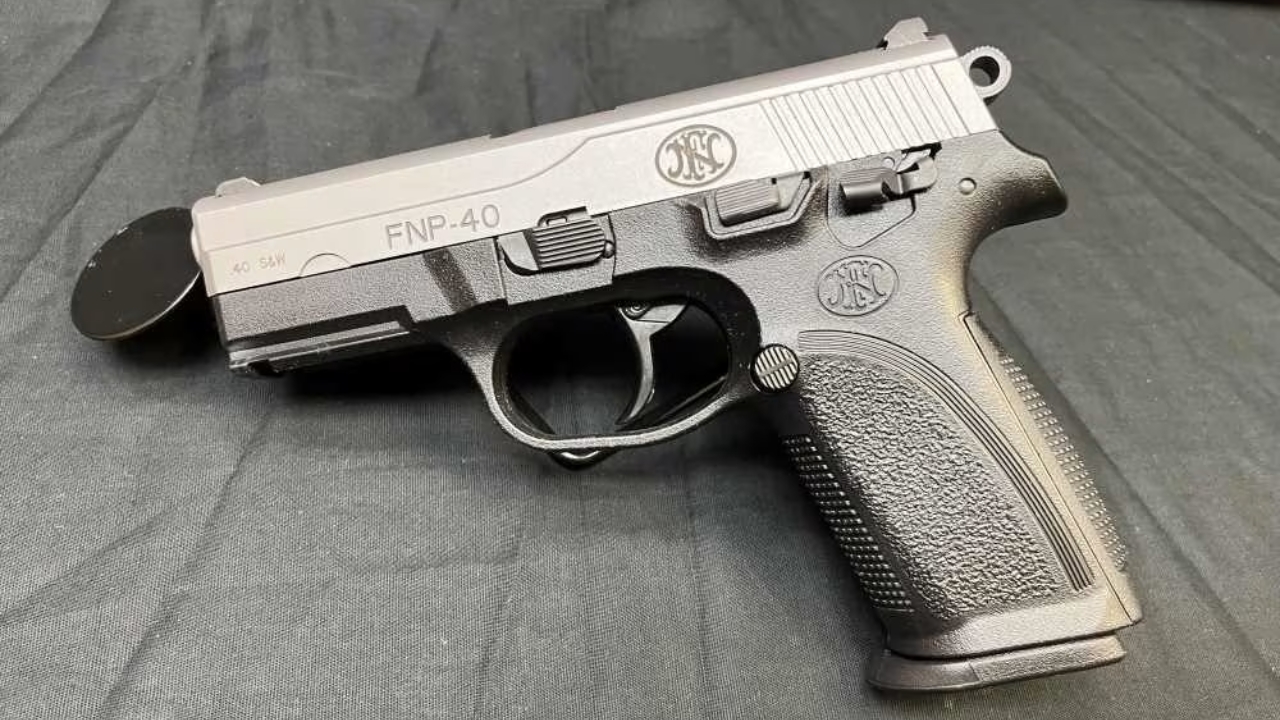
The FNP-40 delivers strong performance in calm shooting, but its snappy recoil becomes a liability when tension rises. The combination of slide mass and .40 S&W impulse can make fast follow-up shots tough to control.
Stress also exposes the pistol’s sensitivity to grip consistency. A small shift in hand placement can cause the muzzle to climb faster than you expect. It’s not unreliable—just far harder to manage when you’re moving quickly.
SAR K2P
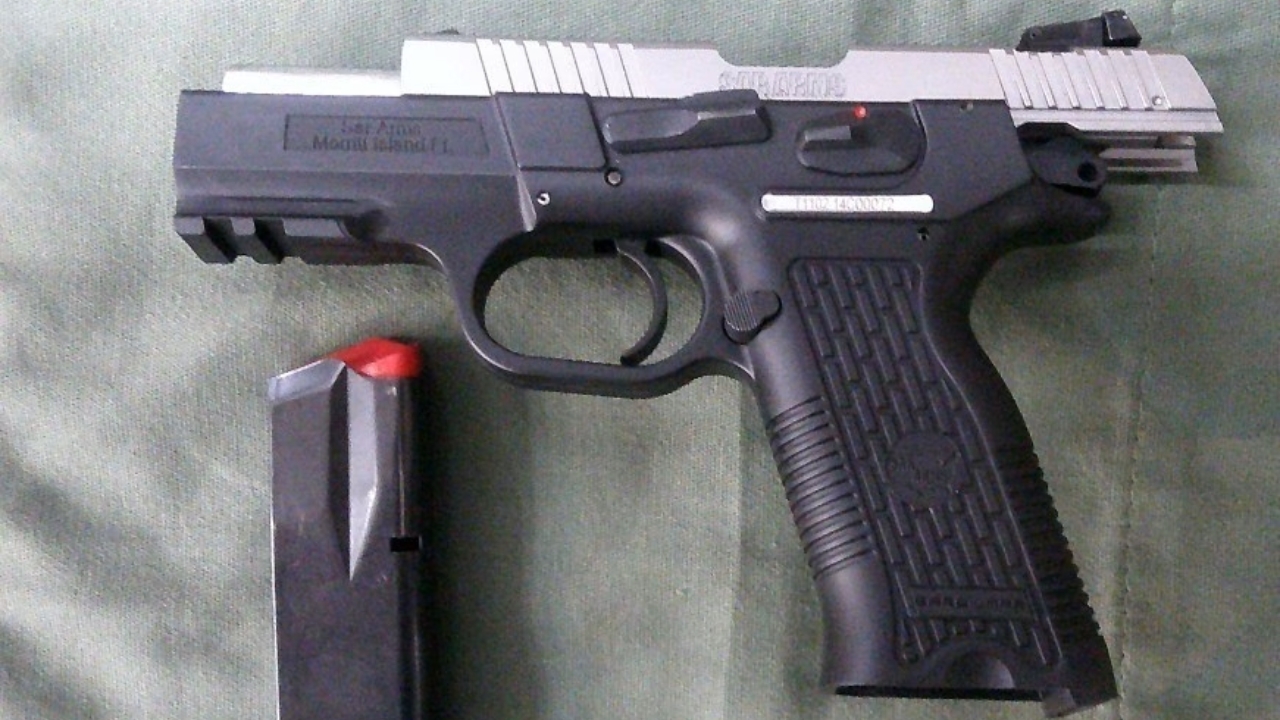
The K2P is dependable enough for slow fire, but its lightweight polymer frame reveals stability issues under stress. Once you start shooting fast, the muzzle lifts more than you anticipate, and the gun takes longer to settle for the next shot.
The trigger also feels less predictable at high tempo. The reset is hard to feel when you’re rushing, which forces you to slow down. It’s a pistol that performs far better at a relaxed pace.
Rock Island TAC Ultra MS
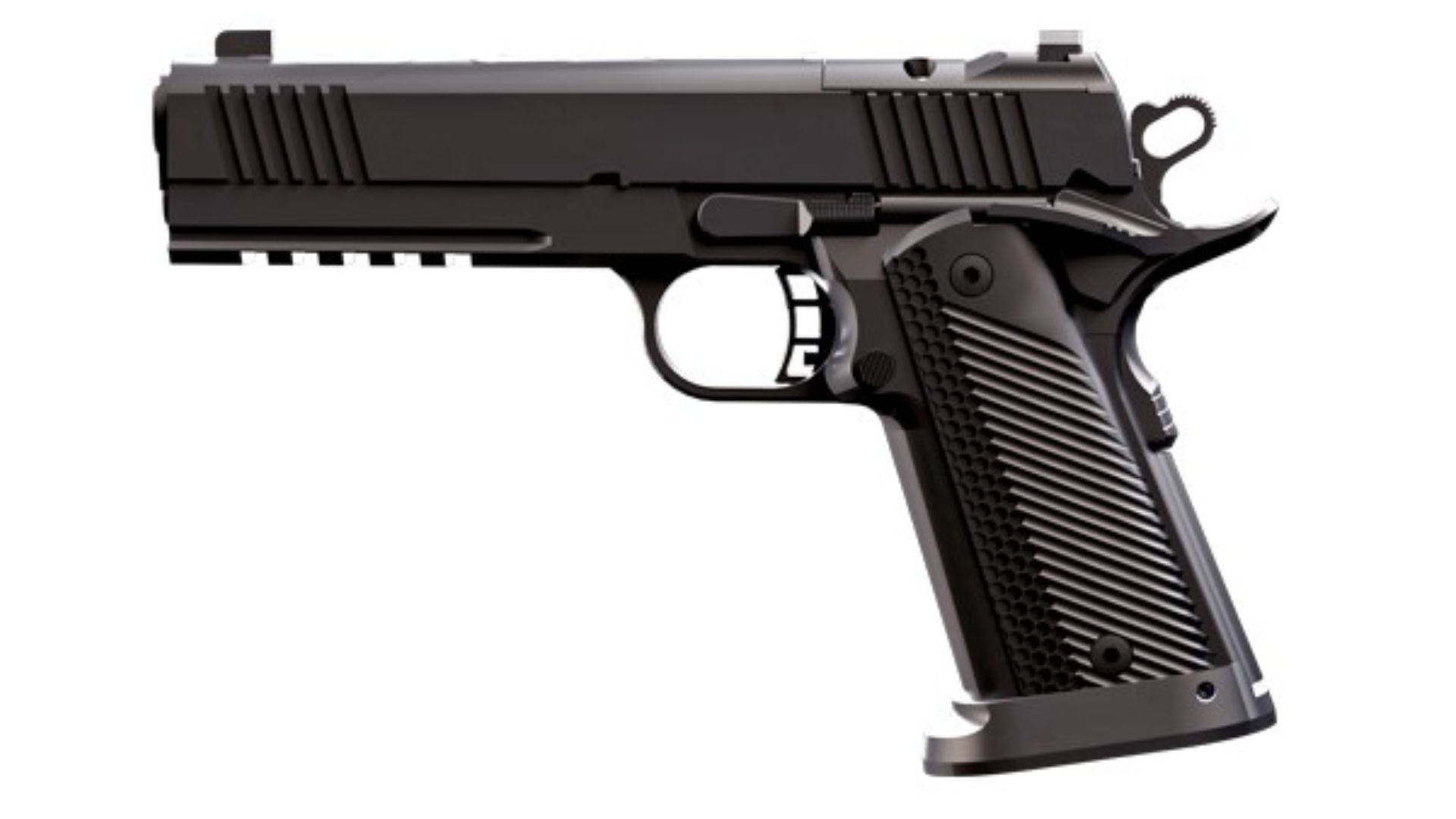
The TAC Ultra MS brings 1911 flavor to a budget price, but stress exposes the difference. The heavy trigger can feel sticky when you’re moving quickly, and the slide fit varies between examples, creating inconsistencies during rapid cycling.
The added weight helps control recoil, but reloads and manipulations become slower when you’re under pressure. It’s accurate enough, yet the flaws become clear as soon as urgency enters the drill.
Grand Power P1
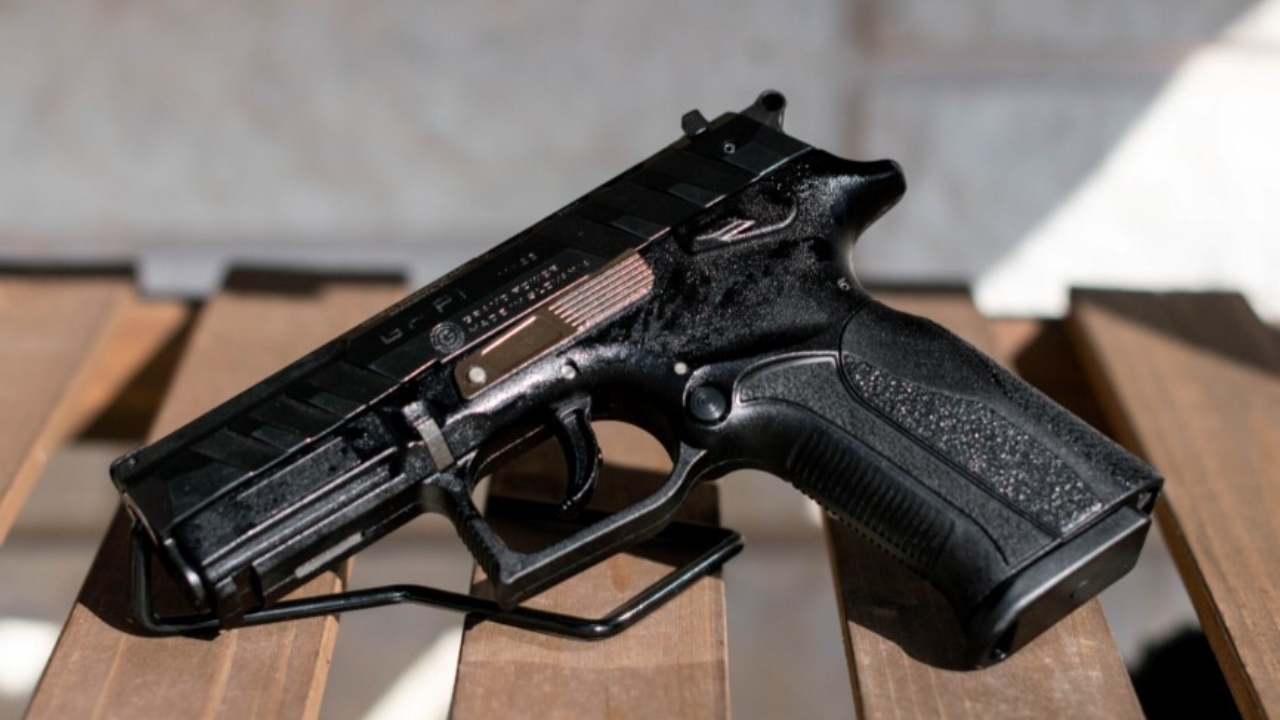
Grand Power pistols have smooth triggers, but the P1’s rotating barrel system becomes less forgiving under stress. A compromised grip can affect the timing of the barrel rotation, leading to sluggish cycling or partial returns to battery.
The controls also feel different than most striker-fired guns, and that unfamiliarity shows up the moment you rush a reload or malfunction clearance. It’s a solid shooter, but it demands steadiness that’s hard to maintain under pressure.
EAA Girsan MC28SA

The MC28SA is affordable and reliable enough, but once you start pushing speed, the lightweight slide sometimes hesitates during feeding. That small pause becomes more noticeable when your hands are sweaty, shaking, or shifting between positions.
The trigger reset, though adequate, lacks a crisp tactile feel, which makes timing tricky during stressful drills. It’s a serviceable pistol, but not one built to handle high-tempo shooting without revealing its weaker points.
Like The Avid Outdoorsman’s content? Subscribe to our newsletter so you never miss an article.
Here’s more from us: