Photo credit: Guns.com
A jammed rifle can ruin your hunt, your range day, or worse—leave you stuck in a situation where your gun just won’t cycle. Some rifles are notorious for choking when you need them the most. Whether it’s picky feeding, poor extraction, or issues with cheap parts, these rifles have left plenty of shooters frustrated at the wrong moment. If you’ve ever experienced one of these, you know how fast trust disappears. Here are fifteen rifles that have a history of jamming when things matter most.
Remington 742 Woodsmaster

The Remington 742 looks great, but it’s earned a rough reputation in the field. These semi-auto rifles have long been known for jamming issues, especially after just a little fouling. The locking lugs tend to wear unevenly, leading to cycling failures at the worst times. Many hunters have been left dealing with stuck bolts in the woods. Even well-maintained rifles start showing problems over time, making the 742 a risky choice for those big hunting trips.
Bushmaster Carbon 15

The Bushmaster Carbon 15 caught attention for being lightweight, but that weight savings comes at a cost. The carbon upper and lower flex more than traditional aluminum, causing cycling issues under sustained fire. Jams, failures to feed, and extraction issues aren’t uncommon, especially when the gun heats up. People report frustration with reliability, particularly when pushing the rifle hard. For those who count on their rifle during high-stakes moments, the Carbon 15 can be a gamble.
KelTec SU-16

The KelTec SU-16 is a unique rifle with folding features, but it’s not known for flawless reliability. Feeding problems and failure-to-eject issues pop up frequently, especially with cheaper ammo. Many owners report jams after moderate range sessions, making it questionable for hunting or defensive use. While it’s lightweight and packs down small, reliability tends to suffer when you need consistent performance. People often love the idea but end up annoyed after dealing with clearing jams mid-shoot.
DPMS Oracle AR-15

The DPMS Oracle is a budget-friendly AR-15, but it often cuts corners where it matters most. Reports of short-stroking, feed failures, and inconsistent cycling are common. Many owners have to replace parts like the extractor and buffer just to get reliable performance. Out of the box, these rifles can be hit or miss, especially during long shooting sessions. For someone needing a dependable rifle under pressure, the DPMS Oracle too often proves to be a headache.
Century Arms C308

The Century Arms C308 is a clone of the classic G3 design, but it’s known for rough build quality. Many shooters deal with poor feeding, stuck casings, and rough cycling. The inconsistent quality control means some rifles run well while others constantly jam. Feeding soft-point or surplus ammo can turn into a mess quickly. People like the affordable price, but when you’re counting on it for hunting or range work, the C308 often leaves you clearing the action more than shooting.
Remington 597

The Remington 597 is a .22 rifle that looks promising, but reliability complaints are everywhere. Feeding and extraction issues are common, especially with bulk ammo. Even after cleaning and using good magazines, jams still happen. Many users swap to aftermarket parts to improve function, but out of the box, the 597 frequently frustrates. For folks needing a dependable .22 for small game or training, the 597 can be one of those rifles that lets you down too often.
Winchester 100

The Winchester 100 is a classic semi-auto, but reliability wasn’t its strong suit. Jamming problems often show up after just a few rounds, especially in older models. Gas system issues and worn parts are common, making malfunctions a regular occurrence during hunts. Many users report feeding failures and stuck bolts. It’s a rifle that looks great but struggles under real-world use. In high-pressure situations like hunting trips, it’s known to choke more than you’d expect.
PSA KS-47

The PSA KS-47 blends AR-15 controls with AK magazines, but reliability issues are common. Feeding jams and failure to extract are frequently reported, especially with steel-cased ammo. The hybrid design introduces some quirks, and not all magazines fit properly. Shooters often experience hiccups during rapid fire or after the rifle heats up. For anyone needing consistent performance in the field, the KS-47 can be a frustrating choice, especially when malfunctions keep cropping up.
Mossberg 702 Plinkster

The Mossberg 702 Plinkster is affordable, but it comes with reliability trade-offs. Feeding issues, failure to fire, and jams are common complaints, particularly with budget ammo. Even with regular cleaning, the rifle can struggle to run a full magazine without a malfunction. People often buy it for casual plinking but quickly realize it’s not ideal for situations where function matters. For those wanting a reliable .22, the Plinkster can be more trouble than it’s worth.
Norinco SKS (Certain Imports)

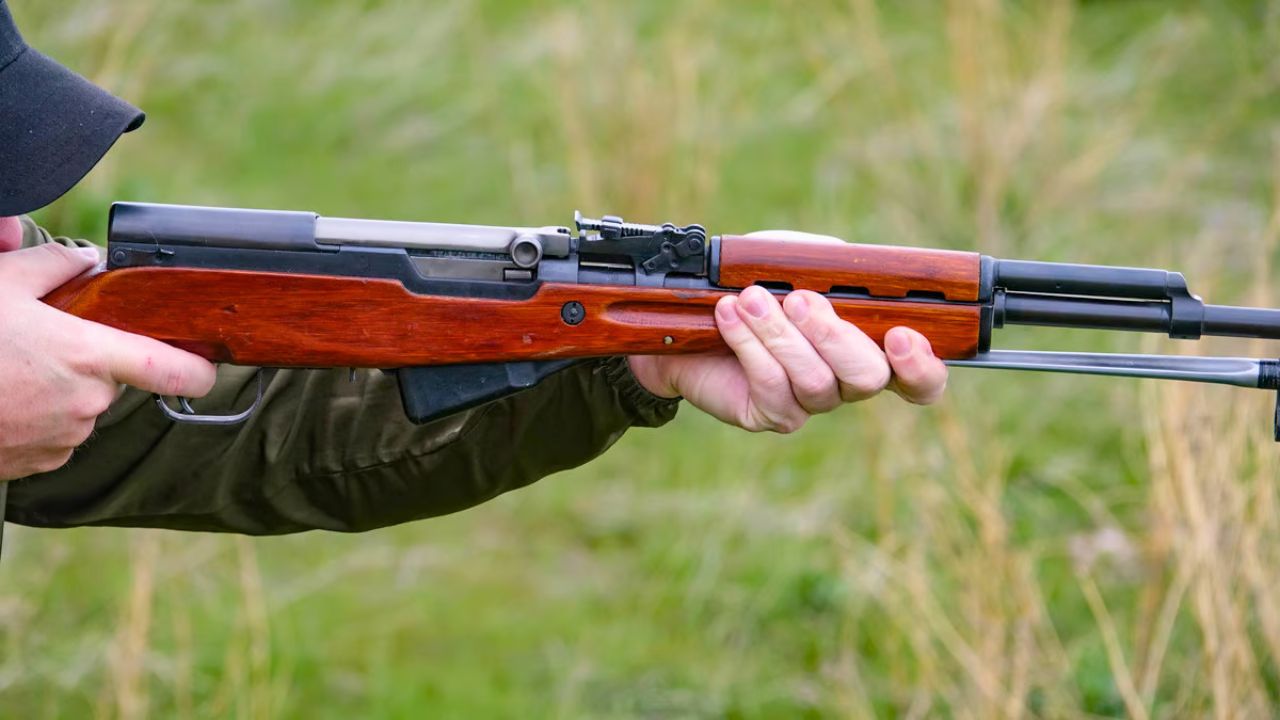
SKS rifles usually have a solid reputation, but some Norinco imports have spotty build quality. Certain batches have rough chambers or poorly machined components that cause stuck casings and feed failures. While many SKS rifles run like tanks, a bad Norinco version can leave you wrestling with constant jams. People hoping for classic reliability sometimes end up with a finicky rifle that refuses to cooperate under pressure, especially with steel-cased surplus ammo.
Ruger American Ranch Rifle (5.56 Version)

The Ruger American Ranch Rifle generally runs well, but the 5.56 version has had complaints about feeding and ejection problems. The short-action bolt sometimes struggles with certain magazines, especially polymer options. Shooters have reported feeding jams, especially when running mixed ammo. It’s not universal, but enough people have experienced issues to give pause. For folks counting on a simple, reliable bolt gun for hunting, these hiccups can be frustrating when it matters most.
Armalite AR-10 (Older Models)

Older Armalite AR-10s have a history of feeding problems and cycling issues. Early versions sometimes had trouble with magazine compatibility and inconsistent gas systems. Many shooters report failures to feed or short-stroking, particularly with certain loads. While newer models have improved, the early AR-10 rifles are known for letting shooters down under pressure. People counting on them for longer-range or hunting scenarios often faced unexpected stoppages at the worst times.
CZ 512

The CZ 512 is a semi-auto .22 rifle with sleek looks but mixed reliability. Feeding issues and light strikes are common complaints, especially with bulk .22 ammo. Even with higher-end rounds, some shooters still experience ejection problems. Many end up sending it back for repairs or tinkering with aftermarket fixes. For a rifle meant for casual use, the number of reliability complaints is higher than it should be, especially when you need it to run consistently.
IWI Tavor SAR

The IWI Tavor SAR brings a cool bullpup design, but many shooters report jamming issues, especially with cheap ammo. The long, complex gas system and tight chamber tolerances cause cycling issues if the rifle isn’t kept spotless. Magazine fit issues can also lead to failures to feed. It runs well with specific setups, but it’s not a gun you can treat carelessly and expect flawless function. In high-stakes situations, some users have learned the hard way about its sensitivity.
Zastava M77 (Older Imports)

The Zastava M77 in .308 offers AK styling, but older imported models had well-known reliability issues. Feeding problems, failures to extract, and rough chambering often showed up after only a few magazines. Many shooters found they had to heavily modify or polish parts just to get dependable performance. Out in the field, especially on hunts or training drills, the M77 could be more of a liability than an asset when malfunctions kept popping up.
*This article was developed with AI-powered tools and has been carefully reviewed by our editors.