Photo credit: Buffalo's Outdoors/YouTube
Some rifles look like they were built to survive a week in the backcountry. Heavy barrels, thick stocks, oversized rails, aggressive furniture, big bolts, dark finishes, and names that sound like they belong on a hard-use tool can all make a rifle seem tougher than it really is. That first impression sells a lot of guns.
But looking rugged and earning trust are two different things. A rifle has to feed cleanly, hold zero, shoot consistently, handle bad weather, carry reasonably, and prove it can do the same thing again after a few hundred rounds or a few rough trips. Some rifles look ready for abuse, then start giving owners reasons to hesitate when it actually matters.
Remington 770
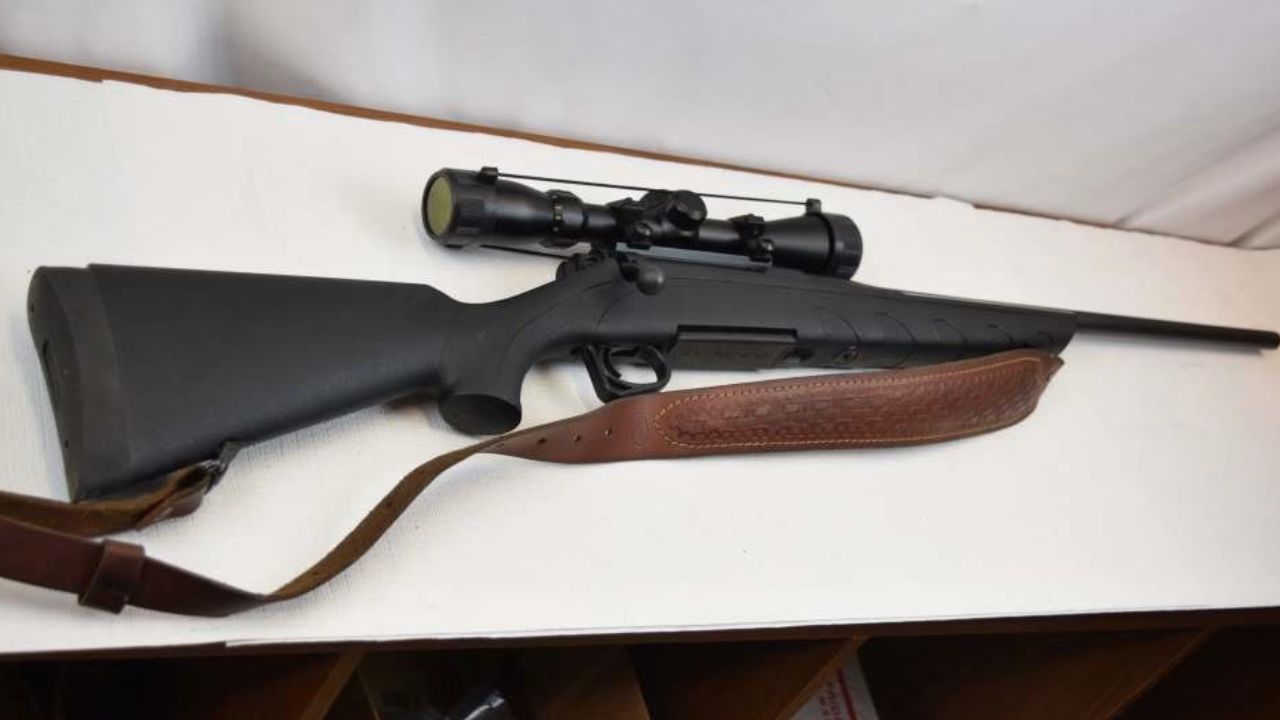
The Remington 770 had the look of a no-nonsense budget hunting rifle, especially when it came packaged with a scope and seemed ready to head straight to deer camp. To a new buyer, it checked a lot of boxes. Bolt-action rifle, synthetic stock, common chamberings, affordable price, and a name people recognized. On the rack, it looked like a practical tool.
The problem is that many shooters never trusted it the way they trusted older Remington rifles. The action often felt rough, the stock felt cheap, and the overall fit left a lot to be desired. Some examples shot well enough for basic hunting, but too many owners felt like they had bought the discount version of a better rifle. Rugged looks only go so far when the rifle feels like it was built to hit a price point first.
Mossberg Patriot Predator

The Mossberg Patriot Predator has the kind of name and profile that makes it sound like a rough-country rifle. The synthetic stock, fluted barrel on some versions, threaded muzzle, and predator-hunting branding all make it look like something meant for hard use. For the money, it can be tempting, especially for someone wanting a coyote or deer rifle without spending premium money.
But trust depends heavily on the individual rifle. Some owners report good accuracy, while others run into inconsistent groups, rough bolt feel, or a stock that does not inspire much confidence. It is not that every Patriot Predator is bad. The issue is that the rifle’s rugged image can outrun the consistency buyers expect. When a rifle is marketed like a field-ready predator tool, shooters want it to feel more settled than “maybe this one shoots.”
Savage Axis

The Savage Axis looks like a simple, weather-resistant hunting rifle that should be easy to trust. It usually comes in common chamberings, often at a very affordable price, and the synthetic stock gives it that modern field-rifle appearance. For a new hunter, it can seem like a practical way to get into a rifle without overspending.
The Axis can absolutely shoot well, especially for the money, but the overall feel does not always earn deep confidence. The stock can feel hollow and flexible, the bolt can feel rough, and older trigger setups were not exactly confidence-building for some shooters. It is a rifle that may perform better than it feels, which creates a strange problem. Even when it works, some owners never quite feel like they are holding a rifle they would trust for the long haul.
Ruger American Ranch

The Ruger American Ranch has a compact, tough little profile that makes it look like a handy utility rifle. Short barrel, threaded muzzle, synthetic stock, detachable magazine, and practical chamberings all give it a working-gun appearance. It looks like the kind of rifle you could toss behind the seat, carry around rural property, or use for hogs, coyotes, and general truck-gun duty where legal.
Plenty of shooters like the American Ranch, but it does not earn universal trust. Some owners complain about magazine fit, feeding quirks depending on the version, plastic-heavy construction, and a stock that feels less solid than the rifle’s purpose suggests. It can be accurate, and it can be very useful, but it does not always feel as rugged as it looks. For some buyers, it works. For others, it feels like a budget rifle wearing a harder-use costume.
Remington 783

The Remington 783 was built to compete in the affordable bolt-action market, and it has the right visual ingredients. Synthetic stock, detachable magazine, common hunting chamberings, and a fairly plain working-rifle appearance. It looks like the kind of gun you buy to hunt with, not admire. That can be a good thing.
Where trust gets shaky is in the way the rifle feels compared with the rifles people expected from the Remington name. The 783 can be accurate, and some owners have had good luck with them, but the budget nature is hard to miss. The bolt can feel rough, the magazine system has drawn complaints, and the rifle does not always feel like something built for decades of confidence. It may get the job done, but it does not always make owners feel proud to depend on it.
Mossberg MVP Patrol

The Mossberg MVP Patrol looks like it should be a tough, practical, do-everything rifle. It has the shorter tactical profile, detachable magazine setup, iron sights on some versions, and the promise of compatibility with common AR-style magazines in certain chamberings. On paper, that sounds like a handy rifle for ranch use, range work, or general-purpose shooting.
The issue is that the MVP Patrol has not always earned the trust its concept deserves. Some shooters have reported feeding issues, uneven accuracy, or a bolt feel that does not match the rifle’s hard-use appearance. The magazine concept is clever, but clever does not matter much if the system feels finicky. It is one of those rifles that looks practical and rugged until the owner starts wishing the execution felt as strong as the idea.
Springfield Armory Saint Victor AR-10
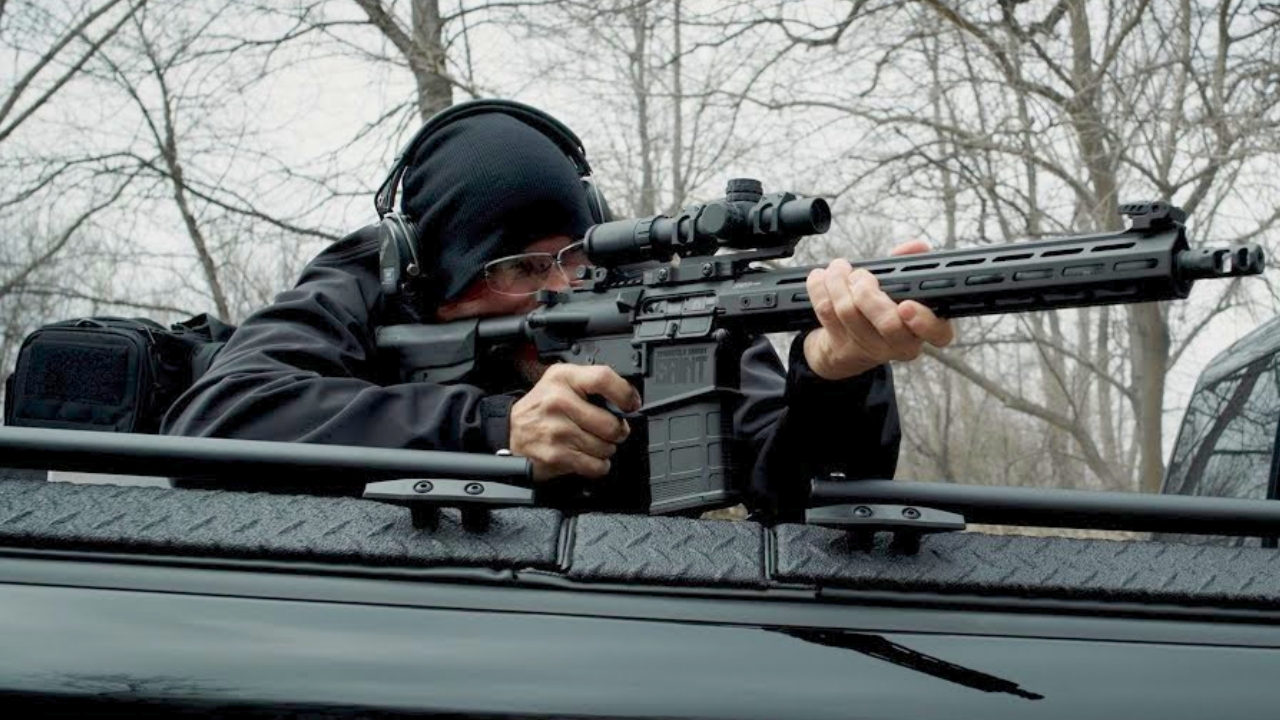
The Springfield Saint Victor AR-10 looks serious from the start. It has the larger-frame AR presence, modern furniture, a free-float handguard, and the visual weight of a rifle meant for .308 work. For buyers who want a semi-auto rifle that looks ready for rough use, it can make a strong first impression at the counter.
But large-frame ARs live or die by consistency, and trust can be harder to earn in that category. Weight, recoil impulse, gas tuning, magazine preference, and reliability with different loads all matter more than looks. Some owners like the Saint Victor AR-10, but others find that it feels harsher, heavier, or less refined than they expected. A rugged-looking .308 AR has to run smoothly and predictably, and not every buyer walks away feeling that confidence.
Century Arms C308
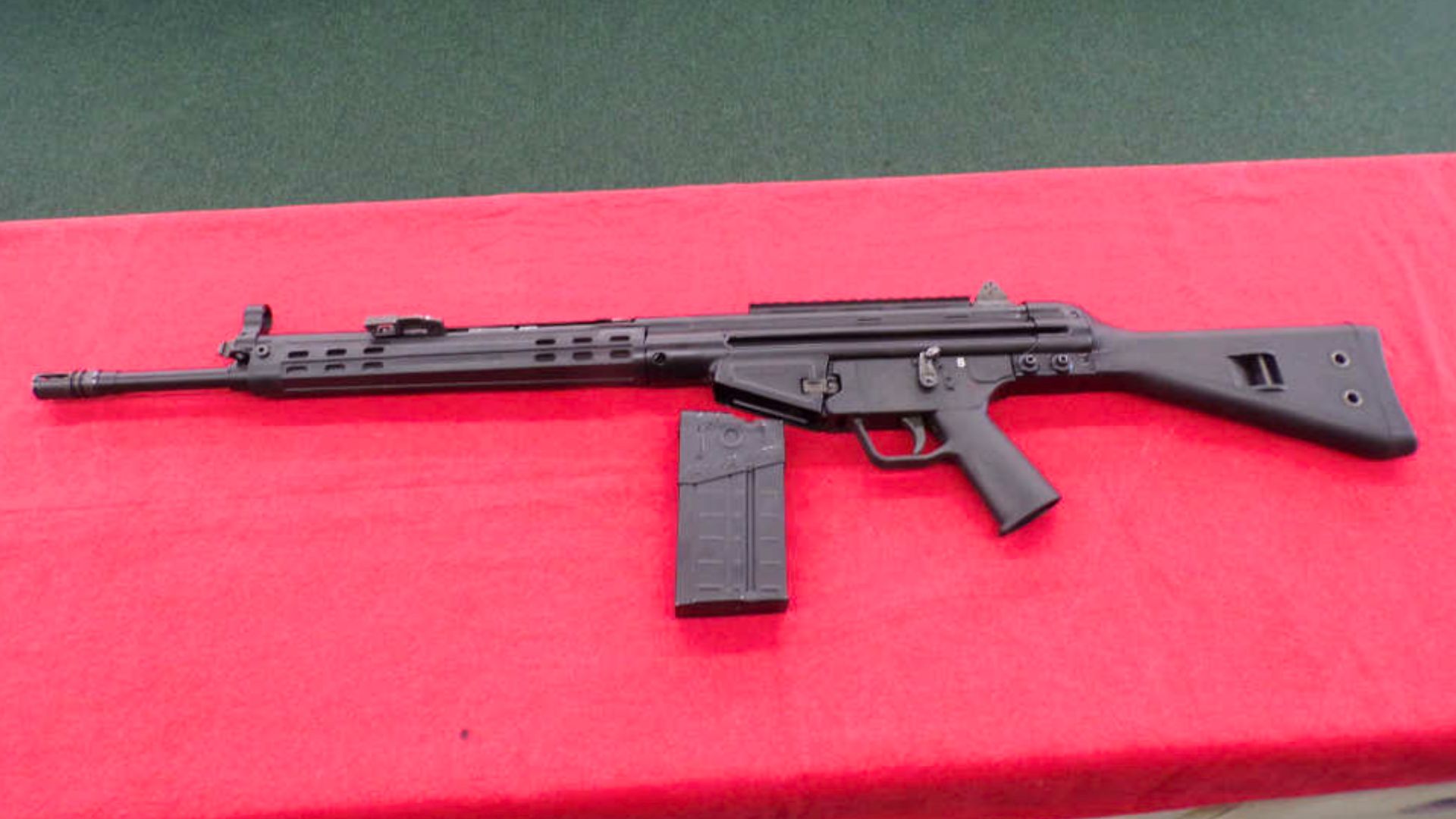
The Century Arms C308 has the kind of battle-rifle look that can pull people in fast. It is based around the HK/CETME-style roller-delayed pattern, with a serious .308 profile, steel parts, and old military energy. It looks rugged almost by default. For shooters who want that Cold War rifle feel without paying premium money, it can be tempting.
The trust problem comes from execution and reputation. Century-built rifles have often lived under a cloud of mixed QC, and that makes buyers cautious. Some C308 rifles run fine, while others have issues with fit, function, accuracy, or parts compatibility concerns. With a rifle that already has more mechanical personality than a basic bolt gun or AR, inconsistent build quality is a big deal. It may look like a hard-use battle rifle, but many owners want more certainty before they fully trust it.
KelTec RFB
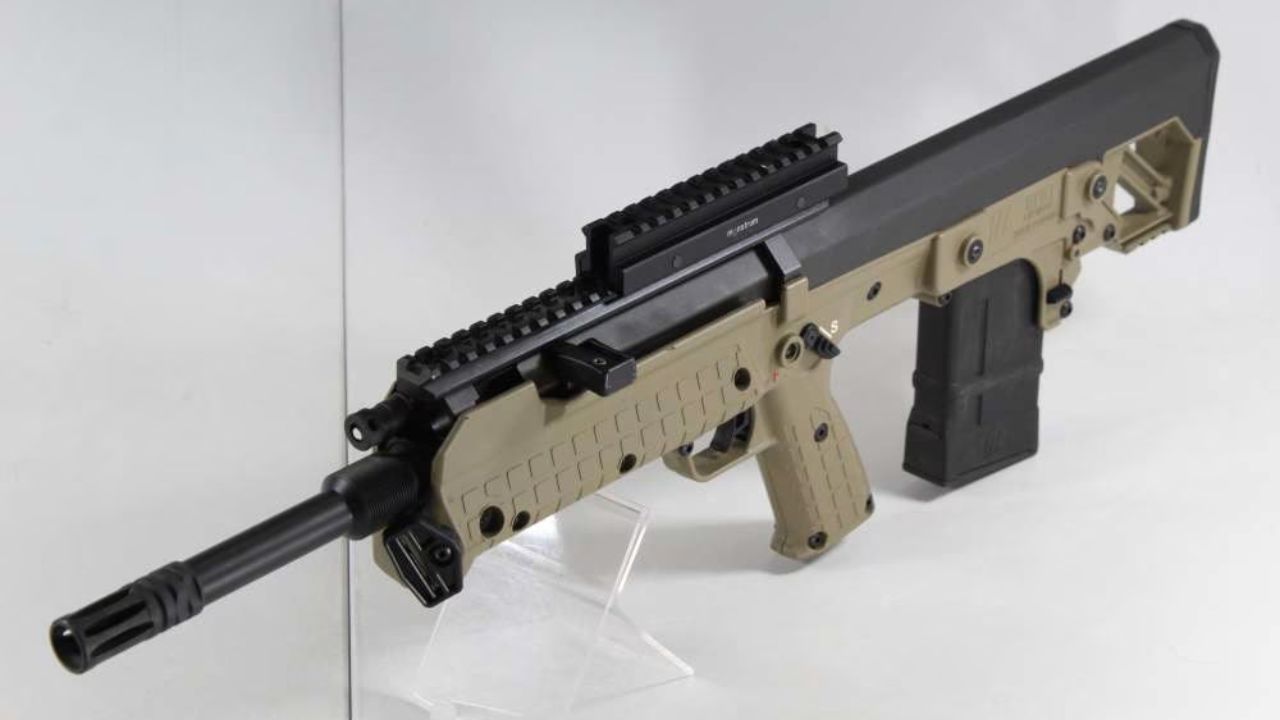
The KelTec RFB looks rugged in a futuristic way. It is a .308 bullpup with forward ejection, compact overall length, and a design that stands out immediately. It has the kind of appearance that makes people stop at the gun counter and ask questions. For shooters who like unusual rifles, it has obvious appeal.
But trust is harder to build with a rifle this unconventional. The RFB has more moving parts and design quirks than many shooters are used to, and some owners have reported reliability or gas-adjustment frustrations. When it works, it is interesting and compact for a .308. When it does not, it can feel like a rifle that asks for patience most people do not want to spend. Its rugged look is real enough, but the confidence level depends heavily on the individual gun and owner tolerance.
IWI Tavor SAR

The IWI Tavor SAR has one of the toughest looks in the bullpup world. It was built around military use, has a compact layout, and feels like something meant for tight spaces and rough handling. The design gives shooters a full-length barrel in a shorter package, which is exactly why bullpups are so appealing in the first place.
That said, not every owner grows to trust it more with time. The trigger on the original SAR was a common complaint, the ergonomics are polarizing, and reloads can feel awkward for shooters raised on AR-15s. It is rugged in construction, but trust also comes from how naturally a rifle works in your hands. For some shooters, the Tavor earns loyalty. For others, it always feels like a tough rifle they never fully settle into.
ATI Omni Hybrid AR-15

The ATI Omni Hybrid AR-15 looks like a budget-friendly entry into the AR world, and the black rifle profile does a lot of work visually. To a new buyer, it can look close enough to more expensive rifles to seem like a smart shortcut. Rails, adjustable stock, detachable magazines, and the familiar AR layout all help it look ready for serious use.
The concern is that the hybrid polymer receiver design has never inspired the same confidence as forged aluminum receivers from more established AR makers. Some owners run them without trouble, but others question long-term durability and hard-use reliability. In a platform where dependable aluminum lowers are easy to find, saving money with a rifle that raises trust questions can feel like a bad trade. It may look the part, but the materials make some shooters hesitate.
Diamondback DB15

The Diamondback DB15 has become common enough that a lot of buyers see it as an affordable AR option with a rugged look. Depending on the version, it may have rails, modern stocks, muzzle devices, and the general appearance of a rifle ready for defensive or range use. It certainly looks more serious than the plain old entry-level rifles of past decades.
The trust issue is not that every DB15 fails. Many run fine for casual shooting. The issue is that buyers looking for a rifle they can trust hard often start comparing parts, staking, QC, barrel quality, and long-term reliability against stronger AR brands. That is where budget ARs can struggle. A rifle can look aggressive and still feel like it belongs in the casual-use lane. For some owners, the DB15 never quite crosses that line.
Hi-Point 995TS Carbine

The Hi-Point 995TS Carbine has a rugged, almost sci-fi look that makes it seem tougher than people expect from the price tag. It is chunky, simple, and chambered in 9mm, which makes it appealing as an inexpensive pistol-caliber carbine. The appearance suggests a rough-use tool that does not care about scratches, bumps, or ugly handling.
Owners often trust it more than critics do, but it still has limits. The trigger, ergonomics, single-stack magazines, weight balance, and overall feel keep it from earning the same confidence as more refined carbines. It can be surprisingly reliable, and plenty of people defend theirs, but that does not mean it inspires universal trust. It looks like a hard-use carbine, yet many shooters still see it as a budget gun first and a serious rifle second.
Winchester Wildcat

The Winchester Wildcat looks like a modern, practical rimfire with the kind of features that should make it easy to like. It is light, handy, and built with a more contemporary stock design than many old-school .22 rifles. For someone wanting a casual plinker or small-game rifle, it looks rugged enough for outdoor use without costing a fortune.
But trust in a rimfire comes from reliability, magazine function, and repeatable accuracy. Some shooters have had good experiences with the Wildcat, while others find it does not feel as solid or confidence-building as older rimfire designs. The lightweight construction can come across as more toy-like than tough, depending on expectations. It may be perfectly fine for casual use, but it does not always earn that “keep forever” feeling serious rimfire owners look for.
Rossi RS22
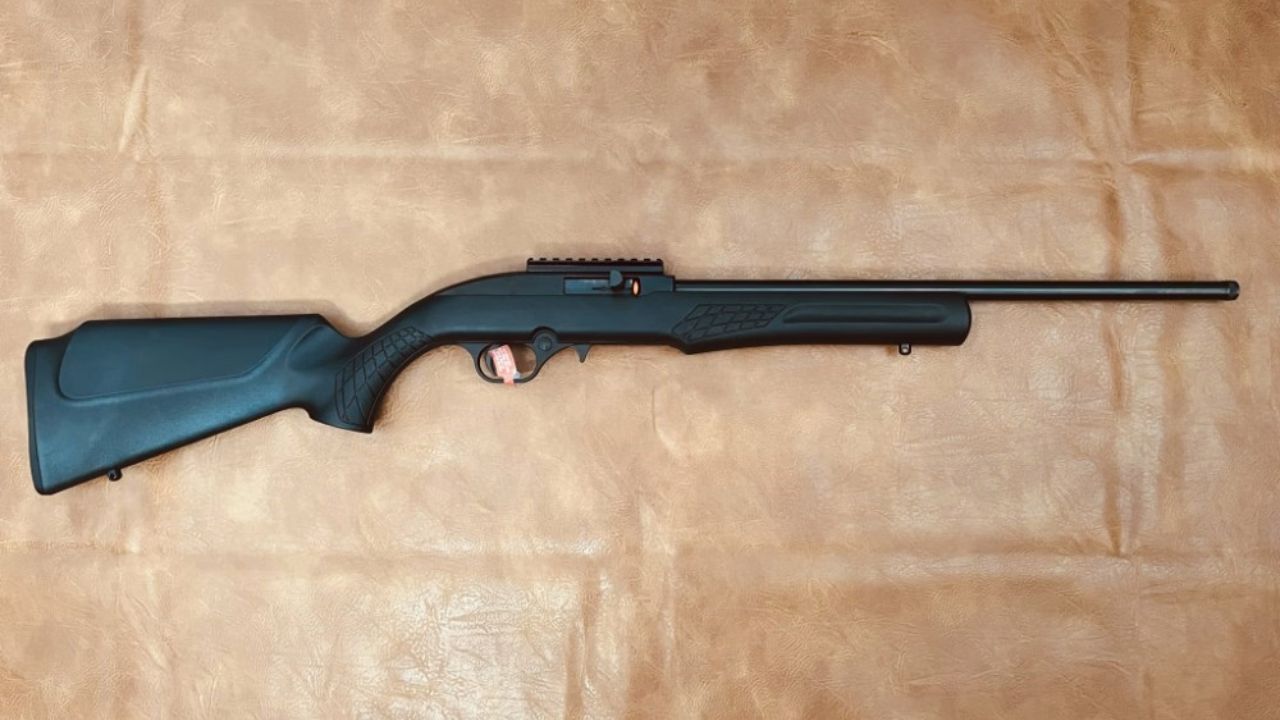
The Rossi RS22 looks like a simple, practical semi-auto .22 rifle that can take a little use. It is affordable, lightweight, and easy to carry, which makes it attractive for plinking, small-game hunting, and teaching new shooters. On the rack, it gives off the right budget utility-rifle impression.
The problem is that cheap rimfires have to prove themselves quickly, and the RS22 does not always inspire deep confidence. Some owners get reliable rifles that shoot well enough for the money. Others run into rough fit, picky ammunition behavior, or an overall feel that reminds them exactly what they paid. That does not make it useless, but it does keep it from feeling like a rifle most owners would trust more with every passing year.
Savage B.MAG

The Savage B.MAG had a rugged little varmint-rifle look and the excitement of the .17 WSM cartridge behind it. On paper, it looked like a flat-shooting rimfire option for small predators and varmints, with more speed than traditional rimfire rounds. That made it interesting to shooters who wanted reach without stepping into centerfire costs and noise.
The issue is that the rifle itself never earned the same level of trust as the cartridge idea. Complaints about stock feel, bolt operation, inconsistent accuracy, and overall build quality followed the B.MAG from early on. Some rifles shoot well, but enough owners were disappointed that the platform developed a shaky reputation. It looked like a handy varmint tool, but too many shooters felt like the rifle did not live up to the promise.
Like The Avid Outdoorsman’s content? Subscribe to our newsletter so you never miss an article.
Here’s more from us: