Photo credit: WHO_TEE_WHO/YouTube
A lot of shooters say they want three things from a cartridge: it needs to be accurate enough to make hits feel predictable, affordable enough that you actually practice, and common enough that you’re not hunting for ammo like it’s a rare part for an old truck. Funny thing is, there are several cartridges that check all three boxes, yet they keep getting treated like “second-tier” options. Not because they don’t work, but because they never got the marketing spotlight, or they got labeled as “boring,” or the gun counter guy steered everyone toward whatever was trending that year.
Most of these rounds live in the sweet spot where recoil stays manageable, barrel life is decent, and realistic field accuracy is easy to maintain. They’re the cartridges that let you shoot a lot without flinching, confirm zero without wincing, and still carry enough energy for the jobs people actually do—paper, steel, varmints, deer, and even elk under the right conditions. The “ignored” part usually comes down to perception: folks assume they’re either too mild to matter, too old to be relevant, or too oddball to feed. In the real world, they’re often the rounds that make you a better shot because you can afford to run them and they don’t punish you for doing it.
.223 Remington is better than people want to admit
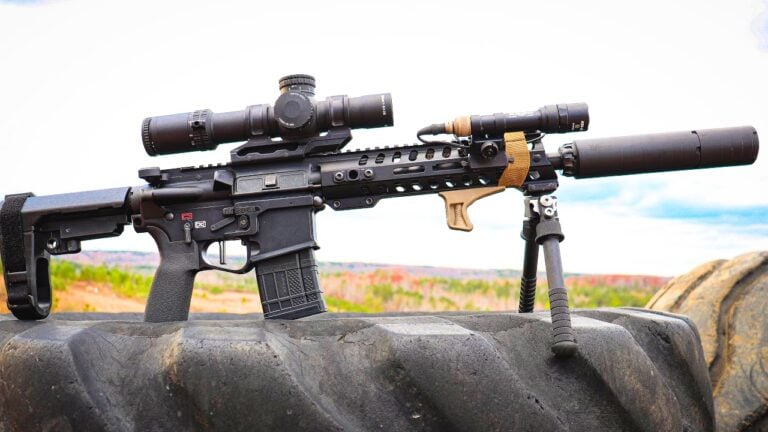
A lot of hunters still talk about .223 like it’s strictly a prairie dog round, but that’s more pride than physics. In a good bolt gun or a well-built AR, it’s easy to hold tight groups at 100 and 200, and you can confirm dope on steel out to 400 without spending your whole paycheck. The real advantage is practice volume. When you can shoot 200 rounds in a weekend without getting beat up, you start noticing your own mistakes—trigger press, position, wind calls—instead of blaming recoil or the rifle. Accuracy isn’t theoretical here; it’s repeatable because the cartridge is easy to manage.
Where people get sideways is trying to make it something it isn’t, or using the wrong bullet for the job. With modern bonded soft points or solid copper bullets in the 62–77 grain range, .223 can be a clean deer round inside sane distances when shot placement is real and angles are respected. The mechanism is penetration and construction, not raw energy numbers on a box flap. If you keep shots broadside, avoid shoulder knuckles, and don’t pretend it’s a 300-yard “do anything” hammer, it performs like a round you can actually shoot well under stress, which is the part that gets ignored.
.243 Winchester still stacks up when you’re honest about distance
The .243 has been killing deer cleanly for decades, yet it gets brushed off as a “kid’s caliber” like that’s an insult. The reality is it’s a laser with the right loads. In most rifles, it prints tight groups without drama, and it’s one of those cartridges that makes 200-yard shots feel boring because trajectory is forgiving and recoil is light enough that you can spot impacts. Ammo is usually easy to find and priced like a mainstream hunting round, which means you can actually run it enough to learn your rifle instead of treating every shot like a special occasion.
The reason it gets ignored is the same reason it works: it doesn’t hit you hard, so some folks assume it can’t hit game hard. That’s a misunderstanding of what makes kills quick. With a 95- to 105-grain controlled expansion bullet, .243 will punch through lungs and keep going, especially if you keep impact velocity in a reasonable window by not stretching it beyond what your load can support. If you want a practical number, think in terms of consistent performance inside 300 yards on deer-sized game, with better margins inside 250 when angles aren’t perfect. It’s not a scapegoat for bad shots, but it’s one of the best “shoot it a lot, hunt it confidently” rounds ever made.
7mm-08 Remington is the quiet overachiever
7mm-08 is one of those cartridges that doesn’t do anything flashy, which is exactly why it’s so good. It’s accurate in a wide range of rifles, it’s easy to load for, and it tends to be forgiving with different bullet weights. You can run 120s for deer and speed, step up to 140s for an all-around load, and even push 150s when you want deeper penetration. Recoil stays mild enough that most people can shoot it from field positions without developing that “here it comes” flinch, and that matters more than folks want to admit when you’re taking a cold-bore shot off sticks with your heart thumping.
It gets ignored because it lives in the shadow of .308 and 6.5 Creedmoor. .308 has the reputation and the military history, and 6.5 has the hype machine and the internet charts. 7mm-08 just keeps doing the work. The mechanism is efficiency: good sectional density, good bullet choices, and plenty of energy without needing big powder charges. For a deer rifle that might also see pigs and the occasional elk hunt, it’s hard to beat if you keep your shot discipline. It’s the kind of cartridge that makes you look like a better rifleman because it doesn’t punish you for practicing, and it doesn’t get weird when the wind shows up.
.308 Winchester is “popular,” but still oddly underrated as a practical shooter’s round
Everybody knows .308, but a lot of shooters treat it like a blunt instrument: accurate enough, hits hard enough, nothing to get excited about. That attitude is exactly why it’s still ignored in the context that matters—affordable, repeatable accuracy. In real rifles with decent barrels, .308 will shoot tight groups with boring consistency, and the ammo ecosystem is massive. You can find budget ball ammo for training, match loads for precision work, and proven hunting loads that don’t require you to chase boutique brands. If you shoot steel at 300 to 600, .308 is honest about wind and drop without being punishing, and that honesty builds skill.
The “weird” part is people will spend serious money chasing a newer cartridge that does the same jobs, then complain they can’t afford to practice. .308’s mechanism of success is simple: moderate pressures, stable bullets, good barrel life, and a huge pile of load data and proven combinations. Yes, recoil is more than the smaller 6mms and 6.5s, but it’s still manageable in a properly set up rifle, especially with a good stock fit and sane rifle weight. If your goal is to be the guy who can pick up a rifle, confirm zero, and make hits without drama, .308 is still one of the best “shoot it a lot” cartridges on the shelf.
.22-250 Remington is a precision trainer disguised as a varmint round
Most people file .22-250 under “coyote gun” and stop thinking, which is a mistake. It’s flat, fast, and often scary accurate in rifles that like it, and it teaches you a lot about fundamentals because you get immediate feedback. At 200 and 300 yards, it can make small targets feel reachable without having to hold a mile of elevation, and wind drift is manageable compared to slower .22 centerfires. Ammo can be found at reasonable prices in most places that stock varmint loads, and if you handload, it’s a cartridge that rewards careful work with very consistent performance.
It’s ignored because it isn’t trendy and because people overthink the “barrel burner” reputation. Sure, you can torch a throat if you dump hot strings and never let the rifle cool, but that’s a behavior problem, not a cartridge curse. For practical use—calling predators, shooting paper, running steel at medium distance—it’s a cartridge that stays fun and precise without a lot of recoil. The mechanism behind its effectiveness is velocity plus accuracy: it keeps time of flight short, which reduces the window for wind and shooter wobble to ruin the shot. If you want a cartridge that makes you better at reading conditions without beating you up, .22-250 is sitting there, waiting.
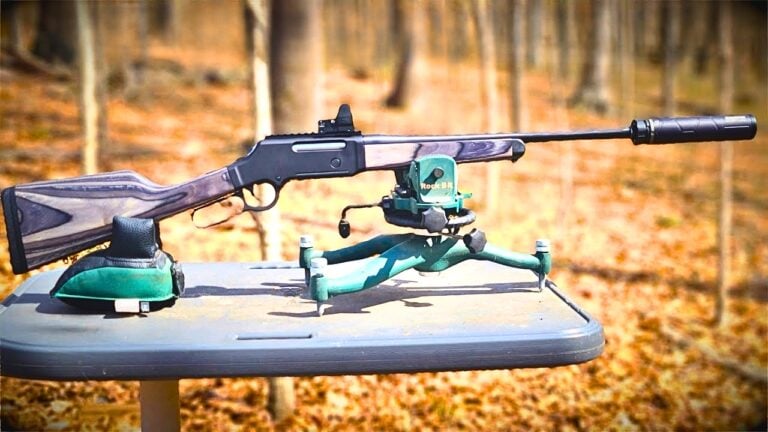
.30-30 Winchester is “old,” but it’s still one of the smartest cheap practice-and-hunt rounds
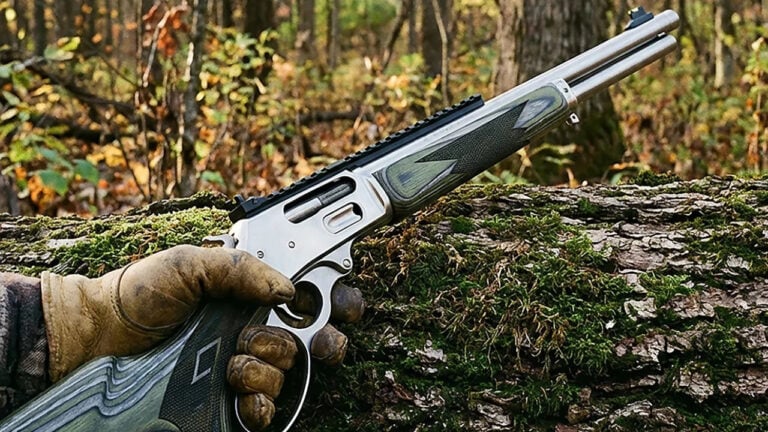
The .30-30 gets labeled as a nostalgia cartridge, like it only exists for guys who wear suspenders and talk about “the good old days.” Meanwhile, it keeps putting venison in freezers because it does exactly what it was designed to do at realistic woods distances. It’s also more accurate than people give it credit for, especially in modern lever guns with decent sights or a low-power optic. Inside 150 yards, it’s not hard to make consistent hits on a paper plate-sized vital zone, and you can practice without feeling like the rifle is trying to punish you for pulling the trigger.
The reason it’s ignored is because people compare it to modern flat-shooters on paper instead of comparing it to real hunting situations. In thick timber, river bottoms, and brushy ridges, you’re not usually taking 400-yard shots. You’re taking 40- to 120-yard shots offhand, kneeling, or braced against a tree. The mechanism here is bullet performance at moderate velocity: it expands reliably without destroying meat the way some high-speed rounds can when you clip bone. It’s also a round that forces you to hunt like a hunter—close the distance, pick your lane, and make the shot you can actually own.
Why these cartridges stay ignored even when they’re doing everything right
A cartridge can be accurate, affordable, and proven, and still get treated like it doesn’t exist because the market chases novelty. New rounds get new rifles, new ads, and new online arguments, and older “working” cartridges don’t give people anything to brag about. Another big reason is identity. Shooters pick cartridges the way people pick trucks: sometimes it’s about what fits the job, and sometimes it’s about what they want to be associated with. If a round gets labeled “beginner,” “old,” or “basic,” a lot of folks avoid it even if it would make them shoot better and hunt cleaner.
The fix is to decide what you actually need. If you want a cartridge you can practice with all year, confirm zero in nasty weather, and trust on an animal when your heart rate spikes, the boring choices start looking smart. Pick a cartridge with cheap enough ammo that you’ll shoot it, recoil light enough that you won’t flinch, and performance you understand inside the distances you actually encounter. That’s how you end up with a rifle that feels predictable instead of “impressive,” and predictable is what puts rounds where they belong when it counts.
Like The Avid Outdoorsman’s content? Subscribe to our newsletter so you never miss an article.
Here’s more from us: