Photo credit: Texas Plinking/YouTube
Some rifles get defended a little too hard for one simple reason: the owner already paid enough to feel stuck with the decision. That does not always mean the rifle is bad. Sometimes it means expectations got too high, the marketing hit a little too hard, or the rifle looked a lot better in theory than it did after a full season, a few range trips, and some honest side-by-side comparison. Once money and pride get tied together, people start making excuses for guns they should probably judge more clearly.
That is where these rifles tend to live. They are the ones people keep trying to talk themselves into because admitting disappointment feels worse after the receipt is long gone. Maybe the accuracy is only fine. Maybe the handling never quite feels right. Maybe the rifle is more hype than help in real hunting or range use. These are the rifles people keep trying to love because they already spent the money.
Christensen Arms Mesa

The Christensen Mesa makes a strong first impression because it looks like the sort of rifle that ought to shoot lights out and carry like a dream. It has the kind of clean, modern appeal that makes buyers feel like they are stepping into a more serious class of hunting rifle. That is exactly why disappointment hits harder when the ownership experience turns out to be more ordinary than expected.
A lot of owners keep defending the Mesa because it sits in that uncomfortable price range where you do not want to admit you paid premium money for a rifle that feels merely decent. If the accuracy is just fine instead of special, or the overall fit leaves less of an impression than the price tag promised, people start leaning on the name and the image a little harder than the actual field results.
Springfield Model 2020 Waypoint

The Model 2020 Waypoint is the kind of rifle people want to love because it looks like a serious answer before you ever fire a round. It checks the modern-premium boxes, photographs beautifully, and gives buyers the feeling that they are stepping into top-shelf territory. That first impression can carry a lot of momentum, especially when the bill comes due and expectations start soaring with it.
The trouble is that rifles in this lane do not get judged fairly once pride shows up. If the rifle ends up feeling a little less remarkable in actual use than it did on paper, owners are not always eager to say so. They start defending the purchase, not just the rifle. That is what happens when a gun costs enough that criticism begins to feel personal.
Q Fix

The Q Fix gets a lot of patience from owners because it is expensive, unconventional, and designed to make the buyer feel like they chose something smarter than a regular bolt gun. It has a ton of visual and conceptual appeal for people who like lightweight, modern, crossover-style rifles. That is powerful stuff. It makes the purchase feel bold before the rifle ever has to prove itself the hard way.
That same appeal can make people overlook how odd the rifle may feel once the novelty wears off. If it does not settle into real use as cleanly as the buyer expected, that creates a problem. Nobody likes admitting they paid premium money for a rifle that feels more interesting than satisfying. So they keep defending the concept long after the romance should have cooled off.
Savage 110 Ultralite
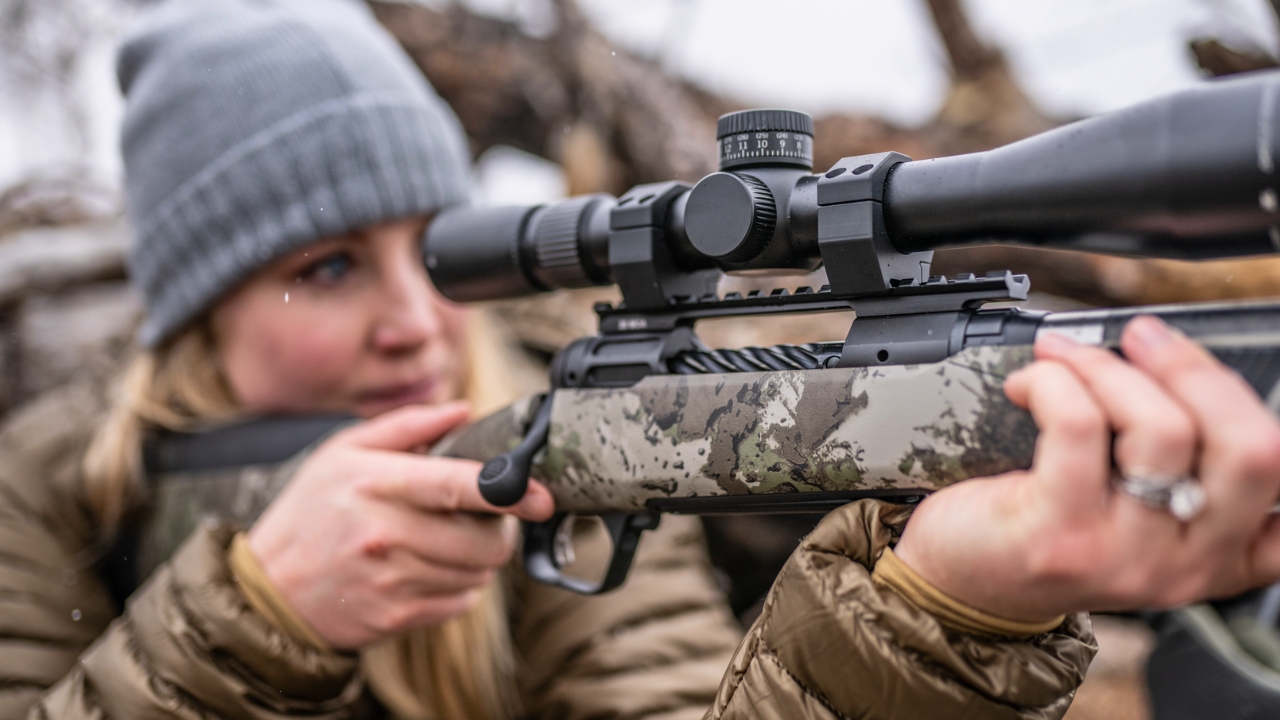
The 110 Ultralite is easy to get excited about because it promises one of the hardest things for hunters to resist: less weight without giving up real capability. That promise sells. A lot of buyers picture steep climbs, long days, and a rifle that solves all of it in one purchase. That is exactly why some owners keep trying so hard to stay enthusiastic once the real-world tradeoffs show up.
Ultralight rifles can be great in the right role, but they can also feel less pleasant to shoot, less forgiving off field positions, and a little less confidence-inspiring than buyers hoped once recoil and steadiness enter the picture. When somebody has already paid real money for the lightweight dream, they tend to defend the idea even if the actual shooting experience keeps falling short of what they imagined.
Browning X-Bolt Mountain Pro

The Mountain Pro lives in that dangerous space where a rifle looks so right that people assume it has to feel right too. It has the upscale look, the mountain-hunter branding, and the kind of finish that makes it easy to admire before the hunt even starts. Buyers want it to be worth every dollar because it presents itself like a rifle that belongs above compromise.
That can make the long-term honesty difficult. If the rifle ends up being more sensitive, less comfortable to shoot, or less impressive on paper than expected, owners are not always ready to say it out loud. At that price, disappointment is harder to confess. So the rifle keeps getting defended partly because admitting anything less than love feels like admitting they paid a lot for a dream that never fully delivered.
Fierce Rogue

The Fierce Rogue is exactly the sort of rifle people keep trying to justify because it was sold to them as a premium shortcut to serious hunting performance. It has the look and branding of a rifle you are supposed to be proud of immediately. That pride becomes part of the purchase. Once that happens, owners can get pretty protective when the rifle turns out to feel less magical in actual use.
That does not mean every one of them disappoints. It means rifles like this live in a zone where expectations run so high that even decent performance can feel underwhelming. When somebody pays for a premium identity as much as a premium tool, they start defending the rifle to protect both. That is how a gun ends up getting more loyalty than its day-to-day use really deserves.
Nosler Model 48

The Model 48 is one of those rifles people really want to love because it comes wrapped in the kind of name and price bracket that suggest authority. You do not buy one expecting “pretty good.” You buy one expecting a rifle that feels above the crowd. That expectation can make owners very forgiving when the reality feels less special once range work and hunting miles start replacing the showroom glow.
That is where money starts bending judgment. If the rifle turns out to be solid but not transformative, that can be surprisingly hard for owners to admit. They did not pay for solid. They paid for confidence, prestige, and the feeling of owning something sharper than average. So they keep trying to love it a little harder than the results necessarily justify.
Seekins Havak Element

The Havak Element sells a powerful idea: serious backcountry capability in a very refined, modern package. That is an easy pitch to fall for, especially if the buyer already wants to believe one expensive rifle can solve every mountain-hunting problem at once. It looks the part, feels current, and carries the sort of price that makes buyers assume they are entering rare air.
If the ownership experience ends up being less smooth than the fantasy, that creates a lot of emotional resistance. People who spend that kind of money on a purpose-built rifle do not want to admit that some of the compromises still followed them home. So they defend it harder, talk around the downsides, and keep trying to convince themselves the concept is carrying more real value than it sometimes does.
Ruger Precision Rifle

The Ruger Precision Rifle made a huge impression because it looked like a ticket into the long-range world without jumping straight into custom-rifle money. That was a smart place to land, and it got a lot of people excited fast. The chassis look, adjustability, and whole package made buyers feel like they were getting serious capability in one move. That kind of purchase comes with a lot of emotional momentum.
The problem is that some owners eventually realize they bought more of an identity than a rifle they truly enjoy living with. It is not always the most graceful thing to carry, the most satisfying thing to shoot casually, or the easiest rifle to love once the novelty of “precision” starts wearing off. But because they bought into the role so heavily, they keep defending it long after the shine gets dull.
Desert Tech MDRX
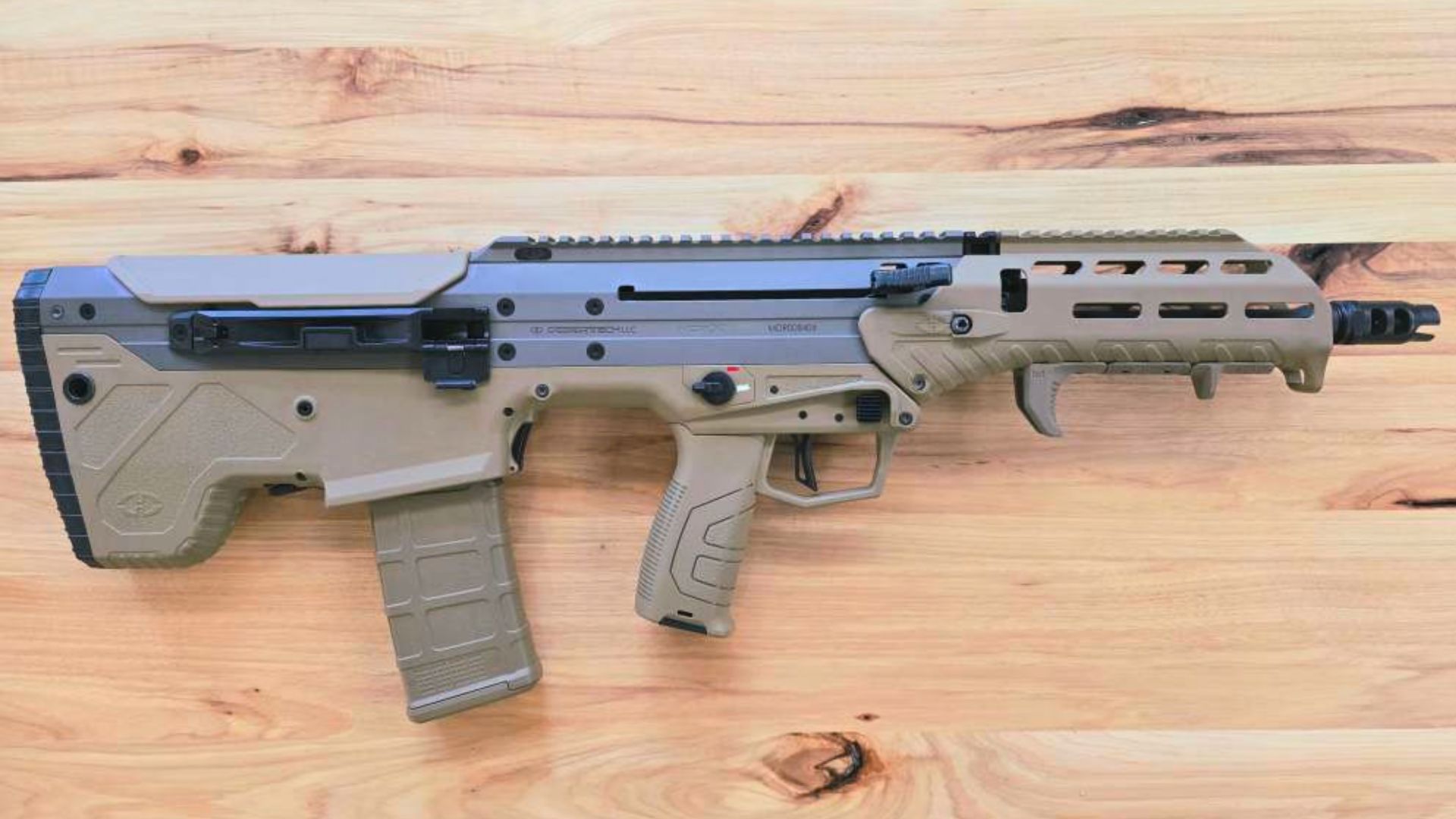
The MDRX is the sort of rifle people want desperately to love because the idea is so attractive. Compact, futuristic, different, and built to make the buyer feel like they escaped the boring mainstream. That is a strong first hook. Once someone has spent real money on a rifle like that, it gets hard to separate honest performance from emotional commitment to the concept.
That is why rifles like this often keep getting defended even when the ownership experience turns uneven. Buyers do not just want the rifle to work. They want the whole decision to feel smart. So if the gun starts feeling more like a compromise wrapped in a cool shape than a truly satisfying long-term choice, many of them still hang on. Pride keeps them there longer than pure performance would.
Bergara Premier Divide
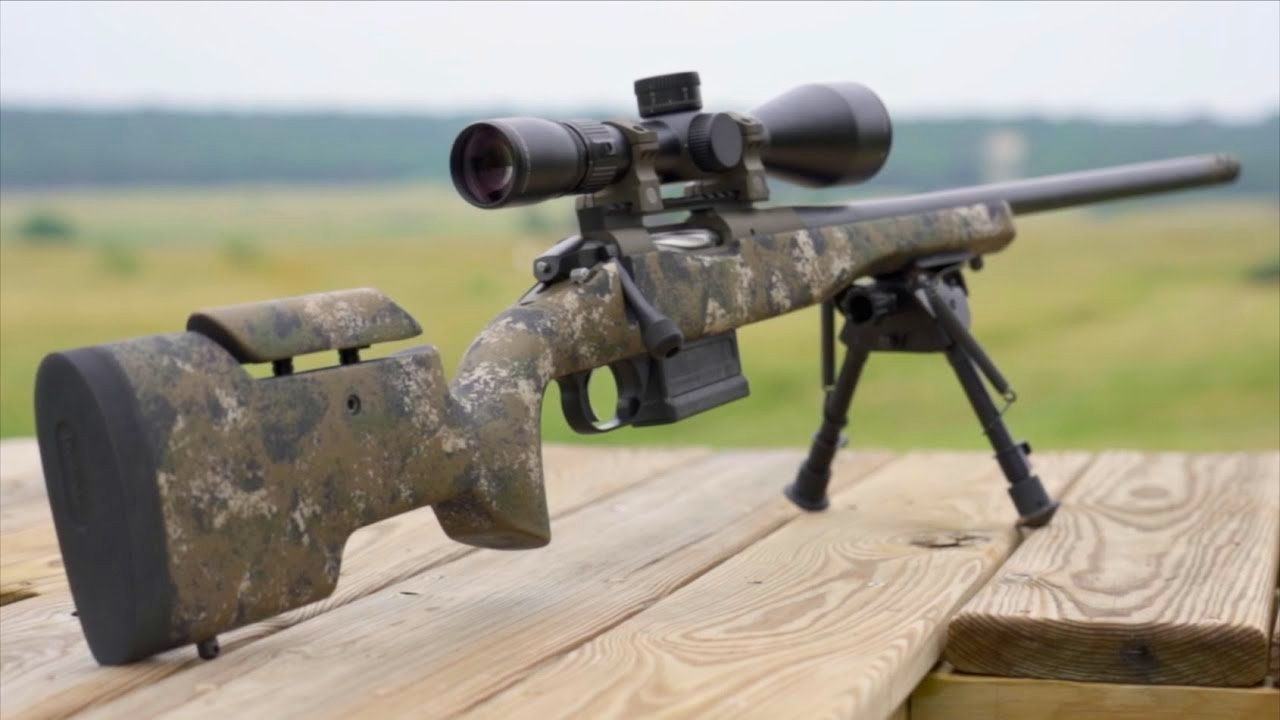
The Premier Divide is a rifle people expect to be excellent, and that expectation alone can make it hard to judge honestly. It sits in a price bracket where nobody wants to say, “Yeah, it’s okay, I guess.” If a rifle costs that much, people start feeling pressure to love it fully. That pressure can hide a lot of very normal disappointment after enough range time and field use.
When a rifle like this turns out to be good but not life-changing, owners often keep defending it because they already bought into the full story. They bought the branding, the looks, the implied edge. Admitting it may not have been worth stretching for feels worse than just continuing to speak well of it. That is how rifles become emotionally protected even when the actual use case feels thinner over time.
Daniel Defense Delta 5

The Delta 5 made a strong entrance because the brand name carried a lot of weight with people already inclined to trust anything Daniel Defense put on a rack. That kind of brand confidence can do a lot of work before the rifle ever earns it in its own category. Buyers looked at it and assumed it had to be a winner because the logo had already built so much credibility elsewhere.
That is what makes long-term disappointment harder to talk about. If the rifle never quite becomes the obvious favorite the buyer expected, saying so feels almost like admitting they misunderstood the whole purchase. So they keep trying to talk themselves into it, leaning on the brand and the promise instead of the day-to-day reality. Brand trust becomes a cushion for buyer regret.
Christensen Arms MPR

The MPR is one of those rifles that can hook a buyer fast because it sits right at the intersection of modern styling and premium aspiration. It looks like a rifle you are supposed to brag about a little. That matters, because once a rifle starts selling prestige as part of the package, the owner gets emotionally invested in loving it from the start.
That can make the long-term case surprisingly fragile. If the rifle ends up feeling less polished in use than in appearance, or less satisfying to own than the early excitement promised, owners do not always want to admit it. The purchase becomes something they keep defending partly because they do not want the price and the pride wrapped around it to feel wasted.
Wilson Combat NULA Model 20
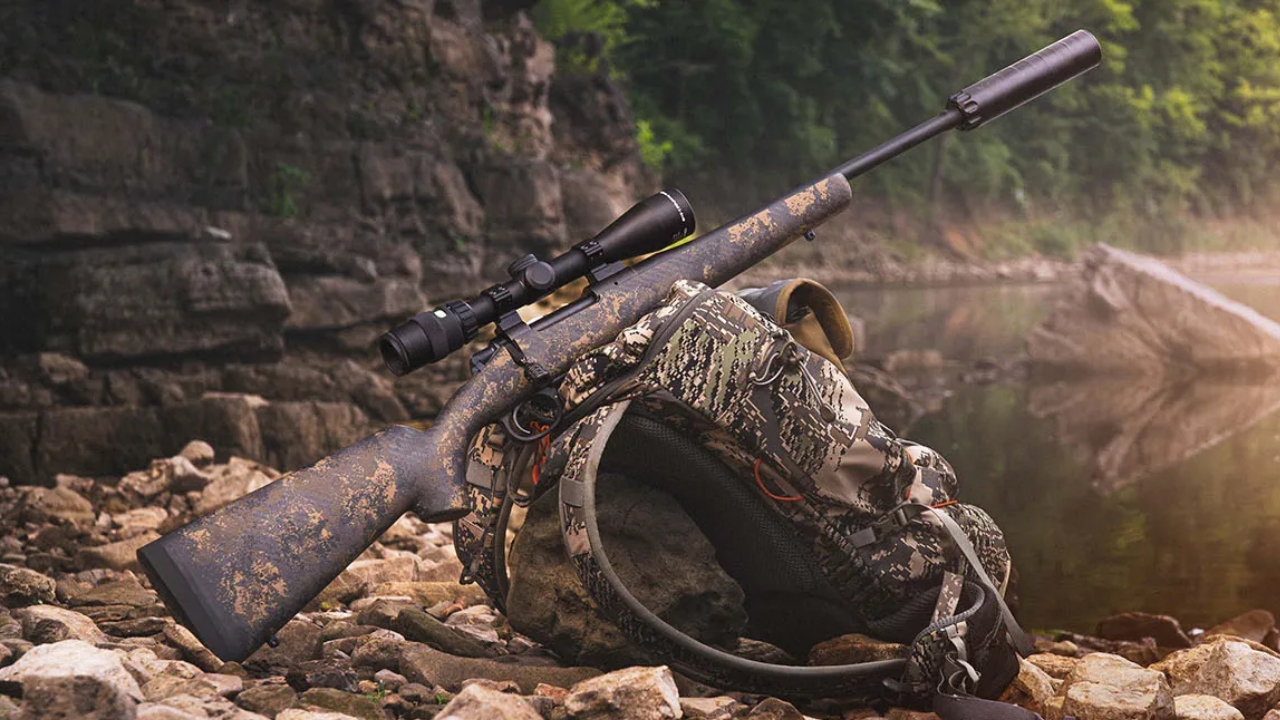
The NULA Model 20 lands squarely in the category of rifles people expect to adore because the philosophy behind it is so appealing. Lightweight, premium, mountain-capable, and tied to a respected name, it is easy to convince yourself this is the rifle that finally gets everything right. That expectation is expensive, and expensive expectations are hard to walk back.
If the rifle does not become the perfect field partner the buyer imagined, that can be difficult to admit publicly or even privately. Once someone pays for a rifle built around such a carefully sold ideal, they often keep defending the whole experience even when the fit is not as magical as they hoped. The more they spent, the harder it gets to separate reality from self-protection.
Proof Research Elevation
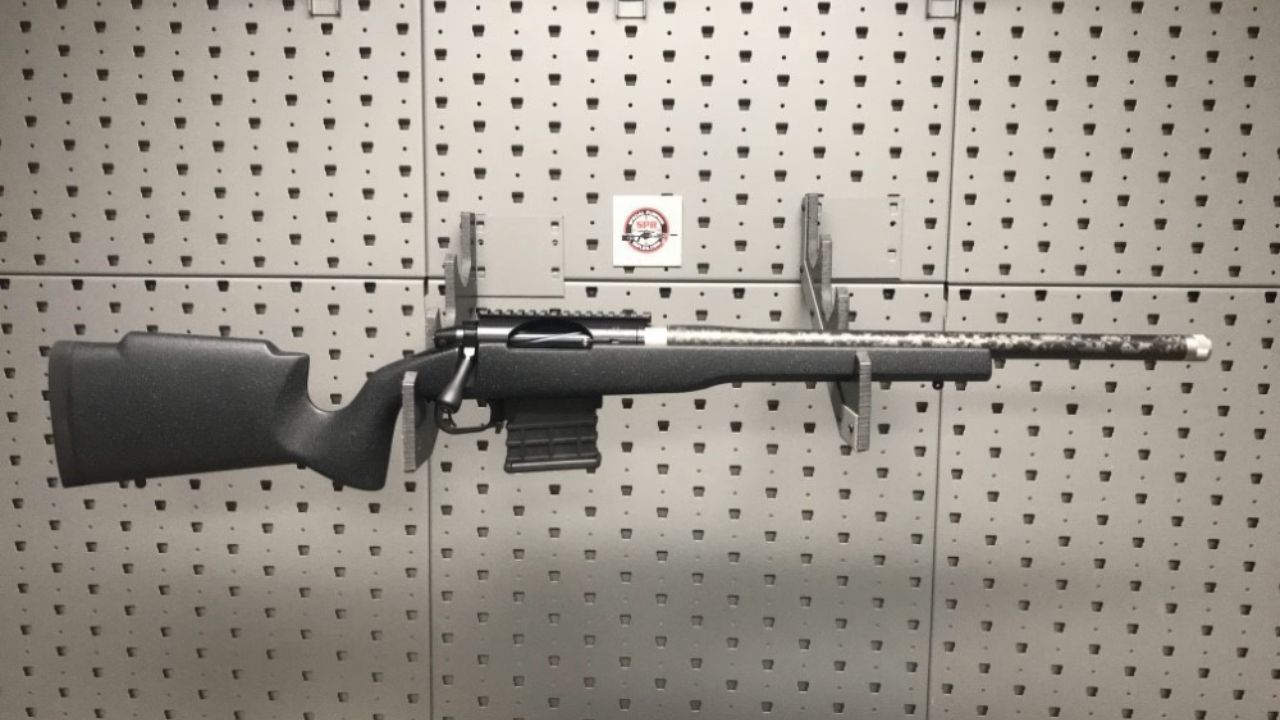
The Elevation sells a very polished version of the modern hunting-rifle dream. Lightweight, premium, serious-looking, and built around the kind of details that make a buyer feel like they are finally stepping into top-tier territory. That dream is expensive, and expensive dreams are exactly the ones people cling to when reality starts getting less exciting.
If the rifle winds up being simply good instead of clearly superior, owners often struggle to say it. That price point creates its own kind of silence. Nobody wants to admit the rifle they stretched for feels more like a polished want than an undeniable need. So they keep trying to love it, keep talking themselves into the purchase, and keep defending the rifle with more emotion than the field results always support.
SIG Cross

The SIG Cross pulled in a lot of buyers because it looked like a crossover rifle that could do everything a modern shooter might want. It was compact, modern, light enough to matter, and carried a name that made buyers feel safe jumping in early. That is a powerful mix. It made a lot of people feel like they were buying the future instead of just another bolt rifle.
That is also why so many owners seemed determined to stay enthusiastic even when the rifle did not quite fit real long-term use as cleanly as they had hoped. Once the first-wave excitement cools, people start noticing whether a rifle actually feels great to own or just seemed clever at the time. With the Cross, a lot of the defense seems tied to the fact that buyers really want the original idea to keep feeling as smart as it did on day one.
Like The Avid Outdoorsman’s content? Subscribe to our newsletter so you never miss an article.
Here’s more from us: