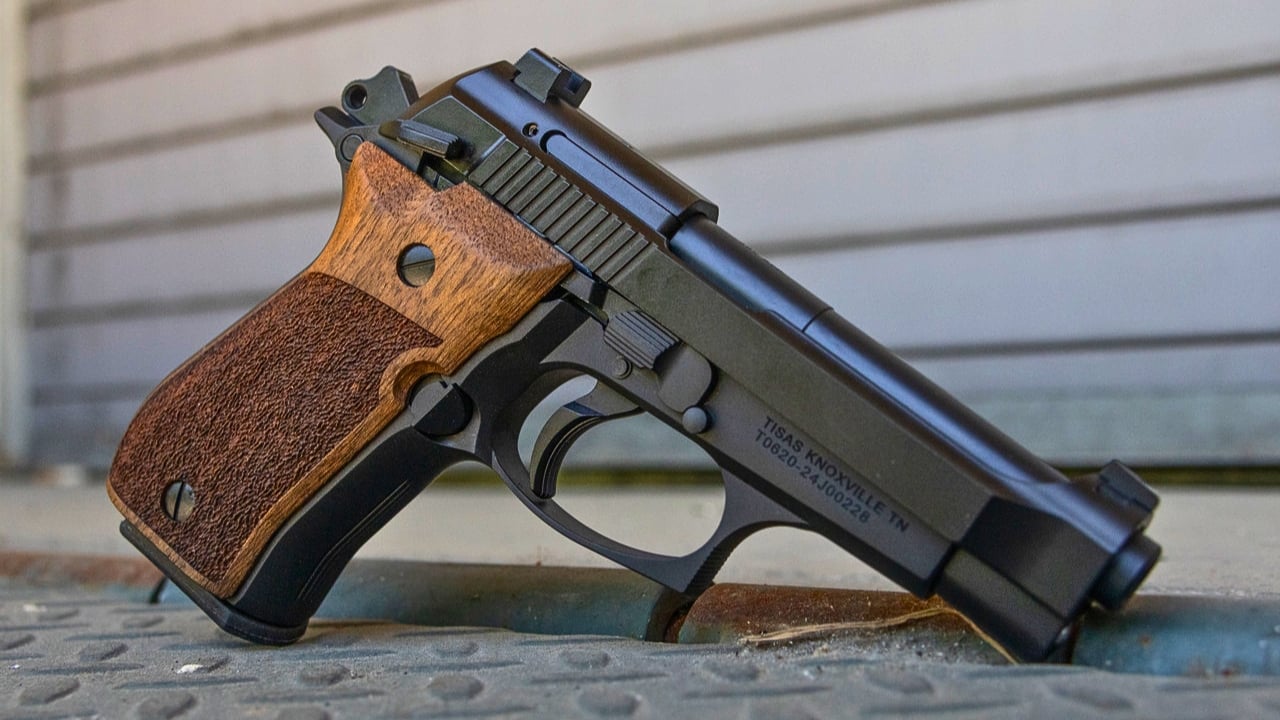
Photo credit: Tisas USA
Spotting machining shortcuts isn’t always easy at first glance. Many pistols look clean on the outside, but once you disassemble them, the tool marks, uneven surfaces, and rough edges start telling a different story. These issues don’t always make a gun unsafe, but they can absolutely affect smooth cycling, long-term durability, and reliability when the round count starts climbing.
When you’ve handled enough handguns, you learn to feel the difference between thoughtful craftsmanship and something that was rushed through production to hit a price point.
Taurus PT145 Millennium Pro

The PT145 Millennium Pro is compact and comfortable to carry, but when you look inside, the machining tells you it wasn’t built with precision in mind. Rough cuts on the slide rails and feed ramp are common, and those surfaces tend to collect fouling faster than they should. That buildup can cause sluggish cycling after only a few magazines.
The frame-to-slide fit also varies from gun to gun, which is another sign of broad tolerance stacking. You’ll still see plenty of these in holsters, but the uneven machining has been a recurring complaint among owners who shoot often.
SCCY CPX-2

The SCCY CPX-2 has earned a reputation as a budget-friendly carry gun, but the machining shows where costs were trimmed. Tool marks inside the slide and around the barrel hood are easy to spot, and they create friction points that some pistols never fully wear smooth.
The trigger bar channel is another area that suffers from inconsistent finishing. You’ll sometimes feel a gritty pull that improves only slightly with use. The pistol will function, but its internal surfaces reflect production shortcuts that become obvious once you break it down.
Jimenez Arms J.A. 380

The J.A. 380 has long been criticized for its build quality, and machining plays a big part in that. The slide interior often has sharp edges that drag on the frame rails, and the breech face is known to show uneven cuts that affect feeding.
Even after a full cleaning and lubrication, you’ll notice inconsistent resistance when you rack the slide. That uneven movement is a direct reflection of how rough the internal machining is. It’s a pistol that looks smooth from a distance but tells a different story up close.
KelTec P11

The KelTec P11 is lightweight and practical, but the machining doesn’t compare to modern compact pistols. The feed ramp often needs polishing for reliable hollow-point feeding, and the slide rails show tool marks that take a long time to break in.
Inside the frame, you’ll find flashing and unrefined polymer edges from the molding process, which aren’t technically machining but still impact overall smoothness. The pistol functions, but it’s clear that precision finishing wasn’t the focus during production.
Hi-Point C9

The Hi-Point C9 works, but nobody mistakes it for a finely finished handgun. The slide uses a cast construction that leaves behind visible imperfections even after final cleanup. You can easily spot irregular milling around the extractor slot and on the underside of the slide.
The feed ramp is another area where machining shortcuts show. It’s often rough enough that cycling hollow points becomes inconsistent without additional smoothing. The C9’s reputation for reliability exists, but the internal finishing reflects the low price tag.
Diamondback DB380

The DB380 has a sleek profile, but internal inspection reveals machining inconsistencies. The barrel lug area often shows uneven cuts, and the slide-to-barrel lockup can feel unpredictable because of the varied finishing.
You’ll also notice roughness around the firing pin channel, which affects how smoothly the striker moves. These small flaws add up, especially when you push past a moderate round count. The DB380 shoots fine at first, but owners who run them hard eventually see the effects of rushed machining.
Bersa Thunder 380 CC
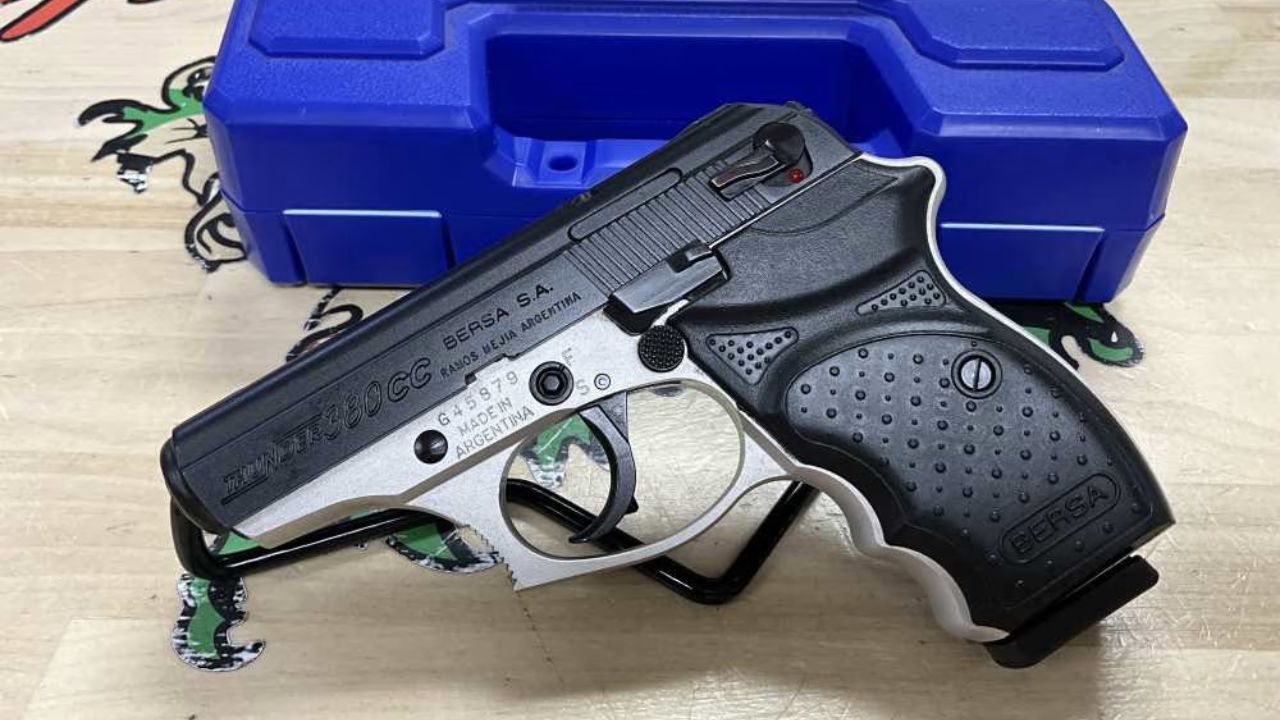
The standard Thunder 380 is well regarded, but the slimmer CC version shows more internal machining shortcuts. The slide rails often have a wavy pattern from hurried cutting, and that can lead to slightly uneven cycling as the pistol wears in.
Inside the barrel hood, tooling marks are common, and some users report that these spots collect carbon quickly. The gun remains functional, but it lacks the refined internal finish you’ll find on higher-priced compacts.
Zastava EZ9

The EZ9 is rugged and reliable, but its machining is far from refined. You’ll see noticeable tool marks along the slide rails, and the barrel throat sometimes needs smoothing for consistent feeding. These rough cuts aren’t dangerous, but they do affect how cleanly the pistol cycles under rapid fire.
Even the external flat surfaces occasionally show waviness when inspected under light. It’s a sturdy pistol, yet the machining reminds you that Zastava prioritizes durability over cosmetic precision.
Tisas Fatih 13
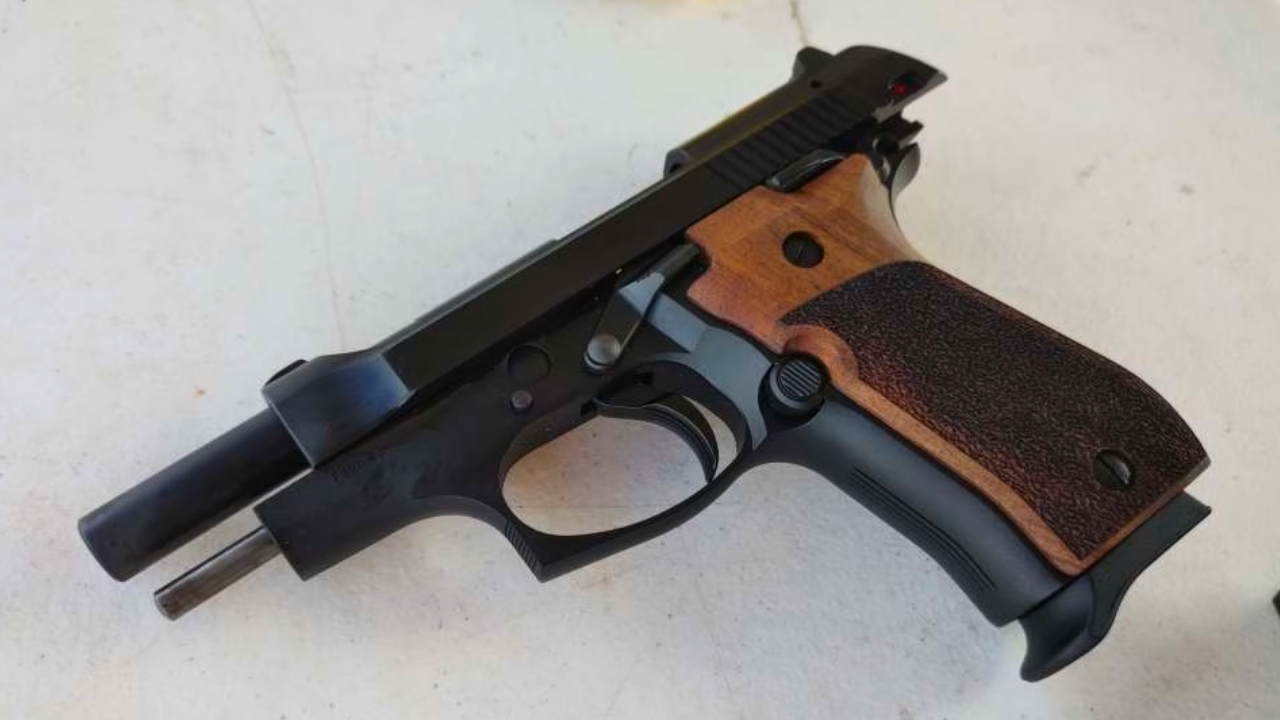
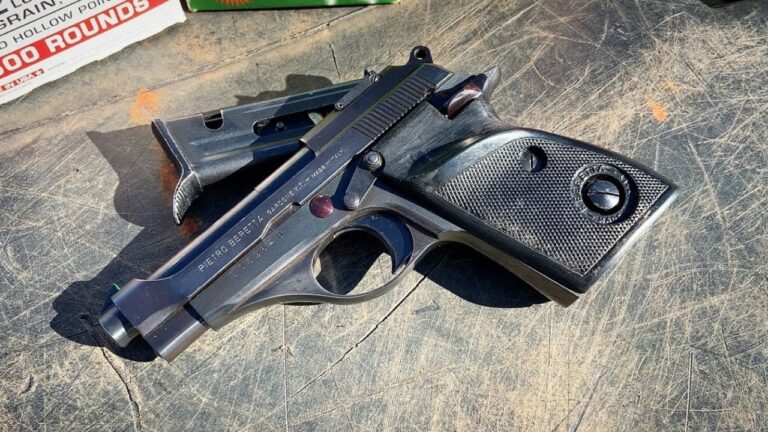
The Fatih 13 is a Beretta-style clone, but the machining isn’t at the same level. The interior of the slide often has jagged patterns where tooling wasn’t fully cleaned up. That can lead to premature wear on contact points if you shoot it heavily.
The locking block area is another spot where inconsistency shows. Slight variations in the finish can affect how smooth the pistol cycles. It performs acceptably, but a closer inspection quickly reveals the cost-saving measures.
Phoenix Arms HP22A
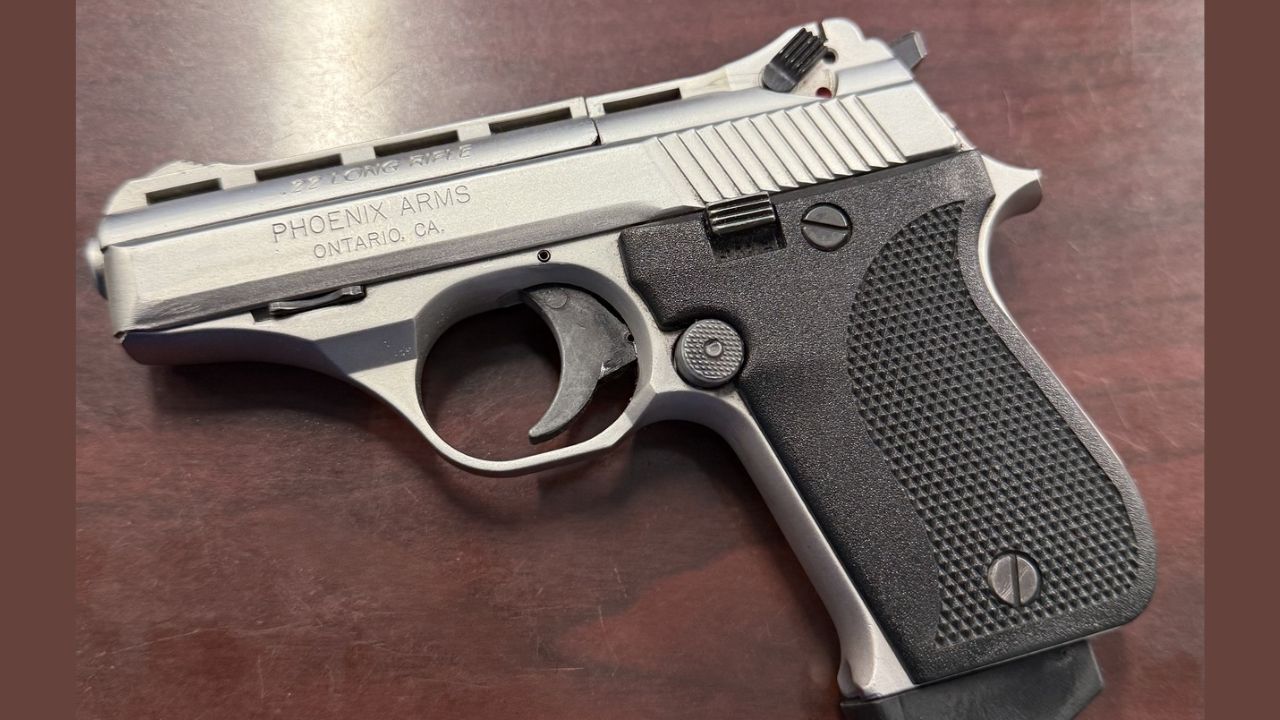
The HP22A is an affordable plinker, but the machining reflects its price. You’ll notice irregular milling around the safety components and in the slide channels. These rough surfaces can cause friction that never fully smooths out unless you manually polish them.
Even the barrel’s exterior shows marks that feel more appropriate for a prototype than a finished product. The pistol is fun for casual use, but the machining tells you not to expect long-term durability.
Cobra Enterprises FS380
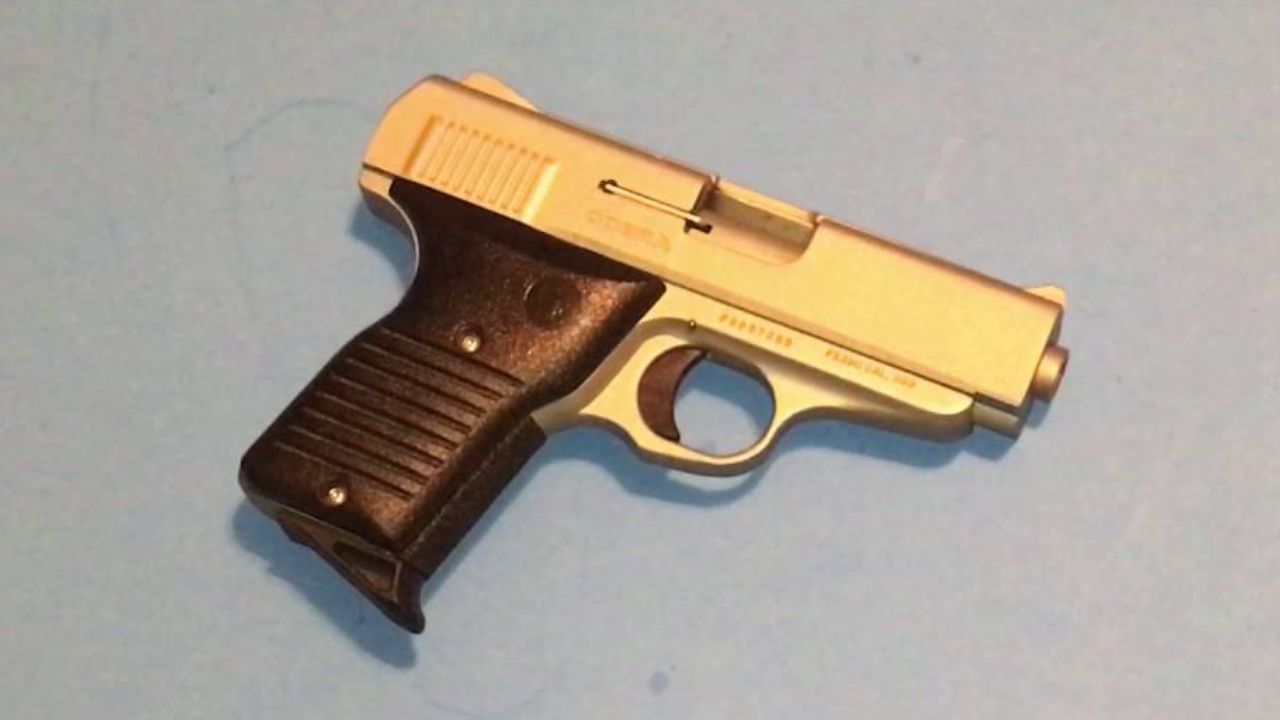
The FS380 has long been criticized for rough machining. Inside the slide, heavy tool marks are practically part of the design, cutting across contact points where smoothness matters. These marks create drag during cycling, especially when the gun gets dirty.
Sharp edges around the breech face and extractor slot further highlight the lack of refinement. Many owners report needing to polish components just to get reliable feeding. It’s a carry pistol in size but not in build quality.
ATI FX45 GI
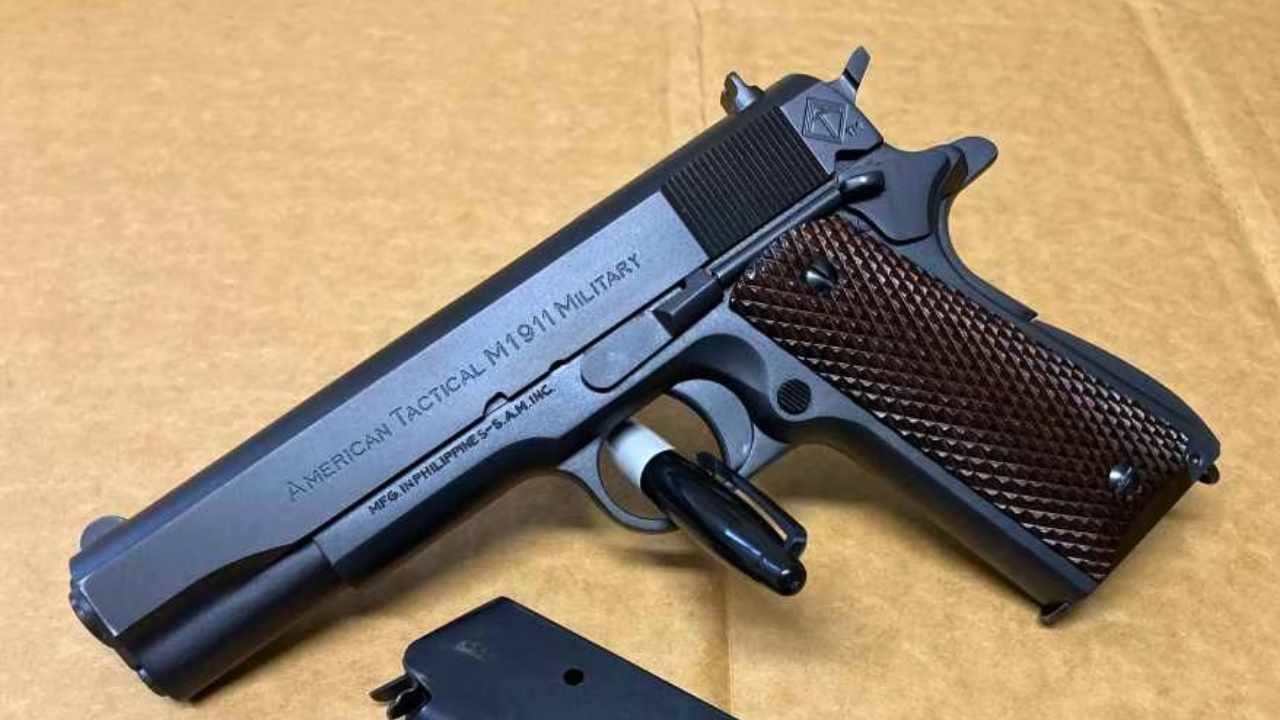
The FX45 GI is an affordable 1911-style pistol, but machining varies widely between examples. Some slides show chatter marks that run the length of the rail, affecting how evenly the slide moves. The barrel throat can also look rushed, with rough areas that affect feeding consistency.
Internally, the frame sometimes shows uneven cuts left behind from tooling. While the pistol works for casual range use, anyone familiar with higher-end 1911s will immediately notice the shortcuts.
Rock Island Armory M200
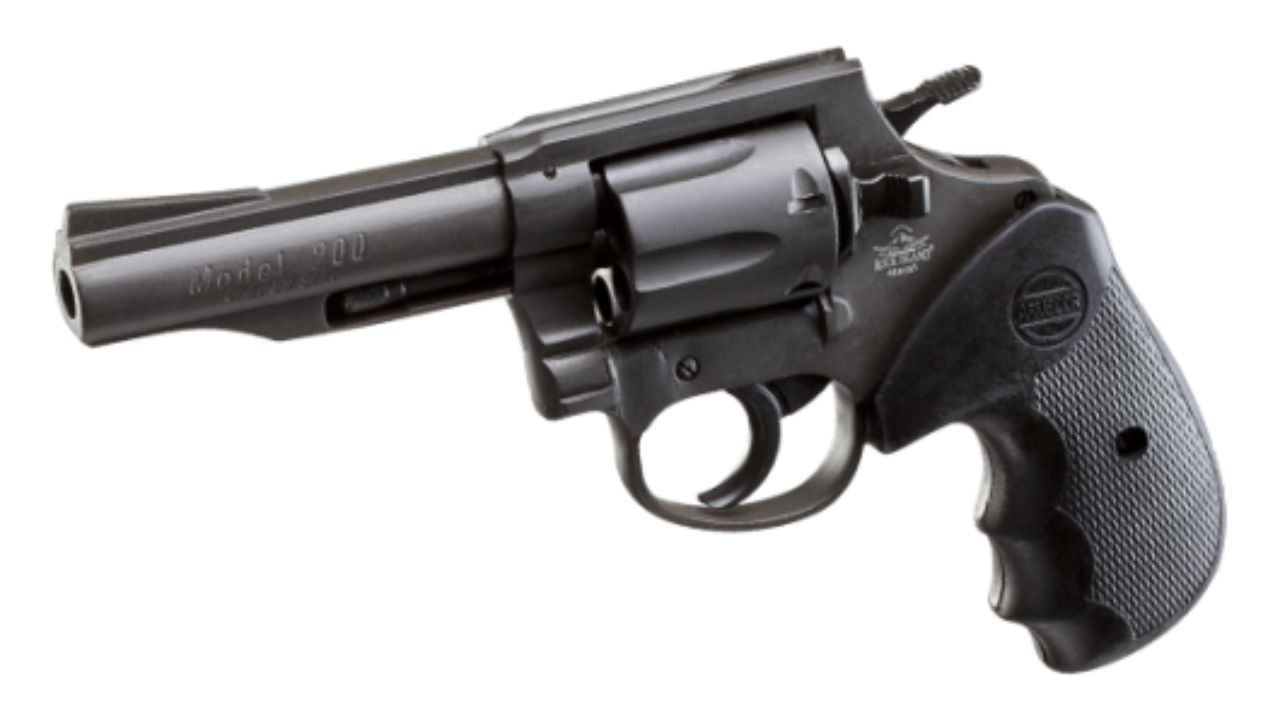
The M200 is a serviceable budget revolver, but closer inspection reveals machining flaws. The cylinder faces often show uneven milling, and the timing notches have sharp, unfinished edges. These imperfections can influence lockup and long-term wear.
The ejector rod housing also tends to show rough lines where the final passes weren’t fully cleaned up. It’s reliable enough for basic use, but it lacks the smoothed, polished feel of better-built revolvers.
EAA Windicator

The Windicator is sturdy, but the machining is far from elegant. The forcing cone area often shows tool marks that aren’t polished out, and those surfaces take a beating over time. The cylinder interior likewise shows inconsistencies that can affect how smoothly rounds seat.
Even the hammer and trigger surfaces exhibit roughness that contributes to a heavier pull. The gun works, but you can tell the finishing stage was shortened to keep production costs down.
SAR B6P

The SAR B6P is a cost-effective CZ-75 inspired pistol, but it doesn’t have the same refined machining as the originals. The inside of the slide often shows chatter marks, and some barrel hoods look unevenly cut. These inconsistencies can affect lockup smoothness and accuracy.
The frame rails also show rough milling, which usually smooths out with use but never fully reaches the polish of higher-tier guns. It’s a solid shooter for the price, though the machining reminds you why it’s priced where it is.
Like The Avid Outdoorsman’s content? Subscribe to our newsletter so you never miss an article.
Here’s more from us: